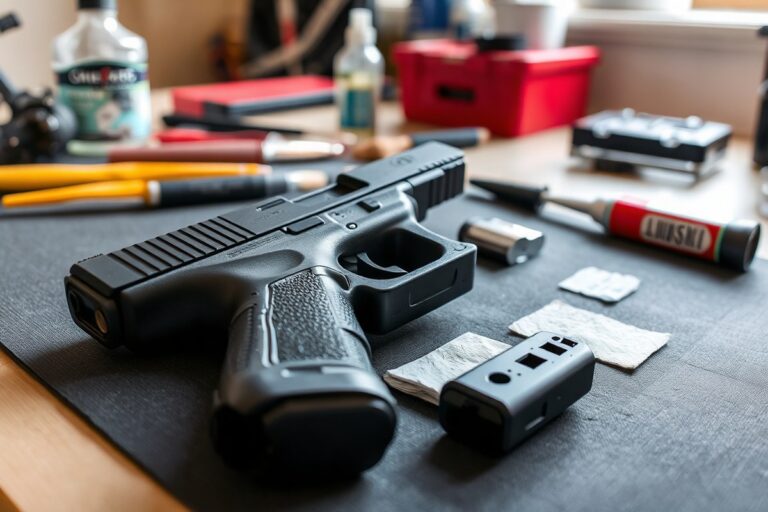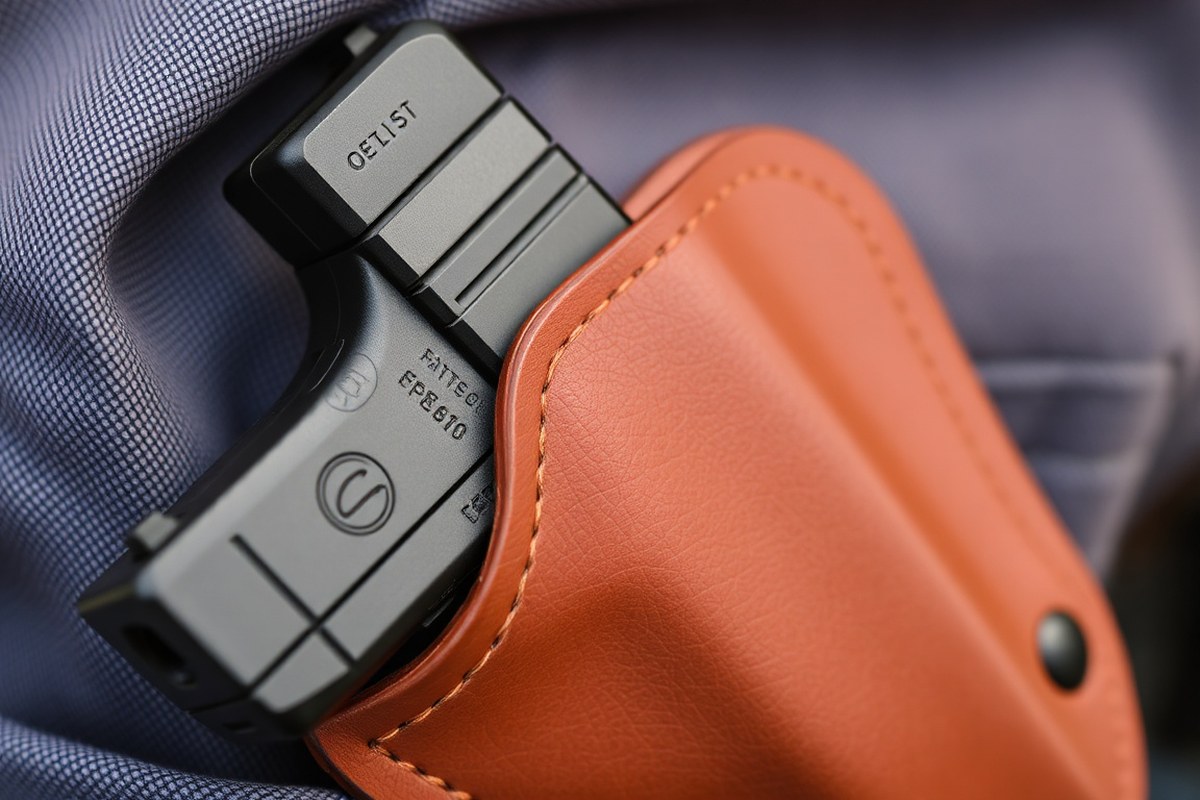
How Well Does Cerakote Hold Up to Holster Wear? What Actually Works
How well does Cerakote hold up to holster wear depends largely on the type of Cerakote and holster involved. Standard Cerakote offers good protection but can show wear on high-friction areas. Using more wear-resistant Cerakote variants and pairing them with holsters designed to minimize contact extends the finish’s life. Start by choosing a Cerakote formula with higher hardness and prep the surface thoroughly to ensure the coating bonds tightly, resisting daily rubbing and moisture.
Key Takeaways
- Choose Cerakote Elite H-Series for better wear resistance than the standard H-Series coating.
- Under heavy holster wear, aftermarket DLC finishes typically outperform factory nDLC coatings.
- Friction, moisture, and body movements contribute most to Cerakote wear during daily carry.
- Holster materials like leather and Kydex can cause different wear rates on Cerakote finishes.
- Key wear areas include sharp edges, muzzle, ejection port, and holster contact zones.
- Proper surface preparation before Cerakote application improves adhesion and durability.
How Durable Is Cerakote Under Daily Holster Wear?
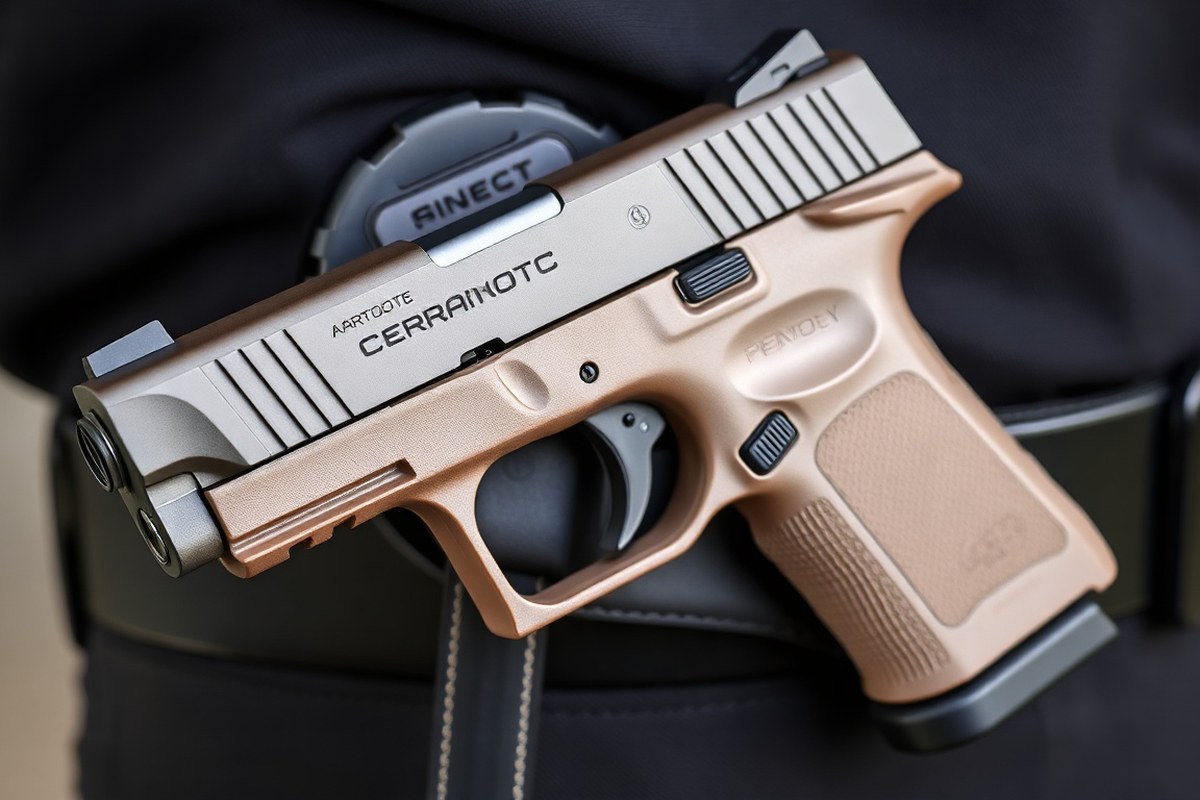
Cerakote holds up well to daily holster wear, but the exact durability depends on the variant used, the type of holster, and your carry habits. This ceramic-polymer coating becomes part of the metal surface after being applied and oven-cured, providing strong resistance to friction and sweat better than many other finishes. Standard H-Series Cerakote offers solid protection for most firearms in typical carry conditions, while the Elite Series formulas are designed for higher wear resistance, especially useful if you draw your weapon frequently or use a more abrasive holster material.
The durability you can expect varies widely based on use. For a daily carry pistol in a properly fitted quality holster, Cerakote typically lasts many months to years before visible finish wear appears. Wear often begins at sharp edges, muzzle areas, or points where the holster and firearm contact repeatedly, not because the coating fails overall but because friction concentrates in those spots. Sweat and environmental exposure do not degrade Cerakote’s corrosion resistance, so the coating will continue protecting the metal underneath even if some surface wear occurs.
Damage to Cerakote coating mainly results from mechanical abrasion and chemical exposure. Holsters made from rough or poorly finished leather or hard kydex with sharp edges tend to scuff the finish faster. Sweat and oils will not break down the coating, but harsh solvents or improvised cleaning agents can harm it if not followed by careful rinsing and drying. Heat generated during improper application or soaking the firearm in chemicals may also weaken the coating. A properly prepped and oven-cured Cerakote layer, however, will remain intact under typical holster friction conditions.
To maximize Cerakote’s holster wear resistance, choosing the right holster matters as much as the coating itself. Smooth leather or high-quality injection-molded holsters reduce friction points that cause premature wear. Combining an Elite Series formula with careful holster selection can extend the maintenance interval significantly, sometimes doubling the time you go before noticing finish degradation. If you handle your firearm roughly or expose it to abrasive environments, expect accelerated wear even with top-tier coatings.
Applying Cerakote properly involves cleaning, sanding, and degreasing the firearm’s surface, then spraying the coating evenly before curing it in an oven at exactly controlled temperatures, usually around 250°F for an hour or more. This process ensures the coating chemically bonds with the metal for best durability. Due to the specialized equipment required, professional application ranges from about $150 to $300 depending on the firearm and finish complexity. Good results show a smooth, uniform surface resistant to scratch and chip under normal holstering, while poor prep or uneven curing leads to flaking or patchy wear.
Why Holster Material and Design Affect Finish Wear
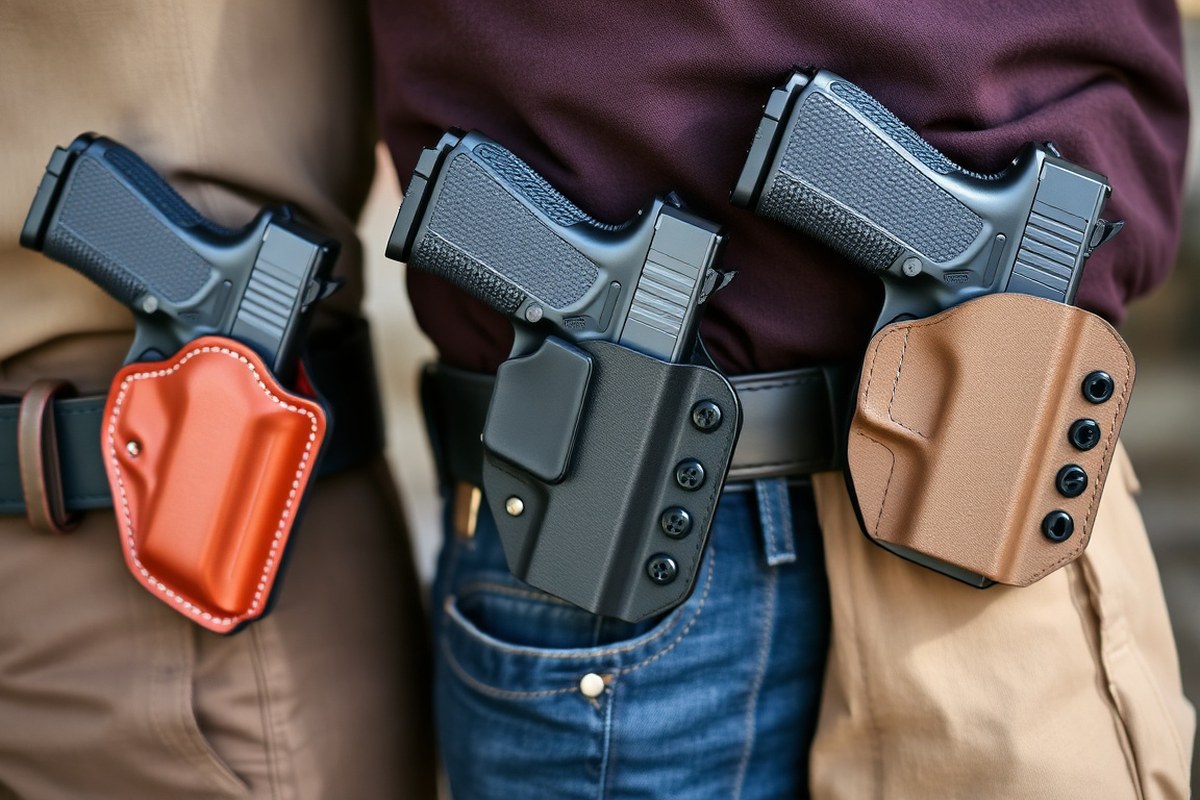
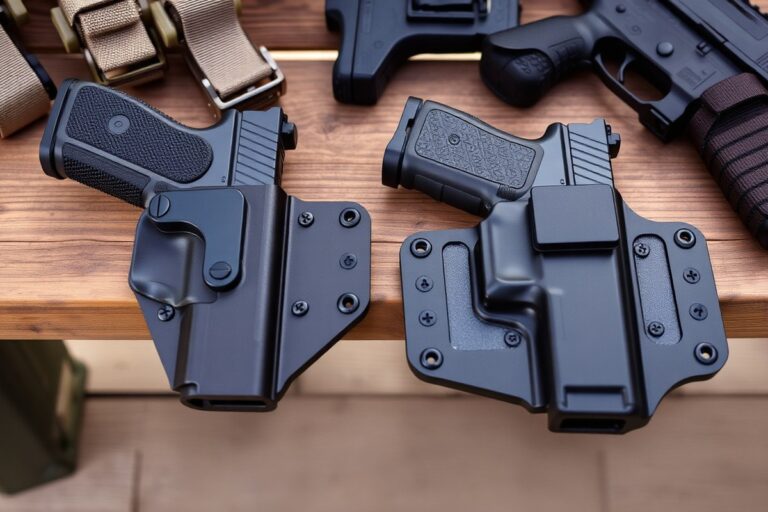
The material of your holster significantly impacts how Cerakote holds up over time. Holsters made from rigid materials like Kydex or injection-molded polymers tend to cause more finish wear due to firmer, consistent contact points that increase friction during draw and re-holstering. Softer holster materials such as leather or neoprene provide a cushioning effect, reducing friction and abrasion on the Cerakote surface. However, leather holsters can absorb sweat and moisture, potentially accelerating corrosion in high-humidity environments if not properly cared for.
Design elements such as retention method and holster fit also affect how much wear your Cerakote finish sees. A holster that fits tightly around specific contact points, like the trigger guard or slide, will increase localized friction, leading to faster finish wear in those areas. Conversely, holsters with adjustable retention or features that spread contact pressure evenly can reduce wear by minimizing constant rubbing. Off-body carry options that allow the firearm to move less during daily activity typically produce less finish abrasion than inside-the-waistband holsters, which experience more body movement and sweat exposure.
Friction is the main force driving Cerakote wear on holster-contact areas. Every time you draw or re-holster, metal surfaces coated with Cerakote rub against the holster material. This repeated mechanical action gradually removes the thin, roughly 0.001 inch Cerakote layer, especially in high-contact zones. The rougher or harder the opposing holster surface, the faster the finish wears away. Choosing a holster with a smooth interior surface can reduce this friction. Applying a dry lubricant or anti-friction coating inside the holster can also lower abrasion, but it must be compatible with both the holster material and the Cerakote finish.
Holsters built with precision molding to the firearm’s exact profile reduce unnecessary movement and friction points, extending Cerakote durability. For example, polymer holsters with fully molded trigger guard recesses minimize slide-to-holster contact beyond these areas, limiting wear. Alternatively, looser-fitting or generic molds allow more sliding and shifting inside the holster, increasing friction and accelerating finish loss.
Regularly inspect your holster’s interior for rough spots or debris that can increase friction and cause unexpected Cerakote wear.
Considering your carry environment and habits helps select a holster that balances retention and finish preservation. In high-activity or humid conditions, a slightly looser-fitting leather holster that breathes might protect Cerakote better by reducing sweat and friction compared to a tight Kydex holster that traps moisture and escalates abrasion. Holster cost, typically ranging from $30 for simple leather to over $100 for custom-molded polymers, factors into your decision but protecting finish longevity can justify spending more on quality materials and design that reduce finish wear.
What Are the Most Vulnerable Gun Areas to Holster Wear?
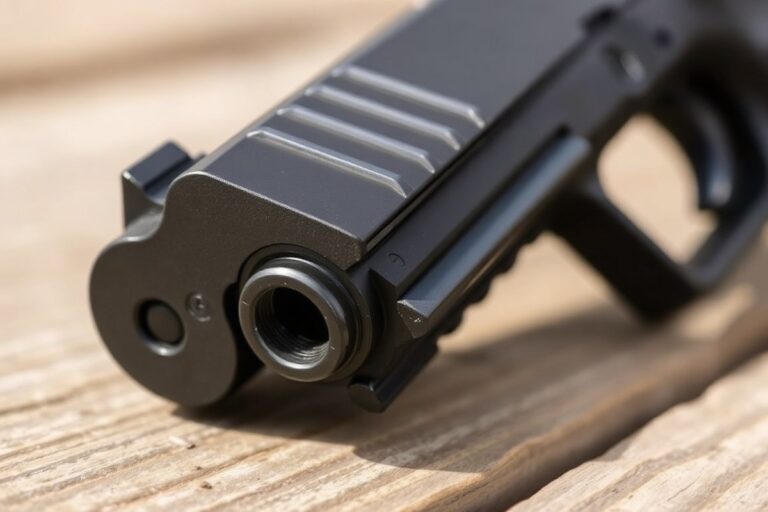
The parts of a firearm that face the most holster wear typically include areas with frequent contact or movement. Cerakote coatings excel in durability, but like any finish, the elements exposed to constant friction and pressure break down faster. The slide, frame rails, and controls like the safety lever and slide release are hotspots for wear. These surfaces often rub against leather or Kydex holsters, gradually thinning the Cerakote layer.
Friction points matter because they create repeated abrasion. Each draw and reholster exposes the finish to tiny scrapes or pressure that erodes the coating over time. Areas where metal slides against metal or rigid holster material suffer the fastest deterioration. Cerakote’s low friction coefficient reduces drag during cycling, but it cannot fully prevent finish loss where the friction is heavy or prolonged.
- Slide edges that contact the holster mouth or retention areas
- Frame sections near the trigger guard and slide lock
- Controls such as safeties, magazine releases, and slide releases
- Lower frame rails and dust cover areas that rub against holster bodies
- Barrel hood and ejection port edges
- High-contact pivot pins or bolt areas on rifles and pistols
- Any sharp protrusions or moving parts with exposed Cerakote
Damage to Cerakote can be classified as reversible or irreversible. Light surface scratches and scuff marks often remain cosmetic and can be addressed by cleaning and light refinishing. More severe wear, such as deep chip-outs or exposed bare metal, requires professional touch-up or reapplication. Damage that penetrates to the base metal risks corrosion and requires refinishing to restore protection.
Proper masking and careful disassembly during Cerakote application help avoid coating areas that might bind or wear too quickly. However, some parts cannot sustain permanent finish improvements because they must maintain tight tolerances or sliding clearances. Those areas, like sear engagements and gas ports, need special attention during prep to avoid creating accidental wear points.
Expect a reputable Cerakote shop to oven-cure your firearm at temperatures typically around 250°F for 2 hours. This creates a tough chemical bond but may require removing sensitive parts or masking tolerances. Repairing wear spots might cost around $75-$150 in shop labor, depending on coverage and complexity, or $150-$300 for full refinishing. Avoid holsters that fit poorly or allow excessive gun movement, as loose holsters accelerate Cerakote wear through increased friction.
Cerakote Variants Compared: Which Holds Up Best?
Cerakote offers several formulas with varying levels of durability for holster wear, among which the Elite Series stands out as the most wear-resistant. Standard H-Series provides good abrasion protection for general use, while the C-Series targets specialized coatings beyond wear resistance. When compared to DLC (Diamond-Like Carbon) and Black Nitride finishes, Cerakote holds up well in abrasion and corrosion resistance, but DLC and Black Nitride typically deliver superior hardness and longer-lasting wear resistance, especially in high-friction holster carry. Color choice within Cerakote matters less for durability than the formula type.
H-Series: The Standard Wear-Resistant Finish
The H-Series Cerakote is the original and most common formula used on firearms, giving solid corrosion resistance and abrasion protection. It features a hard polymer-ceramic coating cured at temperatures between 250°F and 375°F, which bonds well to metal surfaces. H-Series is suitable for everyday carry where holster wear is moderate. Average abrasion resistance allows it to perform effectively but it will show wear sooner than higher-tier coatings, especially on edges and contact points.
This formula is available in a broad palette of colors, including popular gunmetal gray and black finishes, that help hide minor scratches and abrasions. Typical pricing for H-Series Cerakote application runs $70 to $100 per firearm component. The process requires proper surface prep and controlled curing time, about 2 hours total including bake time. H-Series suits shooters who want a good balance of protection, color options, and cost without extreme holster wear.
Elite Series: Best for Friction and Holster Abuse
For holster carry that involves heavy friction and abrasion, the Elite Series Cerakote offers superior durability. This formula improves on H-Series by employing more advanced binder chemistry and thicker coatings, resulting in improve resistance against scratches and abrasion caused by leather and Kydex holsters. The higher hardness rating and flexibility protect finishes from chipping and degradation, critical for everyday carry guns.
Elite Series is available in limited color options such as burnt bronze, flat dark earth, and tungsten that do not appear in standard H-Series or on DLC/nitride finishes. These colors perform well at concealing holster wear and blends with tactical gear. Costs for Elite application typically fall between $90 and $130. Apply with strict surface preparation and curing at temperatures up to 375°F followed by a cooling phase to ensure maximum bond strength. The improve performance justifies the higher price for active shooters who holster and unholster multiple times daily and require minimal finish degradation over time.
How DLC and Black Nitride Stack Up
DLC coatings, commonly applied to aftermarket Glock slides, deliver very hard, low-friction surfaces with excellent wear resistance, outperforming standard Cerakote formulas under high holster abrasion. DLC runs a hardness rating near 9 on the Mohs scale and requires deposition via chemical vapor deposition. This process is costlier, often $200 to $400 per slide, but greatly extends finish life in holster carry scenarios.
Black Nitride finishes, interacting via a salt bath nitriding process, increase surface hardness and corrosion resistance reasonably close to DLC but at a lower price point, typically around $100 to $150. Black Nitride retains a natural metal feel and hides wear moderately but does not offer the color versatility of Cerakote. It fits shooters who want a durable, subdued black finish without the premium cost of DLC.
Colors available with DLC and Black Nitride remain limited to blacks and grays, unlike Cerakote’s broader palette. For pistols primarily stored rather than holstered, Elite Cerakote provides a cleaner finish option without sacrificing much wear resistance. Strong holster wear environments, however, often benefit from DLC or Black Nitride due to their superior hardness and slick surfaces.
How Proper Prep and Application Extend Cerakote Life
The durability of Cerakote under holster wear hinges largely on thorough surface preparation and strict adherence to application and curing protocols. Proper prep removes contaminants and creates a profile that lets Cerakote bond firmly to your firearm, while oven curing locks in the finish’s hardness and wear resistance. Skipping or rushing these steps can mean a finish that chips or rubs off quickly.
Surface Cleaning and Degreasing
Before applying Cerakote, the firearm parts must be meticulously cleaned and degreased. This removes oils, fingerprints, and contaminants that interfere with adhesion. Use a high-quality degreaser specifically made for metals, such as acetone or a commercial parts cleaner. Apply it with a lint-free cloth or in a parts washer, ensuring every nook and crevice is free of residue. Failing to thoroughly degrease may result in uneven coating and premature wear in holstered areas.
Proper cleaning sets the foundation for Cerakote’s longevity, costing roughly $10 to $25 for degreasing supplies depending on quantities and brand. Taking the extra time to repeat the cleaning stage reduces the risk of adhesion failure, which could otherwise lead to costly rework.
Abrasive Blasting and Profiling
After cleaning, abrasive blasting is the essential step to create a surface profile that promotes mechanical adhesion. This involves blasting the metal with a fine abrasive, like aluminum oxide or glass beads, at moderate pressure to roughen the surface slightly without warping or damaging critical tolerances. The goal is to produce a uniform texture that measures about 1.5 to 2.5 microns in peak-to-valley height.
Blasting equipment rental or professional services cost between $50 and $150 depending on volume and shop rates. Inadequate blasting results in poor Cerakote adherence, especially on areas experiencing holster friction like the slide and frame edges. After blasting, parts should be cleaned again to remove residual dust and particles before coating.
Don’t skip the blasting step just because your metal looks clean; even trace surface oils or smooth finishes can cause early Cerakote failure under holster wear.
Controlled Oven Curing Processes
The oven curing stage is critical for achieving Cerakote’s optimal hardness and chemical bonding. After spraying the finish in a temperature- and humidity-controlled environment, the part must be baked in an oven typically set between 250°F and 300°F (120°C to 150°C) for around two hours. This process chemically crosslinks the ceramic and resin components, producing a surface hardness around 65-72 HRC depending on the steel and Cerakote variant.
Many gun owners skip professional oven curing to save cost, but this significantly reduces the finish’s lifespan, especially in holstered carry. Industrial curing ovens or professional Cerakote applicators charge $75 to $150 depending on batch size. Home curing ovens designed for Cerakote application are available but require careful temperature control. Under- or over-curing can lead to cracking, reduced hardness, or poor flexibility, all detrimental to holster durability.
Strict handling discipline during and after curing avoids smudges or surface contamination that compromise the final finish. The payoff is a coating that resists rubbing and chemical exposure far better and maintains consistent color and gloss.
Maintenance Tips to Minimize Cerakote Wear from Holsters
Cerakote is designed to handle exposure to sweat and moisture without rusting or corroding. However, ongoing friction against holster materials and body oils can gradually wear down the finish. Routine maintenance helps keep your Cerakote looking sharp and functioning well, especially for guns carried daily in a holster.
After each use, clean the firearm gently but thoroughly to remove sweat, salt, and dirt that collect from skin and clothing. Avoid harsh solvents, as some commercial gun cleaning products contain chemicals that can weaken or discolor Cerakote over time. Instead, use a mild, pH-balanced cleaner or gun oil specifically labeled safe for ceramic coatings.
Holster design impacts how much moisture contacts the Cerakote finish. A sweat guard covering the full height of the slide significantly reduces exposure to body oils and sweat. When your holster lacks this feature, think about switching or adding a barrier to reduce constant moisture contact, which can wear down the finish faster.
- Wipe the firearm down with a soft microfiber cloth after removing it from the holster
- Use a mild, Cerakote-safe cleaner or lubricating oil for routine maintenance
- Inspect the holster lining for abrasive debris that can accelerate finish wear
- Rotate firearms if possible to reduce constant wear on a single gun
- Store the firearm in a dry place when not in use to prevent moisture buildup
- Check Cerakote finish regularly for early signs of wear and plan touch-ups accordingly
Cleaning solvents that are too harsh can cause finish dulling or peeling. Use cleaning agents compatible with ceramic coatings, and avoid dripping solvents directly on the Cerakote. Instead, apply a small amount on a cloth and wipe the parts carefully. This cautious approach maintains the protective properties of the finish while addressing residues left from sweat or environmental exposure.
Despite Cerakote’s strong resistance to corrosion, moisture trapped inside some holsters can build up, contributing to finish wear over months of use. Removing the firearm periodically to air out the holster lessens this risk. Heavy sweating in warm climates calls for more frequent cleaning and inspection to keep the Cerakote’s integrity intact.
When and How to Repair or Reapply Cerakote Wear Spots
Cerakote can often be touched up or reapplied after wear, but whether it requires repair depends on the extent of damage and the coating’s adhesion. Light surface scratches and wear spots are usually repairable with proper preparation and recoating, while deep gouges or substrate damage may need more extensive work or professional refinishing.
Assessing the Severity of Wear
Examine the Cerakote finish closely to determine the damage type. Light abrasion or fading that reveals slight substrate color can typically be fixed with touch-ups. Look for areas where the finish has visibly thinned but remains firmly bonded. You may notice peeling, chipping, or spots where the metal underneath shows and rusts, indicating more serious damage that needs careful handling.
Damage that penetrates to the metal or causes corrosion is more difficult to repair and may call for stripping and full reapplication. Also, if the Cerakote shows cracking or large flakes peeling off, local repairs might not hold well. For holster wear, damage accumulates gradually, so checking every six months helps catch problems early.
Surface Preparation for Touch-Ups
Proper cleaning and surface prep are essential for a successful touch-up. Begin by cleaning the affected area with a mild detergent and water to remove dirt, oils, and holster residue; avoid acetone or MEK since these degrade Cerakote. After drying completely, lightly abrade the worn spot with 400 to 600-grit sandpaper to create a rough surface for the new coating to adhere.
Take care not to sand aggressively beyond the damaged area. Wipe the sanded area with isopropyl alcohol or a dedicated Cerakote prep solvent to remove dust and oils that could hinder bonding. Make sure the surface is completely dry before moving to application.
Applying and Curing Repair Coatings
Use a touch-up Cerakote pen or a fine brush with matching Cerakote mixed to the correct ratio. Apply thin, even coats to the prepared area, allowing each layer to dry for 20 to 30 minutes between applications. Multiple thin layers build better adhesion and reduce visible transitions. Avoid thick coats that may run or pool.
Once the touch-up coats are applied, curing is critical. Depending on the Cerakote formula, curing typically requires baking at 250°F to 300°F for 2 hours in a dedicated oven. Temperature control ensures the coating bonds fully and resists wear. When baking isn’t an option, some coatings cure at room temperature over a few days but tend to be less durable.
After curing, inspect the repair area for uniformity and adhesion by gently rubbing with a cloth. When the edges lift or the repair remains soft, redo the surface preparation and reapply the coating. Repairing Cerakote on holstered guns involves patience and careful work; poorly done touch-ups can peel quickly under friction, costing more time and materials than a professional full refinishing, which can run $100 to $200 depending on the firearm and finish complexity.
Choosing the Right Finish and Holster for Your Carry Needs
Choosing the right finish and holster combo starts with understanding how you use your carry gun and the environments it faces. Nitride finishes commonly serve as the baseline for daily carriers because they offer a clean, consistent look and durable protection against everyday wear. This finish holds up well to handling, holster friction, and exposure to sweat and moisture during regular use. Selecting Cerakote for holster carry means assessing which variant fits your typical conditions, such as humidity, temperature, and the type of holster material you prefer.
Focus first on your daily carry habits. A gun carried inside the waistband (IWB), exposed constantly to pocket lint, sweat, and fabric abrasion, demands a finish with strong chemical and wear resistance. Cerakote C-Series and Elite Series are options that provide improve durability, but they require careful preparation and professional application to ensure longevity. The cost varies widely; expect $150 to $300 per firearm, depending on whether you opt for a single or multi-layer finish. A well-applied Cerakote will last at least 18 to 24 months under heavy daily carry conditions before noticeable wear appears, but results depend heavily on holster choice and use intensity.
Choosing a holster that protects your finish is as important as picking the right coating. Holsters made from materials like Kydex tend to cause more finish wear due to rigid contact and friction, especially around tight retention spots and edges. Leather holsters can be gentler on Cerakote but may absorb sweat and chemicals that degrade finishes over time. Look for holsters with smooth, well-molded interiors and consider adding a soft lining or protective coating to reduce abrasion. Ensure proper holster fit, the gun shouldn’t rock or shift excessively, as movement dramatically increases finish wear. Investing in a quality holster often costs $50 to $120, an important part of protecting your Cerakote investment.
Environmental factors also dictate finish and holster choice. High humidity, salt air, or freezing temperatures accelerate wear and corrosion. For humid or coastal areas, pick a Cerakote variant with improve chemical resistance and a holster with moisture-resistant materials. In cold climates, some finishes can become brittle if improperly cured, so communicate your living environment to the applicator. Alternative options like nitriding may perform better in harsher climates but at the expense of color customization and finish texture.
The best decision combines your daily usage patterns, environmental exposure, and budget with expert applicator advice. Good applicators tailor finish recommendations to your specific carry style and regularly updated holster trends, avoiding one-size-fits-all answers. Ensure your applicator checks holster models you use to assess contact points and advises on proper gun handling and storage to extend finish life.
Always maintain close contact with your applicator and holster maker to align your finish and holster choice; mismatched or overly aggressive holsters can drastically shorten your Cerakote’s lifespan.
Step-by-Step Action Plan for Protecting Your Cerakote Finish Under Holster Wear
Follow these steps to keep your Cerakote finish strong and looking good through daily holster use. Each step helps you reduce wear and maintain your firearm’s appearance and function.
- Before You Apply Cerakote: Choose a Cerakote variant suited for high friction areas, such as Cerakote H-146 or C-147. Confirm the product data sheet specifies durability for holster use.
- Immediately After Application: Allow full curing of the Cerakote finish for at least 24 hours. Proper curing ensures maximum adhesion and resistance to abrasion.
- First Week of Carry: Use a holster made from smooth, low-friction materials like Kydex or leather with a smooth lining. Check the firearm daily for early wear spots to catch issues early.
- Monthly: Clean the firearm and holster following the manufacturer’s direction using mild cleaners that won’t degrade Cerakote. Inspect the finish for chips or scratches from carry.
- Every 3-6 Months: Lightly lubricate moving parts, avoiding excess oil on coated surfaces. This prevents friction wear from rough metal-to-metal contact.
- At First Signs of Wear: Touch up worn Cerakote spots following proper surface prep steps: clean, degloss, and reapply thin coats. Test the finish adherence before full carry use.
- Annually: Consider professional inspection and possible full refinishing if you regularly carry and holster wear is extensive. A fresh Cerakote layer extends firearm life.
Frequently Asked Questions
How Well Does Cerakote Hold Up to Holster Wear?
Cerakote holds up reasonably well under holster wear, but it will show visible wear on sharp edges and high-friction areas over time. Choose Cerakote variants and holsters wisely to minimize finish loss.
What Are the Downsides of Cerakote?
Cerakote can wear off on high-contact points and requires proper prep and application for longevity. It’s a tradeoff between color options and reduced durability compared to harder finishes like DLC.
How Long Does Cerakote Last on Firearms?
Cerakote typically lasts several years with normal holster use but may show wear sooner on edges and contact spots. Maintenance and careful holster choice can extend its lifespan.
What Damages Cerakote?
Friction from holster draw and reholstering, repeated contact on corners or sharp edges, and improper surface prep before application can damage Cerakote. Sweat and corrosion resist it well.
What Should I Look for in a Holster to Protect Cerakote?
Look for smooth, padded holsters with good retention that avoid abrasive materials on contact points. Holster design can reduce wear more than just finish toughness.
Is Cerakote Suitable for Everyday Carry Guns?
Cerakote is suitable if you accept some wear over time and want color options; choose durable variants and matching holsters for best results.
Key Points to Remember
Cerakote can stand up well to daily holster wear, especially with the right variant, proper curing, and compatible holster material. Regular inspection and maintenance help catch wear early and prolong your finish’s life. Try inspecting your firearm finish every month during your cleaning routine to spot early wear and protect your investment.