
How to Lock a Cannon Gun Safe: Complete Steps and Security Tips
How to lock a Cannon gun safe correctly depends on the lock type, mechanical or electronic, to ensure full engagement of the locking mechanism. For mechanical locks, turning the dial precisely according to your combination is key, while electronic models require entering your code or using biometric confirmation. Always confirm the lock is fully secured by checking the handle or bolts before closing the safe door.
Key Takeaways
- Always register your Cannon safe to activate the Lifetime Replacement Promise and access support quickly.
- Use the owner’s manual to reset or retrieve your combination if you forget it; default is 1,2,3,4,5,6 if unprogrammed.
- For mechanical locks, turn the dial left four full turns to the first number at 12 o’clock, then right three turns to the second number.
- Engage backup keys properly by locating the keyway on the lock face for emergency access if electronic locking fails.
- Check lock engagement by testing the safe handle or bolts before closing to confirm full locking security.
- Contact Cannon customer support Monday through Friday, 6 am, 4 pm PST, for lock malfunctions or technical questions.
How to Lock a Cannon Gun Safe Correctly
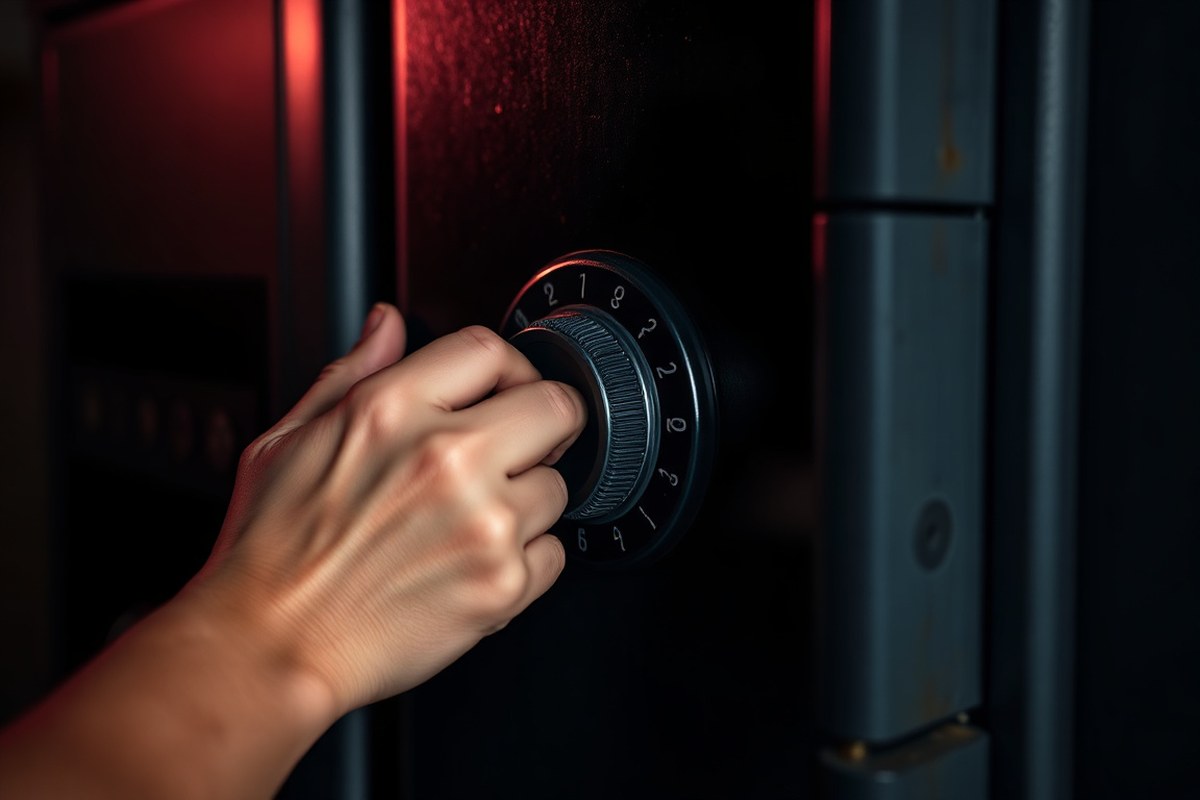
Locking your Cannon gun safe correctly is critical to ensuring your firearms remain secure and inaccessible to unauthorized users. The process varies slightly depending on whether your safe has a mechanical dial lock or an electronic keypad. Regardless of the lock type, completing each step carefully and verifying that the door is fully secured before walking away prevents accidental unlocking and potential security breaches.
The following steps apply to all Cannon gun safes with common lock types, mechanical or electronic. Adhering to these ensures the locking mechanism engages fully and correctly every time.
- Close the safe door firmly. Push the door until you feel it sit flush with the frame. A tight seal is essential for the lock bolts to engage properly.
- Engage the lock mechanism:
- For mechanical dial locks: Turn the dial the required number of times according to your combination and stop at the final number. After dialing, pull the handle or latch to engage the locking bolts.
- For electronic locks: Enter your code or scan your fingerprint. Wait for the confirmation beep or indicator light signaling the lock is ready to secure. Then press the lock button or close the door until the locking bolts activate.
- Turn or push the handle to lock the door. This typically moves the bolts into place. For mechanical locks, turning the knob after dialing closes the bolts. For electronic locks, the bolts will extend automatically once the door is closed correctly.
- Verify the door is locked by pulling gently on it. This confirms the bolts are fully engaged. If the door moves or opens, the safe is not locked correctly, and the process should be repeated.
- Remove any backup keys or lock tools from the vicinity. Leaving backup keys near the safe compromises security. Store keys separately in a secure location.
Regularly testing your lock ensures it functions correctly and helps you spot any issues early. Older Cannon safe models might require slightly different locking sequences, so consulting your owner’s manual for model-specific instructions is recommended. Fully locking your safe after every use blocks unauthorized access effectively, protects against theft, and ensures compliance with firearm storage safety guidelines.
Understanding Cannon Safe Lock Types and How They Work

Cannon gun safes primarily come with mechanical and electronic locking mechanisms, with some models offering a Dual Lock System combining two independent locks for added security. Understanding the differences between these lock types is key to operating your safe correctly and maintaining its protective features, especially since many Cannon safes also include fire-resistant designs that may affect lock durability at high temperatures.
Mechanical locks use a combination dial or key to engage and disengage the bolt works. They require no batteries or external power, making them reliable during power outages or extended use. However, entering the correct combination or turning the dial properly is essential to ensure the safe is fully locked. Electronic locks rely on batteries and often feature a keypad for entering a code. Biometric locks, a subtype of electronic locks, use fingerprint recognition and also need consistent battery power. Electronic and biometric locks provide quicker access and can be easier to change compared to mechanical ones but require regular battery replacement to avoid lockouts. Below is a comparison table summarizing the main lock types offered by Cannon, highlighting the features, power requirements, ease of use, and security factors relevant to gun owners:
| Lock Type | Operation Method | Power Source | Advantages | Disadvantages |
|---|---|---|---|---|
| Mechanical Dial | Rotate dial to enter combination | None | No batteries needed, reliable under fire conditions | Slower access, requires memorizing combination |
| Electronic Keypad | Enter numeric code on keypad | Batteries (replace regularly) | Faster access, allows easy code changes | Battery failure can lock you out |
| Biometric | Fingerprint scan | Batteries (replace regularly) | Quick access, no need to remember codes | May fail with dirty or injured fingers, battery dependent |
| Dual Lock System | Combination of two independent locks | Varies depending on locks used | Improve security, requires both locks to open | More complex to operate, can slow access |
Knowing your lock type allows you to follow specific setup and locking instructions found in your safe’s manual or by contacting Cannon support. Regular testing after locking helps confirm the safe is secure, preventing accidental openings. Because battery-powered locks depend on consistent power, replacing batteries every six months or when low is advised.
Each lock type offers tradeoffs: mechanical locks excel in durability and require no electrical support but limit speed; electronic and biometric locks increase convenience but need power and maintenance. Choosing the right lock depends on priorities like quick access versus long-term reliability and how often you expect to open the safe.
Always test your safe’s lock immediately after closing it to ensure it is fully engaged and secure before leaving your firearms unattended.
Locking Step-by-Step: Mechanical Dial Locks
Locking a Cannon gun safe with a mechanical dial involves turning the dial through a precise sequence of numbers to secure the door’s locking bolts firmly in place. You must spin the dial the correct number of times and in the right direction according to the combination provided. Testing the lock afterward ensures it is fully engaged and cannot be opened without the combination.
Setting the Dial Combination Correctly
Start by placing your hand on the mechanical dial and preparing to enter the safe’s combination. The dial movement controls the internal cam and wheels that engage the locking mechanism. Turning the dial the correct number of times in each direction is necessary to align these parts properly.
- Rotate the dial counterclockwise at least four complete turns to reset the lock, stopping when the first number of your combination lines up with the 12 o’clock vertical mark.
- Turn the dial right (clockwise) passing the first number once, then stop at the second number aligned with the 12 o’clock position after three full turns.
- Turn the dial left again stopping exactly at the third number aligned with the vertical line after two turns.
- Release the dial and gently pull the handle or try to open the door to confirm it unlocked.
Using this exact sequence ensures the lock’s internal wheels align correctly to retract the bolts. Incorrect or incomplete rotations can leave the safe unlocked or jammed. Always refer to your safe’s specific combination and manual, as some models might vary slightly in rotation counts.
Ensuring Full Engagement of Locking Bolts
Locking the safe properly means the locking bolts extend fully into their slots to resist unauthorized opening forces. After you close the safe door, turn the dial several full rotations to the left. This step engages all the bolts securely.
- Close the safe door firmly but gently to seat the bolts properly.
- Turn the dial left at least four full rotations to ensure the bolts fully extend and lock.
- Do not force the dial if it feels stuck; stop and retry to avoid damaging the mechanism.
A smooth, unhindered dial rotation signals that the bolts are engaging correctly. Should the dial stick or resist turning, inspect the door for misalignment, look for obstructions, and clean any debris from the lock parts. Do not apply excessive force, call a licensed technician if problems persist. A fully engaged lock is essential to prevent accidental access or tampering.
Testing the Lock After Securing
Testing the mechanical lock after locking ensures your safe truly resists unauthorized opening attempts. It confirms both proper alignment and full bolt engagement. Make testing a routine habit after every use.
- Attempt to open the safe door without using the combination or key; it should remain firmly locked.
- Re-enter the correct combination using the dial sequence described earlier to get the door.
- Perform these tests multiple times, especially after initial installation or maintenance, to confirm reliability.
- Inspect the dial for smooth rotation and listen for any unusual sounds that might indicate mechanical issues.
Lock testing identifies any functional problems early, preventing security lapses. Regular testing also helps maintain your confidence that the safe protects firearms from unauthorized or accidental access. When the dial seems sticky or hard to turn, do not force it; contact a qualified locksmith to keep the lock functioning properly.
Locking Step-by-Step: Electronic and Biometric Locks
Locking your Cannon gun safe using either the electronic keypad or biometric lock involves straightforward steps that ensure your firearms stay secure. Paying close attention to proper engagement and recognizing error signals helps prevent lockouts or access issues. A backup key provides a reliable fallback whenever digital access fails.
Engaging the Electronic Lock Properly
To lock the electronic keypad safely, you must first close the safe door securely. Electronic locks often feature a timeout or auto-lock function once the door is shut, but it’s best to actively engage the lock. Following correct steps eliminates the risk of leaving the safe unsecured due to incomplete locking. Use the numbered list below to lock your safe properly with an electronic keypad:
- Ensure no obstructions prevent the door from closing completely.
- Close the safe door firmly until you hear the latch engage.
- Enter your access code using the keypad.
- Press the locking button or the designated “lock” key, if applicable.
- Wait for the confirmation beep or light indicating the safe is locked.
- Attempt to turn the handle or open the door to verify it is locked.
- Do not leave the safe unattended with the door ajar or unlocked.
Following these steps makes sure your electronic lock is fully engaged. The lock’s feedback, often a beep or light, confirms success. Avoid skipping the locking command or closing the door loosely, as the safe might not secure properly.
Using Biometric Scanners for Locking
Biometric fingerprint locks offer quick, secure access based on authorized fingerprints, but the locking process depends on a proper door seal. Since biometric locks rely on scanning and internal recognition, ensuring your fingerprint is registered correctly is important. To lock your Cannon safe using the biometric scanner:
- Close the safe door completely until the latch clicks.
- Place a registered finger on the fingerprint scanner until you hear a confirmation tone or see a green light.
- Remove your finger and confirm the handle is locked by turning it gently.
- Do not attempt to force the door open if the lock does not recognize the fingerprint immediately.
- Keep the fingerprint sensor clean and dry to prevent recognition errors.
This lock type prevents unauthorized use by requiring biometric data. It is designed to be tamper-resistant, but it requires correct fingerprint registration and clean sensor conditions to function reliably.
Handling Errors and Backup Key Access
Both lock types may emit error beeps or lights to indicate problems like incorrect code entries or fingerprint mismatches. Recognizing these signals helps you avoid lockouts or security issues. Common interruptions include multiple wrong entries or sensor interference. When encountering error tones:
- Pause and wait for the lock to reset, usually 30 seconds to 1 minute.
- Re-enter the access code carefully on the keypad or try a different registered fingerprint on the biometric scanner.
- Check battery status if the lock is unresponsive or behaves erratically; replace batteries if low.
Use the backup key provided with your safe to regain access if electronic methods fail. This key bypasses the electronic or biometric mechanism, allowing manual entry. Keep the backup key in a secure but accessible place outside the safe. Avoid hiding it near the safe to prevent compromise.
Common Mistakes When Locking Your Cannon Gun Safe
Common mistakes when locking your Cannon gun safe can compromise your firearm security. One frequent error is neglecting to test the lock after setting or changing codes. Without this check, you might believe the safe is locked when it remains accessible, increasing risks of unauthorized entry. Always lock and unlock your safe immediately after locking to confirm the mechanism works properly.
Improper code entries also cause problems. Entering an incorrect combination multiple times can trigger a lockout mode or damage the locking mechanism, especially in electronic or biometric models. Follow the safe’s instructions on correct input timing and avoid rushing through code entries.
Lock malfunctions often result from ignoring routine maintenance. Dirt, dust, or unsuitable lubricants clog the lock, making it sticky or unresponsive. Using only manufacturer-recommended lubricants helps prevent this issue. Lubricants not designed for safes may attract particles that worsen lock performance over time.
- Always test the lock by locking and unlocking it after any code change or adjustment.
- Record and store your lock combinations securely to avoid repeated code errors.
- Clean the lock area regularly and use safe-approved lubricants sparingly.
- Be patient and deliberate when entering codes on electronic or biometric locks.
- Check the safe’s positioning; a well-placed safe reduces physical strain on locks.
Testing your safe ensures the locking bolts fully engage. You can verify this by turning the handle or dial and gently trying to open the door without unlocking. If the door moves, the safe isn’t fully locked. Address any resistance or stiffness early to avoid forced entry or mechanical failure. In case of malfunction after locking efforts, consult your Cannon safe’s manual or contact customer support before attempting repairs.
Never skip the step of testing your lock after setting a new code or closing the door; assuming it’s locked without confirmation risks your gun safe security.
Maintaining and Updating Your Cannon Safe’s Lock Mechanism
Maintaining and updating your Cannon safe’s lock mechanism involves regular cleaning, lubrication, and timely code changes to keep it secure and functioning smoothly. Both mechanical and electronic locks need care tailored to their technology, including periodic checks to catch issues early. Proper maintenance prevents lock sticking, jams, and unauthorized access, ensuring your firearms stay safe.
Mechanical Lock Maintenance Tips
Lubricate mechanical locks every 6 to 12 months using a graphite powder or a dry Teflon-based lubricant specifically designed for locks. Avoid oil-based lubricants, which can attract dust and cause the lock to gum up over time. Clean the dial and keyhole gently with a soft cloth to remove dirt and debris before applying lubricant. Do not force the dial if it feels stuck; forcing can damage internal components.
Keep your mechanical lock away from direct heat sources, as excessive heat can warp the locking mechanism or affect the dial’s accuracy. Inspect the lock annually for signs of wear or corrosion and make sure the safe’s door seal remains intact and clean. A smooth-turning dial and a crisp, responsive opening action indicate proper lock function. If your lock begins sticking or feels loose, schedule professional maintenance promptly.
Electronic Lock Battery and Code Updates
Replace the batteries in your electronic lock every 12 to 18 months or as indicated by low battery alerts on the keypad. Use high-quality alkaline batteries to ensure consistent power and avoid lockouts caused by sudden power failures. Before removing batteries, have your combination code ready and confirm the lock’s instructions for safe battery replacement to prevent triggering a lockout mode.
Update your electronic lock code every 3 to 6 months to maintain security, especially if you suspect unauthorized access or after sharing the code. Follow your Cannon safe’s manual to change codes securely, typically requiring you to enter the current code, then the new code twice for confirmation. Use a code that is at least six digits long, avoiding simple or sequential numbers, to reduce guessing risks. Document new codes in a secure location separate from the safe.
Routine Security Checks and Testing
Test your Cannon safe lock function monthly by locking and unlocking it several times, watching for any resistance, unusual noises, or delays in opening. Check for smooth bolt movement and door alignment during these tests. These checks catch mechanical or electronic wear early and prevent lock failure when you need quick access.
Review your lock’s surroundings periodically. Ensure the safe remains in a discreet location and that no new environmental factors like extreme temperatures or moisture could affect the lock’s performance. Make it a habit to verify your locking mechanism after any house maintenance or moving the safe, as vibrations or shocks can loosen components.
During security checks, also confirm your safe’s interior is clean and dry, as dirt and humidity might impact lock parts over time. Keeping the interior free of obstructions ensures the bolts operate fully without strain, maintaining the overall integrity of your Cannon safe’s locking system.
What to Do If Your Cannon Gun Safe Lock Malfunctions
You can usually spot a malfunction in your Cannon gun safe lock if the dial or keypad doesn’t respond properly, the lock refuses to open after entering the correct code, or the mechanical lock sticks and turns unevenly. These signs suggest internal components may be misaligned, dirty, or worn out. Addressing issues early can prevent permanent damage and protect your safe’s security.
Begin by gently turning your mechanical lock back and forth without forcing it when it sticks. Apply a small amount of lock lubricant, such as graphite powder, to the dial or keyhole, avoid oil-based lubricants that can attract dirt. Let it sit for a few minutes, then try rotating again. Do not use excessive force or tools that can break the lock mechanism. Should this not fix the problem within 10 minutes, try using your backup key next.
The backup key is essential for emergency access. Insert the backup key into the lock, turning it clockwise until you feel the lock face release. Remove the lock face carefully, which allows manual override or inspection inside the lock housing. Keep your backup key in a secure but accessible location separate from the safe. Avoid using this key frequently, as the lock is designed primarily for code-based access.
Should both the code and mechanical lock fail to operate correctly after troubleshooting, contact Cannon customer support without delay. Their professional service team is available Monday through Friday, from 6 a.m. To 4 p.m. PST, to assist with lock issues. Before calling, have your safe’s serial number and registration information on hand to confirm your Lifetime Replacement Promise warranty. Registered safes receive expedited assistance in cases of lock malfunction, fire damage, or theft.
Professional assistance is recommended when you encounter persistent lock problems, especially if the safe was not installed by a qualified installer. Improper installation can lead to alignment issues that cause lock failure. Repair or replacement usually involves specific Cannon parts that maintain safe integrity. Attempting to force or disassemble the lock yourself may void your warranty or compromise security.
Following these steps helps maintain your Cannon safe’s reliability and your firearm’s security. Recognizing early signs of failure, using backup keys properly, and contacting manufacturer support are key to managing lock malfunctions effectively.
Improving Security: Additional Locks and Installation Tips
Adding extra locking mechanisms to your Cannon gun safe can significantly improve its security, especially if you want to protect against unauthorized access or tampering. Common options include secondary mechanical locks, electronic keypad locks, and biometric locks. These can work alongside your primary lock to create multiple layers of defense. For instance, installing a biometric scanner atop a mechanical dial provides quick access for authorized users while posing a challenging barrier to intruders.
Choosing the right location for your safe is just as important as adding locks. Ideally, place your safe in a discreet area inside your home where it’s less visible and difficult to reach. A basement corner or a closet behind heavy furniture reduces the chance of forced entry or theft during a break-in. Avoid placing your safe near exterior walls, as experienced burglars often target these areas to pry open or remove the safe.
Installation accessories that improve security include heavy-duty bolts and anchor kits. These allow you to bolt the safe securely to the floor or wall, making it much harder to move or steal the entire unit. Some Cannon safes come with factory-installed anchor points, but adding reinforced bolts rated for the safe’s weight, often 100 pounds or more, adds extra protection. Using a drill with a masonry bit for concrete floors or lag bolts for wooden floors gives you the best hold.
You might consider installing additional locks or anchors yourself if you’re comfortable with tools and have a clear plan. However, professional installation offers advantages that can justify the cost, typically ranging from $150 to $300 depending on location and complexity. Professionals ensure proper alignment of locks, secure attachment to solid structures, and confirm all security features function as intended. They also avoid mistakes like drilling into wiring or misplacing anchor points, which can compromise security or void warranties.
Failing to anchor your gun safe correctly can make it easier for thieves to remove the entire safe; always use strong, appropriate anchors and consider professional help if unsure.
Here’s a checklist to improve your Cannon safe’s security: choose an extra lock type compatible with your model; select a hidden, low-traffic location; acquire heavy-duty anchors suitable for your floor type; and decide on professional installation if unsure about proper procedures. Taking these steps ensures your firearm collection stays secure while letting you access it quickly when needed. Remember, poor installation or visible safes reduce your protection and can invite theft attempts.
Step-by-Step Action Plan for Securing Your Cannon Gun Safe
Follow this plan to lock your Cannon gun safe properly and keep its locking mechanism in top condition.
- Before First Use: Read the user manual carefully to familiarize yourself with your safe’s lock type and default settings. Confirm you understand the locking sequence or code entry.
- Day 1: Practice locking and unlocking the safe several times to ensure smooth operation. Verify the safe locks securely each time without error.
- Week 1: Change your lock code if you have an electronic or biometric lock, or reset your dial combination to a unique sequence. Test that the new settings work reliably.
- Month 1: Inspect the lock mechanism for dust, dirt, or wear. Clean gently if needed and lubricate mechanical locks following manufacturer instructions to keep it functioning smoothly.
- Quarterly: Test the locking system under normal conditions to confirm it still secures properly. Replace batteries in electronic or biometric locks during these checks.
- When Malfunctions Occur: Avoid forcing the lock open. Consult Cannon’s customer support or a licensed locksmith experienced with gun safes to resolve the issue safely.
- After Installation: Consider adding an additional locking device like a secondary padlock or security cable if extra protection is needed. Confirm the safe remains fully operable with added locks.
- Annually: Schedule a professional inspection of the safe’s locking mechanism to detect and fix any internal problems before they cause lock failure.
Frequently Asked Questions
Can I Change the Combination on My Cannon Gun Safe Myself?
Yes, you can change the combination yourself by following the instructions in your owner’s manual. Regularly updating your combination improves security, especially if you suspect someone else knows your current code.
What Should I Do If I Lose the Backup Key to My Cannon Gun Safe?
Contact Cannon customer support or a licensed locksmith for assistance. They can help you verify ownership and provide options for safe access or lock replacement.
Is It Safe to Leave My Cannon Gun Safe Unlocked for Short Periods?
It’s best not to leave your Cannon gun safe unlocked, even briefly. Keeping it locked prevents unauthorized access and maintains firearm safety at all times.
Can I Use a Smartphone App to Control My Cannon Gun Safe Lock?
Some advanced Cannon safes offer smart lock systems with Wi-Fi connectivity, allowing app control. Check your model’s specifications to see if this feature is available.
How Often Should I Lubricate My Cannon Gun Safe’s Locking Mechanism?
Lubricate the lock about once a year or as recommended in the manual. Proper lubrication ensures smooth operation and reduces wear over time.
What Security Features Make a Biometric Lock on a Cannon Safe Reliable?
Biometric locks use fingerprint scanners that only allow registered prints to open the safe. This minimizes the risk of unauthorized access and speeds up safe entry.
The Bottom Line
Locking your Cannon gun safe correctly protects your firearms and ensures easy access when needed. Start by mastering your lock type and maintain it regularly to prevent malfunctions. Make testing and care part of your routine to keep your safe secure and reliable every day.


