Is a Glock 19 a Good First Gun? Expert Insights and Practical Guide
Is a Glock 19 a good first gun? Yes, it is widely regarded as an excellent choice for beginners due to its manageable size, reliability, and ease of use. The Glock 19 strikes a balance between compactness for concealment and full-size features that aid accuracy and control. Start with a generation 6 model for the best combination of modern enhancements and user-friendly design.
Key Takeaways
- The Glock 19 offers a 4-inch barrel and 15-round standard magazine for a compact yet capable handgun.
- Generation 6 features include improved grip texture and modular optic system for customization.
- Striker-fired design simplifies operation, reducing training time for new shooters.
- The gun’s consistent trigger pull promotes better control and accuracy for beginners.
- Weighing about 23.65 ounces unloaded, it balances recoil with ease of handling.
- Widespread availability of parts and accessories makes upgrading straightforward as skills grow.
Is the Glock 19 a Good First Gun for Beginners?
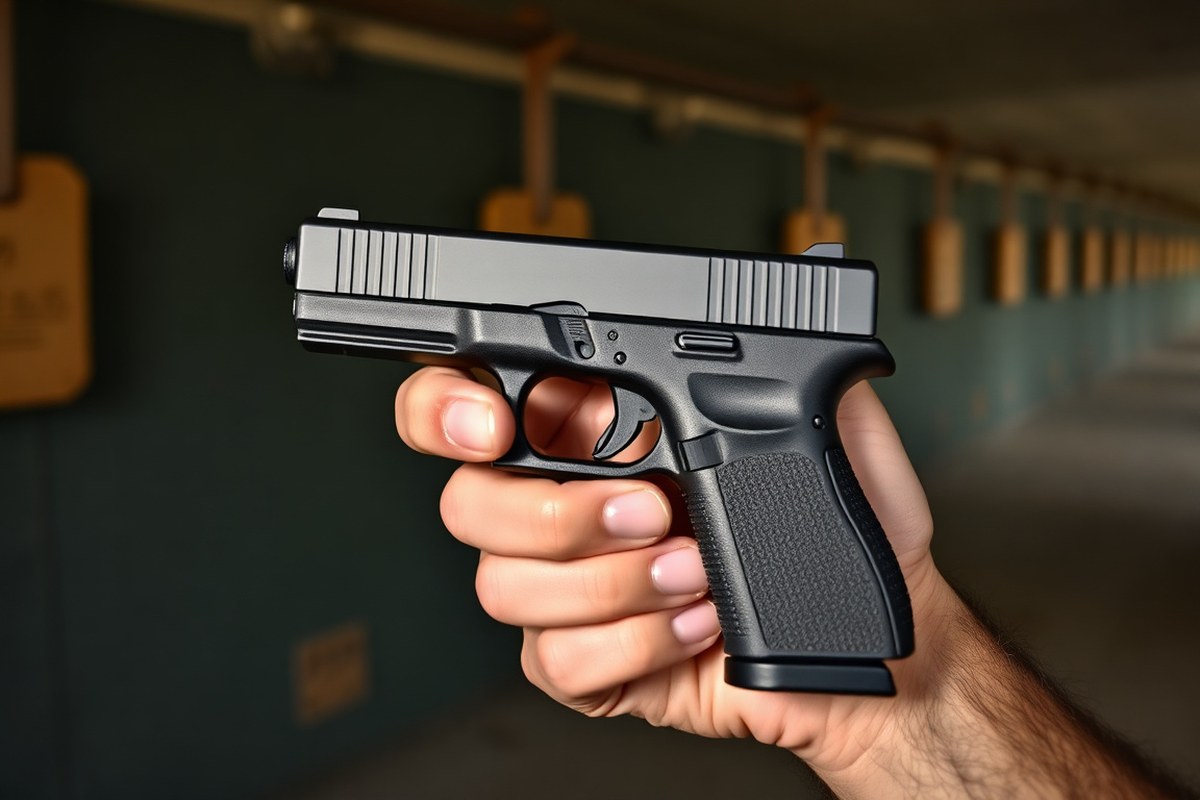
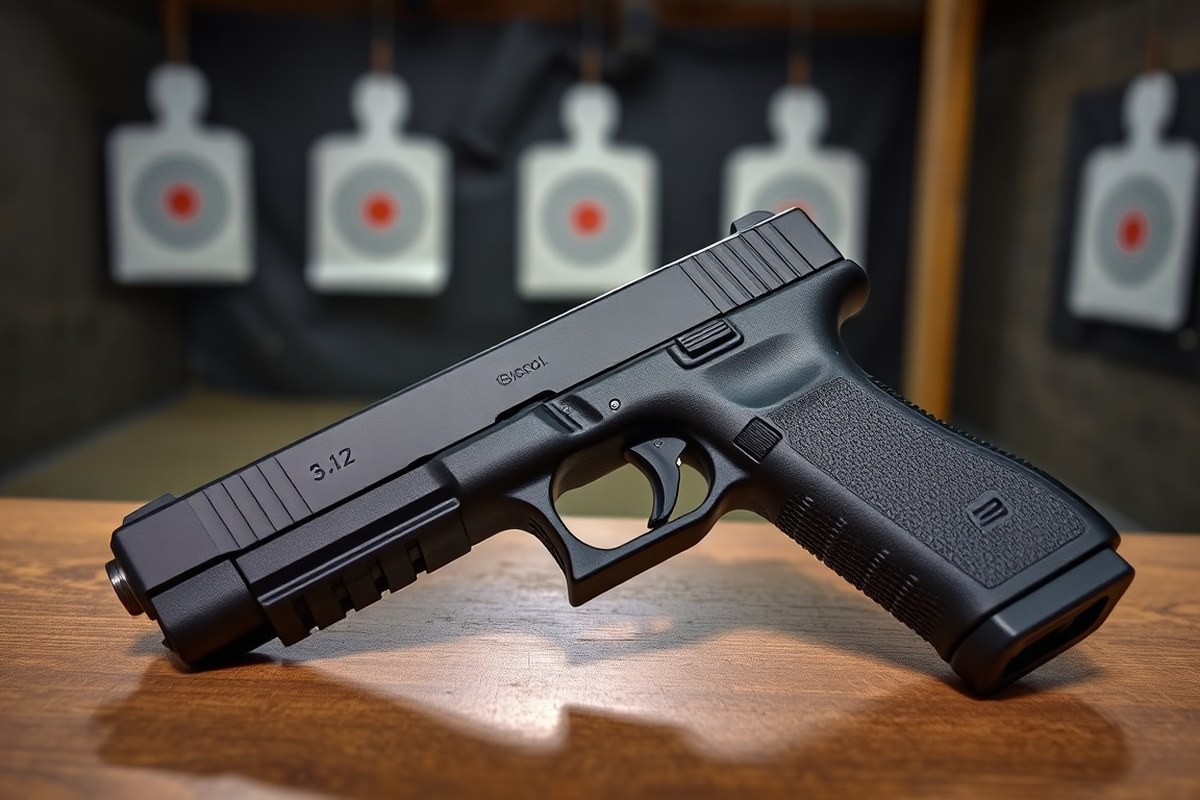
The Glock 19 is a good first gun for beginners because it balances ease of use, safety, and reliability. It has a simple design that removes the need for manual safeties, which can confuse new shooters. The Glock uses a striker-fired mechanism, providing a consistent trigger pull without heavy resistance or multiple stages. This design lets you focus on aiming and shooting accurately rather than managing complex controls. The grip size fits a wide range of hands comfortably, which helps beginners maintain proper control during shooting.
Safety matters a lot when selecting your first handgun. The Glock 19 includes internal safety features called Safe Action, which prevent the gun from firing unless the trigger is fully pulled. This means it won’t fire if dropped or if the trigger isn’t deliberately pressed. Unlike guns with external safeties you have to manually engage or disengage, the Glock’s safeties work automatically and reduce user error. For most beginners, this simple safety system lowers the chance of accidental discharges when handling the firearm.
Reliability is important when trusting your first gun for self-defense or practice. Glock pistols are highly trusted by law enforcement and military worldwide, including the FBI, proving their dependable function under various conditions. The Glock 19’s reputation for reliability means fewer jams or malfunctions, which can be stressful or dangerous for a new shooter. Consistent performance gives you confidence as you gain experience, helping you develop good shooting habits without frustration.
To decide if the Glock 19 is right for you, use a checklist: Can you comfortably grip the gun’s frame? Can you rack the slide smoothly? Does the trigger feel manageable without being too light or heavy? Can you safely and confidently operate the gun’s controls? You’ll find the Glock 19 fits a beginner’s needs well when you answer yes to these. The gun’s size is compact but not too small, making it easy to handle without excessive recoil or bulk.
Price is also a consideration. A new Glock 19 Gen 5 typically costs between $550 and $650, which is a reasonable investment for a first handgun that could last a lifetime with proper care. The pistol also offers room for upgrades, such as adding weapon lights or red-dot sights, allowing the gun to grow with your skills.
Using the Glock 19 safely requires learning the basics: always point the muzzle in a safe direction, keep your finger off the trigger until ready to shoot, and regularly practice loading, unloading, and clearing malfunctions. Spend time at a range with the gun unloaded at first to build comfort with its size and controls. This hands-on practice is the key to gaining shooting confidence quickly.
Key Features That Make Glock 19 Beginner-Friendly
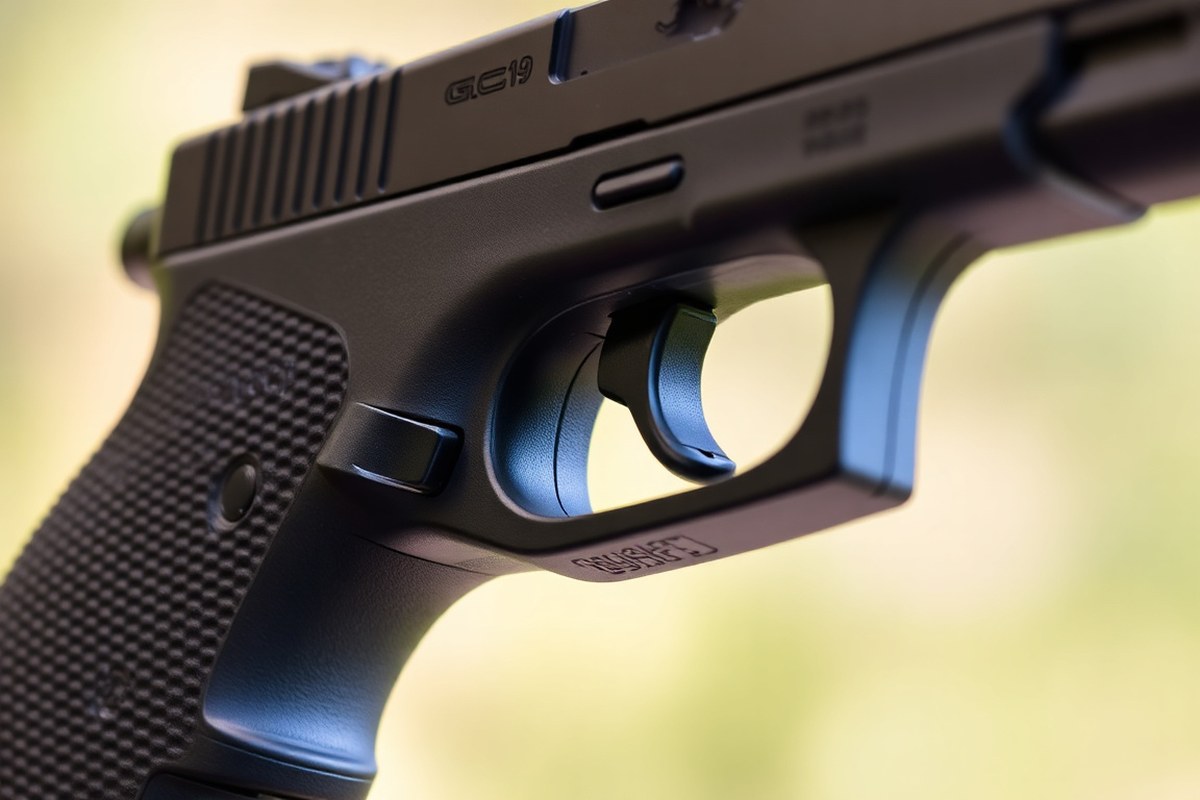
The Glock 19 offers beginner-friendly features that balance comfort, safety, and ease of use. Its grip design fits a wide range of hand sizes, the trigger safety prevents accidental firing, the standard 15-round magazine gives ample capacity, and its sights help with quick target acquisition. Each feature suits new shooters who want a manageable yet reliable first handgun.
Grip Design Suited for Various Hand Sizes
The Glock 19 has a grip shape and size designed to fit a broad spectrum of hand sizes. Unlike older models, the Gen 5 removes finger grooves, which can bother shooters with larger or smaller hands. This smooth grip, combined with moderate texturing on the sides, offers a secure hold without feeling harsh on the skin during concealed carry.
For beginners, the absence of finger grooves means you don’t have to adjust your natural grip. The grip angle is consistent with other Glocks, providing a natural pointing position without extra wrist strain. Those with larger hands may find the grip comfortable enough for full control, though users with very small hands might consider grip sleeves or custom stippling to improve reach and control.
How the Trigger Safety Works and What It Does
The Glock’s trigger safety is a small lever built into the trigger that must be fully depressed before the gun fires. This design prevents the trigger from moving backward accidentally if it’s bumped or snagged on something. For beginners, this means less chance of unintentional discharge while handling or drawing the handgun.
The trigger pull on the Gen 5 models, like the Glock 19, is smoother and lighter out of the box compared to earlier generations. This helps new shooters build trigger control more easily, reducing flinching or jerking during the shot. To practice proper trigger control, always use the pad of your index finger, press straight back on the trigger lever, and avoid pulling sideways.
Magazine Capacity Offering for Beginners
The standard Glock 19 magazine holds 15 rounds plus one in the chamber, a quantity that balances readiness with compactness. This is enough ammunition for home defense or concealed carry situations without requiring frequent reloads. Extended magazines with higher capacities also fit, but they add bulk and might not suit everyday carry for beginners.
Having this magazine capacity means beginners can focus on shooting fundamentals during training without worrying about running out of ammo quickly. The magazine release is easy to reach and operate from either hand on Gen 5 models, supporting both right- and left-handed users.
Sights That Aid New Shooters’ Accuracy
The Glock 19 comes equipped with fixed polymer sights that offer durability but are considered basic. The Gen 5 slightly updated the sight shape for better visibility, though many shooters choose aftermarket sights for faster target acquisition and improved low-light performance. For beginners, keeping the front sight in clear view during aiming helps maintain accuracy.
Practice drills focusing on sight alignment, where the top of the front sight is level with the rear sight, and sight picture, where the front sight is centered in the rear sight notch aligned with the target, will improve shooting skills. Some starters upgrade to night sights or fiber optic sights, which cost between $50 and $150 but greatly assist in rapid aiming, especially in dim environments.
- Grip feels secure without finger grooves
- Trigger safety prevents accidental shots
- 15-round magazine standard capacity
- Ambidextrous magazine release for ease of reload
- Fixed polymer sights for durability and basic aiming
- Ability to upgrade sights for better target acquisition
- Grip texturing comfortable for inside-the-waistband carry
Start by practicing dry-fire drills focusing on smooth trigger press and consistent sight alignment to build solid fundamentals before live firing.
How Glock 19 Generations Differ: Gen 3 to Gen 6 Explained
The Glock 19 has seen several updates from Gen 3 through Gen 6, focusing on improving grip ergonomics, trigger performance, and features like magazine compatibility. Each generation introduces refinements that affect how the gun feels and performs, especially for beginners. Understanding these changes helps you pick the right model for your needs and know what to expect in handling and maintenance.
Major Design Changes from Gen 3 to Gen 4
The shift from Gen 3 to Gen 4 brought visible design updates, primarily targeting grip comfort and control. Glock introduced finger grooves molded into the grip frame, which helped some shooters get a more secure hold. The Gen 4 also added a larger, reversible magazine release, making it easier to drop the magazine with either hand. One key mechanical change included stiffer springs and a metal lining inside the magazines, improving feeding reliability compared to earlier Gen 2 mags.
These changes aimed to improve performance and adaptability for a broader range of hand sizes. Finger grooves can aid beginner shooters in finger placement but may feel restrictive or uncomfortable for others. The Gen 4’s magazine enhancements reduced feed failures, an important factor if you want fewer malfunctions during training or self-defense scenarios.
Gen 5 Enhancements and Grip Redesign
The Gen 5 brought several refinements over Gen 4, starting with removing finger grooves from the grip. The grip now resembles Gen 2 ergonomics with a more accommodating “U-cut” shape, which suits more hand sizes and preferences. The stippling (texture) also changed to provide a firm but comfortable grip without sharp edges.
Trigger improvements upgraded the system to deliver a smoother and more consistent pull, which helps beginners learn trigger control. The barrel was redesigned for better accuracy and reliability, making every shot count. Gen 5 retained the reversible magazine release and added compatibility with all earlier Glock magazines, including extended versions and those with plus-round base plates.
| Feature | Gen 3 | Gen 4 | Gen 5 |
|---|---|---|---|
| Finger grooves on grip | None | Added | Removed |
| Magazine springs and lining | Standard springs, no metal lining | Stiffer springs, metal lining for improved feeding | Same as Gen 4 |
| Trigger system | Standard Gen 3 trigger | Improved but similar to Gen 3 | Smoother, more consistent pull |
| Grip texture | Basic stippling | Rougher stippling for better grip | Moderate stippling without finger grooves |
| Magazine compatibility | Limited to earlier mags | Compatible with Gen 3 mags | Compatible with all earlier Glock mags, including Gen 3 and 4 |
| Magazine release | Fixed, small | Reversible, larger | Reversible, same as Gen 4 |
Compatibility with magazines across generations is strong with Gen 5 being able to use magazines from previous models. This flexibility benefits beginners who might find extended or plus-round magazines more comfortable for training or carry.
What to Expect from the Upcoming Gen 6
The upcoming Gen 6 Glock 19 builds on the Gen 5 platform, retaining the stripped finger grooves and refined grip shape. Early indications suggest further improvements in ergonomics and texture to ensure an even more secure hold under various conditions. Trigger enhancements are expected to continue optimizing smoothness and reset, helping shooters achieve quicker and more accurate follow-up shots.
An important note for Gen 6 is potential changes in magazine well shape. Gen 6 may support magazines from Glock 19X or Gen 4, but likely not from Gen 5 due to this change. For beginners, this means checking magazine compatibility carefully before mixing Gen 5 and Gen 6 mags, especially if you plan to use or buy extended or specialty magazines.
The Gen 6’s focus remains on practical improvements that improve shooter confidence and performance without radical redesigns. Updates there could range from ease of maintenance to improved corrosion resistance, though exact features and pricing are still emerging.
Comparing Glock 19 with Other Popular Beginner Handguns
Choosing a first handgun involves balancing size, weight, reliability, ease of use, and cost. The Glock 19 strikes a solid balance among these factors, making it a top pick for many beginners. Its size offers a middle ground between full-size and compact models, while its weight and manageable recoil simplify learning and carry. Comparing the Glock 19 to other popular beginner pistols helps clarify which features might suit your needs best.
| Model | Size (Length) | Weight (Empty) | Caliber | Reliability | Ease of Use | Approximate Price |
|---|---|---|---|---|---|---|
| Glock 19 | 7.36 inches | 23.63 oz | 9mm | Proven worldwide, combat-tested | Simple design, minimal controls | ~$500 |
| Smith & Wesson M&P Shield | 6.1 inches | 20.7 oz | 9mm | Highly reliable in law enforcement | Straightforward controls, slim profile | ~$400 |
| Ruger SR9c | 6.25 inches | 23.8 oz | 9mm | Good reliability with proper maintenance | Similar to Glock, with manual safety | ~$450 |
| Sig Sauer P320 Compact | 7 inches | 26.7 oz | 9mm | Trusted by military and police | Modular, with striker-fired simplicity | ~$550 |
The Glock 19’s length and weight position it between smaller compact guns and full-size models. Its 7.36-inch length and 23.6-ounce weight keep it comfortable for daily carry while still offering a large enough grip for good control. This size is why many law enforcement and military users prefer it for duty and off-duty carry alike.
Reliability is a strong suit for the Glock 19. It has been tested in diverse conditions worldwide, maintaining function without frequent cleaning or special care. This durability comes from a simple design with fewer parts that can malfunction and widely available replacement components. Other popular first guns like the M&P Shield and Sig P320 offer solid reliability, but the Glock’s decades of battle-proven service set a high bar.
Pricing-wise, the Glock 19 typically runs at about $500 new, a reasonable price given its features and dependability. Alternatives like the M&P Shield can be found for about $400, slightly cheaper but with some tradeoffs in size and magazine capacity. The Sig P320 is often priced higher around $550, reflecting its modularity and additional features. Weighing these cost differences against reliability and ergonomics can help you find a balance that fits your budget and comfort level.
Practical Considerations: Size, Weight, and Concealability
The Glock 19 measures 7.28 inches in overall length, 5.04 inches in height with the magazine inserted, and 1.35 inches in width, making it a compact yet substantial handgun. It weighs just over 20 ounces unloaded, and about 30 ounces when fully loaded with 16 rounds of 9mm, which strikes a reasonable balance between manageability and firepower for many shooters. This size positions it between subcompact pistols that may be easier to conceal but less comfortable to shoot, and larger duty-sized models that can be cumbersome for daily carry.
Because of its dimensions, the Glock 19 is not the easiest pistol to conceal, especially in warmer weather when lighter or less layered clothing makes concealment more challenging. Beginners might find it a bit bulky at first, but many people who start with smaller handguns often transition back to the Glock 19 after realizing how much more comfortable and controllable its size and weight are for accurate shooting. Its width is slim enough for most concealment holsters, and the near 4-inch barrel length offers a good sight radius for reliable targeting.
For concealed carry beginners, comfort in shooting is often as important as concealability. The Glock 19’s weight helps absorb recoil, which can improve control and follow-up shots, especially for new users who might otherwise flinch or develop bad habits due to strong muzzle rise. The grip size fits many hand sizes well, which aids in firm handling. If you’re just starting, consider practicing with the Glock 19 at a range wearing the clothing and holster you plan to carry with, since comfort and ease of concealment can vary depending on your body type and dress style.
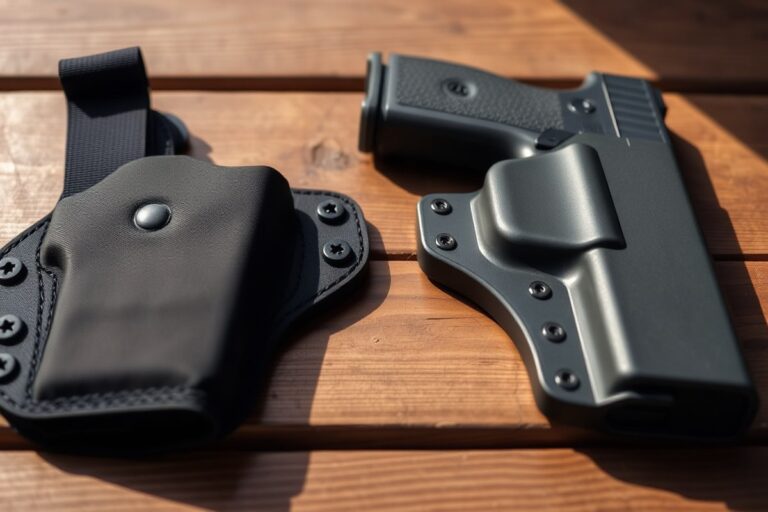
Carry options are abundant for this popular model, with a wide range of holsters designed specifically for it. IWB (inside-the-waistband) holsters with adjustable cant and ride height are common ways to help conceal the Glock 19 more easily. For hotter months, choose lightweight, breathable holsters made from materials like kydex or hybrid leather to reduce sweat and discomfort. Appendix carry works well for smaller Glock models, but beginner carriers should ensure they train thoroughly with their chosen method to prevent accidental printing or compromised draw speed.
When starting out, try carrying your Glock 19 in several holsters and positions to find the most comfortable and discreet setup before committing to daily carry.
Because the Glock 19 is close in size and weight to the Glock 45, which is slightly taller, the choice between those depends mostly on personal preference and body shape. Its weight at around 30 ounces loaded remains manageable, even for extended periods. However, if you plan regular concealed carry, practice with light clothing first and add layers gradually to see how your concealment and comfort change. For at-home defense, size and weight are less of an issue, and the Glock 19 provides well-rounded performance without being overly bulky.
Common Downsides of the Glock 19 for New Shooters
New shooters often report that the Glock 19’s grip size can feel cramped. The frame features a cutout to improve trigger performance, but this reduces space for the pinky finger, causing discomfort during extended shooting sessions. Some beginners find the shorter grip prevents a full hold, which can affect control and recoil management, especially if they have larger hands. One way to fix this is by adding grip sleeves or extensions that increase circumference and provide more comfortable finger placement, usually costing $20 to $40.
The Glock 19’s trigger pull has drawn mixed reactions from novices. Although Glock redesigned the trigger connector bar to smooth out the pull, some new users still notice a heavier or “creepy” trigger feel compared to other pistols. This can cause anticipation of recoil and flinching, lowering shooting accuracy. To improve trigger experience, try dry firing drills that build muscle memory and confidence, or consider installing an aftermarket trigger that lightens and smooths the pull. These upgrades typically run $50 to $150 and require proper installation.
Concerns about jams or malfunctions come up frequently, though the Glock 19 is known for reliability. Problems reported by beginners often stem from improper maintenance, weak magazines, or incorrect grip technique causing feeding issues. To reduce jams, new shooters should thoroughly clean the firearm after use, use factory ammunition recommended by Glock, and practice proper reloading and grip pressure during training. Cleaning kits cost around $20, and quality magazines start near $30 each.
- Grip too short for larger hands; fix with grip sleeves or extensions
- Trigger pull may feel heavy or uneven; improve through dry fire or aftermarket trigger kits
- Low jams if using weak magazines or poor ammo; stick to quality gear
- Proper grip technique can reduce feeding issues and recoil control problems
- Regular cleaning important to prevent buildup and malfunctions
Avoiding common beginner mistakes like gripping the gun too tightly or weakly can help manage recoil and improve accuracy. In particular, ensure the trigger finger pulls straight back without slapping to maintain consistent trigger breaks. Practicing slow, controlled firing and gradually increasing speed can prevent flinching. Selecting the correct magazine and checking your ammo brand will also reduce feed failures. Keeping these adjustments in mind helps new users overcome the few downsides of the Glock 19 while benefiting from its reliability and reputation.
Recommended Accessories and Upgrades for New Glock 19 Owners
Upgrading the sights on a Glock 19 is one of the most impactful improvements you can make as a new owner. Factory sights on a Glock are often criticized for being low quality and hard to see, especially in low light. Consider installing aftermarket sights like Trijicon HD XR night sights or AmeriGlo Pro IDOT sights. These offer better visibility and faster target acquisition, important when training or carrying for self-defense. Installation usually requires only a sight pusher tool, available for around $15 to $30, or a gunsmith can do it for about $50 to $75.
Improving the grip and trigger also improve shooting comfort and accuracy. The original Glock grip shape may not fit every hand ideally. Adding grip sleeves or stippling work can improve control and reduce slip. These cost between $15 and $100, depending on whether you buy pre-made sleeves or opt for professional stippling.
Trigger upgrades are popular but should be approached cautiously by beginners. Aftermarket triggers can offer a smoother pull and shorter reset than the factory trigger, making follow-up shots faster. Brands like Apex Tactical and Zev Technologies produce drop-in triggers for the Glock 19 priced from $120 to $180. Avoid triggers that reduce safety features; the goal is better feel without compromising reliability. Practicing pull and reset on a range day after upgrading is important to avoid new handling errors.
Choosing the right holster is essential for concealed carry and daily use. Options vary widely by carry style, clothing, and comfort preferences. Popular types include inside-the-waistband (IWB) holsters for deep concealment, typically made from Kydex for minimal bulk and retention. For beginner concealed carriers, holsters with adjustable cant and ride height provide customization to reduce printing (the gun’s outline showing through clothing).
- Trijicon HD XR night sights or AmeriGlo Pro IDOT sights for improve visibility
- Grip sleeves or stippling for better hand control
- Apex or Zev drop-in trigger upgrades for smoother pull
- Kydex IWB holsters with adjustable cant and ride height for concealment
- Holsters with retention mechanisms for added safety during movement
- Magazine carriers and speed loaders to complement concealed carry setup
Holster options include belt clip holsters for easy on/off and paddle holsters that don’t require removing the belt but tend to bulk more. Remember to wear and draw your Glock 19 multiple times with any new holster to ensure comfort and reliability. Avoid holsters that cause excessive pressure or abrasion on the gun’s controls, which can lead to malfunctions or accidental discharge. Expect to spend $30 to $70 on a quality beginner-friendly concealed carry holster.
How to Train and Build Confidence with a Glock 19
Training with the Glock 19 involves mastering safety, developing shooting fundamentals, and performing regular maintenance. Step-by-step practice ensures you handle the pistol confidently and responsibly.
Basic Firearm Safety Rules
Safety forms the foundation of all firearm training. Always treat the Glock 19 as if it is loaded, point the muzzle in a safe direction, and keep your finger off the trigger until ready to shoot. Understanding and following these rules reduces risks during practice and everyday handling. Here are the critical safety rules to internalize before live fire or handling the gun:
- Keep the pistol unloaded until you intend to fire.
- Always control the muzzle direction, never point it at anything you do not want to destroy.
- Keep your finger outside the trigger guard until ready to shoot.
- Be sure of your target and what lies beyond it to avoid unintended injury.
- Wear appropriate eye and ear protection at the range.
- Store the Glock 19 securely when not in use, out of unauthorized hands.
Tip: Practice dry-firing drills at home to reinforce safe trigger control without ammunition, as this builds muscle memory safely.
Beginner Shooting Drills
Building accuracy with the Glock 19 starts with steady fundamentals like grip, stance, and sight alignment. Use simple drills that focus on consistency rather than speed. Try this beginner drill plan to improve control and accuracy:
- Start by establishing a stable two-handed grip aligned with the sights.
- Assume a balanced, comfortable stance with feet shoulder-width apart.
- Practice dry-firing, focusing on smooth trigger press while maintaining front sight focus.
- At the range, begin with slow, aimed shots at a 7-yard target to build accuracy.
- Track your shot groupings and adjust your grip or stance as needed.
- Progress to timed drills as your confidence and control improve.
The Glock 19’s Marksman barrel and rifling help deliver consistent accuracy, making it easier to see progress as you refine your technique during these drills.
Warning: Never shoot from an unstable position; keep the pistol steady on a benchrest if needed to isolate aiming mechanics.
Routine Glock 19 Maintenance Tasks
Regular maintenance keeps your Glock 19 reliable and extends its service life. Field-stripping is simple and requires just a punch or the included Glock disassembly tool. Your basic cleaning checklist should cover these steps right after shooting sessions or at least every few hundred rounds:
- Unload the pistol and clear the chamber before disassembly.
- Remove the slide by pulling it slightly back and releasing the slide lock.
- Clean the barrel inside and out with a bore brush and solvent.
- Wipe down the slide, frame, and recoil spring for dirt and residue.
- Lubricate recommended contact points lightly with gun oil.
- Reassemble the pistol and perform a function check.
For a deeper service, detail-stripping requires minor tools but reveals all internal parts for a thorough inspection. Maintaining the Glock 19’s cleanliness prevents malfunctions, which can affect your ability to train and defend yourself confidently.
Tip: Never over-lubricate; excess oil attracts debris that could cause jams.
Understanding Glock 19 Ammo Capacity and Magazine Options
The standard magazine capacity of the Glock 19 is 15 rounds of 9mm ammunition. This capacity balances carrying enough rounds for self-defense or practice without making the handgun bulky or heavy. Extended magazines are available, offering capacities from 17 up to 33 rounds, which can be useful for certain training scenarios or range sessions. However, carrying extended magazines for daily concealed carry is generally not recommended because they add length and bulk, making concealment harder and potentially affecting the gun’s balance in your hand.
Beginners can use extended magazines safely during range practice or controlled environments to reduce reload frequency, but they should first become proficient with the standard magazine. Learning to reload smoothly and maintain control with the standard size is essential before handling longer, heavier magazines. Carrying extended magazines in public demands extra caution, as the extended size may reveal your weapon unintentionally or make the handgun less comfortable during everyday movements.
Magazine compatibility across Glock generations is mostly consistent, but some subtle differences exist. For example, magazines from Gen 4 and Gen 5 Glock 19s are generally interchangeable due to similar magazine well dimensions and follower designs. The slide assemblies of the Glock 19X and Glock 19 Gen 5 are interchangeable as well, which can be helpful when considering upgrades or parts replacement. However, magazines from earlier generations may have slight fit or feeding quirks, so it’s best to use magazines designed for your specific generation to ensure reliability.
Magazine reliability depends on maintenance and quality. To keep your magazines feeding rounds smoothly, clean them regularly and inspect the springs and followers for wear. Poorly maintained magazines can cause feeding malfunctions like jams or failures to chamber a round. Using genuine Glock magazines is advisable, as third-party brands can vary in quality and may require testing to confirm reliability. For daily carry, stick with the factory-standard 15-round magazines, and rotate spares during training to keep all your magazines functioning well.
Choosing the right magazine capacity depends on your situation. For home defense, the standard 15-round magazines typically suffice, providing a solid blend of capacity and handling. For concealed carry, standard or slightly extended magazines that add 2-4 rounds without greatly increasing size can be practical. At the range, using extended magazines can speed up drills and reduce reload time, helping you build skills faster. Always carry and practice with magazines you trust to avoid surprises during stressful moments.
Why the Glock 19 Remains a Top Choice for First Guns
The Glock 19 remains a top choice for first guns because it offers unmatched reliability that law enforcement personnel trust daily. Its proven track record under demanding conditions means it seldom jams, misfires, or breaks, which is important for new shooters who need a handgun that works every time. Agencies still issue or approve the Glock 19 Gen 4, emphasizing its continued service use and highlighting its durability built to last through years of wear.
Law enforcement officers recommend the Glock 19 partly because of its simplicity. With a consistent trigger pull and minimal controls, it is straightforward to operate for users at all skill levels. This ease of use benefits beginners by reducing the chance of user error during high-stress situations like home defense or concealed carry. You can focus on learning fundamentals like proper grip, sight alignment, and trigger control without getting overwhelmed by complicated safety mechanisms or manual operations.
The Glock 19’s adaptability also makes it a smart long-term investment. It fits well in various hand sizes and offers excellent ergonomics, which is one reason the model remains popular despite newer options. You can customize it with a huge selection of aftermarket accessories such as night sights, extended magazines, holsters, and upgraded triggers. This flexibility allows you to tailor the gun to your evolving needs, whether training at the range, improving concealment strategies, or improving personal protection capabilities.
Another reason the Glock 19 is a wise first gun choice is that its widespread professional use benefits beginners indirectly. Scores of firearm instructors, police trainers, and shooting coaches are familiar with this model, making it easier to find quality training that matches your pistol. This commonality simplifies buying magazines, parts, or service from local shops or online, often at a lower cost than obscure brands.
New owners should consider starting with a standard 15-round magazine, which weighs around 1.4 pounds loaded, to balance between capacity and carry comfort. If you plan on concealed carry, practice with your chosen holster and clothing to find the best balance between concealability and accessibility. As you gain confidence, exploring extended magazines or suppressor-height sights might improve your shooting experience.
Choosing a Glock 19 doesn’t just mean buying a dependable firearm; it means entering a community that supports the gun with a wealth of knowledge, gear, and ongoing manufacturer and law enforcement backing. This support network fosters safer and more effective shooting skills, making the Glock 19 a practical and strategic first purchase for those serious about self-defense and firearm ownership growth.
Step-by-Step Action Plan for Your First Glock 19
Follow these steps to get comfortable and confident with your Glock 19 as a first handgun.
- Day 1: Handle the unloaded Glock 19 to learn the controls and feel its weight. Ensure you can safely operate the slide, trigger, and magazine release.
- Week 1: Visit a local range and practice dry firing exercises to build trigger control without ammunition. You’ll know you’ve succeeded when you can press the trigger smoothly without jerking the gun.
- Week 2: Start live-fire practice at the range with standard 9mm practice rounds. Focus on aiming and consistent groupings; improvement means your shots are staying close together.
- Week 3: Add rapid-fire drills to build speed and recoil management while maintaining accuracy. Success is hitting at least 75% of your shots in your target zone.
- Month 2: Train with concealed carry gear if that’s your goal, to understand comfort and draw mechanics under realistic conditions.
- Month 3: Attend a beginner handgun safety or self-defense class to learn best practices and legal considerations. Knowledge gained is evident by confidently following safety rules.
- Ongoing: Rotate your practice to include varied shooting distances, magazine changes, and malfunction drills. Mastery shows when you handle these without hesitation.
Frequently Asked Questions
Is a Glock 19 a Good Carry Gun?
Yes, the Glock 19 is widely regarded as a good carry gun due to its compact size and reliable performance. Its blend of concealability and capacity makes it popular among both civilians and professionals for everyday carry.
What Are the Downsides of the Glock 19?
Some drawbacks include its somewhat blocky grip shape, which might feel bulky to shooters with smaller hands, and it can be heavier than subcompact pistols. Also, it may require some time to get used to if you’re transitioning from other brands or models.
Do Glock 19 Pistols Jam Easily?
No, the Glock 19 is known for its reliability and does not jam easily under normal conditions. Proper maintenance and using quality ammunition help keep it functioning smoothly, making it a trusted choice for first-time gun owners.
Which Glock Model Is Best for a First Gun?
The Glock 19 Gen 6 or Glock 45 models are recommended as the best starters due to their improved ergonomics and features. They balance size, capacity, and ease of use for beginners seeking a durable first handgun.
Is a Glock 19 a Good First Gun?
Absolutely, the Glock 19 is an excellent first gun because it is simple to operate, durable, and versatile. Its widespread use in law enforcement and civilian circles shows its effectiveness and suitability for new shooters.
Is a Glock 19 a Good Starter Gun?
Yes, the Glock 19 serves well as a starter gun thanks to its straightforward design and adaptability. Beginners benefit from its manageable recoil and the ability to customize it as skills improve over time.
Key Points to Remember
The Glock 19 offers a solid balance of size, capacity, and ease of use, making it a good choice for first-time gun owners focused on self-defense and concealed carry. Getting familiar with its controls and investing regular practice will build your confidence and safety with the pistol. Taking the next step means visiting a reputable range or firearms instructor to start hands-on training tailored for beginners.