How to Reset Gun Safe Codes: Simple, Secure Steps for All Lock Types
How to reset gun safe codes depends on the type of lock you have, but the basic process involves opening the safe, locating the reset button or mechanism, and setting a new code. Most electronic safes require pressing and holding a reset button until a beep confirms the reset, followed by entering the new code. Mechanical dial safes need precise steps to turn the dial to reset, so identifying your lock type first is important.
Key Takeaways
- Change your gun safe code every 3 to 6 months to maintain strong security.
- Avoid simple sequences like “123456” or repeated digits such as “111111” for your safe code.
- Locate and press the reset button for 3 to 10 seconds until you hear a beep to start changing electronic safe codes.
- For mechanical locks, find the reset mechanism’s exact location before attempting code changes.
- Test your new code multiple times before closing the safe to ensure it works correctly.
- If the keypad is unresponsive, contact a locksmith to check for electrical or hardware issues.
How to Reset Your Gun Safe Code by Lock Type
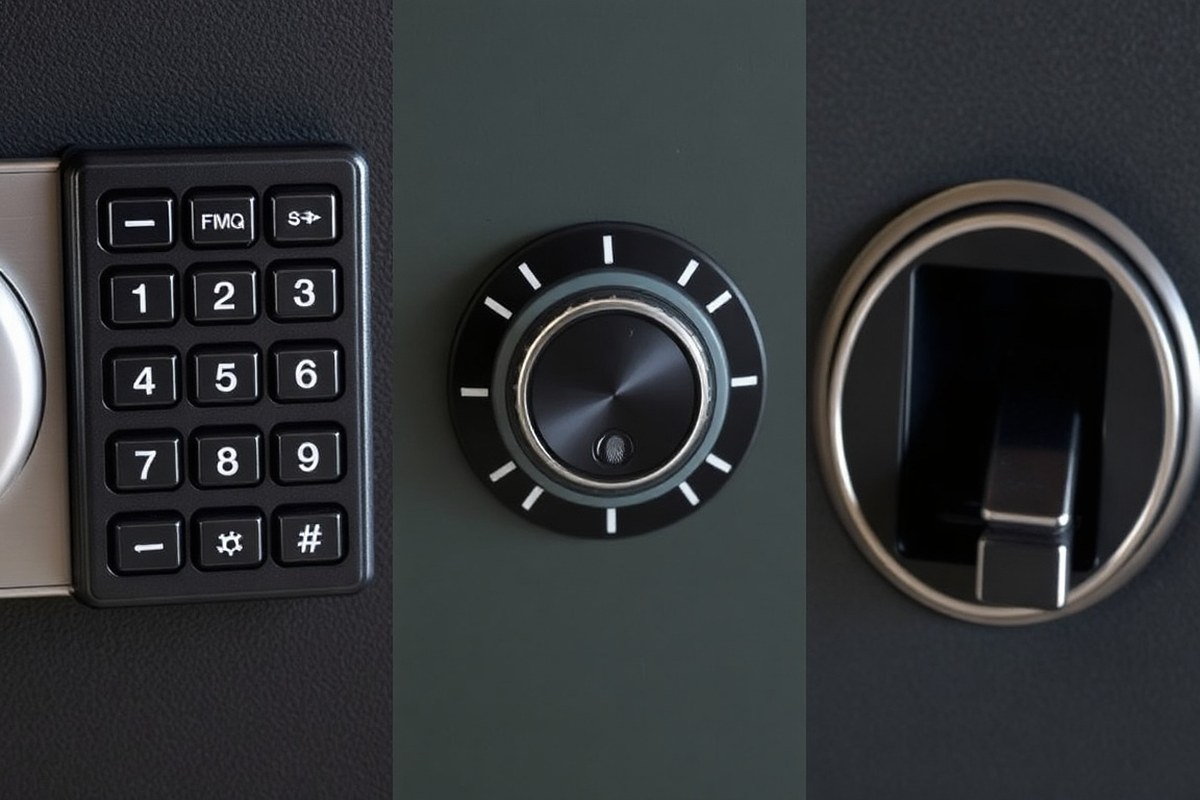
Resetting your gun safe code depends on the type of lock your safe has: electronic keypad, mechanical dial, or biometric fingerprint lock. Each lock type has a specific reset process involving accessing the safe, locating the reset mechanism, and programming a new entry method. An override key can assist in opening the safe for these procedures but does not reset the code directly in most cases.
Resetting Electronic Keypad Locks
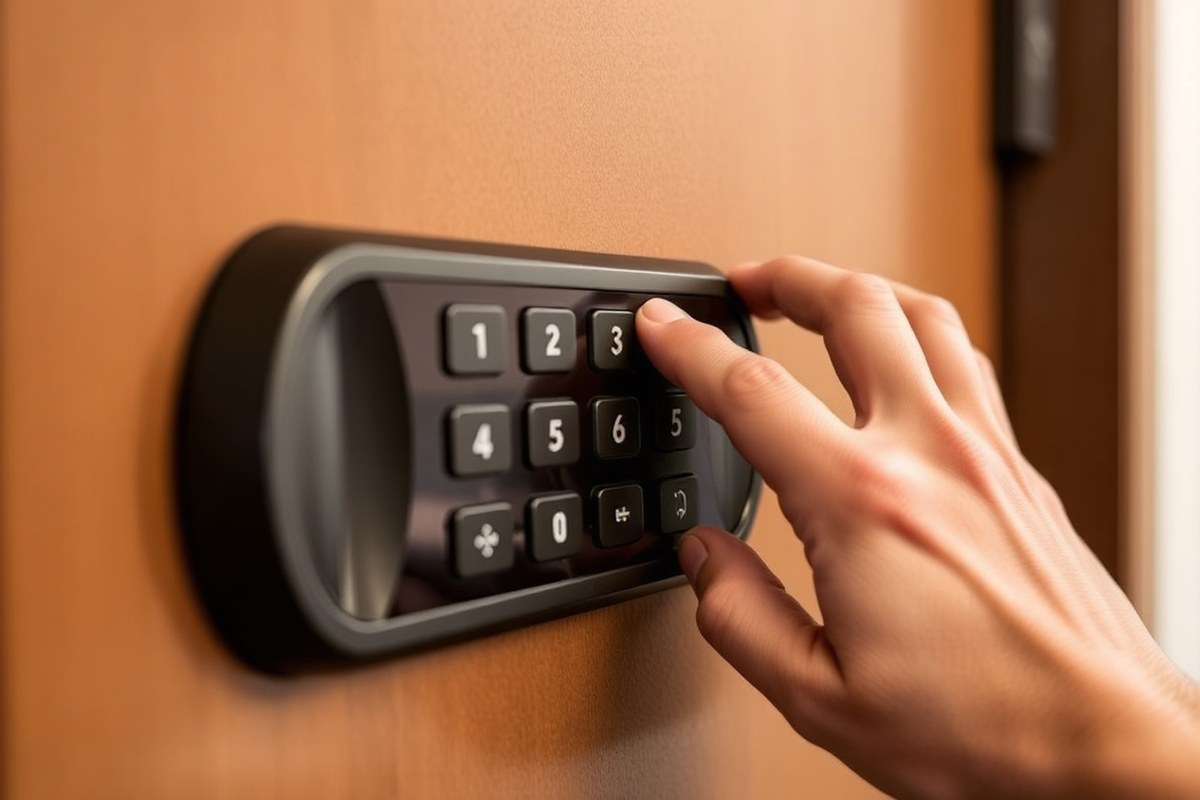
Electronic gun safes commonly feature a reset or programming button inside the door or near the keypad. Pressing and holding this button activates programming mode, allowing you to set a new code. The process requires entering the current code first to prevent unauthorized resets.
- Open the safe using your current code or override key.
- Locate the reset or programming button inside the door near the lock mechanism or keypad.
- Press and hold the reset button for about 5 seconds until the safe beeps or the display shows “0000.”
- Enter your current code if prompted to verify your identity.
- Input your new 4-digit code carefully and confirm it as instructed (usually by pressing the “#” or “*” key).
- Close the door to save the new code. A beep or light indicator confirms the change.
This procedure usually takes under a minute and should be done with the safe door open for safety. Enter a code you can easily recall but is complex enough to prevent unauthorized access.
Resetting Mechanical Dial Combinations
Mechanical dial safes use physical levers or screws inside the door to change the combination. You must open the safe with your current combination or override key to access this mechanism. The dial position before resetting varies by model but usually must be set at a specific number or at zero.
- Open the safe using your current combination or mechanical override key.
- Find the reset lever or screw inside the door, often located near the locking bolts or behind the dial.
- Position the dial according to your manufacturer’s instructions, typically to “0” or the old combination’s reset position.
- Move the reset lever to the reset position or loosen the reset screw.
- Turn the dial slowly to your new combination, recording each number carefully.
- Return the reset lever to its original position or tighten the reset screw securely.
- Test the new combination before closing the door to confirm it works properly.
Changing a mechanical combination is a precise process; errors in setting or locking the reset mechanism can lock you out or cause malfunction. Follow your safe’s instruction manual closely to avoid mistakes.
Resetting Biometric Fingerprint Locks
Biometric safes combine fingerprint scanning with passcode options. Resetting the fingerprint database requires re-enrolling authorized prints through the safe’s programming mode. The passcode can usually be changed separately to offer additional security.
- Open the safe using an authorized fingerprint, passcode, or override key.
- Enter programming mode, often by pressing the reset button inside the door or using a special key sequence on the keypad.
- Delete existing fingerprints if necessary to remove access for lost or unauthorized users.
- Enroll new fingerprints by pressing the scanner multiple times with the chosen finger until accepted.
- Set or change the passcode following prompts to secure backup access.
- Exit programming mode and test all enrolled fingerprints and passcodes to ensure correct recognition.
If the fingerprint sensor is dirty or damaged, clean it with a microfiber cloth or consult the manufacturer. Sensor failure may require professional repair, as it prevents biometric access or resets.
Using the Override Key During Reset
The override key provides manual access to your safe if you forget your combination or if electronic components fail. It cannot usually reset the code by itself but allows you to open the door and perform a reset using the internal buttons or mechanisms.
- Insert the override key into the keyhole, usually located near the keypad or dial.
- Turn the key to unlock and open the safe door safely.
- Locate the reset button or lever inside the door for your safe’s lock type.
- Complete the reset process according to your lock’s procedure.
- Remove the key and keep it secure to prevent unauthorized safe access.
Use the override key only when necessary, as keeping it accessible presents a security risk. Do not lend or leave it in obvious places. Some safes require this key to start the reset, so check your model’s instructions.
Identifying Your Gun Safe’s Lock Type Before Resetting

Identifying your gun safe’s lock type is the first step before resetting its code. You need to see if your safe uses an electronic keypad, a mechanical dial, or a biometric scanner. This matters because each lock type resets differently and using the wrong method can lock you out or damage the lock system.
Visual Features of Electronic, Mechanical, and Biometric Locks
Electronic locks have a keypad with buttons for digits, usually backlit or plastic, located on the safe door. Mechanical locks feature a round dial with numbers from 0 to 99; they turn clockwise and counterclockwise to unlock. Biometric locks include a fingerprint scanner or sensor panel, often alongside a backup keypad or key slot.
Hybrid locks combine keypad entry with biometric scanners or mechanical overrides. These look more complex, with multiple input options visible on the lock face. Make sure to note if there are multiple elements because reset procedures differ for hybrids.
Why Lock Type Identification Matters
Knowing your lock type prevents accidental lockouts or damage during a reset attempt. Mechanical locks reset by turning the dial in a certain sequence. Electronic locks typically require pressing a reset button or entering a master code. Biometric locks might require a fingerprint re-enrollment or resetting via an app.
Attempting a reset without identifying the lock can waste time and sometimes trigger lockout modes. It’s common for hybrid locks to require both biometric and keypad steps to reset, which means skipping one step could fail the process. Accurate identification saves cost and frustration.
Checklist to Identify Your Gun Safe Lock Type
- Look at the lock face: keypad buttons indicate electronic, dial shows mechanical, scanner surface indicates biometric
- Check for a fingerprint sensor, usually small and glassy near the keypad
- Look for an override keyhole; mechanical locks often have them
- Identify if multiple input devices are present, signaling a hybrid lock
- Locate the manufacturer label and model number to verify lock specs online
- Confirm if there is any reset button typically inside the safe door or behind a panel
- Consult the manual or online databases with your model number for exact lock type
Following this checklist before resetting helps you choose the right procedure.
Handling Hybrid or Less Common Locks
Some gun safes use hybrid locks combining electronic, biometric, and mechanical features. These require following a more detailed reset method addressing each locking mechanism. For example, you may need to reprogram fingerprints and then reset the keypad code separately.
In rare cases, a special tool or factory master reset code might be needed, so check if your safe model offers this. Hybrids can increase security but complicate the reset, making it important to verify each lock component upfront.
Always keep your safe door open and your original code accessible when attempting a reset to avoid accidental lockouts.
Tools and Safety Gear to Prepare Before Resetting
Before resetting your gun safe code, gather the necessary tools and safety gear to protect yourself and avoid damage to the safe. Having everything organized ahead of time helps the reset process go smoothly and securely.
Essential Tools Required for Code Reset
The primary tools often required consist of a screwdriver and either the safe’s original override key or its battery pack, based on the type you own. Use the screwdriver to open the lock panel or battery compartment as needed, while the override key might be needed for a manual opening or to activate the code reset.
Some safes rely on external battery packs that must be removed to reset the code. Without these specific items, the reset may be impossible or risk damaging the safe. For safes mounted into a wall or floor, it might be necessary to unfasten or move the safe first.
Why Safety Equipment Protects You and Your Safe
Using safety glasses protects your eyes from small debris or dust that can appear when opening panels or removing screws. Gloves improve your grip on tools and help prevent cuts from sharp edges inside the lock compartment or safe door. Both items reduce the risk of injury and accidents during the process.
A flashlight helps you see intricate lock mechanisms clearly, which minimizes mistakes and prevents damage. Following recommended safety measures also preserves the safe’s integrity, which is critical to maintaining firearm security.
Organizing Tools for an Efficient Reset
Before starting, lay out your tools and equipment in one place to avoid searching for items mid-process. Place the screwdriver, override key, extra batteries, gloves, safety glasses, flashlight, and the safe’s manual or reset instructions side by side on a clean work surface. Prepare a checklist to confirm you have every item, reducing the chance of stopping partway due to missing gear. For example:
- Screwdriver matching the safe’s screws
- Override or emergency key
- Fresh batteries or battery pack (if applicable)
- Safety glasses and gloves
- Flashlight or other light source
- Printed or digital copy of the safe’s reset manual
- Container to hold screws or small parts
With this checklist, check off each item as you lay it out to ensure you cover all bases before proceeding.
Special Considerations for Different Safe Types
Mechanical dial safes need fewer tools, often just a screwdriver to access internal reset buttons. Electronic keypad safes commonly require battery replacement or access to an internal reset switch; carry fresh batteries recommended by the manufacturer. Some biometric or advanced locks may call for specialized tools, which you can identify from the manual.
Your first step is to collect the tools needed to undo any mounting hardware if the gun safe has been secured to a wall or floor. Removing the safe carefully protects both your flooring and the locking mechanism during the reset.
What Successful Preparation Looks Like
When your tools and safety gear are ready and accounted for, you can proceed with confidence, knowing you minimize the risk of injury or damage. Organized tools speed up the reset, while safety glasses and gloves protect you from hazards like sharp edges or battery acid. A clear workspace with good lighting reduces errors, preserves your safe’s security, and ensures your firearms remain protected.
Checking and Testing Your New Gun Safe Code Securely
Verifying your new gun safe code works correctly is essential to avoid locking yourself out. The key is to test the code multiple times while the safe is still open. This allows you to confirm the code functions without risking access, preventing costly locksmith visits or emergency disassembly. Testing also helps ensure the reset process was done properly according to your safe’s manufacturer instructions.
Follow these steps to check and test your new gun safe code securely. Perform each step in order, using any override keys or factory codes as needed for your lock type. Take your time to enter the code carefully, then lock and get the safe repeatedly before closing it up. Testing several times confirms the code has been saved correctly and that the mechanism responds consistently. If the code doesn’t work, you can repeat the reset process or seek assistance before losing access.
- Enter the new code carefully: Input your new combination while the door remains open. Avoid rushing to minimize entry errors.
- Test unlocking: Use the new code to open the safe. Confirm the lock disengages smoothly and the door opens fully.
- Close and lock the safe: Shut the door and activate the lock using the new code. This step simulates regular use.
- Unlock again: Repeat unlocking the safe with the new code. Consistent successful operation is the goal.
- Repeat tests multiple times: Perform the lock and unlock sequence at least three to five times. More attempts are useful if you suspect any error.
- Store your new code securely: Keep a written copy in a safe location outside the gun safe to prevent lockout if you forget the combination.
- Address errors promptly: If the code fails during testing, do not force the lock. Reset the combination according to the manufacturer’s instructions or contact a locksmith or the safe maker for support.
Testing several times helps catch any programming errors or mechanical issues early. Repeated successful operations demonstrate your new code is reliably saved and the lock mechanism reacts properly. Avoid closing and locking the safe with an untested code to reduce risk. Securely storing your new code outside the safe ensures you have backup access if needed.
Common Mistakes to Avoid When Resetting Your Gun Safe
Resetting your gun safe’s code can lead to lockout if you overlook key steps or make common errors. One major mistake is not locating or pressing the reset button properly. Many safes require pressing and holding this button to enter programming mode, and missing this step means the new code won’t register. When the safe lacks a clear reset button, check the manufacturer’s website or user manual for hidden or internal buttons before moving forward.
Another frequent error involves entering the new code incorrectly or accidentally repeating the previous one. Input errors often cause the safe to reject your new combination or keep the old code active, which can be confusing and frustrating. To prevent this, double-check each digit as you enter the new code and test it immediately after programming while the door remains open.
Forgetting the new code is a common cause of lockout. To avoid this, write the new combination down securely or store it in a password manager designed for sensitive information. Avoid using simple numeric sequences or easily guessable patterns like “123456” or “111111,” as these reduce your safe’s security. Using a unique, memorable code provides balance between safety and convenience.
- Locate and press the reset button as described for your lock type; missing this step means the reset won’t activate.
- Enter the new code carefully, double-checking digits before confirming to avoid errors.
- Test the new code immediately with the door open to confirm it works.
- Do not reuse default or factory codes known publicly to keep your safe secure.
- Store the new code securely in a physical or digital safe location to prevent forgetting.
- Should you fail to locate the reset button, contact the manufacturer or check the lock label before attempting to force the mechanism.
- Consider contacting a locksmith if resets fail repeatedly to avoid damaging the lock.
Failing to follow the exact programming steps for your specific lock type can damage the lock or trigger time-delays, increasing the risk of permanent lockout. Some electronic safes lock you out for several minutes after multiple failed attempts. Being patient and following each step slowly helps reduce this risk.
Write down your new safe code on a slip of paper and store it in a separate secure place until you memorize it confidently.
When and How to Contact a Locksmith or Manufacturer
Professional help is necessary when your attempts to reset the gun safe fail despite following battery checks, consulting the manual, and using any override keys. Contact a licensed locksmith or the manufacturer when the lock is malfunctioning, stuck, or unresponsive. Situations such as losing all access codes or override keys, a damaged electronic or mechanical lock, or an inability to locate the reset button also demand expert assistance to avoid damaging the safe or compromising its security.
You should provide the locksmith or manufacturer with detailed information, including the gun safe’s brand, model, and serial number, as well as proof of ownership. Having the original manual or purchase receipt ready can help verify your right to access the safe. Be prepared to describe the problem clearly, such as whether the keypad does not respond, the lock refuses to open, or the reset button seems missing. This information allows the technician to deliver an effective solution tailored to your specific safe.
Finding a reputable locksmith involves verifying credentials and specializations. Search for locksmiths licensed in your state who advertise experience with gun safes, electronic locks, and combination resets. Reviews and referrals from firearm specialty shops or local shooting ranges may provide trustworthy leads. Confirm that the locksmith follows safe and legal procedures, including secure verification of ownership before assisting with access or reset. Pricing can vary widely, but typical service costs range from $75 to $200, depending on the complexity and time needed.
Always start by contacting the manufacturer, especially if your safe is still under warranty or you have the original reset instructions from them. Manufacturers often provide clear model-specific guidance or authorized service centers for repairs and resets. A professional locksmith becomes essential when the warranty has lapsed or the manufacturer cannot assist. They can diagnose the problem by examining the keypad, lock body, or internal mechanism using specialized tools without damaging the safe’s contents.
Mechanical dial safes usually require an authorized locksmith to reset combinations since there is no electronic interface or reset button. Electronic safes may allow simple step-by-step resets known from the manufacturer’s manual, but malfunction or lost codes mean professional help is the safest alternative. Using a professional reduces the risk of damage, maintains the safe’s security features, and ensures that your firearms remain protected.
When working with a locksmith, provide a clear script if you need assistance. For example, say: “I have a [brand, model] gun safe. I’ve lost the combination and cannot find the reset button or override key despite looking in the manual. I can provide proof of ownership and serial number. Can you help me safely reset or open the safe?” This approach clarifies your situation and sets expectations for a secure and legitimate reset process.
Choosing and Maintaining a Secure Gun Safe Code
Changing your gun safe code every 3 to 6 months is a recommended practice to maintain strong security. You should also reset the code immediately after any security event, such as a suspected break-in or personnel changes, to prevent unauthorized access. Choosing a strong code means avoiding obvious sequences like “1234” or repeating digits like “1111,” which are easy to guess. Instead, use a combination that balances complexity with memorability, such as a personal but non-obvious date or a mix of numbers that only you can recall.
Storing your gun safe code safely is equally important. Avoid writing it down on paper stored in common areas or under the safe. Instead, consider using a secure password manager app on your smartphone or a locked, fireproof box kept in a separate secure location. Never share your code with anyone you do not fully trust, and update it regularly to limit exposure. You might also keep a backup of the code stored securely with a trusted family member or legal advisor in case you forget.
Resetting your gun safe code does not affect the lock’s physical durability if done according to the manufacturer’s instructions. The process generally involves pressing a small internal reset button or entering a new code on the keypad. It’s critical to follow the specific steps for your lock type to avoid damaging the mechanism. Performing the reset gently and using the correct tools prevents unnecessary wear and keeps your security system intact for years.
When selecting and maintaining your gun safe code, use the following checklist: choose a code that’s at least four digits long, avoid personal information like birthdays unless heavily modified, commit the code to memory using a mnemonic if needed, change the code every few months or after any security concern, and store your code in a secure location away from the safe itself. These steps keep your firearms protected and ensure that you maintain control over access.
Effective code maintenance also includes regularly testing the new code after resetting it. This confirms successful programming and prevents lockouts. Many safes allow you to enter a temporary code during setup, so test this feature if available. If your safe is used by multiple authorized users, make sure everyone knows the updated code separately and understands the importance of security.
Resetting Gun Safe Codes Without Original Instructions
Resetting a gun safe code without the manufacturer’s manual can be challenging and risky. The codes are designed to protect your firearms, so guessing or forcing resets without the proper instructions might lock you out permanently or trigger security measures. Most manufacturers use specific sequences or require a master reset key or override code, so blindly attempting to reset the code is not recommended.
Start by examining the safe carefully for any labels, model numbers, or markings that could help you find the correct manual online. Many manufacturers provide downloadable PDFs or online support for common resets based on the safe’s model number. Locate the model or find an override key slot or reset button inside the safe, which may require opening the door using the current code or key. When the door is locked and you lack access, calling a licensed locksmith is safer than trying to bypass or force the lock.
Some general methods might work on universal or common electronic locks. For safes with keypad locks, press and hold the reset or program button (usually inside the door panel) for about 5 to 10 seconds until a beep sounds or the display flashes. Then enter the new code followed by a confirmation step, like pressing the “#” or “*” key. Note that these procedures vary widely, and using incorrect sequences can disable the keypad or trigger security locks. Mechanical dial safes sometimes allow resetting by turning the dial to specific numbers in a set pattern, but again, knowing the exact pattern is essential.
Resetting without instructions involves risks such as accidentally setting an unsecured or easy-to-guess code, which makes your firearms vulnerable, or locking yourself out entirely. Attempt standard resets while recording the steps, and test the new code multiple times with the safe door open to prevent accidentally locking yourself out. Never guess easy codes like “1234” or your birthday, as these reduce security significantly.
Failing to find reset instructions or access the internal reset mechanism means contacting the manufacturer’s customer support or a professional locksmith is the safest choice. Locksmith services for gun safes typically range from $100 to $300 and can prevent damage and permanent lockouts. Knowing the importance of following the exact manufacturer reset instructions can save you time, money, and frustration.
Attempting to reset your gun safe code without the proper instructions risks permanent lockout or voiding your warranty. Always seek professional help if unsure.
Step-by-Step Action Plan for Resetting Your Gun Safe Code
Follow these clear steps to reset your gun safe code safely and effectively, avoiding common pitfalls and ensuring your firearms stay secure.
- Before you start: Identify your gun safe’s lock type by checking the manual or looking inside the door. Confirm you have the right tools and safety gear on hand.
- Day 1: Carefully follow the manufacturer’s reset instructions for your specific lock type. Look for a reset button or lever inside the door frame.
- Immediately after resetting: Enter your new code multiple times to confirm it works from outside the safe. Ensure the locking mechanism operates smoothly without hesitation.
- Within 24 hours: Place the new code in a secure spot away from the safe. Only share it with trusted household members who must have access.
- After 1 week: Test the code again and inspect the lock for any signs of wear or malfunction. Notice any problems? Consider calling a locksmith or the safe’s manufacturer for assistance.
- After 2 weeks: Evaluate the complexity of your new code. Find the code too easy or too hard to remember? Change it again, choosing a stronger code you can easily recall.
- Ongoing: Regularly maintain your safe’s lock according to the manufacturer’s guidelines and update the code at least once a year for optimal security.
Frequently Asked Questions
Where Is the Reset Mechanism Located on a Mechanical Dial Gun Safe?
The reset mechanism is usually found inside the safe door, near the lock. This location lets you access it safely after opening the safe with the current code or override key.
Can I Reset My Gun Safe Code If It’s Mounted to a Wall?
You must remove the safe from the wall before resetting the code to access the reset button or mechanism safely. Removing it prevents damage to the locking system during the reset process.
How Do I Reset My Gun Safe If I Lost the Owner’s Manual?
Search online for your safe’s model instructions or contact the manufacturer. A locksmith can also help safely reset your code when instructions aren’t available.
Is It Safe to Reset My Gun Safe Code Without Using Gloves or Safety Gear?
Safety gear protects against sharp edges and accidental lockouts during resetting. Wearing gloves is recommended but not mandatory for all models.
Can a Gun Safe Technician Provide After-Reset Maintenance?
Yes, a qualified technician can reset your safe’s code and check its locking mechanism for proper operation afterward. This ensures the safe remains secure and functional.
What Should I Do If the Lock Is Damaged or Compromised Before Resetting?
Avoid attempting a reset if the lock is damaged. Contact a locksmith for a proper repair or replacement to maintain security.
Key Points to Remember
Resetting your gun safe code properly protects your firearms and ensures quick access for authorized users. Start by identifying your lock type and follow the recommended reset steps carefully. Having trouble or worried about security? Contact a professional locksmith or your safe’s manufacturer for support. Taking these actions today helps maintain your home security and peace of mind.