Are Sentry Gun Safes Good? Reliable Security and Fire Protection Explained
Are Sentry gun safes good? They offer reliable security with heavy-gauge steel construction but have moderate cash ratings around $2,000, signaling limited theft protection for high-value items. Their fire resistance typically lasts between 30 and 55 minutes, protecting your firearms from moderate heat exposure. Choose a model that balances size, locking mechanism, and fire rating to suit your storage and safety needs.
Key Takeaways
- Sentry gun safes feature heavy-gauge steel for solid protection against break-in attempts.
- Most models provide fire resistance lasting 30 to 55 minutes, not complete fireproofing.
- Their cash ratings are generally around $2,000, limiting security for expensive firearms.
- Sentry offers sizes from compact 0.5 cubic feet to models over 2 cubic feet to match your firearm inventory.
- Fireproof insulation in Sentry safes withstands heat up to 1,700°F, guarding contents during fires.
- Some models include ETL verification for waterproof protection, securing contents even in floods.
Are Sentry Gun Safes Reliable and Secure?
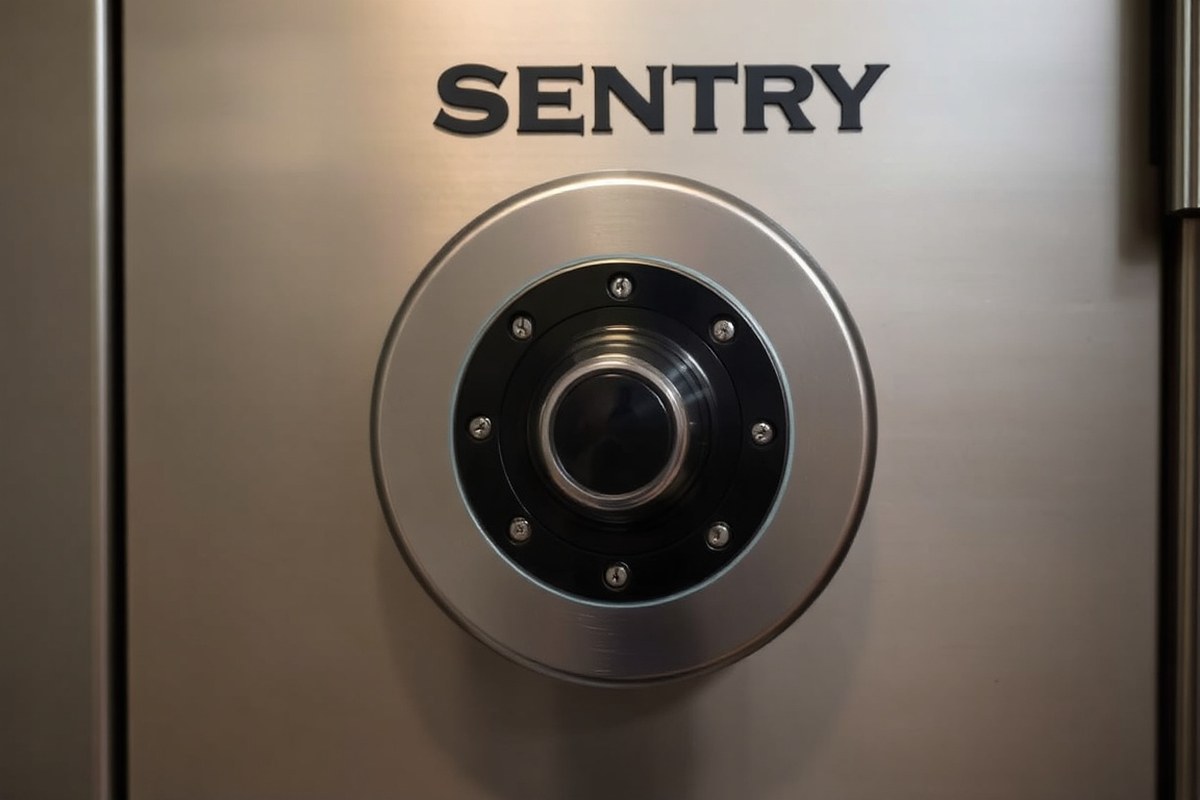
Sentry gun safes provide solid steel construction designed to resist common break-in attempts. Their bodies typically feature welded seams and reinforced steel walls that offer a practical level of physical security for home firearms storage. This steel construction helps protect your guns by making it difficult for intruders to pry or cut through the safe’s exterior. The thickness of the steel varies by model but generally provides basic deterrence against forced entry using hand tools.
The safes include pry-resistant hinges that add an extra layer of defense against break-ins. These hinges are not exposed on the outside, reducing the risk of being easily removed or forced open. This design choice means any attempt to tamper with the hinges must overcome the entire steel structure, which increases the time and effort needed for unauthorized access.
Locking mechanisms in Sentry safes feature tamper-resistant designs intended to prevent manipulation. Some models come with electronic digital locks or biometric options, while more basic models might have preset combination locks that cannot be changed. While the preset locks present a security limitation due to their fixed codes, digital and biometric locks improve protection by limiting lock guessing and providing faster access for authorized users. However, these locking systems do not typically include advanced tampering and damage detection technologies that alert you to break-in attempts.
Despite these features, Sentry gun safes generally receive a cash rating near $2,000, which indicates they are not well-suited for securing very high-value collections or withstanding professional burglary attempts. This rating reflects the safe’s insurance value and suggests that while they offer reasonable theft deterrence for everyday home use, their materials and construction do not match the reinforced steel thickness and locking complexity of premium safes. You should evaluate your security needs carefully to decide if this level of protection suffices.
The safes balance theft deterrence with ease of use and affordability. Their construction materials and locking components provide enough resistance to prevent quick, opportunistic theft but fall short of resisting prolonged, determined attacks by advanced tools. Investing in a safe with strong, pry-resistant hinges and reinforced steel will give you better security results, yet Sentry safes cater to users looking for a reliable, middle-ground solution that also offers fire resistance.
For best security results, consider bolting the safe to the floor or wall, which prevents thieves from removing it entirely. Because Sentry safes are built for a mix of security and convenience, they can be relocated without significant hassle, but securing them in place is key to improving their theft resistance.
Overall, Sentry gun safes are a dependable choice for typical firearm owners who want solid steel protection and tamper-resistant features without the high cost associated with top-tier safes. While they do not offer advanced tampering detection or ultra-high security ratings, their construction and locking options provide meaningful, reliable protection appropriate for many home environments.
How Fire-Resistant Are Sentry Gun Safes?
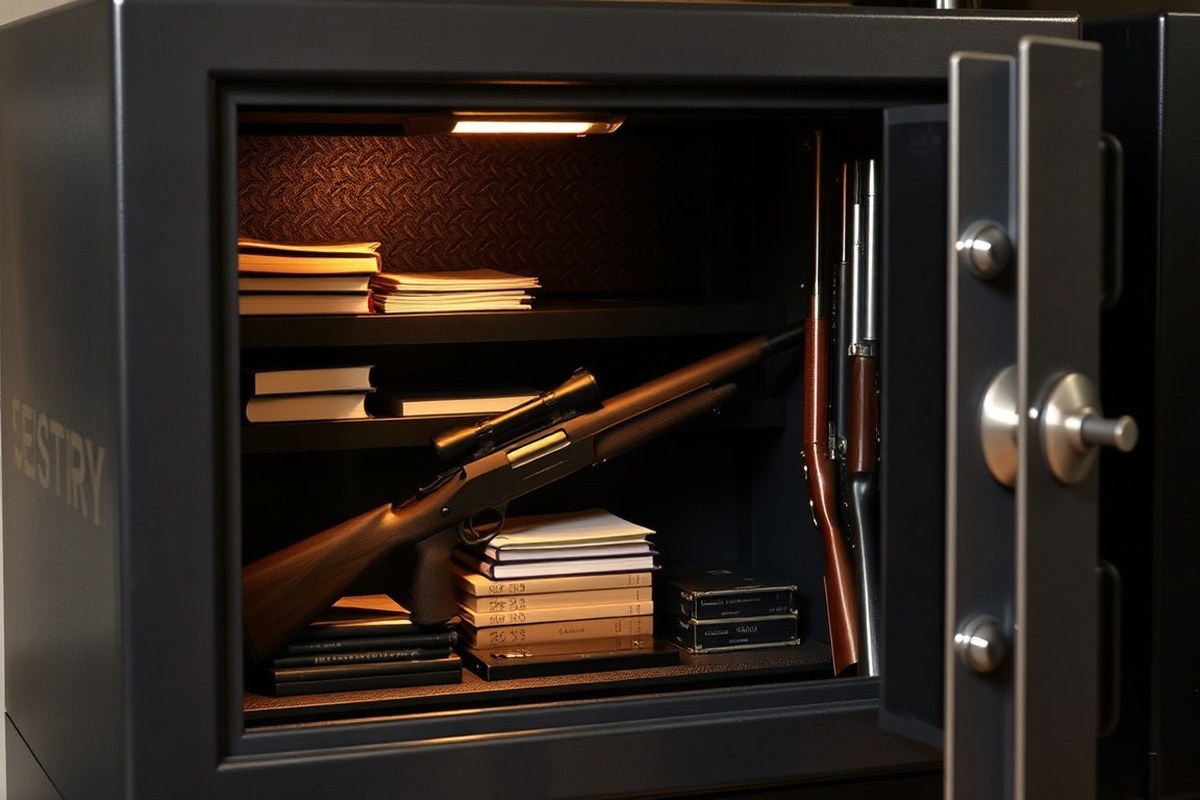
Sentry gun safes offer moderate fire resistance with ratings typically ranging from 30 to 60 minutes, which protect your firearms and documents from heat up to 1,700°F. While they include fire-resistant materials and seals, they are not completely fireproof, falling short of longer-duration ratings seen in high-end safes. Understanding their fire ratings and construction helps ensure you choose the right model for your fire protection needs.
Sentry Fire Ratings and UL Classifications
Sentry gun safes commonly hold UL classifications for fire resistance, indicating they can protect contents like paper documents and firearms during moderate fire exposure. Most models provide protection for 30 to 55 minutes at temperatures reaching 1,700°F (927°C). For example, the SentrySafe FPW082KSB model is UL Classified to maintain internal temperatures safe for paper and firearms for 1 hour in a 1,700°F fire.
These UL fire ratings matter because they specify precise testing standards and time frames that the safe can endure to protect valuables. However, Sentry safes rarely exceed this 1-hour mark, which is a limitation compared to safes rated for 90 to 120 minutes or more, typical of premium brands.
Insulation Materials and Technologies Used
Sentry safes use fire-resistant insulation, typically a composite material designed to slow heat transfer. This insulation is paired with water-resistant seals that help prevent internal damage from fire suppression efforts where water might enter the safe. These materials create a barrier to keep flames, heat, and smoke out for the rated duration.
While this technology provides strong short-term protection, extreme or prolonged fires can overwhelm the insulation, causing internal temperatures to rise and potentially damage firearms or paper. The balance between insulation thickness, weight, and interior space means Sentry safes optimize for moderate fire resistance without becoming large and heavy like some high-end models.
Comparison Table: Sentry vs Other Brands’ Fire Resistance
The table below shows specific SentrySafe models, their fire ratings, and how they stack up against key features important in fire protection.
| Specification | Details |
|---|---|
| Brand Name | SentrySafe |
| Model Number | SFW205DPB |
| Fire Resistance | Fire-resistant for 60 minutes at temperatures reaching 1700°F, as certified by UL standards |
| Locking Bolts | 6 large 1-inch live-locking bolts |
| Impact Resistance | Tested to withstand a 15-foot drop |
| Included Components | Fire safe unit & instruction guide |
| Color | Matte Black |
| Interior Capacity | Large, suitable for firearms and documents |
Comparing Sentry fire ratings to brands offering longer durations, such as 90 to 120 minutes or higher UL classifications, highlights that Sentry models serve moderate fire risk environments best. They deliver fire protection adequate for most residential situations but may not suffice in severe, prolonged fires.
Practical Fire Protection Tips for Your Safe
Position your safe away from high-risk fire areas like kitchens or heating sources. Placing it in a cooler part of your home reduces the chance of extreme heat exposure. Adding a smoke detector with a linked alarm system near your safe can warn early, giving you a chance to act fast.
While Sentry safes include fire-resistant materials and seals, avoid storing items sensitive to even brief heat exposure, such as certain electronics or ammunition packs, unless the model specifically certifies protection for those items. Consider supplementary fire protection measures if your area is prone to intense fires.
Never rely solely on any gun safe for fire protection; regular maintenance and strategic placement are essential to maximize your safe’s performance in emergencies.
What Locking Mechanisms Do Sentry Gun Safes Use?
Sentry gun safes offer multiple locking mechanisms tailored to different preferences and security needs, including biometric fingerprint scanners, electronic keypads, and traditional mechanical locks. These locking types provide options for fast, secure access and backup methods to prevent being locked out. Combining these systems allows flexible entry suited to your situation and comfort with technology.
Biometric Fingerprint Locks: Speed and Accuracy
Biometric fingerprint locks use fingerprint recognition to grant access quickly and securely. These sensors scan unique fingerprint patterns, allowing authorized users to get the safe typically within one to two seconds without needing a key or code. This feature matters most when you need immediate access to your firearms in an emergency.
Performance depends on sensor quality and fingerprint enrollment. You’ll usually register multiple fingerprints to accommodate various users or fingers. A properly configured biometric lock provides reliable accuracy but can have occasional misreads if fingers are wet, dirty, or scarred. Most Sentry models include backup entry options when biometric scans fail.
Costs for safes with biometric locks tend to be higher than basic mechanical versions, reflecting the advanced technology. Ideal results include consistent recognition speed and low false rejections, enabling quick access in under 3 seconds. Problems can arise with low battery power or sensor wear, requiring maintenance or temporary fallback to another unlock method.
Electronic Keypads: Security and Convenience
Electronic keypad locks allow you to set a numeric code for fast and secure access without carrying a key or waiting for a biometric scan. Entry is immediate once the code is entered correctly, typically taking just a second or two. These systems are battery powered, so monitoring battery life is essential to avoid lockouts.
Keypads provide straightforward user control and are ideal if you prefer using PINs or need to change access codes regularly. Their reliability is generally good, but keypad failure or low battery can prevent opening. Most models come with an emergency override key to guarantee access even if electronic functions fail.
The keypad’s convenience shines when multiple people require access with different codes. You must choose a code that balances memorability and strength to reduce the risk of unauthorized entry. User-friendly layout and lockout features prevent guessing attacks after several failed attempts.
Traditional Mechanical Locks: Backup Options
Mechanical locks use a physical key to open the safe and require no battery or electronic components, making them reliable as a backup method. Keys are simple to use and familiar but present risks such as being lost or stolen, which compromises security.
These locks matter as fail-safe access, especially if biometric or electronic systems malfunction. Mechanical locks typically cost less and require minimal maintenance, but lack the speed of biometric or keypad entry. For emergency firearm access, they may be slower than other methods.
Managing mechanical keys involves keeping duplicates securely stored and limiting key distribution. The presence of a mechanical lock ensures you’ll never be fully locked out, even during power failures or technology issues. Tradeoffs include carrying a key and the potential for forced lock-picking, which digital systems better resist.
Multi-Access and User Management Features
Many Sentry gun safes support multiple access methods, combining biometric scanners, electronic keypads, and mechanical keys for maximum convenience. You can register multiple fingerprints, manage several user PINs, plus use a physical key, enabling flexible entry for household members or trusted users.
This multi-access approach reduces wait time and the risk of lockouts. In situations requiring fast firearm retrieval, choosing the fastest method, typically biometrics or keypad, works best. Meanwhile, mechanical keys offer a secure fail-safe. User management features let you add or remove authorized users quickly.
- Supports multiple fingerprint profiles for family or trusted users
- Allows setting several unique PIN codes on keypad locks
- Includes emergency override keys as backup access
- Enables quick disabling of lost or compromised codes and fingerprints
- Combines locking systems for layered security and convenience
Using combined methods requires awareness of each system’s maintenance, like changing keypad batteries or cleaning fingerprint sensors. Multi-access ensures you’re never locked out while balancing security with quick entry tailored to different situations or users.
What Sizes and Storage Options Do Sentry Gun Safes Offer?
Sentry gun safes are available in a wide range of sizes, from compact pistol safes to larger models that can store multiple rifles or an extensive collection. For example, the SentrySafe QAP2E pistol safe measures about 16.4 inches wide, 9.8 inches deep, and 3.2 inches high on the outside, with interior space tailored to hold two standard handguns or one larger pistol plus ammunition. Larger models designed for rifles provide additional height and width, accommodating long guns and accessories in one unit. Choosing a size that fits your collection is important to keep firearms secure without wasting space.
The interior of Sentry gun safes is designed for organization and flexibility. Most safes feature adjustable or removable shelves that let you customize how you store firearms, ammunition, important documents, and smaller valuables. Shelves can be moved or taken out entirely to fit taller items like rifles or larger cases, or reset for stacked handguns and accessories. Some models also include hooks and door organizers to keep smaller items separated and easy to access. Interior lighting options are available in some safes, allowing you to find what you need even in low light.
Customization goes beyond shelves. Sentry offers optional interior accessories such as racks for handguns, LED lighting kits, and additional hooks. These let you optimize the space for your specific needs, whether that means creating secured compartments for jewelry and cash or maximizing firearm storage. The flexibility in layout helps prevent clutter and makes sure each item stays put, reducing the chance of damage during movement.
While primarily designed for firearms, Sentry gun safes are also suitable for protecting other valuables. Their compact interior and organizational features work well for important documents, cash, USB drives, and small electronics. However, bulky or irregularly shaped items might not fit as well, especially in smaller safes made for pistols. Consider how much and what type of valuables you want to store alongside weapons, and check the internal dimensions carefully before buying.
Sentry safes’ interior dimensions and organization options make them a practical choice for gun owners looking for secure and orderly storage. Adjusting shelves or adding accessories is a simple process that involves removing shelf pins or hooks and repositioning components as needed, no tools usually required. This adaptability ensures you can accommodate new firearms or valuables over time without needing to upgrade the whole safe.
How Do Sentry Gun Safes Compare to Other Brands?
Compared to other brands, Sentry gun safes offer a balanced mix of affordability, security, and ease of use, making them a popular choice for gun owners on a budget. Their price points typically fall below premium competitors, which often include higher fire ratings or advanced locking systems. However, Sentry safes provide reliable security features appropriate for everyday firearm storage and quick access needs.
Security strength depends on both construction materials and locking mechanisms. While some brands focus more heavily on fire resistance or heavier steel, Sentry safes emphasize durability coupled with fast access options like electronic keypads. This combination lends itself well to users prioritizing convenience while maintaining a reasonable level of protection.
| Feature | Sentry Gun Safes | Typical Competitors |
|---|---|---|
| Price Range | $150 – $600 depending on size and model | $300 – $1200+ |
| Fire Rating | Basic to moderate, usually 30 minutes at 1400°F | Up to 1 hour at 1400°F or higher |
| Security Features | Solid steel construction, electronic or mechanical locks, bolt-down capable | Heavier gauge steel, biometric locks, reinforced locking bolts |
| Access Speed | Fast access with electronic keypad options | Varies; biometric and keypad models also common |
| Durability | Good for residential use; durable construction and reliable hinges | High-end models may offer tougher materials suited for commercial use |
| Warranty & Support | Standard limited warranty with accessible customer service | Varies widely; premium brands often include longer warranties and premium support |
Sentry stands out by combining dependable security with reasonable prices and options tailored to gun owners who want quick firearm access during emergencies. Their ability to be bolted down improve theft deterrence, which is a key security upgrade that anyone should consider regardless of brand.
Always bolt your gun safe to the floor or wall to prevent theft, as even the strongest safe can be carried away if left unsecured.
Budget-conscious buyers find good value in Sentry because their safes cover basic fire resistance and solid anti-theft features without the premium costs of luxury brands. On the downside, for those seeking top-tier fire protection or military-grade security, alternatives may offer better performance. Customer support tends to be straightforward with Sentry, though some users note that premium brands provide more extensive warranties and specialized assistance. Choosing Sentry makes sense if you want a solid, accessible safe without spending extensively on features you may not require.
What Common Issues and Maintenance Tips Should You Know?
Common issues with Sentry gun safes mostly involve their locks and electronic components. Biometric scanners can become less responsive or fail if dirty or damaged. Physical locks may jam or wear down over time, often from debris or rust buildup. Should the safe fail to open, avoid forcing the lock. Instead, check the battery first, many models use batteries that last around 1 to 2 years and need replacing when the keypad or scanner response weakens. Keeping spare keys or a backup access method is essential in case of electronic failure.
Maintaining the biometric scanner is important for reliable quick access. Clean the scanner surface weekly using a soft, lint-free cloth slightly dampened with water or isopropyl alcohol. Avoid harsh chemicals that can damage sensors. Regular cleaning removes oils and dirt that impair fingerprint recognition, helping the scanner maintain accuracy and speed. When multiple users share access, instruct everyone to clean their fingers before use to reduce sensor buildup.
Prolonging the safe’s fireproofing and waterproofing effectiveness means treating seals and insulation with care. Installing the safe in a controlled indoor environment reduces exposure to moisture and extreme temperature swings that degrade door gaskets. Inspect door seals quarterly for cracks or compression loss and replace them if damaged. Avoid placing the safe directly on concrete floors in basements, as rising dampness can affect the seal and internal environment. In cases where flooding is a risk, consider raising the safe on a sturdy platform or using a safe made with specific waterproof certification.
- Replace batteries annually or when keypad/scanner response slows
- Clean biometric scanner weekly with a damp microfiber cloth
- Lubricate mechanical lock components yearly with a graphite-based lubricant
- Check door gasket seals every 3 months for wear or cracking
- Keep the safe indoors away from direct moisture and temperature extremes
- Store backup keys securely outside the safe
- Do not force open the safe; contact Sentry’s customer support or a licensed locksmith for lockout issues
Good maintenance results in smooth lock operation, prompt biometric recognition, and intact fire- and water-resistant seals. Neglecting these steps can lead to lock jams, scanner failures, or compromised protection in a fire or flood event. Keeping a maintenance routine and acting promptly on minor issues avoids expensive repairs and replacement. For example, replacing worn door gaskets can cost $20 to $50 but prevents costly damage to firearms from moisture ingress. Following manufacturer instructions and using recommended cleaning agents protects your investment and preserves security.
Can Sentry Gun Safes Be Bolted and Relocated Easily?
Sentry gun safes typically include factory-prepared bolt-down points designed to secure the safe to a concrete floor or wall. These bolt points are pre-drilled and reinforced, allowing you to install the safe using heavy-duty lag bolts or masonry anchors. Securing the safe reduces the risk of theft by preventing it from being carried away. To bolt down a Sentry safe, you will usually need a drill, appropriate masonry bits, and anchor bolts suitable for your floor material. The exact tools depend on whether you are mounting it on wood, concrete, or tile.
The weight of Sentry gun safes varies with size and model, but they are generally heavy and bulky. Even smaller models can weigh over 100 pounds, while larger safes commonly exceed 200 pounds. This weight makes relocating the safe difficult without at least two people. Moving it alone can risk injury or damage to floors and walls. You should plan for assistance or use dollies designed for heavy lifting when moving a Sentry safe. Professional movers familiar with gun safes can provide safer handling and reduce the risk of impacting the safe’s internal locking mechanisms.
While basic bolt-down tools are typically included or easy to acquire, professional installation is recommended, especially for larger models and when bolting to masonry. Professionals ensure the correct anchors are used, the safe is securely fastened to floor joists or concrete slabs, and the surrounding area is protected from damage. Installation can take one to two hours and may cost $100 to $300, depending on job complexity and local rates. A proper install not only maximizes security but also ensures the safe remains stable during emergency access or fire incidents.
Once bolted in place, relocating the safe is no longer quick or easy. You need to remove the heavy-duty anchors, which often requires drilling out bolts or removing concrete anchors. This adds time and effort to any move. Bolt-down installations also limit options for hiding the safe since it must be positioned where solid mounting material is available. For relocation flexibility, some owners choose not to bolt their safe down, accepting the increased risk of theft in exchange for portability.
Sentry gun safes have bolt-down features that improve security but make them less portable. Their weight and design make moving them a two-person job or one for professionals. You should consider lighter models or those meant for temporary installations without bolts if you expect to move your safe often. For maximum theft resistance and compliance with safety recommendations, bolting the safe is the better choice. Proper tools, preparation, and possibly professional help will ensure secure installation that meets your storage and safety needs.
How to Choose the Right Sentry Gun Safe for Your Needs
Choosing the right Sentry gun safe involves matching the safe’s size, fire rating, lock type, and cost to your specific needs. You want a safe that fits your firearms and valuables comfortably, protects them against theft and fire, opens quickly when needed, and stays within your budget.
Assessing Your Firearm and Valuables Inventory
Start by counting how many firearms you own and consider any other items you want to store, like ammunition, important documents, or electronics. The safe’s interior capacity must accommodate these items without overcrowding, preserving quick access and preventing damage.
Sentry safes vary widely in size. For example, the SentrySafe model SFW123DSB has a 1.23 cubic foot interior, fitting a few handguns or a single rifle with accessories. Larger safes like the Gun Safe Electronic with 0.8 cubic feet offer different configurations for multiple firearms. Take measurements of your longest and widest firearms to compare against the interior dimensions.
- List all firearms and valuables you want to store
- Measure the sizes of your longest and widest firearms
- Check internal dimensions of Sentry safe models to confirm fit
- Consider internal shelves or removable racks for extra storage or organization
- Plan space for ammunition separately if your local laws require it
Overfilling a safe restricts quick access and may strain locking bolts, reducing security effectiveness.
Choosing a safe with a bit of extra room helps accommodate future firearm purchases or other valuables.
Determining Required Fire and Theft Resistance
Look for safes with fire ratings that match the expected fire risks of your location. Sentry safes like the SFW123DSB offer UL Classified fire resistance for 1 hour at 1700°F, which is a solid middle ground for most residential use. Consider your local fire service data or insurance requirements.
Waterproofing is another protection layer, especially if your safe will be placed in a basement or areas prone to flooding. Some Sentry gun safes, such as the SFW123DSB, have ETL verification to remain waterproof up to 8 inches of water for 24 hours, an advantage if water damage is a concern.
- Match fire rating to likely exposure time and temperature (UL 1 hour at 1700°F common)
- Check waterproof testing, especially for basement or flood-prone areas
- Confirm the presence of pry-resistant features like locking bolts and hinge bars
- Consider safes with live-locking bolts to resist break-in attempts
- Review local laws that may prescribe minimum security levels
Choosing a safe with inadequate fire resistance may ruin the firearms even if theft is prevented.
Balancing fire protection with theft resistance ensures your safe guards the actual risks you face.
Choosing the Best Lock and Access Type for You
Locking systems vary between dial combination, digital keypad, and electronic locks. Dial combination locks, like on the SFW123DSB, maximize reliability and do not rely on batteries but may be slower to open under stress. Electronic digital keypads offer quicker entry with programmable codes, useful in emergencies but require regular battery replacement.
Think about the situations you expect to access your safe. If you need speed, a digital keypad or biometric lock may be better, but if battery failure or hacking is a concern, mechanical locks provide more predictable security.
- Decide if quick access or battery independence is your priority
- Consider digital keypads for easier user code management and faster access
- Choose dial combination locks for long-term reliability without power dependency
- Check ease of resetting combinations or adding multiple user codes
- Look for models with audit trails or keypad lockouts if multiple users access the safe
Failing to maintain battery power on electronic locks can lock you out during emergencies.
Selecting the right lock type balances your security needs with how quickly you must retrieve your firearms.
Setting a Realistic Budget Versus Needs
Sentry gun safes vary from under $300 for small fire-resistant models to over $1,000 for larger, feature-rich safes with electronic locks. Decide how much you can invest based on the value of your firearms and the risk you face. High-value collections justify spending more on advanced protection and capacity.
Trade-offs include size, fire rating, and locking mechanisms. A safe with all the top features costs more, but a smaller safe with basic fire resistance and a mechanical lock may meet the needs of smaller collections and lower risk areas.
- Establish a maximum budget based on firearm value and security expectations
- Prioritize fire resistance and security features over cosmetic extras
- Consider costs of professional installation or bolting hardware
- Factor in the price of lock maintenance, batteries, and insurance discounts
Skimping on safety features to save a few dollars can leave firearms vulnerable to loss or damage.
Spending smart means choosing features that provide real protection relevant to your environment and needs.
Step-by-Step Action Plan to Secure Your Firearms with a Sentry Gun Safe
Follow these steps to ensure you select, install, and maintain your Sentry gun safe effectively for the best protection and fire resistance.
- Before you buy: Measure your available space and inventory your firearms and accessories to choose the right size. Confirm the safe’s fire rating matches your needs by checking the manufacturer’s specifications.
- Day 1: Select a Sentry gun safe with the locking mechanism that fits your security preferences and capacity needs. Verify locking function by testing the keypad or key access before installation.
- Within the first week: Securely bolt down the safe in a concealed, dry, and accessible location following the included instructions. Check for stability by attempting to slightly move the safe; it should remain firmly attached.
- After installation: Register your safe with Sentry and set up your backup access options, like backup keys or override codes. Test backup methods to ensure you can get the safe in an emergency.
- Weeks 2 to 4: Organize your firearms and accessories inside the safe using adjustable shelves or door compartments for efficient storage. Confirm easy access and proper fit for all items.
- Monthly: Clean the exterior and check locking mechanisms for smooth operation. Replace batteries in electronic locks before they run low to avoid lockout.
- Every year: Inspect the safe’s fire seals and inspect for any corrosion or wear. Replace components as needed to maintain fire resistance and security.
- When relocating: Unbolt and move the safe carefully, reinstalling it in the new location with the same secure bolting method. Test stability and locking operation after reinstallation to ensure continued security.
Frequently Asked Questions
How Reliable Are Sentry Safes?
Sentry safes offer dependable protection thanks to strong steel bodies and high-quality locks designed to prevent break-ins and tampering. They serve well for standard everyday gun security.
What Brand of Gun Safe Is the Best?
There is no single best brand; the right gun safe depends on your budget and security needs. Sentry offers affordable, dependable options suitable for moderate protection.
Which Is Better, SentrySafe or First Alert?
Both brands offer decent security, but Sentry safes often provide better fire resistance and sturdier steel construction. Choose based on the specific features you need.
Are Sentry Safes Hard to Break Into?
Sentry safes use heavy-gauge steel and tamper-resistant designs, making them difficult to pry open. However, they have a typical cash rating near $2,000, so high-value theft protection is limited.
Do Sentry Gun Safes Come with Warranty Coverage?
Yes, Sentry gun safes usually include a limited warranty covering defects in materials and workmanship. Check specific models for exact terms.
Can Sentry Safes Be Opened Quickly in Emergencies?
Yes, many Sentry gun safes feature quick-access locks like keypads or biometric scanners for rapid opening during emergencies.
Key Points to Remember
Sentry gun safes provide a balanced mix of reliability, security, and fire resistance that suits many firearm owners’ needs. Choosing the right model based on size and locking options along with proper installation can maximize your firearms’ protection. Consider starting with a specific safe model that fits your collection size, and bolt it down securely to ensure your investment offers the safety you expect.