Why Does My Gen 5 Glock Not Fit My Holster? Complete Guide to Fixes & Compatibility
Why does my Gen 5 Glock not fit my holster? Most often, it’s because the Gen 5 has physical differences from earlier generations, which change its dimensions and features. The slide, grip length, and ambidextrous controls can interfere with holsters designed for Gen 4 or older models. Always test holster fit using the specific generation Glock you own to ensure proper retention and comfort.
Key Takeaways
- Gen 5 Glocks have over twenty design changes affecting holster fit compared to Gen 4 models.
- The ambidextrous slide stop on Gen 5 pistols often causes interference in Gen 4 holsters.
- Holsters molded for Gen 4 Glock slides rarely provide proper retention for Gen 5 due to dimension changes.
- Grip length differences in Gen 5 may create uncomfortable fit in older holsters with tight clearances.
- Testing holster fit with the actual Gen 5 Glock helps confirm compatibility beyond just model names.
- Purchasing a holster molded for Gen 5 or specifically for a Glock 45 is advisable if you own these models.
Why Gen 5 Glock Pistols Often Don’t Fit Gen 4 Holsters
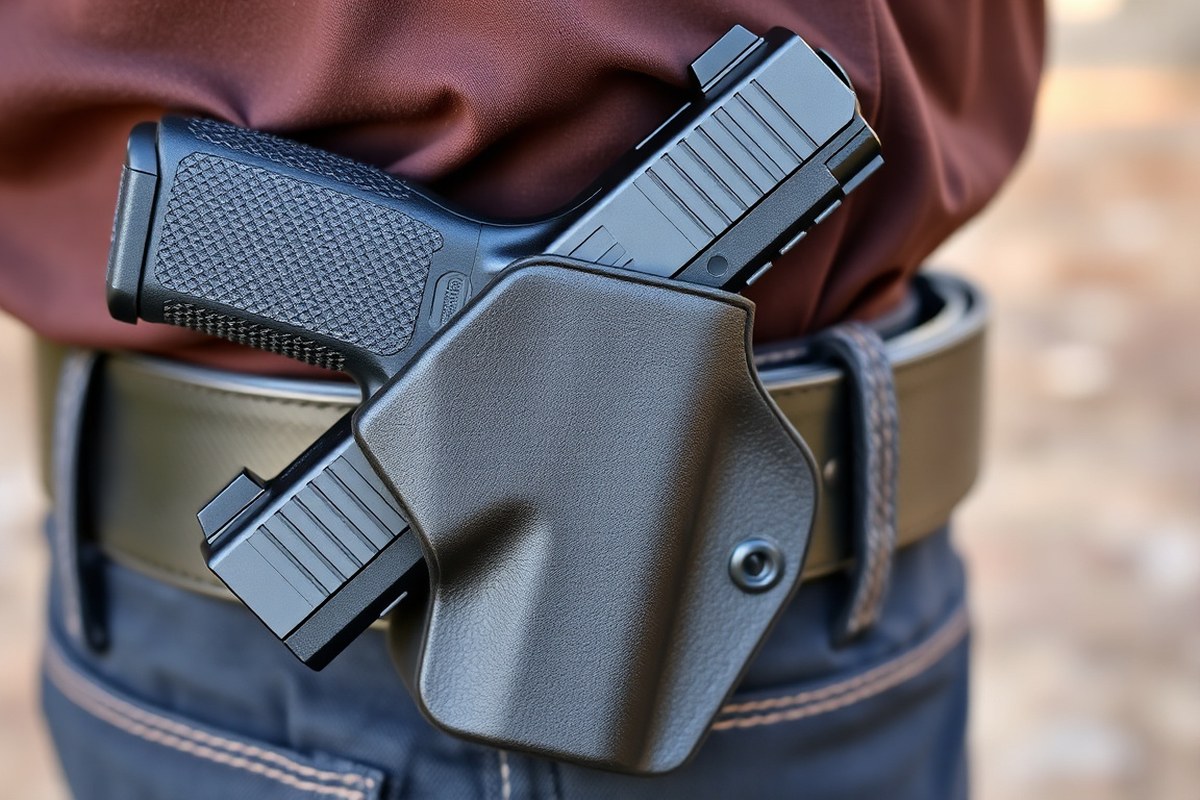
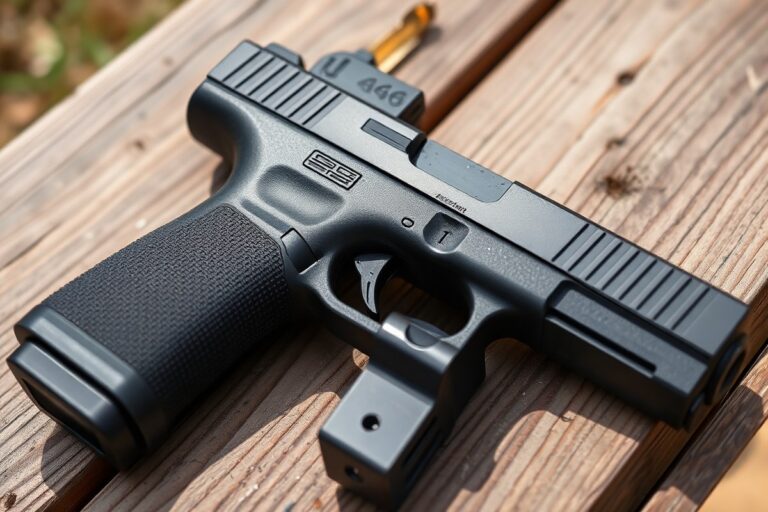
The main reasons Gen 5 Glock pistols don’t fit holsters designed for Gen 4 revolve around distinct changes in slide and frame design. Glock reported over twenty design updates from Gen 4 to Gen 5, but the most impactful ones for holster fit include the addition of an ambidextrous slide stop, subtle shifts in slide dimensions, slight alterations to frame width and contour, and changes to the dust-cover area. These physical differences directly influence how the pistol sits in a holster molded around earlier-generation geometry.
One key change is the ambidextrous slide stop, which replaces the single-sided lever found on Gen 4 and older models. This new control protrudes on both sides of the frame, increasing the pistol’s overall width in that area. Holsters not specifically designed to accommodate this wider control often experience tightness or interference, as the ambidextrous slide stop can rub against or catch on the holster’s interior surfaces. Trying to force a Gen 5 Glock into a Gen 4 holster without sufficient clearance for this feature risks damaging the holster material or the pistol itself, potentially leading to compromised retention and an unsafe draw or reholstering experience.
Slide dimensions also differ slightly. Though the overall length of some Gen 5 models, like the Glock 45 and Glock 19, remain similar, the width and contour of the slide have been refined. For example, the Gen 5 Glock 22 features revised .40-caliber slide dimensions that are incompatible with holsters molded for Gen 2 through Gen 4 slides, resulting in loose fit and poor retention. The dust-cover area, where the holster’s body typically grips the pistol to hold it firmly, has changed shape and size subtly but enough to affect how the Gen 5 rides in an older holster. Frame geometry adjustments, including trigger-guard shape and accessory-rail contour, also contribute to fit challenges.
To avoid these issues, verify that any holster you plan to use is explicitly marked as Gen 5 compatible or compatible with the Glock 45 if you intend to carry that model in a Glock 19 holster. Materials like Kydex, leather, and molded polymers will react differently to the changes in geometry; Kydex holsters may tolerate small differences but still require precise molds for the ambidextrous slide stop. Ordering a holster built on the exact Gen 5 frame and slide design prevents the common fit problems resulting from forcing incompatible models together.
Physical Differences Between Glock Generations Affecting Holster Fit
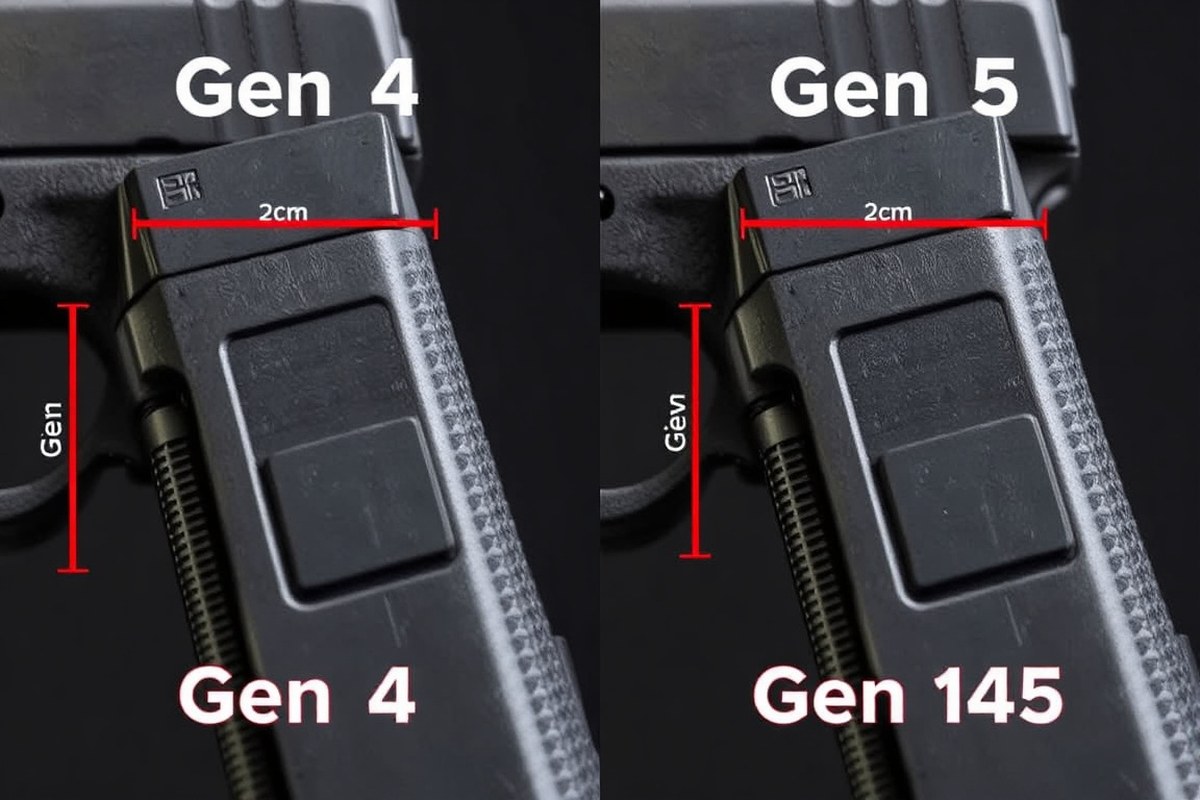
Gen 5 Glock pistols introduce subtle but important dimensional and hardware changes compared to Gen 4 models that can interfere with holster fit. The width of the frame and slide remains mostly consistent to maintain basic compatibility; however, specific differences like grip length and ambidextrous controls impact how your pistol settles into a holster made for older generations.
The grip on many Gen 5 models is slightly longer or reshaped, which may prevent the slide from fully seating inside certain holsters designed for Gen 4. Also, the Gen 5 ambidextrous slide stop catches more on holster material or retention systems that lack clearance for this hardware. Height and length of the dustcover and slide can also vary marginally, especially when comparing models like the Glock 19 and Glock 45.
Holster manufacturers like Dara Holsters organize Glock compatibility into families based on frame and slide dimensions. Models within the Gen 2-4 family often share holster body geometry but may require length adjustments for different slide lengths. Gen 5 models are generally grouped separately due to differences like modified grip length and ambidextrous controls, which affect holster seating. Below is a table illustrating which Glock models share holster bodies and length compatibility, helping clarify how the generations correspond by model and design features.
| Glock Models | Generation / Family | Dara Holster Compatibility | Holster Length |
|---|---|---|---|
| G26 / G27 / G33 | Gen 3-4 | Same holster body | Same holster length |
| G19 / G23 / G32 | Gen 3-4 | Same holster body | Same holster length |
| G17 / G22 / G31 | Gen 3-4 | Same holster body | Same holster length |
| G34 / G35 | Gen 3-4 | Same holster body | Same holster length |
| Various Gen 2-4 standard-frame models | Gen 2-4 family | Same general holster-body family | Different slide lengths |
Another dimension to consider is grip length and ambidextrous controls. The Glock 45 has a slightly longer grip and ambidextrous slide stop, which often requires holsters designed to accommodate these features or those fitting larger models like the Glock 17. Differences in the dustcover height or slide stop shape may not seem obvious but can cause tight spots or failure to fully seat the firearm. These changes mean you cannot assume a holster that fits your Gen 4 Glock 19 will fit a Gen 5 Glock 19 or 45.
Check for holster models specifically listed for Gen 5 Glocks, especially if your pistol has ambidextrous controls or extended grips, to avoid fit and retention problems.
Understanding these physical differences helps you select a holster that will fit securely and function properly. A holster that fits poorly can cause difficulty drawing or reholstering, reduced retention, or premature wear on both the firearm and the holster. Matching holster body geometry and length while accounting for frame controls and grip changes ensures you get the best fit for your Gen 5 Glock pistol.
How to Identify If a Holster Is Compatible with Your Gen 5 Glock
To make sure a holster works with your Gen 5 Glock, start by checking the manufacturer’s labeling for explicit Gen 5 compatibility. Then perform a physical inspection of the holster’s dimensions and clearance areas, focusing on trigger guard alignment and retention points. Consider whether an adjustable holster fits your model safely and consult manufacturer fit lists and customer feedback before trusting a holster as a reliable match.
Checking Manufacturer Holster Labels
Holster makers typically mark their products with the Glock models and generations they fit. Look for labels stating “Gen 5,” “Glock 19 Gen 5,” or “G45,” which share dimensions with some Gen 5 models. A label indicating specific Gen 5 fit means the holster was designed or tested with that generation in mind. Avoid holsters labeled only for Gen 3 or Gen 4, as their trigger guard contours and overall shape differ from Gen 5 pistols.
Some holster brands provide detailed product descriptions listing compatible Glock models and generations. For example, a Safariland ALS holster might be listed for “Glock 17 Gen 5” or explicitly for “Gen 5 Glocks.” Confirm these details either on packaging, product websites, or direct inquiry from the manufacturer before buying or using the holster.
Physical Inspection Steps for Fit
Verifying fit goes beyond labels; physical checks ensure your Gen 5 Glock seats properly and locks into place. Check that the trigger guard area aligns precisely with the holster’s locking mechanism and passive retention surfaces. The slide stop and accessory rail (if present) should clear holster edges without causing binding. Use this checklist to inspect the holster dimensions and clearances:
- Insert the unloaded Glock Gen 5 pistol gently to check for smooth entry without forcing.
- Confirm trigger guard engagement matches Glock factory contours, ensuring retention locks solidly.
- Inspect clearance over the rail and slide edges, watching for any interference or tight spots.
- Test retention strength by slightly pulling out the pistol, there should be resistance but not excessive force.
- Check any adjustable retention screws or locks for proper adjustment limits specific to your Glock model.
A good fit feels secure but allows a clean, smooth draw. Poor fit commonly shows as loose retention, misalignment with slide features, or difficulty seating the pistol fully inside the holster. These problems can cause unsafe carry or hamper fast drawing.
Using Adjustable or Universal Holsters
Adjustable holsters can work around minor dimensional differences by allowing retention tension tweaks or customizable shells. Many competition and range holsters feature adjustable retention screws to fit a range of similar models, potentially including Gen 5 Glocks. However, adjustable holsters still rely on a base holster shape close enough to the firearm’s geometry.
Universal holsters marketed as fitting “Glock 17/19/Gen 5” models should be tested carefully before use. Even if your pistol fits inside, uneven pressure points or poor trigger guard engagement may lead to unreliable retention and increased risk. Adjustable holsters usually cost between $30 and $60 but require careful adjustment to avoid unsafe draw or drop issues.
Verifying Fit Through Customer Reviews and Forums
Checking online user reviews and gun forums offers real-world insight into holster compatibility beyond manufacturer claims. Gen 5 Glock owners often share details about which holsters fit perfectly, which required modifications, and which brands to avoid. Look for photos, detailed descriptions, and reported retention or draw issues.
Manufacturer fit lists provide a trustworthy starting point but don’t guarantee every pistol fits perfectly due to slight production variations or aftermarket sights. Forums like GlockTalk or Reddit’s r/Glock have postings by owners testing specific holster models, sometimes including custom-gen 5 fit comments. Use these sources to confirm compatibility, especially if you are considering older holsters or less popular brands.
Common Holster Fit Issues Caused by Gen 5 Glock Features
The Gen 5 Glock introduces specific hardware changes that can cause common fit issues in holsters designed for earlier models. Key factors include the ambidextrous slide stop, slightly longer grip length, dust cover shape adjustments, and the addition of optics or rail accessories. Each can create friction points or space conflicts, affecting draw smoothness and secure retention.
Ambidextrous Slide Stop Interference
The ambidextrous slide stop on Gen 5 Glocks adds extra material on both sides of the frame, which often clashes with holsters made for previous single-sided slide stops. This interference typically shows as resistance when inserting or drawing the pistol, as the holster’s trigger guard or sweatshield presses against these protrusions.
To resolve this, select a Gen 5-specific holster or one explicitly adjustable for the ambidextrous slide stop profile. Some holsters include screws or heat-moldable shell materials to expand tight contact points. Also, verify the holster’s sweatshield design does not impinge on the slide stop body.
Longer Grip Length Conflicts
Gen 5 Glocks have a slightly extended grip length compared to prior generations. While grip length impacts holster fit less than slide dimensions, it contributes to discomfort and improper seating if the holster’s mouth or sweatshield is designed too narrowly. The grip extension especially interferes with holsters molded for the Glock 19 versus longer models like the Glock 17 or G45. This can cause problems with inside-the-waistband (IWB) holsters that lack room for the thicker or longer grip contours. Adjusting fit often requires:
- Choosing holsters built for Gen 5 or specifically the model with the longer grip
- Heat-molding to loosen tight internal dimensions particularly around the grip’s rear or bottom
- Testing with practice insertions to confirm no uncomfortable pressure points
Heating a Kydex holster at 250°F for 2 to 3 minutes and reshaping to accommodate the longer grip can cost $0 in materials if done at home. Professional holster fitting services may charge $20 to $50.
Dust Cover and Frame Contact Points
The dust cover on Gen 5 Glocks has subtle changes in contour and thickness that affect holster contact. Some holsters designed around prior-generation dust cover profiles will have retention areas that are too tight or misaligned, causing difficulty seating the firearm fully or requiring excessive force. This leads to premature holster wear or decreased retention reliability. Relieving pressure points involves carefully identifying spots where the holster rubs against the dust cover or adjacent frame surfaces. This subtle fit issue can be addressed by:
- Examining the holster’s inner contours with the firearm partially inserted
- Light sanding or heat expansion in the dust cover region
- Choosing holsters molded from flexible materials or adjustable designs
Ensuring proper fit reduces the risk of scratching finish or losing retention over time.
Optics and Weapon-Light Mount Considerations
Gen 5 Glock models increasingly come optic-ready with slide cutouts or factory mounting plates. Adding a red dot sight or weapon light can significantly change holster dynamics. Most holsters not designed for optics won’t accommodate extra height or width, and rail-mounted lights add bulk ahead of the trigger guard.
A holster that doesn’t allow clearance for these additions will prevent the slide from fully seating or cause retention failures. The best approach is to use holsters specifically made for your optic model or accessories, or those with modular shells that can be swapped out for an optics cut.
- Verify holster specs for optic- or light-ready compatibility before purchase
- Check for adequate muzzle and accessory rail clearance
- Consider adjustable retention systems to adapt to variability
Optic-compatible holsters cost more, typically $80 to $150, but avoid damage to accessories from improper fit. Some users may choose to remove optics or lights when using older holsters to avoid these issues.
Safety and Practical Risks of Using Incompatible Holsters
Poor retention caused by an incompatible holster increases the risk of your Gen 5 Glock slipping out during movement or when drawing. Retention failure can lead to losing your firearm or dropping it unintentionally. A holster that doesn’t match the exact contours of your Gen 5 Glock can leave the gun sitting too loosely, and you may miss the “click” that shows it’s securely locked in. Retention is typically adjustable on duty holsters, but if the base fit is wrong, adjustments may not solve the problem. This lack of secure retention requires constant manual checking and can reduce confidence during carry or defensive use.
Improperly fitted holsters put your firearm at risk of physical damage. A tight holster may force the pistol’s frame or slide against the holster material in an unnatural way, causing wear, scratches, or even deforming small parts over repeated holstering and unholstering. Hard plastics and Kydex holsters molded for earlier Glock models may press against components like the flared magwell or the Gen 5’s ambidextrous slide stop levers, potentially bending or scratching those features. Holsters that are too large may allow the pistol to shift, leading to impact damage inside the holster during physical activity or a hard drop.
Safety and draw speed suffer directly from holster misfit. A holster that grips too tightly or positions the gun at an awkward angle slows the draw stroke. This can cause fumbling, hesitation, or a failure to present the pistol smoothly under stress. The chance of snagging your trigger finger or accidentally pressing the trigger during draw rises when the holster doesn’t properly cover the pistol’s trigger guard due to poor geometry. While proper holsters are designed to fully enclose the trigger guard, misfit models might leave it partially exposed or allow debris to enter easily, raising the risk of accidental discharge or malfunction.
To reduce these risks, always test your holster with your Gen 5 Glock before relying on it for carry. Insert and remove the firearm slowly, checking for secure retention without excessive force. Perform dry draws to measure speed and smoothness. Inspect the holster interior for tight spots or sharp edges that can damage your pistol’s finish or parts. Look specifically at how well the trigger guard is covered and protected. Adjust cant and ride height if your holster allows, but if the pistol fails to seat correctly, replace the holster with one designed specifically for Gen 5 models or the exact Glock model number, like the Glock 45 for example.
Using a holster designed for your specific Gen 5 Glock model ensures safer draw, reliable retention, and helps protect your firearm from unnecessary damage.
How to Test and Adjust Holster Fit for Your Gen 5 Glock Safely
To test if your Gen 5 Glock fits your holster safely, start with a careful, step-by-step approach that protects your firearm and confirms proper retention. Avoid forcing the pistol in, and focus on observing how it seats and drawing it out to detect excessive friction or loose fit. Minor adjustments can improve function, but you should stop if the fit doesn’t improve or compromises safety.
Step 1: Visual Inspection and Dry Fit
Begin by visually examining the holster and your Gen 5 Glock to check for obvious fit issues. Look for areas where the gun’s unique features, like a different grip texture or slide shape, might contact the holster. Then, conduct a dry fit without forcing the pistol inside.
Gently place your unloaded Glock into the holster to see if it aligns naturally. Avoid applying pressure or twisting. A correct fit will let the gun seat with moderate pressure, not slide in loosely or get stuck.
Step 2: Slow Insertion and Monitoring Resistance
Insert your Glock slowly into the holster while closely feeling for resistance levels. The Gen 5 barrel or grip shape can create more friction than previous models, which should feel firm but not “gummy.”
- Hold the holster steady and grip your unloaded Glock securely.
- Align the muzzle and slide with the holster opening and begin sliding the pistol in slowly.
- Note the amount of pressure required, it should feel controlled and consistent, not excessive or sticky.
- Stop immediately if the gun binds or requires significant force, which risks damage or unsafe handling.
Ideal resistance means the pistol snaps into place with a firm click, indicating solid retention but still allowing a smooth draw.
Step 3: Checking Safety and Retention
Next, verify that the holster holds your Gen 5 Glock securely while allowing safe draw actions. Confirm the retention does not impede a quick, smooth draw but prevents accidental dislodging.
- With the pistol seated, try gently shaking the holster to check if the gun moves excessively or rattles.
- Practice drawing and reholstering slowly, focusing on consistent, reliable release without catching or snagging.
- Assess whether any part of the gun’s trigger guard is fully covered to avoid unintentional trigger contact.
- Test these actions multiple times to ensure consistent results.
Good retention means the Glock remains firmly in place under mild movements but comes out smoothly when drawn intentionally.
Step 4: Minor Adjustments and When to Stop
Small tweaks to your holster may improve fit, such as adjusting retention screws or slightly bending holster lips if designed for it. Use incremental changes and test after each adjustment.
- Tighten or loosen retention screws a quarter turn at a time to change how firmly the Glock seats.
- If using a leather or Kydex holster, gently heat and reshape areas causing excessive friction, following manufacturer instructions.
- Avoid forcing the pistol into a holster if it remains difficult to seat; this can damage the gun or holster and create unsafe conditions.
- Replace the holster if adjustments do not yield a secure, smooth fit that feels predictable and safe.
Stop modifying if you notice wear on your Glock’s finish, difficulty drawing, or uneven retention that could cause accidental release or increased draw time.
Choosing the Right Holster Material and Design for Gen 5 Glocks
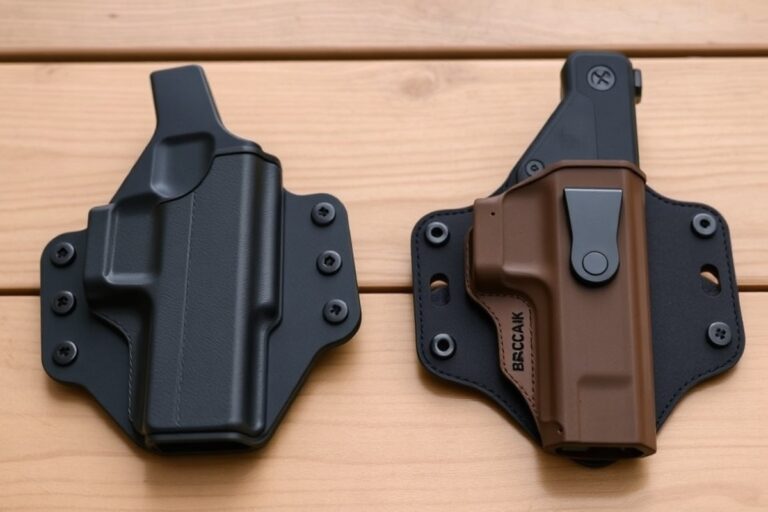
Kydex holsters generally handle the unique dimensions and features of Gen 5 Glocks better than leather. Kydex is a thermoplastic that can be precisely molded to the contours of the pistol, including ambidextrous slide stop levers and the flared magazine well often found on Gen 5 models. This molding ensures consistent retention and smooth draws. Leather, by contrast, is less precise and more rigid; it can stretch or deform over time, which often misaligns the pistol and reduces draw smoothness.
Molded holsters, such as those made from Kydex, offer greater consistency because they are formed specifically to match the Gen 5’s external dimensions. Adjustable Kydex holsters with features like adjustable retention screws or sweatshields provide better clearance for ambidextrous controls, allowing you to fine-tune fit and comfort. Leather holsters tend to be less adjustable and can cause tight spots or pressure points around these controls.
Flexibility in the holster material affects fit directly. Kydex’s rigidity keeps the pistol firmly seated and prevents shifting, which improves safety and draw speed. Leather’s flexibility can feel comfortable at first but runs the risk of loosening or uneven wear, especially with repeated use. Some owners might prefer leather for concealed carry due to its quieter draw, but it requires a break-in period and frequent maintenance.
| Holster Type | Material | Fit With Gen 5 Glock | Adjustability | Impact on Ambidextrous Controls | Draw Smoothness | Approximate Cost Range |
|---|---|---|---|---|---|---|
| Molded OWB | Kydex or similar | Excellent fit, minor adjustments needed for models like G45 | Often adjustable retention and cant | Good clearance for ambidextrous levers due to precise molding | Smooth, consistent draw | $40 – $150 |
| Molded IWB | Kydex with sweatshield | Very good retention and consistent fits | Retention screws and sweatshield adjustments help with Gen 5 features | Adjustability supports ambidextrous controls clearance | Reliable and fast draw | $50 – $130 |
| Leather OWB/IWB | Stiff, treated leather | Fit can vary; risk of stretching affecting Gen 5 parts | Limited adjustment, mostly fixed shape | Ambidextrous controls may cause fit and comfort issues | Draw can be stiff initially, softens with use | $40 – $100 |
| Hybrid (Leather + Kydex) | Leather backing, Kydex shell | Good durable fit with comfort of leather backing | Moderate retention adjustability | Kydex molding accommodates controls well | Balanced draw smoothness | $60 – $150 |
Choosing a molded Kydex holster with adjustable retention screws and a sweatshield is a practical route for most Gen 5 Glock owners. These holsters handle the pistol’s redesigned features and ambidextrous controls better than leather alternatives. They also allow you to fine-tune retention and ensure a consistent draw without sacrificing safety. Leather options may appeal if you prefer a softer material and don’t mind breaking in the holster or dealing with occasional tightness around ambidextrous levers.
When to Replace Your Holster and Buying Tips for Gen 5 Glock Owners
Replacing your holster becomes necessary when adjustments or modifications fail to provide a secure, comfortable fit for your Gen 5 Glock. Signs include persistent looseness, difficulty in drawing or reholstering, and the holster not accommodating the distinct Gen 5 features like the flared magwell or the ambidextrous slide stop. A holster that doesn’t fully cover the trigger guard or one that causes excessive wear on your pistol indicates replacement is safer than forcing an imperfect fit.
When shopping for a new holster, prioritize models explicitly designed for Gen 5 Glocks. Genuine brand-specific holsters or those custom-molded for the Gen 5 contour will save you time and hassle. High-quality holsters feature durable materials like injection-molded Kydex or high-grade leather that withstands daily use without deforming. Look for adjustable retention screws and sweat guards to protect your firearm and maintain comfort during carry. Here is a checklist to help you choose a quality Gen 5 Glock holster:
- Verify the holster model lists compatibility with Gen 5 Glock pistols.
- Confirm the trigger guard is fully covered to prevent accidental discharge.
- Check for retention adjustability to customize draw tension.
- Consider sweat-resistant materials that do not warp in heat or moisture.
- Look for features like adjustable cant and ride height for better carry comfort.
- Read reviews or get recommendations to ensure consistent manufacturing quality.
Custom holsters can provide the best fit and access, especially if you carry daily or use specialized gear. However, they often cost between $80 and $200 or more. Brand-specific holsters from established companies can offer excellent performance at lower prices, typically in the $40 to $100 range, with the added assurance of factory-tested compatibility. Evaluate how much you’ll use the holster and how key factors like comfort, concealment, and durability impact your needs before investing.
Always test new holsters with an unloaded pistol first to confirm fit and retention before carrying live rounds.
Step-by-Step Action Plan to Fix Your Gen 5 Glock Holster Fit
Follow this plan to identify why your Gen 5 Glock doesn’t fit your current holster and make the necessary adjustments or replacements.
- Immediately: Inspect your holster’s model and compare it to Gen 4 and Gen 5 specifications to confirm compatibility. Check the trigger guard and slide dimensions visually or using a ruler; a mismatch means incompatibility.
- Day 1: Test fit your Gen 5 Glock in the holster without forcing it. If it’s tight or not seating properly, note the areas of interference such as the front serrations or ambidextrous slide stop cutouts.
- Day 2: Research holster models designed specifically for Gen 5 Glocks, focusing on materials that allow slight molding (like Kydex) to accommodate minor fit adjustments. Look for user reviews confirming Gen 5 compatibility.
- Week 1: If your current holster is adjustable, carefully perform recommended adjustments to tension or retention screws, verifying that the pistol seats correctly and releases smoothly without excessive force.
- Week 2: Consider ordering a new holster explicitly designed for Gen 5 Glock features, especially if your current holster cannot be safely adjusted. Confirm return policies to test the fit risk-free.
- After new holster arrives: Perform several practice draws and reholsters in a safe, controlled environment to confirm the holster holds the Gen 5 Glock securely while allowing quick access.
- Ongoing: Periodically inspect the holster for wear or deformation that could affect fit, and remain aware of any new holster releases or design updates targeting Gen 5 compatibility.
Frequently Asked Questions
Can Using a Gen 5 Glock in a Gen 3 Holster Cause Fit Problems?
Yes, Gen 3 holsters often lack clearance for Gen 5 features like the ambidextrous slide stop. This leads to improper fit and retention issues, so use holsters designed specifically for Gen 5 models.
Why Might a Gen 5 Glock Feel Loose or Tight in a New Holster?
Variations in holster design and the unique Gen 5 grip length or contours can affect fit. Check the holster’s retention adjustment and compatibility to ensure proper snugness without forcing the pistol.
Does the Ambidextrous Slide Stop on Gen 5 Glocks Affect Holster Fit?
Yes, the ambidextrous slide stop adds bulk compared to Gen 4, often causing interference or mismatch in older holsters. Holsters molded for Gen 5 accommodate this feature for a secure fit.
Can a Holster Made for Glock 19 Gen 4 Fit a Glock 45 Gen 5 Well?
The Glock 45 features the same slide length as the Glock 19 but includes a longer grip and ambidextrous controls. Fit varies based on how the holster is made and the space it allows.
Are Aftermarket Holsters More Reliable for Fitting a Gen 5 Glock?
Aftermarket holsters often offer models specifically molded for Gen 5 features, improving fit and retention compared to earlier-generation or universal holsters. Always verify compatibility before buying.
What Impact Does Holster Material Have on Fitting a Gen 5 Glock?
Materials like Kydex allow precise molding to Gen 5 dimensions for better fit, whereas leather or nylon holsters may stretch or compress, leading to less consistent retention and comfort.
The Bottom Line
Gen 5 Glocks don’t fit older holsters because of deliberate design changes affecting shape and dimensions. Identifying these differences and choosing holsters designed for Gen 5 ensures safe retention and reliable use. Start by carefully checking your current holster against Gen 5 specs to decide if adjustment or replacement is necessary for reliable carry and performance.