What Should Humidity Be in Gun Safe? Complete Guide to Protect Your Guns
What should humidity be in gun safe to keep your firearms safe? Maintain relative humidity between 30% and 50% inside the gun safe. This range prevents rust and corrosion of metal parts while protecting wooden stocks from drying out or cracking.
Start by measuring your safe’s current humidity with a reliable hygrometer. Consistently staying within 30-50% relative humidity helps preserve your guns’ condition and value over time.
Key Takeaways
- Maintain the humidity inside your gun safe at 30% to 50% to avoid rust and protect wooden components from damage.
- Maintain temperature around 60-70°F to help stabilize humidity inside the safe.
- Use a hygrometer to monitor humidity levels regularly and ensure they stay within the ideal range.
- Replace silica gel packs every 1 to 3 months depending on your local humidity conditions.
- Control humidity seasonally, as changes in weather affect moisture inside the gun safe.
- Avoid placing your gun safe in damp or unventilated areas to reduce humidity issues.
What Humidity Level Should You Maintain Inside a Gun Safe?
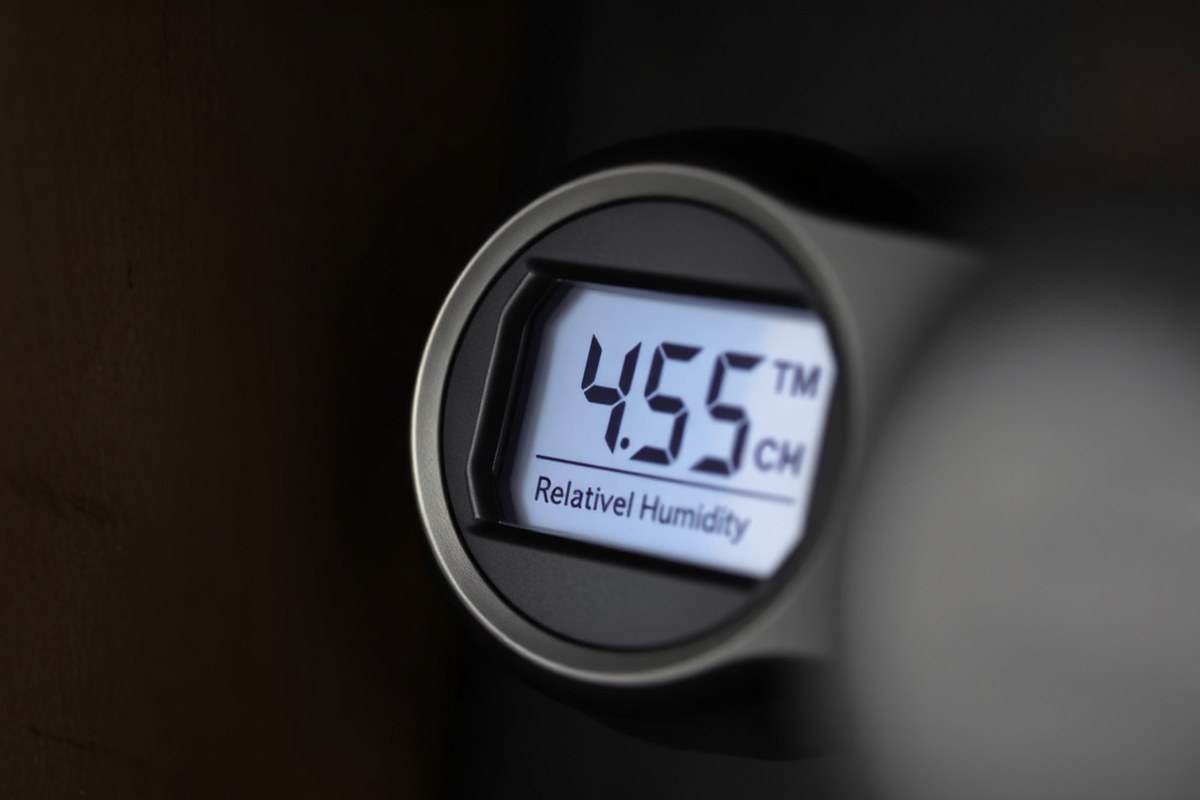
Maintaining the relative humidity inside your gun safe between 30% and 50% creates the best environment for firearm preservation. This range is recommended by the National Rifle Association and many experts because it protects metal parts from rust and corrosion while preventing wooden stocks and grips from drying out and cracking. Keeping humidity within this band balances the risks from both excessive moisture and excessive dryness.
Humidity above 50% increases the chance of corrosion, especially on uncoated steel and blued finishes. Visible rust can start forming within a few weeks if conditions rise above 70%. On the other hand, if humidity drops below 30%, wooden components lose moisture and shrink, which can cause cracks and loosening over time. Wooden gun stocks require enough moisture to stay stable, typically found in the 30-50% relative humidity range. Staying around 40-50% provides a more precise target that protects both metal and wood parts effectively.
Controlling humidity in this ideal range takes some effort but pays off with better firearm condition long term. You can use passive dehumidifiers, silica gel packs, or electric moisture absorbers designed for gun safes to maintain levels steadily at 30-50%. Regularly checking the humidity with a hygrometer helps you adjust dehumidification methods before damage starts. Some models cost $20 to $60 depending on size and technology. Keeping your safe sealed well and placing it away from damp locations also helps reduce moisture intrusion.
For example, in a gun safe with 60 to 70 degrees Fahrenheit temperature, aim for 40-50% relative humidity using a good-quality desiccant. Check the hygrometer weekly at first. When the level drops below 30%, reduce the amount of desiccant or add a small humidifier made for safes. When it rises above 50%, add more drying agents or try a small electric rod dehumidifier. This steady control prevents rust and wooden stock cracks that can take years to appear but compromise value and function.
Higher humidity problems tend to arise in humid climates or if the gun safe is near water sources or basement floors. Using a weatherproof seal on your safe door and avoiding exposure to sudden temperature shifts also help keep humidity controlled. A cost-effective humidistat in combination with desiccants often manages daily swings well. In cold climates, be mindful of wood drying out and adjust humidity toward the higher side of the recommended range.
How Temperature Interacts with Humidity and Affects Gun Protection
Temperature influences humidity inside your gun safe by changing how much moisture the air can hold and affecting condensation risks that can cause corrosion. Maintaining a steady temperature between 60 and 70°F helps keep relative humidity stable and prevents moisture buildup on your firearms. Rapid temperature swings can cause condensation, leading to rust and damage.
How Temperature Changes Affect Relative Humidity
Relative humidity (RH) is the amount of moisture in the air compared to the maximum it can hold at a given temperature. Warmer air holds more water vapor, so when the temperature drops inside the safe, the RH rises, sometimes crossing the dew point where water condenses. For example, if the air inside your safe cools from 70°F to 60°F without removing moisture, RH can increase by about 10 to 15 percent, pushing it above safe levels.
This matters because condensation that forms on metal firearms encourages rust and accelerates corrosion. Keeping your safe’s internal temperature at least 3°F warmer than the surrounding room slows this process by reducing dew point chances. That subtle heat difference prevents moisture from settling on gun surfaces.
Benefits of Maintaining a 60-70°F Temperature Range
Keeping your gun safe between 60 and 70°F offers the best balance between safety and practicality. This temperature range limits humidity fluctuations and stays above the dew point for most home environments. By avoiding cold spots, you reduce condensation risk. Consistent temps at this level also help maintain the effectiveness of gun oils and lubricants, which can break down faster in extreme heat or cold.
This range is achievable in most living spaces and can be maintained using passive methods like insulating placement or simple solutions such as a low-watt light bulb inside the safe. A 15-watt bulb can gently raise the air temperature just enough to keep RH below the condensation point without overheating your firearms. This setup typically costs under $10 for the bulb and a low-cost timer for safety.
Risks of Temperature Swings Inside Your Gun Safe
Rapid or wide temperature swings inside the gun safe can cause multiple condensation cycles. For instance, if your garage temperature swings from 40°F at night to 100°F in the afternoon, moisture will repeatedly condense and evaporate on your firearms and safe interior. Over time, this damages metal finishes, triggers surface rust, and undermines protective oils.
These cycles also degrade wooden gun stocks and leather cases through repeated moisture absorption and drying. Storing your gun safe in climate-controlled spaces reduces such swings. For garages or unconditioned areas, investing in a plug-in dehumidifier or adding insulation around the safe helps stabilize conditions and lowers the cost and frequency of firearm maintenance.
How to Stabilize Temperature and Limit Condensation
Placing your gun safe in a stable temperature area away from extreme outdoor conditions minimizes humidity spikes that damage guns. Avoid basements or garages prone to cold or heat stress. Use insulating mats or space heaters designed for safes to hold a constant temperature within the recommended range. Adding silica gel packs or electric dehumidifiers manages moisture, but controlling temperature is equally important to prevent condensation from forming in the first place.
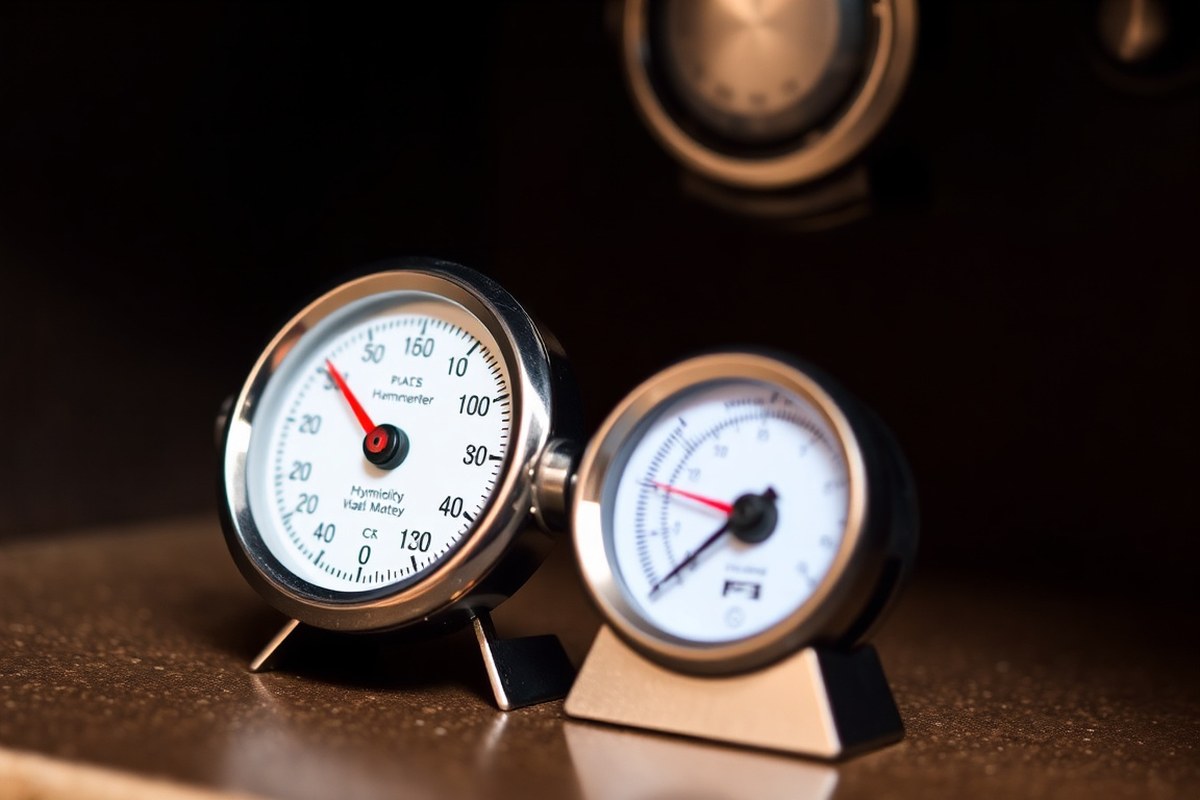
Monitor temperature alongside humidity with a combined hygrometer/thermometer device. If you see large daily temperature swings inside the safe, consider adding a small 15W incandescent bulb with a timer or a dehumidifier set to maintain around 60% RH or lower. These measures help your gun safe environment stay dry and consistent over months or years.
Keep your gun safe at least 3°F warmer than the surrounding room to reduce condensation risk and protect your firearms from rust and corrosion.
Choosing Between Electric, Passive, and Silica Gel Dehumidifiers
Electric dehumidifiers, silica gel packs, and passive moisture absorbers offer different advantages for controlling humidity in gun safes. Your choice depends on safe size, location, power access, and how much maintenance you want. Comparing their capacity, installation, and upkeep helps you pick the right solution for reliable moisture control.
Electric Dehumidifier Rods Explained
Electric dehumidifier rods are popular for gun safes because they both absorb moisture and generate slight heat to reduce humidity effectively. These rods are installed at the bottom of the safe to take advantage of rising heat and to keep air circulating. They actively pull humidity from the air and use electricity, so you need to place the safe near an outlet.
These devices suit larger safes or environments with higher humidity. They typically maintain humidity levels within the safe’s ideal 35%-50% range without requiring frequent replacements. The small heat produced also helps prevent condensation, which makes them good for climates with seasonal moisture changes. However, they require power and routine inspection to verify performance using a hygrometer.
Silica Gel and Renewable Chemical Options
Silica gel packs and renewable chemical dehumidifiers provide a non-electric way to control moisture. Silica gel absorbs humidity naturally and comes in canisters or small packets. Popular products like the Eva-Dry E-500 can absorb hundreds of grams of moisture and work well in safes that aren’t near power sources.
These packs need recharging every 30 to 60 days, typically by plugging them in to evaporate the absorbed moisture. EVA-Dry claims about 10 years of useful life per pack, making them cost-effective over time. They fit small to mid-size safes and require simple replacement or recharging, which is easy but demands consistent monitoring with a hygrometer.
Passive Dehumidifiers and Their Best Uses
Passive dehumidifiers like calcium chloride moisture absorbers rely on chemical reactions to remove humidity without power or heat. These are often disposable and have limited capacity, making them better suited for smaller safes or short-term use. They absorb moisture directly into a reservoir, so they require frequent replacement when saturated.
While inexpensive and simple to use, passive options offer less consistent humidity control compared to electric or silica gel devices. They need more maintenance and might not maintain a stable 35%-50% humidity range, especially in larger or more humid safes. Passive methods are best if your safe is in a dry climate or if you want a no-power solution for a small collection. Below is a comparison table summarizing key features of each type of dehumidifier for gun safes:
| Type | Power Required | Capacity (Moisture Absorbed) | Suitable Safe Size | Maintenance | Installation | Expected Lifespan |
|---|---|---|---|---|---|---|
| Electric Dehumidifier Rod | Yes (near outlet) | Continuous removal by heat-based evaporation | Medium to Large safes (e.g., 333 cu ft capacity) | Periodic performance checks, hygrometer monitoring | Mount at bottom of safe | Several years with proper care |
| Silica Gel Packs (Renewable) | No (recharge by plugging in) | Up to 1500g moisture per pack | Small to Medium safes | Recharge every 30-60 days, replace every ~10 years | Place inside safe on shelf or floor | About 10 years per pack |
| Passive Chemical Absorbers (Calcium Chloride) | No | Limited; saturates faster | Small safes or short-term use | Replace when saturated, often monthly | Set inside safe in drip container | Months, depending on humidity |
Choosing a device depends on your gun safe’s size, location, and how involved you want to be with maintenance. Electric rods provide long-term, steady control and suit larger spaces near power. Silica gel is a solid choice for moderate spaces without outlets, requiring regular recharging. Passive absorbers work for small safes or those far from power but need frequent replacement to keep humidity stable.
How to Monitor and Manage Humidity Levels Using a Hygrometer
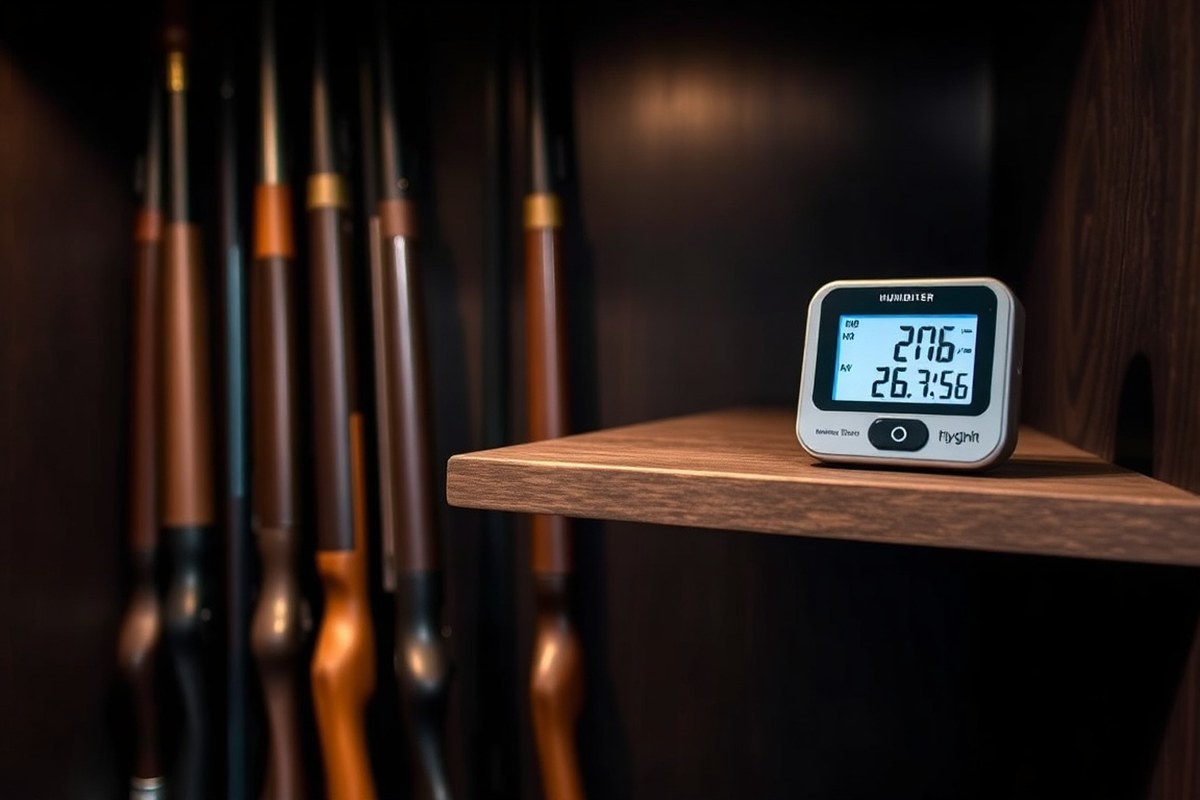
A hygrometer is essential inside your gun safe because it gives you real-time data on the humidity level, helping you avoid moisture that causes rust and corrosion. Checking humidity monthly ensures you catch changes early. Reading the data correctly guides you on whether to add dehumidifiers or improve ventilation.
Setting Up Your Hygrometer Correctly
Select a dependable digital or analog hygrometer suitable for your budget, typically costing between $10 and $15 for basic digital models. Position the hygrometer centrally inside the safe, away from the door and walls to prevent false readings caused by door openings or cold spots. Aim to place it near the height of the gun barrels to get an accurate gauge of the safe’s internal climate.
Calibrate your hygrometer before use, if the model allows, by following the manufacturer’s instructions. This step helps ensure your readings are accurate. For example, some hygrometers use a salt test where a sealed container holds salt and water, stabilizing humidity at about 75% for checking the device’s accuracy.
- Select a digital or analog hygrometer costing $10 to $15.
- Place the device centrally inside the safe, away from the door and metal walls.
- Position it at about the height of your gun barrels for a typical reading.
- Calibrate if possible using the salt test or owner’s instructions.
- Let the hygrometer sit for a few hours before taking initial readings to stabilize.
Interpreting Humidity Values Accurately
Ideal humidity inside a gun safe is between 30% and 50%. Readings consistently below 30% can dry out wooden gun stocks or cause some finishes to crack. Above 50% means moisture may be accumulating, increasing rust risk. Watch for spikes or drops that happen after opening the safe, which might indicate external conditions affecting your gun environment.
Look at trends rather than one-off readings. A spike after a rainy day or a drop when you use a heat source like a light bulb is normal. Persistent high humidity means you need action. Use your hygrometer data to track how humidity changes seasonally or with temperature fluctuations.
Adjusting Humidity Control Based on Readings
Once you know your humidity levels, take steps to keep them stable. For readings over 50%, add a dehumidifier inside the safe, such as silica gel packs or an electric dehumidifier if your budget allows. When humidity drops below 30%, use moisture-retaining products made for gun safes or reposition your safe to avoid excessively dry locations.
Check your hygrometer every month, at minimum, to see if your changes are effective. After installing a 15W light bulb or dehumidifier, monitor to confirm the humidity stays within the 30-50% range. Temperature or humidity changes may require you to remove or swap out moisture-control items to maintain proper safe conditions.
Remember that running a dehumidifier continuously inside a gun safe can be unnecessary and costly. Use readings to decide when to turn it on or off to avoid overdrying or wasting power. Seasonal adjustments based on your hygrometer help maintain consistent humidity year-round.
Where to Place Your Gun Safe for Optimal Humidity Control
Placing your gun safe in the right spot significantly affects moisture levels inside. Avoid areas with consistently high humidity or wide temperature swings, as these conditions encourage condensation and rust. Basements and garages often have higher moisture due to damp concrete floors, poor ventilation, or exposure to outside weather. This can cause humidity inside the safe to rise well above safe levels of 40% to 50%, increasing the risk to your firearms and wooden stocks.
Choose a dry, temperature-controlled room inside your home, away from exterior walls and windows where cold air or dampness may enter. Interior closets or spare rooms typically maintain steadier temperatures and humidity, which helps keep moisture buildup minimal. Rising or falling temperatures outdoors cause air inside the safe to expand or contract, pushing moisture toward your guns. A stable indoor environment reduces these fluctuations.
- Place the safe on a raised platform if floors are concrete to avoid ground moisture transfer.
- Keep the safe away from HVAC vents, which may cause drafts and temperature swings.
- Avoid garages where humidity can exceed 70% on humid days, unless you install a dedicated dehumidifier.
- Steer clear of basements unless they are well-sealed and climate-controlled.
- Locate the safe in a low-traffic area to prevent door openings that introduce moist air frequently.
- Consider placing the safe inside an insulated cabinet for added temperature buffering.
Situating your safe improperly can lead to persistent moisture problems, no matter the inside humidity control. Environmental moisture seeps through walls, floors, and into the air around the safe, then gets trapped inside. This happens because even the most sealed steel safes do not allow moisture to escape once inside. Sudden temperature drops at night create condensation within the closed safe, pushing internal humidity far above room levels. Over time, this promotes rust and damage to firearm metal parts and wooden components.
Never place a gun safe directly on a cold concrete floor, especially in a basement or garage, without a moisture barrier or platform to reduce dampness transfer.
Installing a room dehumidifier where the safe is located can be an effective solution for garages or basements with permanent moisture concerns. Expect to spend between $50 and $150 for a compact plug-in dehumidifier, plus ongoing energy costs. The goal is reducing ambient humidity around the safe to below 50%, aiding both the safe and its contents. Room ventilation also plays a role; closed, unventilated spaces trap humidity, so balance between sealing the safe and airing the room is key.
Common Humidity Management Mistakes and How to Fix Them
Gun owners often face humidity control problems that lead to rust, corrosion, and damage inside their gun safes. A common mistake is failing to replace or recharge desiccant packs regularly. Silica gel and other desiccants lose effectiveness as they absorb moisture; most require recharging every 30 to 60 days depending on local humidity levels. Neglecting this can allow humidity to rise unchecked. Keep a calendar reminder or check the color indicator on your desiccants to know when to replace or regenerate them.
Condensation inside a gun safe usually happens when warm, humid air enters and then cools down, causing moisture to settle on metal surfaces. This can happen if you open the safe frequently or store firearms that are not completely dry. Avoid storing guns with moisture on them and limit how often you open the safe in damp or changing weather. If your safe is located in an area with large temperature swings, use a humidifier or dehumidifier near the safe to stabilize the air. Installing a hygrometer inside the safe helps monitor conditions so you know when to act.
Other frequent mistakes that compromise humidity control include improper placement of humidity control devices and ignoring safe maintenance. For example, leaving silica packs on the safe floor can trap moisture instead of absorbing it. Also, failing to clean the safe regularly allows dust and dirt to hold humidity. Use desiccants placed on higher shelves or dedicated trays to maximize effectiveness. Wipe down firearms and safe interiors periodically to remove residues that encourage rust. Using a combination of electronic or passive dehumidifiers can also provide steady, reliable humidity management depending on your climate.
- Replace or recharge desiccant packs every 30 to 60 days based on humidity
- Keep firearms dry before storing to prevent condensation
- Limit frequent safe openings in high-humidity or varying temperature conditions
- Place desiccants on shelves or trays, not on the safe floor
- Use a hygrometer to monitor humidity and respond promptly to spikes
- Regularly clean the safe interior and firearms to reduce rust risk
- Consider combining passive desiccants with electronic dehumidifiers in humid climates
Addressing these common errors requires a few practical steps and ongoing attention. Spending about $20 to $40 for quality silica gel packs and another $30 to $100 for a reliable hygrometer ensures you can track and manage moisture properly. Recharge desiccants in an oven at 250°F for about two hours or replace them as indicated. Controlling humidity levels around 40% to 50% inside the safe helps prevent corrosion effectively. Avoiding moisture buildup protects your firearms’ value and reliability over time.
Adjusting Humidity Control Seasonally and by Location
Seasonal changes can significantly impact the humidity inside your gun safe, requiring adjustments to maintain optimal conditions and protect your firearms from rust and corrosion. In warmer months, when ambient humidity tends to rise, aim to keep the safe’s internal humidity between 35% and 45%. This range helps minimize moisture buildup while avoiding overly dry conditions that could affect wooden stocks or grips. Using a good-quality hygrometer inside the safe will help you track these changes accurately.
During colder months, humidity often drops, but rapid temperature shifts, such as bringing steel firearms in from the cold into a warm, humid room, can cause condensation inside the safe. To address this, reduce your use of passive moisture absorbers like silica gel beads and consider electric dehumidifiers with automatic humidity control. Also, warming firearms indoors gradually before storing them inside the safe helps prevent condensation from forming on metal surfaces.
The regional climate plays a key role in managing safe humidity throughout the year. In humid coastal areas, moisture infiltration is more persistent, so you might need to rely on electric dehumidifiers or higher-capacity moisture controls year-round. Inland or arid regions may only require silica gel packs and careful monitoring, particularly during seasonal swings in temperature that can cause indoor air to hold varying amounts of moisture.
Adjusting your moisture control strategy seasonally involves removing or adding desiccant packs and calibrating any electric dehumidifiers you use. For example, in summer, increase the number or capacity of silica gel packs, or set your dehumidifier to a lower humidity target. In winter, reduce the desiccants slightly and increase ventilation by opening the safe periodically to balance humidity levels without exposing firearms to outdoor conditions.
Monitoring is essential to know when these seasonal adjustments are necessary. Check your safe’s hygrometer weekly during periods of rapid weather change. Notice humidity spikes above 50%? Increase moisture absorbers or activate electric units to control moisture. When the reading drops below 30%, especially in winter, take steps to prevent overdrying that can cause wood damage.
Rapid changes in the surrounding environment, such as heating a cold garage or moving the safe between rooms, create internal moisture problems. One way to prevent this is to keep the safe in a climate-controlled room with stable temperature and humidity levels year-round. Costs for managing humidity vary: silica gel packs can cost about $10 to $20 for a refill pack lasting several months, while small electric dehumidifiers range from $40 to $100 depending on features. These investments pay off by preserving the function and value of your firearms.
Gun Safe Maintenance Routine to Keep Humidity and Temperature Stable
Checking humidity and temperature inside your gun safe should happen at least once a week. Frequent monitoring helps catch sudden changes that might cause condensation. Use a reliable hygrometer with digital readout for precise tracking. Watch for quick temperature swings by checking your safe’s location or insulation.
Rechargeable silica gel packs need to be inspected monthly. When packs feel damp, or their color indicator shows saturation, recharge them by heating in an oven according to the manufacturer’s instructions, typically around 250 degrees Fahrenheit for 30 to 60 minutes. Replace them every 1 to 2 years if they lose effectiveness. Electric dehumidifiers should be emptied and checked every 2 to 4 weeks to keep them running properly.
- Inspect humidity and temperature readings weekly using a digital hygrometer.
- Check silica gel packs monthly; recharge by heating when saturated.
- Empty and test electric dehumidifiers every 2 to 4 weeks for proper function.
- Avoid placing the safe directly on cold concrete floors to reduce condensation risk.
- Wipe down any visible moisture immediately to prevent rust or damage.
- Maintain a stable temperature by keeping your safe in a climate-controlled area if possible.
- Replace silica gel packs every 1 to 2 years depending on wear and environment.
Maintaining consistent conditions prevents rust and corrosion by stopping moisture buildup on your firearms. Dehumidifiers and silica gel absorb trapped moisture but lose effectiveness if ignored too long. Keeping your gun safe off cold surfaces reduces the chance of condensation, especially during winter months. Regularly wiping down gun surfaces and safe interiors also deters corrosion.
Always follow manufacturer guidelines when recharging silica gel packs to avoid damage or reduced effectiveness.
For long-term upkeep, create a routine checklist including weekly readings, monthly checks of moisture absorbers, and scheduled safe cleanings. This routine helps maintain a stable mid-range humidity level and reduces the risk of sudden temperature drops that trap moisture on your guns. Extreme seasonal changes call for more frequent checks during colder months to reduce condensation risks.
Step-by-Step Action Plan for Maintaining Ideal Humidity in Your Gun Safe
Follow these steps to keep your gun safe’s humidity between 40% and 50%, protecting your firearms from rust and damage.
- Before you start: Install a reliable digital hygrometer inside your gun safe to get accurate humidity readings.
- Day 1: Set up your preferred dehumidifier type, electric, passive, or silica gel, based on your safe size and location. Check for an initial drop in humidity below 50% within 24 hours.
- Week 1: Place the gun safe away from exterior walls or damp areas. Verify consistent hygrometer readings under 50% daily.
- Week 2: Perform a thorough cleaning and oiling of firearms; this supports the humidity control you maintain in the safe.
- Monthly: Recharge or replace silica gel packs if used, or clean electric dehumidifier components to ensure efficiency.
- Seasonally: Adjust your dehumidifier settings based on outdoor humidity trends; increase drying capacity during humid summer months or rainy seasons.
- Every 3 months: Calibrate your hygrometer against a known standard to maintain accuracy.
- Ongoing: Inspect and seal door gaskets and safe joints to prevent moisture intrusion and maintain temperature stability.
Frequently Asked Questions
What Is the Ideal Humidity Range for Storing Firearms in a Gun Safe?
The ideal humidity range is 30% to 50% relative humidity. This range protects metal parts from rust and wood stocks from cracking by balancing moisture without drying or corroding your firearms.
How Does Fluctuating Humidity Affect Gun Safe Contents?
Fluctuating humidity can cause rust on metal and warping or cracking of wooden stocks. Keeping humidity consistently between 30% and 50% helps avoid damage and maintains your firearms’ condition over time.
Can High Humidity Cause Mold Inside a Gun Safe?
Yes, high humidity above 50% can promote mold and mildew growth on firearms and accessories. Controlling humidity below 50% prevents moisture buildup that fosters mold in your gun safe.
How Often Should I Check the Humidity Level in My Gun Safe?
Check the humidity at least once a week, especially in changing seasons. Frequent monitoring helps catch humidity spikes early and allows prompt adjustment to protect your firearms.
Does Humidity Inside a Gun Safe Affect Ammunition?
Yes, excessive humidity can degrade ammunition, causing corrosion on cartridges and misfires. Keeping humidity between 30% and 50% preserves both firearms and ammunition safely.
What Type of Humidity Control Is Best for Airtight Gun Safes?
Silica gel packs are effective in airtight safes, absorbing moisture without electricity. Replace or recharge them every 1 to 3 months to maintain consistent humidity control.
Key Points to Remember
Maintaining humidity inside your gun safe at 40-50% is essential to preserving your firearms from rust and corrosion. Check your hygrometer regularly and adjust your dehumidifier method as needed, based on seasonal changes and your location. Start now by installing a quality hygrometer so you can monitor your safe environment with confidence and protect your investment.