What States Recognize Florida Concealed Carry License: A Complete Reciprocity Guide
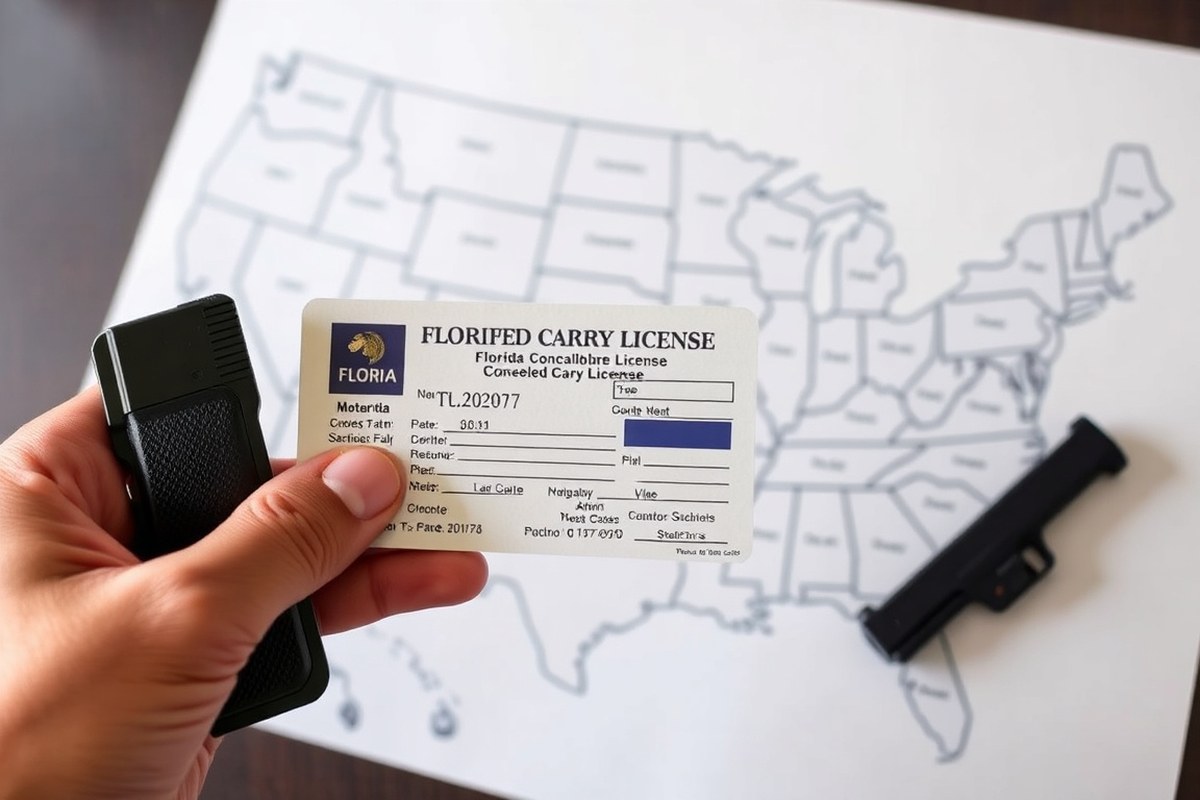
What states recognize Florida concealed carry license? A Florida concealed carry permit is accepted in 37 states, with 7 of those requiring specific conditions. Checking current reciprocity maps is important before traveling, as state laws frequently change. Start by verifying if your permit is valid in the state you plan to visit to avoid legal issues.
Key Takeaways
- Florida’s concealed carry permit lasts for 7 years before renewal is required.
- The permit is recognized in 37 states, but 7 of those impose additional restrictions.
- Twelve states neither honor Florida permits nor allow permitless carry of concealed weapons.
- Florida’s 2023 permitless carry law allows residents to carry without a license within Florida.
- Out-of-state carry eligibility often depends on meeting that state’s minimum age and other legal standards.
- Use official resources like the USCCA’s reciprocity map to verify the latest state recognition laws.
Which States Recognize a Florida Concealed Carry License?
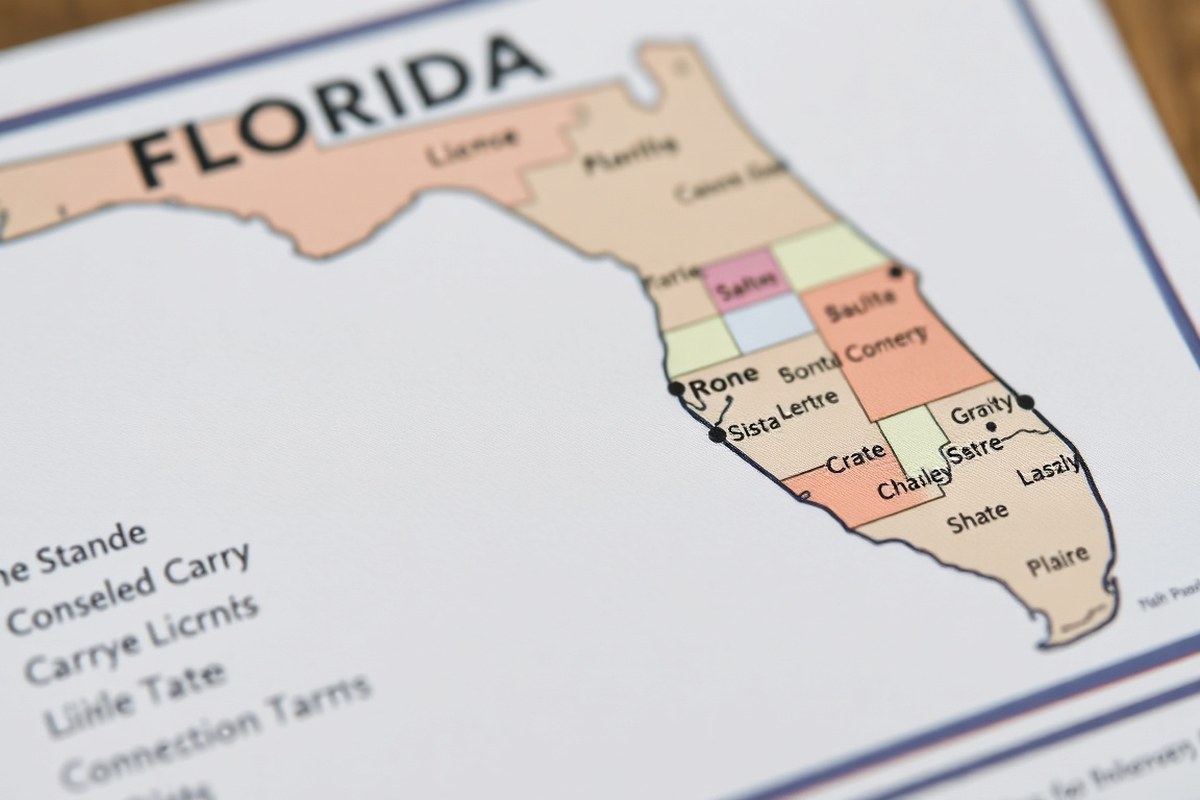
Florida concealed carry license holders benefit from reciprocity agreements with 37 states, allowing them to legally carry a concealed firearm while visiting those states. Reciprocity means each state agrees to honor the concealed carry permits issued by the other, offering convenience and legal protection when traveling out of state. This recognition varies by state, with some allowing full carry rights and others placing restrictions based on residency or age.
Full recognition means a Florida CWL holder can carry concealed under the same rules as a native permit holder. Restricted recognition usually means the license is valid only if you are a Florida resident or limits the types of weapons you may carry. Twelve states neither recognize Florida’s permit nor allow permitless carry for out-of-state licensees, so carrying there without a local permit can lead to legal trouble.
| Category | States | Details |
|---|---|---|
| Full Reciprocity (No Restrictions) | A Florida concealed carry permit allows you to legally carry a handgun in many states including Alabama, Alaska, Arizona, Arkansas, Colorado, Georgia, Idaho, Indiana, Iowa, Kansas, Kentucky, Louisiana, Maine, Michigan, Mississippi, Missouri, Montana, Nebraska, Nevada, New Hampshire, North Carolina, North Dakota, Ohio, Oklahoma, Pennsylvania, South Carolina, South Dakota, Tennessee, Texas, Utah, Vermont, Virginia, West Virginia, Wisconsin, and Wyoming. | Florida licensee can carry concealed as if licensed by the state. |
| Restricted Reciprocity | Delaware, Illinois, Maryland, Massachusetts, Minnesota, New Mexico, Rhode Island | License recognized only if the holder is a Florida resident or other conditions apply. |
| No Reciprocity | California, Connecticut, Hawaii, Illinois (if non-resident), New Jersey, New York, Oregon, Washington, Vermont (for residents), Washington D.C., others | Florida permit not recognized; carrying concealed may require a local permit or is prohibited. |
Knowing which states recognize your Florida concealed carry license helps you avoid legal issues and ensures you carry within the law. Checking each state’s current laws before traveling is essential since reciprocity agreements can change. The Florida permit is valid for seven years, so keeping it current is necessary to maintain reciprocity privileges.
Travelers must also consider state-specific restrictions that could apply, such as age limits, types of weapons allowed, and location-specific carry rules. Some states recognize Florida permits only if you are a Florida resident, so nonresidents must verify their options. Always review official state websites or reliable sources before carrying concealed out of state. Carrying without verified reciprocity or required permits risks legal penalties and possible arrest.
How Does Florida’s Permitless Carry Law Affect Reciprocity?
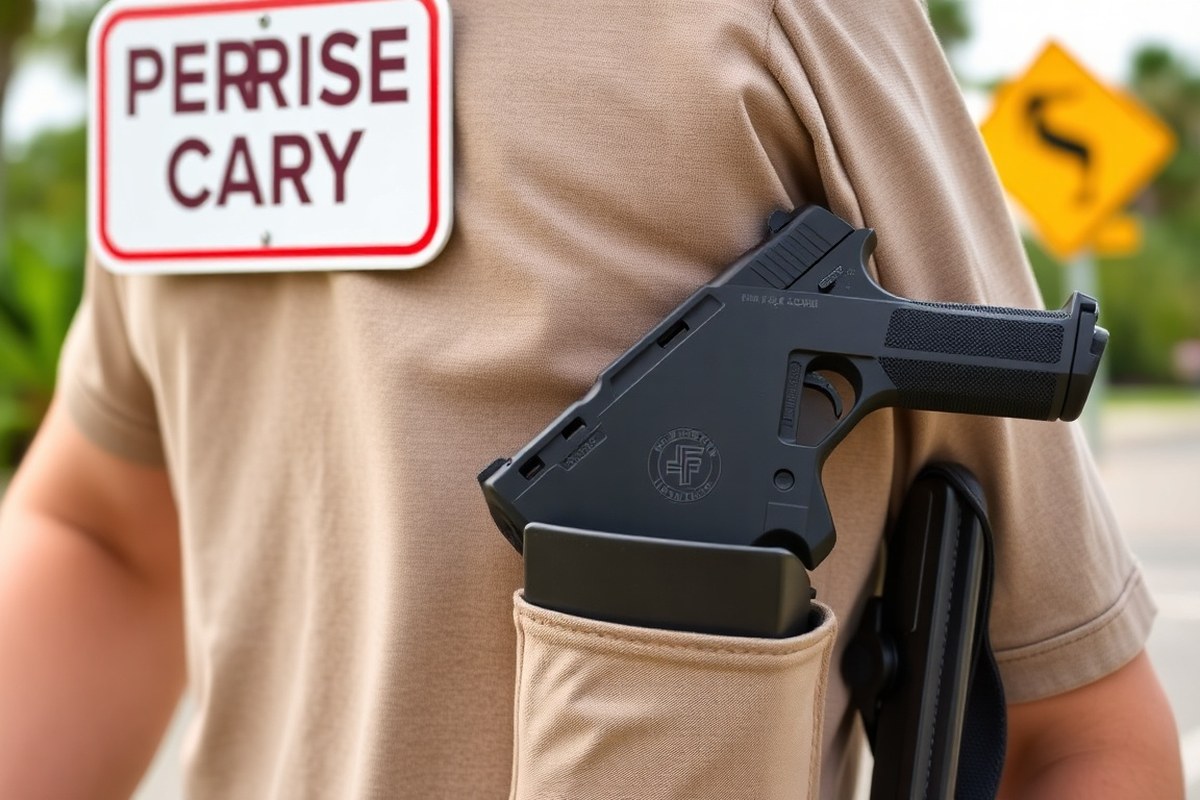
Florida’s permitless carry law, effective since July 2023, allows most adults who can legally own a handgun in the state to carry it without a concealed weapon license (CWL). This constitutional carry provision means Florida residents aged 21 and over can carry concealed firearms within Florida without applying for or carrying a permit. The law simplifies legal carry within the state and removes the requirement for a government-issued permit to carry concealed. However, this change applies only to residents carrying in Florida and does not extend automatically to carrying outside the state.
When traveling to other states, Florida’s permitless carry does not grant permission to carry firearms without a permit. Reciprocity agreements between Florida and approximately 37 other states recognize the Florida CWL for concealed carry, but those agreements apply only if you have a valid permit. Because permitless carry means you do not hold a CWL, other states will generally require you to follow their own permit requirements or prohibit concealed carry without a recognized license. This makes having a Florida CWL still necessary for legal concealed carry outside Florida.
For example, if you plan to carry a concealed handgun in Georgia, which recognizes Florida’s permit, you must present a valid Florida concealed weapon license to lawfully carry there. Simply relying on Florida’s permitless carry law while outside Florida could lead to legal complications and possible criminal charges. Non-resident Florida concealed carry license holders must also comply with their home state and the traveled state’s laws, as permitless carry rights do not confer out-of-state privileges.
To carry a concealed weapon outside Florida, residents must get a concealed weapons license from the Florida Department of Agriculture and Consumer Services (FDACS). This involves fingerprint submission, completing a background check, and paying about $100 in fees. The license is valid for seven years and lets you carry concealed in states that recognize Florida’s permit due to reciprocity agreements. Without this license, you must follow each state’s individual permit rules.
You cannot carry concealed firearms out-of-state without a permit simply based on Florida’s constitutional carry law. In states that require permits or do not recognize Florida’s CWL, you must either obtain a license compliant with those states’ laws or refrain from concealed carry. Open carry rules also vary widely, so knowing each state’s regulations ahead of travel is critical for compliance and safety.
Always verify the concealed carry laws and reciprocity status of the state you plan to visit before carrying firearms, even if you have Florida’s permitless carry rights at home.
What Restrictions or Conditions Apply in States Honoring Florida Permits?
States that recognize Florida’s concealed carry license often impose specific restrictions regarding age, residency, and the types of weapons you can carry. These limits vary widely and can affect your legal ability to carry outside Florida, so understanding them is key to ensuring compliance.
Age and Residency Limitations
Some states set a minimum age higher than Florida’s 18 years, especially for non-military applicants. For example, states may only honor permits for people aged 21 and older, except for active service members or veterans who are allowed at 18. Residency requirements also vary; a few states only honor Florida permits if the permit holder is a resident of Florida, not a non-resident licensee.
Knowing the age and residency rules helps you avoid legal trouble when traveling. States with strict age limits may require additional documentation proving military status or residency. Make sure to check these factors before carrying in any state to stay within the law.
Weapon Type Restrictions
While Florida licenses generally cover handguns, some states put limits on what types of weapons you can carry concealed. These restrictions often exclude certain firearms like assault weapons, large-capacity magazines, or other commonly restricted firearms. Some states may also bar carrying certain weapons altogether, even if your Florida permit says you can carry them in Florida.
To comply, review the local laws of the state you’re visiting. The absence of outright prohibition doesn’t always mean full coverage. You should confirm specifically whether your permit covers concealed carry of the weapon type you intend to carry, especially if it’s not a standard handgun.
Additional Conditions and Exceptions
Some states impose extra conditions like requiring the permit holder to carry the license at all times or forbidding concealed carry in certain public places regardless of permit recognition. Exceptions often exist for individuals in military service or veterans, who might get relaxed age or residency rules. Non-resident permit holders should be particularly cautious, as some states only recognize permits from resident licensees.
Always have your Florida concealed carry license physically on you, along with any documentation proving eligibility. Checking the destination state’s government resources or carry permit lookup tools can help clarify what exceptions and conditions you must follow. Use the table below to compare common restrictions states impose on Florida permit holders:
| State Restriction | Age Limit | Residency Requirement | Weapon Type Allowed |
|---|---|---|---|
| Minimum Age | 21 for civilians 18 for military/veterans |
No residency restriction in many states | Typically handguns only, varies |
| Residency | Varies; some require Florida residency | Resident only in some states | Handguns generally allowed; others restricted |
| Weapon Restrictions | Age limits still apply | Residency rules apply | Exclude assault weapons, high-capacity magazines |
| Military Exceptions | Allow 18+ regardless of other limits | Permit valid for military personnel/veterans | Follow general weapon rules |
Checking each state’s official firearm or public safety website gives the most current details on any age, residency, or weapon restrictions. Some states offer online reciprocity maps or permit lookup services to verify your Florida license’s validity and applicable limits. Consulting these sources before traveling helps avoid fines, license suspension, or arrest due to misunderstandings about restrictions.
How to Verify If Your Florida Permit Is Valid for Out-of-State Carry
Confirming the reciprocity status of your Florida concealed carry license before traveling is essential to avoid legal trouble. Each state sets its own rules on recognizing out-of-state permits, and laws can change frequently. For safe and lawful concealed carry, you must verify the current status directly from official government sources. This check ensures you have accurate, up-to-date information on which states allow Florida permit holders to carry and any specific restrictions to follow.
Gather your Florida concealed carry license and make sure you have reliable internet access or the contact information for relevant state agencies. Legal recognition often depends on state statutes, and official state websites or law enforcement offices provide the most trustworthy details. Publicly maintained reciprocity lists are typically available and updated regularly. Keep in mind the age requirements and any special conditions imposed by the state you plan to visit.
- The Florida Department of Agriculture and Consumer Services (FDACS) website is your official resource for applying for a Florida concealed carry license and learning about which states recognize Florida’s permit. For current updates and accurate details, visit Https://www.fdacs.gov/Divisions-Offices/Law-Enforcement/Concealed-Weapon-License.
- Visit the official website of the state you plan to travel to. Search for sections on firearms laws or concealed carry permits. Many states post reciprocity tables showing which out-of-state licenses they recognize. For example, state police or Department of Public Safety websites often hold this information.
- Contact the state’s licensing or law enforcement agency directly if the website does not clearly state reciprocity details or if laws seem ambiguous. Phone or email inquiries can confirm the most recent legal status. Keep records of communications for your reference.
- Compare the age and carry restrictions listed by the destination state with your Florida permit qualifications. For instance, some states require the carrier to be 21 years old, while Florida allows concealed carry at 18 for military members. Ensure you meet these before traveling.
- Check the date of the reciprocity information to ensure it is current. Laws can be amended within legislative sessions or by executive order. Print or save a screenshot of the reciprocity statements dated within the last six months.
- Prepare your Florida concealed carry license and a government-issued photo ID to carry with you. These documents prove your authorized status to law enforcement in other states.
- Re-verify reciprocity information close to your travel date. Legal changes can happen unexpectedly, so scanning the official sources within 24 to 48 hours before departure is a good practice to avoid surprises.
What Are the Requirements and Timeline to Get a Florida Concealed Carry License?
To get a Florida Concealed Carry License (CWL), you must meet age and legal requirements, complete a firearms training course, and submit your application online or by mail. The whole process can take up to 90 days from application to receiving your permit. Understanding each step ensures a smoother experience and helps avoid common delays.
Eligibility Criteria
Applicants must be at least 21 to seek a Florida CWL, meeting both state and federal firearm possession rules. This excludes those with felony convictions, domestic violence restraining orders, or certain mental health rulings. Proof of U.S. Citizenship or lawful residency also forms part of the criteria.
Being ineligible to own a firearm disqualifies you from obtaining the license. Florida Statute 790.06 lists specific restrictions, so double-check your status before applying to avoid delays or denial.
Training and Documentation Needed
Completing a firearms safety course approved by the Florida Department of Agriculture and Consumer Services is required. The course covers safe gun handling, Florida’s firearm laws, and self-defense guidelines. You must provide the certificate of completion when applying for your license.
The course typically includes classroom instruction and live firing exercises. Holding a recognized training certificate from military service or another state might exempt you from the Florida firearms course requirement. Always verify your documentation matches Florida’s requirements before submission.
Application Submission and Processing Time
Start by preparing all necessary documents, including your photo ID, training certificate, and fingerprints. Then follow these steps to apply:
- Book an appointment online with the Florida Department of Agriculture and Consumer Services.
- Complete the approved firearms training course and obtain your training certificate.
- Submit your application online or mail a completed application form along with your training certificate and fingerprints.
- Pay the application fee, which is currently $97, including fingerprint processing.
- Wait for background checks to be conducted by state and federal agencies.
- Receive notifications by mail or email regarding the status of your application.
- Once your application is accepted, your Florida Concealed Carry License typically arrives by mail within about 90 days.
Start your application early to accommodate delays in fingerprint processing or background checks, especially during busy periods.
What Weapons and Carry Types Are Covered by Florida Permits?
A Florida concealed carry license specifically authorizes you to carry a concealed firearm, typically a handgun. This permit legally covers handguns that you are allowed to possess under Florida law. It does not extend to other weapons such as stun guns, pepper spray, or brass knuckles. Those items are governed separately and often do not require a concealed carry permit, though their own usage rules vary by state. Knowing exactly what your Florida license covers helps prevent legal problems when traveling with weapons across different states.
Stun guns and pepper spray are not included in the Florida concealed carry license’s coverage. You can generally possess and carry these non-lethal self-defense tools without a firearm permit, but be sure to check state and local laws where you go. Some states restrict carrying pepper spray of certain strengths or stun guns in public places. Thus, your Florida license does not provide any extra protections or permissions to carry these items outside Florida.
The permit also does not cover brass knuckles or other similar melee weapons. These are typically outlawed or heavily regulated by most states, regardless of whether you have a firearm license. Carrying brass knuckles or other prohibited weapons can result in criminal charges, so rely on state-specific laws rather than your Florida permit for guidance on them.
Open carry with a Florida concealed carry license is not allowed in Florida itself, except in certain limited cases such as while hunting or fishing if you are licensed to do so. The license strictly authorizes concealed carry of a handgun, meaning the weapon must be hidden from ordinary observation. When traveling to states that recognize your Florida permit, open carry rules vary widely. Some states allow open carry with a concealed carry license, while others strictly prohibit it.
To carry openly in another state, you must understand that your Florida concealed carry license’s reciprocity may only cover concealed carry rights. Open carry rights usually depend on separate state laws or require an open carry permit from that state. Not having an explicit open carry permit can lead to arrest or fines in states that do not recognize open carry licenses or permissions from Florida.
Always check the specific laws of the destination state before deciding to carry openly. The safest practice is to carry concealed as prescribed by your Florida license and the receiving state’s reciprocity terms. If you want to carry openly, research that state’s rules and, if necessary, apply for an open carry permit there. This step can require a separate background check, fees, and training depending on the state.
What Common Legal Mistakes Should Florida Permit Holders Avoid When Traveling?
Carrying a firearm across state lines with a Florida concealed carry license requires careful attention to each state’s laws. Ignoring these can lead to serious legal trouble, including arrest and confiscation of your weapon. Many Florida permit holders make the mistake of assuming their license is valid everywhere or fail to study restrictions that vary widely, such as where you can carry, weapon types allowed, and age limits.
Carrying in a state that does not recognize your Florida permit can result in criminal charges. States without reciprocity treat concealed carrying without a valid permit as illegal. Arrests can happen, and penalties range from fines to jail time depending on the state. Also, violating a state’s specific restrictions, like carrying in prohibited places (schools, government buildings) or using certain types of firearms not covered under Florida’s permit, can also trigger arrests or civil penalties.
Age restrictions vary too. While Florida issues licenses to those 21 and older (or 18 for military personnel), some states require a higher minimum age or do not recognize military exemptions. Carrying in these states without meeting their standards can cost you legal protection from prosecution. Knowing this helps you avoid unknowingly breaking the law.
- Check each state’s current reciprocity status before you travel by consulting official state websites or trusted resources.
- Learn specific restricted locations within the state where carrying is prohibited, even if the permit is recognized.
- Confirm the minimum legal age for carrying and whether your Florida license age exemptions apply.
- Understand which firearms and carry methods (concealed, open) the state allows with your Florida license.
- Carry documentation proving your Florida permit and, where advised, a copy of the state laws you follow.
- Refrain from carrying in states that have no reciprocity or have complicated permit agreements unless you have obtained a local permit.
Doing thorough research before each trip helps minimize your risks. Take time to read official state law pages regarding firearms reciprocity and restrictions. Keep your permit and license information handy, along with a printout or digital file of the laws relevant to your route. When stopping at rest areas or public places, verify posted firearm policies. If a state’s laws confuse you or seem to conflict with Florida’s rules, consult a legal expert or choose not to carry there. This cautious approach can save you from legal headaches that might involve expensive fines, criminal records, or even loss of your permit rights.
How Do Age and Military Status Affect Carry Rights with a Florida License?
To carry a concealed weapon with a Florida license, you must be at least 21 years old, but military members and veterans may qualify at a younger age. States that honor Florida permits often set their own age limits, which can affect your right to carry when traveling. Understanding these differences helps you stay compliant and avoid legal trouble.
Florida Minimum Age Requirements
Florida requires applicants to be at least 21 years old to obtain a concealed carry license. This minimum age aligns with federal guidelines restricting firearm possession for younger adults. Exceptions exist for active military members and veterans, allowing individuals 18 and older to qualify under specific conditions.
The reason for the higher age limit is to reduce risks associated with younger adults carrying concealed firearms. The process includes a background check, fingerprinting, and completion of a firearms training course. Failing to meet the age requirement results in permit denial, even if all other qualifications are met.
Military and Veteran Exceptions
Florida law offers special consideration for active duty military and honorably discharged veterans. These individuals may apply for a concealed carry license starting at age 18. They must provide proof of service along with the standard application materials. This exception acknowledges their training and discipline in handling firearms safely.
The benefit here is an accelerated path for younger service members to legally carry. Be sure to include a copy of your military ID or discharge papers when applying. Note that this exception only applies within Florida and to other states with similar reciprocity clauses.
Age Restrictions in Reciprocity States
States recognizing Florida concealed carry permits often impose their own age restrictions on permit holders from other states. Most require the permit holder to be at least 21 but some allow carrying at 18 if you are military or a veteran. The following table summarizes age requirements for Florida permit holders traveling to common reciprocity states:
| State | Minimum Age for Out-of-State Permit Holders | Military/Veteran Exception |
|---|---|---|
| Georgia | 21 | 18 with active military/veteran ID |
| Alabama | 21 | No exception |
| Utah | 21 | 18 with military status |
| Mississippi | 21 | 18 for military/veterans |
| Texas | 21 | 18 if currently serving or discharged |
Before traveling, verify the age laws in your destination state to avoid violations. Using the Florida license where you do not meet local minimum age requirements can lead to fines or arrest. Military and veteran exceptions differ, so carry documentation proving your status when applicable.
Always carry both your Florida license and military or veteran ID when relying on age exceptions out of state.
Step-by-Step Action Plan for Using Your Florida Concealed Carry License Out of State
Use this plan to confidently carry in states recognizing your Florida concealed carry license while following all legal requirements and avoiding common mistakes.
- Before Traveling: Check the latest reciprocity list on the Florida Department of Agriculture and Consumer Services website to confirm the state you intend to visit recognizes your Florida license. This ensures your permit will be valid upon arrival.
- One Week Before Travel: Review that state’s specific restrictions, such as which locations prohibit carrying or if they require your permit to be carried in a certain manner. Verify this through official state government or law enforcement resources.
- Day of Travel: Carry your physical Florida concealed carry license and your valid photo ID at all times while armed. Confirm your weapon and carry method comply with both Florida and the destination state’s legal requirements.
- During Your Stay: Observe all local laws regarding ammunition, magazine capacity limits, and prohibited zones. Avoid altering your permit or carrying in any way that conflicts with the host state’s laws to prevent legal issues.
- Before Returning Home: Secure your firearm properly if you plan to drive or fly through other states. Research those states’ carry and transportation laws as they could differ from your destination state or Florida.
- After Travel: Renew your knowledge annually since reciprocity agreements can change. Set a reminder to check Florida’s list of recognized states before your next trip.
Frequently Asked Questions
How Many States Recognize a Florida Concealed Carry License?
A Florida concealed carry license is recognized in 37 states, with 7 requiring additional conditions. This reciprocity means you can carry concealed in most states if you follow their specific rules.
Does Florida Recognize Concealed Carry Permits from Other States?
Yes, Florida has reciprocity with several states, recognizing their concealed carry permits if their holders meet Florida’s requirements. Check Florida’s official resources for the current list of states with mutual agreements.
Are Nonresidents with a Florida Permit Allowed to Carry Concealed in Other States?
Nonresidents with a Florida concealed carry license can carry in most reciprocity states, but some may require the license holder to be a Florida resident. Always verify residency conditions before traveling.
Can I Carry Concealed in a State That Recognizes Florida’s License but Has Different Firearm Laws?
You may carry concealed in states honoring Florida’s license but must follow that state’s specific laws, including restricted areas and firearm types. Noncompliance can lead to legal trouble despite reciprocity.
What Happens If My Florida Concealed Carry License Expires While I Am in Another State?
Your Florida concealed carry license is valid for 7 years; if expired, no other states will honor it. Renew your license promptly to maintain legal reciprocity rights.
Does Permitless Carry in Florida Affect Where My Florida License Is Recognized?
No, Florida’s permitless carry law only affects carrying within Florida. Other states still require you to have a valid Florida concealed carry license for reciprocity.
Before You Go
Many states recognize a Florida concealed carry license, but carry rules and restrictions vary widely. Staying informed and obeying each state’s specific regulations protects your rights and safety. Your next step is to bookmark official state websites and the Florida Department of Agriculture and Consumer Services page to keep up to date on reciprocity changes before your next trip.