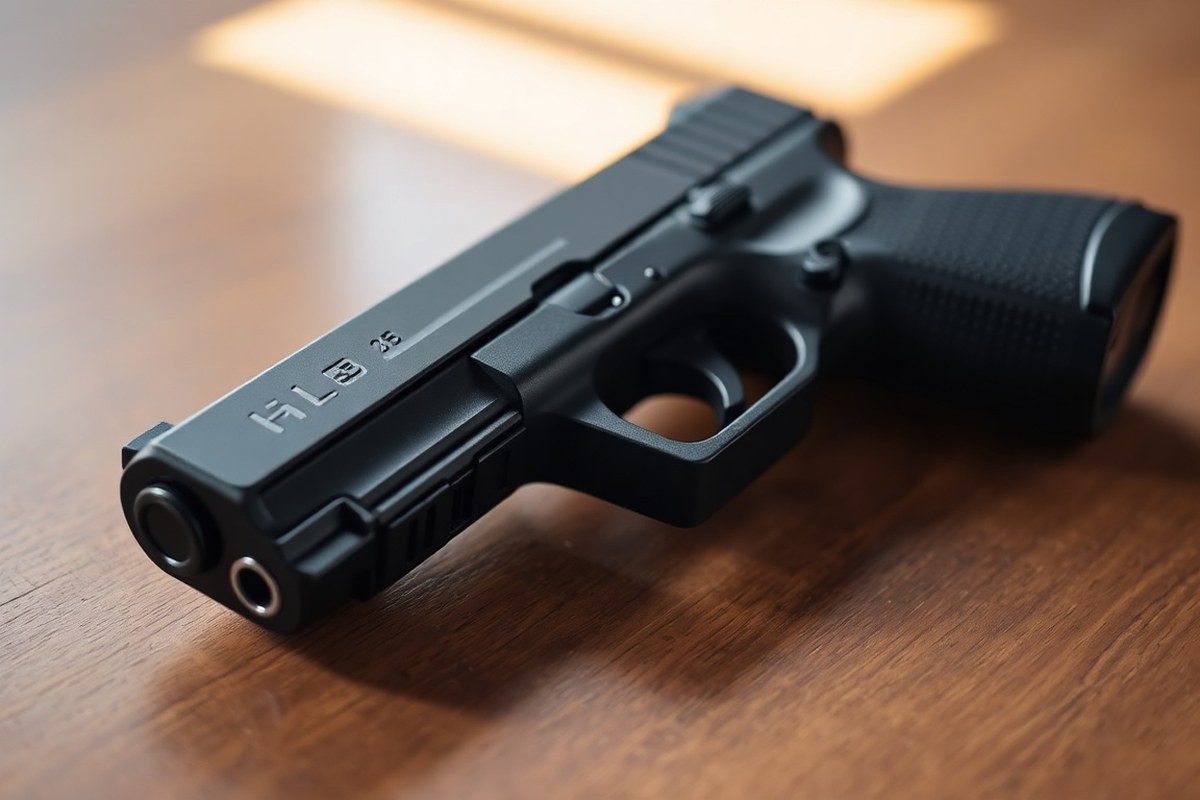
Is the Glock 36 Discontinued? Full Facts, Timeline & Alternatives
Many pistol owners and buyers often ask if Glock stopped making the 36 model. Glock ended production of the G36 and its rail-equipped version, the G36 FGR, in 2025. This decision made room for Glock’s new V Series pistols and marked the end of their single-stack .45 ACP offerings. To find a similar slim .45 ACP pistol, consider looking at alternatives within Glock’s current catalog or from other brands specializing in single-stack slim designs.
Key Takeaways
- The Glock 36 was the only single-stack .45 ACP in Glock’s catalog for over 25 years.
- The G36 features a 3.78-inch barrel, 6.97-inch length, and just 1.18 inches width for a slim profile.
- The G36’s trigger pull is about 6.3 pounds, with a sight radius of 5.91 inches using factory polymer sights.
- Glock discontinued the G36 and G36 FGR in 2025 to make room for the new V Series pistols.
- New and refurbished Glock 36 pistols remain available in the $500 to $575 range from some retailers.
- For higher magazine capacity, Glock’s single-stack 9mm models like the G43X or G48 remain in production.
Is the Glock 36 Discontinued and When?
The Glock 36 is discontinued as of 2025. Glock officially removed the G36 and its rail-equipped variant, the G36 FGR, from their product lineup that year during a broader streamlining of their catalog to make room for new V Series models. This means the G36 is no longer manufactured or sold new by Glock. The company decided to phase out low-volume and older-generation handguns like the G36, which remained only in its third-generation frame throughout its production life.
Despite ending production, Glock continues to support owners of the G36 by supplying factory parts, like replacement magazine springs, through authorized distributors. This official support makes it easier for G36 owners to maintain their pistols even after discontinuation. The phaseout coincided with Glock’s effort to focus on more modern guns, as the G36’s single-stack .45 ACP design catered to a niche market rather than broad adoption, partly due to its six-round capacity compared to Glock’s larger double-stack .45 models.
The timeline for this discontinuation aligns with a significant revision of Glock’s catalog aimed at reducing older generation models and those with features requiring updates, such as aftermarket sight compatibility or compliance with new state regulations. Prior to 2025, the G36 had been in production for over 25 years as Glock’s only single-stack .45 ACP pistol, prized for its slim profile and easier concealment, with dimensions including a 3.78-inch barrel, 6.97 inches in length, and an overall width of 1.18 inches. However, it never advanced beyond the Gen 3 frame platform, which may have contributed to Glock’s decision to retire it in favor of newer offerings better aligned with current market demands.
Because the G36 no longer appears on Glock’s current catalog or official website, new guns can only be found through remaining dealer stock or used firearms markets. Buyers should keep this in mind when searching for the G36, as availability is shrinking and prices may vary accordingly. Nonetheless, Glock’s commitment to parts and servicing means maintaining a discontinued G36 remains feasible for enthusiasts and daily carriers who value its unique slim .45 ACP profile.
Reasons Behind Glock Discontinuing the G36

Glock discontinued the G36 to streamline its product lineup, reduce manufacturing complexity, and focus on newer pistols that better meet current market demand. Shifts in magazine capacity preferences and the introduction of Glock’s V Series influenced the decision. This strategic move reduces production costs and aligns Glock’s offerings with customer priorities and regulatory realities.
Streamlining Production and Lowering Costs
Glock routinely reviews its commercial portfolio to identify models that no longer justify the cost of production. The G36, while reliable, was part of several legacy pistols that the company decided to phase out to simplify manufacturing. By reducing the variety of models, Glock can focus on more popular and innovative products. This cuts inventory complexity and lowers operational expenses, which benefits both the company and customers by keeping prices competitive and ensuring consistent availability of newer models.
The G36’s production required maintaining unique tooling and parts that were less commonly used compared to the bulk of Glock’s catalog. Discontinuing it means fewer line changes and smoother assembly process flows, which in turn reduces waste and quality control issues.
Market Demand Shifts and Magazine Capacity
Since the G36’s debut, expectations around pistol capacity shifted dramatically, especially after the expiration of the federal assault weapons ban in 2004. The G36 carries a slim-profile single-stack .45 ACP magazine limited to 6+1 rounds. While this met concealed carry preferences initially, shooters increasingly preferred pistols with higher ammunition capacity. Many competitors and newer Glock models offer double-stack magazines holding twice the rounds, which more closely match modern defensive and law enforcement trends.
This shift in consumer preference made the G36 less attractive for buyers prioritizing capacity. Retailers often promote 9mm pistols that hold 15 or more rounds over slim, lower-capacity models like the G36. As a result, Glock’s sales data likely showed declining demand, justifying discontinuation.
Impact of Glock’s V Series Innovations
Glock’s introduction of the V Series brought fresh designs with polymer frames, new ergonomics, and updated features aimed at competing in a more crowded and advanced market segment. The V Series pistols offer improvements in modularity, grip texture, and often come chambered in popular calibers with larger magazine capacities. This new product line competes directly with or surpasses the niche the G36 once filled.
The company’s strategic focus on the V Series allowed it to concentrate resources on advancing models that better meet law enforcement and civilian needs today. By retiring the G36, Glock avoids overlapping product lines that might cannibalize sales and complicate marketing and support.
Regulatory Influences on Portfolio Decisions
While federal bans influenced magazine capacities in the past, current regulations vary by state and locality. This patchwork of laws means Glock aims for models that maintain broad legal viability and customer acceptance. Slim single-stack pistols like the G36 do have niche appeal in states with strict magazine limits, but overall demand there is limited.
Glock also continues to support law enforcement with specialized models under separate programs. The commercial discontinuation of the G36 does not necessarily impact these partnerships, as Glock has arrangements to meet officer and agency needs with current offerings.
Consider how magazine capacity and local regulations affect your concealed carry choices before investing in older, discontinued pistols like the G36.
Key Features and Specifications of the Glock 36
The Glock 36 stands out as a slim .45 ACP pistol designed for concealed carry without sacrificing power. Its key dimensions and weight make it lighter and thinner than many other handguns chambered in the same caliber. The unloaded weight is 19.93 ounces, increasing to 22.40 ounces with an empty magazine, and 26.81 ounces when fully loaded. This weight balance helps manage recoil while keeping the pistol comfortable to carry all day.
The overall length of the Glock 36 offers a manageable profile for quick draw and easy concealment. It features a 28-newton (about 6.3 pounds) trigger pull, which provides a consistent and predictable trigger break that many shooters find comfortable. The Glock factory polymer sights provide a sight radius of 5.91 inches, aiding in accurate shot placement.
The pistol uses a single-stack magazine holding 6 rounds of .45 ACP ammunition, catering to users wanting a slimmer grip compared to wider, double-stack .45 ACP pistols. This slim design reduces bulk, making it better suited for shooters with smaller hands who might struggle with thicker grips like those found on the Glock 30 with its 10-round magazine.
| Specification | Glock 36 Detail |
|---|---|
| Caliber | .45 ACP |
| Magazine Capacity | 6 rounds (single stack) |
| Unloaded Weight | 19.93 ounces |
| Weight with Empty Magazine | 22.40 ounces |
| Weight Fully Loaded | 26.81 ounces |
| Trigger Pull | 28 newtons (~6.3 lbs.) |
| Sight Radius | 5.91 inches (polymer sights) |
The Glock 36’s slim profile, moderate weight, and reliable trigger setup make it an attractive option for those wanting a straightforward concealed carry pistol in .45 ACP. The tradeoff of a 6-round capacity keeps the grip slim but limits rounds compared to double-stack models. The standard polymer sights and trigger pull fit the norm for Glock pistols, balancing durability with shootability.
Comparison: Glock 36 vs Glock 30 and Other Models
The Glock 36, Glock 30, and Glock 43 each serve different roles when considering size, capacity, and handling. The G36 offers a slim profile for a .45 ACP, while the G30 provides greater capacity in a larger frame. The G43, chambered in 9mm, is more compact but with fewer rounds per magazine.
Size and Weight Differences
The Glock 36 stands out by combining .45 ACP firepower with a single-stack, slim frame, making it thinner than the G30. The G30 has a wider grip and a larger slide, which increases weight and bulk. The G43 is the smallest of the three, optimized for 9mm and easy concealment with a very compact profile.
While exact weights vary slightly by generation, the G36’s slim design typically makes it easier to carry for all-day wear compared to the heavier G30. The G43 outperforms both in being light and highly concealable but lacks the .45 ACP’s stopping power.
Magazine Capacity and Caliber Comparison
The G36 features a single-stack .45 ACP magazine holding six rounds, balancing power with slimness. The G30, also .45 ACP, supports double-stack magazines with capacities of 10+1, ideal for users who want more rounds without switching calibers.
The G43, chambered in 9mm, typically holds six to seven rounds in a single-stack magazine. Though less powerful, the 9mm round often delivers more manageable recoil and faster follow-up shots in a smaller frame.
| Model | Caliber | Magazine Capacity | Frame Width | Overall Length | Weight (Empty) |
|---|---|---|---|---|---|
| Glock 36 | .45 ACP | 6+1 | 1.10 in | 6.26 in | 21.71 oz |
| Glock 30 | .45 ACP | 10+1 | 1.26 in | 6.97 in | 26.96 oz |
| Glock 43 | 9mm | 6+1 | 1.02 in | 6.26 in | 17.95 oz |
This table shows how the G36 fits between the G30 and G43 in size and weight, with the G30 being the largest and heaviest, and the G43 the lightest and narrowest.
Suitability for Concealed Carry
The G36’s slim profile helps it remain comfortable and discreet for concealed carry in .45 ACP, especially under looser clothing or in holsters designed for single-stack frames. Its manageable size appeals to those wanting a balance of stopping power and concealability.
The larger G30 offers higher capacity, which benefits defensive situations but can be harder to conceal, especially in hot weather or with minimal clothing. The G43 excels in concealability due to its small size and lighter weight but sacrifices the more powerful .45 ACP round for the 9mm.
Choosing between these models depends on your priorities. For maximum rounds in .45 ACP, the G30 is better. For a slim, powerful carry, the G36 works well. The G43 suits users focused on minimal size and caliber with easier handling.
Current Availability and Pricing of the Glock 36
New Glock 36 pistols are still available but in limited quantities. Some firearms retailers and online gun shops list new or factory-refurbished Glock 36 models, typically priced between $500 and $575. Since Glock no longer produces this model, these guns come from remaining dealer stock or gently used inventory. Many buyers rely on used pistol marketplaces, gun shows, and licensed resellers to find Glock 36s in good condition. Expect used examples to vary widely in price, generally ranging from $400 to $550 depending on condition, included accessories, and seller reputation.
Dealer-stock Glock 36s occasionally appear in stores that specialize in hard-to-find handguns or carry larger inventories. Refurbished pistols sold by licensed dealers ensure factory-standard quality, backed by warranty coverage and inspections. Those guns often command prices close to new ones, around the $525 to $575 mark. Online platforms such as GunBroker, GunsAmerica, and Armslist provide access to used G36s from collectors or secondhand sellers. You should carefully check seller ratings and verify the handgun’s history to avoid issues with maintenance or wear.
Price ranges (approximate) for Glock 36 pistols are: new/refurbished models $500 to $575, used pistols $400 to $550. Prices depend on supply fluctuations, condition, and geographic location. Some states with strict gun laws may have fewer G36 pistols available, which can raise prices. Dealer sales sometimes include limited bundles with holsters or magazines, affecting the overall cost.
For solid deals, visit local gun shows, certified firearms dealers, and online firearms marketplaces regularly to spot new or refurbished Glock 36 listings. Many retailers update inventory weekly, so patience and frequent monitoring can pay off. Signing up for email alerts on specialty firearm sales sites can notify you instantly when a Glock 36 becomes available. Waiting for seasonal promotions or stock clearances might lower purchase costs without sacrificing quality.
Always verify your local firearm laws before purchasing a Glock 36, as restrictions can affect magazine capacity and transfer processes.
Are Glock 36 Parts and Service Still Supported?
Glock continues to support the Glock 36 with parts and service despite the model’s discontinuation. The company maintains a policy of providing replacement parts and repair services for discontinued models for several years after they stop production. This approach matters because it allows owners to keep their pistols functional and safe over time without needing to replace the entire gun. You can expect Glock to offer key components like springs, slides, barrels, sights, and internal mechanisms through their authorized parts channels.
To obtain parts for a Glock 36, you can start by contacting Glock’s official distributors or visiting a licensed firearms dealer who offers Glock parts. Glock also provides an online parts catalog where you can identify the specific part numbers needed for your 36. The parts availability generally remains strong for up to 10 years after discontinuation, but it’s wise to secure any essential replacements sooner rather than later if you rely heavily on your pistol. Typical costs for replacement parts vary but expect common items such as recoil springs or magazines to cost between $15-$40, while barrels or slides may range from $80-$200 depending on condition and retailer.
- Contact authorized Glock dealers or service centers for parts orders
- Use Glock’s online parts catalog to identify exact part numbers
- Request factory service or send your pistol to a Glock-certified gunsmith for repairs
- Expect parts for discontinued models to remain available for at least 7-10 years
- Replacement parts prices range from $15 for small components to over $150 for barrels
- Maintain documentation of purchase and firearm serial number for warranty or service inquiries
- Consider stocking up on commonly replaced parts if you own a Glock 36
Maintaining a Glock 36 involves routine cleaning and occasional parts replacement, tasks you can handle if familiar with basic gun maintenance. Glock’s modular design makes disassembly straightforward, and parts interchangeability with similar models may offer additional options. For more complex repairs or warranty claims, sending your firearm to an authorized Glock service center is recommended. Charging fees for service depends on the specific repair, but light maintenance or warranty-covered defects typically don’t incur large costs. Keeping your G36 in good working order this way safeguards performance, reliability, and safety despite the model no longer being produced.
Is the Glock 36 Still a Good Choice for Concealed Carry?
The Glock 36 remains a solid choice for concealed carry, especially for those wanting a slim, lightweight pistol chambered in .45 ACP. Its single-stack magazine and slim frame make it easy to conceal under most clothing, reducing printing and improving comfort during extended carry. However, the small capacity of just six rounds in the magazine can be a drawback for some, particularly for those who value higher round counts for daily carry.
The Glock 36 handles recoil in a way that presses firmly into the palm instead of striking the wrist sharply like some other .40 caliber handguns. This design helps you maintain control during fast shooting, making follow-up shots smoother and more accurate. The grip angle and shape also promote a natural aiming position, which helps in tense moments. On the downside, its compact grip could feel cramped for larger hands, which may reduce your grip security.
Carrying the Glock 36 requires some deliberate choices. The slim profile allows the use of a variety of holsters, from inside-the-waistband (IWB) to pocket holsters for some users. Its weight and size make it suitable for all-day carry, minimizing fatigue. Still, balancing concealability with accessibility is important, so pairing it with the right belt and holster system is important to avoid printing or discomfort.
- Slim and lightweight for comfortable daily carry
- Strong .45 ACP stopping power with manageable recoil
- Single-stack magazine limits capacity to 6+1 rounds
- Grip size may challenge shooters with larger hands
- Reliable Glock build quality and simple controls
- Good shootability supports rapid, accurate follow-ups
- Requires carefully chosen holster for concealment and access
To mitigate the low capacity, carrying additional magazines or a speed loader helps maintain readiness. Training to quickly reload under stress is also important when using the G36. Though the capacity is smaller than many double-stack .45s, the tradeoff is a lighter, more concealable pistol. For shooters prioritizing size and comfort, the recoil control and handling make the Glock 36 a practical option.
Best Alternatives to the Glock 36 for Slim .45 ACP Pistols
For a slim .45 ACP pistol similar to the Glock 36, the Glock 43X stands out as the leading alternative. It offers comparable concealability with some tradeoffs in capacity and grip size. Other models also compete by balancing size, round count, and handling for concealed carry.
Overview of Key Substitute Models
The Glock 43X is the primary successor to the Glock 36 for shooters wanting a slender .45 ACP pistol. It features a slim frame with a 10-round magazine, improving capacity over the G36’s 6+1 rounds while remaining lightweight. Also, pistols like the Springfield ARMOR XDM and the Smith & Wesson Shield Plus in .45 ACP offer modern reliability and manageable size.
These alternatives are designed to address compactness and shootability. They keep the width close to or below 1 inch, making them suitable for concealed carry, which was a major selling point of the Glock 36. Between these, the Glock 43X keeps parts commonality and ease of maintenance high for Glock owners.
Comparison of Capacity and Size
Comparing the Glock 36 to common .45 ACP slim pistols shows clear differences in capacity, weight, and overall dimensions. The Glock 36 holds only 6+1 rounds but weighs under 2 pounds fully loaded, prized for its small footprint despite low capacity. The 43X improves this with a 10+1 round capacity, slightly increasing weight but delivering more rounds in a similar slim profile.
Other alternatives like the Springfield ARMOR XDM offer up to 12 rounds in a compact frame but are generally wider and heavier than Glock models. Each pistol also varies in grip length and height, impacting how well it conceals and feels in hand.
| Model | Capacity (Rounds) | Weight (Loaded, lbs) | Width (inches) | Height (inches) |
|---|---|---|---|---|
| Glock 36 | 6+1 | 1.88 | 1.10 | 5.42 |
| Glock 43X | 10+1 | 1.61 | 1.10 | 5.35 |
| Springfield ARMOR XDM .45 ACP | 12+1 | ~2.47 | 1.17 | 5.83 |
| Smith & Wesson Shield Plus .45 ACP | 10+1 | 1.84 | 1.10 | 5.45 |
This table provides a clear snapshot of how alternatives compare by the key dimensions that matter to slim .45 ACP shooters: capacity, weight, and size. Concealability typically improves with thinner width and shorter height, while increased capacity often adds weight.
Practical Recommendations by Use Case
You should consider the Glock 43X if you want a slim pistol with better capacity than the G36 without sacrificing familiar Glock controls and reliability. It suits concealed carry users who prioritize daily comfort and easy reholstering. The similar width and grip feel ease the transition for Glock 36 owners.
Choose the Springfield ARMOR XDM if you value capacity heavily and don’t mind a slightly larger grip and weight. This pistol works well as a home defense or backup carry option where concealment is less critical but firepower remains important.
The Smith & Wesson Shield Plus fills a middle ground, offering 10+1 rounds with a relatively slim profile and lighter weight, appealing to shooters looking for a modern slim .45 ACP that stands out from Glock’s lineup. Check the trigger feel and ergonomics in person before committing.
Always verify local laws about magazine capacity limits when choosing a higher-capacity slim pistol for concealed carry.
Step-by-Step Action Plan for Deciding on the Glock 36
Follow these steps to decide if the Glock 36 fits your needs or if an alternative is better.
- Day 1: Check current Glock 36 availability online and locally to see if new or used models are accessible.
- Day 3: Research pricing trends for Glock 36 pistols and alternatives like the Glock 30, to find the best value options.
- Week 1: Inspect parts and service support by contacting Glock dealers or gunsmiths; confirm ongoing support for maintenance.
- Week 2: Test fire a Glock 36 or similar slim .45 ACP pistol to evaluate fit, comfort, and handling for concealed carry.
- Week 3: Compare user reviews and forum discussions focusing on reliability, durability, and concealability of the Glock 36 and its alternatives.
- Week 4: Decide whether to purchase a Glock 36 if available, or select a recommended alternative if it better matches your preferences and availability.
Frequently Asked Questions
Is the Glock 36 a Good Pistol?
The Glock 36 is a good pistol for those wanting a slim, lightweight .45 ACP for concealed carry. It suits shooters with smaller hands who prioritize carry comfort over high capacity.
What Is the Rarest Glock in the World?
The rarest Glock is generally considered to be limited-production models like the Glock 18C used by special forces. These are extremely hard to find for civilian collectors.
What Replaced the Glock 36?
Glock replaced the G36 with newer V Series pistols and focused more on slim single-stack 9mms like the G43X. No direct .45 ACP single-stack replacement was issued.
Which Is Better, Glock 30 Or 36?
The Glock 30 offers higher capacity with a double-stack magazine, while the 36 is slimmer for easier concealment but holds fewer rounds. Choose based on size versus ammo needs.
Is the Glock 36 Still Popular Among Gun Collectors?
The Glock 36 remains popular for collectors due to its discontinued status and unique single-stack .45 ACP design. It’s valued for its place in Glock history.
Can You Still Get Magazines for the Glock 36?
Yes, magazines and parts for the Glock 36 are still available through Glock distributors since Glock supports servicing discontinued models.
Final Thoughts
The Glock 36 is effectively discontinued, making it harder to find new pistols but still supported for parts and service. Its slim design remains appealing for concealed carry, yet some alternatives offer improved availability and features. Checking local sources and trying similar models will help you make the best choice for your carry needs.