Is Hornady Ammo Good? A Complete Guide to Performance and Uses
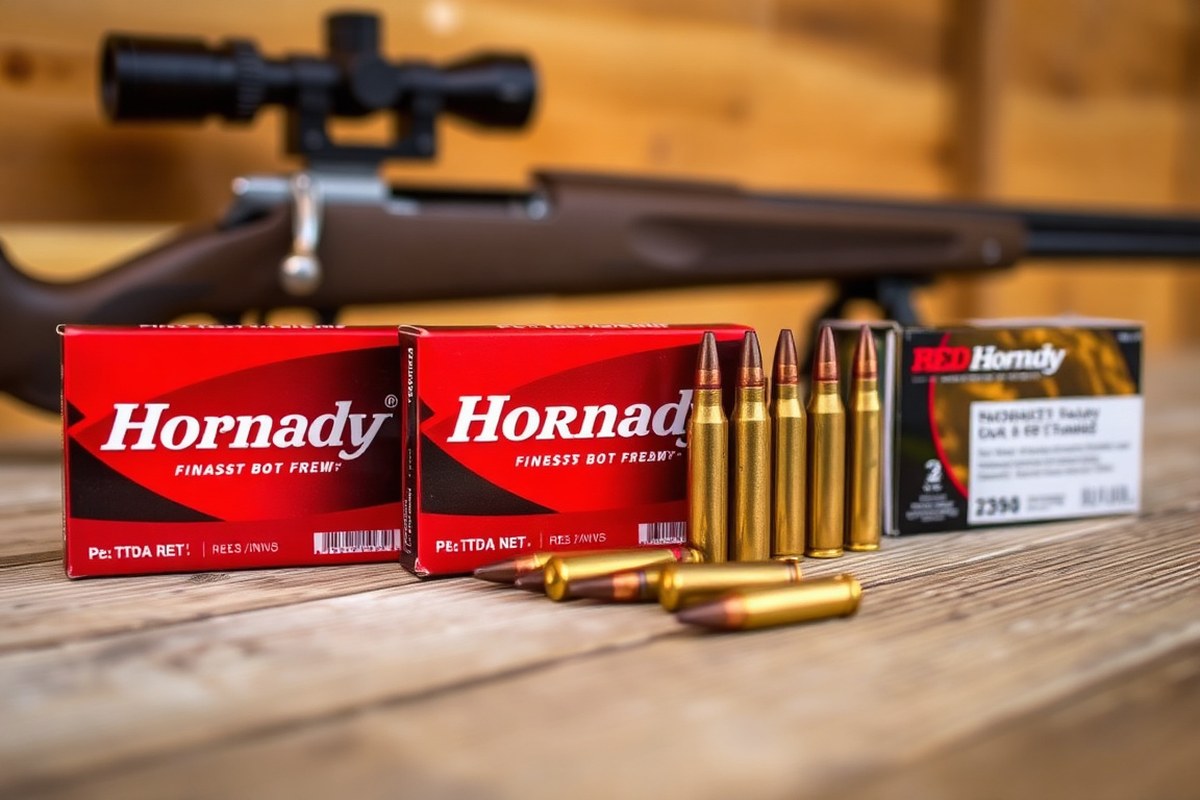
Is Hornady ammo good? Yes, Hornady offers highly accurate and reliable ammunition suited for hunting, competition, and self-defense. Their precise manufacturing and quality control give shooters consistent performance across many popular calibers. Start by choosing Hornady ammo that matches your shooting purpose and preferred bullet type for best results.
Key Takeaways
- Hornady Black ammo includes popular pistol calibers like 9mm, .40 S&W, and 00 Buckshot for versatile applications.
- Hornady Precision Hunter ammo shows excellent accuracy, with average run-out as low as .002” in common cartridges.
- Run-out measures bullet alignment; Hornady averages .002” or less, indicating tight quality control.
- Hornady offers supersonic and subsonic loads, such as the 208-grain A-Max in .300 Blackout for noise-sensitive shooting.
- The bullet types Hornady uses, like A-Max, ELD-X, and V-Max, optimize performance for hunting or varmint control.
- Caliber options span from .223 Remington to 7mm Remington Magnum, covering a wide range of shooting needs.
Is Hornady Ammo Good for Accuracy and Reliability?
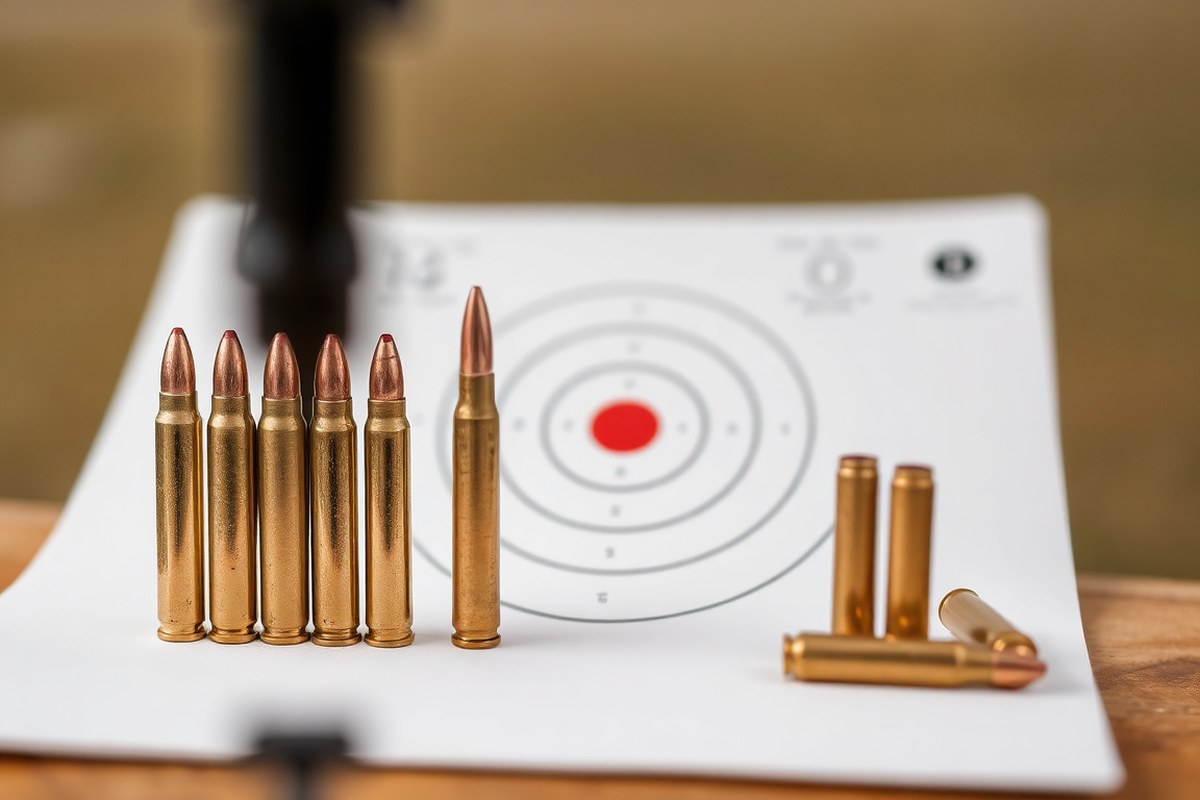
Hornady ammo is widely regarded as high quality due to its consistent accuracy and reliability across various rifle platforms. One key factor contributing to this is Hornady’s focus on precise bullet seating and low run-out, which refers to how straight a bullet sits in the cartridge case. For example, Hornady’s Creedmoor loads showed an average run-out of just .002 inches, with 40% measuring .001 inch or less. Lower run-out reduces bullet wobble during firing, which greatly improves accuracy by promoting a more stable flight path.
Testing of Hornady ammo in rifles like the Echols Rifles Remington 700 chambered for 7mm Remington Magnum highlights the brand’s accuracy potential. That 162-grain ELD-X load reached an average velocity of 2852 fps with an extreme velocity spread of only 46 fps and a standard deviation of 15 fps. This translates into tighter groupings, with the test rifle producing groups as small as 0.65 inches and an average group size of 1.27 inches at 100 yards, demonstrating very consistent performance.
Lot-to-lot consistency matters when selecting ammunition, especially for competition or long-range hunting, and Hornady meets high standards here. Using premium quality cases, primers, and carefully chosen propellants ensures velocity and ballistic performance remain reliable across batches. Hornady also optimizes their propellants for temperature stability, so the ammo performs well whether you’re shooting in cold environments like Alaska or warmer climates. Their emphasis on this aspect means you can trust your shots in a variety of conditions without worrying about major shifts in velocity or trajectory.
Hornady’s ammo is built to function reliably in a wide range of firearms. The company tests their products extensively to ensure dependable feeding and cycling in semi-autos and bolt-action rifles alike. The Hornady Black ammo line, for instance, supports numerous popular rifle calibers used in hunting and competition, like 6.5 Creedmoor, .223 Remington, and .308 Winchester. Shooters report consistent ignition and reliable chambering, which is important for maintaining confidence in any shooting scenario.
Ballistic coefficients (BCs) supplied by Hornady also reflect their emphasis on high performance. The 7mm Remington Magnum 162-grain ELD-X bullet has a G1 BC of .630, indicating less air resistance and better retention of velocity over distance. In practical terms, this provides flatter trajectories and less wind drift, essential factors for precise shot placement. Many of Hornady’s bullet designs balance sectional density, BC, and terminal performance to meet demands for accuracy and consistency.
In contrast, bullets with higher run-out, such as some cartridges in the 7mm Remington Magnum line showing averages around .00475 inches, tend to show reduced accuracy due to uneven bullet alignment. Hornady’s focus on quality control minimizes these issues, helping shooters achieve tighter groups. Understanding and measuring run-out with a dial indicator allows you to evaluate ammo quality before committing to a full purchase, ensuring you select the most precise loads for your rifle.
What Calibers and Ammo Lines Does Hornady Offer?

Hornady offers a wide range of ammunition calibers to cover everything from casual plinking to serious hunting and competition shooting. You can find popular rifle cartridges like 6.5 Creedmoor, 7mm Remington Magnum, .308 Winchester, .223 Remington, 5.56 NATO, and .300 Blackout. These are loaded with bullets designed for various performance needs, including full metal jacket, polymer-tipped, and lead-free options.
One of Hornady’s main specialized ammo lines is Hornady Black. Introduced in 2016, it focuses on versatile rifle rounds that perform reliably across multiple firearm actions, such as bolt-action, pump, gas piston, and direct impingement. Most Hornady Black loads are supersonic, but for example, the .300 Blackout A-Max in this line offers a subsonic 208-grain option perfect for suppressed shooting or quieter setups.
For non-toxic or lead-free ammo, Hornady uses the GMX bullet, which is a solid copper projectile known for its weight retention and controlled expansion. These lead-free options appear in lines like Full Boar and Outfitter, making them good choices where environmental regulations or personal preference call for lead-free ammunition.
Hornady’s Precision Hunter lineup features bullets such as the ELD-X, known for maintaining its form at close range and expanding reliably past 400 yards. This series comes in eight popular calibers, like 6.5 Creedmoor, .308 Winchester, and 7mm Remington Magnum. It’s designed for hunting scenarios that demand dependable results across various distances and environments. Here’s a comparison table of some main Hornady ammo lines that clarifies the different offerings and what they target:
| Ammo Line | Calibers Available | Bullet Types | Key Features | Typical Use |
|---|---|---|---|---|
| Hornady Black | .223, 5.56 NATO, .300 Blackout, .308 | FMJ, A-Max | Supersonic and subsonic options, reliable in various rifle actions | General shooting, competition |
| Precision Hunter | 6.5 Creedmoor, .308, 7mm Rem Mag, others (8 total) | ELD-X polymer tip | Long-range expansion, consistent accuracy | Hunting multiple game sizes |
| Full Boar / Outfitter | Various popular calibers | GMX (lead-free, copper) | Non-toxic, deep penetration | Hunting where lead is restricted |
All Hornady ammo uses premium components like cases made in-house and top-grade propellants sourced to meet performance goals rather than vendor preferences. Consistent quality control helps keep accuracy tight, such as their .308 loads averaging just .002 inches group size over 10 rounds, which shooters will appreciate.
For quieter shooting setups, choose the subsonic Hornady Black .300 Blackout load with the 208-grain A-Max bullet to reduce noise without sacrificing performance.
Considering caliber, bullet type, and purpose will help you select Hornady ammo that fits your shooting style, with options ranging from economical full metal jacket rounds to specialized hunting bullets and environmentally friendly lead-free ammo.
Which Bullet Types Does Hornady Use and Why?
Hornady ammo features a variety of bullet types tailored to specific shooting needs, from varmint hunting to self-defense. Their bullet designs focus on predictable terminal performance, excellent ballistic coefficients, and consistent expansion at different ranges. Understanding these bullet types helps you select the right Hornady ammo for hunting or defensive purposes.
Polymer-Tipped V-Max Bullets for Varmints and Predators
Hornady uses the V-Max bullet in calibers like 5.45x39mm, 6.8 SPC, and .300 Blackout. This bullet has a polymer tip designed to initiate rapid expansion upon impact, making it highly effective on small game, varmint, and predator hunting. The rapid expansion reduces the risk of over-penetration, increasing the likelihood of a quick, humane kill on thin-skinned animals such as coyotes or groundhogs.
The V-Max bullet also offers a high ballistic coefficient (BC) that remains consistent during flight, which means the bullet retains its velocity better and follows a predictable trajectory out to distances of 600 yards or more. This combination of rapid expansion and stable flight makes the V-Max ideal if you want reliable terminal performance in field conditions without sacrificing accuracy.
ELD-X Bullets for Versatile Hunting Performance
Hornady developed the ELD-X, or Extremely Low Drag eXpanding bullet, specifically for hunting applications requiring consistent performance from close range to extended distances. The ELD-X features a heat-resistant polymer tip that maintains its shape in flight, preventing deformation that can alter the bullet’s BC and trajectory.
This bullet is designed to expand reliably around 1800 feet per second, allowing it to function effectively across a wide velocity spectrum. Whether you’re hunting deer inside 200 yards or targeting game at 400 to 600 yards, the ELD-X provides controlled expansion and deep penetration, making it suitable for medium to large game. The design helps balance accuracy, energy transfer, and bullet integrity, giving you confidence in your shot placement and terminal results.
XTP Bullets in Hornady Handgun Ammunition
Hornady’s handgun ammo features the XTP (eXtreme Terminal Performance) bullet, known for its controlled expansion and weight retention. The XTP bullet uses a hollow point with a unique jacket design that promotes predictable expansion without fragmenting. This construction provides reliable stopping power, making it a popular choice for self-defense and hunting in handgun calibers.
You can expect consistent penetration and expansion with XTP bullets, which helps maximize energy transfer to the target while minimizing over-penetration risks in close-quarters situations. Hornady designs these bullets to perform well under a range of velocities typical of handgun cartridges.
Powder and Primer Selection for Consistent Load Performance
Hornady selects powders and primers based on extensive testing aimed at delivering balanced velocity, pressure, and accuracy for each load. Engineers run randomized batch tests using tools like the Hornady Concentricity Tool to measure bullet run-out, which affects accuracy and consistency. By choosing powders that complement bullet design and desired muzzle velocity, Hornady ensures rounds perform uniformly across different shooting applications.
This careful selection process means Hornady loads maintain predictable trajectories, reliable ignition, and consistent expansion across various environmental conditions. For example, powders that burn cleanly and consistently help maintain stable pressures and velocities, which is essential for long-range hunting or precise target shooting.
How Does Hornady Manufacture and Quality Control Its Ammo?
Hornady manufactures its ammunition using premium components and carefully controlled processes to ensure high performance and reliability. They prioritize quality materials, precise loading procedures, and rigorous inspections to guarantee consistency. This attention to detail helps Hornady ammo perform well across different firearms and environmental conditions.
Premium Components in Hornady Ammunition
Hornady starts with high-quality brass cases, premium powders, and carefully selected bullets made in-house or sourced from trusted suppliers. The brass is uniform and consistent in thickness, which aids in reliable chambering and extraction. Bullets like the SST feature precise designs with a tight jacket and bonded core to improve feeding and terminal performance. Hornady handloads maintain bullet seating seated .015 inches off the lands to optimize accuracy and reduce barrel wear, with less than .001 inch of runout to keep the bullet perfectly aligned.
Using consistent powders measured meticulously by weight helps achieve uniform muzzle velocities. This premium material selection limits shifts in pressure and velocity shot to shot, an important factor when hunting or competing across variable conditions.
Manufacturing Process and Assembly Steps
The manufacturing process begins with automated case preparation, including cleaning and resizing to exact specifications. Cases are then primed with uniform primers that Hornady tests for ignition reliability. After priming, powder charges are electronically measured and dispensed to tight tolerances to ensure each round delivers consistent pressure.
Next, bullets are seated to exact depths with automated seating machines that monitor runout and seating force. Hornady’s machines verify proper seating depth for each round and reject out-of-spec cartridges. Conical bullets like SST are seated with controlled neck tension to secure the bullet under recoil and avoid movement in the case. Finally, the rounds undergo crimping, which further stabilizes the bullet position without damaging components.
Quality Control Measures and Testing
Hornady performs multiple quality control inspections at different stages of ammo production. Incoming brass, primers, and powders are tested for uniformity and purity. During assembly, each lot undergoes random sampling to check overall cartridge length, bullet seating, and weight consistency. Machines alert operators to any deviations beyond factory limits, reducing defects and maintaining batch consistency.
Before packaging, select batches may be test-fired to verify velocity spreads and chamber pressures remain within designed parameters. Hornady also monitors temperature stability by testing rounds under various environmental conditions, often evaluating ammo performance between cold temperatures near freezing and hot conditions around 120°F. These tests confirm propellant and primer reliability across temperature extremes commonly experienced in the field.
Temperature Stability and Field Durability
Hornady’s powders and primers are chosen and formulated for stable ignition in temperatures from roughly 20°F to 120°F, supporting use in cold-weather hunts or summer competitions. The sealed cartridge cases help prevent moisture intrusion, which can degrade powder and primer performance. Cases are resistant to corrosion, ensuring durability even after extended storage.
The tight control over powder charges reduces the risk of pressure variations caused by temperature changes. This stability contributes to consistent muzzle velocity and point of impact across a range of field conditions, which is essential for precision shots at varying distances.
Recent Innovations and Improvements
Hornady continues to introduce innovations like the patented FlexLock bullet jacket technology and precision handloading procedures that improve bullet alignment and reduce runout to less than .001 inch. They also made advances in case metallurgy to increase durability and improve consistency during the manufacturing process. Improve powder formulas help deliver lower standard deviations in velocity, improving accuracy at long range.
The company has integrated automated inspection machines with real-time feedback loops on the production line to catch manufacturing flaws early. Newer ammo lines also emphasize reduced recoil and improved terminal ballistics through bullet design and load optimization.
Performance of Key Hornady Ammo Lines in Hunting and Competition
Hornady’s Precision Hunter and Black ammo lines deliver strong results tailored for hunting and competitive shooting. Precision Hunter rounds show excellent accuracy with heavy-for-caliber bullets, making them reliable for ethical game shots. Hornady Black provides a high-velocity option with consistent expansion, suitable for both competition and practical use in fast-paced environments.
Precision Hunter: Accuracy and Terminal Performance
Precision Hunter rounds use ELD-X bullets designed for deep penetration and controlled expansion in hunting situations. The 6.5 Creedmoor load features a 143-grain bullet traveling around 2700 fps, producing groups averaging 0.62 inches in field tests. This level of accuracy helps hunters place precise shots at varying ranges. Heavier bullets in this line, like the 178-grain 308 at 2700 fps and the 162-grain 7mm Remington Magnum at 2900 fps, maintain velocity and energy for larger game.
Tests on rifles using Hornady Precision Hunter ammo highlight the benefit of heavy bullets paired with consistent velocities. Rifles noted for their accuracy with these rounds allow shooters to engage game confidently at extended distances. Users should ensure their rifle is properly bedded to maximize the ammo’s potential, as minor bedding issues can affect precision.
Hornady Black: Speed Meets Controlled Expansion
The Hornady Black line targets shooters wanting faster bullet speeds without sacrificing terminal performance. Its bullet design supports reliable expansion with consistent weight retention, which is important in competitive or fast-hunting scenarios. Hornady Black ammunition accommodates a range of calibers, often optimized for popular hunting rifles that work well with higher velocity rounds.
This ammo is well-regarded in competitions that involve rapid follow-up shots and quick target acquisition. The faster velocity helps flatten trajectories and reduce bullet drop at longer ranges, offering a competitive edge. Hornady Black’s balance of speed and accuracy also suits hunters pursuing game in varied terrain where quick adjustments are necessary.
Optimizing Hornady Ammo for Your Rifle
Hornady ammo lines like Precision Hunter and Black perform best when matched with rifles known for accuracy in their respective calibers. For example, precision rifles chambered in 6.5 Creedmoor or 7mm Remington Magnum benefit from the heavier, aerodynamic ELD-X bullets in Precision Hunter rounds. Using factory loads tuned for specific rifles can reduce the need for handloading while ensuring reliable performance.
Competition shooters should consider barrel length and twist rates that complement Hornady’s bullet weights and velocities. For hunting rifles, ensuring a tight chamber-to-bullet fit and consistent barrel cleanings will help maintain the expected accuracy from these ammo lines. Ultimate performance depends on shooter technique, rifle condition, and environmental factors like temperature and range.
Using Hornady Ammo in Competition and Field Use
Hornady ammo’s precision and consistent bullet performance make it a solid choice for both competitive shooting and practical hunting. Precision Hunter’s heavy bullets allow hunters to take clean ethical shots on big game, particularly at ranges where bullet drop and wind drift become significant. For competition, Hornady Black’s velocity and expansion consistency come into play in matches that test speed and precision over multiple targets.
Typical costs for these quality ammo lines tend to be higher than basic factory rounds, but many find the trade-off worth it for improved terminal performance and reliability. Shooters should test their chosen loads at the range before using them in the field or competition to ensure the combination works well with their equipment. Monitoring ammunition temperature sensitivity and cleaning frequency can help maintain optimal results.
Test your Hornady ammo in your rifle under conditions close to your intended use; minor bedding or barrel wear issues can change group sizes and terminal effects noticeably.
Comparing Hornady Ammo Lines for Different Shooting Needs
Selecting the right Hornady ammo depends on your shooting purpose, hunting, competition, or general target practice, and the firearm you use. Hornady offers various ammo lines designed with specific bullet types and features aimed at different tasks. Understanding these differences helps you match the ammo to your goals.
Hornady Black is known for using the SST bullet, designed for deep penetration and controlled expansion in hunting. Precision Hunter focuses on precision and terminal performance, often using ELD Match bullets for long-range accuracy and consistent expansion. Other lines like the Match ammo range include boat tail hollow point (BTHP) bullets tailored for competition shooting, emphasizing flat trajectories and consistent groupings.
| Ammo Line | Bullet Type | Example Calibers | Recommended Use | Price Range (per round) |
|---|---|---|---|---|
| Hornady Black | 123-grain SST, 250-grain FTX | 7.62x39mm (SST), .450 Bushmaster (FTX) | Hunting: deep penetration, rapid expansion | $1.00-$1.50 |
| Precision Hunter | ELD Match | 6.5 Creedmoor, 6.5 Grendel | Long-range hunting with high accuracy | $1.50-$2.00 |
| Match | 75-grain BTHP | .223 Remington, .224 Valkyrie, 6mm Creedmoor, 6mm ARC | Competition and precision shooting | $1.00-$1.75 |
Use this decision checklist to pick your ammo:
- Define your goal: Hunting needs ammo with bullet expansion and penetration; competition favors flat trajectory and tight groups.
- Check your caliber availability: Not all lines cover every caliber. For example, Hornady Black uses SST bullets in calibers like 7.62x39mm, while Precision Hunter ammo focuses on popular long-range calibers like 6.5 Creedmoor.
- Consider bullet design: SST and FTX bullets serve hunting well due to controlled expansion, while BTHP bullets in Match ammo suit precision shooting.
- Factor price per round: Higher performance ammo like Precision Hunter tends to cost more, which may matter if you plan to shoot frequently.
Choosing a load built with the right bullet type for your shooting style improves your chances of reliable expansion, penetration, and accuracy. Using Precision Hunter ammo with ELD Match bullets in 6.5 Creedmoor, for example, supports clean long-range shots on game. For rapid expansion in mid-range hunting, Hornady Black’s SST or FTX bullets offer good terminal effects. Competition shooters benefit from Match ammo’s consistent BTHP bullets for tight groups and flat trajectories. Adjust your choice based on cost and availability to fit your shooting routine.
How to Choose the Best Hornady Ammo for Your Rifle
Choosing the best Hornady ammo for your rifle depends on matching the ammunition’s specifications to your rifle’s characteristics and your shooting goals. Start by identifying the caliber of your rifle; Hornady produces a range of loads for popular calibers, but your rifle’s chambering limits the choices. Pick ammunition designed specifically for your caliber to ensure safety and performance.
Next, consider the bullet type and weight, as Hornady offers options tailored for precision target shooting, hunting, or tactical use. For instance, select bullets with polymer tips or boat-tail designs for longer-range accuracy. Check the manufacturer’s recommended bullet weight range for your rifle’s barrel twist rate to maximize consistency. Using bullets too heavy or light for your twist rate can reduce accuracy.
Quality assurance plays a key role. Buy factory-sealed boxes and inspect packaging for any damage or signs of tampering. Hornady puts effort into quality control, but storage conditions impact performance over time. Avoid buying ammo from unknown sellers or that has been exposed to extreme heat or moisture, as this can degrade powder and primers.
- Confirm the rifle’s exact caliber and chambering
- Select bullet style and weight suited to your shooting purpose
- Research your rifle’s barrel twist rate and recommended bullet weights
- Check Hornady product lines and load specs for velocity and bullet construction
- Purchase factory-sealed and inspect ammo packaging carefully
- Avoid ammo stored in extreme temperature or humidity conditions
- Test-fire a small batch to verify accuracy and reliability before bulk buying
Velocity and consistency matter for precision. Hornady publishes velocity data, average velocity, standard deviation, and extreme spread, for many loads. Review these numbers to pick loads with tight velocity spreads for more predictable trajectories. The smaller the extreme spread and standard deviation measured over 10 rounds or more, the better your groups will hold up at distance.
Conduct live-fire testing from a stable bench with your rifle before committing. Measure group size at your typical shooting distance, usually 100 yards for rifles. A load that groups tightly and cycles correctly in your rifle is your best bet, even if another load shows slightly higher velocity. A common pitfall is assuming factory ammo performance is uniform; results vary with each rifle, so personal testing is unavoidable.
Common Myths and Misconceptions About Hornady Ammo
One common misconception is that Hornady ammo is overpriced compared to other premium brands. While Hornady ammo often costs a few cents more per round, it delivers consistent accuracy and ballistic performance that many competitive shooters and hunters find worth the extra cost. For example, their 6.5 Creedmoor 143-grain ELD-X loads show impressive consistency with an average velocity of 2663 fps and standard deviation of only 10 fps, resulting in tight groups averaging around 0.62 inches. Spending slightly more makes sense if you demand precision for hunting or competition.
Some shooters believe Hornady ammo underperforms in extreme conditions such as very cold or hot weather. Hornady’s extensive testing and quality controls ensure their ammo functions reliably across a wide range of temperatures. The precise powder charges and bullet designs maintain velocity and expansion even in challenging environments. However, no ammo is immune to significant temperature extremes, so storing ammo properly and avoiding exposure beyond recommended ranges will help maintain performance.
There’s also a myth that Hornady focuses only on hunting loads and isn’t suitable for competition or tactical use. Hornady actually offers lines tailored for different shooting needs, including ELD Match bullets optimized for target accuracy and TAP Tactical rounds for defense. This diversity makes their offerings adaptable for various firearms and scenarios. When choosing Hornady ammo, consider your specific firearm and shooting purpose to match the best bullet type and load for your needs.
Another point to clarify is that Hornady’s use of specialized bullets like the ELD-X does not mean their ammo is only for advanced shooters or hard-to-find calibers. Their lineup includes popular calibers like .308 Winchester loaded with 178-grain ELD-X bullets that show good accuracy and velocity consistency, with an average grouping of about 1.74 inches. This ammo works well for many hunters and target shooters, making Hornady accessible and practical for a wide user base.
Always check your firearm’s manual and test different Hornady loads on the range to identify which combination offers the best accuracy and reliability before committing to a full purchase, especially when shooting in extreme weather conditions.
Quick-Start Action Plan for Choosing and Using Hornady Ammo
Follow these steps to select the right Hornady ammo for your shooting needs and confirm its performance reliably.
- Before you buy: Identify your primary shooting purpose, hunting, competition, or self-defense, to narrow down Hornady ammo lines that suit your firearm and needs.
- Day 1: Purchase a small quantity of the recommended Hornady ammo line and caliber for your rifle to minimize risk and expense.
- Week 1: Test the ammo at your regular shooting range, noting group size and consistency to assess accuracy.
- Week 2: Monitor your rifle for any feeding or cycling issues with the Hornady ammo to confirm reliability.
- Week 3: Evaluate bullet performance on game or in competition conditions to ensure it meets your penetration and expansion needs.
- After 1 month: Decide if the tested Hornady line fits your expectations for accuracy, reliability, and terminal ballistics before buying larger quantities.
- Ongoing: Store your ammo properly in a cool, dry place and re-test periodically to maintain confidence in performance.
Frequently Asked Questions
Is Hornady Ammo Good for Self-Defense?
Hornady ammo is reliable and effective for self-defense, especially in their Black line designed for consistent performance and stopping power. Choose calibers like 9mm or .380 ACP for personal protection needs.
Does Hornady Ammo Work Well in Older Firearms?
Hornady ammo generally performs well in older firearms, but always check chamber specs and start with lower loads to ensure safe function. Some lines are optimized for modern rifles.
How Does Hornady Ammo Perform in Extreme Weather Conditions?
Hornady ammo maintains good reliability and accuracy even in cold or wet conditions thanks to strict quality control and consistent powder loads. Proper firearm maintenance complements ammo performance.
Is Hornady Ammo Reloadable?
Most Hornady ammo uses reloadable brass cases, especially in their rifle calibers, making them suitable for handloaders who want consistent components. Check specific case types and primer styles before reloading.
What Is the Shelf Life of Hornady Ammo?
Hornady ammo can last 10 years or more if stored in a cool, dry place with stable humidity. Proper storage preserves powder and primers for consistent performance over time.
Can Hornady Ammo Cause More Barrel Wear Than Other Brands?
Hornady ammo does not inherently cause more barrel wear than other quality brands; barrel wear depends on bullet composition and powder type. Using lead-free or coated bullets can reduce wear.
Before You Go
Hornady ammo delivers consistent accuracy and solid reliability across its lines, making it a strong choice for varied shooting purposes. Testing your chosen ammo according to your firearm and use case will confirm it meets your expectations. Start with small batches and controlled range sessions before fully committing to a particular Hornady cartridge for hunting or competition. This practical approach helps ensure you get the best performance for your shooting goals.