How Does Glock Safety Work? A Complete Guide to Glock’s Passive Safeties
How does Glock safety work? Glock pistols rely on a passive Safe Action system with three independent internal safeties that prevent accidental firing. These safeties disengage sequentially when you deliberately pull the trigger, ensuring the gun only fires when intended. Start by understanding each safety’s role to handle your Glock confidently and securely.
Key Takeaways
- Glock pistols come equipped with three integrated safeties, the trigger safety, firing pin safety, and drop safety, that work together to offer reliable protection against accidental discharge.
- The trigger safety blocks trigger movement until you fully depress the lever in the center of the trigger.
- The firing pin remains locked in place and cannot move forward unless you fully press the trigger.
- Drop safety prevents the pistol from firing if dropped or subjected to impact without trigger pull.
- Glock doesn’t have a manual safety lever because its passive system provides reliable and fast readiness without extra manipulation.
- Pulling the trigger is the only manual step needed to fire, minimizing accidental discharge risk when handled properly.
How Does the Glock Safe Action System Work Internally?

The Safe Action System in Glocks features three internal safeties that function jointly to prevent unintentional firing, ensuring the pistol only fires when you deliberately pull the trigger. These safety components reset automatically during normal use without needing manual activation or deactivation. They include the trigger safety, firing pin safety, and drop safety.
The trigger safety consists of a lever within the trigger that blocks backward movement unless it is fully pressed. You have to press the trigger’s center lever to deactivate this safety and allow the trigger to pull. The firing pin safety prevents the firing pin from moving forward and only engages when the trigger is pulled completely. A plunger shifts aside as the trigger bar moves, freeing the firing pin to strike the primer. The drop safety stops the trigger bar from releasing the firing pin unless the trigger is intentionally pulled, preventing accidental firing from shocks or drops.
All three safeties reset in sequence after the shot is fired. When you release the trigger, the trigger safety reengages by moving back into blocking position, the firing pin safety plunger springs back into place to block the firing pin, and the drop safety re-hooks the trigger bar to the firing pin. This coordinated resetting ensures the pistol returns to a safe state immediately, ready for the next deliberate trigger press.
Understanding the internal interaction of these safeties clarifies why Glock pistols do not require a manual safety lever and maintain a consistent trigger pull weight. The Safe Action System is designed to minimize user error, reduce mechanical complexity, and provide a reliable and safe firing experience. To visualize how the Safe Action System functions during the trigger pull, follow these steps:
- Press the trigger safety lever in the center of the trigger fully to disengage the trigger safety.
- Continue pulling the trigger so the trigger bar moves rearwards, pushing the firing pin safety plunger upward to get the firing pin.
- The trigger bar then pushes the firing pin rearward, compressing the firing pin spring and cocking the firing pin.
- At the end of the trigger pull, the trigger bar releases the firing pin, allowing it to propel forward and strike the primer of the chambered cartridge.
- Release the trigger, which allows the trigger bar to re-engage with the firing pin, preventing it from moving forward again.
- The firing pin safety plunger springs back down, blocking the firing pin from moving forward.
- The trigger safety spring resets the trigger safety lever back into the blocking position, preventing any accidental trigger movement.
This sequence allows the Glock pistol to fire only when you intentionally pull the trigger fully and resets all safeties instantly upon release, ensuring ongoing safety without additional manual steps. Variations in safety operation are minimal across Glock generations, as all maintain this core internal safety design.
Why Doesn’t Glock Have a Traditional Manual Safety Lever?
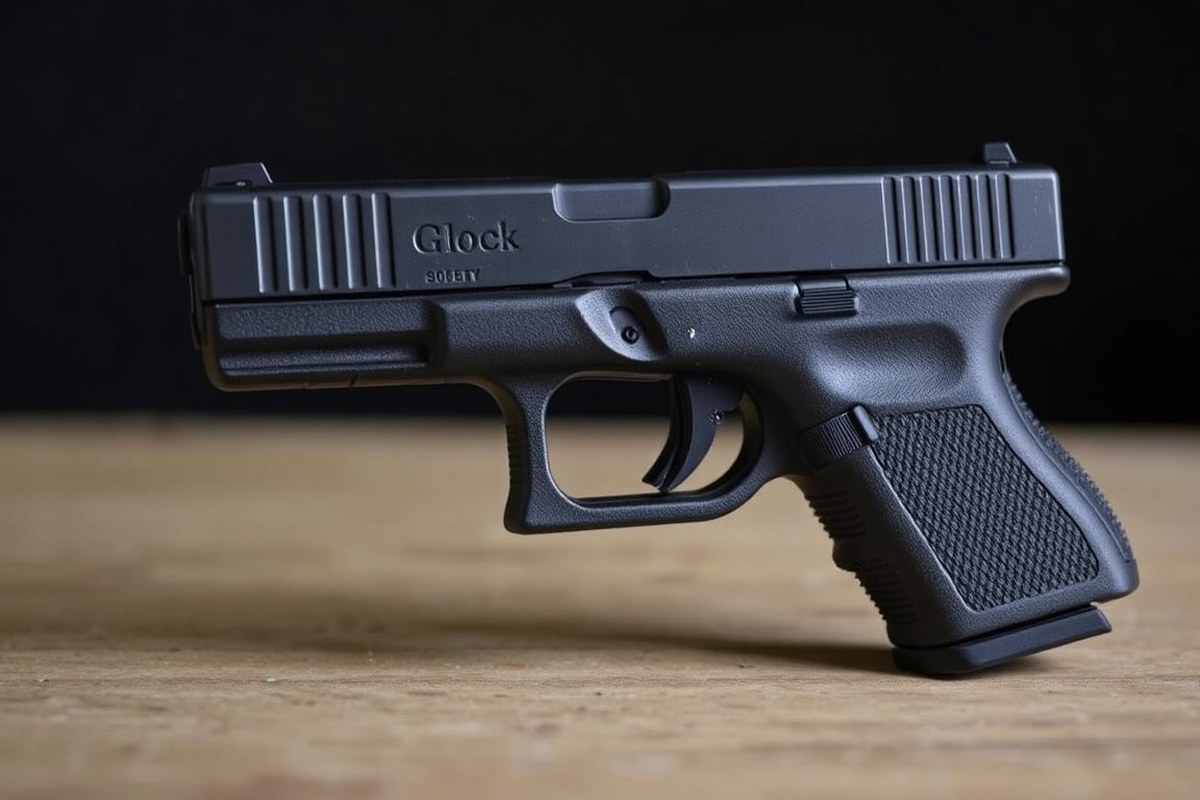
Glocks do not have a traditional manual safety lever. Instead, they use the Safe Action system, which relies on three passive safeties built into the trigger mechanism, firing pin, and drop safety. This design choice eliminates the need for a separate manual safety switch that you must engage or disengage before firing. Gaston Glock designed this system to simplify operation and improve reliability, ensuring the pistol is ready to shoot immediately when you pull the trigger.
The absence of a manual safety lever matters because it reduces steps during high-pressure situations. You do not have to remember to flip a switch before drawing or firing your Glock, which can make a difference in life-or-death moments. Glock’s Safe Action system automatically disables the safeties once you deliberately pull the trigger, reducing the chance of accidental discharge while maintaining quick readiness. This contrasts with firearms that have manual safeties, where forgetting to disengage the lever can delay shooting or cause user error under stress.
Gen 6 Glocks continue to use the Safe Action system and do not include a manual thumb safety either. This consistency reflects Glock’s commitment to its original design philosophy, valuing speed and simplicity over an external safety lever. While some shooters appreciate the tactile and visual confirmation that a manual safety lever provides, the Glock system relies on internal, automatic mechanisms that engage and disengage silently without extra input from you.
Comparing the two approaches, manual safeties offer an additional layer of control that some users prefer for positive confirmation of safe or ready status. However, they also require deliberate action by the user, which increases the chance of human error, especially under stress or in rapid defensive scenarios. Glock’s Safe Action system avoids these risks by integrating automatic safeties directly into the firing sequence. This design frees you from worrying about flipping switches while still keeping the pistol safe from accidental discharge if dropped or handled improperly.
On the downside, some users accustomed to manual safeties might find Glock’s lack of an external safety lever disconcerting at first. There is no visible on/off indicator, so you must rely on proper trigger control and training. Your behavior and handling skills remain the strongest safety factor, regardless of the system. Glock’s Safe Action system is engineered to support rather than replace safe practices.
Never carry a Glock with your finger on the trigger; the Safe Action system disables accidental firing but cannot prevent intentional trigger pulls without proper control.
Trigger Safety: Glock’s First Line of Defense Explained
The trigger safety on a Glock prevents the gun from firing unless the trigger lever is fully pressed. It works by physically blocking the trigger’s rearward movement unless you depress the small lever built into the trigger face. This makes accidental discharge without pulling the trigger extremely unlikely.
Design and Location of the Trigger Safety
The trigger safety is a small lever integrated directly into the center of the trigger’s face. You can see it as a separate, smaller tab inside the main trigger. Its position makes it impossible to pull the trigger rearward without first pushing this lever inward.
Glock designed this safety to be passive, meaning it requires no separate action from the user beyond a proper trigger pull. It reduces the number of manual steps needed to fire, which is especially important during stressful situations when quick and instinctive response is critical.
How It Blocks Unintentional Trigger Movement
The trigger safety works by physically preventing the trigger from pulling back. The small lever located in the middle of the trigger must be fully pressed down for the trigger to engage and fire.
This means the Glock will not fire if it is bumped, dropped, or if something accidentally presses against the trigger without pushing the lever. Pulling the trigger normally involves pressing both the trigger and the safety lever simultaneously, which get the trigger so it can move rearward and fire.
Safe Handling Tips Related to Trigger Safety
Understanding the trigger safety helps you appreciate why proper handling remains essential. The trigger safety does not replace safe habits like keeping your finger off the trigger until ready to fire or using a holster that fully covers the trigger guard. Here are steps to ensure safe use related to the trigger safety:
- Verify the firearm is unloaded before handling to prevent unintentional discharge.
- Keep your finger off the trigger and outside the trigger guard unless you are ready to shoot.
- Use a holster designed to cover the trigger guard completely for positive protection while carrying.
- Slowly re-holster the firearm to avoid catching or pressing the trigger unintentionally.
- Understand that the trigger safety prevents firing unless the trigger lever is fully pressed.
- Regularly practice controlled trigger pulls to familiarize yourself with the trigger and its safety features.
- Maintain your Glock according to the manufacturer’s instructions to ensure all safeties work properly.
Following these steps will help you use the trigger safety as intended while minimizing risks. The combination of mechanical safeties and responsible handling provides the best protection against accidental discharge.
Firing Pin Safety: Preventing Accidental Primer Strikes
The firing pin safety on a Glock stops the firing pin from moving forward until you pull the trigger. This mechanism prevents accidental primer hits by keeping the firing pin locked in position. Only pulling the trigger completely will lift this block and let the firing pin strike the cartridge primer to discharge the firearm.
How the Firing Pin Safety Blocks the Firing Pin
The firing pin safety is a small metal plunger inside the slide, positioned to physically block the firing pin’s forward movement. It rests in front of the firing pin, preventing it from traveling forward unless the safety is lifted. This design ensures the firing pin cannot strike the primer if the firearm is dropped, jarred, or bumped.
The safety engages automatically when the trigger is not pulled, consistently blocking the firing pin regardless of the gun’s orientation. This built-in barrier only moves out of the way as part of the trigger mechanism’s direct action, making it impossible for the firing pin to bypass the safety on its own.
Trigger Interaction to Disengage the Safety
The firing pin safety disengages only during a proper trigger pull. When you pull the trigger all the way back, an internal lever or plunger linked to the trigger presses the firing pin safety upward. This lifts the block away from the firing pin, allowing it to move forward and strike the cartridge primer.
Until the trigger reaches the rearward position, the firing pin safety remains engaged. This mechanism is one of three safeties working together to prevent unintended discharges. For the Glock to fire, the trigger must be pulled fully, lifting the firing pin safety and releasing the drop safety simultaneously.
Because the firing pin safety depends on the trigger’s full movement, a partial or accidental trigger press will not release the firing pin. This design contributes to the Glock’s reputation for safe handling under normal use conditions.
Inspecting and Maintaining Firing Pin Safety
Proper inspection and maintenance of the firing pin safety help ensure reliable function. Regular cleaning removes dirt, debris, and lubricants that could interfere with the firing pin safety’s movement. Checking the safety involves confirming it freely moves and fully blocks the firing pin without sticking. To inspect the firing pin safety, follow these steps carefully with the firearm unloaded:
- Remove the magazine and clear the chamber.
- Field strip the Glock according to manufacturer instructions to access the slide assembly.
- Locate the firing pin safety plunger inside the slide near the firing pin channel.
- Use a small tool or finger to press the firing pin safety downward and release it repeatedly, checking for smooth movement.
- Verify the firing pin itself does not move forward when the firing pin safety is engaged.
- Reassemble the pistol and perform function checks, pulling the trigger in a safe direction to confirm correct disengagement.
A failure of the firing pin safety to block the firing pin or a condition where it gets stuck can cause the pistol to fire without intention. This condition requires professional inspection by a licensed gunsmith. Never attempt permanent modifications or repairs yourself, as safety is critical.
Drop Safety: Protecting Against Accidental Discharge from Impact
The drop safety in a Glock handgun plays a important role in preventing accidental discharge if the firearm is dropped or experiences a sudden jolt. Inside the pistol, a mechanical block holds the firing pin in place, stopping it from moving forward unless the trigger is pulled deliberately. This safety feature ensures that impact or rough handling alone won’t cause the weapon to fire. The drop safety works together with other passive safeties to keep the firearm secure when not intentionally engaged.
When a Glock is dropped, the firing pin remains blocked by this internal mechanism. The trigger bar stays engaged with the firing pin and prevents it from releasing. As a result, the pistol should not fire just because of the impact. This design offers users confidence that their Glock can safely withstand accidental drops or bumps during everyday carry or handling, without unexpected discharges.
Carrying a Glock without a manual safety is considered safe largely because of these internal features like the drop safety. However, this means you must practice proper handling and trigger discipline at all times, relying on the pistol’s internal safeties and your awareness, rather than a manual lever. Knowing the drop safety is actively securing the firing pin helps remind you that the Glock is designed to prevent firing from impact alone, but does not replace safe gun handling habits. To take advantage of the drop safety and maintain safe carry conditions, follow this sequence:
- Keep the firearm unloaded until you are ready to use or carry it.
- Visually and physically check that the chamber and magazine are empty before handling.
- Engage proper grip and stance, avoiding unnecessary movement or dropping risks.
- Avoid pulling the trigger
- Store the Glock securely
- Inspect the pistol regularly
- Maintain the trigger bar and firing pin
Never rely only on internal safeties; always handle your Glock as if it could fire at any moment to prevent accidents.
Common Myths and Misconceptions About Glock Safety
It is a common misconception that Glocks don’t have safety features, but nearly every Glock model has three built-in safeties: the trigger safety, firing pin safety, and drop safety. These safeties deactivate only when you pull the trigger correctly, so just gripping or carrying the pistol won’t make it fire. Mistaking the lack of a manual safety lever for no safety at all leads to confusion and misuse.
Another frequent question is whether carrying a Glock with a round in the chamber is unsafe. The pistol’s safe-action design allows you to carry loaded safely if you follow standard safe gun handling practices. Using a holster that fully covers the trigger guard is essential to prevent unintentional trigger pulls. Also, training on how to draw and reholster without engaging the trigger can greatly reduce risks. Proper practice compensates for any safety differences compared to pistols with manual safeties.
Glocks are often regarded as safer than many other handguns because of their simplicity and consistent trigger pull. However, no firearm is entirely safe without responsible handling. Your competence, training, and respecting the firearm’s power matter most. Glocks do not prevent user errors or negligent handling but reduce mechanical failures that could cause accidental discharges.
- Use a holster with full trigger guard coverage during carry and storage
- Keep your finger off the trigger until ready to shoot
- Engage in regular training on safe drawing and reholstering techniques
- Do not rely solely on mechanical safeties, practice consistent muzzle discipline
- Inspect your Glock regularly to ensure all safeties function properly
Claims that a Glock can fire from being dropped are false if the pistol’s safeties are intact and functioning. The drop safety specifically prevents firing from impact. Mechanical failure is rare but possible with improper maintenance. Therefore, routine function checks and using authorized service providers are wise precautions. Your diligence in care and training defines the safe operation more than brand or model.
How to Safely Carry and Handle a Glock Using Its Passive Safeties
To handle a Glock safely, you should understand its internal safety mechanisms and follow cautious handling practices. Carrying the pistol in a holster that fully covers the trigger guard provides the safest option. This prevents unintended pressure on the trigger during regular use or when holstering the gun. While the Glock’s built-in safeties, trigger, firing pin, and drop, reduce the risk of accidental discharges, careful handling and an appropriate holster remain essential.
When drawing or re-holstering your Glock, keep your finger outside the trigger guard until you’re ready to fire. This prevents unintentional trigger pulls. Slow, deliberate movements help maintain control and ensure the firearm stays pointed in a safe direction. The slide must be fully forward and the trigger at rest; these conditions keep the internal safeties engaged. Dropping or roughly handling the Glock won’t cause it to fire due to the drop safety, but careless re-holstering could lead to accidents if your finger is on the trigger.
To improve Glock safety during daily use, follow a simple checklist. Routinely inspect your holster for wear and make sure it securely holds your pistol. Clean your Glock regularly to maintain reliable operation of its safeties. Always double-check that the chamber is clear when handling, and practice safe draw and re-holstering techniques. These steps add layers of safety to the gun’s built-in mechanisms.
- Use a sturdy holster that fully covers the trigger guard
- Keep your finger off the trigger until aiming at a target
- Point the muzzle in a safe direction at all times
- Check that the slide is fully forward before holstering
- Inspect the holster for damage regularly
- Practice smooth, controlled draw and re-holstering motions
- Clean and maintain your Glock to ensure safeties function correctly
When carrying in crowded or active environments, consider a trigger-lock or additional manual safety device if allowed. While aftermarket safeties exist and some special Glock variants include manual safeties, these are uncommon and usually unnecessary with responsible handling. The costs involved relate mostly to quality holsters, which range from $30 to $100 or more, and training time. Results from following these practices are fewer accidental discharges and confidence knowing your Glock’s safety features will only engage as intended.
How the Glock Safe Action System Compares to Manual Safety Pistols
The Glock Safe Action System uses three passive safeties instead of a manual thumb safety, offering a different balance of security, speed, and simplicity. This design focuses on preventing accidental discharges through automatic mechanisms rather than requiring the shooter to engage or disengage a manual lever. Comparing these approaches shows differences in operation, training needs, and shooting experience.
Manual vs. Passive Safeties Overview
Manual safeties involve a thumb lever or switch that physically blocks the trigger or firing mechanism until manually deactivated. This requires deliberate action before firing but adds a mechanical layer that some shooters trust for preventing accidental discharges.
Glock’s Safe Action System eliminates the classic manual safety lever and incorporates three passive safeties: trigger, firing pin, and drop safeties. These only disengage when the trigger is purposefully pulled, making operation simpler for new shooters by allowing focus on handling and aiming instead of managing safety switches. The safeties automatically re-engage once the trigger is released, requiring no extra action to reset them.
| Feature | Glock Safe Action System | Manual Thumb Safety Pistols |
|---|---|---|
| Type of Safety | Three passive safeties (trigger, firing pin, drop) | Manual thumb lever that blocks trigger or sear |
| User Engagement | No manual action needed; safeties disengage with trigger pull | Must manually toggle safety on/off |
| Training Complexity | Lower, focused on trigger control and grip | Higher, involves remembering to disengage safety |
| Potential for User Error | Lower risk of forgetting safety off | Higher risk of failing to disengage, causing misfire |
| Shooting Consistency | Smoother trigger pull without additional safety toggle | Trigger pull may be longer or heavier due to safety design |
These differences impact how quickly and intuitively you can operate your Glock compared to a pistol with a manual safety. Choosing between them depends on your personal preference, training, and intended use.
Impact on Shooting Speed and Reliability
The Safe Action System’s passive safeties allow for quicker firing because no manual safety needs disengaging. You simply draw and pull the trigger, which can be important in high-pressure situations or self-defense scenarios. The consistent trigger pull helps maintain accuracy and shot-to-shot consistency since you don’t add extra steps that can disrupt your rhythm.
Manual safeties, while adding a mechanical block, can slow down your response time and increase the chance of a malfunction due to user error, especially under stress. Some shooters find the added safety reassurance worth the tradeoff, but others see it as an unnecessary hurdle that can cause hesitation.
The Glock’s three passive safeties work together to prevent accidental firing from drops, bumps, or trigger snags without requiring additional effort from you. This system has proven reliable across millions of rounds and in various law enforcement applications.
Always dry-fire and practice to build muscle memory, ensuring your trigger control compensates for the absence of a manual safety.
Aftermarket Manual Safety Options for Glocks
Glock pistols come without a manual safety, but several aftermarket companies offer kits to add a manual thumb safety lever. Installing one generally involves modifying or replacing the slide, trigger housing, and sometimes the trigger bar to incorporate the safety mechanism.
These modifications usually cost between $100 and $300 for parts and professional installation, depending on the provider. You must consider how this affects your pistol’s warranty, reliability, and trigger feel. Adding a manual safety will alter the Glock’s clean trigger pull and may require more extensive training.
Caution is advised because improper installation can cause malfunctions or unsafe conditions. For those who prefer a manual safety but like Glock pistols, exploring factory models from other manufacturers that include integrated manual safeties may offer a better fit for your needs.
Step-by-Step Action Plan for Safely Handling Your Glock
Follow these steps to get comfortable with your Glock’s safety features and handle it securely every time.
- Before you start: Unload your Glock and visually inspect the chamber and magazine well to ensure it is empty. Confirming it’s safe to handle is important before any training.
- Day 1: Familiarize yourself with the trigger safety by dry firing your Glock in a safe direction. Your trigger should only move and reset when you deliberately press the center lever, showing the mechanism works.
- Day 2: Test the firing pin safety by pulling the trigger with the slide locked back, then releasing the trigger and slide. The firing pin blocker should prevent the pin from moving forward without a trigger pull.
- Day 3: Practice drop safety awareness by handling and gently tapping your Glock on the frame (unloaded and pointed safely). The gun should not discharge because the drop safety prevents accidental firing on impact.
- Week 1: Load your Glock and dry fire again focusing on proper trigger squeeze and reset without forcing the trigger safety. This builds muscle memory while reinforcing the safeties function as designed.
- Week 2: Train drawing and holstering your Glock with a consistent grip and finger position. Keeping your finger off the trigger until ready to shoot is essential to avoid unintended discharge.
- Ongoing: Regularly inspect your Glock’s safeties as part of cleaning and maintenance. Keeping parts in good condition ensures safeties remain reliable during operation.
Frequently Asked Questions
Can a Glock Fire If Dropped?
A Glock is designed not to fire if dropped due to its drop safety feature, which prevents the firing pin from moving unless the trigger is fully pressed. This reduces the chance of accidental discharge from impact, making it safer to carry and handle in various situations.
How Do Glocks Reset Their Safety Features?
The three safeties in a Glock reset automatically when you move the trigger forward after firing. This system ensures the gun is ready for the next shot without you having to manually disengage safeties, allowing for faster follow-up shots while maintaining safety.
Is the Glock Trigger Safety Enough to Prevent Accidental Shots?
The trigger safety blocks the trigger from moving unless you intentionally press it. While effective, it’s just one part of the Safe Action system; the firing pin and drop safeties add layers of protection to prevent accidental firing when the trigger isn’t deliberately pulled.
Can You Add a Manual Safety to a Glock?
Standard U.S. Glock models do not come with a manual safety lever, and the Safe Action system is designed to eliminate the need for one. Some aftermarket parts exist, but using them can affect how you carry or operate the pistol safely and is generally not recommended for beginners.
What Happens If the Firing Pin Safety Fails?
If the firing pin safety malfunctions, the firing pin could move forward without trigger pull, which is very unlikely because of the redundant safeties in place. Regular maintenance and inspections are essential to catch defects and keep your Glock operating safely.
How Does the Glock Safe Action System Differ from Traditional Manual Safeties?
Unlike manual safeties, the Glock Safe Action system uses three automatic, passive safeties that activate and reset with trigger movement. This design aims to keep the pistol safe without needing extra steps, allowing you to focus fully on shooting without manipulating a safety lever.
Final Thoughts
Glock’s safeties work together passively to protect against accidental discharges without requiring manual manipulation. By mastering these mechanisms and safe handling practices, you gain full control over your Glock’s operation. Take your Glock to a certified range instructor for live-fire training to build your confidence in using these safety features under real conditions.