How Do You Get a Concealed Carry Permit in Illinois Complete Steps and Legal Tips
How do you get a concealed carry permit in Illinois? You must be at least 21 years old, hold a valid FOID card, complete 16 hours of firearms training, and submit an application with the Illinois State Police. The Illinois State Police then reviews your background and issues the permit within 90 days if you meet all requirements. Starting with obtaining your FOID card is essential since it’s required before applying for a concealed carry license.
Key Takeaways
- Complete the mandatory 16 hours of firearms training to meet Illinois’ concealed carry license requirements.
- Submit your concealed carry application online or by mail along with the $150 fee for residents.
- Illinois concealed carry permits are valid for 5 years and must be renewed before expiration.
- Within 90 days of approval, complete at least 1 hour of firearm safety review training.
- Carry is prohibited in places where over half the revenue comes from alcohol sales, such as bars.
- Non-residents pay $300 for a concealed carry permit but must follow the same training rules as residents.
What Steps Are Required to Get an Illinois Concealed Carry Permit?
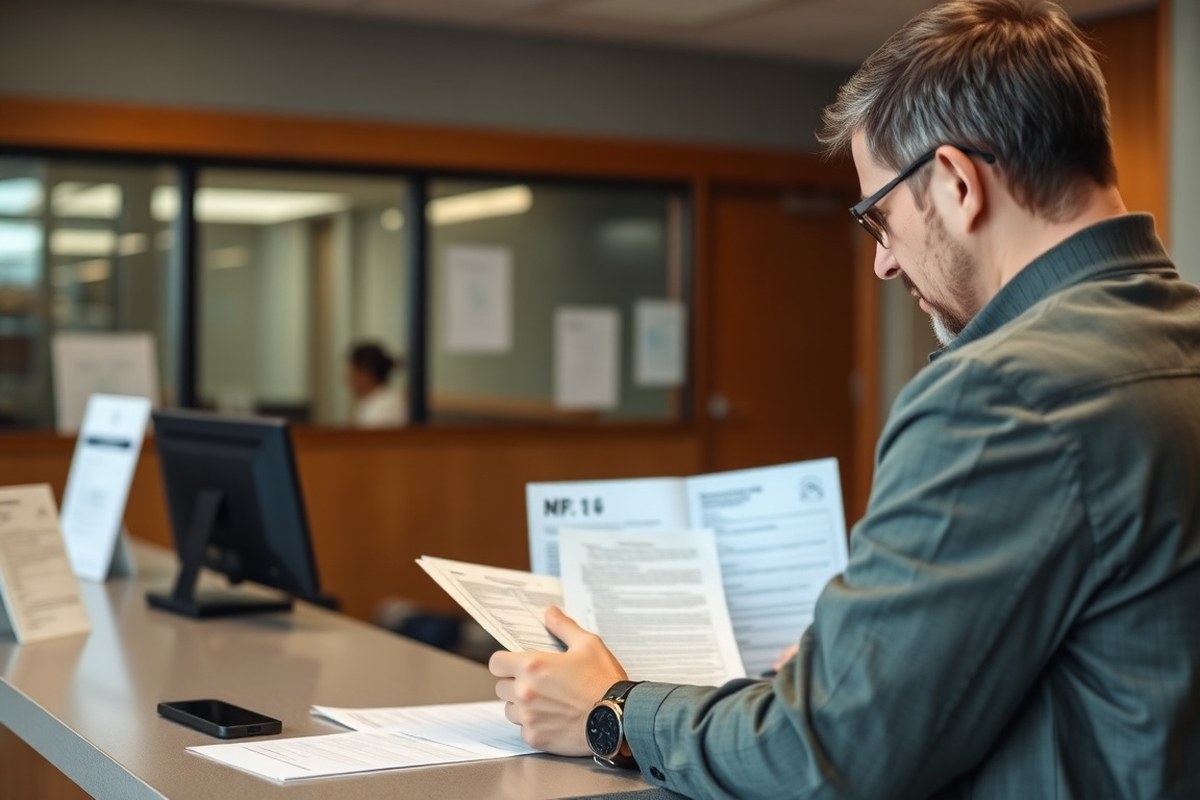
Applying for a concealed carry permit in Illinois requires a clear, methodical approach to meet the legal and procedural requirements. This process includes verifying your eligibility, completing mandatory training, submitting proper documentation and fingerprints, and successfully passing background checks. Following each step carefully helps avoid common delays or rejections. Here is the step-by-step process you should follow to apply for an Illinois concealed carry license:
- Verify your eligibility. Confirm that you are at least 21 years old, possess a valid Illinois Firearm Owner’s Identification (FOID) card if you are a resident, and meet all other eligibility criteria such as residency and no disqualifying criminal history.
- Complete the required 16-hour firearms training course. The training must comply with Illinois standards and cover firearm safety, relevant laws, and skill proficiency. This course is mandatory before you apply.
- Prepare your application materials. Fill out the application form available from the Illinois State Police (ISP) website, including providing proof of training completion and a current FOID card for residents. Non-residents must provide proof of their home state’s valid concealed carry permit.
- Submit fingerprints and a passport-style photograph. Schedule and complete fingerprinting through a state-approved vendor, which is necessary for the background check. Photos must meet ISP specifications; usually, a recent, clear headshot with a plain background works best.
- Pay the application fee. Pay $150 if you are an Illinois resident or $300 as a non-resident. Additional costs include fingerprinting fees and training course expenses, typically bringing the total cost between $300 and $500.
- Mail or submit your complete application package to the Illinois State Police. Ensure all documents, forms, fingerprints, and fees are included to avoid delays.
- Undergo the background check and wait for processing. The ISP has up to 90 days to process your application. During this period, they verify your eligibility and review your criminal record and other disqualifying factors.
- Receive your concealed carry permit or a notification if denied.Once approved, your permit will be mailed to you. Keep a copy of any correspondence and follow any instructions if your application is denied.
Submitting fingerprints correctly is essential. Use the Illinois State Police’s authorized fingerprint vendors, typically found via their website or law enforcement agencies. Provide clear, legible photos meeting their size and background standards to avoid rejection. The 90-day waiting period includes time for these checks and the mailing process. When the ISP finds any issues in the background check, it may cause longer delays or require additional documentation.
What Are the Eligibility and Training Requirements in Illinois?

You must meet several strict requirements to qualify for an Illinois concealed carry permit. This includes being at least 21 years old, holding an Illinois FOID card, and completing a mandatory 16-hour firearms training course with an approved instructor. The training ensures you understand and can safely handle firearms in real-life situations.
Basic Eligibility Criteria: Age, FOID Card, Residency
Applicants must be 21 years or older to apply for a concealed carry permit in Illinois. You need an Illinois Firearm Owners Identification (FOID) card before applying. This card confirms you are legally eligible to possess firearms in Illinois.
Residency plays a role mostly for Illinois residents, but non-residents must still follow state rules to obtain an Illinois permit. New Illinois residents have up to 60 days after getting their Illinois driver’s license or ID card before they need a FOID card, provided they aren’t otherwise prohibited from possessing firearms. Meeting these criteria creates a foundational legal eligibility for applying for the concealed carry license.
16 Hours of Firearms Training: Course Content and Providers
Completing 16 hours of training with a state-approved instructor is a strict requirement. This training covers firearm safety, handling, marksmanship, Illinois laws on lawful use of force, and proper storage. The Illinois State Police (ISP) must approve the instructors.
Training formats typically combine classroom instruction with live-fire exercises. The purpose is to prepare permit holders for responsible, lawful concealed carry and to address real-life self-defense scenarios.
- Classroom lessons on firearm laws and ethics
- Hands-on firearm safety handling
- Live-fire accuracy and shooting drills
- Training on conflict avoidance and de-escalation
- Review of consequences of unlawful firearm use
- Instruction on proper concealed carry methods and holstering
Expect to pay between $100 and $300 for this complete course. Proper documentation from the instructor is required to submit with your application.
Training Credit for Military and Out-Of-State Courses
Illinois offers partial credit towards the 16-hour training requirement. Members of the military or veterans with firearms training from another state approved by Illinois receive 8 hours of credit. This reduces the remaining required training to 8 hours. You need to provide proof of military service or course completion for the ISP to grant the credit.
Do not assume your prior training automatically meets Illinois standards; always confirm instructor approval and credit eligibility before enrolling.
These exceptions help experienced applicants save time while still meeting Illinois’ rigorous safety and legal education standards. Without this credit, you must complete the full 16-hour course to qualify. Partial credit is not available for renewal training, which always requires a 3-hour refresher course.
How Much Does It Cost and How Long Does the Application Take?
Applying for an Illinois concealed carry permit involves several fees and a variable processing timeline. Residents and non-residents pay different application fees, and additional costs come from fingerprinting and required training courses. Total costs generally range from $150 to $250, depending on where you complete fingerprinting and training. Processing times usually take around 90 days but can stretch longer if demand is high or applications are incomplete.
The Illinois State Police sets the application fee at $150 for residents and $300 for non-residents. Fingerprinting fees vary by vendor, typically between $10 and $50. Training costs depend on the instructor but generally run from $50 to $100. Your total expenses will sum these components, which are mandatory for all applicants.
Applicants should expect the permit approval process to take up to 90 days on average, although it can take as long as 180 days in peak periods or if background checks uncover complications. Delays often occur due to incomplete applications, missing paperwork, or fingerprinting errors. Submitting a thoroughly completed application and using an approved fingerprinting method helps avoid these delays.
| Fee Type | Cost for Residents | Cost for Non-Residents |
|---|---|---|
| Application Fee | $150 | $300 |
| Fingerprinting | $10, $50 | $10, $50 |
| Training Course | $50, $100 | $50, $100 |
Processing time starts when your complete application and fingerprint card are received by the Illinois State Police. You should allow about 90 calendar days before expecting to receive your permit. Applying early and avoiding last-minute submissions before permit expiration can prevent penalties for carrying without a valid license. Keep copies of all documents and check your application status online to reduce the chance of a lost case or unknown issues.
For example, if you submit your application on March 1, expect to receive a decision by early June unless additional checks prolong the timeline. If you notice delays nearing 90 days, contact the Illinois State Police licensing division for updates. An incomplete fingerprint submission is a common cause of delays, so use a certified vendor and confirm receipt of your records.
Where Am I Legally Prohibited from Carrying a Concealed Firearm in Illinois?
Illinois law restricts where you can legally carry a concealed firearm, even with a valid concealed carry license (CCL). Carrying a concealed weapon is prohibited in specific locations to improve public safety and prevent conflicts. Knowing these restrictions helps you avoid legal trouble and comply with state laws.
Under Illinois statute 430 ILCS 66/65, several places are off-limits for carrying concealed firearms. Establishments that derive more than 50% of revenue from alcohol sales, such as bars, prohibit concealed carry. Also, carrying a concealed firearm inside schools, universities, and their parking lots is banned. However, you may store a firearm in a locked vehicle on school property parking lots without exiting the vehicle with the weapon.
Vehicle storage rules differ slightly from on-person carry. You may keep a firearm concealed inside a locked container within your vehicle in the parking area of prohibited locations. This allowance ensures your firearm remains secure without violating carry restrictions. Illinois prohibits open carry both on-person and in vehicles, so concealment is mandatory for lawful carry.
| Location | Concealed Carry Allowed? | Notes |
|---|---|---|
| Bars and Establishments with >50% Alcohol Revenue | No | No concealed carry even with a valid CCL |
| Schools and Universities (buildings and grounds) | No | Includes classrooms, campuses, and parking areas |
| Vehicle Parking Lot of Schools/Universities | Yes (storage only) | Firearm must be locked and stay inside the vehicle |
| General Vehicle Carry | Yes | Concealed in a locked container or on your person with a CCL |
| Other Public Places | Varies | Check local laws and property rules |
Venues not expressly prohibited by state law may still ban firearms on their property by posting signs or policies. Respecting these rules avoids legal consequences. If you approach law enforcement while armed, Illinois law requires you to present your concealed carry license and notify the officer about your firearm before interaction.
Violating carry restrictions can result in serious charges like Aggravated Unlawful Use of a Weapon. Consultation with a qualified criminal defense attorney is essential if you face firearm-related offenses. Carrying concealed legally demands understanding these restrictions and observing all requirements strictly, ensuring safe and lawful firearm possession across Illinois.
How Do Non-Residents Obtain and Use Illinois Concealed Carry Permits?
Non-residents can apply for an Illinois concealed carry permit, but the process involves specific eligibility requirements, a higher fee, and additional documentation. Non-resident permits cost more and include different training rules than resident permits. Carrying privileges also vary depending on the states you visit with an Illinois permit.
Eligibility and Application for Non-Residents
To qualify for a non-resident Illinois concealed carry license, you must be at least 21 years old, possess a valid concealed carry license from your home state, and meet the same general eligibility criteria as residents. Applicants need to submit a notarized affidavit verifying their eligibility to hold a concealed carry license. An electronic copy of your home state concealed carry license is also required. These steps ensure Illinois verifies your qualifications before issuing the permit. How to apply as a non-resident:
- Obtain and scan an electronic copy of your existing concealed carry license from your home state.
- Complete the Illinois non-resident concealed carry license application form.
- Prepare a notarized affidavit confirming your eligibility.
- Submit your application, affidavit, electronic license copy, and the required $300 fee to the Illinois State Police.
- Wait for Illinois to complete background checks and process your application, which may take several weeks.
- Receive your Illinois concealed carry permit by mail if approved.
Fee and Training Distinctions Compared to Residents
Non-resident applicants pay a $300 fee, double the $150 charged to Illinois residents. The fee covers the additional administrative work and background checks involved. Training requirements differ as well: non-residents must have completed their home state’s training that qualified them for their existing concealed carry license. Illinois mandates 16 hours of training for residents but accepts the equivalent or higher hours from other states for non-residents. Key distinctions include:
- Application fee: $300 for non-residents versus $150 for residents.
- Training hours: Illinois requires 16 hours for residents but accepts home state certifications for non-residents.
- Supporting documents: Notarized affidavit and electronic proof of home state license are mandatory for non-residents.
- Renewal processes align, but non-residents must submit updates and renew every 5 years.
Make sure your out-of-state training and permit meet Illinois’ standards before applying to avoid application delays or denials.
Reciprocity and Carry Across State Lines
Illinois offers limited reciprocity, meaning your Illinois concealed carry permit may not be recognized in many other states. This affects how and where you can legally carry your concealed firearm outside Illinois. Conversely, Illinois requires non-resident applicants to hold valid concealed carry licenses from their home state as a baseline for eligibility.
Deciding where you can carry depends on checking each state’s laws regarding permit recognition. Some states have broad reciprocity, accepting Illinois permits, while others do not recognize them at all. Always verify the legal requirements and restrictions before carrying concealed across state lines. Checklist for carrying concealed out of state with an Illinois permit:
- Confirm if the destination state recognizes Illinois concealed carry permits.
- Understand the destination state’s prohibited locations and carry restrictions.
- Carry your Illinois permit along with valid photo ID when traveling.
- Respect any reporting requirements or conditions imposed by the destination state.
- Keep updated on changes in reciprocity laws, as they can shift over time.
What Is the Renewal Process and Continuing Education for Illinois Permits?
You should begin your renewal application up to six months before your Illinois concealed carry license expires. Renewals require specific continuing education training hours depending on whether it is your first renewal or a subsequent one. Combining your Firearm Owner’s Identification (FOID) card and Concealed Carry License (CCL) renewals into a single process is an option, simplifying the timeline and requirements.
When to Apply and Submit Fees for Renewal
The Illinois State Police recommends starting the renewal process up to six months before your current concealed carry license expires. You must submit the renewal application no later than 90 days before expiration. Missing this window means you cannot renew and must instead complete a new 16-hour training course and reapply as a new applicant.
Once you submit your renewal application within the allowed timeframe, expect to pay the standard renewal fee set by the Illinois State Police. You will receive a notification at least six months before your license expires outlining the renewal procedure and deadlines. Start early to avoid lapses in your permit, which can take weeks to process, especially if additional documentation or background checks are needed.
Continuing Education and Training Hour Requirements
Your first renewal requires completion of three hours of approved training within the 12 months before applying. After that, every five years you must complete at least three hours of continuing education related to concealed carry, firearms safety, or Illinois gun laws.
This training ensures you stay updated on legal responsibilities and safe handling practices. If you fail to complete this mandatory education or wait too long, you must take the full 16-hour initial training course and submit a new license application. Keep records of your training certificates and dates to make the renewal process smoother and avoid delays with the Illinois State Police.
Benefits of Combining Renewals for FOID and CCL
The Illinois State Police offers combined FOID and CCL cards. This option aligns the expiration dates for both cards, allowing you to renew them simultaneously. This reduces administrative hassle and ensures both licenses remain active without separate renewal processes.
When combining, you will receive a single notification six months before expiration with renewal instructions for both cards. You must still meet all training and eligibility requirements specific to each card. Combining renewals is practical for those who hold both permits, saving time and helping avoid accidental expiration of either the FOID or the concealed carry license.
- Check your current concealed carry license expiration date.
- Complete at least 3 hours of required training within 12 months before renewal if this is your first renewal; otherwise, ensure you meet continuing education requirements.
- Gather necessary documents, including your Illinois FOID card if applicable.
- Submit your renewal application online or by mail to the Illinois State Police no earlier than six months and no later than 90 days before expiration.
- Pay the required renewal fees when submitting the application.
- Wait for confirmation of renewal approval and your new license or combined FOID/CCL card.
What Legal Consequences and Compliance Rules Affect Permit Holders?
Carrying a concealed firearm in Illinois without a valid concealed carry license (CCL) is a serious violation that can result in criminal charges. Penalties for carrying without a permit include fines up to $1,500 and possible imprisonment, depending on the circumstances. The state treats unlawful Illinois concealed carry harshly to discourage untrained or unauthorized individuals from carrying firearms in public. Holding a valid CCL demonstrates that you have met state requirements and understand your legal responsibilities, helping avoid these penalties.
Even with a permit, strict compliance rules apply. Permit holders must avoid carrying in prohibited places like schools, government buildings, and private property where firearms are banned. It’s important to keep your permit on your person while carrying and only carry firearms permitted by your license. Using a firearm unlawfully, such as brandishing or carrying while intoxicated, can lead to loss of your CCL and criminal prosecution. You should always check local municipal ordinances as well since some cities in Illinois may have additional restrictions.
Consult a skilled criminal defense attorney immediately when facing charges related to concealed carry, whether from a suspected violation, an accident, or a false accusation. An attorney can guide you through legal proceedings, challenge improper charges, and protect your rights under Illinois law. Avoid giving detailed statements about the incident without legal counsel to prevent self-incrimination. Prompt legal advice improves your chances of a favorable outcome and helps you understand the full impact of the charges, including potential license suspension or revocation.
To maintain compliance and reduce risks, keep these steps in mind: always carry your CCL when transporting a concealed firearm, obey all signage and laws restricting firearm possession, and stay updated on changes to Illinois firearm statutes. You should consult an attorney beforehand when unsure about a situation or your rights. This methodical approach helps prevent legal pitfalls, safeguards your permit, and ensures responsible firearm carrying consistent with Illinois regulations.
How Do Recent Laws and Special Situations Impact Concealed Carry in Illinois?
The Protect Illinois Communities Act (PICA), set to take effect in 2026, will limit access to various semi-automatic rifles and magazines with high capacity. These restrictions do not prevent you from applying for or holding a concealed carry license (CCL). Always check that your firearm adheres to PICA rules before carrying to remain within the law.
Illinois legislation treats medical cannabis users with a concealed carry license differently. Holding a Medical Marijuana License or being a caregiver under the Compassionate Use of Medical Cannabis Pilot Program Act won’t prevent you from obtaining or renewing your concealed carry license. Your FOID card and concealed carry permit stay active provided your cannabis use complies with the law, covering the time until your medical card is revoked or up to one year after your last cannabis use, whichever is longer, in line with the federal Gun Control Act of 1968. Keep detailed documentation of your medical cannabis status and when you used it.
Residency changes after receiving an Illinois concealed carry permit require prompt action. Illinois law mandates that you update your address with the Illinois State Police within 30 days of moving. Failing to notify may affect your permit’s validity. Moving out of Illinois typically invalidates your concealed carry permit since it is only valid within the issuing state. Non-residents must apply through the non-resident application process and meet all Illinois requirements to carry legally within the state.
Deciding how to manage these special situations starts with a clear checklist: verify your cannabis status and document everything if relevant, confirm that any firearms you own or carry comply with PICA’s bans, and notify the Illinois State Police rapidly after changing your address. Keep a copy of your updated application or notification receipt for your records. Expect no additional fees for address updates, but failure to report can lead to complications during permit renewal or enforcement stops.
Always notify the Illinois State Police of any change in your address within 30 days to keep your concealed carry permit valid and avoid costly legal issues.
Step-by-Step Action Plan to Get Your Illinois Concealed Carry Permit
Follow these steps to complete your Illinois concealed carry permit application smoothly and stay compliant with all rules.
- Before You Apply: Confirm you meet eligibility requirements including age, residency, and lack of disqualifying criminal history. Check the Illinois State Police website to verify you qualify.
- Week 1: Complete the required 16-hour firearms training with an instructor licensed in Illinois. Keep your proof of completion for submission.
- Week 2: Gather all necessary documents: proof of residency, training certificate, and a valid Illinois FOID card if applicable. Prepare payment for the application fee ranging from $150 to $300 depending on residency.
- Week 3: Submit your application either online or by mail to the Illinois State Police. Verify that you receive a confirmation of application receipt.
- After Application: Complete fingerprinting and background check as directed. Track your application status online to ensure no additional steps are required.
- Within 90 Days: Await your permit approval or denial notice. If approved, review the permit carefully for accuracy and note any restrictions listed.
- Ongoing: Plan for permit renewal before expiration, including continuing education if required. Stay updated on changes to carry laws affecting your rights and responsibilities.
Frequently Asked Questions
Can I Apply for a Concealed Carry Permit in Illinois If I Am Under 21?
No, Illinois requires you to be at least 21 years old to apply for a concealed carry permit. This age limit applies unless you meet specific military exemptions or other rare exceptions.
Are There Any Medical Conditions That Disqualify Someone from Getting a Permit?
Yes, certain mental health conditions or being involuntarily committed can disqualify you. Illinois law requires applicants to disclose these conditions during the application process.
Can a Concealed Carry Permit Be Suspended or Revoked in Illinois?
Yes, permits can be revoked for legal violations or failure to comply with state laws. Staying informed about firearm regulations helps you maintain your permit status.
What Identification Is Needed When Applying for an Illinois Concealed Carry License?
You need a valid Illinois FOID card alongside your application. The FOID card verifies your eligibility to own firearms in the state.
Is Carrying a Firearm Allowed in Your Vehicle Without a Permit in Illinois?
Yes, only if you have a valid concealed carry permit or a similar valid permit from your home state. Vehicles have specific rules separate from general public carry.
Can Illinois Residents with a Concealed Carry Permit Carry in Neighboring States?
No, Illinois does not recognize concealed carry permits from other states, and your Illinois permit usually isn’t valid elsewhere. Always check local laws before carrying across state lines.
Final Thoughts
Getting your Illinois concealed carry permit involves clear steps of training, application, and compliance with specific laws. Acting promptly on the required documentation and staying informed about legal changes will help you carry confidently and legally. Begin by scheduling your certified firearms training to start the licensing process without delay.