Can a Glock Go Off by Itself? What Actually Happens and How to Prevent It
Can a Glock go off by itself? The short answer is no. Glocks feature a Safe Action system designed to prevent accidental discharges without a deliberate trigger pull. The best way to avoid any risks is to always maintain proper trigger discipline and ensure your Glock’s safeties are functioning correctly.
Key Takeaways
- The Glock Safe Action system uses three independent safeties to block accidental firing without trigger engagement.
- Negligent discharges mostly result from improper handling, not mechanical failures or inherent Glock design flaws.
- Dropping a Glock will not cause it to fire if all safeties are in place and the pistol is maintained properly.
- Full-sized and compact Glock trigger pulls are about 5.39 pounds, similar to other common pistols, which reduces accidental trigger squeezes.
- Check that the trigger safety moves freely and the firing pin safety engages fully during routine firearm inspections.
- Always use a trigger-guard holster and keep your finger off the trigger to minimize accidental trigger contact.
Can a Glock Go Off by Itself?

A Glock will not discharge without a direct, intentional pull of the trigger. Its Safe Action mechanism features built-in safeties such as a trigger safety that disables trigger movement without a central press, a firing pin safety that blocks the firing pin unless the trigger is fully engaged, and a drop safety that stops the gun from firing if it experiences impact or a fall.
Glock’s official stance is clear: the pistol will only fire when the trigger is intentionally pulled. The company states that the gun cannot fire without this action, making any discharge without a trigger pull extremely unlikely. This design means accidental discharges due to mechanical failure are rare, although possible if the internal mechanisms malfunction. Most accidental discharges involving Glocks result from human error or improper handling rather than failure within the firearm’s safety features.
For a Glock to fire without pulling the trigger, one of these safeties would have to fail simultaneously, which is very uncommon. In usual practice, the physical safety blocks require a full trigger pull, which exerts about 5.4 pounds (24 newtons) of force on full-sized or compact Glocks, to allow the striker to release and discharge a round. Smaller concealed-carry Glocks have a slightly heavier trigger pull around 6.3 pounds (28 newtons), adding another layer of prevention against accidental firing.
Handling and storing a Glock properly is critical alongside its mechanical safeties. The manufacturer advises always pointing the gun in a safe direction and keeping your finger outside the trigger guard until you’re ready to shoot. While internal safety failures like striker block malfunctions are uncommon, having a qualified gunsmith examine the firearm is necessary if you suspect any defects.
Glocks are designed to fire only when the trigger is intentionally pulled, minimizing accidental discharge risks. This mechanical reality supports safe handling, assuming the pistol is maintained properly and used as intended. Treat any unexpected discharge as a serious incident requiring careful review of your firearm’s condition and your handling practices. Regular checks for mechanical integrity by a qualified gunsmith can help ensure the safeties work as designed and reduce the risk of unintended firing.
How Glock’s Safe Action System Prevents Accidental Fire
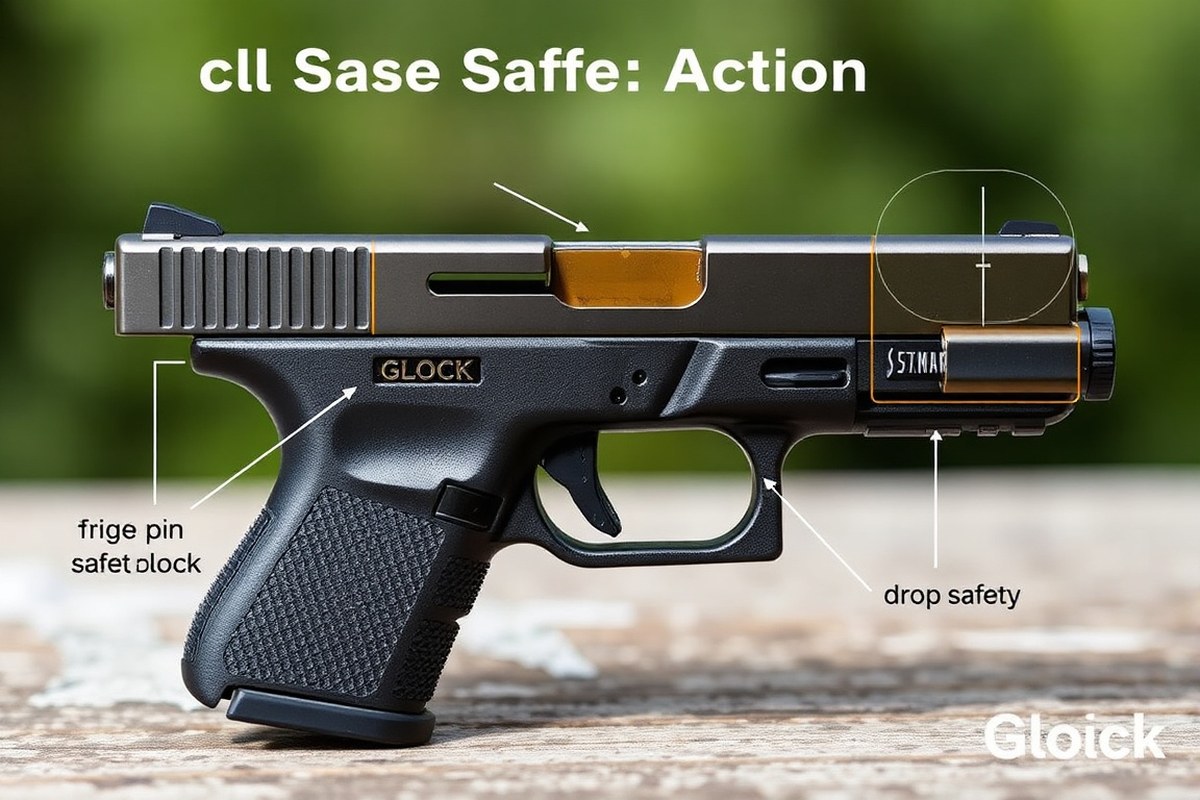
The Glock’s Safe Action system incorporates three internal safeties, the trigger safety, firing pin safety, and drop safety, that work together to prevent accidental discharges. Each safety physically blocks a part of the firing mechanism until the trigger is deliberately and fully pulled. This layered design makes it extremely unlikely for a Glock to go off by itself under normal conditions.
Trigger Safety Mechanism
The trigger safety is a small lever integrated into the Glock’s trigger itself. It blocks any lateral or incidental movement of the trigger unless the center portion is intentionally pressed. This precision-engineered component ensures the trigger cannot move rearward from side pressure or snagging, preventing unintentional firing.
Only by pressing the trigger safety inward with your finger can the trigger move fully to release the striker. This means the gun won’t fire if the trigger is bumped or jarred. The trigger safety acts as the first line of defense inside the Safe Action system, requiring deliberate finger pressure to begin the firing sequence.
Firing Pin Safety Function
The firing pin safety physically blocks the firing pin from moving forward and striking the primer unless the trigger is pulled. It’s a spring-loaded plunger that sits between the firing pin and the primer, preventing forward movement. When you pull the trigger, the firing pin block is pushed downward out of the striker’s path, allowing the firing pin to travel forward and fire the round.
This safety is important because it prevents the firing pin from striking the primer if the gun is dropped or receives a sharp impact. The firing pin safety is fully automatic and resets when the trigger is released. Without this mechanism, a striker could move forward unintentionally and cause a discharge.
Drop Safety Explained
The drop safety prevents the striker from moving forward and hitting the primer if the pistol experiences sudden impacts or is dropped. It functions by physically blocking the trigger bar from releasing the striker until the trigger is completely pulled. This ensures that the striker remains partially cocked and locked back inside the slide until you perform a full trigger pull.
The drop safety works in coordination with the trigger safety and firing pin block to ensure multiple layers of internal checks. It eliminates the risk that inertia or shocks could release the striker unintentionally, providing redundancy that stops accidental firing even under rough handling or accidental drops.
Regularly check your Glock’s safeties by dry-firing in a safe direction to confirm that the trigger and firing pin safeties engage properly before use.
What Causes Negligent Discharges with Glocks?
Negligent discharges with Glocks happen almost exclusively due to human error and improper handling. Understanding how these errors occur, especially related to trigger control and holster use, helps you prevent accidental firing. Careful discipline and attention to safe handling practices reduce the risk significantly.
Definition and Common Causes
A negligent discharge occurs when the firearm fires due to a mistake or failure in following safety rules, such as unintentionally pulling the trigger. This differs from an accidental discharge, which might result from a mechanical failure or an unknown defect. With Glocks, negligent discharges are far more common than mechanical-related fires, since these pistols require the trigger to be deliberately pulled to fire.
Most unintended firings result from failing to keep your finger off the trigger until ready to shoot, mishandling the firearm during recoil recovery, or improper holstering techniques. Negligent discharges stem from distractions, lack of training, or muscle memory errors that cause unintentional trigger engagement. Since the average Glock trigger pull requires roughly 5.39 pounds of force, it’s usually operator error, like a sloppy grip or improper finger placement, that leads to firing.
Impact of Trigger Finger Placement
Trigger finger placement is the most critical factor in preventing negligent discharges. Resting your finger on the trigger before you’re ready to shoot greatly increases the chance of an accidental pull, especially during reholstering or movement. Proper trigger discipline means always keeping your finger indexed straight along the frame, above the trigger guard, until you consciously decide to fire.
Poor trigger control often happens when users are unfamiliar with trigger weight or forget muzzle awareness under stress or distraction. Even slight, unintentional pressure on the trigger can disengage multiple safeties inside the Glock and cause the pistol to fire. Consistent practice to build muscle memory for safe finger placement protects against these errors, particularly for law enforcement or home defense users who carry under pressure.
Holster Design and Handling Errors
Holsters that fit improperly or offer poor retention increase negligent discharge risks. Incorrect holstering techniques, such as rushing to reholster with the finger on the trigger or forcing the pistol into a tight or worn holster, can cause the trigger to catch on the holster or clothing and fire. Some lower-quality holsters lack adequate trigger guard coverage, which is a critical feature for preventing accidental trigger contact.
Using a holster designed specifically for your Glock model, ensuring it covers the trigger guard fully and offers secure retention, significantly reduces risks. Practice smooth, deliberate holstering motions with trigger discipline to avoid unintentional trigger pull caused by snagging. Regular inspection of holsters for wear or deformation can prevent changes that expose the trigger. Avoid reholstering during high-stress moments without verifying safe finger and muzzle control first.
Can Dropping a Glock Make It Fire?
A Glock pistol contains multiple mechanical safeties that prevent accidental discharge from a fall. A drop safety mechanism blocks the firing pin until the trigger is deliberately pulled. Along with the trigger safety and firing pin safety, these features work together to ensure the firearm only fires under intentional trigger engagement.
Each safety layer must be simultaneously engaged for the firing pin to release and strike the primer. For example, the firing pin safety blocks the striker’s forward movement until it is pushed aside by the trigger bar. The drop safety tab prevents the firing pin from advancing if the pistol experiences sudden impacts, like a fall. Since the striker in a Glock is only partially cocked before the trigger is squeezed, these safeties work together to prevent accidental release of the firing pin during abrupt mechanical shocks.
Glocks meet strict industry safety standards requiring that a firearm remains safe if dropped from typical heights encountered during normal carry or handling. Real-world incidents where a Glock reportedly fired simply from being dropped are extremely rare and often involve additional factors such as improper maintenance, modifications, or abnormal handling conditions. In fact, if the slide is not fully in battery, meaning not locked all the way forward, a Glock cannot fire, adding another level of protection against accidental discharge in drop scenarios.
Manufacturers introduced drop safeties in modern striker-fired pistols like Glocks after older firearm designs without such features were found to be vulnerable to drop-fire. Those legacy models often relied on heavier trigger pulls or manual safeties but lacked mechanical blocks against firing pin movement due to impact. This makes Glocks and similar modern handguns far more reliable in preventing drop-related discharges.
In practice, properly maintained and unmodified Glocks will not fire if dropped on hard surfaces. Most accidental discharges attributed to dropping are instead caused by human error, such as external objects partially depressing the trigger or holster malfunctions. Regular inspection of the firearm’s safeties, ensuring the trigger is clean and functioning properly, helps maintain these preventative features. Should you notice damage or wear that raises doubts about your Glock’s safeties, contacting a licensed gunsmith is the recommended way to verify the drop safety and other components still function correctly.
Trigger Pull Weight and How It Affects Accidental Firing
Glock pistols generally have a trigger pull weight between 5.5 and 7 pounds. This level is comparable to many other popular handguns, such as the 1911A1, which typically ranges from 4.5 to 6.1 pounds out of the box, and the Beretta 92, which uses a heavier initial pull of about 13 pounds for the first shot and roughly 5 pounds for subsequent shots. Glock’s trigger pull is not unusually light when compared to these standards, but it does tend to be consistent and smooth. This consistent pull weight affects how shooters perceive the trigger’s sensitivity and grip control, which in turn can influence accidental discharges.
Trigger pull weight is important because it determines the amount of force needed to fire the gun. Lighter triggers require less force, which makes them feel more sensitive but can increase the risk of accidental firing, especially for inexperienced users who might press the trigger habitually or inadvertently. Heavier triggers demand more deliberate effort, which can reduce the chance of unintended shots but might affect shooting accuracy and speed under stress. The Glock strike system incorporates a trigger safety designed to require a direct, centered pull to operate, reducing false triggers from side pressure or objects pressing against the trigger.
| Handgun Model | Approximate Trigger Pull Weight (lbs) |
|---|---|
| Glock (various models) | 5.5 – 7 |
| 1911A1 | 4.5 – 6.1 |
| Beretta 92 | Initial: 13, Subsequent: 5 |
Understanding how trigger pull weight relates to accidental discharges helps in selecting and training with a handgun. Since a lighter trigger can be more prone to unintended activation, deliberate practice and proper handling are essential to prevent negligent discharges. For example, while a 5-pound pull might feel easy to manipulate, it also means that pocket lint or fabric snagging in the trigger guard could produce enough drag to overcome the trigger safety if the gun is not holstered correctly.
Training that emphasizes dry-fire practice, safe trigger discipline, and attention to environmental factors can compensate for any perceived sensitivity. Evaluating your own reaction and comfort level with the trigger pull weight of your Glock compared to other pistols helps ensure safer handling. If you find the trigger too light or too heavy, professional gunsmiths can perform adjustments or install aftermarket trigger kits that slightly alter pull weight to better suit your needs without compromising safety systems.
Always keep your finger outside the trigger guard until you are ready to shoot; this is the most effective way to prevent accidental discharges regardless of trigger pull weight.
Mechanical Failures That Can Cause Unexpected Firing
Mechanical failures that might cause a Glock to discharge unexpectedly are very rare but can happen due to faults in the trigger mechanism, striker assembly, or general wear. Recognizing symptoms like a sticky trigger, failure of the striker to hold or release properly, or unusual trigger reset can signal internal problems. Professional gunsmith inspection and repair are necessary once these signs appear to maintain safe operation.
Trigger Mechanism Faults
The trigger system in a Glock includes multiple safeties that must engage and disengage in exact order for the firearm to fire. Faults in this mechanism, such as a trigger bar that does not move smoothly or a trigger safety that sticks, can cause incomplete or unintended firing sequences. A common symptom of trigger issues is a trigger that feels unusually heavy or light, or one that does not reset fully after a shot.
Because the trigger bar must release the sear to free the striker, any misalignment or wear causes unpredictable behavior. Checking for smooth trigger pull and a firm, complete reset after firing is a good first step. If you notice a trigger that occasionally drags or sticks, or fires without a deliberate pull, it is time to stop shooting and consult a qualified gunsmith.
Striker and Firing Pin Issues
The striker assembly includes the firing pin and internal blocks that prevent the firing pin from contacting the primer unless the trigger is pulled. Failure of the firing pin safety or a broken firing pin spring can cause the firing pin to move forward unexpectedly, which can ignite a cartridge without trigger input. Issues like “slamfires,” where a round discharges as it is chambered, also arise from striker-related malfunctions.
Symptoms of striker or firing pin failure include the gun firing when dropped, failure of the slide to lock back on an empty magazine, or clicking sounds without trigger movement. Vigilance is needed if you notice inconsistent primer strikes or your Glock discharges when placing a round into the chamber. Immediate professional evaluation is necessary, as internal striker problems can be dangerous and are beyond simple user repair.
Wear and Tear Impact
Over time, the Glock’s internal parts experience wear from use, environmental factors, and improper maintenance, which can degrade safety features and cause malfunctions. Components like the trigger bar, sear, and striker springs weaken or become worn, increasing the risk of unintentional discharges. Regular cleaning and inspection help prevent these issues, but worn parts must be replaced by a gunsmith.
Signs that wear has affected your Glock include a gritty or rough trigger pull, failure of the trigger to reset consistently, or sudden changes in trigger weight. Professional gunsmiths will inspect for metal fatigue, corrosion, or broken springs and provide the necessary repairs or part replacements. Repair costs vary but expect professional service for a Glock trigger or striker repair to range from $50 to $150, depending on parts and labor.
How to Check Your Glock’s Safeties Are Working Properly
Checking your Glock’s safeties ensures the firearm won’t fire unintentionally. You need to verify the trigger safety, striker block, and drop safety work as designed. These components hold the striker in place until you pull the trigger fully. Testing them yourself confirms no internal parts have worn out, are damaged, or improperly lubricated, which can impact safe operation.
Start with the trigger safety. This lever sits inside the trigger and blocks it from moving unless depressed. To check it, look for smooth movement when pressing the trigger safety lever with your finger while the trigger remains at rest. You should feel a clear click and notice the lever returns to its original position freely. Any sticking or lack of movement suggests dirt, wear, or damage, which needs addressing before use.
The striker block prevents the firing pin from moving forward until the trigger pull releases it. After racking the slide, manually check the striker block is engaged by attempting to gently move the firing pin forward without pulling the trigger. It should not move under light pressure. When it slides easily, the striker block may fail, so have a professional inspect it. Remember that altered lubrication or minor material changes can happen but should not affect the striker block’s function.
Drop safety prevents the Glock from firing when subjected to impact or shaking. This is harder to test at home safely but do a visual and functional check. Ensure the trigger isn’t pulled and apply firm downward pressure on the firearm’s frame, or carefully tap it on a padded surface. The weapon must not fire, confirming the drop safety works. Excessive wear or missing parts here also calls for a gunsmith’s review.
- Confirm trigger safety lever moves freely and resets after depression.
- Rack slide then check firing pin does not move forward under gentle pressure.
- Ensure no obstruction or debris inside the trigger guard or around the trigger safety.
- Visually inspect for wear or damage on trigger bar, firing pin safety, and related internal parts.
- Test drop safety by applying firm downward force with trigger at rest, ensuring no discharge.
- Keep lubrication correct; excess or lack can affect safety operation.
Proper function of these safeties depends on correct assembly and maintenance. Deviations from factory tolerances, aftermarket parts, or excessive wear can compromise safety operation. Any failure in testing or abnormal trigger feel means you should not use the firearm until a qualified gunsmith checks it. Regular inspection after holstering or cleaning maintains safety. Checking the holster and trigger guard for debris ensures the trigger safety isn’t accidentally engaged when holstering or drawing your Glock.
Proper Handling and Storage Tips to Prevent Accidental Discharges
Maintaining strict trigger discipline is your first line of defense against accidental discharges with a Glock. Always keep your finger off the trigger and outside the trigger guard until you have positively identified your target and made the decision to shoot. This habit prevents unintentional pulling of the trigger during handling or holstering. Never rely solely on the mechanical safeties of the Glock; human control is essential.
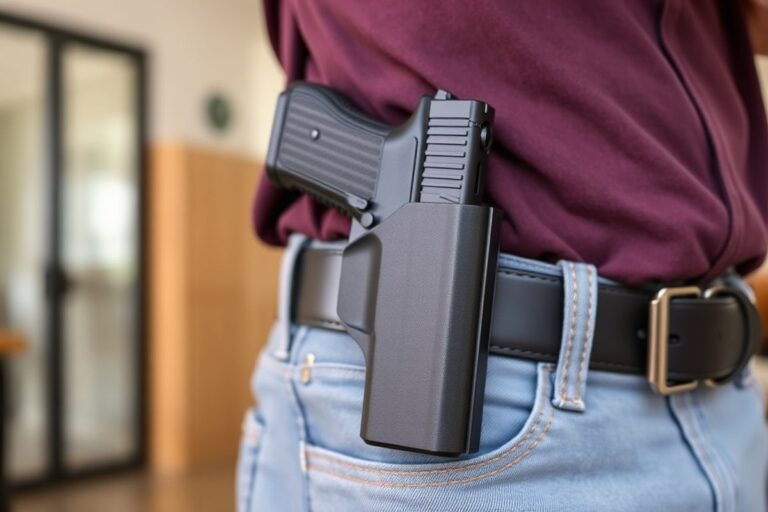
Choosing the right holster plays a critical role in preventing unintentional firing. Select a holster that fully covers the trigger guard with rigid material that resists compression. This prevents your finger or objects like clothing from accidentally contacting the trigger during movement or draw. Proper retention and fit ensure the firearm stays securely in place, further minimizing handling risks.
Safe home storage is equally important. Store your Glock unloaded and locked in a secure gun safe or lockbox that meets local regulations. Use a quality gun lock device inside the chamber or trigger area for added safety. This two-layer protection prevents unauthorized access by children or others and decreases the chance of a negligent discharge. Position the storage container away from extreme temperature or humidity to preserve the firearm’s condition. These practices should be repeated consistently:
- Always point the muzzle in a safe direction
- Keep your finger outside the trigger guard until ready to fire
- Use a holster that fully covers and protects the trigger area
- Store the Glock unloaded in a locked safe or lockbox
- Employ an additional internal lock device for the firearm
- Regularly inspect the holster’s retention and condition
- Perform routine firearm maintenance and safeties check
Never assume your Glock is safe just because it has internal safeties; always practice solid trigger discipline and control.
Home defense users should tailor storage methods to balance quick access with security. For example, biometric safes priced between $150 and $300 can allow fast retrieval while keeping the gun inaccessible to unauthorized persons. Meanwhile, law enforcement and concealed carry users need holsters with reinforced trigger guards and retention straps or locking systems to ensure safety during active movement. Regularly practicing safe handling routines, combined with secure storage solutions, reduces accidental discharge risks to the lowest possible level in everyday use.
Common Myths About Glock Accidental Firing Explained
The notion that Glocks can discharge on their own or without a trigger pull does not align with their design or operation. Glocks feature a “Safe Action” mechanism that demands an intentional pull of the trigger to fire. A trigger safety blocks the firing pin’s movement until the trigger is completely pressed. Properly maintained Glocks have no mechanical feature that permits accidental or spontaneous firing.
Concerns often arise around the lack of an external manual safety lever on Glocks. While some pistols include an external safety that must be disengaged before firing, Glock’s design relies on internal safeties combined with a consistent trigger pull. The absence of an external safety doesn’t mean the gun is unsafe. Instead, it puts more responsibility on the user to always keep their finger off the trigger except to shoot. Carrying and handling a Glock properly means you treat every trigger pull as intentional.
Another myth involves the trigger pull weight contributing to unintended discharges. Glock triggers generally have a pull weight around 5.5 pounds. This weight balances the need to prevent accidental pulling while still allowing controlled, reliable firing. A trigger that is too light might increase the risk of unintentional discharge, but a heavier trigger could decrease shooting accuracy. The engineering of the Glock trigger achieves a middle ground: enough resistance to prevent accidental pulls while not being so stiff that shooters struggle to fire when needed.
Believing a Glock is prone to firing “by itself” ignores that every discharge requires a chain of actions. Something must mechanically release the firing pin, which only happens after a clean trigger pull. Drop safety mechanisms inside the pistol stop it from firing if it falls. Without sustained trigger engagement, the firing process cannot start. Many accidental discharges involve negligence, such as finger placement on the trigger or unsafe handling, not a random malfunction or design flaw.
The responsibility to prevent unintended firing lies with how you handle your firearm. Proper trigger discipline, safe storage, and regular maintenance go a long way in preventing accidents. Relying on Glock’s internal safeties without following basic safety rules increases risk. Remember, no firearm can be considered “safe” simply because of how it is built. Safe use means always controlling the trigger and understanding your pistol’s function.
Why Some Law Enforcement Holstered Glocks Have Discharged
Several documented cases have shown Glocks discharging while holstered on law enforcement officers. Incidents reported between 2012 and 2015 in cities such as New York, Los Angeles, Florida, and Texas involved Glocks firing without the trigger being pulled. Each time, the firearm was holstered, and no mechanical failure was found to cause the discharge. These events highlight how holster design and handling errors, rather than the pistol itself, lead to unintended firing.
In these cases, one common contributing factor was holsters that allowed access to or undue pressure on the trigger. If the holster is worn incorrectly, loose, or made from soft materials without adequate trigger coverage, the trigger can be snagged or pressured by gear, clothing, or body movements. This can cause the trigger to move enough to fire the weapon, despite Glock’s Safe Action system, which requires intentional trigger pull. Officers who holster quickly or carry weapons in non-retention holsters increase the risk of such incidents.
Another important factor comes down to training and procedural discipline. Proper holstering technique, such as visually confirming positive engagement, using holsters specifically designed for the Glock model, and maintaining a consistent carry position, reduces accidental trigger contact. Agencies emphasize keeping fingers outside the trigger guard and off the trigger until ready to fire, especially during drawing or reholstering. Also, using holsters with retention features that cover the trigger guard completely adds a critical layer of safety.
Training exercises that simulate real-world carry and movement patterns help officers become familiar with their holsters and detect any improper fit or movement that could cause a catch on the trigger. Departments may require training refreshers periodically to reinforce these safe habits. For example, a basic training script for officers involves slow draws and reholstering under supervision, checking for trigger engagement, and proper finger placement on the frame.
When an unintended discharge occurs, securing the area quickly is important. Officers and bystanders should move to a safe distance, avoid handling the firearm further, and notify the appropriate authorities to investigate. This prevents further accidents and helps determine whether handling or equipment issues were involved. Such incidents underline why mechanical safeties cannot replace proper holster choice, meticulous handling techniques, and regular training.
When to Seek Professional Gunsmith Inspection or Repairs
Having your Glock professionally inspected at least once a year or every 5,000 to 10,000 rounds is a practical rule to keep it in safe working order. Regular inspections help catch mechanical issues before they lead to malfunctions or accidental discharges. A gunsmith can thoroughly examine internal safeties, trigger components, and overall firearm integrity, which goes beyond what routine user maintenance can achieve.
Look for warning signs that suggest a mechanical problem. These include unusual trigger feel such as a too-light or overly gritty pull, failure of the trigger to reset properly, unexpected clicks or dry firing without trigger input, and inconsistent slide movement or locking. Any of these behaviors can indicate wear, damaged parts, or improper assembly that could impact the safe function of your Glock. If you notice these issues, avoid using the firearm until a professional evaluates it.
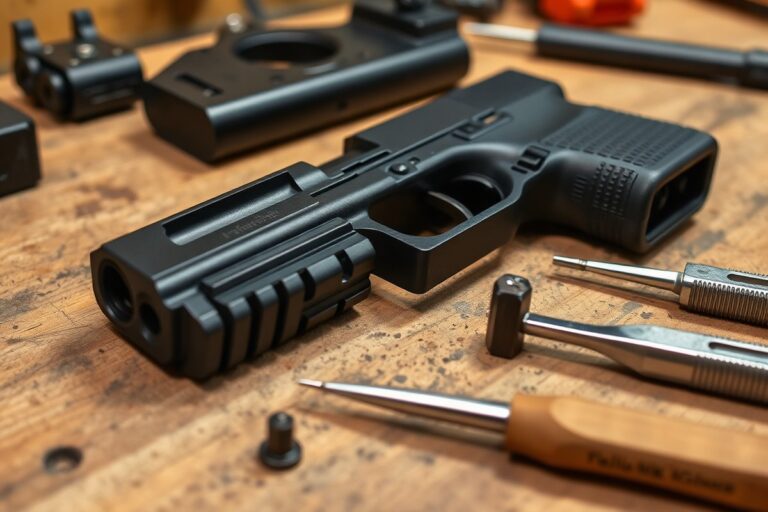
Gunsmiths can repair or replace worn safeties like trigger safeties, firing pin blocks, and drop safeties. They can also correct alignment problems and re-lubricate parts to ensure smooth operation. Repairs typically involve disassembling the firearm and using specific tools suited to Glock models. Costs vary depending on the extent of maintenance or parts needed, but expect professional inspection and minor repairs to start around $50 to $100. Significant repairs or parts replacement can increase this price.
Good results from a professional inspection mean your Glock’s safeties operate smoothly and consistently, trigger pull weights remain within factory specifications, and there’s no unusual wear on critical components. Post-repair testing ensures the firearm does not fire without intentional trigger pull and cycles correctly. Returning a Glock that continues to show warning signs after repairs suggests either improper work or deeper mechanical issues requiring further evaluation.
For those who use their Glock heavily for duty or training, scheduling inspections closer to every 5,000 rounds is wise. Casual users with fewer rounds fired annually may follow the one-year interval. Keeping a log of rounds fired helps make this decision clear. Consistently following manufacturer maintenance recommendations reduces risk and extends firearm lifespan.
Failing to address warning signs immediately can turn minor mechanical issues into safety hazards; never hesitate to contact a gunsmith if your Glock behaves unusually.
Step-by-Step Action Plan to Prevent Accidental Glock Discharges
Follow these steps to ensure your Glock remains safe and reliable every time you handle it.
- Day 1: Familiarize yourself with the Safe Action system by reading your Glock’s manual. Confirm you understand how the trigger safety, firing pin safety, and drop safety work together.
- Day 2: Perform a safety function check. With the firearm unloaded, pull the trigger safely and dry-fire to feel the trigger pull and reset. Make sure the trigger acts smoothly without sticking or unusual resistance.
- Week 1: Store your Glock securely in a locked safe or lockbox. Use a trigger lock or cable lock as an additional safety layer to prevent unauthorized use or accidental handling.
- Week 2: Engage in regular dry-fire practice to maintain trigger discipline and control. Always keep your finger off the trigger until ready to shoot.
- Month 1: Inspect your Glock’s mechanical parts for dirt, damage, or signs of wear. Clean and lubricate according to the manufacturer’s guidelines to prevent mechanical failures.
- Every 6 Months: Have a qualified gunsmith inspect your Glock, especially if you notice any unusual trigger behavior or if the gun was dropped or exposed to harsh conditions.
- Before Every Use: Check your Glock is unloaded before holstering, cleaning, or handing it to someone else. Practice safe handling at all times.
Frequently Asked Questions
Can a Glock Fire If Dropped on a Hard Surface?
A properly maintained Glock should not fire if dropped due to its Safe Action system, which requires a trigger pull to discharge. Regular inspections ensure internal components remain intact to prevent accidental firing from impact.
Is It Possible for Moisture or Dirt to Cause a Glock to Fire Accidentally?
Moisture or dirt alone won’t cause a Glock to fire accidentally if you keep it clean and well-lubricated. Neglecting maintenance might affect function but won’t override the trigger safety mechanisms.
Can Glock Triggers Become Lighter with Use, Increasing Accidental Fire Risk?
Trigger pull weight can vary slightly with use but should not become light enough to cause accidental discharge. Regular trigger inspections and professional checks help maintain safe trigger pull resistance.
Does Reholstering a Glock Increase the Risk of Unintentional Firing?
Reholstering carries slight risk if the trigger is unintentionally engaged; however, Glocks require a deliberate trigger pull to fire. Controlled, careful reholstering minimizing finger contact with the trigger prevents mishaps.
Are Aftermarket Glock Triggers More Likely to Cause Unintentional Firing?
Aftermarket triggers that are poorly manufactured or installed can increase accidental firing risk by altering trigger pull characteristics. Use only reputable parts installed by qualified professionals to maintain safety standards.
Can a Glock Fire If the Striker Spring Is Broken or Weakened?
A broken or weakened striker spring may prevent firing rather than cause accidental discharge, but it compromises safety and reliability. Have a gunsmith inspect and replace damaged striker springs immediately.
Final Thoughts
A Glock is designed not to fire by itself due to its Safe Action system and trigger safeties, but proper handling and routine checks are essential to prevent negligent discharges. Take time to understand your firearm’s safety features and maintain it regularly. The next best step is to perform a thorough safety check right now to confirm your Glock is functioning correctly before any use.