What Happens to Ammo in a Fire: A Complete Guide to Safety and Risks
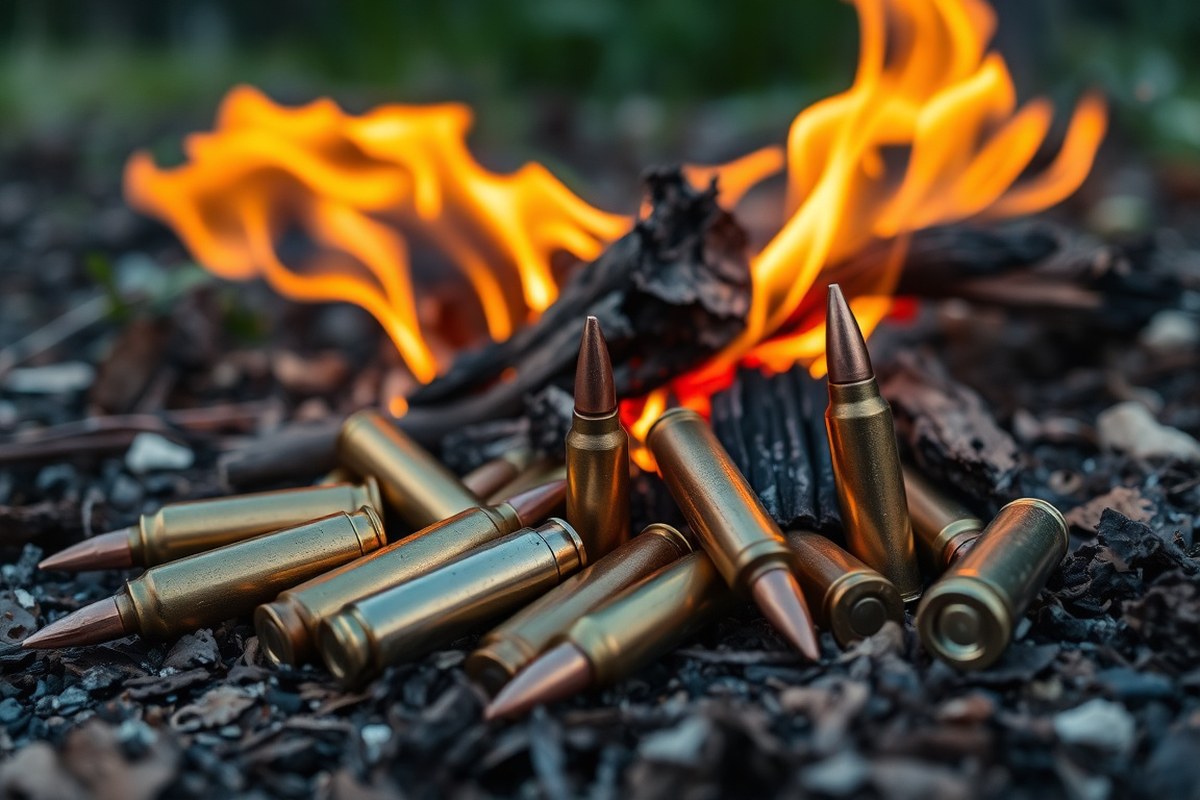
Ammo exposed to fire heats up until the gunpowder inside reaches about 250°F and ignites, leading cartridges to burst and create loud popping sounds. Loose bullets may eject but usually travel only around 10 feet since they lack the pressure buildup found in a firearm’s chamber. Keep ammunition stored in cool, dry areas, well away from heat sources, to avoid accidental ignition.
Key Takeaways
- Ammunition typically begins “cooking off” at about 250°F, producing loud pops without significant bullet propulsion.
- Loose ammo in fires rarely fires bullets with enough force to travel more than 10 feet.
- Only about 5% of ammo rounds actually discharge during typical fire incidents.
- Chambered ammunition may produce more force than loose ammo but is still unlikely to cause projectiles to travel far in uncontrolled fires.
- Heat exposure weakens ammunition stability quickly; do not attempt to use ammo that has been exposed to fire.
- Fire-damaged ammunition should be handled carefully, ideally by professionals, to avoid accidental discharge or injury.
How Ammunition Reacts When Exposed to Fire

Ammunition begins to undergo significant physical and chemical changes when heated to around 250°F. At this temperature, the gunpowder inside the cartridge starts to ignite, a process commonly known as “cooking off.” Unlike firing a round in a firearm, where a striker hits the primer to ignite the powder and propel the bullet, heat causes the gunpowder to burn uncontrollably. The lack of mechanical impact means the primer may not ignite in the usual way, so the cartridge typically ruptures rather than firing properly.
The primer is the first component likely to ignite under intense heat because it contains sensitive explosive compounds designed to ignite upon impact. However, without the focused strike from a firing pin, primers in loose ammunition usually ignite irregularly rather than detonating fully. Inside the cartridge, as the temperature rises, the gunpowder burns rapidly and generates expanding gases that increase pressure. This pressure buildup exceeds the strength of the cartridge case, causing it to rupture and produce loud popping sounds.
This rupture releases the bullet and hot gases, but unlike shots fired from a gun, these projectiles generally travel a very short distance due to the lower pressure and lack of a controlled explosion. The bullet’s velocity after a cook-off event rarely exceeds distances around 10 feet, making it less dangerous over longer ranges. The reaction is more of a rapid venting of gases rather than an explosive detonation, meaning the danger zone is relatively small but still present.
The type of ammunition, whether rimfire or centerfire, does not significantly change the cooking off temperature or the process. Both types respond similarly to heat in fires. If multiple rounds are exposed, they may cook off sequentially instead of all at once. This can cause a series of popping sounds rather than a single large explosion.
In practical terms, understanding these changes is important for storage and safety decisions. For example, fireproof safes can help reduce the risk of ammunition exposure to enough heat to cook off, but no storage is completely foolproof during intense fires. Keeping ammo in cool, dry conditions minimizes the chance of accidental ignition due to heat. Handling ammunition after it has been exposed to fire can be dangerous because the cartridges may be weakened or partially discharged, increasing the risk of unexpected rupture.
Heat exposure causes the gunpowder and primers in ammunition to react unpredictably, primarily by igniting and rupturing cartridges rather than creating high-velocity bullets. While these reactions make loose ammunition in fires hazardous, they do not typically result in explosive detonations. Knowing these specifics helps you manage ammunition safely before, during, and after fire exposure.
Why Ammo Usually Just Pops and Bullets Don’t Travel Far in Fires

Ammunition exposed to fire often produces popping sounds rather than causing bullets to shoot far or with lethal force. This difference comes primarily from the absence of a firearm’s barrel and the confinement it provides. Without the barrel’s structural support, the pressure generated when gunpowder ignites cannot build up sufficiently to accelerate the bullet to high velocity.
Loose rounds in a fire tend to “cook off” at around 250°F, igniting the powder inside the cartridge. This ignition causes the cartridge case to rupture or split instead of concentrating pressure behind the bullet. As a result, bullets from burning loose ammo generally travel only a few feet, often less than 10 feet, and at low speeds. This limited projectile travel makes them unlikely to cause serious injuries at a distance.
In contrast, when ammo is chambered inside a gun exposed to fire, the metal barrel confines expanding gases as the powder burns. This confinement dramatically increases pressure, sometimes above thousands of pounds per square inch (psi), which launches the bullet at a lethal velocity similar to normal gunfire. Chambered rounds in fires have caused fatal injuries, making them significantly more dangerous than loose rounds.
The reason bullets from loose ammo do not explode or travel far is largely due to how pressure develops and releases. When the cartridge case fails to contain the rapidly expanding gases, it ruptures, releasing gas to the atmosphere instead of building up behind the bullet. This reaction prevents the bullet from accelerating and produces a pop or bang noise rather than a powerful shot.
Loose ammunition discharging in a fire creates hazards mainly through metal fragments and noise. Case fragments can cause minor injuries or start additional fires if they ignite nearby combustibles. Despite this, serious injury risk from loose rounds in fires remains relatively low compared to chambered ammo. Studies suggest only about 5% of rounds in typical fires discharge, and those that do usually lack the force to travel far.
The limited distance most bullets travel when loose ammo ignites stems from insufficient chamber pressure and the absence of barrel guidance. For example, expelled projectiles typically travel fewer than 10 feet, often landing near the fire source. This short range reduces the risk zone around burning ammo but still calls for caution to avoid injury from flying debris or fragments.
Never toss loose ammunition into a fire, as even low-velocity projectiles and metal fragments can cause injury or ignite surrounding materials.
Differences Between Loose Ammunition and Chambered Ammo in Fires
Loaded firearms caught in a fire create a significantly higher risk than loose ammunition due to how chambered rounds behave under intense heat. When ammunition is loaded and confined within a barrel, the expanding gases generated by the ignited powder do not simply vent outward. Instead, the chamber acts as a pressure vessel, forcing the bullet forward with considerable force. This confinement can cause a round in a chambered firearm to fire unexpectedly, turning the gun itself into a dangerous projectile launcher. Loose ammo, by contrast, often just ruptures or “cooks off,” releasing gases and fragments without the same directional propulsion.
The key difference lies in the concept of barrel confinement. In a loaded firearm, the chamber and barrel create a sealed space that allows the pressure from expanding gases to build up rapidly when ignited. Normally, the firing pin initiates this reaction in a controlled environment. In a fire, external heat can ignite the primer and powder without setting off the primer intentionally, but the pressure is still contained within the barrel, propelling the bullet. Loose ammunition has no such containment, so the expanding gases burst the cartridge case open instead of pushing a projectile.
| Aspect | Loose Ammunition | Chambered Ammunition |
|---|---|---|
| Pressure Build-up | Limited; cartridge case explodes open | High; pressure confined in barrel |
| Projectile Movement | Fragments scatter randomly; no high-velocity bullet | Bullet propelled forward at high speed |
| Hazard Level in Fire | Moderate; gas and fragments but limited range | High; potential for firearm to act like a launcher |
| Safety Precautions | Store away from heat sources; avoid throwing in fire | Store in fire-resistant safes; keep unloaded when possible |
The greater danger from chambered ammo comes from the barrel’s function as a high-pressure space. Without that confinement, dangerous gases and bits of casing might fly in various directions but lack sufficient force to cause widespread damage. This is why a firearm loaded in a hot environment can fire a round unexpectedly if exposed to flames, whereas loose ammunition generally causes localized pops or small ruptures. Fire safety for guns often emphasizes storing firearms unloaded when fire risk is a concern, or at minimum, using fire-resistant containers to slow heat exposure.
Handling any ammunition exposed to fire requires caution. Loose ammo can still rupture unpredictably, posing risks to anyone nearby. For chambered ammo, the risks multiply because the round may discharge in a controlled, forceful manner due to barrel confinement. Firefighters and responders must be notified about live ammunition presence to avoid accidental injury. Preventive measures like keeping ammo away from furnaces, open flames, or hot equipment rooms reduce the chance of these dangerous scenarios.
How Long Ammunition Remains Stable Once Exposed to Heat
Ammunition exposed to heat during a fire becomes unstable quickly, with safety risks increasing as temperatures rise and exposure time lengthens. As the temperature approaches 120°F (49°C), most common propellants start to deteriorate, but the rounds generally remain stable for short periods under this threshold. Once temperatures reach about 130°F to 150°F (54°C to 66°C), the chemical breakdown accelerates, causing the propellant inside the case to become more volatile. At this stage, instability can develop within minutes, especially if exposure continues.
When temperatures climb above 200°F (93°C), the risk of a “cook-off”, where the primer ignites the propellant inside the cartridge without firing through a gun’s firing pin, rises significantly. This can happen in as little as one to three minutes. For rimfire ammunition, which has thinner cases, the heat causes faster instability, sometimes within seconds of reaching these temperatures. In contrast, centerfire rounds can withstand slightly higher temperatures before becoming dangerously unstable, but they still become unsafe fairly quickly under intense heat.
Beyond 300°F (149°C), the propellant and primer components degrade rapidly, typically causing rounds to discharge unpredictably if moved or disturbed. Ammunition can become highly unsafe within this temperature range after just a few minutes. Exposure above 400°F (204°C) for extended periods almost certainly results in rounds cooking off, especially if the ammo is corroded or stored in compromised containers. Corrosion from moisture can weaken the casing and primer, further lowering the temperature and time needed for instability.
There is a very narrow window, usually no longer than a minute or two, during the early stages of fire exposure when it might still be possible to safely remove ammo from a heated environment without triggering a discharge. However, this depends heavily on the fire’s intensity and the type of ammunition involved. It’s important to understand that any attempt to retrieve ammo from a fire should only be undertaken by trained professionals using protective gear and following strict safety protocols, as rounds may ignite unpredictably due to uneven heating or concealed damage.
Safe storage of ammunition plays a major role in its resilience to heat exposure. Ammunition stored in low-humidity, temperature-controlled environments with fire-resistant safes rated above 1,200°F (649°C) can remain safer for longer during exposure. But even these safes may fail in severe fires, exposing rounds to dangerous heat quickly. Heat exposure lasting more than five minutes at or above 300°F generally makes ammunition unreliable and unsafe to handle.
To summarize, ammunition remains stable only for a few minutes in moderate heat ranges around 130°F to 200°F but becomes unstable and potentially hazardous after just one to three minutes at higher temperatures ranging from 200°F to 400°F. Removing ammo safely during or immediately after fire exposure requires expert assessment; handling fire-exposed ammo without proper precautions increases the danger of uncontrolled ignitions. This timeline of thermal degradation underscores the importance of preventing ammo from getting near fire or high heat and waiting for professionals to manage the aftermath.
Fire Safety Precautions When Storing and Handling Ammo
Store ammunition in a cool, dry, and secure environment away from any heat or open flames. Maintaining these conditions limits the risk of ignition and prevents damage to the ammo. Handling ammunition cautiously near fire sources reduces the chance of accidental discharge or fire spread.
Ideal Storage Conditions for Ammo
Ammo should be kept in a location that stays below 80°F to avoid heat exposure that can degrade the propellant and primers. Avoid areas like attics, garages, or sheds where temperatures can rise significantly. Use a locked metal or plastic ammo can with a tight seal to protect your ammunition from moisture and external heat.
Good ventilation is essential to prevent heat buildup and humidity. Keep ammo off floors where water pooling can cause corrosion. Store it away from direct sunlight, heaters, stoves, or any device producing heat or sparks. These conditions help preserve ammo quality and reduce the risk of accidental ignition in case of a nearby fire.
Common Storage Mistakes to Avoid
Storing ammo near flammable liquids or materials increases fire risk and can lead to rapid fire spread if ignited. Too many rounds crammed into one container can generate heat internally, so avoid overpacking. Placing ammunition near electrical wiring or outlets exposes it to sparks and heat that can start a fire.
Never store ammunition in open containers or unsecured areas where it can be exposed to damage or accidental contact with ignition sources. Avoid storing ammo near firearms that are loaded and likely to heat up during use or malfunction. Also, do not leave ammo in vehicles during hot weather, as interior temperatures easily exceed safe levels.
Protective Measures Against Fire Spread
Establish a dedicated ammo storage area that is separate from living spaces and far from known fire hazards. Keep a clear zone around your ammo storage free of flammable debris, papers, and chemicals. Use fire-resistant cabinets or safes designed specifically for ammunition to reduce fire exposure. Here are some practical fire safety steps to follow:
- Store ammo in a cool, dry, locked container with a fire rating if possible
- Keep ammunition at least 25 feet away from heat sources or flames
- Maintain good ventilation around storage areas to dissipate heat
- Avoid storing near flammable liquids or chemicals
- Post fire extinguisher and smoke alarm nearby but don’t attempt to fight ammo-involved fires yourself
- Do not break windows or open doors near burning ammo to avoid accidental discharges
- Train household members on safe ammo handling and fire emergency protocols
Never try to extinguish a fire near stored ammunition yourself; maintain a safe distance and call emergency responders.
Following these steps minimizes the risk of ammo igniting or exploding due to fire exposure. Proper storage and fire safety also protect your home and those around you by controlling how fire could interact with ammunition.
How to Identify and Handle Fire-Damaged or Burned Ammunition Safely
Fire-damaged ammunition should never be used due to the risk of unstable casings or altered powder performance. You can identify unsafe rounds by visual signs of heat damage and follow careful inspection steps. Always handle fire-damaged ammo cautiously and arrange for professional disposal to avoid injury or accidents.
Signs of Unsafe or Compromised Ammo
Look for clear visual indicators that ammunition has been compromised by fire. Bullets with discolored or melted casings, warped primer surfaces, or cracked powder seals are unsafe. Casings that are blackened, swollen, or charred indicate exposure to intense heat, which can weaken the metal and powder inside. Any rounds with visible corrosion or leakage should also be considered dangerous.
Fire exposure changes the physical and chemical integrity of the rounds. Heat can degrade the propellant or cause internal pressure changes, making the ammo unpredictable. Ignoring these signs risks misfires, squibs, or catastrophic firearm damage if you attempt to shoot burnt or damaged ammo.
Proper Inspection Techniques
Follow this step-by-step checklist to inspect ammunition after fire exposure:
- Wear heavy gloves and eye protection to prevent injury from unstable ammo.
- Place rounds on a fire-resistant surface to prevent accidents during inspection.
- Examine the casing for discoloration, warping, or melting around the primer and bullet.
- Look for cracks, splits, or any residue leakage indicating powder or primer damage.
- Inspect the bullet itself for deformation or signs of melting.
- Test for corrosion or rust, especially if the ammo was exposed to water during firefighting.
- Do not attempt to manually disassemble or fire questionable rounds.
Successful inspection means identifying ammunition that no longer looks uniform or intact. The cost of ignoring these signs is high: unsafe ammo can fail in dangerous ways. Taking time to visually inspect and avoid usage saves you from potential injury or damage to your firearm and surroundings.
Safe Disposal or Storage Post Fire
Do not store or use ammo that shows fire damage signs. Instead, contact your local law enforcement, fire department, or hazardous waste facility for disposal instructions. They typically have protocols to handle and dispose of fire-damaged ammunition safely, minimizing risk to people and the environment. Do not throw damaged ammo in regular trash or try to disassemble it yourself.
Do not mix fire-damaged ammunition with undamaged rounds. Remove any damaged ones right away, and keep the good ammo stored in a place that is cool and dry, away from direct sunlight or heat sources. Inspect your storage containers often and replace them if you notice any damage from heat or moisture.
Disposal options vary by location, but professional services often handle collection. Costs can range from free to moderate fees depending on your community’s hazardous waste programs. Prioritizing safe disposal reduces injury risks and complies with local regulations.
Common Myths About Ammunition in Fires, Debunked
A common misconception is that ammunition will explode violently like grenades when exposed to fire. In reality, most small-caliber ammo will “pop” or “cook off” rather than detonate like a high explosive. The cartridge case and powder ignite, causing bullets to exit the casing, but these projectiles generally do not travel far or explode with a blast wave. This distinction matters for safety decisions during a fire involving ammunition.
Another myth claims all fire-exposed ammo is safe to handle once cooled. Heat can deform cases, degrade powder, and damage primers, making fired or heated rounds unstable or prone to misfire if later used. Treat any ammo exposed to significant heat as damaged and dispose of it properly; do not reload or fire it. Handling fire-damaged ammunition requires caution and often professional disposal to avoid injury.
Many also fear that burning ammunition can trigger large-scale explosions, threatening the entire premises. Common ammunition has only enough powder to propel the bullet and lacks the explosive charge to cause a chain reaction explosion. However, a substantial quantity of ammo tightly packed in a magazine or container can cause multiple rapid “pops,” potentially spreading fire or shrapnel. This can ignite surrounding combustibles and increase fire spread risk, but it is not the same as a bomb-grade explosion.
- Myth: Ammo explodes like grenades in a fire. Fact: Ammo heats up and may discharge but does not create grenade-like explosions.
- Myth: Fire-exposed ammo remains safe to reuse. Fact: Heat damages components; such ammo should not be fired again.
- Myth: Burning ammo can cause massive building explosions. Fact: Ammo may “pop” rapidly but does not cause large-scale blasts.
- Myth: You can safely retrieve ammo from a fire scene immediately after heat exposure. Fact: Wait for cooling and use protective gear; damaged ammo may be unstable.
- Myth: Loose and chambered ammo behave the same in fire. Fact: Chambered rounds may fire with more force than loose cartridges.
Understanding these false beliefs helps you avoid risky behavior around fires involving ammunition. Always keep a safe distance during fires, wear safety glasses if you must handle ammo, and never attempt to use or reload rounds exposed to fire. Contact licensed professionals for cleanup and disposal of fire-damaged ammunition to ensure your safety and comply with local regulations.
How Moisture, Corrosion, and Ammo Type Affect Fire Reactions
Moisture and corrosion significantly influence how ammunition behaves in a fire. Moisture itself does not cause ammunition to ignite faster but can damage the casing and powder, making rounds unreliable or prone to failure after exposure to heat. Corroded or older rounds often have compromised cartridge integrity, increasing the likelihood of erratic and dangerous reactions during a fire.
Different types of ammo, such as handgun, rifle, and shotgun shells, also react differently when exposed to fire, particularly if they are corroded or humid. Larger calibers and large quantities of ammunition present higher risks because they are more likely to experience sequential cook-offs, rounds igniting one after another as heat transfer varies among cartridges.
| Ammo Condition | Ammo Type | Fire Reaction Characteristics | Risk Level |
|---|---|---|---|
| New, Dry | Handgun (e.g., 9mm) | Typically “pops,” sealed casings remain intact until cook-off temperatures around 320, 475°F (160, 246°C) | Moderate |
| New, Dry | Rifle (e.g., .223, .308) | More prone to cook-off due to larger primers and powder charges; risk of bullet exit increased but still limited range | Moderate to High |
| Corroded/Old | Any Type | Cartridge casing weakened, prone to unpredictable ruptures and erratic firing patterns | High |
| Moisture-Exposed | Shotgun (e.g., 12 gauge) | Powder and primers may degrade, causing misfires or delayed ignition but can still ignite in high heat | Moderate |
| Large Quantity, Mixed Ammo | Various | Heat transfer uneven, increasing chance of sequential cook-offs and intensified fire hazards | Very High |
Handling older or corroded ammunition during and after fires requires extra care due to weakened casing and unpredictable reactions. Ammo exposed to high humidity or standing water prior to a fire will likely have compromised powder or primers, reducing reliability but not eliminating the risk of ignition. Moisture-damaged ammo is especially dangerous if loaded in firearms during emergency conditions since misfires or hang fires can occur.
Store ammunition in cool, dry conditions and inspect regularly to avoid corrosion, especially before storing with firearms or emergency gear.
Overall, the type, age, condition, and quantity of ammo all play roles in how it will react to heat and fire. Larger calibers with bigger powder charges tend to cook off at slightly lower temperatures than smaller rounds. Corroded brass or steel cases can rupture unpredictably. Moisture damages internal components even if rounds do not ignite immediately. Knowing these factors helps in managing ammunition storage and assessing risks after a fire event.
Recommended Actions for Fires Involving Ammo and When to Call Professionals
Take immediate steps to protect yourself and others when ammunition is involved in a fire by evacuating the area and keeping a safe distance. Notify the appropriate authorities promptly and follow their guidance. Use firefighting techniques that minimize disturbance to ammunition to reduce hazards.
Initial Evacuation and Safety Measures
Prioritize evacuating everyone from the vicinity of the fire, including pets and bystanders. Ammunition exposed to heat can explode, sending fragments and hot cases in unpredictable directions. Maintain at least 100 feet away from the fire if loose ammo or stored firearms are present. Avoid trying to extinguish flames around ammunition yourself unless you are trained and equipped to do so.
Keep clear of windows and doors that face the fire because overhead explosions can break glass and create debris hazards. Warn others not to approach or attempt to move any ammunition that may be exposed or damaged. Use a fire extinguisher on nearby combustible materials only after confirming there is no ammo at imminent risk of explosion.
Communication with Fire and Police Departments
Contact emergency services immediately, providing your exact location and stating that ammunition is involved. Law enforcement and firefighters need to prepare for the specific risks of ammo explosions and flying debris. Inform them about the quantity and type of ammunition stored if known, such as loose rounds, loaded magazines, or chambered firearms.
Remain on the line with dispatch until help arrives, following their instructions carefully. Fire departments may deploy specialized gear or tactics to handle ammo fires safely, such as using foam extinguishers and establishing safety perimeters. Police might provide support for crowd control and securing the area after the fire.
Post-Fire Handling and Cleanup Recommendations
Wait for professionals to declare the scene safe before approaching burned or damaged ammunition. Do not touch or move ammo that appears heat-damaged, as it can still be unstable or prone to detonation. Use gloves and eye protection when handling previously burned ammunition during cleanup.
Dispose of fire-damaged ammo according to local regulations, often through hazardous waste or law enforcement programs. Store any recovered ammo in a cool, dry place away from sources of heat or flame until disposal. This careful approach reduces the risk of accidental ignition or injury.
- Wear protective gear including gloves and eye protection during cleanup
- Keep damaged ammo separate from undamaged rounds
- Use authorized disposal or surrender programs for burned ammo
- Do not attempt to reload or reuse fire-damaged ammunition
- Consult local authorities for regulations on ammo disposal
Following these protocols helps limit injury risks and environmental hazards. Mishandling can cause unintentional discharges or chemical exposure from degraded components. Always prioritize safety and professional advice when dealing with fires involving ammunition.
Immediate Steps After Fire Exposure to Ammunition
Follow this step-by-step plan to safely manage ammunition affected by fire and reduce risks.
- Immediately after fire extinguishes: Do not touch or move any ammunition that may have been exposed. Wait until it has cooled and the area is secure to avoid injury from unexpected discharges.
- Within 1 hour: Inspect ammunition visually from a safe distance for obvious damage like melting, discoloration, or deformation. Damaged rounds should be handled only with gloves and eye protection.
- Within 24 hours: Separate any potentially fire-exposed ammunition from unaffected stock and store in a cool, dry place. Clearly mark or quarantine the exposed ammo to prevent accidental use.
- Within 2 days: Contact a licensed firearms professional or local law enforcement to dispose of visibly compromised ammunition safely if you are unsure about its condition.
- Within 1 week: Review storage practices and improve fire safety measures where ammo is kept. Use fireproof containers and consider installing smoke detectors or fire suppression systems if applicable.
- Ongoing: Regularly inspect stored ammunition for signs of heat or moisture damage and rotate stock to prevent old or unstable rounds from accumulating.
Frequently Asked Questions
Can Fired Cartridges Reignite If Exposed to Fire Again?
Fired cartridges usually don’t reignite because their powder and primer have been spent. However, damaged casings can still pose risks if misused, so discard them properly.
Does the Metal Casing of Ammo Melt or Deform in a Fire?
Metal casings can deform or melt under extreme heat but usually remain intact at typical fire temperatures. Deformation indicates the ammo is unsafe to use and should be handled carefully.
How Does Stored Ammo’s Age Affect Its Reaction to Fire?
Older ammo may become more unstable or corroded, increasing its risk of unpredictable reactions in a fire. Proper storage helps slow age-related degradation to maintain safety.
Is It Safe to Remove Ammo from a Firearm After a Fire?
Avoid removing ammo from a firearm after a fire without protective gear because heat can cause unexpected discharge or damage. Let professionals inspect the firearm first.
Can Ammo Cause Secondary Fires After the Initial Blaze?
Yes, ignited ammo can project burning fragments that may ignite nearby combustibles. Keep a safe distance and call firefighters to handle such risks.
What Immediate Actions Should You Take If Ammo Is Involved in a Fire?
Your priority is personal safety: evacuate the area and alert authorities. Do not attempt to handle or extinguish ammo-involved fires yourself.
Before You Go
Ammo exposed to fire can become unstable and hazardous, even if it doesn’t immediately ignite or shoot. You should never use or load ammo suspected to have been compromised by heat. Taking prompt and cautious action to separate, inspect, and safely dispose of damaged rounds protects you and others from accidents. Contact professionals if you are unsure about handling any fire-affected ammunition.