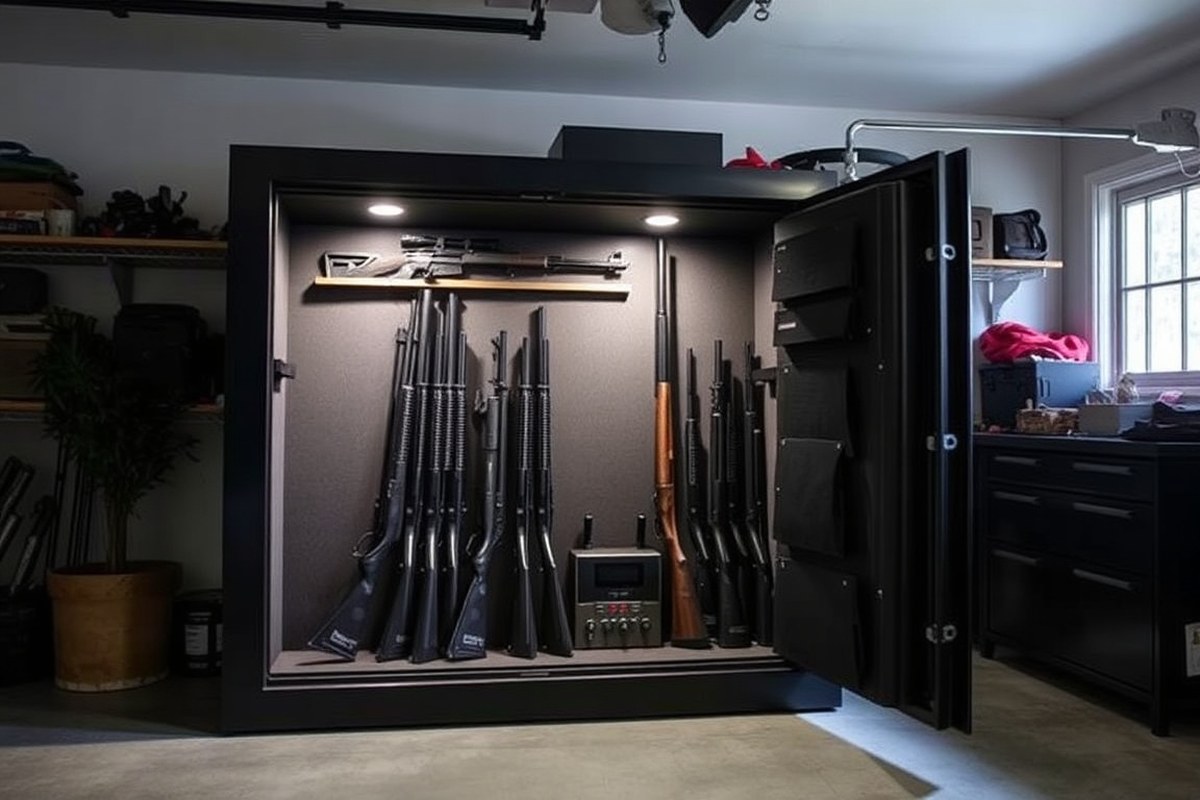
Where Can I Sell My Gun Safe: 8 Smart Ways to Get the Best Price
Where can I sell my gun safe? The best places include specialized gun safe dealers, online marketplaces, and local classifieds. Start by assessing your safe’s condition and age to set a competitive price that attracts serious buyers.
Key Takeaways
- List your gun safe on platforms like GunBroker or local gun clubs for targeted buyers.
- Use online marketplaces such as Craigslist or Facebook Marketplace for wider local exposure.
- Take clear photos and provide detailed descriptions including size, brand, and condition.
- Check the age and functionality of your safe to estimate its value accurately before listing.
- Confirm you have legal proof of ownership ready to present to potential buyers.
- Consider the logistics of moving your safe; arrange professional movers if necessary to ensure safety.
1. Where to Sell Your Gun Safe: Best Places Explained

Selling your gun safe can be done through several venues, each fitting different needs and timelines. Among the top platforms, private sales, online marketplaces, local gun shops, and trade-in programs offer varied advantages. Choosing where to sell depends on how quickly you want to sell, the condition of your safe, and how much effort you want to put into the sale.
Private sales and online marketplaces are popular options. Private sales allow you to negotiate directly with the buyer, often getting closer to full market value, especially if your safe is in good condition and under 10 years old. Posting on platforms like specialized firearms forums or classified sites gives you access to gun owners actively looking for safes. Many sellers find they can command around 40% of the original retail price for a well-maintained safe that size (around 60 inches tall).
Local gun shops offer convenience but often pay less. Dealers may pay you in cash or store credit but usually at a discount to resell easily. A trade-in program can be available at some shops or large retailers specializing in firearms and accessories. Trade-ins speed up the process, sometimes allowing you to apply value directly toward a new purchase. However, these programs typically offer less than a private sale or online selling due to dealer margins and the need to resell inventory.
| Venue | What It Is | Advantages | Disadvantages |
|---|---|---|---|
| Private Sale | Direct sale to another gun owner | Higher sale price, direct negotiation, control over buyer | Requires more time, vetting buyers, handling safe logistics |
| Online Marketplace | Platforms like firearm forums, classified ads | Wide buyer audience, potential for better price | Fees on some platforms, risks with shipping and payment |
| Local Gun Shops | Dealers buy or trade safes | Convenient, often immediate payment or trade credit | Lower sale price, less bargaining power |
| Trade-In Programs | Trade safe at store for credit toward new safe | Fast process, applied value toward new purchase | Usually lowest cash equivalent value, limited availability |
Assessing local options first can help gauge your safe’s value. Visiting gun shops allows you to get price offers while inspecting condition requirements firsthand. Online marketplaces increase your reach, but expect to handle all shipping and contracts yourself. Trade-in programs suit those planning to upgrade and who want the quickest turnaround.
2. How to Assess and Establish Your Gun Safe’s Value

Several important aspects influence the resale value of your gun safe, which buyers closely assess. The age of the safe is a significant factor. Safes less than 10 years old in excellent shape typically sell for about 60% of their original retail price. Condition affects this value: a safe kept in good repair, with little wear and no mechanical problems, retains more worth than one with rust, dents, or lock issues. Check the outside and inside of your safe for damage, lubricate moving parts, and test the locks as part of your condition review. Take note of any scratches, corrosion, or unusual sounds when locking or unlocking, as these issues can significantly lower the price.
Brand reputation also affects resale price. Established manufacturers known for reliability and quality construction, such as Liberty or Fort Knox, command higher values. Smaller or lesser-known brands might sell for less, even if the safe is in good shape. Size matters too. Larger safes offer more storage and often include thicker steel walls, increasing their replacement cost and resale price. For instance, a full-sized safe typically resells at a higher price than a compact model. Consider measuring your safe’s height, width, depth, and wall thickness if you want to provide accurate info to buyers or dealers.
Another critical feature is the lock type. Electronic locks usually add value over older mechanical dials or simple key locks because they offer quicker, more secure access. Your offers are likely to be lower if the safe still has a dial lock that slips or uses an older key lock. Some safes may even be updated with new lock systems to boost value before selling. Keeping all original keys or codes and disclosing any lock issues upfront improves trust and can protect your asking price.
Location influences what buyers will pay. Safes situated in areas hard to access or move often sell for less. The cost of professional moving services can range from $100 for small models within easy reach to $1,400 or more for large commercial safes requiring special equipment. Since buyers factor in the inconvenience, a safe placed on a main floor near an entrance holds more value than one in a basement or second-story room.
Here is a practical checklist to assess your gun safe before pricing it: check for rust, dents, and scratches; test lock operation; verify completeness of parts and keys; measure dimensions and steel thickness; note the brand and model; and assess ease of access for transport with or without professional help. Use this condition and feature information to estimate resale value. A simple rule is the 60/40 approach, safe is under 10 years old and excellent condition equals 60% of retail price, anything older or with minor issues reduces value toward 40% or less.
Be honest about your safe’s condition and any lock problems to avoid surprises that reduce buyer interest or lead to renegotiations.
3. What Legal Documents and Proof You Need to Sell a Safe
Before selling your gun safe, you must have clear proof of ownership, gather warranty and registration documents, and understand any local or federal rules governing the sale. These documents ensure a smooth, legal transfer and protect both you and the buyer from potential disputes or liabilities.
Proof of Ownership Documents
Proof of ownership typically includes the original purchase receipt or invoice that shows you legally acquired the safe. Without the original receipt, acceptable proof could include warranty registration confirmation or a title of sale from a dealer. Establishing ownership is important because it prevents disputes over possession and confirms you have the right to sell the safe.
Before handing over your safe, gather all documents that prove your ownership and the safe’s history. Losing access codes or keys calls for a master safe technician who can help regain control once your ownership is verified. This adds another layer of security and proof for the buyer.
Warranty and Registration Paperwork
Registering your safe’s warranty with the manufacturer is one of the easiest ways to demonstrate ownership and legitimacy. Warranty documents show the safe’s condition, any repairs, and manufacture date, which affects resale value. Providing these papers can increase buyer confidence and help your sale proceed faster.
Include any consignment or maintenance paperwork in your sale package. Buyers prefer sellers who have maintained the safe or upgraded locking mechanisms. These records also clarify the safe’s working order and can justify your asking price.
Local and Federal Selling Regulations
Gun safes themselves usually don’t require a transfer background check or registration like firearms do. However, laws can vary by state or city, so it’s essential to confirm your area’s rules before selling. Some locales might have restrictions related to gun storage devices or require notification to local law enforcement.
Handling safe transfers safely means meeting the buyer in a neutral location and confirming their identity. Large or heavy safes are best moved by professional movers or locksmiths who specialize in safes to ensure secure transportation. This reduces risk and shows good faith to the buyer. Follow these steps to gather all necessary documents and prepare for a legal sale:
- Locate original purchase receipts, invoices, or proof of purchase from dealers.
- Retrieve any warranty registration papers or confirmation emails from the safe’s manufacturer.
- Collect consignment agreements or maintenance records that may show the safe’s condition or upgrades.
- Check your state and local government websites for specific selling regulations involving gun safes.
- Arrange for a neutral, safe meeting place to show the safe to potential buyers.
- Confirm the buyer’s identity and discuss payment and transfer details before finalizing the sale.
- Hire a professional safe mover or locksmith if the safe is large or requires special handling during pickup or delivery.
- Provide all gathered documents and transfer ownership only after payment has cleared.
4. Moving and Delivery: Handling the Logistics When Selling
Moving a gun safe demands careful planning because of its heavy weight and bulky size. Most gun safes weigh between 200 to over 1,000 pounds depending on their model and capacity. This considerable weight makes it difficult to transport without the right tools and expertise. You should expect that moving a safe will require more than just a couple of people, special equipment like a dolly or straps, and strong lifting skills.
Who covers the cost of moving or delivery usually depends on your sales agreement with the buyer or dealer. Commonly, the buyer pays for shipping or pickup, but some sellers include free local delivery to attract offers or negotiate that cost within the sale price. If you’re trading your safe through a dealer, they often offer removal and delivery options bundled with your new purchase and may even pass savings from combined moves on to you. Several options exist for transporting a gun safe, each with advantages and drawbacks:
- DIY Move: Requires enough manpower and equipment. Lowest cost but highest risk of injury or damage.
- Professional Movers: Experts with special equipment handle large safes safely. More expensive but reduces risk and hassle.
- Shipping Services: Freight carriers can ship your safe long distances. Need proper packaging and insurance; costs vary with weight and distance.
- Dealer Removal: Many dealers remove your old safe when delivering a new one. Convenient and cost-effective if buying a replacement.
- Local Pickup by Buyer: Buyer arranges to pick up the safe. Makes you responsible for preparing the safe for safe transport.
To ensure a safe move, prepare your safe by emptying its contents and securely locking or removing the door to avoid damage. Clear the pathway to and from your house, including stairways and door frames, to avoid accidents. Use furniture dollies or hand trucks rated for very heavy objects and apply strong straps to stabilize the safe during moves. For loading into trucks or trucks with lifts, position the safe carefully and avoid tipping it, which can damage both the safe and flooring.
Costs for professional movers depend on your location, size, and distance but plan on starting around $100 to $300 for local moves. Long-distance freight shipping can exceed this, often charged by weight and distance. Professional help is highly recommended if your safe weighs more than 300 pounds or if you don’t have adequate moving experience and equipment. Attempting to move a heavy safe without sufficient tools or help increases the risk of injury and damage to your property or the safe.
5. Safety Tips: How to Sell Your Gun Safe Without Risks
Protecting yourself during a gun safe sale means carefully screening buyers, meeting in safe locations, and using secure payment methods. These steps reduce the risk of theft, fraud, or illegal transfers. Following clear procedures helps ensure the sale proceeds smoothly and without personal danger.
Screening Potential Buyers
Confirm the buyer’s identity and intent before meeting. Ask direct but polite questions to gauge their knowledge of gun safes and interest level. This helps prevent time wasted on unserious or suspicious buyers and ensures the safe won’t fall into the wrong hands. Use this script to screen buyers over email or phone:
- Confirm full name and contact information.
- Ask how they plan to use the safe (personal use, resale, etc.).
- Request proof of legal age and residence if local laws require this information.
- Verify they understand the safe’s current lock mechanism and condition.
- Discuss payment method preferences to prevent fraud.
- Warn that the combination will remain unchanged until sale completion for security.
- Thank them for their interest and set a tentative meeting time and place.
Always trust your instincts, if a buyer seems evasive or refuses simple questions, reconsider proceeding with the sale.
Choosing Safe Meeting Locations
Meet potential buyers in public, well-lit areas during daylight hours to improve safety. Police stations or local gun stores sometimes offer designated safe exchange locations. Avoid private homes or secluded areas to reduce risk of confrontation or theft.
Have a friend accompany you if possible. Keep the gun safe locked with the combination unchanged until you confirm the buyer’s identity and payment. Be cautious of buyers requesting to handle or open the safe before payment.
Secure Payment and Transfer Methods
Use secure payment methods that provide a clear record, like bank transfers or reputable online payment platforms. Avoid cash-only deals to reduce theft or counterfeit risks. Confirm funds have cleared before handing over the safe or its combination.
Document the sale with a written receipt stating the buyer’s and seller’s names, the item description, sale date, and price. This protects both parties legally. Retain copies for your records and give one to the buyer. Steps for a secure transaction:
- Agree on a payment method accepted by both parties in advance.
- Verify buyer’s payment, confirm deposit or transfer has cleared your account.
- Provide a bill of sale outlining all terms and conditions.
- Only after payment confirmation, give the buyer the combination or keys.
- Keep all correspondence and receipts for legal protection.
A written bill of sale protects you against liability for future misuse of the safe or contents transferred to the buyer.
6. Private Sale vs Dealer Trade-In: Which Yields More Money?
Choosing between a private sale and a dealer trade-in for your gun safe affects how much money you get, how convenient the process is, and what risks you face. You often get more cash listing your safe privately because buyers typically pay closer to market value. Dealers offer less but trade-ins can save time and reduce the hassle, especially if you’re buying a new safe at the same place.
Private sales let you set your price, find buyers willing to negotiate, and maximize your payout. However, it requires more effort: marketing the safe, arranging meet-ups or delivery, and handling payment securely. Moving a heavy, bulky safe can cost hundreds of dollars and poses injury risks. Buyers might be wary or offer low prices if the safe must be moved several times.
Trade-ins lower these burdens because dealers handle the logistics and may offer you instant credit towards a new safe. This is common for owners upgrading to larger models or relocating. Even though dealers often pay less cash, the bundled convenience and avoided moving expenses usually make trade-ins attractive. Dealers factor in costs to move and resell, so their offers reflect that.
| Aspect | Private Sale | Dealer Trade-In |
|---|---|---|
| Potential Cash Received | Higher, often near market value | Lower, typically 10-30% less |
| Convenience | Requires effort to market and arrange transport | Dealer manages logistics and paperwork |
| Moving Costs | Buyer or seller may pay; can be $100-$400 depending on distance | Included in trade-in process, no separate cost to you |
| Risk | Higher risk of scams or unsafe meetings | Less risk, transactions are professional and secure |
| Timing | Can take weeks or months to sell | Immediate sale and credit towards new safe |
| Use Case | Best for cash maximization and flexible timelines | Ideal for upgrades or quick replacement |
Decide based on your priorities. Want the most money and have time? Sell privately but prepare for moving costs and longer wait. Need convenience or are trading up? A dealer trade-in offers a quicker, safer transaction with fewer hidden costs, even if you get slightly less money. Also consider how far you must move the safe and if you’re buying a new one simultaneously. Having dealer staff manage moving can avoid injury and damage.
For a smooth private sale, start by researching comparable safes to price competitively. Offer clear photos and detailed specs, and require secure payment methods before transfer. For trade-ins, visit dealers with your safe’s paperwork and ask for an appraisal, then compare offers. Trust professional dealers that provide written offers and handle your safe’s removal.
7. Common Seller Mistakes and How to Avoid Them
Selling a gun safe without proper preparation can reduce its value. Buyers notice dirt, rust, or faulty locks and may question the safe’s condition. Clean the safe well, lubricate the hinges, and verify every lock works smoothly. For instance, note the combination on a card and practice unlocking it several times before completing the sale. Doing this reassures buyers and prevents issues later on.
Ignoring legal checks is a costly mistake. Some buyers demand legal paperwork to prove ownership or compliance with local regulations. Not having these documents ready can cancel deals or lower offers. Always have proof of ownership and research your state’s laws on firearm safe sales. This preparation saves time and boosts trust with the buyer.
Negotiation errors can cost you real money. Being inflexible or underselling yourself are common problems. Start with a fair asking price based on your safe’s condition and market value. Avoid immediately dropping your price. Instead, try this script: “I’m open to reasonable offers, but the price reflects the safe’s clean condition and working order.” This shows confidence and encourages dialogue without giving away too much.
- Failing to properly clean and test the safe, fix by thorough cleaning, oiling, and multiple lock tests.
- Not providing proof of ownership or complying with legal requirements, prepare documents ahead of sale.
- Accepting the first low offer without negotiation, use a firm but polite script to hold your price.
- Skipping delivery or moving discussions, clarify logistics before agreeing to a price.
- Ignoring buyer questions or concerns, respond clearly and promptly to build trust.
- Setting unrealistic prices without market research, check local listings or dealer quotes first.
- Failing to disclose damage or repairs, honestly describe the condition to avoid disputes.
For negotiation, keep calm and control the conversation. Listen closely to the buyer’s concerns and provide facts. Say, “The safe is in good working order and includes the combination card for easy access.” Explain any recent maintenance or upgrades clearly. Avoid rushing to sell; buyers often expect flexibility but respect a seller who knows their product’s worth. Taking a few extra days to finalize terms often adds hundreds of dollars to your final sale price.
8. How to Prepare and Present Your Gun Safe for Sale
Preparing and presenting your gun safe well can help you attract serious buyers and get the best price. Cleaning the safe, taking clear photos, and sharing detailed information build buyer confidence and show your safe’s value. Here is an easy step-by-step checklist and tips on how to create an effective listing.
Cleaning and Maintenance Tips
A clean, well-maintained safe looks more attractive and signals that you cared for it. Remove dirt, dust, and cobwebs using a soft cloth and mild detergent. Address any light rust by gently sanding those spots and applying a rust-inhibitor spray or paint designed for metal surfaces. Avoid disassembling locks or electronics unless you are experienced, as this may decrease the safe’s value.
Check the seal and locking mechanism for smooth operation. Lubricate hinges lightly with a graphite spray or silicone lubricant to reduce noise and ensure full functionality. If your safe’s interior smells musty, leave the door open in a dry, ventilated area for a few days or insert moisture-absorbing packets.
- Wipe down the exterior and interior surfaces with a damp cloth and mild detergent.
- Inspect for rust spots and sand lightly with fine-grit sandpaper.
- Apply rust inhibitor to cleaned rust areas and allow to dry completely.
- Lubricate hinges and locking mechanisms with appropriate lubricant.
- Test door seals and locking functions thoroughly.
- Ventilate inside to remove odors if needed.
- Take note of any cosmetic or mechanical issues for buyer disclosure.
- Consider professional servicing if the lock or electronics malfunction.
Never use harsh chemicals or abrasive tools on the safe, as these can damage the finish and cut into resale value.
Photography and Listing Best Practices
High-quality photos highlight your safe’s condition and features, making your listing stand out. Take pictures in bright, natural light from multiple angles: front, side, interior, lock, hinges, and model label or serial number. Show details like scratches or rust spots clearly but without overemphasizing minor flaws.
Write a clear, concise description that includes safe model, dimensions (width, height, depth in inches), approximate weight, type of locking system, fire rating if any, and interior features like shelves or carpet lining. Include the history of the safe, such as age and previous use, plus reasons for selling. Transparency builds buyer trust and reduces negotiation friction.
Information to Provide Buyers
Detailed information helps buyers make informed decisions. Prepare a simple info sheet to share, covering key points. Include the safe’s make, model, year, dimensions, weight, fire and water ratings, material type, and locking mechanism. Disclose any damage or repairs fully. Mention if you have original keys, user manuals, or warranty papers.
State whether the safe requires professional moving due to weight or size, and outline your preferred pick-up or delivery arrangements. Add contact info and best times for questions or viewing appointments. This transparency saves time and builds confidence.
| Gun Safe Information to Share | Details to Include |
|---|---|
| Make and Model | Exact name and model number |
| Year of Manufacture | Approximate or exact year |
| Dimensions | Height, width, depth in inches |
| Weight | Approximate pounds |
| Locking System | Type (dial, electronic keypad, biometric) |
| Fire/Water Ratings | Check manufacturer specs or manual |
| Condition Notes | Rust, scratches, repairs, operation status |
| Accessories | Keys, manuals, mounting hardware |
| Moving/Delivery Info | Handling requirements and buyer responsibilities |
Step-by-Step Action Plan to Sell Your Gun Safe
Follow these clear steps to ensure you sell your gun safe safely, legally, and for a fair price.
- Before you start: Gather all original documents and proof of ownership. Confirm you have the legal right to sell the safe to avoid delays or legal trouble.
- Day 1: Research your safe’s make, model, and current market value. Use online listings to compare prices and decide your asking price based on condition and features.
- Week 1: Clean and inspect the safe thoroughly. Take clear photos highlighting key features and any wear to build buyer confidence and justify your price.
- Week 2: List your gun safe on appropriate platforms like local classifieds, firearm trade forums, or specialized safe selling sites. Include details about delivery options.
- Week 3: Screen interested buyers carefully. Verify their ability to pay and arrange a safe, public meeting place if selling privately.
- Week 4: Finalize the sale with a clear bill of sale. Arrange professional movers if the buyer needs delivery, and transfer ownership documentation promptly.
- After sale: Confirm the buyer has received the safe and is satisfied. Keep a copy of the bill of sale and delete all online listings.
Frequently Asked Questions
Where Can I Sell My Gun Safe Locally?
You can sell your gun safe at local gun shops, classified ads, or gun collector meetups. Selling locally helps avoid transportation hassles and allows buyers to inspect the safe in person.
Can I Sell My Gun Safe Online?
Yes, you can sell your gun safe on online marketplaces and specialty forums. This widens your reach but requires clear photos and accurate descriptions to attract serious buyers.
Do Gun Shows Offer a Good Chance to Sell My Gun Safe?
Gun shows are a good place to sell a gun safe because they gather enthusiasts and collectors. You can gain direct buyer interest and negotiate face-to-face, though fees and travel may apply.
What Paperwork Is Necessary When Selling a Gun Safe?
You’ll need to prove legal ownership of the safe to avoid disputes. Documentation like receipts or registration papers helps build buyer confidence in the sale.
How Do I Determine a Fair Price When Selling My Gun Safe?
Base your price on age, condition, size, and brand, often around 40% of retail for a used but operable safe. Research current market prices to avoid undervaluing or overpricing.
Is It Better to Trade in My Gun Safe at a Dealer or Sell It Privately?
Selling privately generally yields more money but takes more time and effort. Dealer trade-ins offer convenience and quick sales but usually at lower prices.
The Bottom Line
Choosing the right place and following straightforward steps makes selling your gun safe straightforward and secure. Start by confirming your ownership and researching value today. Taking action now helps you avoid delays and maximize your profit.