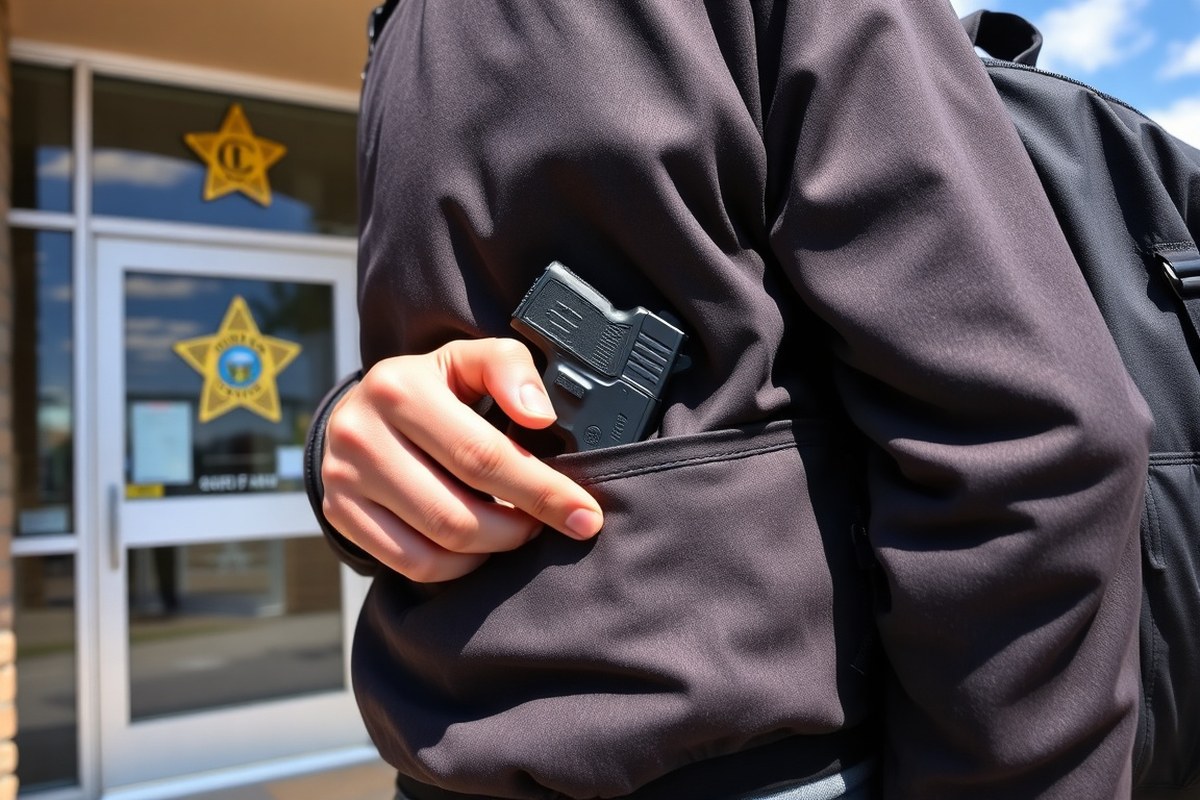
Can You Concealed Carry in Colorado? A Complete Guide for Legal Carry
Can you concealed carry in Colorado? Yes, you can legally carry a concealed firearm in Colorado if you have a valid concealed handgun permit (CHP). Without a permit, concealed carry is generally prohibited except in limited circumstances, such as transporting a firearm in a private vehicle. Your first step should be applying for a Colorado CHP to carry concealed legally statewide.
Key Takeaways
- You must be at least 21 years old to apply for and hold a Colorado concealed handgun permit.
- Colorado requires an 8-hour training course with a live-fire component for concealed carry permits starting July 1, 2025.
- Applicants must score at least 80% on a written, open book concealed handgun competency exam.
- Colorado accepts concealed carry licenses from 33 states, but only when the holder lives in the state that issued the permit.
- Carrying a concealed firearm without a valid permit is a Class 1 misdemeanor for a first offense and a felony for repeated offenses.
- Carrying a loaded gun within 1,000 feet of a K-12 school without proper authorization breaks federal law, specifically the Gun-Free School Zone Act.
Can You Legally Concealed Carry in Colorado Without a Permit?
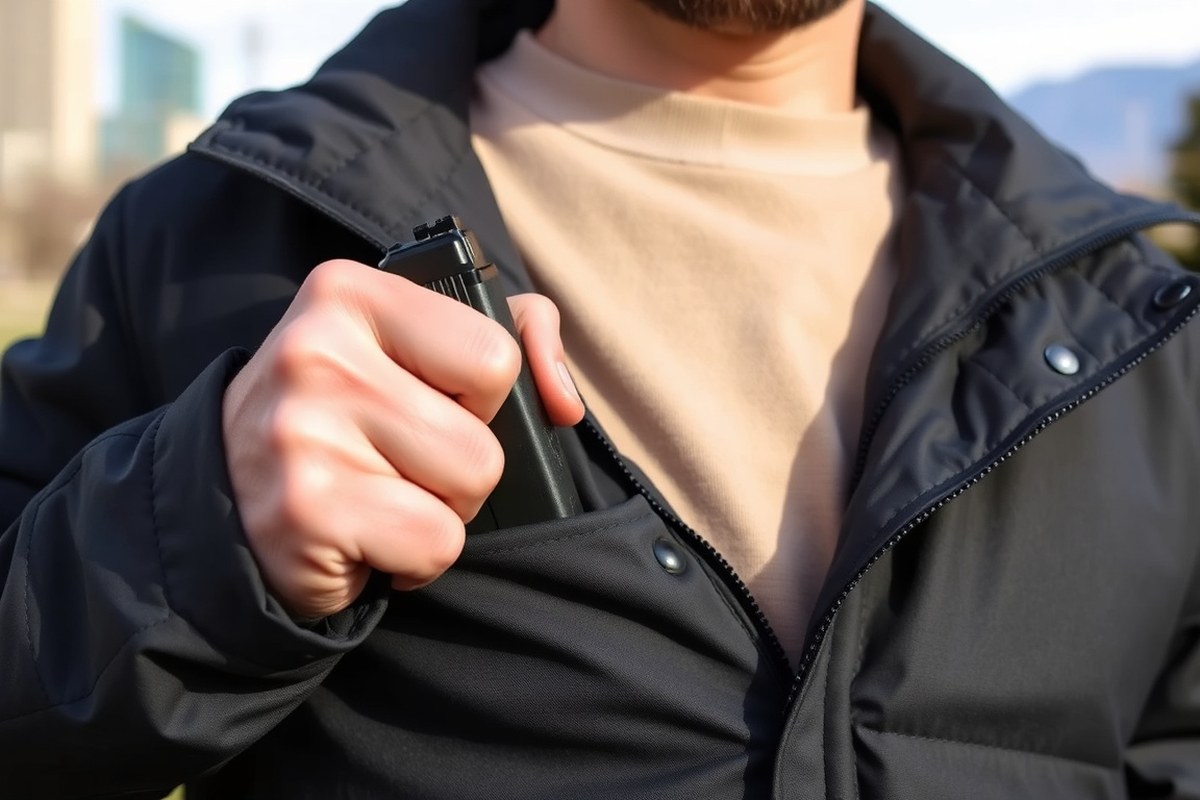
Carrying a concealed firearm in Colorado requires a valid concealed handgun permit (CHP). You cannot legally carry a concealed weapon in public without this permit, as Colorado does not allow permitless concealed carry. This rule applies both to residents and visitors. Residents of Colorado must get a CHP from a county sheriff in the state. Using a permit from another state to carry concealed in Colorado is not allowed.
The CHP permits you to carry a concealed handgun statewide, as Colorado treats the permit as valid across all counties once issued. The minimum age to apply for a Colorado CHP is 21. The application process includes passing background checks and meeting other sheriff-set requirements. Carrying concealed without a valid permit in Colorado is classified as a Class 2 Misdemeanor for a first-time offense, which highlights the legal risks of noncompliance.
Carrying a handgun openly does not require a permit if you are 18 or older and legally allowed to own a gun, except in places like Denver and Boulder that have restrictions. You can keep a handgun, loaded or unloaded, visible or hidden, inside your own vehicle without a CHP for self-defense. However, this exemption only applies to carrying inside the vehicle, not carrying concealed in public outside the car without a permit.
Colorado recognizes concealed carry permits from 33 other states but with strict conditions. For non-residents visiting Colorado from states with recognized permits, you may carry concealed if you hold a valid out-of-state permit and meet Colorado’s reciprocity requirements. However, in-state residents cannot use these out-of-state permits for concealed carry within Colorado.
Understanding legal open carry in Colorado matters because it offers a permitless way to carry a firearm in public, with exceptions for certain cities and posting areas. Open carry legality applies statewide to those 18 and older who can legally possess firearms, while concealed carry is tightly regulated under the CHP permit requirement. Enforcement varies locally, so knowing restrictions in Denver and other municipalities is essential to avoid violations.
How to Apply for a Colorado Concealed Handgun Permit (CHP)

To apply for a Colorado Concealed Handgun Permit (CHP), you must meet specific eligibility requirements, complete an eight-hour training course with a live-fire qualification, submit your application to the county sheriff’s office, and pay the required fees. The sheriff’s office will then decide within 90 days whether to approve your permit. Non-residents cannot apply for a Colorado CHP but may carry under reciprocity if their home state has a valid agreement with Colorado.
Eligibility Requirements and Disqualifications
Applicants must be Colorado residents and at least 21 years old, unless active or honorably discharged military personnel aged 18 to 20. You cannot have felony convictions, certain domestic violence charges, or be otherwise prohibited by Colorado or federal law from possessing a firearm. The sheriff’s office verifies eligibility by reviewing your background and residency.
Non-residents cannot apply for a Colorado CHP, as Colorado law requires applicants to reside in the county where they apply. Visitors must rely on reciprocity agreements recognizing their home state’s permits rather than applying for a Colorado permit.
Required Training and Live-Fire Qualification
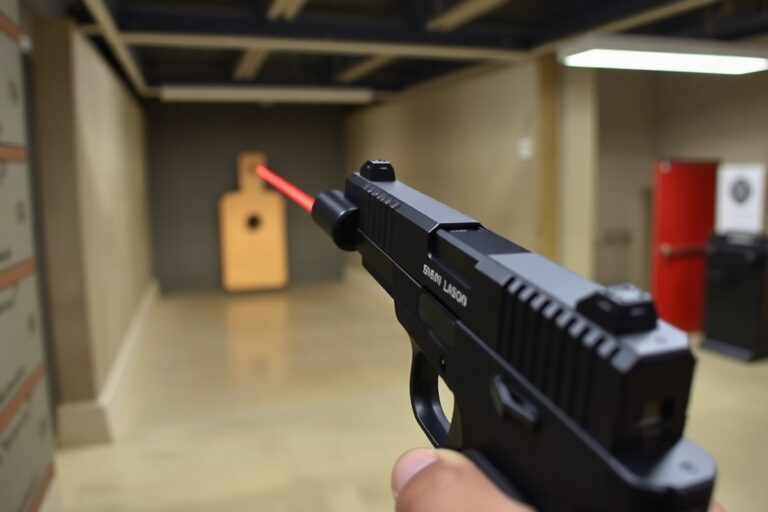
Applicants must successfully complete an in-person concealed handgun training course lasting at least eight hours. The course must be led by an instructor verified by the county sheriff, including topics such as firearms safety, Colorado gun laws, and conflict avoidance. A live-fire component requires the applicant to fire at least 50 rounds with at least 70% accuracy.
The training concludes with a written exam where applicants must score at least 80%. The law permits applicants to use prior training completed within the last 10 years, provided it meets current standards and was taught by a certified instructor.
Complete the live-fire exercise with focused practice beforehand; hitting the required accuracy on 50 rounds demands steady control under pressure.
Application Submission and Processing Timeline
Once training is complete, gather your proof of residency, valid identification, completed training certificate, and any other required documents. Submit your application in person to the sheriff’s office of your county of residence. Many counties require scheduling an appointment to submit the application and fingerprints.
The sheriff’s office has 90 days from the day they receive your full application packet to approve or deny the permit. You must carry your permit and a photo ID together while carrying concealed, and produce both if requested by law enforcement.
- Complete the eight-hour concealed handgun training with a live-fire qualification.
- Gather documents: proof of Colorado residency, photo ID, training certificate, and completed application form.
- Schedule and attend fingerprinting and submit your application in person at the county sheriff’s office.
- Pay the application processing fee at submission or per the sheriff’s office instructions.
- Wait for notification; the sheriff’s office must process the permit within 90 days.
- Once approved, carry your CHP and photo ID whenever carrying a concealed handgun.
Fees and Renewal Process
The fee for an initial Colorado CHP typically ranges from $50 to $100 depending on the county. Some counties may charge separate fees for fingerprinting or background checks. Renewals require completing the same eight-hour training and live-fire test as new applicants starting July 1, 2025.
Renew your permit within 60 days before expiration by submitting the renewal application to the sheriff’s office with updated training verification and fees. Carrying after permit expiration without renewal is illegal. Timely renewal ensures continual legal concealed carry.
Where Can You and Can’t You Carry a Concealed Firearm in Colorado?
Concealed carrying a firearm in Colorado is generally allowed statewide if you have a valid concealed handgun permit (CHP). However, restrictions exist for certain locations due to state and federal laws. Schools, government buildings, polling places, and designated sensitive spaces prohibit carrying concealed firearms. Understanding these restrictions keeps you within the law and avoids penalties.
Federal law prohibits carrying a loaded firearm within 1,000 feet of elementary or secondary schools unless you have a valid state-issued Concealed Handgun Permit. Also, state laws restrict concealed carry on both public and private school grounds, except inside a vehicle during approved drop-off or pick-up periods. Concealed carry is also forbidden in public buildings and government locations with security checks. Violating these rules can result in charges classified as a Class 1 Misdemeanor.
Private property owners in Colorado have the authority to forbid concealed firearms on their premises by posting clear notices. On properties displaying such signs, you must follow the rules by storing your firearm elsewhere and not carrying it on-site. This means even with a CHP, you cannot carry concealed on private property against the owner’s rules without risking legal consequences.
- Schools and childcare facilities: No concealed carry on premises, except in locked vehicles for drop-off/pick-up.
- Government buildings and courthouses: Carry banned, including public libraries and municipal offices.
- Polling places and election facilities: Firearms prohibited during voting and ballot counting.
- Public parks and playgrounds: Carry banned in city-operated areas such as Denver’s parks.
- Public transportation vehicles: Open and concealed carry are not allowed.
- Private property with posted firearm restrictions: Carry banned regardless of permit.
- Sensitive spaces designated by state or local law: Includes some hospitals, recreation centers, and other municipal sites.
Colorado’s repeal of state preemption allowed cities like Denver, Boulder, and Louisville to impose stricter local restrictions, including bans on certain firearms and expanded sensitive places. These local rules may prohibit concealed carry in areas where state law alone would allow it. Before carrying concealed in any local municipality, check their specific ordinances to avoid violations.
Carrying concealed on school ground parking lots is allowed only in a locked vehicle with a CHP during drop-off or pick-up times. Outside of this, possessing a firearm anywhere on school property can lead to severe charges. Always secure your firearm safely and follow posted notices to avoid legal issues.
Understanding Reciprocity and Out-of-State Permit Recognition
Colorado recognizes concealed carry permits from certain states, but this reciprocity depends on specific rules. Holding a valid concealed handgun permit (CHP) from one of these states lets you legally carry concealed in Colorado as a visitor. However, Colorado residents must use a Colorado-issued permit to carry concealed within the state. Out-of-state non-resident permits generally are not honored for Colorado residents.
Reciprocity matters because it affects whether your permit is valid when you travel. Plans to carry concealed firearms while visiting or passing through Colorado require checking if your home state is recognized by Colorado. You also need to meet Colorado’s age and permit validity requirements. Failing to comply can lead to serious legal consequences, such as a Class 1 misdemeanor with fines up to $1,000 and possible imprisonment for first-time violations. Here is an overview listing states with concealed carry reciprocity recognized by Colorado, as well as states whose permits are not honored:
| Permits Honored by Colorado |
|---|
| Arizona |
| Wyoming |
| Texas |
| Montana |
| Florida |
| Permits Not Recognized by Colorado |
|---|
| California |
| Illinois |
| New York |
| New Jersey |
Visitors carrying a concealed firearm in Colorado must ensure their permit is valid and recognized, comply with all state rules including minimum age and training requirements, and carry the physical permit at all times. When traveling through Colorado, non-resident permit holders should verify current reciprocity status since agreements can change. Colorado’s reciprocity statute (§ 18-12-213) guides permit recognition but always confirm before travel.
Permits issued as non-resident permits from other states, such as a Florida non-resident permit, are not honored by Colorado for non-resident carry. This means a Colorado resident with a permit from another state’s non-resident program cannot use that permit to carry concealed in Colorado. A useful decision rule to follow is:
- Check if your state permit is on Colorado’s recognized list.
- Make sure your permit is valid, current, and you meet Colorado’s age and training standards.
- Carry your permit and identification when carrying concealed firearms.
- Contact Colorado law enforcement or review official state websites before traveling.
Understanding the states Colorado honors and the limits for non-resident permits will help you avoid costly fines and legal issues. Always carry a state-valid permit or switch to a Colorado permit if you become a resident. For deeper compliance, consult Colorado’s official reciprocity listings and plan your travel accordingly.
Penalties and Legal Consequences for Carrying Without a Permit
Carrying a concealed firearm in Colorado without a valid permit can lead to serious criminal and civil penalties. A first-time offense typically results in a Class 2 misdemeanor. This includes fines up to $750 and potential jail time of up to 120 days. Repeat offenses escalate the severity of the charges and can involve longer jail sentences and higher fines. These penalties exist to ensure responsible firearm use and adherence to state laws.
Carrying a concealed weapon while intoxicated by alcohol or drugs leads to harsher penalties. This offense is classified as a Class 2 misdemeanor, carrying fines up to $750 and possible jail time up to 120 days. Colorado enforces this law strictly because using a firearm while impaired greatly raises safety risks.
Open carry violations also carry legal consequences, though typically less severe than concealed carry without a permit. In Colorado, open carry is generally legal without a permit, but violations occur when carrying openly in prohibited areas or under circumstances like disorderly conduct. Penalties for open carry violations can include fines and misdemeanor charges depending on the exact nature of the offense and location, such as schools or polling places.
Specific locations like schools, government buildings, and polling places have strict prohibitions against carrying firearms, including concealed carry. Violating these laws can lead to harsh penalties, including criminal charges, fines, and confiscation of the firearm. Enforcement officers will act promptly to uphold these restrictions, and violations risk both legal trouble and loss of the concealed carry permit.
The state maintains a penalty matrix that categorizes offenses by severity and assigns corresponding fines and jail time ranges. For example, carrying a concealed weapon without a permit generally falls within misdemeanors unless combined with other crimes. Carrying while intoxicated or in restricted places upgrades the charge severity. The matrix helps law enforcement and courts apply consistent sentencing based on the specific violation and offender history.
Legal defenses available may include proving you held a valid permit, that the weapon was not concealed, or that you were in a protected location such as a private vehicle. Demonstrating compliance with other parts of the law or challenging procedural errors in how the charge is applied can also reduce penalties. However, Colorado law prioritizes public safety, so legal recourse may not eliminate all consequences.
Always carry your permit or proof of eligibility when carrying a concealed firearm to avoid costly fines and jail time from misunderstandings or enforcement stops.
New Training and Qualification Requirements for 2025 and Beyond
Beginning July 1, 2025, Colorado requires all concealed carry applicants to complete an 8-hour in-person training course. This course includes classroom instruction, a live-fire shooting qualification, and a written exam, all designed to improve safe and lawful concealed handgun use. These changes apply to initial permits and renewals, with specific course content and testing standards you must meet to get or keep your permit.
Training Curriculum and Instruction Requirements
The new training course lasts eight hours and covers a range of critical subjects. You will learn about Colorado firearm laws, safe handling and use of handguns, and conflict resolution strategies to help avoid or de-escalate dangerous encounters. The course also explains your rights and responsibilities when carrying concealed, including restrictions on where you can carry. In-person instruction is mandatory to ensure you receive all necessary information and interaction with a certified instructor.
Besides classroom lessons, the course must include practical hands-on training with firearms, emphasizing safe operation and accuracy under supervised conditions. You’ll participate in both education and skills portions that prepare you to carry a concealed handgun responsibly.
Live-Fire Qualification Details
One of the key new requirements is the live-fire qualification using a firearm and live ammunition. You must complete a live-fire exercise during the 8-hour course, demonstrating your ability to handle and shoot a handgun safely and accurately. The standard to pass this section is a minimum score of 70% on the live-fire exercise, which tests your marksmanship and safe shooting practices under the supervision of a qualified instructor.
The live-fire portion ensures you are competent with the handgun you plan to carry concealed. Failure to meet the minimum standard means you must retake the exercise or the entire course to pass.
Written Exam Format and Passing Scores
The course concludes with a written concealed handgun competency exam. You must pass this exam with at least an 80% score to meet state requirements. The exam is open book, allowing you to refer to the training materials during the test. Questions assess your knowledge of firearm safety, Colorado laws about concealed carry, and conflict avoidance principles discussed during the course.
Studying the course materials closely before the exam improves your chance of passing. Many instructors provide written guides or practice tests to help you prepare.
Training Providers and Scheduling
Only state-approved trainers and certified instructors can provide the required concealed carry training. You can find classes offered by firearms training schools, shooting ranges, and certified independent instructors throughout Colorado. The courses must be conducted in person and follow state requirements.
Scheduling your training well ahead of your permit application is important, especially as demand may increase closer to the July 2025 start date. Classes vary in cost depending on provider and location but expect fees in the range of $100 to $200 for the complete 8-hour course.
Renewal Training and Recertification
Renewing your concealed carry permit also requires in-person training, though the refresher course is shorter, at least two hours. This course includes updates on changes to Colorado firearms laws, another live-fire qualification, and the written exam. Passing both tests is required for renewal approval.
This ensures you stay current on laws and maintain proficiency. The renewal training must also be delivered by a state-approved instructor and covers any legal changes since your last certification. Follow these steps to complete the new concealed carry training requirement:
- Find a state-approved concealed carry training provider near you.
- Register and schedule your 8-hour in-person training course.
- Attend the full classroom instruction covering laws, safety, and conflict resolution.
- Participate in the live-fire qualification, aiming for at least a 70% score.
- Complete and pass the written exam with an 80% or higher.
- Obtain proof of course completion and exam passing from your instructor.
- Submit your training documentation with your concealed carry permit application.
- For renewal, schedule and complete the 2-hour refresher including live-fire and exam.
How to Legally Carry Firearms in Vehicles in Colorado
In Colorado, you can legally carry a loaded handgun inside a vehicle without a concealed handgun permit (CHP), as long as you are legally allowed to possess the firearm. This means carrying the gun either concealed or openly within your car is permitted for lawful self-protection. The state’s laws treat the inside of a vehicle differently from public spaces, where carrying concealed without a permit is not allowed. However, possessing a firearm in certain restricted areas, like school zones, still applies when in a vehicle. Firearms are generally prohibited within a 1,000-foot radius of school grounds unless the person is a licensed carrier or falls under specific exceptions.
When it comes to storage, Colorado requires that firearms left unattended in a vehicle must be secured carefully. This rule helps prevent theft or unauthorized access. The firearm should be placed inside a locked container that is not visible from the outside, such as a gun case, glove compartment, or a lockbox designed for vehicles. Simply leaving a gun on a seat or visible under the dashboard risks legal problems and theft.
Passengers in a vehicle may also carry firearms without a CHP, as long as they meet the legal requirements to possess a firearm. The same rules for storage and visibility apply to passengers’ firearms when the vehicle is unattended. This means everyone in the vehicle can have a loaded gun accessible inside the car, but unattended firearms must be locked up.
- You can carry a loaded handgun in a vehicle without a CHP if you are legally allowed to own the firearm.
- Concealed carry laws for on-person possession do not apply inside vehicles; carrying concealed without a permit in public is illegal.
- Firearms left in unattended vehicles must be stored in a locked container and out of sight to comply with Colorado law.
- Passengers may carry firearms in a vehicle without a CHP under the same possession rules.
- Firearm possession in school zones extends into vehicles unless you have a valid permit or qualify under exceptions.
To stay compliant, always store unattended firearms locked and out of view. Make sure your vehicle has a secure gun storage container if you expect to leave the firearm inside for any length of time. Check local restrictions on school zones before transporting a loaded firearm near these areas. Following these steps helps prevent legal penalties and ensures safer firearm handling in vehicles across Colorado.
Special Situations: Protests, Polling Places, and Private Property Rules
Carrying a concealed firearm at protests, polling places, or private properties in Colorado involves specific rules to avoid legal trouble. Restrictions focus on safety and public order, with clear buffers around sensitive areas and allowances for private property rights. Knowing these details helps you comply with the law and avoid fines or legal action.
Legal Restrictions at Demonstrations and Public Protests
You cannot openly carry firearms at a public demonstration or protest in Colorado. The law bans carrying firearms within 500 feet of any active polling location or during ongoing protests tied to election activities. This restriction helps prevent intimidation or violence during sensitive public events. Concealed carry may also be restricted in these zones depending on the situation, so staying informed about specific event locations and local rules is necessary.
To carry legally near protests, maintain more than 500 feet distance from the event or polling place. Police and some agricultural workers are exceptions, but regular citizens must comply with this buffer. Violating this rule results in a civil infraction with fines up to $500.
Firearm Laws at Voting Locations and Election-Related Zones
Colorado law strictly forbids carrying firearms, openly or concealed, within 100 feet of ballot drop boxes, polling places, and central count facilities while election activities are ongoing. This applies throughout the voting period and on election day itself. The restrictions aim to ensure a safe and intimidation-free voting environment.
Avoid these areas entirely when carrying a firearm, or securely store your weapon elsewhere before entering. Violators face a maximum $500 fine, classified as a civil infraction. The state permits exceptions for law enforcement officers, military members on duty, and ranch or farm workers in the zone.
Private Property Owner Rights and Allowed Restrictions
Private property owners in Colorado have the right to prohibit firearms on their premises, including concealed carry. This applies whether they own or lease the property, across residences, business locations, and workplaces. You must respect these rules whenever you enter a private property that forbids guns.
Property owners can legally display signs or verbally notify visitors that firearms are not allowed. Enforcement can lead to trespass charges or other legal action if ignored. This right is independent of public carry laws and applies in all cases unless expressly exempted by law.
- Check for posted “No Firearms” or “No Weapons” signs at entrances
- Comply with verbal requests from property owners or management
- Do not attempt to conceal carry where firearms are expressly prohibited
- Be aware of employer policies banning firearms at work sites
- Private homes may have their own rules even if not explicitly posted
Ignoring these restrictions can lead to removal from the property or criminal charges such as trespassing.
Exceptions for Security and Law Enforcement
Certain people have special permissions to carry concealed firearms in restricted areas. Peace officers actively working and uniformed security guards with contracts can carry concealed weapons despite these rules. Military members on duty also qualify for this exemption.
This makes security personnel the only non-law enforcement group broadly permitted to carry concealed in areas where the public generally cannot. Ensure proper identification and authorization if claiming this exception to avoid misunderstandings.
Recognizing and Respecting Prohibited Area Signage
Colorado law requires that signs restricting firearms be clear and prominently displayed to be enforceable on private property. Signs must comply with statute specifications to hold legal weight. Always look for such signage at building entrances, parking lots, and restricted zones.
Respect all posted restrictions regardless of permit status. Violating posted firearm bans can lead to civil penalties or criminal charges. When in doubt, ask property managers or leave firearms secured elsewhere.
Practical tip: Carry a smartphone photo of firearms policies for places you frequent to quickly verify rules and avoid misunderstandings about restrictions.
Your Quick-Start Plan for Legal Concealed Carry in Colorado
Follow these clear steps to ensure you carry a concealed firearm legally and with confidence in Colorado.
- Before you carry: Review Colorado’s current concealed carry laws and prohibited locations to understand where you can legally carry.
- Within the first week: Decide if you need a Colorado Concealed Handgun Permit (CHP) based on your situation, such as residency or reciprocity with your home state.
- Week 2: If applying for a CHP, complete the required training from a certified instructor and gather your application documents.
- Week 3: Submit your CHP application to the Colorado Bureau of Investigation (CBI) and pay the necessary fees.
- After application approval: Practice safe carrying methods and carry only in locations allowed by Colorado law to avoid penalties.
- When traveling: Check if your out-of-state permit is recognized or if you need a Colorado CHP before carrying concealed here.
- Before driving with a firearm: Follow specific vehicle laws, such as carrying the firearm unloaded and in a secure case if you don’t have a permit.
- Ongoing: Stay updated on law changes, including training or reporting requirements, so your concealed carry remains lawful and safe.
Frequently Asked Questions
Can a Colorado Resident Use a Non-Resident Concealed Carry Permit in Colorado?
No, Colorado residents cannot carry concealed in-state with a non-resident permit from another state. They must have a Colorado Concealed Handgun Permit (CHP) to legally carry concealed within Colorado.
Is There a Minimum Age to Apply for a Concealed Carry Permit in Colorado?
Yes, you must be at least 21 years old to apply for a Colorado Concealed Handgun Permit (CHP) and to carry concealed under the permit system.
Can Visitors Carry Concealed in Colorado with an Out-Of-State Permit?
Visitors can carry concealed if their home state permit is recognized by Colorado, which honors permits from 33 states with specific conditions.
Are There Special Concealed Carry Rules for Colorado State Parks?
Concealed carry is allowed in Colorado state parks with a valid CHP, but local municipality rules may apply if the park extends into a city with restrictions.
Who Issues Concealed Carry Permits in Colorado?
Local sheriff’s offices and the Colorado Bureau of Investigation issue Colorado concealed carry permits to residents based on shall-issue laws.
Is Permitless Concealed Carry Legal in Colorado?
No, Colorado does not allow permitless concealed carry; you must have a valid CHP to carry concealed in public.
Final Thoughts
You can legally carry a concealed firearm in Colorado by following state laws and obtaining a permit if needed. The key is knowing where and how to carry, along with staying current on legal updates. Your next step should be to check whether your out-of-state permit is recognized here or start the CHP application if you’re a resident. That ensures you’re prepared to carry safely and legally from day one.