What Is a 9mm Glock: Complete Guide to Models, Features & Uses
What is a 9mm Glock? It is a semi-automatic pistol chambered for the 9mm Luger cartridge, known for its reliability, ease of use, and widespread popularity. Glock combines polymer frames with a striker-fired mechanism, providing a consistent trigger pull and simple maintenance. Identifying the right model first helps match your needs for concealment, duty use, or personal defense.
Key Takeaways
- The Glock 17 is the original full-size 9mm offering, widely used by law enforcement and military worldwide.
- The Glock 19 balances compact size with capacity, making it ideal for concealed carry and duty use.
- The Glock 43 is a slim, subcompact model designed specifically for deep concealment and ease of carry.
- Gen5 Glock models feature improved trigger pulls around 5.5 to 5.8 pounds for smoother and lighter shooting.
- Regular cleaning and lubrication after several hundred rounds maintain reliability and optimal performance.
- Many Glock 9mm parts interchange between models, but major assemblies like slides and barrels often do not.
What Is a 9mm Glock and How Does It Work?
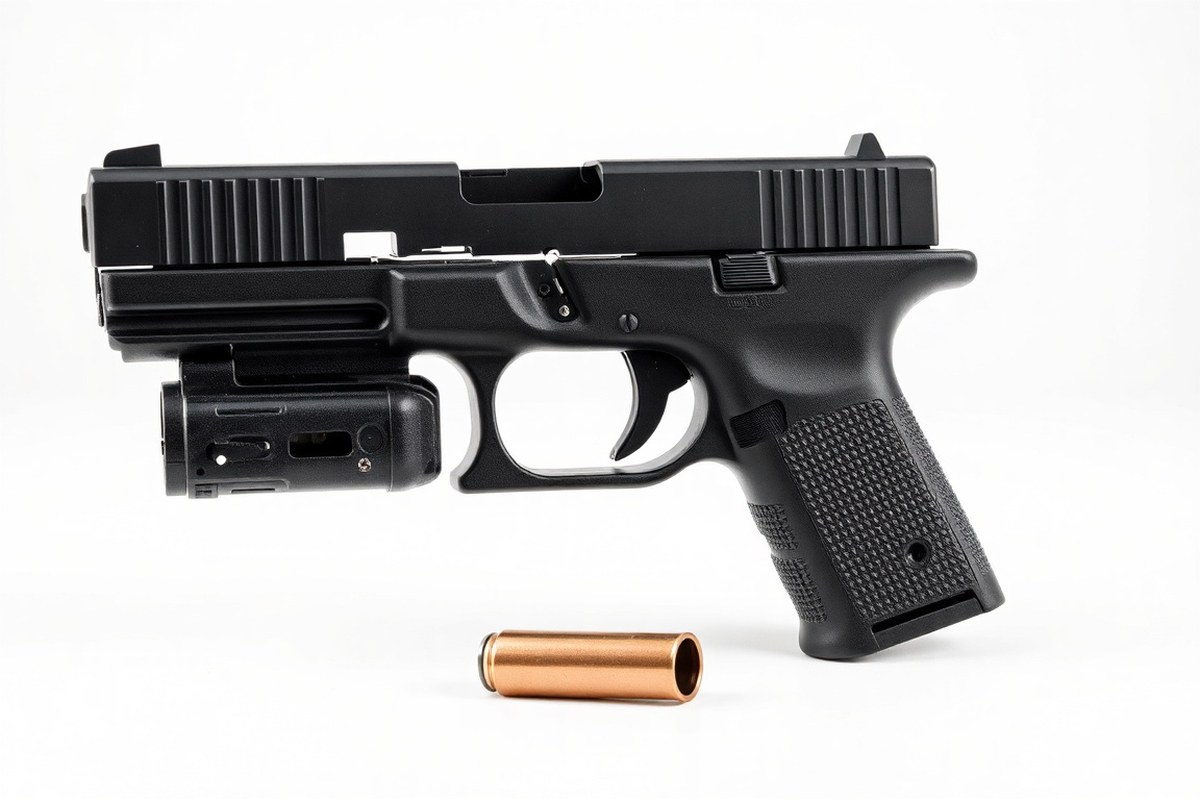
A 9mm Glock is a semi-automatic pistol chambered for the 9mm Luger cartridge, a popular choice for personal defense, law enforcement, and sport shooting. Its design features a polymer frame paired with a steel slide and barrel, making the pistol lightweight yet durable. The 9mm caliber means the firearm fires 9x19mm Parabellum rounds. Glock pistols in this caliber usually have magazine capacities ranging from 10 to 19 rounds, depending on the model.
The operating principle of a 9mm Glock revolves around a striker-fired mechanism. Unlike traditional hammer-fired guns, the striker is partially cocked by the motion of the slide cycling after each shot. When you pull the trigger, it completes the cocking action and releases the striker forward to hit the primer, firing the round. Recoil forces push the slide backward, ejecting the spent casing and chambering a new cartridge from the magazine, preparing the gun for the next shot.
Main components of a 9mm Glock include the polymer frame, slide, barrel, recoil spring assembly, magazine, striker firing system, and Glock’s Safe Action® system. The Safe Action system integrates three internal safeties: the trigger safety, firing pin safety, and drop safety. These features help prevent accidental discharge without requiring manual safeties, providing a consistent trigger pull and improve readiness.
Reliability and durability are key reasons for the Glock’s widespread use. The polymer frame resists corrosion and reduces weight, while the slide and barrel use high-grade steel treated for longevity. Glock pistols are engineered to function reliably under adverse conditions such as dirt, moisture, and extreme temperatures. They require minimal maintenance and handle tens of thousands of rounds with sustained performance. Most Glock models offer barrel lengths between 3.43 and 6.02 inches, affecting concealability and sight radius but not reliability.
Overview of Glock 9mm Models and Their Differences
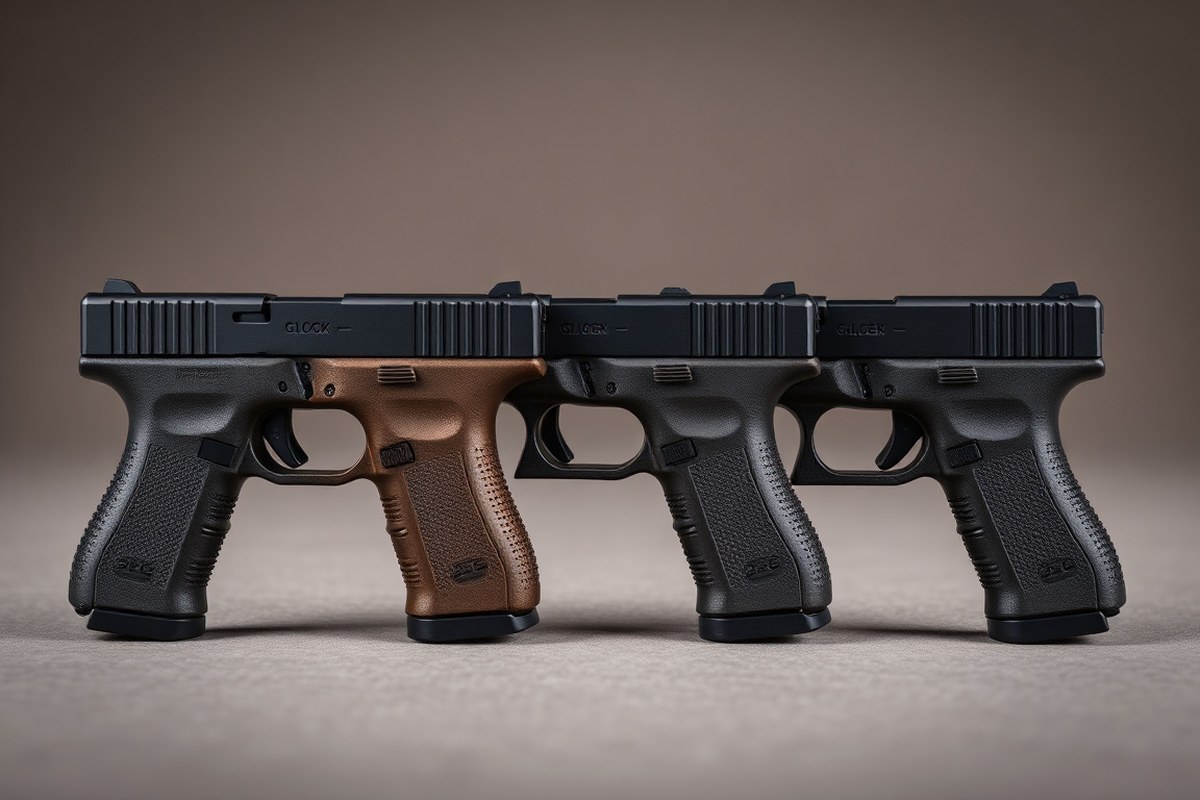
Glock 9mm models come in full-size, compact, and subcompact frames that vary mainly by barrel length and magazine capacity. The full-size Glock 17 features a 4.49-inch barrel and 17-round magazine, making it suitable for duty use and home defense where capacity and accuracy at range matter. Compact models like the Glock 19 and Glock 45 have roughly 4.02-inch barrels but differ in magazine capacity, with the Glock 19 holding 15 rounds and the Glock 45 offering 17. These compact pistols strike a balance between concealability and capacity, often chosen by law enforcement as backup or for concealed duty carry.
Subcompact models prioritize concealment with smaller footprints and shorter barrels, typically around 3.4 inches. The Glock 26 and Glock 27, for example, are subcompacts with 10 and 9-round magazines respectively, designed primarily for concealed carry and as backup guns. The Glock 43 stands out as one of the most concealable 9mm Glocks due to its slim single-stack design, though it sacrifices capacity for this compactness, only holding 6 rounds in a standard magazine.
| Model | Size | Barrel Length (in) | Magazine Capacity (Rounds) | Ideal Use |
|---|---|---|---|---|
| Glock 17 | Full-Size | 4.49 | 17 | Duty use, home defense |
| Glock 19 | Compact | 4.02 | 15 | Concealed carry, self-defense |
| Glock 45 | Compact | 4.02 | 17 | Concealed carry, duty use |
| Glock 26 | Subcompact | 3.43 | 10 | Backup gun, concealed carry |
| Glock 27 | Subcompact | 3.42 | 9 | Backup gun, concealed carry |
| Glock 43 | Subcompact | 3.41 | 6 | Deep concealment carry |
Subcompact Glocks like the 43, 26, and 27 trade off magazine capacity and sometimes shootability for improved concealment in everyday carry. For most concealed carriers, the Glock 19 remains a popular choice due to its manageable size paired with decent capacity. Full-size Glocks like the 17 are preferred by shooters who prioritize maximum capacity and sight radius and do not need extreme concealment. The compact Glock 45 offers extended magazine capacity with reasonable concealability but may feel bulky for deep concealment.
Always ensure your chosen Glock model fits your intended carry method; a subcompact may fit better inside the waistband, while full-size options excel in open carry or duty roles.
Choosing the Right 9mm Glock for Your Needs
Choosing the right 9mm Glock depends mostly on how you plan to carry and use the pistol, along with your comfort managing recoil and grip size. Different models fit well for concealed carry, home defense, or duty use due to variations in size, weight, and magazine capacity. Understanding these factors upfront will help you select a Glock that matches your needs and shooting style.
Consider Your Carry Method and Size
Your preferred carry method heavily influences whether a compact, full-size, or subcompact Glock is best. Subcompact models like the Glock 28, 33, or 39 offer shorter barrel lengths around 3.25 to 3.7 inches and smaller grips for easier concealment. These are ideal for pocket carry or AIWB positions but often come with smaller magazine capacities and may require a two-finger grip below the trigger guard.
Compact models such as the Glock 19 balance concealability and shootability with grip frames near full size but shorter barrels around 4 inches. They work well for open carry or concealed use with slightly less bulk than full-size pistols. Full-size Glocks provide longer sight radii and heavier frames, aiding accuracy and recoil control but reduce carry comfort.
- Subcompact: Easy concealment, lighter, shorter barrels (3.2″, 3.8″)
- Compact: Balanced size, grip near full-size, barrel ~4″
- Full-size: Heavier, longer barrel (4.5″+), better recoil control
- Grip thickness affects hand size fit and comfort
- Accessory rail presence varies with model size and generation
Consider your typical clothing, body shape, and holster options when evaluating carry comfort, as these factors affect what size you can comfortably conceal and draw from.
Assess Intended Usage: Home, Duty, Concealed
Think about where you will use the Glock most often to guide your choice. For home defense or range use, full-size models like the Glock 17 or 34 make excellent choices due to longer barrels and higher magazine capacities. Their added weight helps reduce recoil, improving accuracy on follow-up shots.
For law enforcement duty, compacts such as the Glock 19 provide a good mix of firepower, reliability, and carry convenience. Subcompacts suit off-duty carry or as backup guns because they offer concealment advantages but sacrifice some shooting comfort and ammunition capacity.
Concealed carriers often prefer subcompact or compact pistols to blend concealment with ease of handling during unexpected defensive situations. The Glock 43X and 48 models offer slim profiles and 10-round magazines, increasing comfort and firepower for daily carry.
Evaluate Trigger Pull and Recoil Comfort
The shooting experience varies notably across models, influenced by grip size, weight, and barrel length. Larger, heavier models tend to produce less felt recoil, which helps with accuracy and faster follow-up shots. For example, the Glock 41’s extra weight and longer sight radius reduce muzzle flip compared to subcompact models.
Grip size also matters; if your hand only fits two fingers on a subcompact grip, it may affect trigger control and shot placement. Testing different models at a range can reveal which grip and trigger pull feel best for you, minimizing flinch or tiredness during extended shooting sessions.
Compare Magazine Capacities and Reload Speed
Magazine capacity influences how many rounds you carry without reloading, a key consideration for self-defense and duty use. Subcompact Glocks often feature 6 to 10-round magazines, like the Glock 42 with 6 rounds or Glock 29 with 10 rounds. Full-size and compact models can hold 15 to 17 rounds or more in standard magazines. Higher capacity means fewer reloads during critical moments but may increase grip bulk or carry weight. Consider whether you prioritize firepower or concealment:
- Subcompact: 6, 10 rounds, better concealment, frequent reloads possible
- Compact: 12, 15 rounds, good balance for carry and shootability
- Full-size: 15+ rounds, longer reload intervals, less concealability
- Reload speed benefits from training and magazine familiarity
- Extended magazines increase rounds but add bulk
Your decision checklist could start like this:
- Determine your carry method preference: pocket, waistband, or open
- Match size and weight to comfort and concealment ability
- Set intended primary use: self-defense, duty, range shooting
- Test grip and recoil to find manageable shooting experience
- Balance magazine capacity needs versus size and concealment limits
Trigger, Recoil, and Shooting Experience of 9mm Glocks
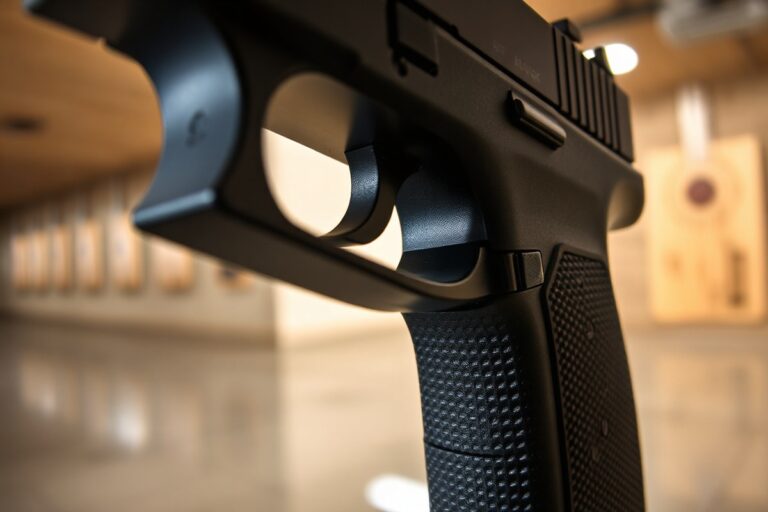
Most 9mm Glock pistols have trigger pulls between 5.5 and 5.8 pounds. The Glock G17 Gen5 and Glock G45 Gen5 models feature a trigger pull near 5.5 pounds, which is lighter compared to previous versions. Glock pistols built for competition, like the Glock 34, have an even lighter trigger pull close to 3.5 pounds. A trigger pull that is lighter and consistent helps reduce shooter tiredness and makes aiming steadier by minimizing movement of the gun’s sights when firing.
Recoil in 9mm Glock pistols is generally mild compared to larger calibers like .40 S&W or .357 SIG. The Glock 19, for example, is known for its manageable recoil, making it a popular choice for both new and experienced shooters. Models with longer barrels and slides, such as the Glock 34 and Glock 40, tend to have reduced felt recoil due to the increased weight and extended sight radius, which also aids in accuracy. Compact models like the Glock 43 have slightly snappier recoil because of their lighter weight and shorter barrel, but they remain controllable with proper grip and stance.
Several features help reduce felt recoil and improve overall shooting performance. The Gen4 Glocks introduced a dual recoil spring assembly that moderates the slide’s rearward movement, softening recoil impacts. Interchangeable backstraps allow you to customize grip size for better control, which can contribute to more comfortable recoil management. Upgrading to aftermarket recoil springs or installing barrel and slide modifications designed to reduce muzzle rise can also help. For example, some shooters add small compensators or ported barrels to further tame recoil, particularly in competition models.
Improving trigger performance is another effective way to improve shooting consistency. Stock triggers on Gen5 Glocks provide a smooth pull with a clean break, but several aftermarket options exist if you want a crisper, lighter trigger. Trigger upgrades typically cost between $70 and $150 and involve replacing the trigger bar and connector components for a reduced pull weight. However, lighter triggers can increase the risk of accidental discharges if safety protocols are not strictly followed. Practicing safe handling while using any trigger upgrade remains essential.
Managing recoil well relies on proper grip technique and stance. Firmly gripping the pistol high on the backstrap and maintaining a strong two-handed hold helps distribute recoil energy evenly. Positioning your body slightly forward with bent knees aids in absorbing the kick. Consistent dry-fire practice with your chosen Glock model will build muscle memory, making recoil feel more natural. Remember, smoother recoil translates to faster follow-up shots and better accuracy, important for self-defense and competition scenarios alike.
Maintenance and Care for Your 9mm Glock
Clean your 9mm Glock regularly to ensure reliability and longevity, ideally after every range session or at least every 500 rounds fired. Gather the necessary tools before starting: a cleaning rod, bore brush, patches, nylon brush, microfiber cloth, Glock-specific lubricant, and a chamber flag to verify safety. Maintaining proper cleaning habits prevents buildup that could cause malfunctions and extends the service life of your pistol.
Disassemble the Pistol Safely
Begin by making sure your Glock is unloaded and safe to handle. Removing the magazine and visually inspecting the chamber is critical before disassembly. Your Glock breaks down into five main groups: barrel, slide, frame, magazine, and recoil-spring assembly.
- Point the pistol in a safe direction and remove the magazine.
- Pull the slide back slightly to check and clear the chamber.
- Release the slide and lock it forward.
- Pull down the slide lock levers on both sides of the frame simultaneously.
- Slide the upper assembly (slide and barrel) forward off the frame.
- Remove the recoil spring assembly carefully from under the barrel.
- Take out the barrel from the slide by pulling it upward and forward.
Always double-check the chamber is empty before disassembling to prevent accidental discharge.
Clean Barrel, Slide, and Frame
Focus on removing powder residue, carbon buildup, and dirt from the barrel, slide, and frame. The steel barrel and slide have nDLC or nPVD coating, which resists corrosion, but regular cleaning keeps them functioning smoothly. Use a bore brush and patches soaked in standard gun solvent to clean the barrel thoroughly, pushing patches through until they come out clean.
Use a nylon brush to clean hard-to-reach parts inside the slide and frame, especially around the extractor and breech face. Wipe all parts dry with a microfiber cloth before lubricating.
Lubricate Moving Parts Properly
Lubricating reduces friction, protects metal surfaces, and helps your Glock operate reliably. Apply Glock-specific lubricant sparingly to the barrel’s exterior contact points, the slide rails, and the recoil spring assembly as per the owner’s manual. Overlubrication can attract dirt and cause malfunctions.
Key lubrication spots include the inside of the slide rails, the barrel’s locking lugs, and the recoil spring guide rod. Wipe away excess oil to avoid a greasy buildup.
Reassemble and Function Test
Putting your Glock back together is straightforward after cleaning and lubricating. Align the barrel back into the slide, place the recoil spring assembly under the barrel, and then slide the upper assembly back onto the frame. Press the slide lock levers back into place to secure the assembly.
Perform a function check by cycling the slide several times and pulling the trigger in a safe direction with the magazine removed. The slide should move smoothly without binding, and the trigger should reset properly. Regular maintenance also makes troubleshooting easier; common issues like failure to feed or eject often stem from dirt buildup or improper lubrication.
Common Accessories and Upgrades for 9mm Glocks
Aftermarket accessories let you tailor your 9mm Glock for better accuracy, comfort, and overall performance. Popular upgrades include sights, red dot optics, triggers, grips, and magazines. Many models, especially the Gen5 and MOS versions, have broad compatibility with these parts, making customization straightforward.
Optics and Sight Upgrades
Upgrading your Glock’s sights is one of the easiest ways to improve target acquisition. Most 9mm Glocks come with basic white-dot fixed sights, but you can switch to night sights or fiber optic sights for faster shooting in various lighting conditions. Night sights typically use tritium, glowing for several hours, which helps in low-light or dark environments.
Red dot optics have grown in popularity and are fully compatible with Glock models designed with Modular Optic Systems (MOS), like the G17 MOS and Glock 43X MOS. These models come with pre-milled slides to mount popular red dots such as the Trijicon RMR or Vortex Venom without additional gunsmithing. For non-MOS models, slide milling can be done by a professional to fit red dot sights, but this requires precise work and might cost $100 to $200.
Trigger and Internal Enhancements
Upgraded triggers on a Glock can reduce pull weight and reset distance, giving a crisper and faster shooting experience. Many aftermarket trigger kits replace the factory connector with a lighter trigger bar system, often dropping pull weight from around 12 pounds to 5-7 pounds. This can improve shot speed and accuracy, especially for competitive or defensive shooting.
Other internal parts, such as recoil springs and magazine releases, can also be swapped for aftermarket versions. Softer recoil springs can reduce felt recoil and muzzle flip, aiding faster follow-up shots. Upgraded magazine releases allow quicker reloads, which is useful in defensive or competition contexts.
Grip and Magazine Extensions
Grip modifications help improve comfort and control, especially if your hands are larger or smaller than average. Popular options include grip sleeves, stippling for a rougher texture, and backstrap replacements to adjust grip size. You can perform stippling yourself with the right tools, but many prefer professional work to avoid damaging the frame.
Magazine extensions add extra rounds and provide a better grip when shooting with one hand. For example, Glock 17 magazines hold 17 rounds, but extended magazines can hold up to 33 rounds. Models like the G19 Gen5 accept magazines from the Glock 17 or 18, increasing capacity without affecting reliability. Extensions may cost around $30 to $60 and are simple to install, just replace the base plate and insert into the magazine.
- Night sights with tritium inserts for low-light shooting
- Fiber optic front sights for bright daylight visibility
- Red dot optics mounted on MOS slides like the G17 MOS
- Aftermarket trigger kits reducing pull weight to 5-7 pounds
- Softer recoil springs for reduced muzzle flip
- Grip stippling and backstrap customization
- Magazine extensions offering up to 33 rounds in some models
Installing these accessories usually involves minimal tools. Sights can be swapped using a sight pusher or punches, and many triggers and springs come with detailed instructions. Reliable holsters with retention adjustments pair well with upgraded Glocks to maintain secure carry and easy draw.
Holsters and Carry Gear
The wide range of Glock models means you have plenty of holster options to choose from, including inside-the-waistband (IWB), outside-the-waistband (OWB), and appendix carry styles. Aftermarket holsters often use Kydex or leather and include adjustable retention screws or belt clips for a secure fit.
Some holsters are designed to fit Glocks with optics mounted, like those with Trijicon RMR or Vortex Venom red dots. Make sure to select holsters labeled as compatible with your specific Glock model and any optics installed, to ensure proper fit and protection. Investing in a quality holster reduces wear on upgraded sights and keeps the pistol ready for reliable use.
Understanding Legal and Safety Considerations for 9mm Glock Owners
Glock 9mm pistols incorporate the Safe Action system, which includes three independent safety mechanisms designed to prevent accidental discharge. These consist of a trigger safety, a firing pin safety, and a drop safety. The trigger safety physically blocks the trigger from moving unless it is deliberately pressed. The firing pin safety prevents the striker from moving forward unless the trigger is pulled, and the drop safety blocks the firing pin from releasing if the pistol is dropped. Despite these built-in safeties, careful handling is essential to prevent accidents.
Safe handling of your 9mm Glock starts with treating every firearm as if it is loaded. Always keep the muzzle pointed in a safe direction and your finger off the trigger until ready to shoot. When loading or unloading, maintain focus and avoid distractions. Carrying a 9mm Glock concealed or openly must include using a proper holster that securely covers the trigger guard to reduce the risk of unintentional trigger engagement. For storage, firearms should be unloaded and locked away in a gun safe or lockbox inaccessible to unauthorized users, especially children.
Legal restrictions on owning and carrying a 9mm Glock vary by state and locality. Federal law requires background checks for purchases through licensed dealers, but some states impose additional requirements like permits, waiting periods, or registration. Concealed carry laws differ widely, from permitless carry in some states to strict licensing and training in others. It is critical to review and comply with your area’s laws regarding possession, transportation, and use. Failure to follow these rules can lead to serious legal consequences, including fines and imprisonment.
Training with a qualified firearms instructor is strongly recommended to build confidence and proficiency. Professional guidance helps in understanding safe operation, marksmanship, and effective defensive use. Similarly, consulting an attorney who specializes in firearms law is advisable if you are unsure about local regulations or your legal rights. This is especially important when considering self-defense laws and the use of force, which can vary by jurisdiction.
A practical checklist for safely handling your 9mm Glock includes these steps: Always verify the gun is unloaded before cleaning or storage. Use a holster designed for your Glock model when carrying. Store the firearm locked and separate from ammunition unless actively training or hunting. Continuously educate yourself on the relevant laws and update your training accordingly. These habits reduce risks of accidents, theft, and legal trouble while ensuring your 9mm Glock remains a reliable tool.
Which Ammunition Works Best in a 9mm Glock?
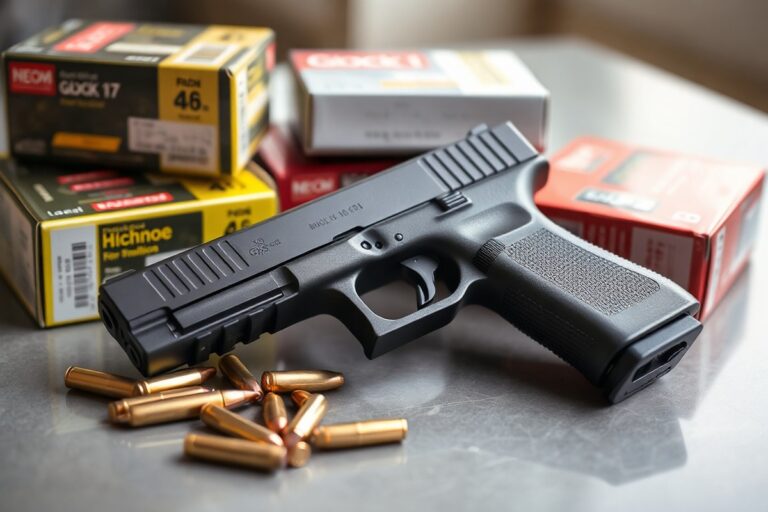
The compatibility of ammunition with a 9mm Glock largely depends on your intended use, such as self-defense, target shooting, or competition. Standard 9mm Luger ammunition, including full metal jacket (FMJ), hollow point (HP), and +P loads, work well in most 9mm Glock models. Choosing the right ammo affects recoil, accuracy, and terminal performance, which matters for comfort, precision, and stopping power. Generally, FMJ rounds suit target practice because they are affordable and produce moderate recoil, while hollow points are preferred for self-defense due to their expansion properties and effectiveness.
Recoil varies by ammunition type. Standard pressure 9mm rounds offer manageable recoil in Glock models like the G19 or G17, aiding in shot placement and rapid follow-up shots. +P or +P+ ammunition increases chamber pressure, providing more velocity and energy but also more recoil and wear on the firearm. Testing ammo in your Glock before committing to carry or competition loads ensures reliable feeding and comfortable shooting. Some match-grade or specialty rounds improve accuracy but can be more expensive per box.
- Full Metal Jacket (FMJ): Best for target practice, reliable, moderate recoil, and usually the most affordable option.
- Hollow Point (HP): Ideal for self-defense, designed to expand on impact and reduce over-penetration risks.
- +P Loads: Increased velocity for improve stopping power, with slightly heavier recoil and wear.
- Match-Grade Ammo: Offers tighter grouping and increased accuracy, suited for competitive shooting but at a higher cost.
- Subsonic Ammo: Reduces noise when paired with a suppressor, improves comfort in recreational shooting.
- Lead-Free Options: Recommended for indoor ranges with ventilation restrictions, though sometimes more costly.
- Avoid reloads or corrosive ammo that can harm your Glock’s internal components or cause reliability issues.
When selecting ammo, avoid calibers other than 9mm Luger, as Glocks in this chambering are not designed to handle them. Pay attention to your Glock’s specific model tolerances; for example, some compact models might cycle certain +P+ loads less reliably. To test successfully, fire at least 100 rounds of your chosen ammunition to confirm consistent feeding and ejection. Experiment with different bullet weights, such as 115, 124, or 147 grains, to find what your Glock shoots most accurately with minimal recoil.
Always check for proper function and accuracy by testing several ammo types in your Glock before using any load for defense or competition purposes.
Step-by-Step Action Plan for Your 9mm Glock
Follow these steps to get the most from your 9mm Glock, whether for self-defense, recreational shooting, or duty use.
- Day 1: Familiarize yourself with the specific Glock model’s manual and safety features to understand its operation and controls thoroughly.
- Week 1: Practice dry firing and basic handling drills to build comfort and muscle memory without live ammo; success means smooth, safe manipulation.
- Week 2: Range test with various quality 9mm ammo types to find what feeds and shoots reliably with minimal recoil; reliable cycling and shot grouping indicate a good fit.
- Week 3: Install one or two trusted accessories like night sights or a comfortable grip for your style; test again at the range to confirm improved performance or comfort.
- Month 1: Conduct regular cleaning and maintenance sessions according to Glock guidelines; a clean, well-lubricated pistol with no malfunctions shows proper care.
- Ongoing: Review local laws and update registration if needed, and continue regular practice sessions weekly to maintain proficiency and confidence.
Frequently Asked Questions
What Distinguishes the Glock 17 from Other 9mm Glock Models?
The Glock 17 is a full-size pistol with a higher capacity, making it the most popular Glock ever made. Its size offers better accuracy and control, ideal for range shooting or duty use.
Is the Glock 19 Suitable for Beginners in Concealed Carry?
Yes, the Glock 19 is compact yet easy to handle, making it a top choice for beginners. It balances size, capacity, and recoil control well, which helps new shooters build confidence.
How Does the Glock 43 Compare with Other Subcompact Models?
The Glock 43 is slim and single-stack, making it one of the most concealable 9mm pistols. Its dead-simple reliability after many rounds favors daily concealed carry users.
What Is Meant by “Baby Glock” Regarding the Glock 26?
Baby Glock” refers to the Glock 26’s small size and lightweight, perfect for concealed carry or a backup gun. Its compactness sacrifices some magazine capacity but boosts portability.
Can the Glock 17 Gen5 MOS Accommodate Optics?
Yes, the Glock 17 Gen5 MOS is designed to accept various optics, improving target acquisition. This feature suits shooters seeking precision and customization in a full-size 9mm.
Which 9mm Glock Model Offers the Best Mix of Accuracy and Concealability?
The compact Glock 19 balances accuracy and concealability well, appealing to many law enforcement and civilian users. Its size allows easy carry without much recoil compromise.
Final Thoughts
Your 9mm Glock is a versatile, reliable firearm suited to many purposes. Taking time to choose the right model, practice extensively, and maintain it well ensures you get the best experience possible. Start today with careful handling and training to build confidence and use your Glock safely and effectively.