Can You Carry a Concealed Weapon in Massachusetts? A Complete Legal Guide
Carrying a concealed weapon in Massachusetts requires holding a valid License to Carry (LTC) granted by local law enforcement or state officials. You need to be 21 or older and fulfill certain legal criteria before applying. Begin by filing a detailed LTC application through your local police for evaluation.
Key Takeaways
- Applicants must prove “good cause” for carrying a concealed firearm under Massachusetts law.
- Concealed carry licenses in Massachusetts are valid for up to six years with a typical $100 fee.
- Expect processing times to take between 60 and 90 days after submitting a full application.
- Carrying a concealed firearm is prohibited in schools, courthouses, airports, and near polling places.
- Polling places ban concealed carry within 150 feet during elections to ensure voter safety.
- Massachusetts requires applicants to be state residents and at least 21 years old to qualify for an LTC.
Is Concealed Carry Legal in Massachusetts?
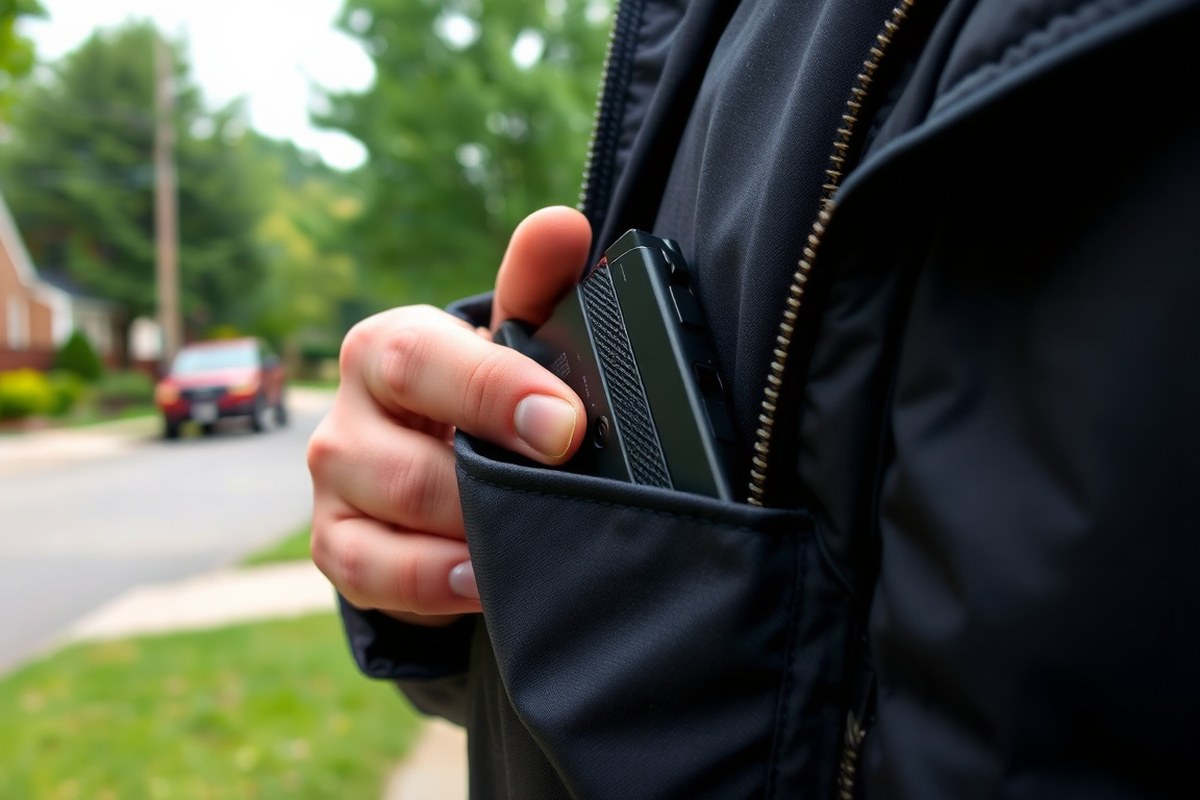
Carrying a concealed weapon in Massachusetts is legal but requires strict adherence to state laws. To carry a concealed firearm, you must first obtain a License to Carry (LTC), as mandated under Massachusetts General Laws Chapter 140, Section 131. This license is issued by local police departments or the Massachusetts State Police, depending on residency status. Without an LTC, carrying a concealed weapon is prohibited and subject to significant legal penalties.
In Massachusetts, carrying a concealed weapon legally requires you to be at least 21 years old and a state resident. If you live outside Massachusetts, you must go in person to the Firearms Records Bureau to apply for a License to Carry (LTC). For residents, the application process can take as long as 60 days, giving local law enforcement time to complete background checks and determine if you meet the state’s legal criteria. The license is valid for six years, and you must renew it before it expires while complying with all applicable laws during that time.
Massachusetts has strict rules about where and how a concealed weapon can be carried to protect public safety while respecting legal rights. A valid LTC does not allow carrying concealed firearms in places like schools, courthouses, airports, or within 150 feet of polling locations on election days. Firearms are also prohibited on federal property inside the state. Following these rules helps you avoid significant legal trouble.
The legal framework for concealed carry in Massachusetts has evolved, especially after the *Bruen* decision, making LTCs more accessible for qualified individuals while maintaining improve background checks and strict firearm control measures. Keep in mind that Massachusetts does not recognize concealed carry permits from other states, so out-of-state licenses do not grant you the right to carry concealed within Massachusetts.
To carry concealed legally, you need to apply for an LTC either through your local police department if you’re a resident or via the Firearms Records Bureau if you’re not. You’ll be required to submit identification, complete background checks, and prove you meet all state requirements. The process includes fingerprinting and payment of applicable fees, which vary depending on the issuing agency but typically range around $100 to $130. Compliance with all licensing requirements and continuing to follow Massachusetts’ gun laws are essential to keep your license in good standing and carry your weapon lawfully.
How to Apply for a Massachusetts Concealed Carry License

Carrying a concealed weapon legally in Massachusetts requires obtaining a License to Carry (LTC). This involves fulfilling specific eligibility rules, completing a state-approved firearms safety course, submitting an application and supporting documents to your local police department, and passing a detailed background check. The whole process usually takes several weeks, with a fee roughly around $100.
Eligibility Criteria and Documentation
Applicants need to be 21 years or older and either live or work within Massachusetts to qualify. Having certain criminal convictions or being banned from firearm possession by state or federal law will disqualify you. Providing proof of Massachusetts residency or employment is necessary for your application to move forward.
Essential documents include a government-issued photo ID, proof of residence like a utility bill or rental contract, and certifications from completed firearms training courses. Your local police department manages application submissions and reviews these documents to confirm eligibility before making a decision.
Firearms Safety Training Requirements
Completing a state-approved basic firearms safety course is mandatory before applying for an LTC. This training ensures you understand Massachusetts firearms laws, safe handling practices, and carry responsibilities. Many courses last around 4 to 8 hours and result in a certificate you must include in your application.
The certificate verifies your knowledge and helps fulfill the legal criteria for safe firearm ownership. Without this training, your application will not move forward, so completing it early in the process is critical.
Application Submission and Timeline
Submit your completed application in person at your local police department or other designated licensing authority. Along with the forms, include the safety course certificate and proof of residency. A complete background check follows your submission and can extend the processing time.
The total review often takes from 30 to 90 days, depending on your town or city. The application fee generally is around $100, potentially payable at submission or issuance. Note that Massachusetts does not accept concealed carry permits from other states. Non-residents must apply for an LTC through this same process if they want to carry concealed in Massachusetts. Follow this checklist to apply correctly:
- Confirm you meet age and residency requirements.
- Complete a state-approved firearms safety course and keep your certificate.
- Gather required documents: photo ID, proof of residency, training certificate.
- Obtain the LTC application form from your local police department.
- Submit your application and all documents in person.
- Pay the application fee (approximately $100).
- Undergo the thorough background check administered by the licensing authority.
- Wait for approval, which may take 1 to 3 months.
Applying early and ensuring all paperwork and training certificates are accurate helps avoid delays in receiving your Massachusetts LTC.
Where Can You Carry a Concealed Weapon in Massachusetts?
Carrying a concealed weapon in Massachusetts requires you to be aware of the exact places where the law allows it. You need a valid Massachusetts License to Carry (LTC) to carry any firearm, whether concealed or open. However, the state mainly focuses on concealed carry because open carry in public is not generally legal without a license. Carrying a concealed firearm is only permitted in public places where firearms are not explicitly banned by state or federal laws.
Common public locations where concealed carry is allowed include streets, parks, and outdoor public venues, provided you carry your firearm in accordance with your LTC. It is essential to avoid places that Massachusetts law or federal regulations designate as off-limits to firearms, such as government buildings, schools, and certain private properties. You cannot legally carry a concealed weapon on Massachusetts Bay Transportation Authority (MBTA) buses, subways, or commuter rails, as they strictly ban firearms.
There is no difference in location rules between open and concealed carry because Massachusetts requires a license for carrying firearms in public without distinguishing between the two. Practically, concealed carry is far more common because open carry is heavily restricted, but your license covers both methods. This means that the places where you can legally carry concealed are largely the same as those where you could carry openly if you chose to and met all license requirements.
Carrying a firearm in a vehicle follows separate regulations. Massachusetts law permits licensed individuals to carry a concealed weapon in a vehicle as long as the firearm is on their person or stored securely when not being carried. Nonresidents lawfully passing through Massachusetts may carry a firearm only inside their vehicle, and the weapon must remain secured under Massachusetts storage laws when outside their direct control. Transporting firearms requires keeping them in a locked case, trunk, or secure container and following all rules strictly to avoid penalties.
- Concealed carry allowed in public streets, parks, and outdoor events where firearms aren’t prohibited
- Prohibited on MBTA buses, subways, and commuter rails
- No legal difference between open and concealed carry locations if you hold the proper license
- Firearms must be securely stored or carried in vehicles per Massachusetts law
- Nonresidents may carry firearms only inside a vehicle while traveling through Massachusetts
- A Massachusetts LTC is required for all public carrying of firearms
- Always verify property-specific bans to avoid illegal carry situations
Following these rules when carrying concealed in Massachusetts helps you stay compliant with state laws. Always confirm your concealed carry license is current, and be aware that Massachusetts enforces strict regulations on carrying firearms responsibly. Understanding where you can carry keeps you out of legal trouble and supports safe firearm ownership in the state.
Where Is Concealed Carry Prohibited in Massachusetts?
Carrying a concealed weapon in Massachusetts is subject to strict limitations on where you can legally do so, even with a valid License to Carry (LTC). Some locations ban concealed firearms outright, while others have distance restrictions or special rules that apply only during certain times or events. Knowing these boundaries prevents criminal charges and ensures your right to carry is respected.
A concealed weapon is prohibited in specific places regardless of your LTC status. These include K-12 schools and their grounds, federal government buildings such as post offices, and courthouses. Polling places on election days are off-limits to firearms, aiming to maintain a safe environment during voting. Establishments primarily serving alcohol also generally prohibit carrying concealed weapons, even though they might have more nuanced rules depending on the license type or owner policies.
Some of these prohibitions arise from Massachusetts state law, while others derive from federal restrictions that apply within the state’s jurisdiction. Federal rules forbidding firearms in post offices and courthouses remain enforceable irrespective of state licenses. Also, posted private properties with visible “No Weapons Allowed” signs legally bar concealed firearms, and disregarding those notices may lead to criminal offenses.
| Location | Prohibition Type | Additional Notes |
|---|---|---|
| K-12 Schools and School Grounds | Complete Prohibition | Carrying is illegal at all times within school property |
| Federal Buildings and Post Offices | Complete Prohibition | Applies under federal law even if you have LTC |
| Courthouses and Judicial Buildings | Complete Prohibition | Includes all state and federal courthouses in Massachusetts |
| Polling Places on Election Day | Complete Prohibition | Firearms are prohibited only during voting hours |
| Establishments Serving Alcohol | Prohibition | Typically bars or venues where alcohol is the primary business |
| Posted Private Properties | Prohibition | Must comply with property signs stating “No Weapons Allowed” |
Understanding distance requirements around sensitive locations like schools or polling places is also critical. State law establishes clear boundaries to prevent concealed carry within these areas. It’s advisable to measure at least 300 feet from school property where you might consider carrying. Being farther away than these limits helps avoid indirect violations even if you are on public sidewalks or streets adjacent to these sites.
During elections, firearms must be removed from polling places entirely for the duration of voting hours. This special restriction ensures an abuse-free environment to protect voters and election workers. Planning your routes to polling stations or avoiding voting day crowds with a concealed weapon will help you stay within legal limits.
Strict adherence to posted restrictions and location bans offers the best protection for your concealed carry rights. If uncertain, confirm local rules before carrying into areas that often have complex legal overlays, such as city parks or transportation hubs where special federal or state rules may apply.
Vehicle and Transportation Rules for Firearms in Massachusetts
You cannot carry a concealed firearm in your car without a valid Massachusetts License to Carry (LTC). The state enforces strict laws against possessing a loaded firearm without an LTC, and violations can lead to aggressive prosecution, including fines, prison time, and loss of your ability to obtain a license in the future. Massachusetts law restricts possession of a firearm in a vehicle without a license, so carrying concealed in any form without an LTC is not permitted.
If you hold an LTC, you may carry a loaded, concealed handgun on your person while inside a vehicle. However, proper storage rules still apply. Firearms cannot be left loaded and unlocked in a parked vehicle. This means if you leave your firearm unattended in a car or truck, it must be securely stored in a locked container or locked trunk. Failure to properly store a firearm inside a vehicle can result in severe penalties, including license revocation and up to 18 months in jail.
For transporting firearms without a license, the gun must be unloaded, in a locked container or case, and stored separately from the ammunition. This rule applies if you are moving the firearm between your home and a shooting range, gun shop, or another legal destination. The gun should not be carried on your person in this situation. These measures reduce the risk of unauthorized access and help comply with Massachusetts’ strict rules.
Transportation rules apply to motorcycles and public transit as well. On a motorcycle, carrying a loaded firearm on your person requires an LTC, just like in a car. Firearms left on a motorcycle must be unloaded and secured in a locked case or container. Public transit systems, including buses and trains, prohibit carrying firearms entirely regardless of LTC status. Guns should never be carried on public transit unless expressly allowed by the transit authority and your LTC.
Never leave a loaded firearm unsecured in your vehicle, even if you have an LTC; the consequences can include license loss and jail time.
Penalties and Legal Consequences for Illegal Carry in Massachusetts
Carrying a concealed weapon in Massachusetts without a valid License to Carry (LTC) carries serious penalties. Massachusetts law explicitly requires you to have an LTC issued by the local police before carrying any concealed firearm. Violating this rule can lead to up to 2 years in prison and fines reaching $5,000. These consequences apply whether you are a resident or a visitor, as Massachusetts does not recognize concealed carry licenses issued by other states. It is essential to ensure your license is current and valid when carrying a concealed weapon in the state.
Additional penalties apply if you carry a concealed weapon in places where firearms are prohibited by law. Certain locations, such as schools, government buildings, and private properties that post no-weapons signs, restrict carrying even with an LTC. Carrying in these restricted zones can result in criminal charges separate from those for unlicensed carry. Penalties can include fines and imprisonment, depending on the circumstances and whether there is intent to commit a crime or public safety concerns.
Enforcement agencies take violations like carrying while intoxicated or improper storage of firearms very seriously. Carrying a weapon under the influence of drugs or alcohol is illegal and may lead to charges that carry additional fines and possible jail time. Proper storage laws also apply, requiring firearms to be secured in a manner that prevents unauthorized access, especially around minors. Failure to comply with storage regulations can result in both civil and criminal penalties, including potential liability if a firearm is misused or accessed by someone negligent.
Law enforcement officers typically enforce these laws by checking for a valid LTC during traffic stops, investigations, or when responding to complaints. In cases of unlicensed carry, officers may seize the firearm and initiate prosecution. Being convicted of carrying without a license or violating carrying restrictions can also affect your ability to obtain or keep an LTC in the future, as well as impact your criminal record.
To avoid legal trouble, always carry your valid LTC, respect restricted areas, never carry while impaired, and follow all firearm storage laws. Understanding these rules is important to carrying safely and legally in Massachusetts, as the state enforces penalties firmly to promote public safety.
Renewing, Revoking, and Maintaining Your Massachusetts Concealed Carry License
Your License to Carry (LTC) in Massachusetts is valid for a limited time and requires periodic renewal to remain effective. The license can be revoked or suspended for specific reasons, and you must keep your personal information up to date with the issuing authority to stay compliant with state laws.
Duration and Renewal Process
An LTC issued to Massachusetts residents typically remains valid for up to six years, but this can vary based on local issuing authority policies. Non-resident LTCs, however, have a validity of one year and must be renewed annually. To renew your LTC, you need to start the process before it expires to avoid any lapse in your legal carrying rights.
Renewing your LTC involves submitting an application to the local police department where you reside, including updated personal information and any changes to your eligibility status. A renewal fee typically applies, and the department may require a personal interview similar to the initial application. It’s important to check specific local requirements, as some authorities might have additional steps or documentation necessary.
- Check your license expiration date well in advance, ideally 60 days before it expires.
- Gather required documents including your current LTC, proof of residence, and any updated personal identification.
- Complete the renewal application form, which is usually available on the local police department’s website or in person.
- Submit the renewal application along with the required fees to your local police department.
- Attend any required personal interview or fingerprinting if requested by the licensing authority.
- Wait for the renewal decision; approval generally takes several weeks.
- Pick up your renewed LTC from the police department once notified.
Common Causes for Suspension or Revocation
An LTC may be suspended or revoked if the licensing authority determines you pose a risk to public safety or fail to maintain the eligibility requirements. Typical causes for revocation include criminal convictions, misuse of a firearm, failure to comply with licensing conditions, or evidence of mental illness or substance abuse affecting firearm possession.
Police chiefs in Massachusetts have discretion under a “suitability” standard to suspend or revoke licenses if they document reliable evidence indicating the licensee poses a public safety risk. The licensing authority is required to notify you in writing of the specific reasons for any such action, allowing you the opportunity to respond or appeal within the state’s legal framework.
Updating Personal Information and Lost LTC Procedure
You must promptly update your LTC issuer if you change your address or any other personally identifying information. This keeps the license valid and helps avoid legal issues when carrying a concealed weapon. It’s typically required to notify the issuing police department within 10 days of an address change.
In the event you lose your LTC, report the loss immediately to your local police department to prevent misuse. You will need to apply for a replacement license, which involves submitting a written request, paying a replacement fee, and possibly completing a form detailing the circumstances of the loss. Following these steps ensures your license remains valid and helps protect you from potential identity theft related to your LTC.
Special Considerations: Non-Residents, Medical Marijuana, and Sensitive Situations
Non-residents can apply for a License to Carry in Massachusetts but must follow specific rules and face longer application times. Carrying while using medical marijuana affects your eligibility, and carrying firearms in certain sensitive places has legal restrictions. Understanding these details helps ensure you stay compliant with Massachusetts law.
Non-Resident License and Carry Rules
Non-residents may apply for a Massachusetts License to Carry, but their licenses only last one year and processing can take up to 90 days. Unlike some other states, Massachusetts does not recognize concealed carry permits from states like New Hampshire, Maine, Florida, or Texas. This means you cannot legally carry a concealed weapon in Massachusetts on an out-of-state permit. To carry legally, non-residents must apply for and receive a Massachusetts license. The application process involves submitting fingerprints, a background check, and paying applicable fees. Planning ahead is important due to the longer wait times for non-resident applications.
Impact of Medical Marijuana Use on Carry Eligibility
Using medical marijuana affects your ability to obtain or maintain a License to Carry in Massachusetts. Since marijuana remains illegal under federal law, users face federal restrictions related to firearm possession. This conflicts with state licensing rules, potentially disqualifying you if you use medical marijuana. Law enforcement and licensing authorities may deny applications or revoke licenses if they learn of marijuana use. Maintaining a license while using medical marijuana can severely increase legal risks. It is best to consult legal counsel before applying if you are a medical marijuana patient.
Using medical marijuana can lead to denial or revocation of a carry license because federal law prohibits firearm possession by users of controlled substances.
Carrying in Workplaces, Worship, and Private Property
Many workplaces and places of worship in Massachusetts may legally restrict firearms on their premises. Private property owners can prohibit concealed carry by posting clear signs or providing direct notice. Carrying in these locations without permission can lead to criminal charges or license suspension. Employers often have policies banning firearms, so you should confirm workplace rules before carrying. Places of worship may have different rules depending on denomination or local policies. Even if your License to Carry is valid, respecting posted restrictions and private property rights is essential to avoid penalties.
Common Concealed Carry Mistakes and How to Avoid Them in Massachusetts
Many concealed carry license holders in Massachusetts make legal mistakes that can lead to serious consequences. One common error is relying on out-of-state permits, assuming reciprocity applies. Massachusetts rarely recognizes non-resident licenses, so carrying under a permit issued by another state typically violates Massachusetts law. Always carry with a Massachusetts-issued license when within the state.
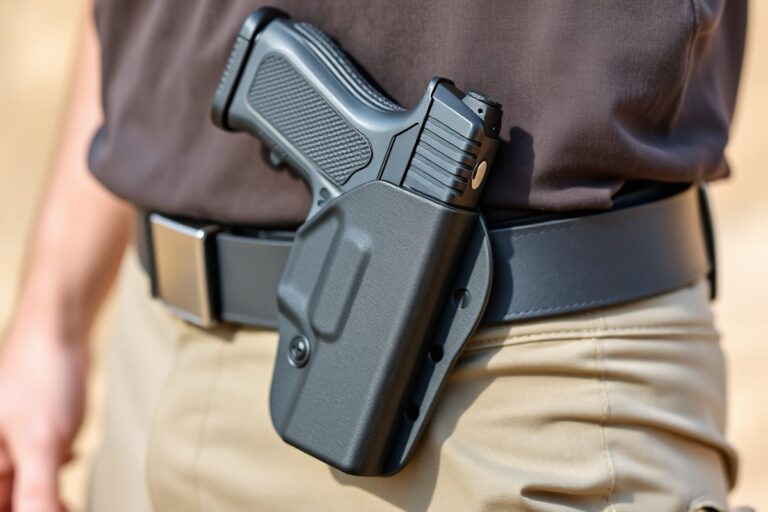
Accidental exposure or “printing” of a firearm, when the outline or shape becomes visible through clothing, is another frequent issue. Printing risks drawing unwanted attention and potential law enforcement encounters. To avoid this, select holsters and clothing that provide full coverage and secure retention. Layering clothing and using quality inside-the-waistband holsters designed for your gun model reduces chances of exposure.
Stopping safely and respectfully if police approach is critical while carrying concealed. Massachusetts law requires you to immediately inform the officer if you are carrying a firearm and produce your license and firearm permit upon request. Remaining calm, keeping your hands visible, and avoiding sudden movements help prevent misunderstanding and escalation.
- Confirm you have a Massachusetts-issued license before carrying, especially after travel.
- Choose holsters with sturdy retention, and dress to minimize firearm printing.
- Practice safe handling and quick presentation of your license and permit.
- Always inform police promptly and clearly upon contact if you’re carrying.
- Keep up with Massachusetts laws and any changes through official sources or legal counsel.
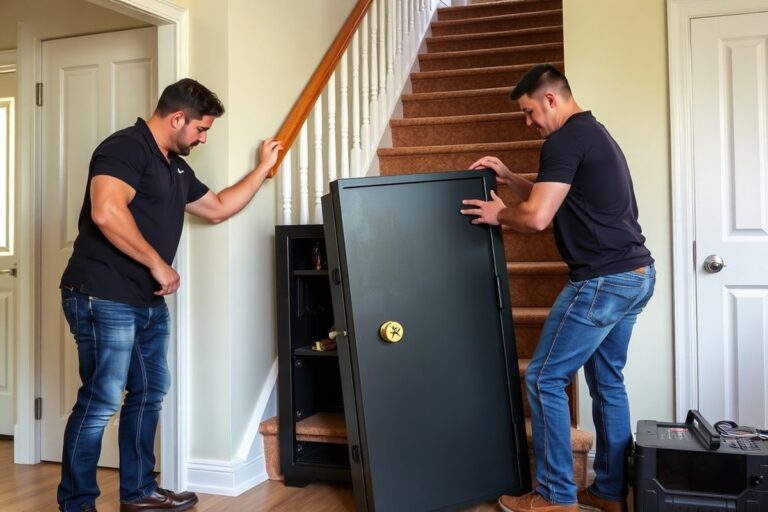
- Store your firearm securely when not carried to prevent unauthorized access.
Following this checklist ensures you stay within legal boundaries and carry responsibly. Regular practice with drawing your firearm and showing your documents can make interactions with law enforcement smooth and less stressful. Remember, carrying concealed comes with the responsibility to understand your rights and limits clearly. Avoid shortcuts in permit compliance and handling that increase the risk of legal trouble or personal harm.
Your First Steps to Carrying Concealed in Massachusetts
Follow this plan to start carrying legally and confidently in Massachusetts.
- Before You Apply: Confirm you meet all eligibility requirements and gather necessary documents like your ID, proof of residency, and fingerprints. This ensures your application won’t be delayed or rejected.
- Day 1: Submit your application for a License to Carry (LTC) at your local police station or the Massachusetts Firearms Record Bureau. Keep a copy of the application receipt as proof.
- Week 1, 3: Complete any required interviews or background checks when contacted. Respond promptly to avoid delays in application processing.
- Week 4, 6: Attend any mandatory firearms safety course if required by your local issuing authority. This training will prepare you for responsible concealed carry.
- Upon Approval: Pick up your LTC in person and review all conditions on your license. Verify the information is correct and ask questions if any restrictions are unclear.
- Immediately After Licensing: Learn the specific places where concealed carry is prohibited, such as schools and government buildings. Plan your carrying habits accordingly.
- Ongoing: Keep your license current by renewing before it expires and follow all state laws while carrying to avoid penalties.
Frequently Asked Questions
Can I Carry a Concealed Weapon Without a License to Carry in Massachusetts?
No, you must have a valid License to Carry (LTC) to legally carry concealed in Massachusetts. Carrying without an LTC can lead to serious criminal penalties and legal trouble.
How Long Is a Massachusetts Concealed Carry License Valid?
The Massachusetts concealed carry license is valid for six years before it needs renewal. Renew early to avoid any lapse in your legal carrying rights.
Are There Age Restrictions for Applying for a Concealed Carry Permit in Massachusetts?
Applicants need to be 21 years old or older and live in Massachusetts to qualify for an LTC. Concealed carry permits are unavailable to anyone younger than 21.
Can Non-Residents Apply for a Massachusetts Concealed Carry License?
To legally carry concealed in Massachusetts, non-residents have to apply in person at the Firearms Records Bureau. The bureau does not accept applications from non-residents by mail or online.
Is Carrying a Concealed Weapon Allowed on Federal Property in Massachusetts?
No, carrying a concealed weapon is prohibited on federal property within Massachusetts, regardless of your LTC. This includes federal courthouses and post offices.
What Are the Penalties for Carrying a Concealed Weapon Illegally in Massachusetts?
Illegal concealed carry is a criminal offense that can result in fines, jail time, and loss of your license. Penalties vary by case severity and location of the violation.
The Bottom Line
Massachusetts requires a careful process to carry a concealed weapon legally, including application, training, and strict adherence to rules on where you can carry. Start by applying for your License to Carry and stay informed about the laws to avoid serious penalties. Check with your local police department for any specific local requirements or recent changes to the law.