How to Clean a Glock 17: Complete Steps for Reliable Performance
Learning how to clean a Glock 17 properly ensures reliable performance and extends the life of your pistol. Start by safely unloading and field-stripping the firearm before applying a firearm-safe solvent to break down fouling. Focus first on removing built-up residue from the barrel and slide to maintain accuracy and smooth cycling.
Key Takeaways
- Always verify the Glock 17 is unloaded before beginning any cleaning process.
- Use a solvent safe for polymer frames to avoid damaging the Glock 17’s frame during cleaning.
- Clean your Glock 17 after every range session to prevent fouling buildup.
- Disassemble the pistol into its major components for a thorough cleaning.
- Lubricate specific contact points lightly after cleaning to ensure smooth operation.
- Perform a function check after reassembling to confirm the pistol is working correctly.
How to Safely Clean Your Glock 17 Step-by-Step

Before you start cleaning your Glock 17, safety must come first. Handling a loaded firearm during cleaning can cause accidental discharge, posing serious risks. You need to fully unload the gun and verify it is empty to eliminate any chance of live rounds in the chamber or magazine. Properly disassembling the pistol prepares it for thorough cleaning, but cautious handling of each part prevents damage to the firearm’s components. Follow these steps to safely unload, disassemble, and prepare your Glock 17 for cleaning:
- Unload the Glock 17 fully. Remove the magazine by pressing the magazine release button. With the magazine out, pull the slide back fully to visually and physically inspect the chamber. Look and feel inside to confirm there are no rounds.
- Release the slide and perform a function check. Let the slide move forward slowly after confirmation that the chamber is empty. Dry fire the pistol once to ensure the trigger functions correctly.
- Clear the magazine well and remaining parts. Double check the empty magazine well with a flashlight if needed. Remove any rounds from your workspace to avoid confusion.
- Prepare your workspace for disassembly. Use a clean, flat surface with adequate lighting. Lay out a lint-free cloth or mat to prevent parts from rolling away or getting lost.
- Disassemble the slide assembly. Hold the firearm with one hand firmly. Pull the slide slightly back (about 1/8 inch or 3mm), then pull down the slide lock lever on both sides simultaneously. Gently push the slide forward off the frame.
- Remove the recoil spring and barrel. Compress the recoil spring assembly slightly and lift it out carefully. Then lift out the barrel by pulling it upward and out of the slide to avoid scratching or bending.
- Handle all parts with care. Avoid using excessive force with small components. Keep track of springs, pins, and other small parts to prevent loss or damage.
Following this checklist ensures your Glock 17 is safely prepared for thorough cleaning. This routine minimizes risk, protects your firearm’s integrity, and sets the stage for effective maintenance. Regular safe unloading and disassembly also help you spot signs of wear or fouling that impact reliability.
Essential Tools and Materials Needed for Cleaning

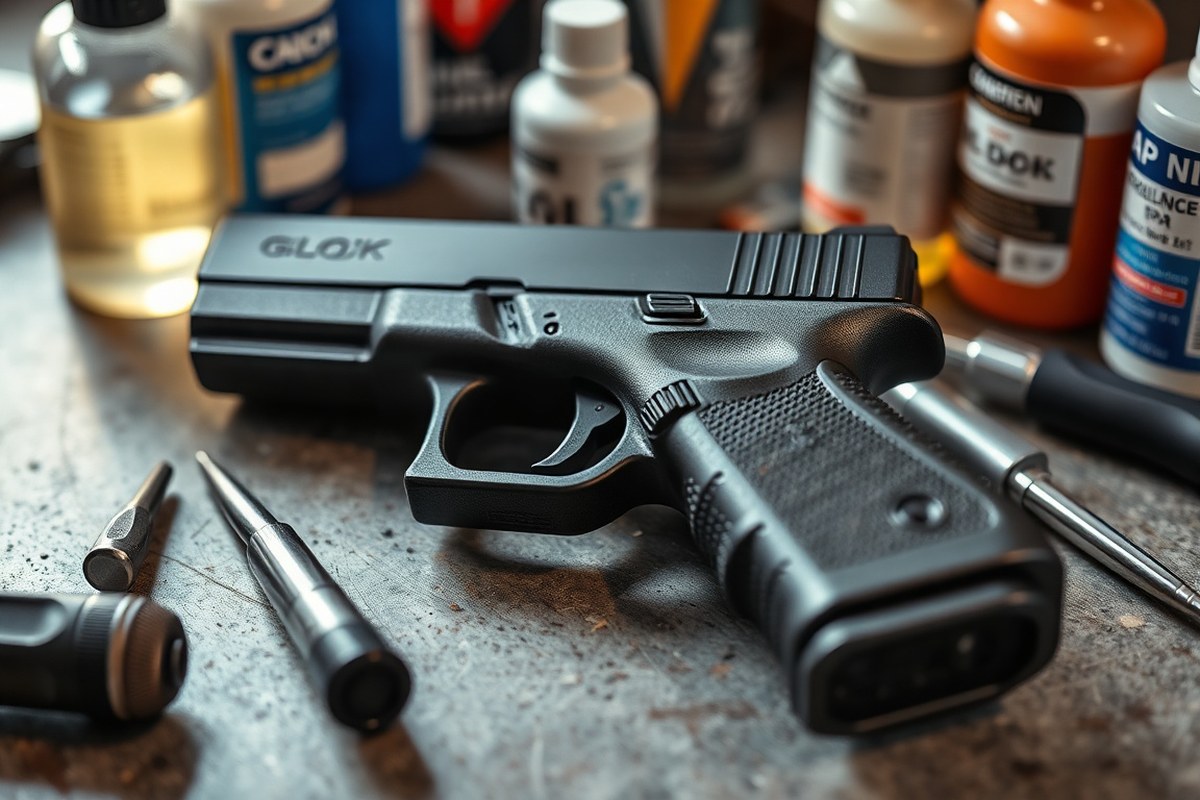
To clean and maintain your Glock 17 effectively, you need specific tools designed for firearms, solvent agents that are safe and efficient, and lubricants compatible with its polymer construction. Using the right materials ensures thorough cleaning without damaging the pistol’s components, which is critical for reliable operation and durability.
Cleaning Brushes and Rods
A quality cleaning rod and bore brush are essential for scrubbing the inside of the Glock 17’s barrel and other tight parts. Typically, a brass or nylon bore brush sized for 9mm calibers (the Glock 17’s chambering) works best to avoid scratching the barrel. A cleaning rod with a jag or loop tip helps push cleaning patches through the barrel for debris removal. Also, small nylon or brass brushes are useful for scrubbing the slide grooves, frame rails, and other small areas.
Most cleaning kits cost between $15 and $40 and include multiple brush sizes and a cleaning rod. Some rods come with flexible shafts, which are helpful for reaching the barrel without risking damage. Avoid steel brushes for the barrel since they can damage the rifling, but for external parts, brass brushes provide strong cleaning power without scratching polymer surfaces.
- 9mm-sized bore brush (brass or nylon)
- Cleaning rod with jag or loop tip
- Small nylon and brass brushes
- Quality cleaning patches (cotton or synthetic)
- Lint-free cloths or microfiber towels
Solvents and Polishes
You need solvents that work well on carbon buildup, copper fouling, and old lubricants but are safe for the polymer frame and visible parts. Most gun cleaning solvents are suitable, but choose those specifically labeled as polymer-safe to avoid damaging the Glock 17’s Polymer 2 frame. Avoid harsh or abrasive chemicals that could degrade the polymer or finish on metal parts.
Popular solvent options include chamber cleaners, bore solvents, and degreasers that dissolve powder residue and fouling quickly. Use a small amount sprayed on brushes or patches, allowing a few minutes for it to break down grime before scrubbing. Frequently swap patches until they run clean. Polish residues should be wiped thoroughly to prevent buildup that could affect function.
| Solvent Type | Use | Polymer Safety |
|---|---|---|
| Chamber Cleaner | Loosens powder and carbon buildup | Yes, many brands are polymer safe |
| Bore Solvent | Removes copper fouling | Check labels; most safe on metal only |
| Degreaser | Breaks down old oils and dirt | Some are polymer safe; verify before use |
Always test solvents on a small non-visible polymer area first to rule out any harmful effects before full application.
Lubricants Suitable for Polymer Frames
Proper lubrication prevents wear and ensures reliable cycling of the Glock 17. Use a high-quality gun oil or grease designed for firearms. Synthetic oils are preferred because they resist temperature extremes and break down less over time. Because the Glock 17 includes a polymer frame, it’s important to use lubricants specifically marked safe for polymer to prevent any chemical softening or degradation.
Apply lubricant sparingly; too much can attract dirt and cause malfunctions. Focus on slide rails, barrel locking lugs, and contact points outlined in the Glock manual. A drop or two per contact point is usually sufficient. Some users prefer grease on the slide rails for longer-lasting lubrication, applied with a small brush or fingertip.
- High-quality synthetic gun oil
- Polymer-safe grease for rails
- Small precision applicators or brushes
- Lint-free cloth to wipe excess
You can expect to pay $8 to $20 for a bottle of synthetic gun lubricant, which typically lasts through many cleaning sessions. Avoid automotive oils or household lubricants, as they can damage the pistol or leave residues that interfere with function.
How to Clean Each Part of the Glock 17 Thoroughly
Thorough cleaning of your Glock 17’s barrel, slide, frame, and magazines is essential for optimal function and safety. Each component requires specific attention to remove residue, prevent corrosion, and ensure reliable operation. Follow precise steps to clean these parts without damaging them.
Cleaning the Barrel and Chamber
The barrel and chamber are critical for safe and accurate shooting. Residue buildup inside the barrel can affect bullet trajectory and cause malfunctions. Cleaning removes powder fouling, copper deposits, and carbon, helping maintain tight tolerances and preventing corrosion.
Use a bore brush slightly larger than the barrel diameter, a patch holder, and solvent designed for firearms. Nylon brushes work well for chamber cleaning without scratching metal surfaces.
- Apply solvent inside the barrel and chamber using a patch or a nylon brush.
- Let the solvent sit for 5 to 10 minutes to loosen fouling.
- Attach the bore brush to a cleaning rod, then run it through the barrel several times from breech to muzzle.
- Replace the bore brush with a clean patch and push it through the barrel to remove loosened debris.
- Repeat patch cleaning steps until patches come out clean, typically 3 to 5 times.
- Clean the chamber gently with a nylon brush using a circular motion and remove solvent residue with a clean patch.
- Dry the barrel and chamber completely before reassembly.
Confirm the chamber end of the barrel sits flush with the slide’s breech face to ensure proper alignment and reliable cycling during shooting.
Cleaning the Slide and Recoil Spring
The slide houses the barrel and recoil spring assembly. It collects powder residue and dirt during firing. Removing buildup from the slide rails and interior surfaces maintains smooth slide movement and safe unlocking of the barrel during recoil.
After removing the recoil spring and barrel, use a nylon brush with solvent on the slide rails, interior, and locking block. Avoid metal brushes that might scratch. Wipe dry with a clean cloth or patches.
- Remove the recoil spring and barrel from the slide carefully.
- Apply cleaning solvent to all slide rails and interior contact areas.
- Use a nylon brush to scrub the slide rails, locking block, and other critical surfaces.
- Wipe off loosened fouling and solvent using patches or a clean cloth.
- Inspect the recoil spring and guide rod for dirt or damage. Wipe clean with a cloth.
- Allow all parts to dry fully before lubricating or reassembling.
Regular cleaning of these parts supports the proper function of the short recoil system, which relies on precise timing and alignment during firing cycling.
Cleaning and Maintaining Magazines
Magazines feed ammunition into the Glock 17 and require regular inspection and cleaning to prevent feeding issues. Dirt and debris can accumulate in the follower, spring, and inside the magazine body, causing misfeeds or jams.
Disassembling the magazine usually involves removing the base plate. Clean the interior with a dry cloth or compressed air and inspect the spring for wear or rust. Avoid using solvent on springs, as it can cause corrosion if not fully dried.
- Press the locking tabs on the magazine base plate and slide it off carefully.
- Remove the spring and follower from the magazine body.
- Use a dry cloth or compressed air to clean the magazine body’s interior walls.
- Wipe the spring and follower with a dry cloth. Do not soak or apply solvent.
- Inspect for any signs of rust, damage, or deformation and replace parts if needed.
- Reassemble the magazine by reinstalling the spring and follower, then sliding the base plate back into position.
- Perform a function check by loading dummy rounds to verify smooth feeding.
Keeping magazines clean ensures consistent feeding and prevents failures during operation, contributing to overall Glock 17 reliability.
Lubrication Best Practices for Glock 17
Lubricating your Glock 17 correctly is essential for smooth operation and reducing wear on moving parts. Apply a small amount of lubricant to several key areas: the slide rails, the underside of the slide where it contacts the frame, the barrel’s exterior where it meets the slide, and the locking block channels. Too much lubricant leads to a buildup of debris, which can cause malfunctions, while too little can result in excessive wear or failure to cycle properly.
Use a high-quality gun-specific lubricant designed for pistols, such as a lightweight synthetic oil or a dedicated firearm grease for heavy contact points. These products maintain effectiveness under the heat and friction generated during firing. Avoid general oils or household lubricants as they may not provide sufficient protection or could damage components. Apply the lubricant sparingly, about a drop per contact point. Spread it evenly with a clean cloth or a fingertip to form a thin, even coat without pools.
The barrel requires special attention since it moves inside the slide and undergoes high pressure and heat during firing. Place a small amount of lubricant along the barrel’s exterior surfaces that contact the slide. Also, lightly oil the locking lugs at the bottom of the barrel to prevent wear. After lubricating, cycle the slide a few times to evenly distribute the oil and then wipe away excess to avoid attracting dirt.
Regular reapplication of lubrication depends on use and environment. A good rule is to clean and re-lubricate after every 300 to 500 rounds or immediately after exposure to moisture, dirt, or harsh conditions to prevent rust and ensure reliability. For firearms stored long term, apply a thin protective oil layer to all metal surfaces before storage, especially in humid climates.
Custom modifications, such as upgraded triggers or sights, do not generally require changes in lubrication routine. However, if your Glock 17 has unique components, consult a gunsmith for specific recommendations to avoid damage and ensure safe operation. Consistent lubrication maintenance helps prevent common failures like firing pin channel fouling, which can cause misfires, and keeps the magazine well and slide functioning smoothly for reliable feeding and ejection.
When and How Often Should You Clean Your Glock 17?
You should clean your Glock 17 after every range session to remove powder residue, carbon buildup, and any dirt picked up during shooting. Cleaning it thoroughly soon after use prevents corrosion and ensures reliable performance. For a typical session of 50 to 100 rounds, a complete cleaning including the barrel, slide, and frame takes about 30 to 45 minutes. Use appropriate solvents and brushes to break down fouling before wiping everything dry.
If you only use your Glock occasionally or store it for extended periods, a monthly inspection is essential. Check for signs of rust, dust, or moisture inside the gun and magazine. Light cleaning and lubrication every 30 days help prevent deterioration and keep internal parts functioning smoothly, even when the gun isn’t fired. This maintenance also allows you to spot any issues early before they worsen.
Exposure to harsh environments like hunting, outdoor use, or humid areas demands more frequent cleaning. Dirt, moisture, and debris can enter the gun’s internals and cause increased wear or malfunctions. After hunting or exposure to rain, mud, or sand, clean your Glock immediately after drying the exterior to avoid corrosion. You may need to repeat deep cleanings more often than after indoor range sessions. Be sure to wipe down and lightly oil the magazine body as well to protect moving parts from grit and rust.
Long-term storage requires both cleaning and proper housing. Storing your Glock in a gun safe shields it from dust, humidity, and unauthorized handling. However, even safe storage does not eliminate the need for monthly checks and light cleanings. Without regular attention, lubricants can dry out and surface rust may develop inside the gun.
After shooting in wet or dirty conditions, disassemble and clean your Glock 17 as soon as possible to prevent corrosion and rust from setting in.
How to Perform a Function Check After Cleaning
After cleaning and reassembling your Glock 17, it is essential to perform a function check to confirm that everything works correctly. This check ensures that the slide moves smoothly, the magazine locks into place properly, and the trigger mechanism functions as intended. Performing this step helps you catch any errors in assembly before using the firearm, reducing the risk of malfunctions or safety issues.
Below is a detailed, step-by-step script to perform a reliable function check on your Glock 17. Each step focuses on a specific component or action to verify the pistol’s readiness without live ammunition. Do not attempt to fire the pistol when any test fails. Instead, carefully disassemble it, inspect for misaligned parts or improper assembly, clean or lubricate as needed, then repeat the function check.
- Ensure Safety: Confirm the firearm is unloaded by removing the magazine and visually inspecting the chamber to verify it is clear.
- Insert the Magazine: Insert the empty magazine into the Glock 17 and make sure it locks into place with an audible click. This confirms the magazine catch engages correctly.
- Rack the Slide: Pull the slide fully back and release it, allowing it to snap forward smoothly and completely without resistance or sticking.
- Dry Fire the Pistol: With the magazine still inserted and the chamber empty, pull the trigger all the way to the rear. The trigger should move smoothly and reset properly when released. Repeat this twice to confirm consistent trigger function.
- Release the Magazine: Press the magazine release button and verify the magazine drops free without resistance, indicating the catch releases correctly.
- Check the Slide Lock: Insert the magazine again, rack the slide back, and hold it open. Engage the slide stop lever and confirm it locks the slide securely in the open position. Then, press the slide stop lever to release the slide forward.
Disassemble and carefully inspect parts related to any function that feels sticky, loose, or does not engage as described. Clean off excess lubricant or debris, lubricate lightly as needed, then reassemble and repeat the function check. A smoothly operating slide, secure magazine lock, and consistent trigger reset indicate proper assembly and that your Glock 17 is ready for use or safe storage.
Common Cleaning Mistakes and How to Avoid Them
Common mistakes when cleaning your Glock 17 can lead to malfunctions, damage, or decreased reliability. Avoiding over-lubrication, using the wrong cleaning solvents, neglecting magazine care, and improper reassembly are key to preserving your pistol’s performance. Addressing these issues precisely keeps your Glock 17 functioning as intended and extends its service life.
Over-Lubrication Issues
Applying too much lubricant on your Glock 17 can cause more harm than good. Excess oil or grease attracts dirt, debris, and carbon residues, which may clog moving parts and impair cycling. Over-lubrication often results in failure to feed, failure to eject, or light primer strikes due to increased friction in unintended areas.
To fix over-lubrication, wipe down all excess oil with a clean, lint-free cloth after applying lubricant sparingly. Use only a few drops on critical contact points like the trigger bar, slide rails, and barrel locking lugs. Make sure parts like the recoil spring assembly and magazine well remain mostly dry. Excessive lubrication won’t offer extra protection but will increase cleaning frequency and cause reliability issues.
Using Incorrect Solvents
Choosing the wrong cleaning solvents can lead to corrosion or leftover residue that harms function. Harsh solvents may strip protective coatings on the metal or polymer parts, while sticky residues can trap dirt or gum up the action. Solvents not formulated for firearms sometimes fail to remove powder fouling or lead deposits effectively.
Use a high-quality, gun-specific cleaning solvent designed for pistols that removes carbon and fouling without damaging your Glock 17’s finish. Avoid automotive or household degreasers. After solvent application, thoroughly wipe or brush to remove residue, and dry the parts completely before lubricating. This prevents rust and ensures smooth operation.
Neglecting Magazine Maintenance
The magazine well and magazines get dirty and wet during shooting and cleaning, but they’re often overlooked. Solvent residue or moisture inside the magazine well can cause feeding problems or corrosion. Springs inside the magazine may rust or lose tension if not inspected and maintained properly.
Keep your magazine well dry and clean by wiping it out after solvent use. Remove magazines and check each one for dirt, debris, or rust on the spring. Clean thoroughly and dry before reinstalling. Proper magazine care prevents common malfunctions like misfeeds or failure to chamber rounds.
- Inspect magazine springs regularly for rust or bent coils
- Wipe out magazine wells with a dry cloth after cleaning
- Use compressed air to remove debris from hard-to-reach magazine parts
- Avoid soaking magazines in solvents, as this can damage plastic followers
- Replace damaged magazines promptly to maintain reliability
Taking these simple steps during cleaning keeps your magazines and magazine well in good working order.
Improper Reassembly Signs
Reassembling the Glock 17 incorrectly after cleaning can cause noticeable performance issues or parts damage. Common signs include failure to return the slide to battery, unusual trigger pull, or jamming. Using excessive force during reassembly risks bending the recoil spring or damaging the barrel lug.
Reassemble your pistol carefully, following step-by-step instructions to ensure all components are properly aligned and seated. Confirm the slide locks back, the trigger resets cleanly, and the barrel locks onto the slide without gaps. If something feels off, disassemble and check for misplaced parts or leftover debris. Correct reassembly prevents malfunctions and unnecessary wear on your Glock 17.
Proper Storage and Aftercare for a Clean Glock 17
Store your Glock 17 in a dry, cool environment to prevent damage and corrosion after cleaning. Avoid areas with high humidity or temperature fluctuations, such as basements or attics prone to moisture buildup. The steel parts of the Glock 17, treated with Tenifer, offer good corrosion resistance, but moisture can still cause rust over time if not properly managed. Aim for a storage temperature around 60 to 75 degrees Fahrenheit and keep the relative humidity below 50% to minimize risks.
Use a hard-sided gun case or a padded safe specifically designed for firearms to protect your Glock from physical damage and dust. Soft cases are less effective at preventing moisture exposure. For additional moisture control, place silica gel packets or other moisture absorbers inside the storage container. These typically cost under $10 and should be replaced every few months to maintain effectiveness.
After cleaning and lubricating your Glock 17, lightly wipe the exterior with a protective spray made for firearms, such as a silicone-based rust preventative. This creates a thin barrier against humidity without affecting the function of the firearm. Apply the spray sparingly, avoiding excess that can attract dirt or dust.
Keep your Glock unloaded when stored for long periods and ensure the chamber and magazine well are clear. If you store ammunition with the pistol, use the factory Glock box compartment or keep ammo in a separate container away from moisture. Regularly inspect your stored gun and the environment for signs of rust or corrosion, addressing issues quickly if found.
Follow a checklist every time you put your Glock away: confirm the gun is clean and dry, apply a light protective spray, insert moisture absorbers if possible, store it in a protective case in a controlled environment, and unload the firearm. This routine will keep the Glock 17 in reliable condition and extend its service life.
Never store your Glock 17 in a leather holster for extended periods after cleaning, as leather retains moisture and can accelerate corrosion.
Step-by-Step Action Plan for Cleaning Your Glock 17
Follow this plan to keep your Glock 17 clean and reliable. Each step helps ensure your pistol performs safely and smoothly.
- Before you start: Unload your Glock 17 and confirm it is clear of ammunition. Visual and physical checks must show the chamber is empty.
- After every range session: Field strip your Glock and remove dirt and powder residue from the barrel and slide. A clean barrel bore and slide indicate effective cleaning.
- Weekly maintenance: Clean and lightly lubricate all moving parts after wiping down surfaces. You should notice smooth trigger pull and slide action during function checks.
- Monthly deep clean: Fully disassemble and clean each component with solvent and brushes. Reassemble and perform a function check to confirm reliable cycling.
- After exposure to harsh environments: Rinse external surfaces with water, dry thoroughly, and lubricate to prevent rust. No signs of corrosion or stiffness mean good care.
- Before long-term storage: Clean and apply a protective lubricant. Store in a dry case with a dehumidifier to avoid moisture buildup.
- Immediately if malfunction occurs: Clean and inspect for damage. Resolve any fouling issues before shooting again.
Frequently Asked Questions
What Should I Do If the Glock 17 Slide Is Sticking During Operation?
If the slide feels sluggish or sticks, it needs cleaning immediately. Clean and lubricate the slide rails carefully to restore smooth movement and prevent damage to the pistol.
Can I Use Household Oils for Lubricating My Glock 17?
Household oils are not recommended for Glock maintenance. Use a lubricant made specifically for firearms, as it protects the metal parts without harming the polymer frame or attracting excessive dirt.
Is It Necessary to Disassemble My Glock 17 Fully Every Time I Clean It?
Full disassembly is not needed after every use, but you should at least field strip the gun for routine cleaning. Deep disassembly is only required for thorough maintenance or repairs.
How Can I Protect My Glock 17 from Rust During Storage?
Store your cleaned Glock 17 in a dry environment with a light coating of gun oil on metal parts. Use a gun sock or case with moisture-absorbing packets to prevent rust buildup during storage.
Does the Glock 17 Require Special Cleaning Solvents Due to Its Polymer Frame?
Yes, use solvents safe for polymer to avoid damage. Avoid harsh chemicals that can degrade the frame; products labeled for polymer-framed handguns are best.
Can a Dirty Glock 17 Affect Its Accuracy or Safety?
Dirt and debris can cause malfunctions or affect trigger function, impacting safety and accuracy. Regular cleaning ensures proper performance and reduces the risk of misfires or jams.
Wrapping Up
Cleaning your Glock 17 regularly and thoroughly helps maintain its safety and dependable operation. Start with the basic steps after your next shooting session, focusing on removing residue and lubricating key parts. Doing this ensures your pistol will function properly each time you need it.