What Is Oracal 751 Vinyl? A Complete Guide to Premium Cast Vinyl Benefits
What is Oracal 751? It’s a premium cast vinyl known for lasting outdoors up to 8 years, especially on vehicles.
This vinyl handles high heat better than most, resisting temperatures up to 230°F, which helps it hold up in tough conditions. Its strong adhesive bonds well to clean, smooth surfaces, ensuring graphics stay put through weather changes and car washes.
Oracal 751 is more flexible and durable compared to its calendered cousins, making it ideal for wrapping curved surfaces. Its quality comes with a higher cost, but that’s the tradeoff for better performance on long-term projects. You can expect less shrinking and cracking, which means your vehicle wraps and outdoor signs look good longer without frequent replacements.
Key Takeaways
- Oracal 751 is a cast vinyl with up to 8 years of outdoor durability.
- It can withstand temperatures as high as 230°F, outperforming Oracal 651 in heat resistance.
- Cast vinyl like Oracal 751 offers better flexibility for wrapping curved or complex surfaces.
- Expect to pay more for Oracal 751 due to its premium manufacturing process.
- It’s perfect for vehicle wraps, fleet graphics, and marine applications needing long-term durability.
- Oracal 751 features Rapid Air adhesive tech for easier bubble-free application.
What Exactly Is Oracal 751 Premium Cast Vinyl?
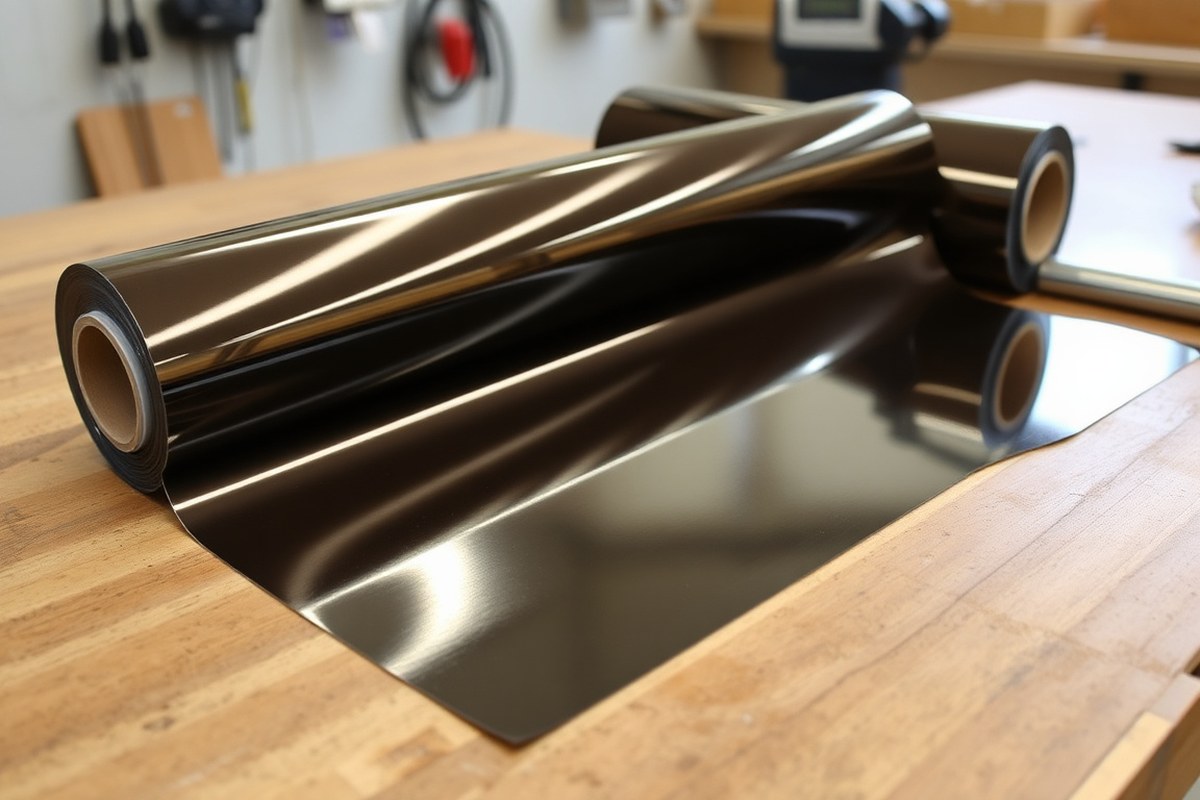
Oracal 751 Premium Cast Vinyl is a high-performance vinyl designed for outdoor use, especially on vehicles. It’s made through a casting process that creates a thin, flexible film about 2 mils thick. This cast vinyl is thinner and more conformable than standard calendered vinyl, which makes it ideal for wrapping complex curves and irregular surfaces without wrinkling or lifting.
“Premium cast” means the vinyl starts as a liquid that’s cast onto a casting sheet, then cured. This method produces vinyl with minimal internal stress, so it stays flat and stable over time.
Unlike calendered vinyl, which is rolled and stretched after extrusion, cast vinyl like Oracal 751 shrinks less and maintains its shape better, leading to longer-lasting graphics. It’s built to handle outdoor exposure for 7 to 8 years, resisting heat up to 230°F.
Oracal 751 has a smooth, glossy finish that helps achieve sharp, vibrant colors. Its thickness around 2 mils strikes a balance: thick enough to be durable but thin enough to hug surfaces tightly.
This makes weeding and cutting easier too, especially around detailed designs. Although cast vinyl generally costs more than calendered types like Oracal 651, the extended outdoor life and superior flexibility justify the price for long-term vehicle wraps and signage.
How Does Oracal 751 Compare to Oracal 651 And 631?

| Feature | Oracal 751 | Oracal 651 | Oracal 631 |
|---|---|---|---|
| Vinyl Type | Cast, premium | Calendered, permanent | Calendered, removable |
| Thickness | 2 mm (thinner) | 2.5 mm (thicker) | Similar to 651 |
| Outdoor Durability | 5, 8 years | 3, 6 years | Indoor use only |
| Flexibility | More flexible | Less flexible | Moderate, for indoor surfaces |
| Adhesive | Permanent, heat-activated removal aids | Permanent | Removable without residue |
| Typical Uses | Vehicle wraps, long-term exterior graphics | Signs, decals, simple curves | Wall graphics, temporary decor |
| Price | Higher than 651 (premium cast) | Mid-range | Lowest (indoor temporary) |
Oracal 751 is thinner than 651 by about 0.5 mm, making it more flexible. This flexibility helps it conform to complex curves and flat surfaces better, which is key for vehicle wraps and intricate outdoor graphics. On the other hand, Oracal 651 is a thicker, permanent calendered vinyl, known for its durability up to 6 years outdoors but less flexible for wrapping tight corners.
Durability varies a lot between these three. Oracal 751 lasts 5 to 8 years outside, which is longer than the 3 to 6 years you get from 651.
Oracal 631 is mainly for indoor use, with removable adhesive that won’t hold up outdoors. You won’t want to use 631 for exterior signs because it won’t last and removes cleanly rather than sticking permanently.
Cost is another factor. Oracal 751 comes at a higher price due to its premium cast vinyl quality and longer lifespan.
Oracal 651 is middle-of-the-road, good for many outdoor projects without the top price. Oracal 631 costs less because it’s designed for short-term indoor use and easy removal.
Use heat or a vinyl remover solution to lift Oracal 751 safely without damaging the surface underneath.
Picking the right vinyl depends on your project needs. Use 751 for wraps and long-lasting outdoor signs where flexibility and durability matter most.
Choose 651 for simpler, flat outdoor decals or signs where budget matters. Reserve 631 for indoor walls or glass when you want to remove the vinyl easily later.
Why Cast Vinyl Matters: Oracal 751’s Unique Advantages
Oracal 751 is made using a cast vinyl process, where the vinyl starts as a liquid and solidifies into a flexible sheet. This way, the vinyl has no memory, which means it won’t try to return to a flat shape after being applied. That makes it perfect for wrapping curved surfaces without wrinkling or lifting over time.
How Cast Vinyl Is Manufactured
The liquid vinyl mixture is poured onto a casting sheet and spread evenly. It then cures and solidifies into a thin film with a very uniform thickness.
This process differs from calendered vinyl, which is rolled flat under pressure. Because cast vinyl doesn’t go through rolling, it lacks tension and internal stress, giving it excellent conformability.
The casting process results in a vinyl sheet that’s a bit thicker but more stable dimensionally. It won’t shrink or warp as much when temperature or humidity change. This is key for vehicle wraps that face sun, rain, and varying climates all day long.
Why Cast Vinyl Has No ‘Memory’
Vinyl made by casting never has been flattened or pressed into a permanent shape. Unlike calendered vinyl, it doesn’t try to snap back once applied to curves. That means once you put Oracal 751 onto a car’s body or any 3D shape, it stays put firmly without bubbling or lifting.
The lack of memory reduces tension that can cause cracks or peeling over time. This helps your graphics look smooth and professional even on doors, bumpers, or vehicle fenders. You don’t need to worry about shrinking edges or material pulling away in hot weather.
Applying to Curves and Complex Shapes
Vehicles typically have compound curves, such as curved wheel wells and flush door handles. Oracal 751’s flexibility lets it stretch and conform easily without bridging, where the vinyl pulls away from the surface. You can apply it directly over recesses, rivets, and embossed logos with confidence.
The cast vinyl’s pliability makes it perfect for bus shelters, sign boards, and other irregular surfaces too. While calendered vinyl tends to lift or tear over time in these areas, cast vinyl like Oracal 751 will stay securely stuck. Just use heat carefully to soften the vinyl while installing to get smooth results.
Benefits of Dimensional Stability and Resistance
Oracal 751 maintains its shape and size well despite weather exposure. It resists shrinking, which means no gaps or curled edges developing days or weeks after application. This stability saves you time and money on touch-ups or reapplication.
Cast vinyl also resists cracking and color fading better than cheaper vinyl types. That durability makes it a smart investment for vehicle wraps, fleet graphics, and long-term signage. You won’t have to replace the graphic because it shrinks or peels prematurely.
What Are Ideal Applications for Oracal 751 Vinyl?
Oracal 751 vinyl is highly suited for use on vehicles and boats because it’s a cast vinyl. This means the material is thin, flexible, and can easily contour to complex surfaces without shrinking or cracking over time. The clear, solvent-based adhesive sticks well to curved and uneven surfaces and holds up under outdoor conditions, lasting up to eight years for black and white colors.
You can trust Oracal 751 for both indoor and outdoor projects. While it’s primarily made for outdoor durability, it also works great on indoor signs and craft projects where a long-lasting, permanent finish is needed.
Thin and stable, this vinyl stretches over bumps and bends, making it a go-to for wraps and marine uses. Its resistance to harsh weather and UV light allows it to keep colors vibrant on fleet decals and outdoor signage for years.
- Vehicle wraps: conforms tightly to doors, bumpers, and mirrors
- Boat decals: holds firm on curved hulls and decks without peeling
- Long-term signage: outdoor signs that resist fading and cracking
- Fleet graphics: durable branding for commercial trucks and vans
- Window decals: sticks cleanly on flat or slightly curved glass
- Craft projects: water bottles, glassware, and scrapbooking with lasting color
- Banners and decorative applications: vibrant and flexible materials
Applying Oracal 751 requires clean surfaces free of dust or oils to ensure a strong bond. Use a squeegee and apply with firm pressure to avoid air bubbles.
For best results, work in temperatures above 50°F and let the vinyl settle for 24 to 48 hours before exposing it to weather. Mistakes like applying on dirty or cold surfaces can cause lifting or peeling over time.
Available Colors and Finishes of Oracal 751 Vinyl
Oracal 751 Premium Cast Vinyl offers a broad selection of colors for different project styles. You can choose from 78 shiny colors alongside transparent, matte black, and matte white finishes.
This range helps you find the right shade for almost any logo or design. Remember, what shows on your screen might look a bit different in real life on the vinyl.
The finishes offered for Oracal 751 include both gloss and matte. Glossy colors reflect light vividly and give a shiny, polished look.
Matte finishes cut down on glare and add a subtle, professional touch. The vinyl features cast film construction, which improves durability and flexibility for wraps on curved or textured surfaces.
Besides standard adhesive types, Oracal 751 has specialty variants like removable adhesives. These adhesives let you apply the vinyl with a clean release, which is handy for temporary signage or promotional graphics with a 3-year indoor life span. For longer outdoor use, up to 8 years, you’ll find gloss or matte finishes with permanent adhesive recommended.
- 78 glossy color options with vibrant pigments
- Transparent vinyl suitable for layering or backlit signs
- Matte black and matte white for a low-sheen finish
- Special removable adhesive version for clean removal
- Permanent adhesives for long-lasting outdoor exposure
- Metallic finishes available through additional Oracal series
- Cast vinyl film ideal for vehicle wraps and complex curves
Test a small vinyl sample under your lighting conditions to check color accuracy before ordering large quantities.
Metallic finishes aren’t part of the standard 751 palette but are accessible through other Oracal product lines that integrate well with the 751 series. You can pick the adhesive type that fits your project duration and surface.
Permanent adhesive will stick better for 8 years outside, while removable versions help avoid residue indoors for up to 3 years. Matching the right finish and adhesive will make your installation smoother and your graphics last longer.
How to Apply and Weed Oracal 751 Correctly for Best Results
Applying Oracal 751 correctly takes careful prep, precise weeding, and skillful handling of curves. Start by cleaning the surface well, then weed your vinyl with close attention to detail. When applying, use heat carefully and stretch vinyl only as needed to fit curves without shrinking or wrinkling.
Preparing Surfaces for Application
Clean the surface thoroughly with isopropyl alcohol or a mild detergent to remove dust, oils, and residues. Avoid silicone-based cleaners as they interfere with adhesion. Wait until the surface is completely dry before starting your application to ensure the vinyl sticks properly.
Test the surface temperature. Do not apply vinyl below 50°F or above 90°F as this may cause poor adhesion or shrinkage. For best results, apply vinyl in shade or indirect sunlight to keep the adhesive from activating too quickly.
Weeding Tips for Complex Designs
Use a sharp weeding tool or a fine pin to lift and remove unwanted vinyl parts gently. Work slowly to avoid tearing thin sections, especially for lettering or intricate shapes. Leave the backing paper on until all the excess vinyl is removed to maintain stability.
- Start weeding at the corners or edges for better grip
- Flip detailed pieces with transfer tape to inspect missed bits
- Remove small inner parts by poking holes with a needle
- Use a magnifying glass for very fine details
- Keep vinyl flat on a cutting mat to prevent curling
Pay special attention to inside cuts or narrow gaps. Leaving small bits can cause peeling and reduce the final look’s sharpness.
Applying Vinyl on Curved or Irregular Surfaces
Use a heat gun or a hairdryer on low heat to soften Oracal 751 before applying it to curves. Heat makes vinyl more flexible and reduces shrinkage risk. Hold the vinyl steady while warming and gently stretch it around the curve in small sections.
Peel back the release liner gradually, applying the vinyl with a squeegee or a felt-edge applicator. Avoid pressing too hard on one area to prevent bubbles or distortion. Smooth from the centre outwards, and reheat spots that wrinkle or lift.
- Apply vinyl slowly, section by section
- Use small amounts of heat, avoid overheating
- Stretch only slightly to follow the surface shape
- Check edges for proper adhesion after applying
- Use transfer tape to reposition if needed before pressing down
On highly irregular surfaces, allow extra time and plan your design to minimize sharp folds. Avoid overstretching as Oracal 751 can shrink or distort under extreme tension, reducing durability.
How Durable Is Oracal 751 and What Affects Its Longevity?
Oracal 751 typically lasts about six years outdoors with its gloss finish. This lifespan depends on the vinyl’s cast construction, which helps it resist peeling and cracking better than standard calendered vinyls. It stands up well to UV rays, keeping colors bright and intact for years in most environments.
The vinyl handles a wide temperature range, roughly from -40°F to 180°F. This makes it suitable for vehicle wraps that face cold winters and hot sun without warping or losing adhesion. Keep in mind that extreme rapid temperature shifts or constant exposure to direct heat, like a vehicle parked on black asphalt all day, can reduce longevity.
Sunlight and heat are the biggest enemies of Oracal 751’s durability. Over time, excessive UV exposure slowly breaks down the vinyl, dulling colors or causing brittleness.
Using a UV-protective clear coat can help extend its life. Also, rough surfaces or improper cleaning with harsh chemicals wear the vinyl faster by scratching or weakening its adhesive layer.
Proper surface prep before application is critical. Clean, dry, and smooth surfaces keep the adhesive strong, reducing lifting or peeling.
Humidity during installation affects results too; high moisture can trap condensation, affecting bonding and early failure. Install in moderate temperatures, ideally between 50°F and 77°F, to optimize tape adhesion and flexibility during application.
Heavy dirt, salt, and road grime also stress Oracal 751. Regular washing with mild soap and water keeps the vinyl free of debris that can degrade edges or cause cracking.
Avoid power washers or abrasive pads, which risk scratching and removing the top gloss layer. For vehicles, cleaning every few weeks in harsh climates helps keep the vinyl looking sharp throughout its expected six years.
How to Remove Oracal 751 Without Damaging Surfaces
Removing Oracal 751 requires care because its permanent adhesive bonds tightly. You should avoid leaving it on more than 6 months, or removal may pull paint. Use gentle tools and warm air to loosen it without damage.
Tools Needed for Safe Removal
Gather a plastic scraper or putty knife, a heat gun or hair dryer, adhesive remover safe for paint, and soft cloths. Avoid metal scrapers that can scratch surfaces. Gloves help protect your hands during adhesive cleanup.
- Plastic scraper or edge tool
- Heat gun or hair dryer (low to medium heat)
- Adhesive remover safe for painted surfaces
- Soft, lint-free cloths
- Protective gloves
- Isopropyl alcohol for residue cleanup
- Masking tape for test areas
Having these ready ensures you can work safely and avoid accidental damage or paint removal.
Step-by-Step Removal Process
Start by warming the vinyl with a heat gun or hair dryer, keeping the temperature under 140°F to protect paint. Heat for about 30 seconds, moving constantly to soften the adhesive. Then gently lift a corner with the plastic scraper.
Slowly peel the vinyl back at a low angle, reapplying heat as needed to keep the adhesive soft. Stop if you feel resistance and add more heat. After removal, apply adhesive remover with a soft cloth to clear leftover glue, wiping gently.
- Test heat and adhesive remover on a small hidden area first.
- Warm vinyl evenly with heat gun or hair dryer.
- Use scraper to lift a corner slowly.
- Peel vinyl back at a 45-degree angle steadily.
- Apply more heat if peeling becomes difficult.
- Clean residue with adhesive remover and cloth.
- Wipe area with isopropyl alcohol to finish.
Allow the surface to cool between heating cycles to avoid overheating. Work patiently to keep the paint intact.
Common Issues and How to Avoid Damage
Leaving Oracal 751 on longer than 6 months risks paint damage during removal. Heat that’s too hot or direct contact from metal tools can scratch or lift paint. Avoid using sharp blades or scraping aggressively.
Cleaning the residue with harsh chemicals or abrasive cloths also harms finishes. Test all removers on an inconspicuous spot. Pulling the vinyl too quickly may tear it, leaving small pieces stuck and requiring more cleanup.
Keep heat gentle and move slowly, so you don’t damage the paint or surface beneath the vinyl.
Removing Oracal 751 within a few months makes the process cleaner and safer. Using tools designed for vinyl removal and gentle heat helps preserve your painted or wrapped surfaces.
Step-by-Step Action Plan for Using Oracal 751 Vinyl
Follow this plan to get the best results with Oracal 751 premium cast vinyl in your projects.
- Before you start: Choose the right color and finish from Oracal 751’s range to fit your project’s look. Check for surface compatibility to ensure good adhesion.
- Day 1: Clean the application surface thoroughly with isopropyl alcohol. Confirm the surface is smooth, dry, and free of dust or oils before applying.
- Day 1: Cut and weed the vinyl carefully, using sharp tools. Double-check that fine details and edges are cleanly weeded without tearing.
- Day 1: Apply Oracal 751 using a squeegee with firm pressure and a slow, even stroke. Verify the vinyl is stuck down firmly without bubbles or wrinkles.
- After application: Let the vinyl set for 24 hours before exposing it to heavy wear or outdoor elements. The adhesive bond strengthens during this time.
- After 1 month: Inspect the vinyl edges for any lifting or damage. If lifting occurs, press down or use a heat gun carefully to re-adhere.
- When removing: Use a heat gun or hair dryer to warm the vinyl before peeling to avoid surface damage. Test a small area first to ensure safe removal.
Frequently Asked Questions
What Types of Surfaces Can Oracal 751 Adhere to Best?
Oracal 751 sticks well to smooth, curved surfaces like vehicles and boats. Its cast vinyl structure allows it to conform to bends and contours without peeling or cracking.
Can Oracal 751 Vinyl Be Used for Marine Applications?
Yes, Oracal 751 is ideal for marine use because it’s durable and resistant to water and salt exposure. It holds up well under harsh outdoor conditions on boats and watercraft.
Does Oracal 751 Require Special Tools for Cutting or Weeding?
You can cut and weed Oracal 751 with standard sign-making tools, but sharper blades and slower cut speeds work best due to its thickness. This helps prevent tearing or lifting during application.
How Does Temperature Affect Oracal 751’s Performance During Application?
Oracal 751 performs well in temperatures up to 230°F when applying, making it good for heated wraps. Application in colder weather may require warming the vinyl to ensure good adhesion.
Is Oracal 751 Suitable for Short-Term Promotional Graphics?
Oracal 751 is designed for long-term use, so for short-term graphics, less expensive vinyl like Oracal 631 or 651 is usually more cost-effective.
What Maintenance Does Oracal 751 Need After Installation?
Clean installed Oracal 751 graphics gently with mild soap and water to preserve durability. Avoid harsh chemicals or abrasive materials that could damage the vinyl or adhesive.
Wrapping Up
Oracal 751 stands out with its flexibility, durability, and strong adhesive, making it a solid choice for vehicle graphics and long-lasting signage. Start by picking the right finish and preparing your surface properly. This approach sets you up for clean application and professional results every time.