Can You Sell Ammo? Legal Rules, Selling Options & Safety Tips
Can you sell ammo? Yes, you can sell ammunition legally, but only by following federal and state regulations. Verifying the buyer’s eligibility and obtaining necessary licenses are essential first steps. Selling ammo without compliance can lead to serious legal consequences.
Key Takeaways
- Obtain a Federal Firearms License if selling ammo commercially to comply with ATF regulations.
- Confirm buyers meet the federal age minimums: 18 years old for rifle or shotgun ammunition and 21 years old for handgun ammunition.
- Follow your state’s specific rules, which may restrict or regulate ammunition sales differently.
- Keep detailed records of all ammo sales, including buyer information and transaction dates.
- Store ammunition in cool, dry environments below 70°F with less than 50% humidity for safety.
- Use reliable methods to verify buyer age before completing any ammunition sale.
Can You Legally Sell Ammunition? Key Federal Rules

You can legally sell ammunition under federal law, but whether you need a license depends on the type of ammunition and the nature of your sales. A Federal Firearms License (FFL) is not generally required to sell commercially manufactured ammunition in private sales. However, if you deal in reloaded or homemade ammunition commercially, you must hold an FFL specifically an FFL 06, which authorizes the manufacture and sale of ammunition.
Background checks for ammunition-only sales are not required by federal law unless the sale is part of a bundled transaction that includes firearms. Still, you are obligated to ensure that buyers are legally eligible to purchase ammunition. This means verifying they are not prohibited persons due to felony convictions, restraining orders, or certain mental health adjudications. Licensed dealers must follow additional ATF rules, including registering with the ATF and conducting background checks on all purchases.
Federal age restrictions require buyers to be at least 18 years old to purchase rifle or shotgun ammunition and at least 21 to buy handgun ammunition. Some states impose stricter age limits, so checking local laws before the sale is important. Even without an FFL, sellers must confirm the buyer’s age and eligibility. Selling ammunition to underage individuals or prohibited persons can lead to severe penalties.
Here is a simplified decision approach to when an FFL is required: if you sell commercially made ammunition in private or retail sales, no FFL is necessary, but buyer eligibility and age verification remain mandatory. For commercial sales of reloaded or homemade ammunition, you must hold an FFL 06. Personal reloading for your own use or selling a small amount without commercial intent does not require a license. Selling without the necessary license where one is required exposes you to legal consequences.
To comply with federal laws, set up a method to verify the buyer’s age and legal eligibility, especially for selling handgun ammunition. Ask buyers to show a government-issued photo ID to confirm they meet age requirements and have no legal prohibitions. Licensed sellers use the National Instant Criminal Background Check System (NICS) to confirm if buyers qualify for firearms or certain ammo purchases. Private sellers need to be aware of federal regulations to ensure their sales only go to buyers eligible by law.
How State Laws Change Ammo Selling Rules Nationwide
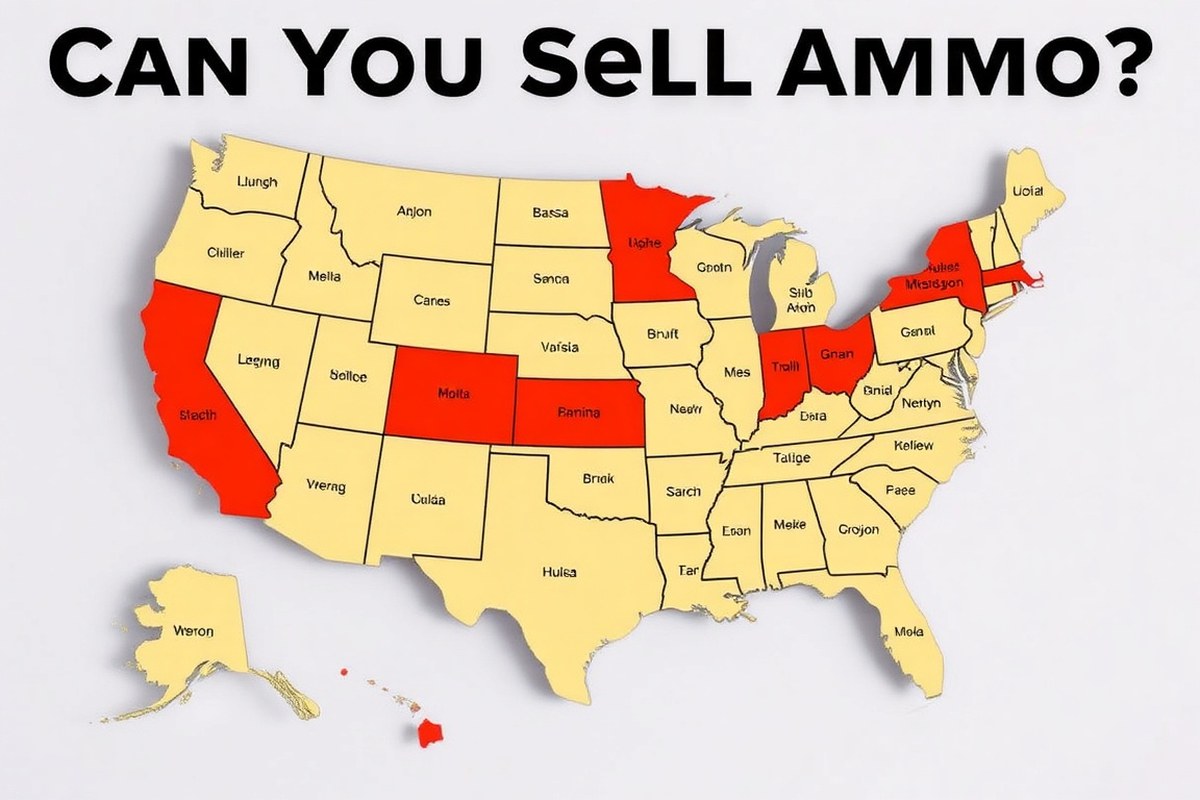
State laws add important layers of rules on top of federal ammunition regulations, making it essential to understand the unique requirements where you plan to sell ammo. Many states require background checks for ammo purchases, often extending these checks to private sales. For example, California and New York mandate background checks and waiting periods before a buyer can receive ammunition. Other states, like Illinois and Hawaii, impose similar controls, while some places have none at all. Alongside background checks, a few states require sellers to obtain specific licenses or permits to legally sell ammunition, which can include fees ranging from $25 to $100 or more depending on local jurisdictions.
Some states ban the sale of particular ammunition types due to safety or legal concerns. Michigan and California restrict or prohibit armor-piercing or large-caliber rounds, while other states may ban incendiary or tracer rounds. Knowing which ammunition types are illegal in your state helps avoid costly legal trouble and ensures you don’t inadvertently sell restricted products. This varies a lot, so checking your local state laws is non-negotiable.
The specific ammo selling regulations change frequently as states update their firearm and ammo laws. To keep current, start by visiting your state’s official government or public safety websites where legal codes and licensing requirements are posted. Checking with your state’s department of justice or a comparable agency can provide up-to-date information on whether you need a license to sell ammo, if background checks are mandatory, and which types of ammo are restricted or banned. Some states also offer a helpline or email contacts to answer seller questions. For example, the California DOJ’s Bureau of Firearms website provides extensive details on ammunition background checks and license requirements. Here is a short reference for a few key states and their ammo sales regulations:
| State | Background Checks | Waiting Period | License/Permit Required | Ammo Restrictions |
|---|---|---|---|---|
| California | Yes, mandatory | 10 days | Yes | Armor-piercing rounds banned |
| New York | Yes, mandatory | None | Yes | Banned large-caliber ammo |
| Illinois | Yes, mandatory | None | Depends on locality | Some local restrictions |
| Texas | No state-required background check | None | No | No major restrictions |
| Hawaii | Yes, mandatory | 5 days | Yes | Banned armor-piercing ammo |
Before selling ammunition, reviewing your state’s current regulations avoids violations that may lead to fines or criminal charges. If you sell ammo online, remember to check both the laws in your state and the buyer’s state since shipping ammo across state lines has additional restrictions. Some states do not allow mail delivery of ammo or require buyers to pick up in person.
Always verify state and local laws for ammunition sales before each transaction to stay within legal boundaries and prevent unintended legal issues.
What Are the Rules for Selling Reloaded and Homemade Ammunition?
Selling reloaded or homemade ammunition requires more caution and legal compliance than selling commercial factory ammo. Reloaded ammo is made by manually assembling spent cartridge cases with new primers, powder, and bullets, typically done by hobbyists or small businesses. Homemade ammunition includes any rounds assembled outside of commercial manufacturing processes. Generally, selling reloaded or homemade ammunition without a Federal Firearms License (FFL) is illegal because it is considered manufacturing or dealing in ammunition. Holding an FFL authorizes you to legally produce and sell this ammo, subject to strict recordkeeping and compliance requirements.
The key distinction lies in licensing: casually selling factory-made ammunition without a business license usually does not require an FFL. On the other hand, individuals who reload and sell their own ammo are treated as manufacturers or dealers and must obtain a Federal Firearms License from the Bureau of Alcohol, Tobacco, Firearms and Explosives (ATF). Applying for an FFL involves submitting ATF Form 7, paying a licensing fee between $30 and $200 based on license type, and passing an FBI background check. Licensed sellers must maintain detailed records for every sale, noting buyer information, ammo type and amount, and transaction dates.
A practical compliance checklist for legally selling reloaded ammo includes obtaining an FFL, providing clear, accurate descriptions of the ammunition, verifying buyer eligibility by age (18 or older for rifle/shotgun ammo, 21 or older for handgun ammo), and adhering to your state’s resale laws. Selling reloaded ammo without these steps exposes you to legal risks such as criminal charges, fines, or civil liability, especially if defective rounds cause harm. Factory-made ammunition, conversely, is subject to established manufacturing quality controls and does not require the seller to carry the same manufacturing liabilities.
There are important differences in regulation and risk between commercial factory ammo and homemade or reloaded ammo. Commercial ammo can be sold without an FFL in casual, low-volume transactions such as private sales, provided all buyer eligibility checks are done. Reloaded or homemade ammo sales require an FFL regardless of volume, as they constitute dealing in ammunition. Also, homemade ammo sellers face higher liability risk since they must ensure every round meets safety standards, which can be challenging without commercial testing. This improve the importance of thorough quality control and recordkeeping.
Start by determining if the amount and purpose of your sales classify you as a dealer or manufacturer under federal law, since selling reloaded or homemade ammunition beyond personal use generally requires an FFL. Apply for the appropriate FFL license through the ATF website and complete fingerprinting and background checks. Once licensed, implement verification procedures to confirm buyers are legally permitted to purchase ammo, maintain detailed sales records, and label ammo clearly to differentiate it from factory-made rounds. Local Federal Firearms License holders can also assist with consignment sales, which reduce your legal exposure.
Understanding these distinctions helps you avoid common pitfalls. Selling homemade or reloaded ammo without an FFL can result in federal penalties. Maintaining compliance through licensing, thorough recordkeeping, and buyer verification safeguards your operation and contributes to safer ammunition commerce. Factory ammo sellers have simpler requirements but should still adhere strictly to age verification and state laws. Balancing these responsibilities protects you legally and fosters trust with customers.
How to Verify Buyer Eligibility When Selling Ammunition
Before selling ammunition, you must verify that the buyer meets federal and state age requirements and legal eligibility. This involves checking valid identification, confirming the buyer’s age, and following state-specific rules. Using a clear verification process protects you from legal penalties associated with illegal sales.
Federal Age Verification Requirements
Federal law requires that buyers be 18 or older to purchase rifle or shotgun ammunition, and at least 21 for handgun ammunition. You must verify the buyer’s age before finalizing the sale. A valid government-issued photo ID, like a driver’s license or passport, is necessary to prove their age. Check that the ID is current and matches the person standing before you.
Avoid selling ammo if the buyer appears intoxicated or uses suspicious identification. Refuse sales when you cannot clearly confirm age and eligibility. The consequences for violating these federal age restrictions include fines and criminal charges.
State-Specific Buyer Eligibility Checks
States may have additional rules on ammunition sales, including different minimum ages or restrictions on certain ammo types. Verify your state’s laws by consulting official state websites or contacting the state attorney general’s office. Some states require you to check buyer eligibility through online databases or require a permit for ammunition purchases.
Accepted forms of ID vary by state but typically include driver’s licenses, state IDs, military IDs, and passports. Beware that states like California and New York may have stricter age requirements or require background checks. Always confirm the buyer’s residency when state laws restrict sales to in-state buyers only.
Templates for Private Seller Buyer Screening
Use the following script when verifying a private buyer to ensure you gather all necessary information to comply with federal and state laws.
- Ask for valid photo ID: “Please provide a government-issued photo ID to confirm your age.”
- Check the expiration date: “Let me verify that the ID is current and matches your appearance.”
- Confirm the type of ammunition: “Are you purchasing handgun or rifle ammunition? The minimum age for handgun ammo is 21.”
- Confirm buyer’s age aloud: “You are 21 or older to buy this ammo, correct?”
- Record buyer information: “I’m noting your full name, ID number, and date of birth for my records.”
- Comply with state residency rules: “Are you a resident of [Your State]? This sale may be restricted to in-state residents.”
- Decline the sale if eligibility is unclear: “I cannot complete this sale without verifying your age and residency per state laws.”
To spot fake IDs, look for signs such as inconsistent fonts, blurry photos, hologram absence, lamination bubbles, or missing security features like microprint or UV markings. Using a simple UV flashlight can help identify legitimate holograms on IDs. For online private sales, consider using an established service or third-party verification tool that confirms ID authenticity in real time to reduce risks.
Safe and Legal Shipping Practices for Ammunition Sales
Shipping ammunition requires strict compliance with federal laws and carrier policies to ensure safety and legality. You need to use appropriate packaging, follow quantity limits, and choose carriers that allow ammo shipments under specified conditions.
Federal Shipping Regulations for Ammunition
Federal law mandates that ammunition shipments must be handled by licensed firearms dealers unless exceptions apply. Only licensed dealers can ship ammunition through the United States Postal Service (USPS), making UPS and FedEx Ground the primary options for most sellers. State-specific regulations may further restrict ammo shipments, sometimes requiring delivery through local licensed dealers rather than direct shipping to buyers.
Ammo is considered a hazardous material under Department of Transportation (DOT) rules, so shippers must comply with packaging and labeling requirements designed to minimize risk during transport. Quantity limits often apply; typically, small commercial shipments are capped at quantities that do not exceed 5 pounds of ammunition per package, but this can vary by carrier and state regulations.
Carrier-Specific Rules and Restrictions
UPS, FedEx, and USPS have distinct rules for shipping ammunition. The USPS only permits licensed firearms dealers to mail ammunition and prohibits private individuals from shipping ammo via their services. UPS and FedEx Ground allow ammunition shipping for most sellers but impose restrictions on package size, weight, and labeling.
| Carrier | Who Can Ship | Allowed Ammo Types | Quantity Limits | Required Labeling |
|---|---|---|---|---|
| USPS | Licensed Dealers Only | Small Arms Ammunition | Varies; typically limited | Proper Hazard Marking |
| UPS | Individuals and Dealers | Small Arms Ammunition | Under 5 lbs/Package | Hazard Labels and Declaration |
| FedEx Ground | Individuals and Dealers | Small Arms Ammunition | Under 5 lbs/Package | Hazard Labels and Declaration |
Check each carrier’s website or customer service before shipping, as policies can change and may differ by region. Some carriers require pre-approval or special handling fees for ammunition shipments.
Tips for Secure Packaging and Labeling
Proper packaging is essential to prevent damage or accidental discharge during transit. Use strong, rigid outer boxes and internal padding to prevent ammunition movement. Small arms ammunition should be packed separately from primers or other explosives. Follow this checklist to package ammunition compliantly:
- Use a sturdy, corrugated cardboard box or approved shipping container
- Place ammunition in a sealed, sturdy inner container or original packaging
- Add sufficient cushioning to prevent movement inside the box
- Apply clear hazard labels required by the carrier and DOT regulations
- Include all necessary paperwork or declarations for the carrier
- Verify the total weight and quantity do not exceed carrier limits
- Securely seal the outer package with strong tape
Label your package clearly and avoid indicating the contents are ammunition to reduce theft risk. Use an approved shipping label that declares hazardous materials, as required by law. Transporting ammunition without the proper packaging or correct labels can result in shipment refusal, fines, or legal penalties.
Never ship ammunition without verifying both federal and carrier regulations to avoid costly fines or shipment destruction.
Where and How to Sell Ammunition Online and Locally
Selling ammunition online or in person requires understanding which platforms and venues suit your needs, comply with laws, and offer reasonable fees. Each option has unique rules and costs, so choosing the right method depends on your location, ammo type, and how involved you want to be.
Leading Online Ammo Selling Platforms
GunBroker.com is one of the most popular websites for selling ammunition online due to its broad market reach. However, sellers must navigate state laws carefully and be prepared for relatively high selling fees. Dunlap Gun Buyers offers a simpler platform with fewer complications, which appeals to many sellers looking for less hassle.
Several websites allow advertising ammo for sale rather than direct transactions, which can avoid some legal restrictions but might require arranging the sale offline. Each platform has its own policies on quantities and types of ammo that can be sold. Careful review of terms and compliance with federal and state laws is essential when using any online service.
| Platform | Seller Fees | Restrictions | Market Reach |
|---|---|---|---|
| GunBroker.com | 8, 10% of final sale price | Must follow all federal/state laws; shipping restrictions apply | National, highly active |
| Dunlap Gun Buyers | Varies, generally lower fees | Strict compliance required; fewer listings | Moderate, specialized |
| Ammo Advertising Sites | N/A (mostly free) | Sales arranged offline; limited control over transactions | Variable, local or regional |
Choosing a platform often depends on your comfort with online selling, how much you want to spend on fees, and how broad a buyer audience you wish to access.
Local and In-Person Selling Venues
Independent local gun shops may occasionally purchase factory-loaded ammunition, but many steer clear due to the legal risks linked to reloaded or homemade ammo. Check each store’s buying policy ahead of time. Platforms like Cash for Arms offer ammo buying services but review their conditions carefully.
Gun shows remain popular venues for selling ammunition but require adherence to state and federal laws, including any limitations on quantities and types sold. Consignment shops and auctions provide another local selling option but typically charge fees ranging from 15% to 35% of the final sale price, reducing seller profits.
Posting ammo for sale on bulletin boards at local gun ranges can attract buyers looking for factory ammo and generally involves no fees. Selling ammo along with a firearm chambered for the same caliber often speeds up local sales.
Pricing and Listing Best Practices
Accurately describing your ammunition is important. Always state the brand, caliber, quantity, manufacturer’s date if available, and whether the ammo is factory new, reloaded, or homemade. Buyers typically prefer factory ammo, so be clear to avoid disputes.
Set your prices based on current market trends in your area or on similar ammo listings online. Urban areas often have higher demand and prices for private ammo sales, while rural areas might see more competitive prices through local FFL dealers. Overpricing can lead to long selling times, while underpricing leaves money on the table.
A recommended script to list ammo could start like this:
“For sale: 200 rounds of new, factory-loaded 9mm Luger ammunition, brass casings, Winchester brand, manufactured 2023. Stored in a cool, dry place. $0.30 per round. Contact for pickup or local meet.”
Clear, honest listings foster buyer trust and quicker sales.
Common Pitfalls and Compliance Mistakes When Selling Ammo
Selling ammunition involves strict legal frameworks that sellers often misunderstand or overlook. Common mistakes include failing to verify buyer eligibility, shipping ammo through prohibited carriers, and neglecting to maintain proper sales records. These errors can lead to fines, shipment refusals, or even criminal charges. Staying updated on both federal and state laws prevents many compliance risks and helps maintain responsible commerce.
One frequent error is shipping ammunition via the U.S. Postal Service. USPS restricts mailing ammo to licensed entities only, so private and commercial sellers should use UPS or FedEx Ground instead. Shipping to restricted areas or to buyers who fail eligibility checks increases the chance of shipment seizures and legal penalties. Maintaining documentation that proves you verified buyers’ legal eligibility and complied with state-specific regulations mitigates these risks.
- Failing to confirm buyers meet federal and state age and legal requirements, always verify before sale.
- Using prohibited shipping services like USPS for non-licensed sellers, choose UPS or FedEx Ground instead.
- Ignoring state-specific ammo sales limits and restrictions, stay current with local laws.
- Not keeping detailed records of sales and shipments, document transactions thoroughly and securely.
- Exceeding sales thresholds without reporting, limit sales to $10,000 monthly if avoiding after-sale fees.
- Neglecting to update compliance practices as laws change, regularly review federal and state regulations.
Violating these regulations can trigger penalties ranging from warnings and fines to loss of seller licenses or criminal prosecution, depending on the violation severity and jurisdiction. For example, shipping ammunition to a prohibited buyer might lead to federal charges under firearms laws. On the state level, penalties can include hefty fines and suspension of selling privileges. Maintaining accurate proof of compliant shipping, verification checks, and sales limits minimizes exposure to these risks.
Keeping your selling practices safe starts with clear procedures: confirm buyer eligibility through valid identification or required background checks, ship only via approved carriers, and record each sale with buyer details and shipping information. Periodic compliance reviews and training on the latest rules are essential, especially if you sell across multiple states where laws can vary widely. This disciplined approach keeps your ammunition sales legal and reduces the chances of costly disputes or enforcement actions.
Records, Insurance, and Documentation Sellers Should Maintain
You must keep detailed records of every ammunition sale, including the buyer’s full name, address, and date of birth, along with product details such as caliber, quantity, and date of sale. Shipping documentation like tracking numbers and delivery confirmation should also be retained when you ship ammo. These records help confirm legal compliance and can protect you in case of audits or investigations. While federal law primarily regulates firearms, some states require ammunition sales records, so check the local retention periods. Common practice is to keep all records for at least five years, matching standard ATF guidelines for firearms dealers. Digital recordkeeping systems or well-organized physical files work well, but they must be secure and easily accessible for review.
Insurance tailored for ammunition sellers typically includes general liability and commercial property coverage, which protect against claims related to accidents, damage, or lawsuits. Some insurers offer specific policies for ammo dealers that cover product liability and errors in sales documentation. Costs vary depending on your sales volume, location, and coverage limits but expect to pay between $500 and $2,000 annually for basic liability insurance. Selecting a reputable insurer familiar with firearms and ammunition laws ensures better policy terms. You should clearly explain your inventory, sales methods, and storage practices to get accurate quotes tailored to your risks.
Maintaining a compliance program with up-to-date policies and licenses is essential. Regularly reviewing changes in state and federal regulations helps you avoid violations from outdated practices. Use checklists to track what must be documented, such as transaction logs, buyer eligibility verification notes, and shipping receipts. For documentation, digital spreadsheets or specialized firearms business software enable quick updates and backups, reducing errors and losses compared to paper files. Always monitor deadlines for record retention in your jurisdiction to avoid penalties. For example, if state law requires seven years of recordkeeping but federal guidance suggests five years, keeping records for seven years is safest.
Failing to keep accurate sales and shipping records for the required time can result in legal trouble or loss of your seller’s license, so establish a consistent system immediately.
Your First Steps to Selling Ammunition Legally and Safely
Follow this plan to start selling ammunition in compliance with federal and state laws while protecting yourself and your customers.
- Before you start: Research your state’s specific ammunition sales laws and licensing requirements. Success means knowing exactly what restrictions and permits apply to your location.
- Week 1: Obtain all necessary federal and state licenses or permits for ammunition sales. Confirm approval by receiving official documentation from the issuing authorities.
- Week 2: Set up a system to verify buyer eligibility, including age and legal status. Test this by completing a transaction where you confirm buyer information accurately.
- Week 3: Establish record-keeping procedures to document every sale and buyer interaction. Verify your system by reviewing entries against legal record requirements.
- Week 4: Learn and implement proper packaging and shipping methods following federal and state regulations. Validate success with positive feedback from the shipping carrier and no compliance issues.
- After 1 month: Develop clear policies about selling reloaded or homemade ammunition, and communicate these to your customers. Confirm understanding through written agreements or customer acknowledgment.
- Ongoing: Stay updated on legal changes affecting ammo sales and adjust your practices accordingly. Monitor this by scheduling quarterly reviews of laws and your business processes.
Frequently Asked Questions
Can I Sell Ammo Without a Federal License?
You can sell ammunition without a federal license but must verify buyers are not prohibited by law, such as felons or mentally disqualified individuals. Always stay informed on legal changes to sell responsibly.
What Do I Need to Verify When Selling Ammunition Privately?
You must check the buyer’s age and legal eligibility, ensuring they meet federal age minimums (18 for rifles/shotguns, 21 for handgun ammo) and have no criminal or mental prohibitions. Proper verification avoids legal issues.
Can I Sell Reloaded or Homemade Ammunition to Others?
Yes, but be cautious since you could be responsible for defects causing harm. Ensure your ammo is safe and comply with all applicable laws to avoid liability.
Where’s the Safest Place to Sell Unwanted Ammo Quickly?
Selling directly to reputable buyers like Dunlap Gun Buyers offers quick, easy transactions without needing to host sales or meet buyers privately. It’s an efficient method.
Do I Have to Pay Fees to Sell Ammo Commercially?
Commercial sellers applying for a federal firearms license pay fees, such as a $200 application fee for retail or pawn shop licenses. Private sellers usually don’t pay these but must comply with other regulations.
Are There States Where Ammo Selling Has No Permits or Licenses?
Some states allow ammo sales without permits or licenses, though federal rules still apply. Check your state’s laws before selling to avoid penalties.
Key Points to Remember
Selling ammunition requires careful attention to laws and best practices to remain compliant and avoid legal issues. Start by fully understanding your local rules and setting up reliable verification and record-keeping systems. Make researching your specific obligations your next step to ensure your ammunition sales business operates legally and safely.


