What Fire Rating for Gun Safe Ensures True Fire Protection: A Complete Guide
A gun safe that truly protects during a fire has a fire rating of 60 minutes or more at 1,200°F, keeping its interior temperature under 350°F. This rating ensures your firearms and valuables stay safe in common home fire situations. Knowing how fire ratings work and are tested helps you pick the right level of fire protection for your safe.
This information is designed for gun owners seeking reliable fire protection for their firearms. It covers how fire ratings work, why 350°F is critical, how to spot misleading claims, and how these ratings affect insurance and safety.
Key Takeaways
- Select a gun safe that carries a certified fire rating of at least 60 minutes at 1,200°F to ensure solid fire resistance for your firearms and valuables.
- The 350°F interior temperature limit protects your firearms and documents from heat damage during fires.
- Fire ratings reflect how long and at what furnace temperature a safe keeps its interior below damaging heat.
- A fire rating number like “60 minutes at 1,200°F” means exactly that, with no extra guarantees.
- Beware of self-certified fire ratings; independent testing ensures accuracy and reliability.
- Higher outside furnace temperatures don’t always mean better protection without the correct interior temperature control.
What Fire Rating Is Needed for a Gun Safe?

Gun safes should have at least a 60-minute fire rating at 1,200°F. This means the inside stays under 350°F for one hour even when the exterior hits 1,200°F. Since house fires usually burn between 800°F and 1,200°F and last 15 to 30 minutes, this rating provides extra protection beyond typical fire scenarios.
Fires in homes usually reach around 1,100°F and last at least 15 to 30 minutes, according to the National Fire Protection Association (NFPA). A 60-minute fire rating covers a longer exposure time than most house fires, giving your firearms protection against more severe events or slower-response situations. You want to choose a safe with this minimum rating because temperatures above 350°F can damage gun finishes, weaken metals, and cause ammunition to become unstable, so the interior temperature remaining below this threshold is critical.
Here is an easy way to decide what fire rating your gun safe needs: check that it is certified to withstand at least 1,200°F externally while keeping the interior below 350°F for 60 minutes or more. This ensures your firearms and any valuables maintain their condition during the key period of a house fire. Safes with longer fire ratings, such as 90 or 120 minutes, provide more protection against fires that are hotter or last longer. These models tend to be heavier and more expensive, so consider your budget and the level of risk you want to cover.
Costs for gun safes with a 60-minute, 1,200°F fire rating typically start in the lower mid-price range. Choosing a safe below this fire rating, such as those only rated for 30 minutes, risks interior temperatures exceeding safe limits during typical home fires, which could void insurance claims or cause irreversible damage to your firearms. Safes with fire ratings above 60 minutes and higher external temperatures, some tested up to 1,400°F or even 1,800°F at 60 minutes, offer stronger protection but come with higher price tags and more weight to handle.
A 60-minute fire rating at 1,200°F matches the temperature and time usually seen in home fires, providing a reasonable balance between safety, affordability, and convenience. You can increase your protection level if you live in an area with a higher fire risk or want peace of mind for longer fire exposure, but this minimum is recommended for typical home use. Selecting a certified fire safe with this rating helps ensure your firearms and valuables survive fire incidents intact and safe from heat damage.
How Gun Safe Fire Ratings Are Tested and Verified
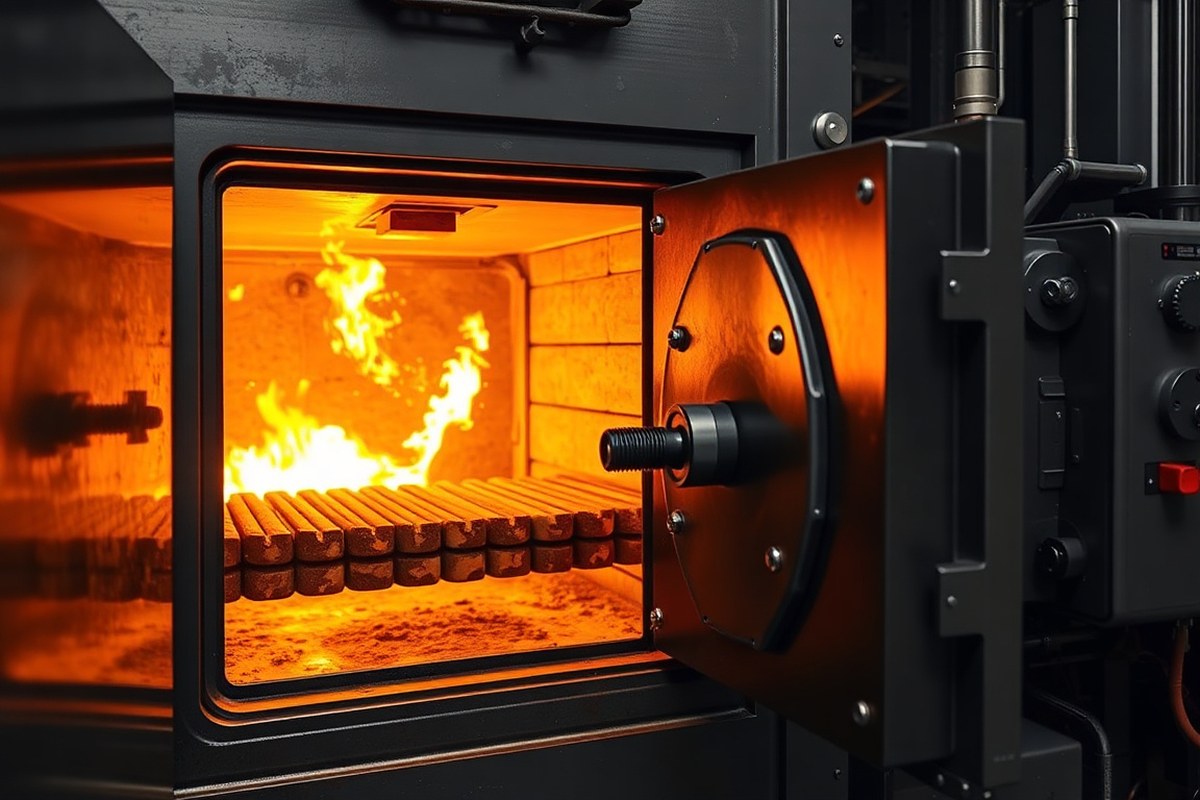
Gun safe fire ratings are determined through rigorous testing procedures that expose safes to high temperatures for set times, measuring internal temperature to ensure protection. Independent organizations like Underwriters Laboratories (UL) and Intertek (ETL) verify these ratings by following strict standards. Testing includes both fire endurance under controlled furnace conditions and ongoing temperature monitoring inside the safe.
The UL 72 Fire Endurance Test
The UL 72 Standard is one of the most widely recognized fire endurance tests for gun safes. During this test, the safe is placed in a furnace where external temperatures ramp up and hold between 1700°F to 1850°F. The goal is to ensure the interior temperature remains below 350°F for the rating’s full time period, typically between 30 minutes and 120 minutes.
Internal temperature sensors are precisely placed inside the safe to measure heat penetration throughout the test. After the furnace phase, the safe stays inside while temperatures cool down to confirm durability over an extended period. The test confirms that the safe can maintain a protective barrier in worst-case fire exposure, giving gun owners confidence their firearms and valuables won’t reach temperatures that cause heat damage. Steps to understand the UL 72 testing:
- Place the gun safe inside the test furnace.
- Ramp up furnace temperature steadily to 1700-1850°F over around 90 minutes.
- Maintain peak furnace temperature for the rated duration (for example, 60 minutes).
- Monitor the temperature inside the safe to keep it below 350°F throughout.
- Cool down the furnace while continuing to record interior temperature.
- Analyze data to confirm whether the safe meets the time and temperature thresholds.
- Certify the safe with a UL fire rating if all criteria pass.
Look for safes tested with a controlled temperature ramp-up instead of immediate peak heat to ensure realistic fire resistance.
Differences Between UL and ETL Certifications
ETL, managed by Intertek, offers fire endurance certifications that are comparable to UL’s but with some variations in temperature and test duration. ETL tests typically reach furnace temperatures around 1200°F for 60 or 120 minutes, aiming to keep internal safe temperature below 350°F. This difference in external furnace heat means ETL ratings may represent protection under somewhat less extreme conditions than UL tests.
Both UL and ETL use independent labs with strict protocols, but UL’s higher temperature range (up to 1850°F) provides a certification that reflects tougher fire scenarios. When selecting a gun safe, choosing a UL rating often indicates testing under more severe conditions.
Aside from test conditions, both certifications require careful internal temperature measurement during the furnace soak, using thermocouples or other sensors fixed inside the safe. The data is independently reviewed before a certification is granted.
What Manufacturer Self-Certification Means
Some manufacturers assign fire ratings based on in-house testing without independent verification. These self-certified ratings can vary widely in credibility and often lack standardized testing conditions or rigorous temperature recording.
Without third-party oversight, fire ratings from manufacturers may not consistently reflect the safe’s true performance in a real fire. This can lead to misleading claims and unreliable fire protection for valuables and firearms. Before trusting a manufacturer label alone, look for accompanying verification from labs like UL or ETL. True certification involves:
- Following standardized fire testing procedures consistent with industry norms.
- Using professional equipment to measure internal temperatures accurately.
- Submitting test results to a recognized third-party organization.
- Receiving official certification and a fire rating label after passing all criteria.
Avoid safes with fire ratings that rely solely on manufacturer claims without independent lab testing for verified protection.
Why 350°F Interior Temperature Is Key for Protection
Keeping the interior temperature of a gun safe below 350°F during a fire is essential to preserve firearms, ammunition, and paper documents. Temperatures above 350°F can start to damage these items, especially paper, which begins to char near 450°F. Fire ratings that ensure the safe stays below this threshold offer reliable protection against heat damage.
Why 350°F Protects Firearms and Paper
Paper ignites and chars around 450°F, but damage begins earlier. Maintaining the interior temperature below 350°F prevents scorching or burning of important documents and cash. Firearms and ammunition can generally tolerate higher heat than paper, but exceeding 350°F risks warping gun parts, degrading lubricants, and causing primer or powder instability in ammo. This temperature limit acts as a practical boundary to keep your collection safe during a fire.
Temperatures above 350°F cause components like gun stocks to crack and metal parts to expand or weaken. Ammunition exposed to high heat can ignite or become unsafe to use. Therefore, a fire rating guaranteeing interior temps below 350°F balances the protection needs of both paper valuables and firearms stored together.
How Fire Ratings Relate to Interior Temperature
Fire ratings on gun safes, such as UL Class 350, mean the safe can withstand external fire temperatures while maintaining its interior below 350°F for the rated period, usually 30 minutes to 2 hours. This rating ensures sensitive contents inside do not exceed critical temperature thresholds. A safe with only a fire duration rating but no temperature guarantee may not protect your guns and ammo as effectively.
For example, a gun safe rated for 120 minutes at 1,875°F external temperature without maintaining sub-350°F inside offers better protection than a self-certified 1.5-hour rating without such guarantees. The temperature is what truly determines whether your firearms will survive a house fire without damage.
How to Achieve and Verify the 350°F Rating
Manufacturers use insulation materials and multi-layer steel construction to keep heat from penetrating the safe’s interior. Fireproof gun safes often contain fire-resistant insulation tested under UL 72 standards to ensure the internal temperature never rises above 350°F during their rated fire exposure. Look for safes carrying certified UL Class 350 labels to confirm this protection.
When selecting a safe, check that testing covers both duration and interior temperature limits. Safes lacking this verified documentation might not meet the 350°F interior threshold, leaving firearms and paper at risk. Installation in a dry, stable location and regularly inspecting door seals can help maintain the safe’s fire resistance effectiveness over time.
Effects of Exceeding 350°F Inside the Safe
If the interior temperature climbs over 350°F, paper starts charring and can become illegible, destroying important documents and cash. Firearms experience metal stress, changes to triggers and firing pins, and lubricant breakdown, increasing the chance of malfunction. Ammunition exposed to excessive heat risks cook-off, which can cause a dangerous explosion.
Beyond 350°F, damage rises quickly. Fireproof safes engineered to prevent this protect your investment and provide peace of mind. Protecting firearms and their components depends on keeping the internal climate stable during extreme heat, not just the time a fire lasts outside the safe.
Variations Based on Storage Contents
The 350°F limit serves well for guns, ammo, and paper, but electronics like digital media disks require even lower temperatures to avoid damage, often below 125°F. So if you store electronic gun accessories or digital records, consider safes rated under UL Class 125 to ensure complete protection.
Storage of ammunition alongside firearms assumes the safe will keep the interior at or below 350°F steadily during the entire fire duration. Check manufacturer specifications if you store rare ammo types as some may have slightly different heat tolerances. Maintaining this temperature also helps prevent humidity-related damage during a fire event.
What Fire Ratings Mean: Time and Temperature Explained
Fire ratings on gun safes indicate how long the safe can hold its internal temperature below damaging levels while exposed to extreme external heat. For example, a “60 minutes at 1,200°F” rating means the safe is tested in a furnace heated to at least 1,200 degrees Fahrenheit, and the interior temperature will stay low enough to protect contents for a full hour. This time frame corresponds to how long the safe can protect firearms and other valuables before heat starts causing damage or deformation.
Higher furnace temperature ratings don’t always mean better protection by themselves. The key is how the interior temperature is controlled and for how long. A safe rated for 30 minutes at 1,400°F may protect contents better in a short, intense fire than one rated for 60 minutes at 1,200°F, depending on the fire scenario. The actual benefit depends on the expected duration and intensity of a fire.
| Fire Rating | Test Furnace Temperature (°F) | Protection Duration (minutes) | Protection Level Explained |
|---|---|---|---|
| 20 minutes at 1,200°F | 1,200 | 20 | Short-term protection; might cover initial ignition but limited time margin during fire. |
| 30 minutes at 1,400°F | 1,400 | 30 | Covers early fire stages; ideal for quick emergency response scenarios. |
| 60 minutes at 1,200 – 1,875°F | 1,200 to 1,875 | 60 | Extended protection; useful if fire department response times vary or if fire burns longer. |
| 120 minutes at 1,700°F or higher | 1,700+ | 120 | Long-term protection for severe fires; often found in higher-end safes with fire-resistant materials. |
Real-life fires can burn intensely and last well beyond 20 minutes, so safes rated for 60 minutes or more provide a better safety margin, especially if firefighting response is delayed. The 30-minute rating primarily covers the earliest part of a fire, which might be enough if help arrives quickly. Increasing the rating duration typically requires more insulation and stronger materials, which adds to the safe’s cost and weight.
Good fire protection keeps internal temperatures below about 350°F to avoid damage to firearms and ammunition. Testing involves slowly ramping furnace temperature so that the safe undergoes conditions close to real fires. This ramp-up simulates gradual heating rather than instantaneous exposure, reflecting how a house fire typically progresses over time.
Common Fire Rating Myths and How to Avoid Scams
Self-certified fire ratings on gun safes are usually not trustworthy. Many manufacturers assign their own ratings without independent lab tests or recognized certifications like UL 72, which is the standard some insurance policies require. You should look for clear labels stating exact fire resistance times and temperatures, such as “90 minutes at 1700°F,” supported by third-party testing. If such information is missing or vague, consider it a red flag.
No safe is truly fireproof forever. Fire ratings always specify limited durations, often 30, 60, or 90 minutes, during which the safe can keep its interior temperature below damaging levels. Relying on claims like “fireproof” without a time limit is misleading because fires can last longer than these ratings cover. For gun safes, protecting firearms means maintaining interior temps under 350°F for the duration, but beyond the tested time, heat damage becomes likely.
Ramp-up time, or how quickly heat penetrates the safe, is another factor often left out of marketing. A slow ramp-up means the safe’s insulation delays temperature rise, extending protection. However, many safes with the same fire rating may differ substantially in how fast their interior temperature increases. This matters because a short ramp-up time reduces your margin to salvage contents if the fire lasts longer than expected. Look for specs on gradual temperature increases rather than just “rating minutes” for more realistic protection. Below are common fire rating myths and how you can avoid falling for them:
- Myth: “Self-certified ratings are as good as independent tests.” Fix: Always verify independent lab certification like UL or another respected body.
- Myth: “A safe labeled ‘fireproof’ offers permanent protection.” Fix: Check the exact minutes and temperatures on the label; no permanent fireproofing exists.
- Myth: “All safes with the same time rating protect equally.” Fix: Ask about ramp-up time or temperature rise curves to understand real-world performance.
- Myth: “K-wool insulation guarantees fire resistance.” Fix: Request documentation proving fire rating, since some K-wool claims go unverified.
- Myth: “Humidity control inside fireproof safes isn’t necessary.” Fix: Many fireproof safes trap moisture, so consider safes with humidity management features to protect firearms.
Check any fire rating claims against documented lab tests and certification seals; avoid purchases based on vague or promotional language alone.
When reviewing fire ratings, read the fine print and ask for test reports or certification details. The cost of verification is often just a few minutes of research but saves you from buying a safe with misleading protection claims. Reliable ratings come from independent labs and include both temperature limits and duration, helping you pick a safe that matches your storage needs and insurance requirements.
How Fire Rating Affects Insurance and Claims
Insurance companies generally require gun safes to have a recognized fire rating to qualify for coverage or claims related to fire damage. The Underwriters Laboratories (UL) 72 Fire Endurance rating is the most widely accepted standard. This rating confirms that the safe has been tested to maintain internal temperatures below critical limits, typically 350°F, for a specified duration, such as 30, 60, or 90 minutes. Meeting these standards shows insurers that your firearms and valuables have credible fire protection, which can be essential when filing a claim after a fire.
Documenting your fire protection to an insurance company involves more than just showing the safe’s label or specification sheet. Keep the original receipt, manufacturer certification, and test data showing the UL 72 rating. Photographs of the safe’s certification label can help, too. If your safe is used, verify that the fire rating is still valid; this might mean checking for any damage or modifications that could affect its performance. Providing this evidence upfront can streamline the claims process and avoid disputes over whether the safe was truly fire-resistant.
Higher fire ratings usually offer better protection but do not automatically translate into lower insurance premiums. Some insurers set minimum fire rating requirements, such as a 1-hour UL 72 rating, and anything that meets or exceeds this is accepted without extra premium discounts. Others might offer modest reductions for safes with extended ratings like 90 minutes or higher. The tradeoff is cost and weight: safes with longer fire endurance will cost more and be heavier, which might influence your decision more than premium savings. Confirm with your insurer whether fire rating levels affect your premium.
Use this decision rule checklist to ensure your safe meets insurance requirements: First, verify the safe’s UL 72 Fire Endurance rating and ensure it covers at least 30 minutes at 1400°F external temperature with an internal temperature below 350°F. Second, keep all purchase documentation and certification from the manufacturer. Third, confirm with your insurance agent if your safe’s fire rating meets their policy requirements and whether higher ratings affect premiums. Finally, regularly inspect your safe for damage as any breach can void fire protection.
Ignoring insurance requirements or purchasing safes with unverifiable or non-standard fire ratings could result in claim denial after a fire. Manufacturers may market fire resistance without UL 72 verification, which offers minimal assurance to insurers. Clearing these steps protects your investment and ensures that you can recover losses associated with fire damage to your firearms and valuables.
Fire-Resistant Materials and Construction in Gun Safes
Fire resistance in gun safes mainly depends on the materials inside, rather than just the thickness of the steel exterior. Most gun safe manufacturers line the interior with fire-resistant materials such as drywall or specialized fireboard, which absorb heat and delay its transfer to the safe’s contents. These materials work by releasing moisture and converting water to steam when heated, reducing the temperature inside to protect guns, documents, and ammunition.
Fireboard or fire-rated drywall typically comes in layers around 5/8 inch thick. Multiple layers are common in safes with higher fire ratings, as each layer adds additional thermal insulation. Simply using thicker steel does not guarantee good fire protection since steel conducts heat efficiently and can transfer heat quickly to the interior. Instead, the fire-resistant lining provides the key barrier that keeps the internal temperature below 350°F, considered critical for preserving firearms and ammunition. Below is a comparison of the benefits provided by construction materials in high-quality fire-resistant gun safes. These safes typically have fire ratings above 20-30 minutes at temperatures exceeding 1,200°F, providing a practical window for fire extinguishing before internal damage occurs:
| Benefit | Description |
|---|---|
| Fire Resistance | Layers of fire-rated drywall (usually 5/8-inch thick) absorb heat by releasing steam, maintaining safe internal temperatures even in high-heat environments. |
| Steel Thickness | Thicker steel (e.g., 11 gauge) improves security and durability but alone has limited impact on heat insulation and fire protection. |
| Insulation Layers | Multiple layers of fireboard or drywall increase the safe’s ability to withstand fire longer, thus protecting contents during standard home or office fires lasting 20 to 60 minutes or more. |
| Durability | Strong construction extends life span and maintains fire resistance after minor damage or exposure. |
The quality and thickness of fire-rated drywall lining directly impact the safe’s fire rating performance. Drywall is inexpensive, typically costing $10 to $20 per safe in materials, but adds significant value by extending protection time. For example, safes with 120-minute fire ratings often employ multiple layers of 5/8-inch drywall combined with sturdy steel exterior. This design ensures heat does not reach critical levels inside, reducing risk to firearms and valuables during prolonged fires.
Choosing a safe with adequate fireboard or drywall lining matters particularly if your primary concern is fire damage rather than just burglary protection. In contrast, a safe relying solely on thick steel without fire-resistant lining will likely allow internal temperatures to rise quickly, harming ammunition or stored guns. Always look for manufacturers specifying the type and thickness of fire-resistant materials used, not just the external steel gauge, to ensure effective fire protection.
How to Read and Compare Fire Rating Labels on Safes
Fire rating labels on gun safes provide essential details about how long and at what temperatures a safe can protect its contents during a fire. To compare these labels accurately, look for standardized information like time and temperature ratings verified by recognized testing laboratories. Also, watch for disclaimers or ambiguous terms that could indicate marketing exaggerations rather than verified fire resistance.
Finding the Time and Temperature Values
Fire rating labels typically list two important numbers: the duration (in minutes) the safe can withstand fire exposure and the temperature reached inside the safe during that time. For example, a label might state “60 minutes at 1200°F,” meaning the safe can maintain an internal temperature below critical levels for one hour when exposed to 1200 degrees Fahrenheit externally. These measures matter because your gun safe’s contents need to remain below roughly 350°F internally to avoid damage.
These values form the baseline for comparing safes. A longer time rating means the safe can withstand fire longer, while a higher external temperature rating suggests it can endure more intense fires. Both are key factors, depending on your risk assessment and how much time a safe will resist fire damage while you wait for emergency responders or escape.
Spotting Certification Lab Logos and Meaning
Look closely for logos from independent testing organizations on the label, such as UL (Underwriters Laboratories) or ETL. These show the fire rating claims are verified through standardized testing protocols rather than self-declared by the manufacturer. For gun safes, a UL certification often applies to the lock mechanism or the entire safe body’s fire resistance level. Some manufacturers only certify parts of the safe, so check carefully what each certification covers.
Notice if the safe’s label names the certifying lab and the specific test standard used. If this information is missing or vague, the rating could be less reliable or purely marketing. Credible certifications provide assurance that the safe has been subjected to controlled fire tests replicating real fire conditions to pass minimum internal temperature thresholds for specified times.
Identifying Marketing Puffery vs Real Testing
Some manufacturers use terms like “fireproof” or “fire-resistant” without backing them up with standardized fire ratings. Words such as “certified” without naming a testing lab or listing exact time and temperature values may signal marketing puffery. These claims do not guarantee your gun safe will protect valuables in real fires, which often exceed lab test conditions.
Check for detailed fire rating information and independent lab seals to avoid misleading claims. Safes labeled with only manufacturer-supplied fire claims without external verification should be treated cautiously. For the best protection, prioritize safes with transparent certification and measurable fire endurance. Use the following steps to interpret and fairly compare fire rating labels on gun safes:
- Locate the fire rating information: Find time (minutes) and temperature (degrees Fahrenheit) values on the safe’s fire rating label.
- Check for certifying laboratory logos: Verify if UL, ETL, or other credible certifiers are listed, and whether the rating covers the entire safe body or only the lock.
- Identify specific test standards: Look for references to established fire tests, such as UL 72 or similar, to confirm standardized testing.
- Compare similar time and temperature ratings: Avoid comparing safes with different temperature benchmarks or unverified times, as testing protocols vary widely.
- Watch for disclaimers or vague statements: Ignore vague claims that don’t give exact time/temperature or certified lab details.
- Evaluate the safe’s steel thickness and construction: Confirm that metal thickness and design complement the fire rating for optimal protection.
- Consider your storage needs and fire risk: Choose a rating matching your risk level and how long fire services might take to arrive.
Beware of fire ratings listed only in advertising without independent certification or exact time and temperature figures; these often overstate a safe’s actual fire resistance.
Choosing the Right Fire Rating for Your Gun Safe Size
Matching the fire rating of a gun safe with its size depends on how much you plan to store and the level of fire risk you expect. Larger safes hold more firearms and valuables, which means they tend to retain heat longer during a fire. Because of this, bigger safes generally require longer fire ratings to protect all contents adequately. Meanwhile, small safes with fewer items can be protected with shorter-rated models, as less material inside heats up more quickly but also cools down faster once fire exposure stops.
The capacity impacts heat retention since every item inside absorbs heat at different rates. A densely packed large safe without proper fire rating might get hotter inside, damaging guns, ammo, or documents. When choosing, consider how long it typically takes the fire department to respond in your area; a safe with at least 60 to 120 minutes of fire resistance often aligns with common response times. If you have higher-value or heat-sensitive items inside, aim for the 120- to 150-minute range. Adding a heat-activated door seal that expands under heat boosts protection against flames and smoke penetration. Use this checklist to decide your fire rating need based on safe size and contents:
- Estimate total gun and valuables volume to pick capacity.
- Check local fire department average response times.
- Choose a fire rating equal or above response time for better protection.
- Consider upgrading fire rating if storing highly heat-sensitive items.
- Select safes with heat-activated door seals if possible for extra defense.
- Balance budget vs protection: higher fire ratings usually cost more but reduce damage risk.
The table below compares typical fire ratings with safe sizes and rough prices for realistic expectations.
| Safe Size (Capacity) | Typical Fire Rating | Fire Rating Duration (minutes) | Price Range (USD) | Key Features |
|---|---|---|---|---|
| Small (1-10 guns) | Basic Fire Resistant | 30-60 | $300-$800 | Compact, suitable for low-value firearms |
| Medium (10-25 guns) | Standard Fire Rated | 60-120 | $800-$2,500 | Good balance of capacity and fire protection |
| Large (25+ guns) | High Fire Rated | 120-150 | $2,500-$4,000+ | Thicker steel, heat-activated seals, customizable |
Choosing a larger safe with a low fire rating increases risk of exceeding critical heat thresholds on contents during sustained fires. Meanwhile, overspending on a very high rating for a small safe might not provide practical benefits relative to cost. Adjust fire rating to safe size and value of guns and valuables inside for the best protection-to-cost ratio. You can also consider optional upgrades to extend fire resistance as your needs change.
Step-by-Step Action Plan for Choosing the Right Fire Rating
Follow these steps to pick a gun safe with the correct fire rating so your firearms and valuables have the best chance of surviving a fire.
- Before you shop: Measure the total size and number of firearms you plan to store. Make sure the safe you want fits your needs comfortably, so your safe’s fire rating matches the volume it protects.
- Week 1: Research safes with at least a 350°F interior fire rating and a rating duration matching your risk assessment (e.g., 1 hour or 2 hours). Confirm the rating is certified by a known testing agency.
- Week 2: Review your homeowner’s insurance policy to find out if it requires a minimum fire rating for coverage. Adjust your safe choice accordingly to avoid claim problems.
- Week 3: Compare construction materials like fire-resistant concrete versus gypsum and inspect fire door seals. Prioritize builds proven to keep internal temperatures below 350°F during fires.
- Week 4: Check fire rating labels carefully, focusing on both temperature and duration ratings. Avoid safes with vague or uncertified ratings to reduce risk of fraud.
- Week 5: Visit stores or contact manufacturers to confirm warranty terms related to fire damage and verify customer reviews on fire performance.
- Week 6: Purchase and install the safe in a location that minimizes fire exposure risk. Test its locking mechanism regularly to ensure full security and readiness.
Frequently Asked Questions
What Qualifies as a Good Fire Rating for a Gun Safe?
A reliable fire rating for firearm safes offers at least one hour of protection at 1,200°F, which is enough to shield guns during many common residential fires. This level keeps the inside temperature under 350°F, stopping harm to firearms and important items inside.
How Does the Fire Rating Protect Firearms Inside the Safe?
The fire rating shows how long the interior temperature stays below 350°F during intense external heat, preventing heat damage. This temperature is key because it protects gun finishes, ammunition, and paper documents.
Is a Higher Temperature Fire Rating Always Better?
A higher temperature rating means the outside can be hotter, but protection depends on how long the interior stays below 350°F. The typical benchmark is 1,200°F for at least 60 minutes, which matches real fire risks better than just high temperature alone.
Can Imported Gun Safes’ Fire Ratings Be Trusted?
Imported safes may have valid fire ratings, but check for certification from recognized testing labs like UL or ETL to ensure accuracy. Unsupported or self-certified ratings might have misleading claims.
Why Might a One-Hour Fire Rating Differ Between Safe Brands?
Fire rating tests can vary in ramp-up speed and testing standards, influencing the real protection level. Look for testing by independent labs to avoid exaggerated claims and compare apples to apples.
Does the Fire Rating Cover Stolen Gun Protection as Well?
No, fire ratings only confirm heat protection during fires. To prevent theft, you need a safe with strong locking mechanisms and burglary ratings separate from fire resistance.
Wrapping Up
Choosing a gun safe with the right fire rating means focusing on keeping internal temperatures below 350°F for a duration that fits your fire risk. That standard protects the firing mechanisms and ammunition from damage in typical house fires. Start by checking your firearm inventory and insurance rules, then prioritize safes with certified ratings and reliable construction. Buying from reputable brands and carefully reading fire labels will increase your chances of safely preserving your firearms and valuables in a fire event.