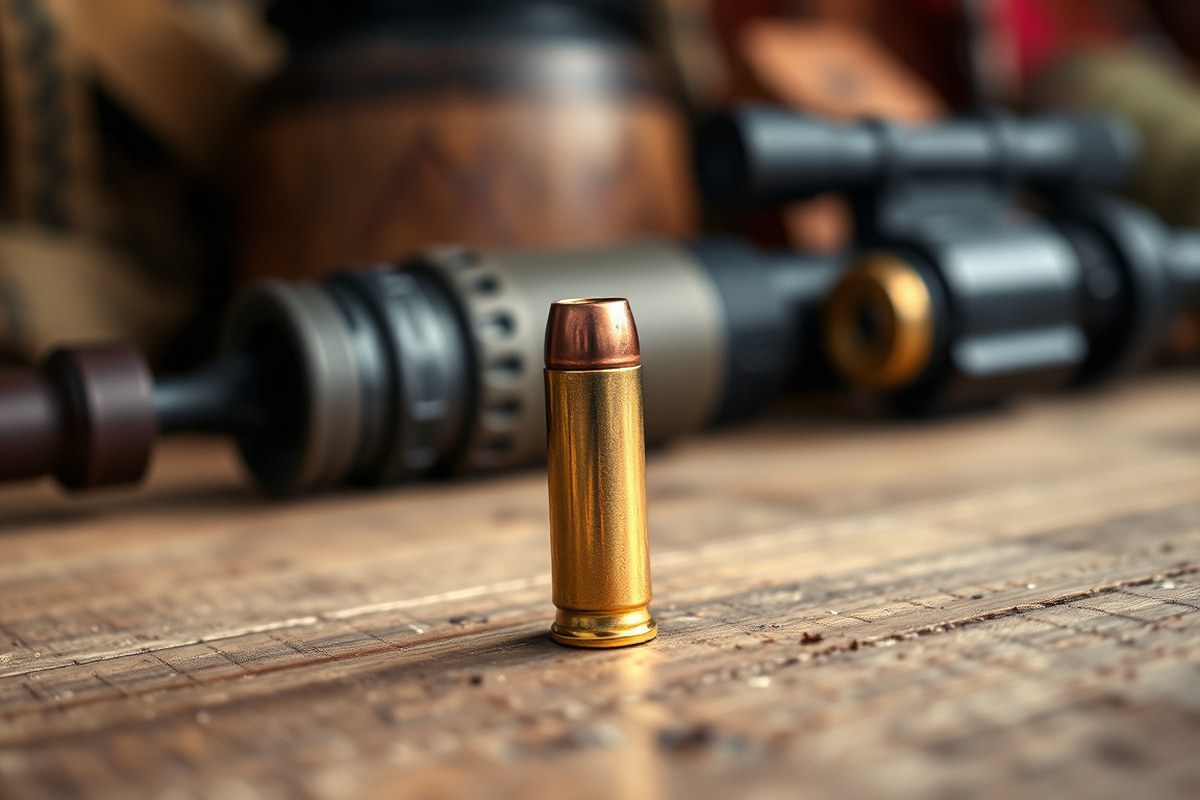
Is 6mm Remington Ammo Still Made? A Complete Guide on Availability and Use
Is 6mm Remington ammo still made? Yes, it is, but finding it can be challenging because it has never been a widely popular cartridge. You might need to search specialty shops, online retailers, or connect with handloaders to locate available rounds. Starting with handloading can also help you maintain a steady supply of this ammo.
Key Takeaways
- 6mm Remington ammo production continues but in limited supply due to low demand.
- Inefficient marketing and competition with the .243 Winchester led to its obscurity.
- The cartridge offers lower recoil around 10 ft/lbs, making it pleasant for shooters.
- 6mm Remington delivers slightly better ballistics than the .243 Winchester in many setups.
- Most rifles chambered in 6mm Remington are custom or older models rather than mass-produced options.
- Reloading 6mm Remington ammo is practical and popular among enthusiasts to ensure ammo availability.
Is 6mm Remington Ammunition Still Being Produced Today?
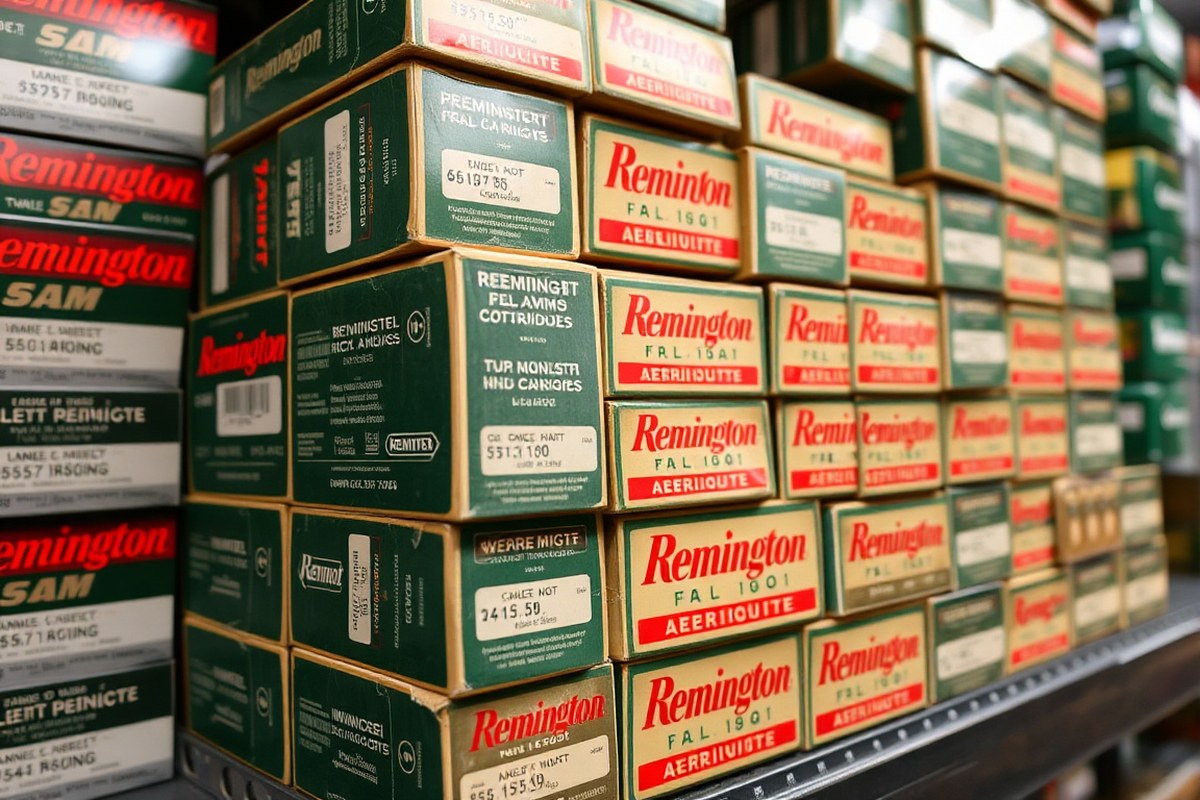
Yes, 6mm Remington ammunition is still manufactured today, but it remains relatively scarce compared to more popular cartridges like the .243 Winchester or 6mm Creedmoor. Remington continues to produce factory loads for the 6mm Remington, though quantities are limited and availability often depends on the retailer’s stocking choices. You won’t typically find it on the shelves of big-box sporting goods stores where mainstream calibers dominate, but specialty gun shops, online ammunition dealers, and custom outfitters focused on vintage or less common cartridges are the most reliable places to source 6mm Remington ammo. Prices can be higher than more common calibers due to the lower demand and smaller production runs.
The manufacturer Remington originally introduced the cartridge in 1955 under the name .244 Remington before it was rebranded as the 6mm Remington. The cartridge design is based on a necked-down 7×57mm Mauser case, giving it a slightly different ballistic profile than the .243 Winchester, which comes from the .308 case. Although it never surpassed the .243 in commercial popularity, Remington has kept the cartridge in production continuously since its inception. Some other rifle makers such as Marlin, Savage, and Ruger have chambered rifles to accommodate the 6mm Remington over the years, sustaining interest among hunters and shooters who value its balance of recoil and ballistic performance.
Regarding modern improvements or variants, Remington offers a factory load featuring a 100-grain bullet that serves as a practical and accurate choice for hunting and target shooting. Reloaders and custom rifle builders have contributed to extending the cartridge’s life by experimenting with handloads tailored for improve accuracy, velocity, or recoil management. These custom loads can result in better performance than original factory rounds, especially because commercial options remain limited. You might find brass and components for handloading available from specialty suppliers, which further supports users who want to optimize their cartridges.
Due to its niche status, 6mm Remington ammo isn’t stocked routinely at large chain stores or sporting goods supercenters, so you often need to check with local gun shops that cater to vintage or specialty cartridges, or turn to online ammunition dealers. Monitoring online marketplaces that specialize in hard-to-find calibers can help, but be prepared for occasional price fluctuations and limited inventory. Those interested in hunting or shooting with the 6mm Remington may find handloading a practical approach to maintain reliable access and customize loads to their specific rifles and shooting preferences.
Why Is 6mm Remington Ammo Hard to Find Today?

The rarity of 6mm Remington ammunition today stems from its uneven market reception and tactical missteps by Remington in the mid-20th century. Introduced as the .244 Remington in the 1950s, the cartridge debuted with the Remington Model 722, chambered with a 1:12 twist barrel optimized for 90-grain soft-point bullets. This twist rate limited performance with heavier bullets favored for hunting, which meant the cartridge initially appealed primarily to varmint shooters rather than big-game hunters. The ammunition itself, such as Remington’s 100-grain Core-Lokt factory loads, could push bullets to about 3,100 feet per second at the muzzle, but this advantage was not fully capitalized on due to barrel design.
Early on, the buying public showed a strong preference for the .243 Winchester, which Winchester introduced around the same time. The .243 Winchester came with a faster 1:10 twist rate, allowing it to stabilize heavier 100- to 115-grain bullets better suited for hunting deer-size game. This made the .243 Winchester more versatile and attractive to hunters. The 6mm Remington, sometimes referred to as the .244 Remington before Remington rebranded it in 1963, struggled to gain wider acceptance because it did not meet the hunters’ expectations for medium game performance right out of the box. The slower twist rate on early rifles built for 6mm Remington limited its appeal since many hunters considered heavier bullets essential for hunting deer or antelope.
Remington’s marketing strategy tried to address these issues by changing the cartridge name from .244 Remington to 6mm Remington in 1963, hoping a new identity would improve its image. However, this rebranding came without significant changes to the guns’ barrels or factory ammunition offerings, so the fundamental performance gap compared to the .243 Winchester remained. Remington positioned the Model 722 rifle as a more affordable, modern bolt-action option priced under $125 in the 1950s, making it a value-oriented choice for budget-conscious hunters. Despite this, the 6mm Remington failed to capture the market share Winchester secured. As a result, fewer rifles were chambered in 6mm Remington, reducing ammo demand and production.
Another factor that contributed to 6mm Remington’s limited popularity is the cartridge’s longer case length and more aggressive neck-down compared to the .243 Winchester. These design differences subtly affected reloaders’ preferences and factory ammunition manufacturers’ willingness to produce large runs of 6mm Remington ammo. Reloading enthusiasts discovered that the 6mm Remington can handle higher pressures than the .243 Winchester and even the more recent 6mm Creedmoor, giving handloaders room for developing hot loads tailored for hunting or target shooting. However, factory ammo supply never matched this potential because commercial ammo brands focused on the widely accepted .243 Winchester and emerging competitors.
The 6mm Remington performed admirably in specialized roles, especially for varmint hunting and long-range shooting of prairie dogs where its flat trajectory and high velocity made a difference. Still, its niche status didn’t translate into widespread factory ammo production. To find 6mm Remington ammunition now, you often rely on handloading components like quality bullets from Hornady, Nosler, or Barnes, combined with brass and powders suited for high-performance reloads. The limited commercial production coupled with the cartridge’s early struggles explains why 6mm Remington ammo is hard to find in stores and why the cartridge never secured mainstream hunter approval like the .243 Winchester.
Buying vintage 6mm Remington ammo online requires careful attention to cartridge condition and compatibility with your rifle’s barrel twist to avoid performance issues or damage.
How Does 6mm Remington Compare Ballistically to Similar Cartridges?
The 6mm Remington generally offers slightly higher velocity and comparable energy to the .243 Winchester, with similar recoil levels but different twist rates affecting bullet stability. Compared to other 6mm cartridges, such as the .244 Remington, it holds its own in big game performance while maintaining effective trajectory and manageable recoil for hunters focused on accuracy and comfort.
Velocity and Trajectory Comparisons
The 6mm Remington often achieves about 100 feet per second faster muzzle velocity than the .243 Winchester with similar bullet weights, which can translate to flatter trajectories and better long-range performance. This velocity advantage comes with some tradeoffs related to barrel twist rates and bullet weight optimization. For example, Remington designed the 6mm’s slower twist specifically for 90-grain bullets used in big game hunting to preserve velocity while avoiding excessive spin.
| Cartridge | Use | Bullet Weight (gr) | Velocity (fps) | Energy (ft-lbs) |
|---|---|---|---|---|
| 6mm Remington | Big game | 100 | 3,190 | 3,190 |
| .243 Winchester | Big game | 100 | 3,070 | 3,070 |
| 6mm Remington | Varmint | 75 | 3,500 | 3,500 |
| .243 Winchester | Varmint | 80 | 3,500 | 3,500 |
The table shows that both cartridges perform almost identically in varmint loads, but the 6mm Remington pulls ahead slightly with heavier bullet weights and energy delivery suited for bigger game. Its muzzle velocity advantage can improve bullet drop and wind drift over longer shots.
Recoil and Shooting Comfort Differences
Recoil for the 6mm Remington and .243 Winchester is generally low and comparable, benefiting shooters who want accuracy without excessive kick. The slower twist rate in the 6mm Remington aimed at longer lighter bullets avoids unnecessary stress on the shooter and the barrel. This means you can expect similar recoil energy, which is modest compared to larger calibers.
Compared to other 6mm cartridges with faster twist rates or heavier bullets, the 6mm Remington may feel more pleasant for longer shooting sessions. Its balance between bullet weight and velocity helps keep recoil manageable, making it suitable for hunters seeking precision without fatigue.
Ballistic Coefficient and Accuracy Potential
The ballistic coefficient (BC) largely depends on bullet design and weight rather than cartridge alone. The 6mm Remington was optimized for 90-grain bullets, which traditionally offer a good balance of BC and manageable recoil. This differs from the .244 Remington, which favored a 75-grain bullet and higher twist rates, more suited to varmint loads but less stable with heavier bullets for big game.
This specific tailoring of twist rate and bullet weight in the 6mm Remington can improve accuracy potential at mid to long ranges, especially when using match-grade bullets designed for big game hunting. The lower spin rate avoids reducing BC through excessive bullet spin, potentially improving bullet stability and group tightness under typical hunting scenarios.
Which Rifles Are Chambered for the 6mm Remington Cartridge?
The 6mm Remington cartridge was initially chambered in several rifles, primarily by Remington and a few other major manufacturers. Remington introduced the cartridge in the early 1950s with the Model 722 bolt-action rifle. Critics initially noted the rifle’s 1 in 14-inch twist rate limited its effectiveness to lighter bullets. By 1958, Remington adjusted the twist rate to 1 in 12 inches to stabilize heavier 90-grain bullets better, improving performance for hunting applications.
Following the Model 722, Remington released the Model 725ADL, which offered a more upscale design. Eventually, the highly successful Model 700 series transitioned to include the 6mm Remington chambering. The Model 700, built originally in Ilion, New York before the company moved production to Sturgis, South Dakota, became a popular choice among hunters and shooters seeking reliability combined with the cartridge’s ballistics.
Other rifle manufacturers also chambered rifles for the 6mm Remington cartridge, offering both bolt-action and pump-action models tailored for varmint hunting and small to medium game. The twist rate and barrel length typically varied but generally centered around a 1 in 12-inch twist to match the bullet weights available for this round.
- Remington Model 722 bolt-action with original 1 in 14-inch twist, later changed to 1 in 12-inch.
- Remington Model 725ADL, a higher-grade update replacing the 722.
- Remington Model 700 bolt-action, the most successful and widely produced bolt-action rifle chambered in 6mm Remington.
- Marlin Model 336 and other pump-action rifles adapted for 6mm Remington.
- Savage bolt-action rifles available in 6mm Remington, typically with 1 in 12-inch twist barrels.
- Ruger bolt-action models chambered in 6mm Remington, often used for varmint hunting.
The 1 in 12-inch twist rate remains the common standard for rifles chambered in 6mm Remington. This rate allows optimal stabilization for bullet weights around 90 grains, which was typical for hunting loads in the cartridge’s heyday. Choosing a rifle with the correct twist is important because a twist rate that is too slow won’t stabilize heavier bullets well, while one that’s too fast can cause bullet fragmentation or keyholing at long range.
Knowing the specific models and their twist rates helps you find or evaluate rifles chambered in 6mm Remington. Remington’s Model 700 is the most recognized and widely available today, often favored by shooters who appreciate its accuracy and the cartridge’s balance of velocity and recoil. Other manufacturers’ models, like those from Marlin, Savage, and Ruger, offer alternatives commonly in the varmint and small game hunting categories, with similar barrel twist standards tuned for the 6mm Remington cartridge.
Is Reloading 6mm Remington Ammo a Practical Option?
Reloading 6mm Remington ammo is practical and lets you customize loads for accuracy or hunting. You should choose powders and bullets carefully, following published guidelines to ensure safe pressures and consistent performance.
Preparing and Inspecting 6mm Remington Brass
Start with good quality brass in excellent condition since 6mm Remington cases can be harder to find. Check each case for cracks, dents, or signs of excessive wear. Clean cases thoroughly to remove powder residue and moisture. Resize cases using the proper 6mm Remington dies to return them to factory dimensions.
Trimming cases to the standard length is important because stretched brass can cause pressure issues. The case length for 6mm Remington is approximately 1.91 inches. Lubricate cases lightly to prevent sticking in the resizing die. After resizing and trimming, clean again to remove any lubricant.
Recommended Powders and Charge Weights
Choosing the right powder ensures you get the desired velocity and pressure for safe shooting. Popular powders include Hodgdon H414, IMR 4064, and Accurate Arms 2015, all offering consistent burn rates suited to 6mm Remington loads. For example, Hodgdon H414 charges typically range from 30.0 to 33.0 grains for 90-grain bullets.
Keep loads within recommended pressures. For the 90-grain Remington-designed soft point bullet, expect velocities around 3000 fps with these powders. Using lighter varmint bullets usually means slightly lower powder charges to avoid excessive velocity and pressure.
Selecting Bullets for Hunting or Target Loads
Shaping your load around the bullet’s intended use matters. For medium-sized game like deer and antelope, the 90-grain soft point bullet originally developed for the 6mm Remington works reliably. This bullet design provides a balance of expansion and penetration for ethical kills.
For target shooting or varmint control, lighter bullets between 70 and 80 grains can improve velocity and flatten trajectories. Match bullet seating depth carefully to maintain correct overall cartridge length and prevent pressure spikes. Bullets with good ballistic coefficients help preserve accuracy at longer distances.
Safety Tips and Common Pitfalls
Always reference reliable load manuals and start with minimum recommended powder charges, working up in small increments while watching for pressure signs like flattened primers or sticky cases. Never exceed published maximum loads, as 6mm Remington rifles are optimized for specific pressures to preserve barrel life and safety.
Consistent case prep, careful bullet selection, and controlled powder measurement reduce risks of dangerous overpressure. Avoid mixing components from different manufacturers without consulting reliable load data, as variations can alter pressure significantly.
- Inspect and clean your brass thoroughly before resizing.
- Trim cases to the proper length, about 1.91 inches for 6mm Remington.
- Resize cases using dedicated 6mm Remington dies and lightly lubricate cases.
- Select powder and bullets based on your load goal: hunting or target shooting.
- Weigh and measure powder carefully, starting at minimum charge loads.
- Seat bullets to recommended overall cartridge length for your rifle chamber.
- Check for signs of pressure after initial test firings before progressing to full loads.
- Store reloaded ammo in a cool dry place and label loads clearly for future use.
Never exceed published maximum loads for the 6mm Remington cartridge; pressure spikes can cause firearm damage and serious injury.
Where and How to Source 6mm Remington Ammunition Today
Finding 6mm Remington ammunition requires patience and a strategic approach, as it is no longer widely produced or stocked at most brick-and-mortar retailers. Your best bet is to check specialized online ammunition retailers and forums where enthusiasts trade or sell limited stock. Some surplus firearms dealers occasionally have small quantities, but these are less reliable sources. Specialty gun shops that cater to collectors and enthusiasts might carry or be able to order 6mm Remington ammo. Prices tend to be higher for scarce calibers, often ranging from $2 to $5 per round depending on condition, load type, and availability.
Custom load options are worth considering if factory ammo is unavailable. Some handloaders and precision ammunition manufacturers will tailor loads in 6mm Remington, balancing bullet weight, powder charge, and velocity for your specific rifle. This approach ensures consistent performance and can accommodate hunting or target shooting needs. You should verify the reputation of the custom loader and the components used, especially primers and powder type, to ensure safety and reliability. When sourcing 6mm Remington ammo, watch for these key factors to avoid wasted effort or expense:
- Verify the cartridge is genuine 6mm Remington and not similarly sized wildcats or derivatives.
- Check return policies or guarantees from sellers given the rarity and risk of mislabelling.
- Confirm bullet weight, type, and expected velocity for optimal match to your rifle.
- Factor in shipping costs, which can be significant for small quantities or hazardous materials.
- Consider joining shooting clubs or online forums focused on vintage cartridges to get leads on available stock.
- Be prepared for longer wait times if custom loading services are used, often 2 to 4 weeks.
Here is a checklist you can follow when searching for 6mm Remington ammo:
- Start by searching reputable online ammo dealers with good customer reviews.
- Contact local specialty shops and ask about back-order or special request options.
- Investigate forums or social media groups where 6mm Remington collectors trade gear.
- If ammo is not found, identify a trusted custom loader experienced with vintage cartridges.
- Verify the specifications of any purchase compared to your rifle’s original chambering.
By following these steps, you reduce the risk of purchasing unsuitable ammo and maximize your chances of finding quality 6mm Remington rounds. Remember, patience and verification are key because this cartridge commands a niche market with limited production. Tailoring your search to specialty sources or handloading is the most effective route to keep shooting with this classic caliber.
What Are Suitable Alternatives to 6mm Remington Ammo?
Several cartridges can serve as suitable substitutes for 6mm Remington ammo, offering similar performance and practicality, especially when 6mm Remington rounds are hard to find. Common alternatives include the .243 Winchester, 6mm Creedmoor, and .243 Winchester Super Short Magnum (WSSM). Choosing between these depends on whether you prioritize availability, ballistic similarity, or specific hunting needs.
Comparison of Ballistics and Recoil
The 6mm Remington delivers moderate recoil with effective ballistics tailored for medium-sized game. The .243 Winchester closely matches this profile, firing 100- to 105-grain bullets at velocities typically between 2,900 and 3,100 fps. The 6mm Creedmoor offers a flatter trajectory and slightly higher velocity, thanks to a longer case suited for heavier bullets. The .243 WSSM provides even higher velocity but at the cost of increased recoil and barrel wear.
Recoil varies among these options. The .243 Winchester generally has recoil energy around 12 ft-lbs in an 8-pound rifle, similar to the 6mm Remington. The 6mm Creedmoor can produce recoil upwards of 15 ft-lbs, depending on load and rifle weight, while the .243 WSSM often exceeds 16 ft-lbs due to its high velocity. This makes the Creedmoor and WSSM less suitable for those sensitive to recoil or younger shooters.
Availability and Cost Comparison
.243 Winchester ammunition remains widely available and affordable, often priced between $1.00 and $1.50 per round at retail. The 6mm Creedmoor has gained popularity recently and is generally found within the $1.50 to $2.00 range per round. The .243 WSSM, produced less frequently since its introduction, tends to have higher prices and limited inventory.
Reloading components for .243 Winchester and 6mm Creedmoor are commonly stocked at large retailers and online vendors. In contrast, 6mm Remington components can be scarce or priced higher, making reloaders consider alternatives if sourcing brass or bullets is difficult.
| Cartridge | Typical Bullet Weight (grains) | Muzzle Velocity (fps) | Approximate Recoil Energy (ft-lbs) | Average Retail Ammo Cost (per round) |
|---|---|---|---|---|
| 6mm Remington | 100-105 | 2,800-3,000 | 12 | $1.50 – $2.50 |
| .243 Winchester | 100-105 | 2,900-3,100 | 12 | $1.00 – $1.50 |
| 6mm Creedmoor | 95-105 | 2,900-3,200 | 14-16 | $1.50 – $2.00 |
| .243 WSSM | 90-100 | 3,200-3,400 | 16+ | $2.00 – $3.00 |
Depending on your location and retailer, these prices and availability can shift. The .243 Winchester stands out as the easiest to purchase and reload, making it the most practical alternative for most shooters.
Recommended Alternatives for Various Hunting Needs
For hunters pursuing deer, pronghorn, or similar-sized game, the .243 Winchester provides an excellent balance of power, accuracy, and manageable recoil. Its wide availability and multiple factory loads suitable for hunting make it the go-to substitute if 6mm Remington ammo is unavailable.
When longer-range shooting or slightly flatter trajectories are priorities, the 6mm Creedmoor is a solid choice. It excels in precision shooting scenarios and can extend effective range beyond the .243 Winchester, but expect more felt recoil and slightly higher ammo costs.
Consider the .243 WSSM if you want maximum velocity and penetration in a compact cartridge, understanding that this comes with tradeoffs in recoil and barrel life. This cartridge suits hunters pursuing varmints or shooters wanting high-velocity rounds but is less common and more expensive, so it makes less sense as a backup for everyday hunting needs.
- Choose .243 Winchester for a direct, cost-effective substitute with similar ballistics and low recoil.
- Select 6mm Creedmoor when accuracy and long-range performance outweigh recoil concerns.
- Opt for .243 WSSM only if ultra-high velocity is needed and cost or recoil are less critical factors.
Common Misconceptions About the 6mm Remington Cartridge
The 6mm Remington often gets unfairly criticized for its performance, but much of that reputation stems from misunderstandings rather than facts. Some shooters think the cartridge underperforms because it was originally chambered in rifles with a slow 1-in-14 twist rate. This twist rate was too slow to stabilize the heavier, longer 6mm bullets commonly used today, leading to poor accuracy when compared to modern cartridges. In reality, the 6mm Remington can excel in precision and terminal ballistics once paired with barrels sporting faster twist rates like 1-in-9 or 1-in-10 inches.
Another misconception is about recoil. While the 6mm Remington generally produces low recoil, some assume it’s the lightest among 6mm cartridges. It’s true that its recoil is lower compared to the 6mm PPC or 6mm BR cartridges, partly due to its case capacity and powder charge. You should expect mild recoil similar to other medium-velocity 6mm rounds, making it comfortable for extended shooting sessions and hunting without excessive flinching or fatigue.
The early rifles chambered in 6mm Remington, such as the Model 600 with 1-in-14 twist barrels, did limit bullet choice and affected the cartridge’s initial popularity. Shooters using those rifles experienced inconsistent groups, which contributed to the myth that 6mm Remington was inaccurate or underpowered. Today, modern rifles with optimized twist rates resolve this issue, unlocking the cartridge’s true potential for use in varmint hunting and target shooting.
Switching to faster twist barrels is key if you want to get the most from 6mm Remington ammo. If you own an older rifle, consider rebarreling with a 1-in-9 or 1-in-10 twist barrel or selecting lighter, shorter bullets designed for the existing twist rate. Reloading offers flexibility here, allowing you to tailor your loads for accuracy and performance. Reloading 6mm Remington can be cost-effective and boost the cartridge’s reputation, but it requires careful load development with the right powders and bullets to avoid overpressure or poor accuracy.
Using heavier bullets in a slow-twist barrel leads to instability and poor accuracy, so verify your rifle’s twist rate before choosing ammo or reloading for 6mm Remington.
Cost-wise, factory ammo for 6mm Remington may run $2 to $3 per round or more due to lower production volumes than more common cartridges. Reloading components like bullets and brass are still widely available, making it a practical option for enthusiasts wanting better performance and value. Matching bullet weight to barrel twist and load pressure precisely takes patience but yields consistent and rewarding shooting experiences.
Step-by-Step Action Plan for Handling 6mm Remington Ammo
Start by assessing your immediate needs and access to 6mm Remington ammunition. Follow these steps to find, reload, or switch to suitable alternatives effectively.
- Day 1: Check local and online stores for current 6mm Remington ammo availability. Mark sources that have stock or can notify you when restocked.
- Week 1: If you have a 6mm Remington rifle, test any available factory ammo to ensure your firearm functions reliably.
- Week 2: Look into reloading equipment for 6mm Remington, such as dies and brass, and buy quality components if you plan to reload.
- Week 3: Practice handloading small batches and test your loads for accuracy and safety in your rifle.
- Month 1: Compare ballistics and cost of 6mm Remington alternatives like 6mm PPC or .243 Winchester before deciding on any cartridge switch.
- Month 1+: If switching, buy or trade for rifles chambered in your chosen alternative, verify ammo availability, and confirm performance matches your needs.
- Ongoing: Join shooting forums or local clubs to stay updated on 6mm Remington ammo production changes and share reloading tips.
Frequently Asked Questions
Is 6mm Remington Ammo Still Made?
Yes, 6mm Remington ammo is still produced, but it is very rare due to low demand and limited popularity compared to cartridges like .243 Winchester.
Why Is 6mm Remington Ammo so Scarce in Stores?
Limited demand and overshadowing by more popular rounds like .243 Winchester make 6mm Rem ammo hard to find in most retail outlets.
Can You Use Reloading to Get More 6mm Remington Ammo?
Reloading 6mm Remington ammo is practical and popular among enthusiasts who want consistent supply and tailored loads.
Are Rifles Chambered in 6mm Remington Common Today?
Some models from Remington and other manufacturers still exist, but 6mm Rem rifles are uncommon compared to other calibers.
What Ballistic Advantages Does 6mm Remington Have?
It offers slightly better ballistics than .243 Winchester and has lower recoil, making it suitable for precision and varmint hunting.
Is the 6mm Remington a Good Choice for Hunting Varmints?
Yes, it performs well for varmint hunting, especially with tailored factory or handloaded rounds offering good accuracy and manageable recoil.
Wrapping Up
6mm Remington ammunition is rare but still accessible through select outlets and reloading. Prioritize confirming your rifle’s performance with available ammo, then consider reloading or switching to close alternatives if needed. Keep monitoring supply channels and connect with other enthusiasts for the best results.