Is Airsoft Gun Safe? Complete Guide to Risks, Gear, and Rules
Is airsoft gun safe? Yes, airsoft guns are generally safe when used with proper safety gear, following field rules, and handling guidelines. Their plastic BBs travel at controlled speeds designed to minimize injury risks, especially when wearing eye and face protection. Start by always checking your gun’s velocity and using the recommended protective equipment to keep play safe and fun.
Key Takeaways
- Always wear ANSI-rated goggles or full-face masks to protect your eyes from airsoft BB impacts.
- Keep airsoft gun velocities below field limits: under 350 fps indoors and under 525 fps for outdoor sniper rifles.
- Keep a safe distance during play by staying at least 100 feet away when using guns that shoot over 400 fps to help prevent injuries.
- Store airsoft guns unloaded and locked away from children and unauthorized users.
- Know local laws: you must be 18 or older to buy airsoft guns in most areas.
- Use the correct BB weight and type to match your gun’s design and velocity specifications.
Are Airsoft Guns Safe When Used Properly?

Airsoft guns can be safe when you use them correctly by wearing proper safety equipment, adhering to the rules, and handling the guns carefully. These guns are replicas that fire plastic BBs and offer a non-lethal option compared to real firearms. Since they don’t use explosive force or metal bullets, the chance of serious harm is significantly lower. Still, improper use may lead to painful bruises or eye damage.
Proper use starts with wearing quality eye protection, like ANSI-approved goggles, every time you handle or shoot an airsoft gun. Your eyes are the most vulnerable part, and plastic BBs traveling at typical airsoft velocities (usually under 400 feet per second) can cause serious damage if left unprotected. Adding a full-face mask helps protect skin and teeth from impacts, especially for children or beginners. It usually costs around $20 to $50 for basic eye protection and $40 to $100 for full face masks, but the investment significantly lowers injury risk.
Safety also depends on following clear rules during play or handling. This means never aiming at anyone who is not wearing protective gear, keeping the gun on safety mode until ready to fire, and never modifying the gun to exceed safe velocity limits. On registered airsoft fields, chrono tests ensure guns shoot below limits, reducing injury risks. Communication among players and referees helps enforce these rules and creates a controlled environment.
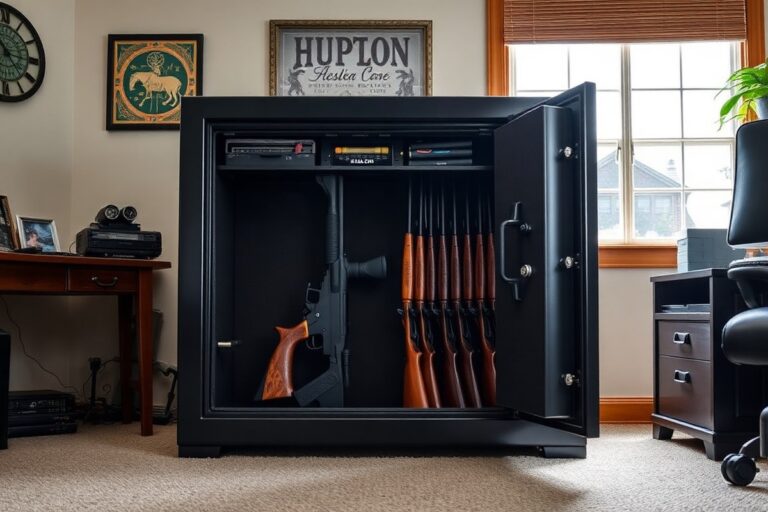
Transportation and storage add extra layers of safety. Always move airsoft guns in cases or bags with muzzle caps on to avoid accidental firing or confusing bystanders who may mistake the replica for a real firearm. Store airsoft guns unloaded and locked away when not in use, especially around children who might not understand the dangers. Responsible handling mimics the safety protocols followed with real guns but adjusted to the lower risks of airsoft guns.
When kids are involved, adult supervision is essential. Letting a child use an airsoft gun is safe only if they follow safety rules and wear proper gear at all times. Teaching them from the start to respect the equipment reduces the chance of careless mistakes. Airsoft guns are not toys like water blasters; they require a safety mindset similar to other sports with equipment that can cause injury.
Airsoft guns pose less danger than real firearms because they shoot plastic BBs at slower speeds, but your safety depends on how you use them. Wearing eye and face protection, observing established safety rules, communicating clearly with other players, and handling the guns responsibly help ensure airsoft is a safe and enjoyable sport. Ignoring these precautions increases the chance of injury and undermines the safety measures built into the sport.
How Airsoft Gun Velocity and BB Weight Affect Injury Risks
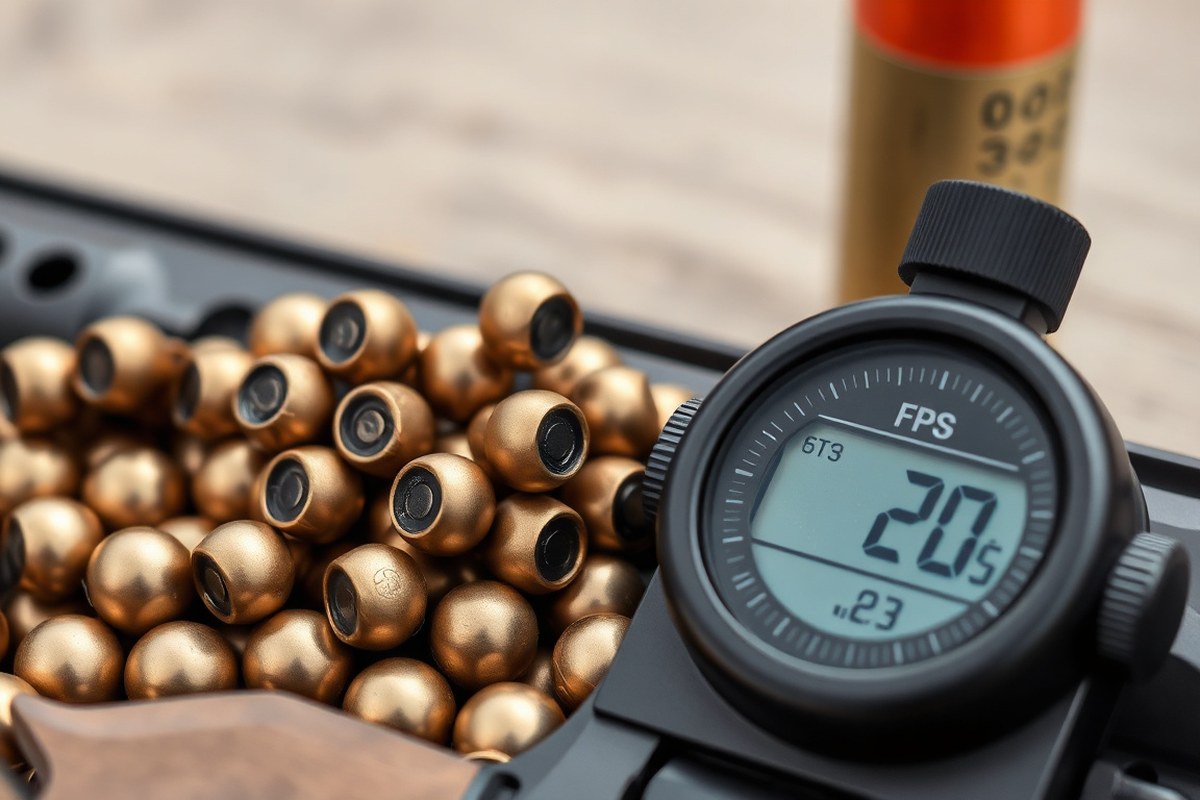
Airsoft gun velocity, measured in feet per second (FPS), directly affects how much pain or injury a BB can cause. Most airsoft guns shoot between 250 and 400 FPS, with the potential for injury rising as the FPS increases. Lower velocities, around 100-250 FPS, usually feel like a light tap or mild sting and cause minimal pain. Velocities above 400 FPS can be painful at close range and often require longer engagement distances to reduce injury risk.
BB weight also impacts wound potential. Heavier BBs carry more momentum at the same FPS, resulting in a sharper impact and potentially more pain or bruising. Many fields and players balance FPS and BB weight to maintain safety while ensuring realistic play. Using heavier BBs at lower FPS can sometimes reduce pain compared to lighter BBs shot at higher FPS.
Safe engagement distances also depend on FPS. Lower FPS guns (under 350) allow closer engagement, around 10 to 20 feet, without major risk. Guns over 400 FPS generally require a minimum of 100 feet distance to avoid painful or dangerous impacts, especially on exposed skin.
| Airsoft Power Level (FPS) | Common Feeling | Safety Notes |
|---|---|---|
| 100, 250 | Light tap or mild sting | Usually low pain; suitable for beginners or indoor play |
| 250, 350 | Noticeable sting | Beginner range; manageable with basic protective gear |
| 350, 400 | Sharper sting | Can cause bruises or red marks at close range |
| 400+ | Painful at close range | Outdoor use recommended; 100 ft minimum engagement distance |
| 500+ | High impact | Generally limited to sniper roles; strict distance rules apply |
To decide what FPS and BB weight combination is safest for your play, think about your typical engagement distances and the protection you will use. Choose lower FPS for closer-range indoor or backyard games. For open fields or longer shots, a slightly higher FPS with heavier BBs can work if minimum distances are enforced. Always wear proper gear regardless of FPS, since even lower-velocity BBs can sting on bare skin.
Practical tip: Set a minimum shooting distance of at least 100 feet for any airsoft gun firing over 400 FPS to avoid painful or bruising impacts, especially if you’re using lighter BBs.
Types of Airsoft Guns and Their Safety Considerations
Airsoft guns come in three main types: electric, gas-powered, and spring-powered, each with different components and safety risks. Electric guns use batteries and motors, gas guns use compressed gas like CO2 or green gas, and spring guns rely on manual cocking. Understanding these differences helps you choose the safest option, especially for beginners.
Electric Airsoft Guns (AEGs)
Electric airsoft guns, often called AEGs, use a rechargeable battery to power a small motor that compresses a spring and fires the BB. This offers consistent shooting velocity typically around 260 to 350 feet per second (fps). The electric motor allows semi-automatic and fully automatic firing modes, which means faster follow-up shots. These guns tend to have fewer mechanical failures and require less manual effort during play.
For safety, AEGs generally have controllable power settings and adjustable velocity, which means you can lower the fps to reduce injury risk for beginners or younger players. Battery maintenance and proper charger use are necessary to avoid damage or hazards from lithium batteries. Electric guns cost more upfront but provide good reliability for casual or frequent use.
Gas-Powered Airsoft Guns
Gas-powered airsoft guns work by releasing compressed gas, such as CO2 or green gas, to propel the BB. The gas power can generate velocities similar to or higher than electric guns, often reaching 300 to 400 fps. These guns can have realistic blowback features, where the slide cycles like a real firearm, adding to the play experience.
CO2 guns tend to have more kick and higher power, but they also carry higher safety risks due to stronger impact and temperature sensitivity. CO2 cartridges can refrigerate rapidly during use, affecting performance and potentially causing mechanical issues. Green gas guns operate at lower pressures and may be slightly safer but still need careful handling and proper protective gear.
These guns often require more maintenance since gas leaks and seals can fail with heavy use. The refill cost for gas or CO2 is ongoing and can add up, typically costing $10 to $20 per canister, depending on the amount.
Spring-Powered Airsoft Guns
Spring-powered airsoft guns require you to cock the gun manually before each shot by pulling back the bolt or slide. This action compresses a spring that releases to fire the BB, usually at lower velocities around 250 fps or below. Since they fire one shot at a time and have no gas or batteries, they are simpler in design and more affordable, with prices often under $50.
Because you control each shot explicitly, spring guns reduce risks of accidental rapid fire and overheating. Their lower power means less chance of injury, making them ideal for beginners or younger players focused on safety. They also demand less maintenance and have fewer safety concerns related to battery or gas use. The following table summarizes the main safety features and risk factors for each airsoft gun type, which should help you pick the best option based on your experience level and budget.
| Airsoft Gun Type | Power Source | Typical Velocity (fps) | Safety Considerations | Cost Range |
|---|---|---|---|---|
| Electric (AEG) | Battery-powered motor | 260-350 | Adjustable velocity, consistent power, battery hazards | $100-$300+ |
| Gas-Powered (CO2/Green Gas) | Compressed gas | 300-400 | Higher power, recoil, gas leaks, temperature effects | $100-$400 (plus gas cost) |
| Spring-Powered | Manual spring compression | Under 250 | Low power, single shot, fewer mechanical risks | $20-$70 |
Choosing a spring-powered gun is often safest for beginners because it offers straightforward control and lower impact force. Gas guns provide realism and power but need more caution and experience to handle safely. Electric guns balance reliability and performance but come with battery management requirements. Match your choice to your skill level, budget, and willingness to maintain the gun to ensure a safer airsoft experience.
Essential Safety Gear: Protect Eyes, Face, and Skin
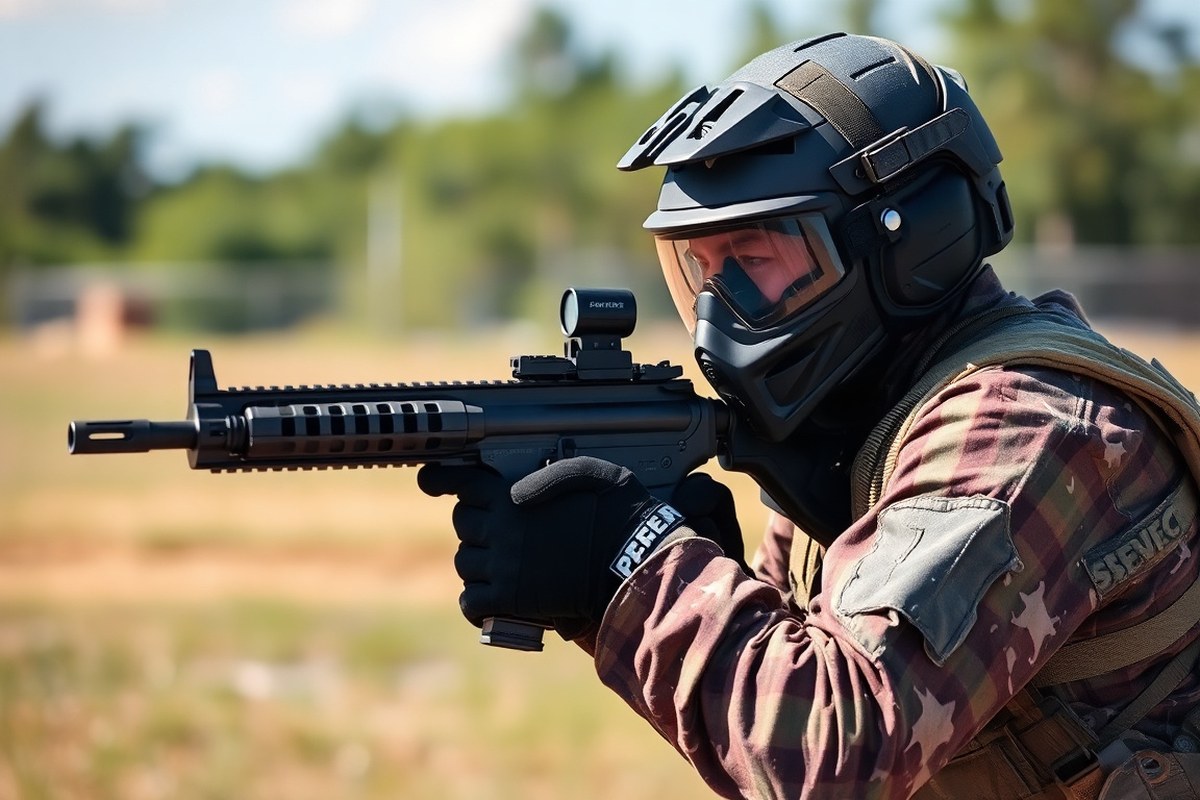
Wearing the right protective gear is essential for safe airsoft play. At minimum, you need full-seal eye protection certified to withstand high-speed BB impacts. Face masks and gloves also reduce risks of serious injury to sensitive facial areas and hands.
ANSI Z87 Rated Eye Protection
Protecting your eyes is the top priority in airsoft safety. Eye injuries from BBs can cause permanent damage, including vision loss. Full-seal goggles or glasses that meet the ANSI Z87.1 standard provide ballistic impact resistance specifically designed for situations like airsoft.
Look for goggles or glasses that tightly seal around your eyes to block stray BBs and debris. They should also meet ASTM F1776 safety standards for added assurance. Basic safety glasses or sports goggles usually aren’t sufficient unless they carry this rating.
Face Masks and Full Face Shields
Beyond eye protection, a full face mask shields your teeth, jaw, and nasal bones from potentially painful or dangerous hits. Masks with durable mesh or polycarbonate guards are common choices. Some popular options include the Dye i4 Airsoft Full Face Mask for high-quality protection and the Evike Annex MI-7, which meets ANSI standards at a lower price point.
Properly fitted full face masks reduce the chance of cuts, bruises, and broken bones. Choose masks designed specifically for airsoft use rather than generic paintball masks, as the design and impact resistance criteria differ.
Additional Protective Clothing
Protective gloves and padded clothing help minimize injuries to your hands and body, which often get hit during play. Gloves designed for airsoft offer a balance of protection and dexterity, improving grip on your weapon while shielding knuckles and fingers from BB strikes. Thick, long-sleeve clothing reduces skin exposure and softens impacts. Here’s a checklist of essential protective gear for airsoft:
- ANSI Z87.1 rated full-seal goggles or glasses for eye protection
- Full face mask with mouth and nose guard meeting ANSI standards
- Gloves with padding on knuckles and fingers
- Long-sleeve shirts and thick pants to protect skin
- Neck protection such as a cushioned scarf or collar
- Optional body armor to reduce impact force on the torso
- Properly fitting gear to avoid gaps where BBs can enter
Investing in certified safety gear usually costs between $25 and $150 depending on the item and quality. Goggles are often priced around $40, $80. Gloves can range from $15 to $50. Masks vary widely based on materials and certifications but generally start near $50. Inadequate or poorly fitting gear increases the risk of injuries that can require medical attention, so spending on reliable protection is a practical choice.
Safe Handling and Storage Practices for Airsoft Guns
Always handle airsoft guns with care during use and transport to avoid accidents. Treat the gun as loaded at all times, regardless of its actual status. Keep your finger away from the trigger until you intend to fire, and never aim the gun at anyone outside of active play or designated safe areas. Following these guidelines helps minimize unintended firing or harm.
When transporting your airsoft gun, use a hard or soft gun case to keep it out of sight and protected. Make sure the gun is unloaded before placing it in the case. Carrying the gun openly or loaded in public spaces can cause confusion and might violate local laws. Check your state or city regulations since some areas require an orange tip on the gun and specific transportation methods.
- Always unload your airsoft gun before transporting or storing it
- Use a lockable or secure gun case during transport
- Keep the gun pointed in a safe direction at all times
- Store airsoft guns in a locked container away from children and unauthorized users
- Do not modify safety features or orange tips
- Only handle guns in designated airsoft fields or approved areas
- Educate all players about safe handling rules before gameplay
Whenever you store your airsoft gun, place it out of reach of children and unauthorized individuals, ideally in a locked cabinet or a dedicated storage box. This prevents accidental handling or misuse. Maintaining a consistent habit of storing the gun unloaded ensures that no one can accidentally discharge it. Some players add cable locks or trigger locks for an extra layer of security.
Never carry an airsoft gun openly loaded or without a protective case outside designated play areas to avoid legal trouble and accidents.
Strictly following these handling and storage steps helps keep everyone safe and maintains a good reputation for the airsoft community. Players who handle their equipment responsibly reduce injury risks and prevent conflicts with other people or law enforcement. It takes little time or money, gun cases can cost between $20 to $50, and storage containers are affordable, making safe practices both easy and wise for all airsoft enthusiasts.
Legal Age Limits and Regional Regulations for Airsoft Guns
Airsoft guns do not count as firearms under the law because they shoot plastic BBs and do not use gunpowder. This causes them to fall under different regulations than real guns. Age restrictions and rules for owning airsoft guns vary by state and city. Many places set the minimum age to buy an airsoft gun at 18, while younger players usually must have permission from a parent or guardian. Knowing and obeying these rules helps you stay out of legal trouble and encourages safe use of airsoft guns.
Local regulations also often include rules on how and where you can use airsoft guns. For example, firing one in public spaces without permission may be illegal, and transporting one might require specific precautions like keeping it in a case. Since local laws vary drastically by state and city, checking your area’s exact rules before purchasing or using an airsoft gun is important to staying safe and legal.
| Legal Aspect | Common Rule or Variation |
|---|---|
| Minimum Age to Purchase Airsoft Gun | Usually 18 years old; some places allow younger with parental consent |
| Classification of Airsoft Guns | Not considered firearms because they use plastic BBs and no gunpowder |
| Parental Consent for Minors | Required in many areas if user is under 18 |
| Use in Public Areas | Often illegal without permission; varies by local ordinance |
| Orange Tip Requirement | Not federally mandated in the US but commonly used to identify airsoft guns |
| Transporting Airsoft Guns | May need to be kept in a case or not visible; varies widely |
Before you buy, use, or transport an airsoft gun, search for your state and city laws online or contact local law enforcement for their guidelines. Following these steps ensures you’re compliant with age limits, possession laws, and usage restrictions. Minors need a parent’s permission and should always play under adult supervision when handling airsoft guns. Doing this prevents surprises like fines or confiscation, and it makes airsoft a safer hobby for everyone involved.
Common Safety Mistakes and How to Avoid Them in Airsoft
Ignoring safety gear is one of the most common mistakes airsoft players make, putting them at risk for bruises, welts, or eye injuries. Even though airsoft pellets are plastic and non-lethal, they can still cause real pain and harm if you don’t wear proper protection. Always use ANSI or ASTM-approved goggles and face masks during play, and consider additional padding for exposed skin depending on the game environment.
Playing without eye protection or cutting corners on gear increases your chances of getting hit near sensitive areas. To avoid this, make sure your eye protection fits well and does not fog up, which could impair your vision and cause accidents. Keep replacement lenses or anti-fog inserts handy if you sweat or play in humid conditions. Protecting your hands and neck with gloves and neck guards will limit injury from stray shots, especially in woods or close-quarter games.
Poor game management can also lead to injuries or unsafe situations. For example, the practice of “pumping” or “roping,” where one player fires excessive rounds (20 or more) at a single opponent, can cause pain and discourage fair play. Avoid this by adhering to the rules set by your game organizer, such as calling hits immediately and respecting player safety. Communicate clearly with others about surrender signals and keep emergency plans in place for serious injuries.
- Always wear approved eye protection that fits snugly without gaps
- Avoid shooting at unprotected skin or “pumping” one player repeatedly
- Use gloves and face masks to protect vulnerable areas
- Follow game rules strictly to prevent unsafe scenarios
- Maintain clear communication with players and referees
- Inspect your gear before play for damage or loose parts
- Never shoot at close range; maintain at least 10 feet distance
Taking these preventive steps costs only the price of quality safety gear and a bit of discipline but pays off by reducing pain and injuries. Good results mean fewer bruises, less downtime, and a more enjoyable experience for everyone involved. Players who neglect these tips risk eye damage or skin welts and disrupt safe game flow, which can lead to conflicts or games being stopped early. Adjust your safety measures based on the environment: indoor fields require tighter eye protection and more padding for close encounters, while large outdoor venues emphasize communication and distance control to avoid accidents.
Parental Tips for Safe Airsoft Play by Age Group
Choosing the right airsoft gun and setting clear supervision and safety rules are key to keeping kids safe during airsoft play. Younger children need guns that shoot below 200 fps and close supervision, while teens can handle more responsibility as long as they clearly understand the safety protocols. Deciding when to allow unsupervised play depends mostly on the child’s maturity and consistent rule-following.
Recommended Gear for Younger Children
For children under 12, select airsoft guns that fire at or below 200 feet per second (fps). Lower velocity limits reduce the chance of painful hits or injuries. Choose models with bright colors or clear plastic parts to avoid confusion with real firearms. Also, make sure they have properly fitting safety gear like goggles, face masks, and long-sleeve clothing to protect skin.
Starting kids with basic spring-powered models instead of gas or electric guns can also simplify safety management. These guns often cost between $20 and $50, which lets parents test safety interest without a large investment. Ensure kids use airsoft guns only in designated play areas to reduce risk to bystanders and property.
Supervision Guidelines for Teens
Supervise teens closely at first, making sure they follow safety rules and wear protective gear. Teens can use higher fps guns (up to 350-400 fps is common) if they have demonstrated responsibility. Supervision can gradually ease once you confirm consistent safe behavior during multiple games. Parents should look for these signs that a teen is ready for unsupervised play:
- Always wears eye and face protection
- Follows safe distance and no-shoot rules
- Uses safe gun handling, including trigger discipline
- Respects designated play areas and boundaries
- Does not engage in horseplay with guns
Without these behaviors established, continue close supervision or limit play to group settings with adults present.
Never leave a child alone with an airsoft gun until you have full confidence in their safety habits and rule comprehension.
Teaching Safety Rules Effectively
Explain clear, simple safety rules before play begins. Emphasize eye protection as mandatory at all times and instruct them not to aim at faces or close range. Teach kids and teens to check that guns are unloaded when not in use, and to keep fingers off the trigger until ready to shoot.
Use role-playing or demonstration to show what safe and unsafe actions look like. Reinforce these rules with consistent reminders before each game session. Creating a written checklist for players to agree to before playing can help solidify understanding. Sample safety rules checklist for players:
- Always wear approved eye protection
- Never remove safety gear during play
- Keep gun pointed down or at safe targets only
- Maintain at least 10 feet distance when shooting
- Do not shoot at anyone without proper gear
- Follow all instructions from supervising adults
Your Quick Airsoft Safety Action Plan
Follow these steps to start safe airsoft practice and keep risks low.
- Before you start: Purchase full protective eye gear rated for airsoft impacts and inspect your airsoft gun’s velocity. Confirm the gun stays under 400 FPS to reduce injury risk.
- Day 1: Practice safe handling: always point your airsoft gun at the ground when not in use and keep your finger off the trigger. Ensure you understand and follow local laws and age limits.
- Week 1: Play only in designated areas with proper safety boundaries, avoiding public places where people can be startled or injured.
- Week 2: Train with a friend or experienced player to get feedback on your handling and to reinforce using safety gear continuously. Reflect on any mistakes and correct them immediately.
- After 1 month: Review your gun’s maintenance and storage routine, storing it locked and unloaded to prevent accidents or misuse by others.
- Before each game: Check all safety equipment and ensure no one is missing proper eye or face protection before starting play.
- Continuous: Encourage younger players to follow safety rules carefully, adapting guidelines as they grow to maintain protection and awareness.
Frequently Asked Questions
Can Airsoft Guns Cause Serious Injury?
Airsoft guns usually don’t cause serious injuries if used with proper safety gear. Wearing eye protection helps prevent most potential harm.
Are Airsoft Guns Dangerous for Kids Under 12?
Airsoft guns are not recommended for children under 12 due to safety and supervision concerns. Supervision is necessary to avoid accidents with younger players.
Is It Legal to Carry an Airsoft Gun in Public?
Carrying an airsoft gun in public is often illegal or regulated to prevent confusion with real firearms. Always check local laws before transporting or displaying airsoft guns outside designated areas.
Can Airsoft Guns Be Mistaken for Real Firearms by Police?
Yes, airsoft guns can look very realistic, which may lead to dangerous misunderstandings with law enforcement. Using brightly colored markings or orange tips helps reduce this risk.
Does Dry Firing an Airsoft Gun Affect Its Safety?
Dry firing typically doesn’t affect airsoft gun safety but can wear out components. Avoid excessive dry firing to maintain the gun’s performance and reliability.
Do Airsoft Guns Shoot Toxic Materials?
Most airsoft BBs are made from non-toxic plastic, posing minimal health risks. Still, avoid inhaling dust or fragments during play.
Before You Go
Airsoft guns can be safe when you respect their power, use proper safety gear, and follow handling rules. Taking small but firm steps to protect yourself and others makes the difference. Start by securing good eye protection today to ensure every session stays injury-free.