What Is Wadcutter Ammo: A Complete Guide to Uses, Types, and Safety Tips
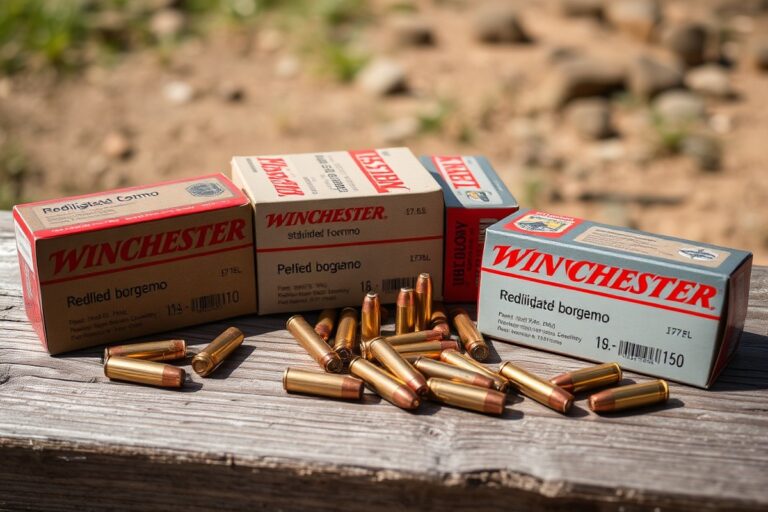
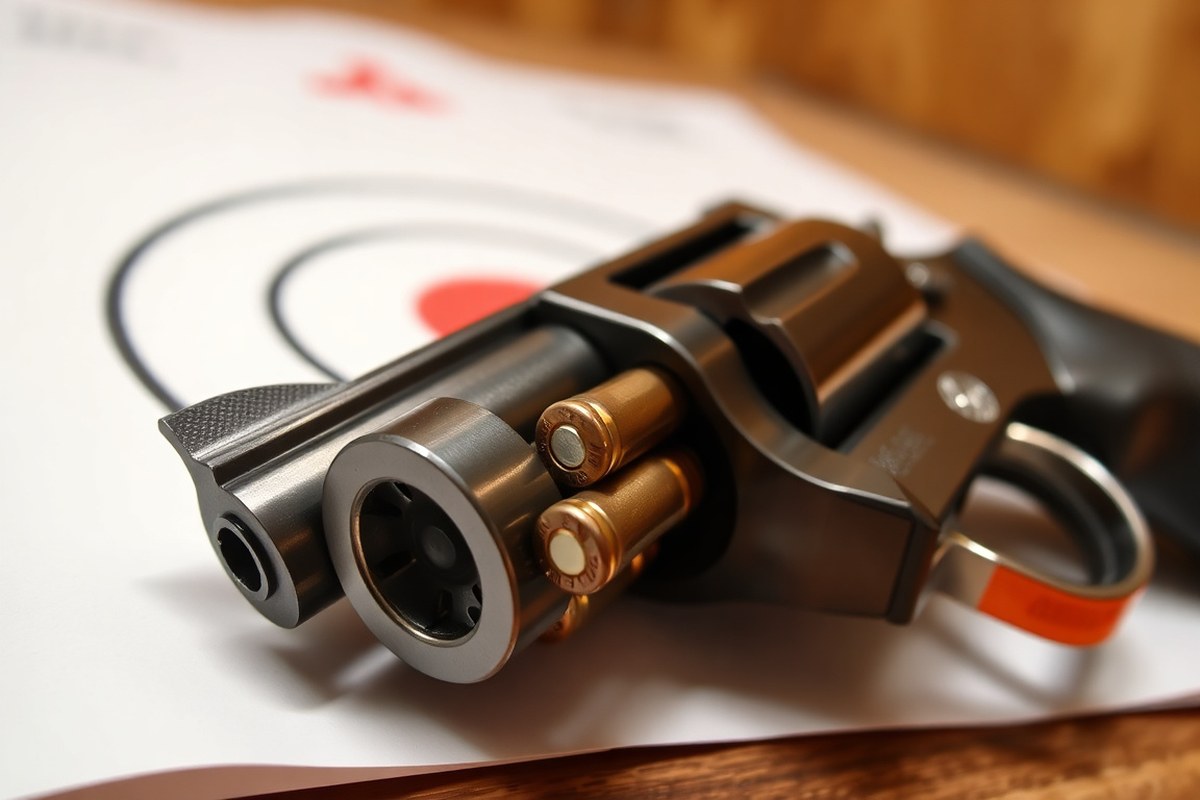
What is wadcutter ammo? It’s a flat-fronted bullet designed to cut clean, circular holes in paper targets at short ranges. This special design helps your shots score more precisely by producing sharp target holes that are easy to score.
Wadcutters typically travel slower than 900 feet per second, reducing recoil and allowing better control during target shooting sessions. They excel in revolvers, especially in .38 Special calibers, for improved accuracy on paper targets.
Key Takeaways
- Wadcutter bullets create clean, flat holes in paper targets, simplifying shot scoring.
- Traveling below 900 feet per second, wadcutters offer minimal recoil and improve shooting control.
- Most wadcutter ammo is loaded in .38 Special calibers, ideal for revolvers.
- Wadcutters perform best at short-range target shooting due to subsonic velocities.
- Flat-front design makes wadcutter bullets unsuitable for most semi-automatic pistols.
- Lubrication of wadcutter bullets prevents leading and maintains accuracy during shooting.
What Is Wadcutter Ammo and How Is It Designed?

A wadcutter bullet is a flat-fronted, cylindrical projectile specifically made for target shooting, especially on paper targets. Its most distinctive feature is the flat, sharp-edged nose, which contrasts with the more common rounded or pointed bullet tips found in other types of ammo. This flat front enables the bullet to punch perfectly round holes in paper targets, making it much easier to score shots with clarity and accuracy.
Wadcutter bullets typically travel at subsonic speeds, generally under 900 feet per second (about 270 meters per second). This lower velocity is intentional, as it reduces recoil and muzzle blast, allowing for steady aim and control during shooting sessions. Because of this, wadcutter ammo is well-suited for close-range shooting scenarios where precision is key rather than long-distance ballistics.
The construction of wadcutter bullets most often involves hard-cast lead, chosen for its density and ability to maintain shape upon impact with paper targets. The bullet includes a lube groove around its circumference, which holds lubricant designed to reduce barrel leading and maintain consistent velocity. Proper lubrication is important to keep performance steady and to prevent barrel fouling that might otherwise degrade accuracy or damage the firearm over time.
Common calibers featuring wadcutter bullets include popular handgun rounds like the .38 Special and .357 Magnum, offering versatility for shooters who want target-specific ammunition without changing firearms. Many major ammunition manufacturers produce wadcutter loads optimized for target shooting, ensuring you can find well-balanced rounds that combine the flat-front design with carefully regulated velocities and consistent powder charges.
The flat nose design plays a critical role in the bullet’s performance. By creating clean “cookie cutter” holes through paper, it eliminates the ragged edges or tear patterns typical of more conventional bullets. This clear scoring hole improve the shooter’s ability to assess accuracy shot by shot quickly. Also, the flat front promotes more predictable target impacts at typical range distances used in competitive shooting or practice, generally within 25 yards or less.
Since wadcutters are optimized for controlled environments and target practice, their use in hunting or self-defense is limited because the low velocity and shape do not generate large wound channels or deep penetration. However, their low recoil and precision make them excellent for training new shooters or improving shot grouping in handgun matches. To get the best results, select wadcutter ammo specifically labeled for target shooting and ensure proper lubrication is applied before use to maintain consistent performance and firearm longevity.
Common Types of Wadcutter Bullets and Their Differences
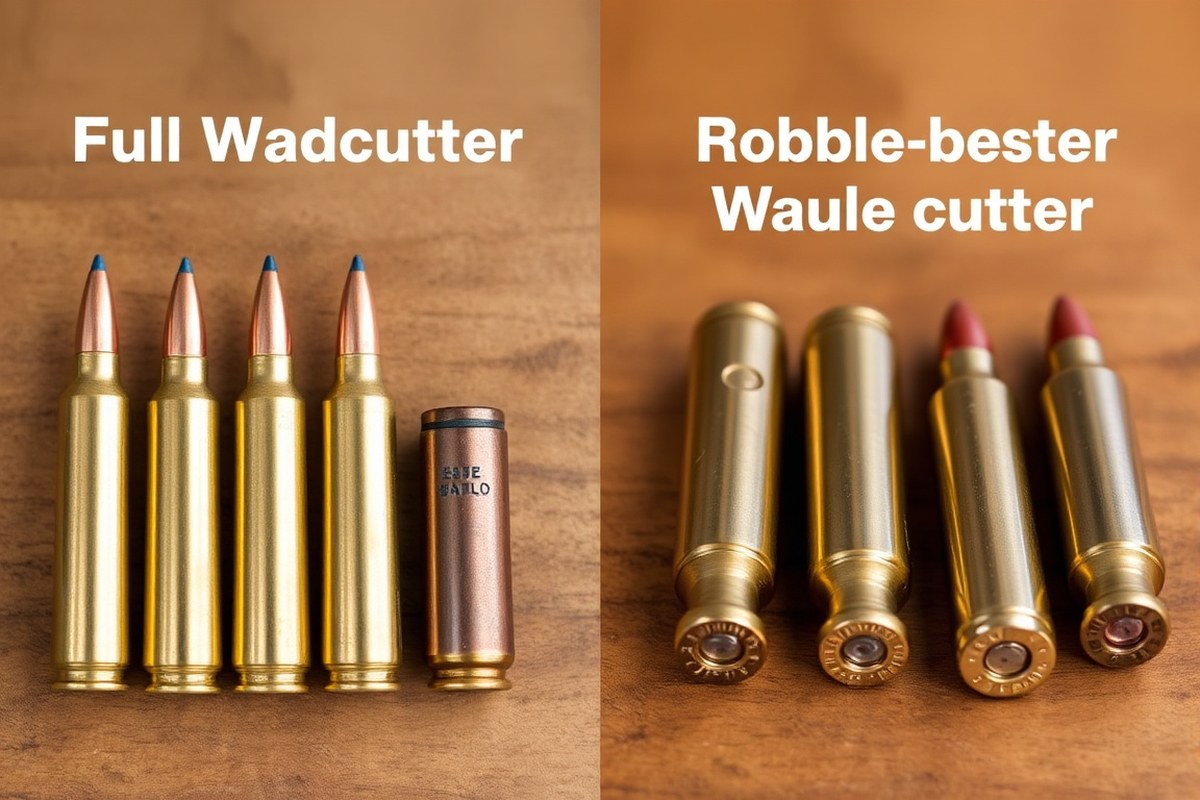
Wadcutter bullets come in several types, each with features tailored to specific shooting needs. Full wadcutters are flat-fronted bullets designed primarily for revolvers and precision target shooting. Semi-wadcutters offer a mix of flat front and sharp shoulder for better feeding in semi-automatics. Hollow base and double-ended wadcutters provide variations for improved performance and reloading convenience. Understanding these distinctions helps you select the right bullet for accuracy, reliable feeding, and your firearm’s requirements.
Full Wadcutter Bullets
Full wadcutter bullets have a completely flat front face, which cuts clean, round holes in paper targets. This clear hole improves scoring accuracy in target shooting. Typically used in revolvers chambered for .38 Special, the flat nose creates minimal bullet expansion, focusing on hole geometry rather than terminal effects. Their straight, flat shape often results in less reliable feeding in semi-automatic pistols unless the firearm is specifically designed or modified for wadcutters, like the Smith & Wesson Model 52.
These bullets often feature a flat or hollow base and are preferred in precision competitive shooting scenarios. Their velocity tends to be lower than other bullet types to avoid leading the barrel since the short, blunt design can increase pressure if shot too fast. Reloaders generally load full wadcutters for revolvers, balancing velocity and lead control for consistent group size on paper targets.
Semi-Wadcutter Bullets
Semi-wadcutters combine a flat nose with a beveled or tapered, sharp shoulder, making them easier to feed in semi-automatic pistols. The flat nose still punches fairly clean holes in paper, but the tapered shape improves chambering and cycling reliability. This design reduces the risk of jams and allows higher velocities than full wadcutters, thanks to a grease-filled lubrication groove that controls fouling and pressure buildup.
They are versatile and often used in both revolvers and semi-autos. Their aerodynamic shape supports stable flight and penetration, making them suitable for target shooting and self-defense reloads. Semi-wadcutters often appear as hollow point semi-wadcutters or with additional base modifications, increasing their performance range in various handguns.
Hollow Base and Double-Ended Variants
Hollow base wadcutters (HBWC) feature a cavity at the bullet’s base, which helps the bullet expand seals more tightly in the bore, improving accuracy by reducing gas blow-by and helping the bullet grip the rifling. This design is common in full wadcutters, improving accuracy at traditional target velocities. Some shooters use hollow base wadcutters seated upside down as unconventional self-defense rounds, though this requires careful load development to maintain safe pressures.
Double-ended wadcutters (DEWC) have identical flat fronts on both ends of the bullet. This design facilitates loading on progressive presses, allowing the bullet to be flipped and reused if necessary during the reloading process. Also, it can provide unique ballistic characteristics suitable for specialized shooting applications. DEWCs are popular with reloaders seeking efficiency and versatility in ammunition production.
Always match your wadcutter bullet type to your firearm’s feeding mechanism and intended use to avoid malfunctions and unsafe pressure levels.
Usage Recommendations by Type
Full wadcutters excel in precision target shooting with revolvers, especially in .38 Special calibers where their clean holes simplify scoring. Their limitation lies in feeding reliability, making them a poor choice for most semi-automatic pistols except those designed specifically for them. Use moderate velocities around 700, 900 feet per second to maintain accuracy and minimize barrel fouling.
Semi-wadcutters suit a wider range of firearms, especially semi-automatics. Their sharper shoulder and lubrication grooves allow safe velocities to exceed those of full wadcutters, often reaching up to 1,000 feet per second or more. They remain accurate enough for target shooting but with improve feeding reliability and expanded practical use, including defensive reloads.
Choose hollow base wadcutters if you prioritize maximum accuracy at traditional target distances and load into revolvers. Double-ended wadcutters save time and effort for reloaders who use progressive presses, offering practical benefits rather than performance gains. Semi-wadcutters offer the broadest utility for shooters who want a balance of accuracy, velocity, and firearm compatibility.
Which Firearms Are Best Suited for Wadcutter Ammo?
Wadcutter ammo works best in revolvers, especially those chambered in popular calibers like .38 Special, .357 Magnum, and .44 Magnum. These designs feed reliably and deliver clean target holes. Semi-automatic pistols can use wadcutters but often experience feeding problems, making revolvers the preferred choice.
Revolver Compatibility and Advantages
Revolvers handle wadcutter ammo much better than semi-automatic pistols because their cylinder design avoids the feeding complications associated with the flat-fronted wadcutter bullet. Revolvers chambered in .38 Special, .357 Magnum, and .44 Magnum are most common for wadcutters, as these calibers have long been associated with precision target shooting and self-defense. The simple loading and feeding mechanism of a revolver easy accommodates the flat-nosed, lead wadcutter bullets without causing jams or misfeeds.
In addition to reliable feeding, wadcutters in revolvers produce clean, round holes in paper targets, which is ideal for scoring in competitive shooting. The .38 Special caliber in particular was heavily loaded with wadcutter ammunition through the mid-20th century for bullseye competitions. Using wadcutter ammo in these revolvers not only improves accuracy for target shooting but also improve comfort with lower recoil compared to some jacketed loads.
Semi-Automatic Pistol Challenges
Semi-automatic pistols struggle with traditional wadcutter bullets because their feeding mechanisms depend on the cartridge sliding smoothly from the magazine into the chamber via a ramp. The flat-front shape of wadcutters often catches or jams during this transition. For that reason, semi-automatics rarely run wadcutter ammo reliably without modifications or special pistols designed to cope with such bullet shapes.
Semi-wadcutters offer a solution for semi-automatic pistols by combining a flat front with a tapered nose. This bullet shape feeds more smoothly in semi-autos and still provides nearly the clean target holes associated with traditional wadcutters. Where wadcutters jam, semi-wadcutters maintain reliable cycling and better aerodynamic performance, making them a popular choice for shooters wanting a wadcutter-type bullet in semi-automatic platforms.
Caliber Options for Wadcutters
The most common calibers loaded with wadcutter bullets are .38 Special, .357 Magnum, and .44 Magnum for revolvers. These three cover a wide range of applications from target shooting to personal defense. Wadcutters were historically dominant in .38 Special ammo, especially for mid-range target shooting loads. Semi-wadcutters extend the choice to a few semi-automatic pistol calibers and also appear in some rifle cartridges used for hunting and target shooting.
Matching your wadcutter ammo’s caliber to your firearm is critical for safety and performance. The .38 Special wadcutter rounds are widely available and often recommended for revolver owners wanting to try traditional or semi-wadcutter styles. For heavier-caliber revolvers like .44 Magnum, wadcutter and semi-wadcutter bullets deliver similar advantages but expect more recoil and possibly faster barrel wear. Ensure the ammo you pick matches your firearm’s chamber specifications exactly.
Special Cases and Exceptions
Certain semi-automatic pistols specifically designed or modified for wadcutter ammo can feed these bullets reliably, but such models are rare. One example is the Smith & Wesson Model 52, which was designed for wadcutter bullets in .38 Special and .38 Super calibers. Outside of these exceptions, the general rule is to avoid running flat-front wadcutters in semi-automatics to prevent jams.
For competitive or defensive purposes requiring semi-automatic pistols, semi-wadcutter bullets offer a compromise between reliable feed and clean target impact. Some reloaders prefer semi-wadcutters because they work in both revolvers and semi-autos. Due to their tapered noses, these rounds are also more aerodynamic and better suited for longer-range shooting, contributing to versatility across firearm types.
How Does Wadcutter Ammo Perform in Target Shooting?
Wadcutter ammo is known for producing clean, sharply defined holes in paper targets, making it ideal for target shooters who need precise scoring. The flat-front design of wadcutter bullets cuts through paper rather than tearing it, unlike traditional round-nose bullets that often leave ragged or irregular holes. This characteristic simplifies scoring during competitions or practice, especially when shots land near scoring rings where accuracy matters most. You typically see this effect in revolver shooting within distances of 25 yards or less, where wadcutters excel at creating clean, circular holes.
Effective range for wadcutter ammo generally peaks around 50 yards. At those shorter distances, wadcutters maintain a predictable trajectory and retain accuracy suitable for bullseye and precision target shooting. Some variants, like semi-wadcutters, can achieve higher velocities exceeding 1,700 feet per second, allowing them to reach longer ranges and penetrate deeper; however, traditional wadcutters perform best at velocity levels tailored for close-range accuracy. Shooting wadcutters at excessive speeds can cause lead buildup in the barrel, requiring regular cleaning to maintain performance.
Recoil from wadcutter ammo tends to be manageable and often milder than higher-velocity or defense-oriented rounds. The lower velocities commonly associated with wadcutters contribute to reduced recoil, which improve shooter control and follow-up shot speed during competition or practice sessions. This is particularly advantageous in indoor ranges where noise reduction and target preservation also matter. For example, target air pistols firing wadcutter pellets around 570 feet per second provide a balance between control and precision, making them popular in 10-meter indoor competitions.
To maximize wadcutter performance, select rounds loaded to moderate velocities that balance accuracy with clean target impact. Keeping shots within 25 yards lets you take full advantage of the wadcutter’s unique hole-cutting ability without sacrificing bullet stability. Ensure your firearm is suited to the specific wadcutter caliber and bullet profile, and perform routine barrel maintenance to handle the lead residues wadcutters can deposit. Costs for wadcutter ammo tend to be lower than specialty or defense rounds, making them a practical choice for consistent target practice without sacrificing scoring precision.
Why Is Lubrication Critical for Wadcutters and How to Do It Right
Lubrication is essential for wadcutter ammo because it prevents lead buildup, or leading, in your firearm’s barrel and forcing cones. Proper lubrication ensures smooth bullet travel and maintains accuracy while allowing you to shoot wadcutters at velocities up to about 940 feet per second without excessive fouling. Correct crimping seals the bullet securely and preserves consistent performance and safety during shooting.
Causes and Effects of Lead Leading
Leading happens when tiny pieces of soft lead from the wadcutter’s bullet deposit into the rifling grooves and forcing cones of your barrel. Because wadcutters are usually made of solid lead with long bearing surfaces, this material easily scrapes off at higher velocities and heat. Leading degrades accuracy by altering the barrel’s rifling and increasing friction, which can also raise chamber pressures and risk firearm damage. It usually becomes noticeable beyond 900 feet per second, so shooters keep wadcutter velocities lower to reduce this effect.
Lead buildup requires frequent cleaning and can foul your barrel quickly if lubrication is insufficient. That buildup increases resistance on subsequent shots, affecting muzzle velocity, group sizes, and overall reliability. Maintaining a smooth, clean barrel surface through proper lubrication helps you avoid these downsides and maintain peak accuracy for target shooting.
Choosing the Right Lubricant
Use a bullet lubricant specifically designed for lead bullets with lubrication grooves, which most wadcutters feature. These grooves hold the lubricant firmly in place, ensuring consistent coverage during firing and reducing metal-to-metal contact inside the barrel. Standard lead bullet lubricants come in wax, paste, or liquid forms, but wax-based lubes are most popular for wadcutters because they balance barrel protection with minimal mess.
Apply lubricant to all surfaces of the bullet’s bearing area evenly. Pay special attention to filling the grooves fully but avoid excess that can attract dirt or gum up your barrel. Proper lubrication can prevent leading effectively up to velocities near 940 feet per second. Above that, fouling risks increase regardless of lubrication, so load your handgun accordingly to keep velocities within this optimal range.
Step-by-Step Crimping and Loading Tips
First, start with clean cases and measure your powder charge carefully to avoid overpressure. Seat the wadcutter bullet so that it just contacts the case mouth without bulging. Because wadcutters are flat-fronted, they require a firm roll crimp rather than a taper crimp. Use a roll crimp die designed for wadcutters to gently but securely roll the case mouth into the bullet’s lubrication grooves.
This method holds the bullet tightly, helping prevent bullet movement during recoil and firing, which can affect accuracy and safety. Check each round for consistent overall length and crimp tightness. Properly crimped wadcutter rounds feed and chamber smoothly while maintaining a good gas seal to maximize performance. Avoid crimping so tightly that it deforms the bullet or case, which can cause feeding problems and pressure spikes.
Tip: Use a bullet puller to check your crimp and seating depth on a few test rounds before loading large batches to ensure consistent safety and accuracy.
Safe Handling and Reloading Practices for Wadcutter Ammo
Reloading wadcutter ammunition can be done safely by following precise steps and maintaining a controlled workspace. Begin with a thorough checklist: use quality components designed for wadcutters, verify your firearm’s caliber, and consult reliable load data from respected reloading manuals. Always wear safety glasses and gloves when handling primers and powders to minimize risk. Keep powders and primers separated to prevent accidental ignition.
When seating wadcutter bullets, proper technique is essential due to their flat-front design, which differs from round-nose bullets. Use a bullet seating die matched to the wadcutter’s shape, ensuring the bullet is seated straight and at the correct depth to maintain consistent overall cartridge length. Seating depth typically aims for the bullet’s nose to align just shy of the rifling in the barrel for optimal accuracy. Excessive seating pressure can deform the bullet’s flat face, affecting its performance and increasing pressures inside the barrel. Measure the cartridge length with calipers after seating to confirm within established specifications.
Target handgun rounds loaded with wadcutters typically use light powder charges, such as 2.7 grains of Bullseye or 3.0 grains of WW231, to maintain manageable recoil and safe pressure levels. Staying within powder amounts specified for wadcutters helps prevent dangerous pressure spikes. Always weigh powder charges precisely using a reliable scale and double-check your measurements each time.
Storing wadcutter ammo properly is important to maintaining its shelf life, which can range from 10 to 20 years under ideal conditions. Store rounds in a cool, dry place away from direct sunlight and extreme temperature fluctuations. Humidity control is important; using airtight containers with desiccant packs helps prevent moisture damage. Label your batches with the date of manufacture or reloading to track age accurately. Avoid storing ammo near chemicals or batteries that could cause corrosion or degrade primers and powder.
Perform regular inspections of stored wadcutter cartridges. Look for corrosion on cases, discoloration, or primers that appear loose or damaged. Any suspect ammo should be discarded safely to prevent malfunctions. Reloaders aiming for competition or consistent target results should maintain detailed reloading logs noting powder type, charge weight, bullet seating depth, and primer brand to replicate successful loads and quickly identify issues.
Practical Tips for Using Wadcutter Ammo in Different Situations
Wadcutter ammo works well for indoor shooting ranges thanks to its flat-front design, which cuts clean holes in paper targets and reduces bullet splashback. Copper-plated versions from manufacturers like Berry’s Bullets prevent lead from contacting the bore, lowering airborne lead exposure, a key benefit when shooting indoors. For this setting, choose lower-velocity loads to protect range equipment like rubber anti-splashback curtains and reduce noise. Using rounds priced between $0.30 and $0.50 per round makes frequent practice affordable.
Competition shooters benefit from wadcutters by loading ammo that offers consistent velocity and clean target holes. Shooting at distances up to 25 yards helps you learn the bullet’s trajectory and wind sensitivity. Alternating between traditional wadcutters and semi-wadcutters can give insight into how different bullet shapes affect recoil and shot placement. To improve scoring clarity, maintain proper barrel and bullet lubrication, ensuring smooth feeding and reduced fouling. Testing multiple brands and loads before competition reveals which performs best in your handgun, as variations in powder charge and bullet weight influence accuracy.
For personal defense, wadcutter bullets are generally less effective due to their lower velocity and shape, which do not expand or penetrate as reliably as other bullet styles. However, some handloaders improve performance using hard cast bullets loaded slightly hotter than factory rounds to gain better penetration. Higher velocity rounds improve defense capability but can increase recoil and wear on the firearm. Given these tradeoffs, users typically prefer semi-wadcutters or other bullet types for defense. Always verify compliance with local laws and consider professional training when using wadcutter ammo for self-defense.
Common issues when shooting wadcutters include bullet deformation from tight chamber throats causing jams, inconsistent bullet lubrication leading to barrel leading, and velocity variations if powders or primers are not well matched. To fix feeding problems, experiment with adjusting seating depth or polishing the feed ramp. Address barrel fouling by applying bullet lube meticulously, especially on cast lead wadcutters, and cleaning the barrel often during shooting sessions. Velocity inconsistencies can improve with carefully measured powder charges and quality primers.
A Timeline of Wadcutters: History and Evolution
Wadcutter bullets first appeared in the late 19th century as a response to the growing demand for cleaner, crisper targets in bullseye pistol shooting. Unlike traditional round-nosed bullets, wadcutters featured a flat front that produced neat, round holes in paper targets, making score assessment easier and more accurate. This design also served a secondary purpose: by cutting through the paper cleanly, wadcutters minimized paper tears and ragged holes, which was a common problem with older bullet shapes.
The evolution of wadcutter ammunition began to take shape with innovations in bullet shape and powder load. By the early 20th century, efforts focused on balancing velocity and accuracy. Around 1910, the Peters Cartridge Company made a significant leap by producing the first factory-loaded wadcutter ammo, featuring a 148-grain bullet traveling at roughly 770 feet per second. This mid-range target load hit a sweet spot for precision shooting and recoil management in popular handguns of the day.
Over the decades, wadcutter ammo steadily gained popularity with target shooters and reloaders. Bullet manufacturers like Matt’s Bullets in Arkansas emerged as key players, offering a variety of cast lead wadcutter types suited for different calibers and handloading approaches. They provide options in small quantities, starting around 100 bullets per order, which suits reloaders experimenting with custom loads or those wanting to keep costs down.
Advancements in metallurgy and lubricants further refined wadcutter performance. Cast lead wadcutters benefited from improved lubricants that reduced barrel leading and allowed for higher velocities without sacrificing accuracy. Also, bullet molds evolved to create sharper edges and more consistent weights, directly impacting grouping tightness on paper. These changes made wadcutter ammo not just ideal for competition but also for anyone who values precision shooting and clean target presentation.
Modern wadcutter ammunition includes both factory loads and handloading components designed to fit a range of calibers from .22 rimfire up to .45 ACP and beyond. Users must consider factors such as bullet weight, velocity, and the specific handgun’s barrel twist rate when selecting or loading wadcutter ammo. Known for their slower velocities compared to conventional hollow points or full metal jacket rounds, wadcutters excel at close to mid-range target shooting where clean holes and minimal bullet deformation matter most.
Always check your firearm manufacturer’s recommendations when switching to wadcutter ammunition, especially if using handloaded rounds, to avoid unexpected pressure issues or feeding problems.
Your First Steps with Wadcutter Ammo: A Quick-Start Action Plan
Follow these practical steps to begin using wadcutter ammo effectively and safely. Each phase helps you gain confidence and improve your results on the range.
- Before You Start: Choose a compatible pistol, such as a .38 Special revolver, known for handling wadcutters well. Confirm the firearm’s bore and cylinder fit standard wadcutter sizes to avoid feeding issues.
- Day 1: Buy factory wadcutter ammo from a trusted brand to establish a performance baseline. Test accuracy at 25 yards and note group sizes to evaluate your starting point.
- Week 1: Inspect the bullets and practice proper lubrication, applying a thin layer of bullet wax or paste as recommended for your bullet type. Check that powder residues don’t build up excessively after firing.
- Week 2: Try reloading a small batch of wadcutter rounds with precise powder charges and seated to the correct overall length. Ensure consistent bullet seating and test for smooth cylinder rotation and trigger pull.
- After 1 Month: Adjust powder charges and lubrication techniques based on target results to optimize accuracy and reliable cycling. Track shot groups and compare with factory loads for progress.
- Ongoing: Incorporate regular cleaning routines after sessions to prevent lead fouling that wadcutter shapes can exacerbate. Maintain safe storage and inspect your handloads for signs of wear or deformation before use.
Frequently Asked Questions
Can Wadcutter Ammo Be Used Effectively for Self-Defense?
Wadcutter ammo is generally not recommended for self-defense due to its low velocity and limited penetration compared to hollow points or other defensive rounds. It is better suited for controlled target shooting where precision is key.
Does Wadcutter Ammo Cause More Barrel Fouling Than Standard Ammo?
Yes, wadcutter ammo, especially lead variants, tends to cause more barrel fouling because of the soft lead and lower velocity, requiring more frequent cleaning to maintain accuracy and firearm longevity.
Can Wadcutter Bullets Be Used in Semi-Automatic Pistols?
Wadcutter bullets often have feeding issues in semi-automatic pistols due to their flat noses, so they’re primarily used in revolvers which handle them more reliably.
How Does the Lower Velocity of Wadcutter Ammo Affect Recoil?
The lower velocity of wadcutter ammo usually results in less recoil, which improves control and accuracy, making it ideal for precision target shooting.
Are There Specific Powders Recommended for Reloading Wadcutter Ammo?
Reloaders often choose slower-burning powders for wadcutter loads to maintain low velocity and reduce pressure, ensuring safety and consistent performance.
Is Wadcutter Ammo More Expensive Than Regular Full Metal Jacket Ammo?
Wadcutter ammo can be more expensive than standard FMJ ammo due to its specialized bullet design, but prices vary widely depending on caliber and manufacturer.
Key Points to Remember
Wadcutter ammo offers distinct advantages in precision target shooting but demands proper handling and maintenance for best results. Start by confirming firearm compatibility and using quality factory rounds to establish a baseline. Take deliberate steps in lubrication and loading practices to improve accuracy and reliability. Your next action should be to visit the range with factory wadcutters to observe their performance firsthand and build your shooting confidence.