Where to Keep Gun Safe Keys: 8 Secure Methods for Access & Safety
Where to keep gun safe keys matters for both security and quick access. Store them in a secure, concealed spot that trusted household members can reach easily but intruders cannot find. Balancing safety and accessibility helps prevent unauthorized use while ensuring you can access your firearms when needed.
This advice fits gun owners who want practical, reliable ways to protect their firearms and keep keys safe from unauthorized users, especially in homes with children. You’ll find proven methods to secure keys, manage emergency access, and avoid common storage mistakes.
Key Takeaways
- Store gun safe keys in a locked key lockbox mounted in a concealed, accessible location indoors.
- Keep a spare key off-site with a trusted family member or at a secure location to prevent total lockout.
- Use small lock cabinets or concealed compartments to organize and hide multiple keys safely at home.
- Balance security and quick access by avoiding overly obscure hiding spots that cause delays during emergencies.
- Secure keys away from children to reduce risk of accidental firearm access and misuse.
- Regularly audit where keys are stored to ensure they remain secure and accessible only to trusted people.
1. Best Places to Keep Gun Safe Keys for Security and Quick Access

Securely storing your gun safe keys inside your home means choosing a spot that keeps them out of unauthorized hands but still within quick reach when necessary. The best place often combines concealment with immediate accessibility, such as a locked drawer in a private room or a dedicated key lockbox kept in an area only trusted household members can access. This reduces the risk of discovery by guests or intruders while ensuring you can grab the key fast during an emergency.
A practical rule for selecting the right spot is to think like both a trusted user and a potential intruder. Avoid obvious places like kitchen drawers, entryway tables, or under doormats, as these locations are commonly targeted and dramatically increase the chance of your keys being found. Instead, choose concealed spots within private spaces, like a secure home office drawer or inside a personal safe with a combination lock, that only you or authorized individuals know about. Keeping the keys on your person in a secure key holder, such as a belt clip or a discreet keyring worn daily, is also an option when you need immediate access without leaving the keys around the house.
If quick access is critical, placing the keys near frequent exit points inside the home, such as a locked cabinet near the front door or a key lockbox with a code, balances convenience with safety. This approach requires investing $20 to $50 in a lockbox or small cabinet but offers reliable protection from casual discovery. These lockboxes also restrict access to those with the code, reducing risk if others are around. However, avoid storing keys openly on hooks or visible racks, even if they are near doors, as this invites theft or unauthorized handling.
Cost considerations vary depending on your storage solution. A simple locked drawer requires no additional purchase but depends heavily on the drawer’s physical security and who can enter the room. A lockbox or small safe designed for keys typically ranges from $25 to $60, providing improve protection and peace of mind. Using a biometric or electronic lock adds convenience but may cost over $100 and requires battery maintenance.
Good results look like no unauthorized access attempts to your gun safe and you being able to retrieve your keys quickly during stressful situations. Problems arise when keys are too hidden to find easily by you or become vulnerable because they are placed in high-traffic or obvious locations. Regularly revisiting the chosen spot to ensure it remains secure and accessible is important, especially after guests visit or household routines change. Adopting these measures helps balance concealment with accessibility, maintaining your gun safe keys’ security without sacrificing practical use at home.
2. Off-Site Storage Options for Spare Gun Safe Keys
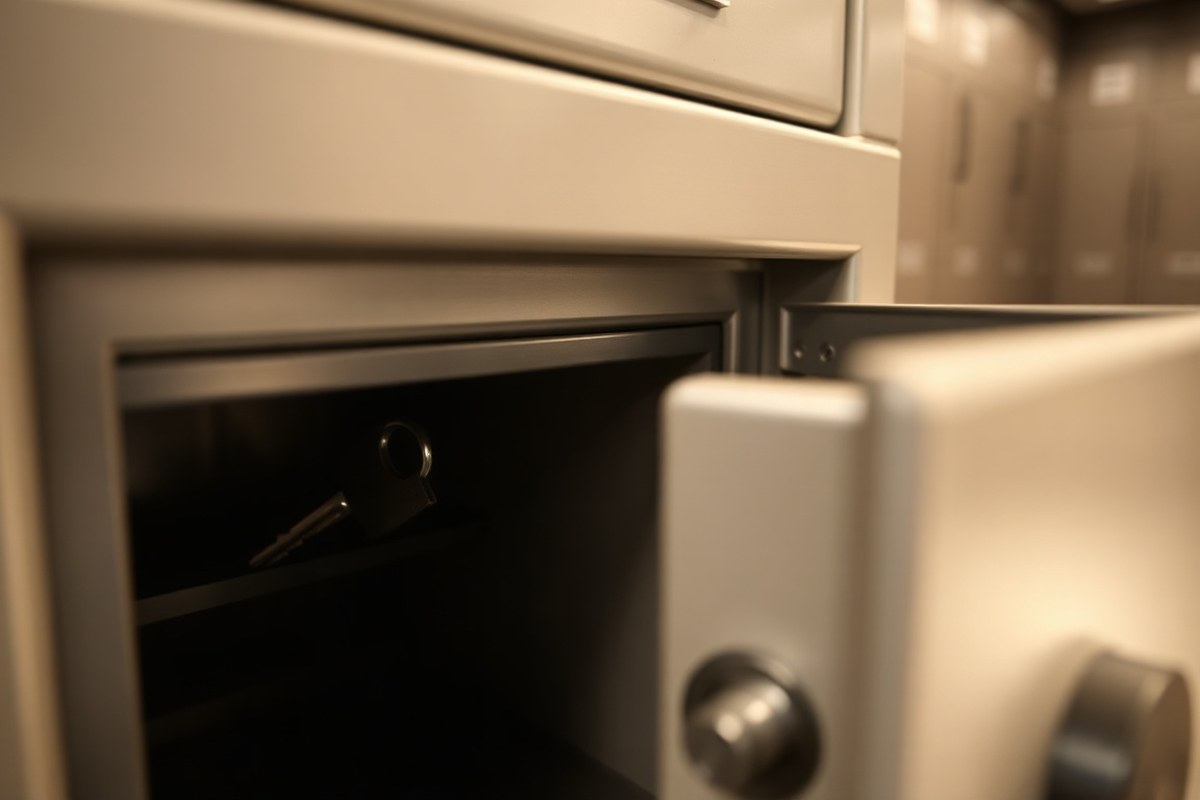
Keeping spare gun safe keys off-site adds an extra layer of security by reducing the risk that a single break-in or loss compromises access to your firearms. Off-site storage ensures that if your home is targeted, spare keys won’t be found alongside the gun safe. This practice also supports safe storage principles by limiting access to only trusted individuals in different locations.
Several off-site storage methods provide strong security. One is using a bank safety deposit box, which typically costs $30 to $100 annually depending on size and location. These boxes offer controlled access and protection against theft and fire. Another option is giving the key to a trusted family member or close friend who maintains secure custody. This person should understand the importance of safeguarding the key and have a stable address to avoid misplacement. A third option involves a private secure storage facility that offers locked compartments with 24/7 surveillance; costs vary but generally start around $50 per month.
The main risks with off-site keys include loss of access if the trusted contact becomes unavailable or if retrieval requires significant travel. Avoid leaving spare keys with acquaintances or casual contacts who might misplace or misuse them. Regular communication and occasional checks can prevent surprises. Balance convenience with security by choosing a location accessible in emergencies but not obvious to potential burglars.
- Use a bank safety deposit box for highest security and fire protection.
- Store spare keys with a trusted family member living nearby.
- Consider private secure storage facilities with controlled access.
- Inform your trusted contact about emergency plans and key handling.
- Schedule regular verification that the key remains accessible and secure.
- Label keys discreetly or avoid obvious identifiers.
- Keep contact information up to date if keys are stored off-site.
Never give your spare gun safe key to anyone who doesn’t fully understand the responsibility and the consequences of unsecured access.
Choosing your trusted contacts carefully is critical. Look for individuals with demonstrated reliability and respect for firearm safety, ideally those who share your commitment to preventing unauthorized access. If you travel frequently, select someone local for quick retrieval or use a secure facility near your residence. Letting the right people know their role in your emergency access plan helps avoid delays while maintaining security. These steps create a practical backup system that supports both protection and peace of mind.
3. Key Lockboxes, Cabinets, and Concealed Compartments Explained
Key lockboxes, cabinets, and concealed compartments offer secure options for storing gun safe keys depending on your home’s layout and security needs. Lockboxes provide durable external protection, cabinets offer organized indoor storage, and concealed compartments hide keys from sight. Understanding these choices helps you choose and install the right solution for quick access and safety.
Types of Key Lockboxes and Cabinets
Key lockboxes are metal containers with combination or keyed locks designed to mount outside or in a secure indoor spot. They provide strong protection against weather and tampering, cost around $30 to $100, and often have mounting holes for attaching to walls or vehicles. Cabinets, usually metal or wood, add an extra layer of security when locked indoors but require installation space and cost more, often $50 to $150 depending on size.
Choose a lockbox if you want a standalone, weather-resistant unit that can attach near your property’s entry or on your vehicle. Cabinets fit better inside your home, often near the gun safe for convenience. The best options have solid steel construction, tamper-proof locks, and mounting hardware included or easily sourced.
| Feature | Key Lockbox | Key Cabinet |
|---|---|---|
| Typical price | $30, $100 | $50, $150 |
| Material | Steel | Steel or wood |
| Installation | Wall/vehicle mount with bolts | Wall or shelf-mounted |
| Access type | Combination or keyed lock | Keyed or electronic lock |
| Best location | Near entry, outdoors or vehicle | Indoors, near gun safe |
| Security level | High tamper resistance | Moderate to high |
Installation requires mounting in a location that is both secure and convenient. Use heavy-duty bolts and anchors in solid surfaces like concrete or studs for best results. Avoid weak drywall or areas prone to moisture. Keep the combination or key code known only to trusted individuals, and update combinations periodically.
Using Hidden Compartments for Key Storage
Concealed compartments hide keys in everyday objects or behind removable panels. This method relies on secrecy rather than physical barriers, making it less obvious and harder for thieves to find. Common places include inside books, beneath floorboards, behind electrical outlets, or inside hollowed-out furniture.
Installation involves creating or choosing a container that blends smooth with its environment. For example, mounting a small box behind a false wall panel requires measuring the cavity and securing the compartment so it won’t shift or fall out. Keys inside should be placed on rings separate from other household keys to reduce confusion.
This approach works well if you want a discreet option that doesn’t require bulky hardware or major installation work. It also permits rapid key access during emergencies if you remember the hiding spot. However, it lacks the physical lock protection of dedicated lockboxes or cabinets and depends on the secrecy staying intact.
Maintenance Tips for Physical Key Storage
Keep lockboxes and cabinets functional by checking locks and mounting hardware every six months. Lubricate locks with graphite powder or silicone spray to prevent jamming. Regularly clear dust or debris from hinges and boxes to avoid corrosion or damage.
Test the locking mechanism under different conditions to ensure reliable access. Replace batteries promptly in electronic lock cylinders, if used. Avoid overcrowding your cabinet or lockbox; excess keys or items can cause jams or damage over time.
Periodic inspection also includes verifying the physical attachment points remain secure. Look for rust, loose screws, or signs of tampering. A solidly installed lockbox or cabinet contributes to overall gun safety by protecting your keys from unauthorized removal or loss.
4. Benefits and Drawbacks of Electronic and Keyless Gun Safe Locks
Electronic and keyless locks use digital technology to control access to gun safes, eliminating the need for traditional metal keys. Instead, these locks operate through a keypad, biometric scanner, or wireless app connection. A keypad lock requires entering a secure code, while biometric models use fingerprint recognition. Some advanced systems allow remote access via smartphone apps. These methods reduce the risk of lost or stolen keys and improve convenience by providing quick access without fumbling for a physical key.
The main security benefit of electronic locks is the ability to control and change access codes or authorized fingerprints easily, increasing protection against unauthorized access. Many digital locks also feature lockout periods after too many failed attempts and auto-lock functions that engage the safe after a short time. This minimizes the risk of forced entry and prevents others from guessing the code. Compared to traditional key locks, electronic models avoid common issues like key duplication or misplacement, which are significant vulnerabilities in firearm security.
Despite these advantages, electronic locks have limitations. They depend on battery power, so regular maintenance is essential to prevent lockouts. Most require battery changes every six to 12 months, with some models giving low-battery warnings. Electronic systems may also be vulnerable to hacking or electronic interference, although reliable brands have protection against these threats. For biometric models, dirt or moisture on the scanner can reduce recognition accuracy, causing access delays. Electronic locks generally range from $100 to over $300, making them pricier than basic mechanical locks, which could matter depending on your budget.
Keyless entry options include keypad locks, biometric fingerprint scanners, RFID cards, and smartphone-controlled locks. Keypad locks are the most common and cost-effective, frequently found on residential gun safes. Biometric locks provide fast access but require keeping fingers clean and dry for accurate scans. RFID and app-controlled locks offer additional convenience but may demand technical knowledge and pose privacy concerns. Selecting the right system depends on your preferences for speed, ease of use, and security.
Upgrading to an electronic or keyless gun safe lock is advisable if you seek faster access and want to reduce risks associated with physical keys. Gun owners handling multiple firearms or sharing safe access with trusted users benefit from easily managing entry credentials. Digital locks suit securing homes with children or roommates by limiting access to authorized individuals without circulating spare keys. Precautions such as maintaining backup mechanical keys and securing batteries help avoid access problems.
To upgrade, choose a model compatible with your existing safe or buy a safe pre-fitted with electronic locking. Install keypad or biometric locks per manufacturer instructions, typically involving mounting the lock on the safe door and connecting power sources. Set secure entry codes or enroll fingerprints during setup. Consider pairing the electronic lock with a small mechanical lockbox to store backup keys securely. Regularly test the lock and replace batteries to ensure reliability.
5. How to Protect Gun Safe Keys in Households with Children
Keeping gun safe keys out of the hands of children requires careful storage, thorough education, and clear emergency plans. Use secure methods that physically block children while allowing you quick access, teach all family members about the risks and responsibility, and set protocols so everyone knows what to do in urgent situations.
Childproof Storage Solutions for Keys
Store gun safe keys where children cannot reach or see them. Locked drawers or cabinets offer solid protection but remember you must be able to access keys when needed. Mounting hooks or boxes high on walls, at least 6 feet off the floor, helps keep keys out of children’s reach but requires remembering their exact location.
Smart key vaults or lockboxes with combination or biometric access can add secure protection. These options cost between $40 to $150 or more but prevent unauthorized access by young minors. Designate a trusted adult in the home who always keeps the key on their person in emergencies.
- Use locked drawers or cabinets for key storage
- Place keys on high shelves or hooks, beyond children’s reach
- Invest in a small biometric or combination lockbox
- Keep spare keys off-site with a trusted person
- Avoid placing keys in obvious hiding spots like under mats or inside flower pots
- Store keys separately from ammunition to limit risk
Never leave your gun safe key unattended or in easily guessed locations such as kitchen counters or bedroom nightstands.
Family Education on Gun and Key Safety
Educate every household member, including older children, about why gun safe keys must be protected. Use clear, age-appropriate language to explain the dangers of unauthorized access to firearms. This education should go beyond one conversation; revisit the topic regularly.
Explain that keys are not toys and clarify the consequences of misuse. Include trusted caregivers and babysitters in your conversations so they understand the rules. Teaching safe behaviour and respect around firearms and their keys significantly reduces accidents.
Emergency Access Plans in Families with Children
Create step-by-step emergency plans that detail who should access the gun safe key during a crisis. Assign a responsible adult for key control and communicate this to all family members. Ensure the key is easily reachable for adults but not visible to children.
Consider a spare key kept with a trusted friend or neighbor nearby. Combine locked storage with an accessible emergency contact protocol. Practise the emergency plan so adults can retrieve the key quickly without endangering children.
- Identify a primary keyholder and at least one backup person
- Keep emergency contact info and instructions visible but secure
- Have a spare key stored off-site in a safe place
- Practice emergency drills that include safe retrieval of keys
- Regularly review and update your emergency access plan
6. Common Mistakes in Storing Gun Safe Keys and How to Fix Them
Storing gun safe keys in obvious or predictable locations is one of the most common mistakes that increase the risk of theft. People often place keys in easily accessible spots like desk drawers, under rugs, or inside nearby cabinets because it seems convenient. Unfortunately, burglars are aware of these typical hiding places, making quick unauthorized access more likely. Avoiding these common spots can significantly reduce theft risk.
Another frequent error is failing to establish a consistent key management routine. Without a system, you might misplace keys or forget where you stored them, which can delay access during emergencies. This can also lead to unnecessary rekeying or lock replacement costs, which often run from $50 to over $200 depending on the safe type. Implementing habits that promote regular checks and controlled distribution helps maintain security while preventing loss.
Neglecting to update key storage after changes in household composition or living situations is an overlooked risk. If a trusted person no longer lives with you, or if you move, keeping the same key location increases the chance of unauthorized use. Reassessing and changing your key’s storage whenever your security needs change ensures better protection.
- Don’t hide keys in standard places like under doormats, inside desk drawers, or on hooks near the safe.
- Assign one reliable person or a small trusted group to keep track of each key.
- Use labeled key holders or a dedicated locked box in a less obvious location for spare keys.
- Set calendar reminders every 3 to 6 months to review and verify key locations and access permissions.
- Change key storage spots or rekey the safe whenever roommates, family members, or caregivers change.
- Keep a written log of key holders and update it whenever you hand out or retrieve keys.
Practicing these key management habits improves ongoing control over your gun safe keys. With a clear system, you reduce the chances of losing or misplacing keys and can quickly respond if you suspect a breach. While it takes a modest investment of time, like 10, 15 minutes every few months, the payoff is higher confidence in your firearm security and smoother access when needed. Failing to do so often means spending extra money and effort fixing key-related problems, which can cause long-term security gaps.
7. Emergency Plans for Quick Gun Safe Key Access
Emergency plans for gun safe key access ensure that trusted individuals can get the safe quickly during urgent situations. Assigning specific key holders, clearly documenting the procedures, and preparing backup tools reduces delays and maintains security. These steps help avoid confusion and ensure the right people can respond without wasting time.
Assigning Trusted Key Holders
Only a small number of trusted individuals should know where the gun safe keys are stored. Choose people who are responsible, understand firearm safety, and may need access during emergencies. Typically, this includes close family members or licensed friends who live nearby and are familiar with your home setup. Avoid sharing information with casual acquaintances to minimize risk.
Discuss the importance of responsible key handling with each designated person. Let them know the consequences of lost or stolen keys. Limiting access reduces the chance of unauthorized entry while ensuring someone can get to your firearms in urgent moments.
Documenting Emergency Access Procedures
Writing down clear, step-by-step instructions for emergency key retrieval helps everyone understand what to do. This document should include who holds keys, how to find the spare key if necessary, and any security measures like lockbox combinations. Keep this information somewhere safe, such as a secured digital file or a sealed envelope known only to designated key holders. Here is a simple template for an emergency key access plan:
- Identify trusted key holders by name and relationship.
- Specify where the primary key is stored (e.g., lockbox on the basement wall, combination 3742).
- List the location of any spare keys (e.g., with John Smith at 123 Main St).
- Describe lockbox or storage access methods (combination, electronic code, key card).
- Provide emergency contact numbers for all key holders.
- Note any exceptions or special instructions (e.g., “Only access if authorized by homeowner”).
Review this plan annually or after any changes to key holders or locations. Communicate updates quickly to everyone involved.
Backup Tools for Emergency Key Access
Having backup tools increases the chances of quick entry during a crisis. A lockbox with a combination or electronic keypad offers faster access than a traditional locked drawer and keeps keys secure near the safe. Spare keys stored off-site with trusted individuals provide redundancy if the primary key is lost or inaccessible.
Consider equipping emergency key holders with an easy-to-use lockbox code or carrying a compact lock pick set if permitted and legally compliant in your area. However, lock pick tools require training and careful control to avoid misuse. Emergency access tools should be stored in places that balance security with speed of retrieval.
8. Creative and Secure Places to Hide Gun Safe Keys at Home
Choosing secure yet unconventional spots to hide your gun safe keys helps keep them safe from burglars while still allowing you quick access when needed. Avoid common hiding spots like kitchen drawers or under doormats, as these are the first places intruders check. Instead, focus on disguised containers and less obvious locations that blend into your home environment naturally.
One effective approach is using everyday objects that serve a different purpose but have hidden compartments. For example, fake books with hollowed-out interiors provide a discreet place to stash keys on your bookshelf. Another option are magnetic key holders that attach to metal surfaces in unexpected spots, such as the underside of furniture or behind appliances. You can also convert an innocuous household item into a container by cutting out a small section inside it and securing the key there.
- Inside a hollowed-out candle or candle holder
- In a sealed, labeled food container in the pantry (that you rarely use)
- Behind a loose wall outlet cover or switch plate
- In a magnetic box attached under a metal outdoor grill or garden tool
- Inside a fake plant pot with a false bottom
- Taped inside a rarely used glove compartment in a locked vehicle
When using disguised containers, make sure the item fits naturally with your home’s style so it doesn’t attract attention. Also, consider ease of access, your key should be reachable quickly but not obvious to anyone unfamiliar with your home. Avoid places that can be disturbed frequently or accidentally thrown out. Test your hiding spot by imagining a break-in scenario and see if you could retrieve your key without wasting time.
Balance convenience and security by choosing a spot that only trusted household members know about. You can write down the location in a secure emergency plan. Cost-wise, converting items like old books or food containers is nearly free, while magnetic key holders typically cost under $20 and offer added protection from moisture and dirt.
Never leave your gun safe keys in obvious places; burglars often check typical hiding spots first.
Step-by-Step Action Plan for Securing Your Gun Safe Keys
Follow these steps to secure your gun safe keys while keeping quick access available when needed.
- Day 1: Choose a primary storage location inside your home, such as a secure lockbox or a concealed compartment, and place your main key there. Confirm you can access it easily but it remains hidden from children and unauthorized persons.
- Day 2: Create a spare key and store it off-site with a trusted family member or in a fireproof safe deposit box. Check that the person can retrieve it quickly if necessary.
- Day 3: Label keys subtly to prevent easy identification. Ensure labels do not indicate “gun safe” or similar wording that draws attention.
- Day 4: Set up an emergency access plan, informing only trusted adults about key locations and procedures. Confirm they understand the importance of security and quick retrieval.
- Week 1: Review all storage methods and test access with your trusted contacts. Make adjustments if locating or retrieving keys takes too long or feels unsafe.
- Month 1: Inspect keys and their storage devices for wear or damage. Replace or repair anything that might hinder access or security.
- Ongoing: Update emergency contacts and storage plans whenever your household or living situation changes to maintain both security and accessibility.
Frequently Asked Questions
Can I Keep My Gun Safe Keys in My Vehicle?
It’s not recommended to store your gun safe keys in your vehicle because vehicles can be stolen or broken into, putting your keys at risk. Always keep your keys in a more secure, controlled environment.
Should I Label My Gun Safe Keys?
Avoid labeling your gun safe keys with obvious identifiers to prevent thieves or unauthorized people from easily finding their purpose. Use neutral or coded tags instead.
Is It Safe to Give My Gun Safe Keys to a Friend?
Only give your gun safe keys to a trusted friend or family member who understands firearm safety and security. Ensure they keep the keys secure and accessible only to authorized users.
Can I Use a Magnetic Key Holder Outdoors for Spare Keys?
Using a magnetic key holder outdoors exposes your gun safe keys to theft and weather damage. It’s better to store spare keys indoors or off-site in a secure location.
What Materials Make a Gun Safe Key Lockbox More Secure?
Steel or heavy-duty metal lockboxes offer better protection than plastic or thin metal options, helping protect your keys from theft or tampering.
Can I Use a Combination Lock Box Instead of Carrying the Key?
Yes, combination lock boxes offer quick access without a physical key, but ensure you choose a high-quality one to maintain security for your gun safe keys.
Final Thoughts
Proper gun safe key storage balances safety with quick access. Prioritize secure spots that keep keys out of reach from children while ensuring trusted adults can reach them fast in an emergency. Take the first step today by choosing a secure spot for your main key and making a spare for off-site storage. This simple action helps protect your firearms responsibly and prepares you for unexpected situations.