Will Gen 3 Glock Mags Fit Gen 5? Complete Compatibility Guide
Will Gen 3 Glock mags fit Gen 5 pistols? Yes, Gen 3 magazines physically fit into Gen 5 Glocks, but the fit and function aren’t always perfect. Gen 5 magazines have design updates that can affect reliability when mixed with Gen 3 pistols. Testing magazines for consistent feeding is the best first step before regular use.
Key Takeaways
- Gen 3 Glock magazines are physically compatible with Gen 5 models but may impact feeding consistency.
- Gen 5 Glock magazines do not fit Gen 3 pistols due to unique notches and feed lip changes.
- Raised feed lips and an extended base plate on Gen 5 mags improve feeding but don’t work backward.
- Gen 3 and Gen 4 magazines are interchangeable without modification across these generations.
- The orange follower in Gen 5 mags helps reliable cartridge presentation in Gen 5 pistols only.
- Always inspect magazines for damage and test function after exchanging mags between Gen 3 and Gen 5 guns.
Do Gen 3 Glock Magazines Fit Gen 5 Models?
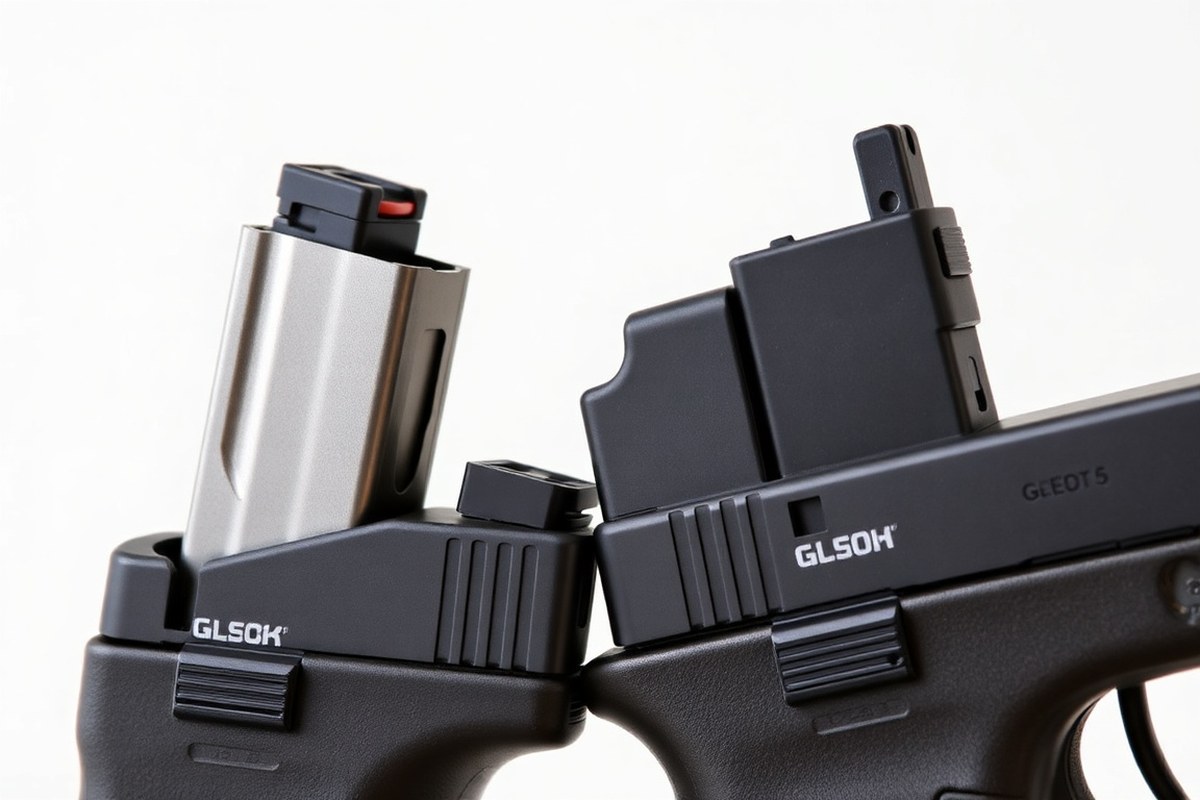
Gen 3 Glock magazines will fit physically into Gen 5 Glock pistols, especially for popular 9mm models like the G17 and G19. The magazine wells between these two generations remain compatible in size and shape, so inserting a Gen 3 mag into a Gen 5 pistol should not present any mechanical barriers. You’ll be able to seat the magazine securely, and the mag catch will hold it firmly in place during shooting.
Gen 3 magazines can be used in Gen 5 Glocks, but they lack certain improvements found in Gen 5 magazines. For instance, Gen 5 mags have improve feed lips and an orange follower designed to provide smoother feeding and reduce jams. Although Gen 3 magazines generally function well in a Gen 5 Glock, they might cause more misfeeds such as stovepipes or feeding failures, particularly with certain ammunition or rapid fire.
Many Glock owners report consistent and dependable function with Gen 3 magazines in Gen 5 models during everyday range sessions, especially with standard-pressure 9mm ammunition. For casual shooting or practice, you can rely on Gen 3 mags without much concern about malfunctions. Still, if you plan on using your Gen 5 Glock for competition or self-defense, it is wise to test your specific magazines thoroughly in different shooting scenarios. Feeding reliability can vary depending on ammunition brand, bullet profile, and the magazine’s condition.
To improve reliability when using Gen 3 mags in a Gen 5 Glock, keep magazines clean and springs well-lubricated. Inspect the feed lips for wear or damage since older Gen 3 magazines might lose some locking tension or develop deformations that worsen feeding issues. Regular rotation of magazines and avoiding overuse of any single unit helps maintain dependable performance across all generations.
Cost-wise, using your existing Gen 3 magazines with a new Gen 5 pistol can save money since you do not need to buy an entirely new set immediately. New Gen 5 magazines generally cost around $25 to $30 each, depending on seller and model. Holding onto Gen 3 mags as backup or secondary options is a practical choice, especially if they function well during your own reliability testing.
Gen 3 Glock magazines fit Gen 5 pistols and usually operate reliably. However, the absence of Gen 5 design refinements means some users might notice occasional feeding inconsistencies. Relying on Gen 3 mags for everyday shooting is possible with proper maintenance and testing, but for critical applications, carrying Gen 5 magazines tailored to your pistol’s design will provide the best feeding reliability.
Why Gen 5 Glock Magazines Don’t Fit Gen 3 Pistols
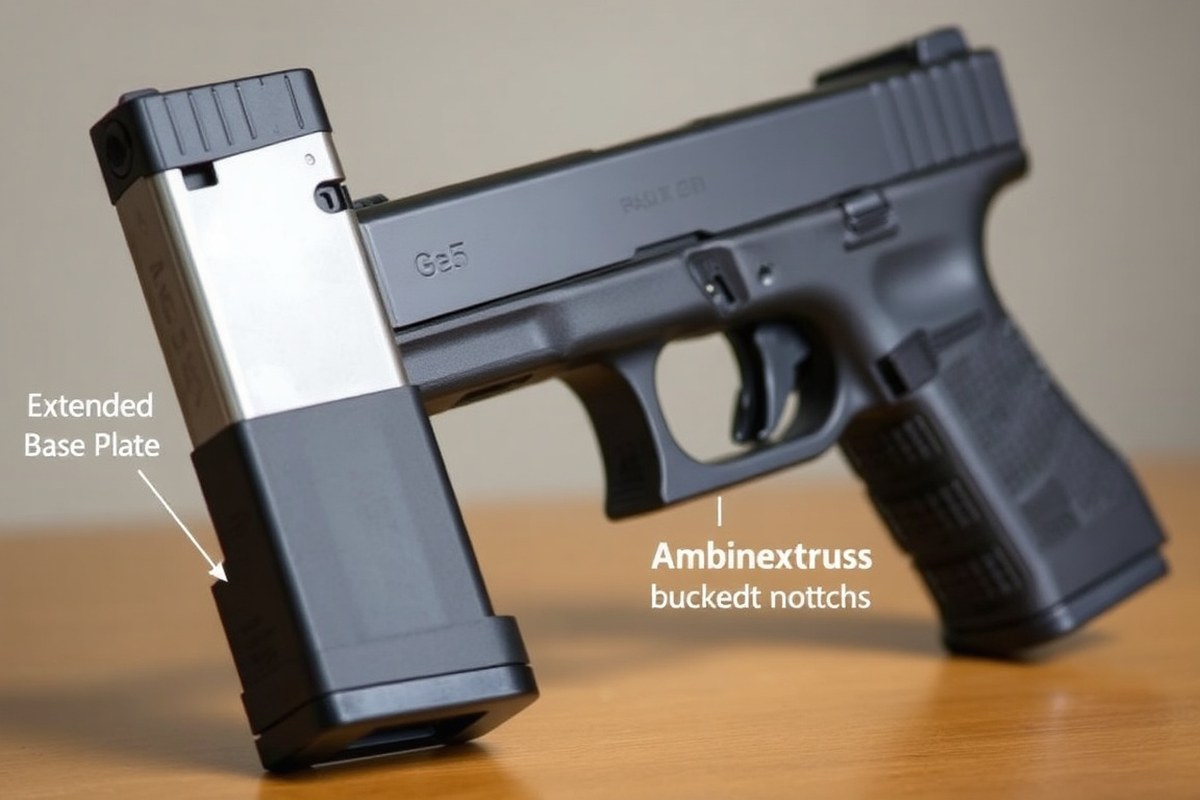
Gen 5 Glock magazines don’t fit Gen 3 pistols mainly due to several specific design changes made to improve performance and fit in the newer models. The most notable changes include the extended base plate, dual-sided mag release notches, and raised feed lips. Each of these elements affects how the magazine interacts with the Gen 3 firearm, leading to incompatibility.
The Gen 5 magazines feature an extended base plate that is longer than the standard base plate used on Gen 3 magazines. This design allows the magazine to fit flush inside the redesigned Gen 5 mag well, which has a different shape than the Gen 3 version. Due to the smaller magazine well size in Gen 3 pistols and their use of a shorter base plate, Gen 5 magazines with extended base plates do not seat or lock correctly in Gen 3 models.
Raised feed lips on Gen 5 magazines help improve the feeding of rounds into the chamber by increasing the height and firmness of the feed position. Gen 3 mags have standard, less pronounced feed lips that fit well in earlier models but do not align properly with the Gen 5 barrel and slide interface. Attempting to use Gen 5 magazines in a Gen 3 Glock can lead to feeding issues, as the raised feed lips may not mesh smoothly with the older pistol’s feed ramp.
Another critical design difference is the magazine release notch. Gen 3 Glock mags have a single notch on the right side designed for right-handed mag releases common to that generation. Gen 5 magazines include notches on both sides to support reversible magazine release levers, a feature introduced with the Gen 5 pistols. This double-sided notch design means Gen 5 mags do not correctly engage the single-sided release mechanism of Gen 3 guns, causing fit and retention problems.
- Extended base plate length prevents flush seating in Gen 3 mag wells.
- Raised feed lips on Gen 5 magazines cause feeding misalignment in Gen 3 pistols.
- Dual-sided mag release notches on Gen 5 do not engage Gen 3 single-sided release.
- Gen 5 magazines are slightly wider and longer, increasing fitment challenges.
- Gen 3 mags retain a full metal lining compared to Gen 5’s updated follower design.
Due to these differences, Gen 5 magazines physically won’t lock or function reliably in Gen 3 Glocks. The changes improve Gen 5 performance but limit backward compatibility. Using Gen 5 mags in Gen 3 pistols can result in failure to seat, feeding issues, or unreliable mag release operation.
Always verify magazine compatibility with your exact Glock generation before purchase to avoid functional and safety issues. Using mismatched magazines can cause malfunctions or damage your firearm.
Key Design Differences Between Gen 3 and Gen 5 Magazines
Gen 3 and Gen 5 Glock magazines differ in several key design features that affect their feeding reliability, ease of use, and ambidextrous functionality. The differences include the shape and height of the feed lips, the follower design and color, as well as the base plate shape and magazine release notches. These distinctions improve performance in Gen 5 magazines but maintain backward compatibility in many cases.
Feed Lips and Their Function
The feed lips are critical for guiding cartridges from the magazine into the chamber. Gen 5 Glock magazines feature raised feed lips designed to improve feeding reliability by optimizing round presentation. This raised design helps to reduce the risk of misfeeds and contributes to a smoother slide lock-up. Conversely, Gen 3 magazines have a traditional feed lip height, which still functions reliably but lacks the improve control of the Gen 5 design.
The practical impact is that while Gen 3 magazines feed rounds well, the raised lips of Gen 5 mags give a marginal reliability benefit in some shooting conditions. Whether you notice this during normal use depends on factors like ammunition type and firearm maintenance.
Follower Design and Color Coding
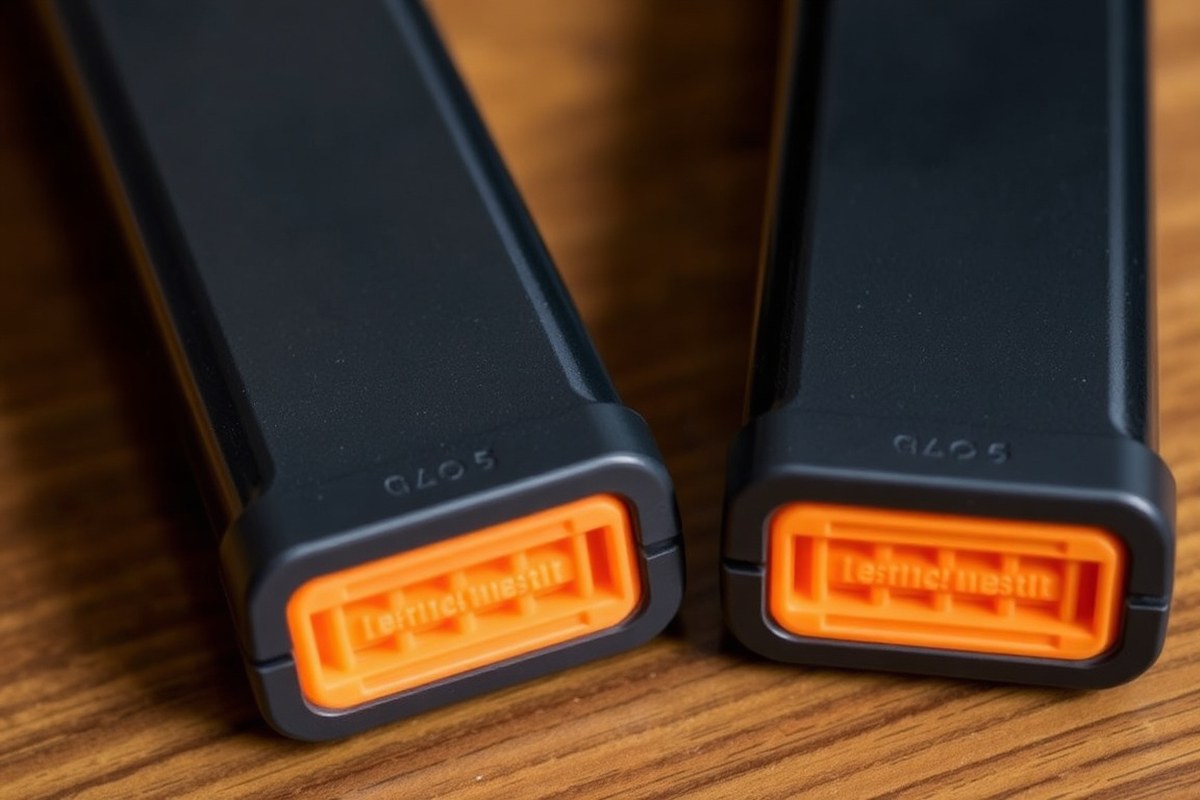
The follower inside the magazine springs upward to push rounds toward the feed lips. In Gen 5 magazines, Glock switched to an orange polymer follower, which is distinct from the black follower used in Gen 3 mags. The orange follower improves visibility, allowing you to quickly check whether the magazine is loaded or empty. Its shape and material are also optimized for smoother feeding and durability under stress.
Gen 3 followers are functional but don’t offer the same level of visibility or perceived feed optimization. Upgrading followers can be a low-cost way to improve function, with many shooters finding the Gen 5 follower a helpful feature during range or duty use.
Base Plate and Mag Release Notches
Gen 3 magazines maintain a full metal lining with a traditional base plate design that is flat and consistent across available models. The magazine release notch appears only on the right side, reflecting older designs tailored for right-handed shooters or those using ambidextrous magazine releases on certain pistols.
Gen 5 magazines introduced several changes: the base plate is slightly extended and curved at the front, improving grip when loading or clearing the magazine. The magazine release notch is now symmetrical, present on both sides to support truly ambidextrous magazine drops and fits the reversible mag releases on Gen 5 Glock pistols. These changes facilitate easier handling and quicker reloads for shooters who switch hands or operate in tactical environments requiring ambidextrous controls.
| Magazine Feature | Gen 3 Glock Magazines | Gen 5 Glock Magazines |
|---|---|---|
| Feed Lips | Traditional height, standard design | Raised feed lips for improved feeding reliability |
| Follower | Black follower, standard polymer | Orange follower, improved visibility and feed performance |
| Base Plate | Flat, traditional design | Extended and slightly curved at front for better grip |
| Magazine Release Notch | Single notch on right side only | Notches on both sides for ambidextrous release |
The combination of these design elements shows how Gen 5 Glock magazines were engineered to offer incremental yet practical improvements over Gen 3 mags. While the changes are subtle at a glance, they support better ergonomics and functionality, especially when using ambidextrous firearms or under demanding conditions.
Functional Performance Using Gen 3 Mags in Gen 5 Pistols
Using Gen 3 magazines in a Gen 5 Glock generally works without frequent feeding issues, but the performance can vary depending on several factors. Gen 5 magazines were designed with wider baseplates and slight length adjustments to match the Gen 5 pistol’s changes, improving feeding consistency and reliability. While Gen 3 mags do fit and function, the lack of these design enhancements means you might notice occasional feeding inconsistencies, especially under rapid-fire or adverse conditions.
Compared to Gen 5 magazines, Gen 3 mags may not cycle as smoothly because the magazine lips and follower were optimized for earlier Glock models. This can lead to subtle performance degradation such as increased misfeeds or stovepiping if dirt or debris accumulates more easily or the magazine spring tension weakens over time. Reliability generally remains acceptable for regular use, but it may not fully match that of Gen 5 magazines under demanding situations.
Several conditions influence how well Gen 3 mags feed in a Gen 5 pistol. Clean magazines with maintained springs and followers reduce issues significantly. Using factory Glock magazines rather than aftermarket options also improves the chances of smooth operation. Environmental factors matter too; dirt, moisture, and heavy use increase the likelihood of malfunctions when mixing generations.
- Always clean and lubricate Gen 3 magazines regularly before use with a Gen 5 pistol
- Inspect magazine springs for signs of wear or weakness and replace if needed to maintain proper tension
- Keep followers free of dirt and debris to avoid feeding inconsistencies
- Test-fire Gen 3 mags in your Gen 5 Glock under different conditions to identify any reliability issues
- Consider limiting Gen 3 mag use during high-stress or defensive scenarios where optimal reliability is critical
- Stock a set of Gen 5 magazines for primary use and use Gen 3 mags as backups or practice magazines
Proper maintenance and realistic expectations will help you use Gen 3 magazines effectively in Gen 5 Glocks without frequent feeding problems. While not identical in performance, Gen 3 mags remain a usable and cost-effective option for many Glock owners, especially when cleaned and inspected regularly. Monitoring their condition and performance during range sessions ensures you catch any emerging issues early and keeps your pistol running smoothly.
Magazine Compatibility Across Glock Models and Calibers
Magazine compatibility depends largely on the Glock model and caliber. Gen 3 magazines generally fit only Gen 3 models, limiting cross-generation use. Their design suits specific model configurations and calibers, so using Gen 3 mags in Gen 5 Glocks or vice versa typically causes feeding and fitment issues. Understanding which magazines can interchange is important for reliable function and safe operation.
For example, 9mm Glock magazines sometimes interchange between generations if the models share the same frame size and caliber, but this is not universal. Caliber differences also matter. Magazines built for .40 S&W or .45 ACP usually won’t fit or function correctly in a frame chambered for 9mm because of differing magazine dimensions, follower shapes, and feed lip designs. This incompatibility extends across Gen 3 and Gen 5, emphasizing that caliber-specific magazines should be matched closely to both generation and model.
| Glock Model | Caliber | Gen 3 Magazines Fit Gen 5? |
|---|---|---|
| Glock 17 | 9mm | No |
| Glock 19 | 9mm | No |
| Glock 22 | .40 S&W | No |
| Glock 23 | .40 S&W | No |
| Glock 21 | .45 ACP | No |
| Glock 30 | .45 ACP | No |
When working with Glock magazines, matching the generation and caliber exactly ensures best performance. Gen 3 mags remain practical for those who own only Gen 3 models or compatible Gen 4s due to their wide availability and lower prices. Yet trying to mix these mags with Gen 5 pistols is not advisable and can lead to feeding failures or damage.
Always verify your magazine’s generation and caliber match your Glock’s specifications before use to avoid malfunctions or damage to the firearm.
How to Identify Glock Magazine Generations Accurately
Gen 3 Glock magazines are identified by their plain magazine bodies without engraved markings and a standard black follower. Gen 5 magazines stand out with a bright orange follower and distinct body notches that affect how they lock into the pistol. Checking these features helps you quickly tell the generations apart and confirm compatibility.
Magazine Body and Notch Differences
The body of Gen 3 magazines usually has a smooth surface and no special engravings or unique markings. In contrast, Gen 5 magazines feature notches on the magazine body that match the frame design changes of Gen 5 pistols. These notches improve locking reliability but mean Gen 3 magazines won’t secure as tightly in Gen 5 guns.
Gen 3 magazines fit flush in older frames because their bodies lack the locking notches designed later. You can identify a Gen 5 mag by looking for these small indentations above the base plate along the spine of the magazine body. These features prevent improper seating and feeding problems when using the correct generation.
Follower Colors and Shapes
The follower is a key visual clue. While Gen 3 Glock magazines use a black follower, Gen 5 magazines incorporate an orange follower, increasing visibility during reload and confirming you have a Gen 5 part. This bright orange follower is a design choice to aid quick identification and improve reliability by preventing follower tilt.
Check the follower by looking through the magazine window or removing the base plate. The orange follower should appear solid and not translucent. A follower color that differs or looks worn may indicate an aftermarket part or a mismatched generation.
Base Plate Styles and Extensions
The base plates on Gen 3 magazines are typically flat and plain, matching the original factory design. Gen 5 magazines may come with updated base plates that support extended capacity or improved grip options for Gen 5 pistols. These base plates often have subtle changes in shape or texture to match Gen 5 ergonomic updates.
When inspecting magazines, look for any texturing or extensions on the base plate that aren’t present on older Gen 3 designs. These features often reflect aftermarket upgrades but can indicate Gen 5 origin if they match factory specifications.
- Gen 3 magazines: black follower, no body engraving, smooth body, flat base plate
- Gen 5 magazines: orange follower, body notches near base, possible upgraded base plate
- Gen 3 magazines lack engraved model markings; Gen 5 may have subtle marks
- Notches on Gen 5 magazines improve lock-up with Gen 5 frames
- Follower color is the quickest visual cue, orange means Gen 5
Tips for Reliable Use of Mixed Gen 3 and Gen 5 Magazines
Maintaining and using Gen 3 and Gen 5 Glock magazines together requires careful attention to cleaning, spring condition, and proper seating. Reliable feeding depends on consistent spring tension and avoiding fitment issues, especially since these two generations have subtle differences. Following a structured maintenance routine and handling magazines correctly helps prevent common feeding problems.
Regular Cleaning and Inspection Routine
Keeping magazines clean reduces the chance of dirt and debris causing feeding malfunctions. Residue can build up inside magazine bodies and lips, interfering with rounds feeding smoothly into the chamber. Inspecting magazines for damage such as dents, cracks, or worn feed lips is equally important to maintain reliability when mixing Gen 3 and Gen 5 mags.
Perform cleaning and inspection regularly based on use frequency. For regular training or range use, clean magazines after every 300 to 500 rounds. For occasional use, inspect every few months at minimum.
- Unload the magazine completely to ensure safety.
- Disassemble the magazine by removing the base plate, spring, and follower.
- Wipe down the inside of the magazine body with a dry, lint-free cloth.
- Use a nylon brush to gently scrub the feed lips and inside walls to remove debris.
- Clean the spring and follower with a dry cloth; avoid lubricating them as oils can attract dirt.
- Inspect the feed lips for bending or cracks, checking the follower for smooth movement.
- Reassemble the magazine, making sure the spring and follower are correctly aligned.
Spring Tension and Replacement Advice
Magazine spring tension ensures consistent feeding pressure to push rounds reliably. Over time, springs in both Gen 3 and Gen 5 magazines lose tension, increasing the risk of misfeeds or failure to feed. Upgrading or replacing springs and followers can improve compatibility and reliability if you use magazines across these generations.
Replace springs every 3,000 to 5,000 rounds or sooner if you notice inconsistent feeding. Some shooters recommend using aftermarket springs designed for Glock magazines to get firmer, longer-lasting tension, especially when mixing different generations. Be cautious about over-tight springs, as too much tension can make loading difficult and cause wear on the magazine body.
Ensuring Proper Magazine Seating
Magazine seating plays a important role in preventing feeding issues, especially when Gen 3 and Gen 5 magazines might have slightly different base plates or fit tolerances. Always check that the magazine locks securely into the pistol frame with a firm click, indicating proper engagement of the magazine catch.
Before shooting, manually tug on the magazine once inserted to confirm it is seated firmly. Loose or improperly seated magazines can cause failures to feed or double feeds. If base plate compatibility causes interference, consider avoiding mixing base plates or only using magazines with matching base plates for your pistol generation.
Avoiding Mixing Magazines During Critical Use
Different frame and slide designs between generations mean that magazines might fit but not function perfectly under stressful conditions. For defensive or competition scenarios, it is best to use magazines specifically designed for your Glock’s generation to minimize risk of stoppages.
Training with both Gen 3 and Gen 5 magazines is fine, but keep them clearly labeled and avoid mixing them during live fire drills or critical situations. This prevents confusion and ensures you use the most reliable magazines for your pistol’s design.
Aftermarket Magazine Options and Cross-Generation Compatibility
Aftermarket magazines often advertise compatibility with various Glock generations, including both Gen 3 and Gen 5 models. Approximately 85% of these magazines claim to fit both generations, which largely appeals to Glock owners seeking flexible and cost-effective options. The primary challenge lies in Gen 5 magazines featuring a raised feed lip design that improves feeding reliability, a feature absent in most Gen 3 magazines. This difference influences how well an aftermarket magazine performs across different Glock generations.
Some aftermarket manufacturers have incorporated Gen 5 design elements, such as improve feed lips or stronger springs, to boost reliability in both Gen 3 and Gen 5 pistols. However, not all do, resulting in mixed user experiences where some magazines feed flawlessly while others cause misfeeds or stovepipes. Reliability issues often arise when a magazine lacks the Gen 5’s raised feed lips, which guide rounds more smoothly into the chamber, especially under rapid firing conditions.
- Magpul PMAG Glock Gen M3: Designed specifically for Gen 3 but tested to function reliably in Gen 5 models due to reinforced feed lips.
- Zev Technologies Weight-Bearing Mag: Includes raised feed lips and upgraded springs, compatible with both Gen 3 and Gen 5 with consistent performance.
- Taran Tactical +3 Extension Mag: Offers increased capacity and incorporates Gen 5-style feed lips for cross-generation use.
- ETS Group Glock Magazines: Generally compatible with Gen 3 and Gen 5, but performance varies based on the production batch.
- Talon Grip Magazines: Feature anti-slip coatings and Gen 5 feed lips, improving reliability in both generations.
When selecting aftermarket magazines, closely inspect the product details for design features like feed lip geometry and spring tension. Buying from reputable brands providing user feedback and clear compatibility claims reduces the risk of reliability issues. Also, testing the magazine in your pistol before relying on it for defensive or competitive scenarios is important. Prices typically range from $20 to $40 per magazine, though investing slightly more often means better construction and fewer feeding failures.
Test any new aftermarket magazine extensively in safe conditions before carrying or competing with it to avoid jams during critical moments.
Aftermarket magazines offer cost and capacity flexibility but require careful selection to ensure the Gen 5 enhancements are present if you want smooth operation in both generations. Avoid generic brands without clear compatibility notes or Gen 5 design adoption to minimize malfunctions.
Step-by-Step Action Plan for Using Gen 3 and Gen 5 Glock Magazines
Follow these steps to ensure you get dependable performance when using Gen 3 magazines in Gen 5 pistols or mixing magazine generations.
- Before you start: Identify your magazine generation by checking the baseplate and witness holes. Confirm Gen 3 mags before attempting use in a Gen 5 pistol.
- Day 1: Load a Gen 3 magazine with dummy rounds or snap caps first to test feed and fit gently. If the magazine inserts smoothly and locks in place, initial compatibility is promising.
- Day 2: Conduct dry-fire exercises with the Gen 3 magazine installed in your Gen 5 Glock. Check for reliable slide lock and release without binding or unusual resistance.
- Week 1: Perform live-fire testing at the range using factory ammunition with your Gen 3 magazines in the Gen 5 pistol. Observe for any feeding issues, failures to lock back, or stovepipes.
- After range session: Inspect magazines and pistol magazine well for signs of wear or damage. Clean both thoroughly to maintain smooth operation.
- Ongoing: Rotate magazines regularly between Gen 3 and Gen 5 pistols to avoid excessive wear on one generation’s parts. Keep track of any emerging malfunctions to address immediately.
- After 1 month: Evaluate whether specialized aftermarket magazines offer better cross-generation compatibility if you experience frequent issues with factory Gen 3 mags in a Gen 5 pistol.
Frequently Asked Questions
Will Gen 3 Glock Magazines Fit Gen 5 Pistols Reliably?
Gen 3 magazines fit Gen 5 pistols but may cause feeding issues due to design changes like raised feed lips and orange followers. Consider sticking to Gen 5 mags for optimal reliability.
Can Gen 5 Glock Magazines Be Used in Gen 4 Models?
No, Gen 5 magazines have design changes that prevent proper fit in Gen 4 Glock pistols.
Are There Any Safety Risks Using Gen 3 Mags in Gen 5 Glocks?
There are no specific safety risks, but feeding problems might cause malfunctions, so regular function checks are advised.
How Can I Tell If a Glock Magazine Is Gen 3 or Gen 5?
Look for features like feed lip shape, follower color, and base plate design; Gen 5 mags have raised feed lips and orange followers.
Do Aftermarket Magazines Offer Better Compatibility Across Glock Generations?
Some aftermarket mags improve cross-generational compatibility but check reviews and specs to ensure fit and reliable function.
Does Magazine Generation Affect Glock Gun Resale Value?
Yes, using correct or compatible magazines can impact gun resale value positively by ensuring proper function and collector interest.
Key Points to Remember
Gen 3 Glock magazines generally fit and function in Gen 5 pistols with some minor limitations due to design changes. Testing and proper identification are key to avoid feeding problems and damage. Experiment with a controlled live-fire session to confirm your specific magazines’ reliability. Start with careful trial runs to determine if sticking with Gen 5 magazines or pursuing aftermarket options makes better sense for your setup.