How to Tell If Ammo Is Bad: Proven Signs and Safe Testing Methods
How to tell if ammo is bad starts with inspecting visual signs like corrosion, dents, or discoloration on primers and casings. You can also test questionable rounds safely by checking for misfires or unusual pressure during low-risk shooting scenarios. This information helps hunters, shooters, and firearm owners keep their ammo reliable and avoid damage or accidents.
Understanding the causes behind ammo degradation, its shelf life, and storage methods improves safety and performance. Learning these key signs and proper testing steps lets you confidently decide which ammunition to keep, store, or dispose of safely over time.
Key Takeaways
- Check ammo primers and casings for corrosion, cracks, dents, or discoloration as primary signs of bad ammo.
- Store ammo in a cool place between 50 and 70°F with 30-50% relative humidity to maximize shelf life.
- Avoid exposing ammunition to heat over 120°F, like inside a hot car, to prevent powder and primer damage.
- Use ammo within 10 years of manufacture for best reliability, though well-stored older ammo can still perform safely.
- Test suspicious ammo by firing a few rounds carefully while observing pressure signs and gun function before regular use.
- Military surplus ammo can last 50+ years when stored sealed in proper conditions but often fails if stored poorly.
How to Tell If Ammo Is Bad: Key Signs to Watch For

Start by closely examining the external condition of each round. A clean brass casing with a bright, uniform color generally indicates the ammo is in good condition. Look for any discoloration, dark spots, or a greenish hue, which are signs of corrosion or oxidation caused by exposure to moisture or poor storage. Corrosion often appears as patchy, powdery deposits or small pits on the casing surface. Avoid using ammo with any form of rust or heavy corrosion, as it can cause failure to chamber or even misfires.
Next, inspect the primer carefully. A healthy primer should be flush or slightly recessed within the casing head. Watch for a bulging primer, which looks raised or swollen, this indicates potential pressure issues or primer failure and can be dangerous. Also, look for any loose, cracked, cracked, indented, or dislodged primers, as these are warning signs that the cartridge integrity is compromised. Primers with visible damage or irregularities should be discarded.
Feel the cartridge for any unusual texture changes. Ammo exposed to moisture can feel sticky or have a rough surface where corrosion deposits form. Odor can be a clue: give the ammo a sniff in a well-ventilated area. A sour, musty, or chemically pungent smell suggests moisture damage or powder degradation, signaling the round is unsafe to shoot.
- Check brass casings for consistent color and no corrosion or pitting.
- Look for dents, dents, or gouges that could affect chambering or firing.
- Inspect primers for bulging, cracks, looseness, or incorrect seating.
- Smell the cartridge; a sour or musty odor indicates moisture damage.
- Feel for sticky or rough residue on cases that indicates corrosion.
- Discard ammo with any physical or primer irregularities.
Use a comparison photo of a known good round beside a questionable one to train your eye, good rounds have smooth, shiny brass with tight, symmetrical primers. Bad rounds will show visible faults as described. Taking 10 to 15 seconds per cartridge for this inspection is worth the safety it ensures. Avoid shooting ammo stored in garages or sheds prone to heat and humidity swings, as these are common causes of degradation reflected in the signs you observe.
Why Ammunition Goes Bad: Common Causes Explained
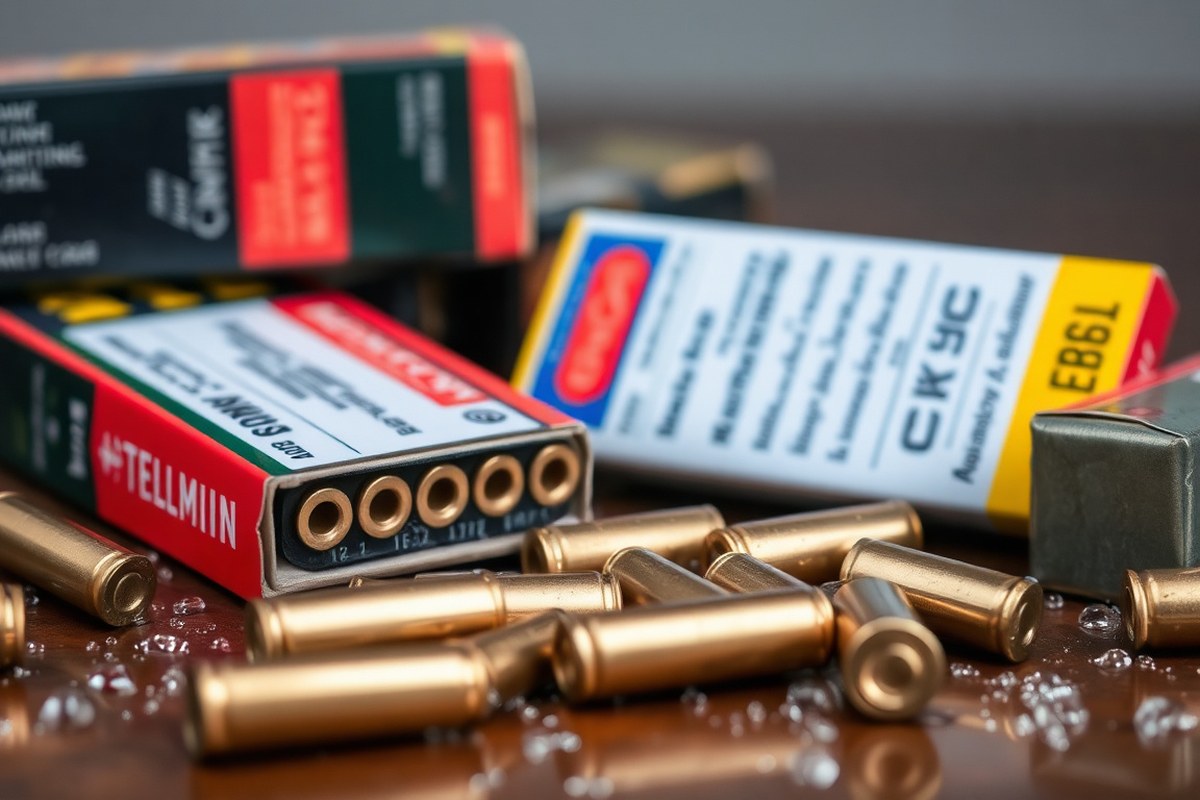
Ammo deteriorates primarily due to moisture, extreme temperatures, storage mistakes, and physical damage. Moisture is one of the most damaging factors because it can cause corrosion and rust on the casing and primer. When humidity is high, the metal parts of the cartridge absorb water, leading to rust that weakens the structural integrity. Inside the cartridge, moisture can cause gunpowder to clump or degrade, reducing its ability to ignite properly. For example, rounds stored in a damp garage or basement often develop surface rust within a few years, significantly increasing misfire rates.
Temperature extremes also affect ammunition quality. High heat, such as temperatures above 120°F found inside a hot car, can destabilize the powder and degrade the primer compound. This raises the risk of abnormal pressures and dangerous firearm malfunctions. On the other hand, very cold conditions do not typically damage the ammo but can cause condensation when returning to warmer areas, indirectly introducing moisture. Consistently storing ammo in a temperature-controlled space between 50°F and 70°F slows the breakdown of powder and primer, preserving performance for decades.
Common storage errors compound these risks. Leaving ammo exposed to fluctuating temperatures and high humidity spikes accelerates corrosion and powder deterioration. Using non-airtight containers allows moisture ingress, increasing failure rates. Steel-cased ammo is particularly vulnerable because steel rusts faster than brass. Also, plastic hull shotshells tend to last longer than paper hulls in poor conditions. Proper use of airtight ammo cans with rubber gaskets can prevent moisture penetration and maintain a dry environment.
Physical damage to cartridges creates safety hazards by compromising the casing and primer. Dropping ammo or heavy impacts can result in dents, cracks, or primer detonation. Damage to the primer risks misfires or hang fires, while cracked casings may cause pressure leaks upon firing. Inspecting ammo for deformation and rust is important. For example, a dented 9mm casing or rusted primer should never be used, as it could cause a dangerous malfunction or firearm damage.
Store ammunition in airtight, waterproof containers and avoid extreme heat or humidity to prevent corrosion and powder degradation.
Shelf Life of Different Ammo Types and How Storage Affects Them
Ammo type, storage conditions, and manufacturing quality all influence how long ammunition remains reliable. Centerfire ammo stored in stable environments below 70°F and low humidity can last over 50 years. Rimfire rounds and shotshells generally have a shorter lifespan, especially if not kept dry and sealed. Surplus military ammo, especially if sealed and brass-cased, can also last decades, though some types like surplus M855 may degrade faster if stored in poor conditions. Reloaded rounds vary widely; quality and storage affect their longevity more than factory new ammo.
Proper storage means storing ammo in a cool, dry place away from sunlight and temperature swings. Airtight, moisture-resistant containers like sealed ammo cans or vacuum-sealed packs work best and help prevent corrosion, particularly for steel or aluminum-cased ammo, which deteriorates faster than brass-cased rounds. Military surplus rounds with sealed primers and necks are designed for extended shelf life but still perform best with good storage.
| Ammunition Type | Typical Shelf Life (Proper Storage) | Storage Recommendations |
|---|---|---|
| Factory-Sealed Centerfire | 50+ years | Below 70°F, low humidity, sealed ammo cans |
| Rimfire | 10-20 years | Dry, cool place, airtight containers |
| Shotshells (Shotgun Ammo) | 5-10 years | Cool, dry, sealed plastic or metal boxes |
| Military Surplus (Brass-cased, Sealed) | 50+ years | Ammo cans with good seals, stable conditions |
| Military Surplus (Steel/Aluminum-cased) | 10-30 years | Ammo cans, moisture control critical |
| Reloaded Ammo | Varies widely (5-30 years) | Stored like factory ammo; quality dependent |
Centerfire ammo’s extended shelf life results from higher-quality primers and propellants, along with brass casings that resist corrosion better. Rimfire ammo has more fragile primers and thinner casings susceptible to moisture damage. Shotshells contain powder and shot that can degrade or clump if exposed to humidity. Reloaded rounds carry risk based on reloading quality, especially primer seating and powder type, so storage affects them even more.
Using sealed metal ammo cans with good rubber gaskets, desiccant packs, and maintaining steady, cool temperatures is the most effective way to extend ammo longevity. Keep ammo in a climate-controlled environment away from garages or sheds prone to temperature swings. Avoid plastic bags unless vacuum-sealed or moisture barrier-lined, as standard plastic may trap condensation. These measures ensure your ammo remains safe and reliable when you need it.
Inspecting Primers and Casings: Detailed Visual and Physical Checks
Carefully inspecting primers and casings is essential to spot physical damage that could cause misfires or unsafe shooting. Look closely for dents, cracks, corrosion, loose primers, or unusual deformities on the brass and primer surfaces. These signs often mean the ammo should be set aside and not used.
Identifying Bulged and Cracked Primers
Primers are the small, circular components at the base of a cartridge that ignite the powder. Bulging primers appear swollen or raised beyond the normal level. This usually indicates excessive pressure inside the cartridge or deterioration from moisture or heat. Cracked primers often show visible fissures or fractures, which can cause ignition failure or dangerous cartridge ruptures.
Rimfire ammo, like .22 LR, has primers around the rim instead of a central primer. Check for cracking along the rim or blistering that suggests the primer’s compromised. Vacillations in the primer’s surface or excessive discoloration are red flags as well. Avoid using rounds where the primer looks uneven, deformed, or loose in its seating.
Detecting Corrosion and Pitting on Casings
The casing protects the powder and primer; any signs of corrosion usually indicate poor storage or moisture exposure. Look for greenish crud or white residue around the case mouth or near the primer pocket. Pitting appears as small indentations or “pinholes” on the brass surface. Rust-colored stains or tarnishing also point to chemical breakdown of the metal.
Dents, dings, and scratches matter because they can weaken the structure, cause feeding problems, or allow powder to escape. Cracks are often found around the neck or shoulder of bottleneck cartridges and are unsafe. Rimfire ammo is prone to warping due to thin casing walls, so inspect it especially thoroughly near the rim.
Testing Primer Seating and Firmness
Checking if a primer is firmly seated can reveal hidden damage not visible to the eye. A primer pushed loosely into its pocket might pop out under recoil, causing misfires and jamming. Lightly shaking a cartridge next to your ear can help detect loose components inside. No rattling noise typically means the primer and powder remain intact.
Use your thumb or a gentle press with a small tool (like the eraser end of a pencil) to test primer firmness. Do not apply excessive force to avoid setting off the primer. The primer should feel snug and flush or slightly domed within the casing base without any movement. Loose or protruding primers mean the round is unsafe.
Cleaning vs Damage: How to Tell the Difference
Not every discoloration or residue on ammo signals damage. Dirt, dust, and superficial grime can often be wiped away without harm. However, corrosion is usually evident as bubbly or crusty deposits that don’t come off with gentle cleaning. Avoid using solvents or oils on stored ammo since they can seep past primers or case mouths and degrade primer compounds.
Use a dry cloth or lightly dampened (water only) cloth to wipe cartridges. For stubborn dirt, a soft toothbrush can help remove surface debris. Corrosion, pitting, or dull, rough patches that remain after gentle cleaning are signs the ammo has suffered chemical damage and should be discarded.
- Place your ammo on a clean, well-lit surface to get good visibility.
- Examine each primer closely, checking for bulges, cracks, discoloration, or looseness by sight and gentle touch.
- Look over the brass casing for dents, scratches, pits, corrosion, or greenish residue near the primer and case mouth.
- Hold the cartridge and gently tap or shake to detect any rattling squeaks indicating loose components.
- Use a soft cloth to wipe away dirt and grime, avoiding liquids that might penetrate primer seals.
- Apply light pressure with a non-marring tool on the primer to test firm seating, ensuring no movement or softness.
- Set aside any ammo with primer deformities, casing cracks or pits, corrosion that won’t clean, or loose primers for safe disposal.
How to Safely Test Questionable Ammo Before Shooting
The safest way to test questionable ammo before shooting involves a careful two-step process: performing a drop test to check primer stability and conducting a controlled test firing at a range. These methods help you assess if the ammo will function without dangerous malfunctions. Always take safety gear and range precautions seriously to protect yourself and others.
Performing the Drop Test for Primer Stability
The drop test helps determine if the primer, the part that ignites the powder, is still functional and not overly sensitive or damaged. An unstable primer can cause misfires or accidental ignition, which poses a hazard. This test is simple and does not involve firing the round, giving a quick indication of primer health.
To do the drop test, hold the cartridge about one foot above a hard, flat surface like concrete or a metal plate. Let it drop vertically and listen for the sound on impact. A dull thud or no noise usually means the primer is likely inert. A distinct metallic click or sound might indicate a sensitive or faulty primer. However, this test is not foolproof for all failures and should be combined with visual inspection.
- Choose a hard surface such as concrete or a steel plate outdoors or in a well-ventilated garage.
- Hold the cartridge vertically by the casing, one foot above the surface.
- Release the round without applying any force.
- Listen carefully to the landing sound and note any clicks or sharp noises.
- Repeat for several rounds to check consistency.
Do not perform the drop test indoors or on surfaces that could ricochet fragments; always prioritize a safe environment.
Setting Up a Controlled Test Firing
Controlled test firing is the next practical step after passing the drop test. It confirms that the ammo cycles properly, fires without excessive pressure, and produces expected ballistics. Try test firing only a few rounds first, ideally at a shooting range with a backstop designed to safely handle unexpected malfunctions.
This approach also minimizes risk since firing multiple rounds of questionable ammo increases the chance of catastrophic failure. Before starting, verify the firearm is cleaned and well-maintained to reduce additional variables.
- Select a well-known, supervised shooting range that allows testing of old or unknown ammo.
- Acquire necessary safety gear such as eye protection, ear protection, and gloves.
- Load a single round and fire normally, observing for unusual recoil, smoke, or sound.
- Inspect the firearm and spent casing for signs of pressure damage or unusual markings.
- Fire two or three additional rounds if the first performs well, checking for consistent function.
- Cease testing immediately if you notice any signs of misfire, hangfire, or odd extraction difficulty.
Always notify range officials ahead of time when testing old or questionable ammo so they can advise on appropriate safety measures.
Safety Gear and Range Precautions
Safety gear minimizes injury risk when testing ammo that might fail. Wear ANSI-rated safety glasses to guard against flying particles, ear protection to prevent hearing damage, and thick gloves in case the casing or firearm gets hot or damaged. Never test ammunition alone; having another person present can assist in emergencies.
Follow range rules strictly. Use an approved backstop, check that the lane is clear, and communicate with range personnel about your test plan. Limit testing to daylight hours or well-lit conditions to clearly observe any issues.
Knowing When to Stop Testing and Dispose
Stop testing ammo immediately if you experience any misfires, hangfires (delayed ignition), excessive pressure signs like bulged cases, or inconsistent powder burn visible by unusual flame or smoke. Rounds with damaged primers, corrosion, or unusual smells should be discarded without testing. Safe disposal might involve returning ammo to local law enforcement or following manufacturer and local hazardous waste guidelines.
If your test sample passes drop and firing tests but the ammo is very old or stored in poor conditions, consider the potential consequences. Spending a few dollars on fresh ammo is often worth the safety margin.
- Observe each fired round for normal function and case condition.
- Identify any signs of excessive pressure: difficult extraction, case head expansion, or cracked casings.
- Evaluate how the firearm reacts to recoil and cycling.
- Immediately cease testing if you detect misfires, sparks, or cracked primers during testing.
- Decide to dispose of ammo if it fails any test or if primer corrosion or damage is observed visually.
- Contact local authorities or a licensed disposal facility if unsure how to discard ammo safely.
Never try to shoot ammo that shows physical damage or has questionable primer integrity, disposal is the safer option.
Risks of Using Bad Ammunition and Consequences to Firearms
Firing corroded or unstable ammunition can lead to serious dangers including misfires, damage to your firearm, and even personal injury. Over time, chemical changes inside a cartridge may cause its components to break down, leading to explosive crystals or unexpected reactions when the round is fired. These breakdowns can cause a cartridge to rupture inside the chamber, resulting in a dangerous explosion that can damage your gun’s barrel and action.
Using bad ammo increases the risk of firearm malfunctions such as failure to fire or hangfires, delayed ignitions after pulling the trigger. Misfires and hangfires create immediate safety risks. A hangfire may cause you to believe the gun did not fire when, in fact, the shot is delayed, potentially leading to unsafe handling or double firing. Misfires also interrupt the cycling of semi-automatic pistols and rifles, which can jam the weapon and cause damage if you attempt to manually cycle or clear it improperly.
Old or degraded ammunition may contain unstable powder or primers, which can burn unevenly or generate excessive pressure. This overpressure can cause the cartridge to rupture or the firearm’s components to fail catastrophically. For example, a cracked barrel or damaged chamber can render your gun unsafe and require costly repairs or complete replacement. These failures not only ruin your firearm but also pose risks of shrapnel and hot gas escaping towards you and bystanders.
Case studies from shooting ranges and shooting sports forums reveal that even reliable shooters with high-quality guns have experienced these failures from compromised ammo. One documented incident involved a 9mm round with corroded primer material that detonated prematurely, cracking the slide and injuring the shooter’s hand. Another experienced marksman noted a .223 cartridge developed cracks in the casing that caused a gas leak and partial explosion, requiring immediate medical attention.
To reduce these risks, never shoot ammunition that shows signs of corrosion, dents, bulges, or unusual smells, as these can indicate chemical instability. Avoid any rounds stored in high humidity or fluctuating temperatures for long periods, as moisture and heat accelerate deterioration. Testing questionable ammo with snap caps or in a controlled setting helps, but firing compromised rounds remains risky and can cause damage beyond repair.
While good ammunition reliably propels bullets without issue, old or degraded ammo raises the probability of malfunction from around less than 1% to rates as high as 10% or more in some cases, depending on condition and storage. This jump is not worth risking injury or damaging an expensive firearm. The cleanup and repair from a cartridge rupture often cost hundreds of dollars, while personal injury can mean medical bills and lost shooting time.
Your safety and the longevity of your firearm depend greatly on using quality, properly stored ammunition. When you encounter questionable cartridges, it is safer and more cost-effective to dispose of them according to local hazardous waste regulations rather than risk the consequences of firing compromised ammo.
Proper Ammunition Storage Practices to Prevent Degradation
Ammo should be stored in a cool, dry place with temperatures between 50°F and 70°F. Keeping humidity below 50% helps prevent corrosion and degradation of the primer and powder. Avoid locations like attics or garages where temperature and humidity fluctuate widely. Consistent climate control protects ammunition and significantly extends its functional life.
Using sealed containers such as metal ammo cans with rubber gaskets or heavy-duty plastic containers keeps moisture and air out. These containers create a stable environment that blocks exposure to humidity, dust, and temperature swings. Store ammunition in its original packaging inside these sealed containers to further reduce handling and contamination risks.
Desiccants like silica gel packs are key allies against moisture. Place a few packets inside your sealed container to absorb residual humidity. Change or recharge the desiccants every 6 to 12 months depending on your local climate’s moisture levels. Regularly rotating your ammo stock ensures older rounds get used first, minimizing time spent in storage and lowering the chance of degradation.
- Store ammo at 50°F to 70°F with humidity under 50%
- Keep ammunition in original boxes inside sealed metal or plastic containers
- Use silica gel desiccant packs inside storage containers, replacing every 6, 12 months
- Rotate stock based on purchase or production date to use older ammo first
- Avoid storage in direct sunlight or areas with temperature/humidity fluctuations
- Do not store ammo near chemicals, solvents, or sources of ignition
Failing to control temperature can cause gunpowder to break down or primers to fail. Excess moisture leads to corrosion of the cartridge casing and primer, increasing misfire risk. Storing ammo loose or in non-sealed containers exposes it to dust, oils, and moisture that speed deterioration. Aluminum-cased ammo, in particular, degrades faster and needs more careful storage than brass-cased rounds.
A maintenance checklist for long-term ammo care includes inspecting stored rounds at least annually. Check for signs of corrosion, swelling, or discoloration. Replace desiccants inside containers and ensure containers remain tightly sealed. Document purchase or manufacture dates to track rotation schedules. These steps help maximize reliability and safety when using stored ammunition later.
When and How to Safely Dispose of Bad or Questionable Ammo
Ammo should be discarded when it shows clear signs of damage, excessive corrosion, or fails safety tests. Safely disposing of bad or questionable ammunition protects you and others from accidental discharge or firearm damage. Always follow local regulations for disposal and transport to avoid legal issues or hazards.
Identifying Ammo for Disposal
Deciding when to discard ammo starts by recognizing physical and performance issues. Rounds with swollen or dented casings, rusted primers, or powder leakage are unsafe. Also, primers that crumble or misfire during testing indicate the ammo must be discarded. Old ammo stored poorly may degrade even without obvious damage, so err on the side of caution if you are uncertain.
Ammo that shows any signs of deformation, corrosion beyond superficial rust, or unusual smells should be considered for disposal. Prioritize safety over salvage value and never attempt to shoot rounds that fail primer or bullet checks. This prevents firearm damage and personal injury.
Local and Federal Disposal Options
Many police departments accept old or unwanted ammunition for safe disposal. Contact your local law enforcement to inquire about drop-off days or procedures. Some hazardous waste facilities also handle ammo. Follow their instructions precisely to ensure compliance with federal and state regulations.
Disposal methods by authorities may include controlled detonation or recycling at certified facilities. Never throw loose ammo into household trash or dump it in the environment. Improper disposal can result in fines or legal action.
Handling and Transport Safety Measures
Transport bad or questionable ammo in a sturdy, locked container to prevent movement and accidental ignition. Keep it separate from other gear and firearms. Avoid shaking or dropping the container. Label it clearly as “Unserviceable Ammunition” if required by local rules.
When moving ammo to a disposal site, secure it in a cool, dry environment inside your vehicle, away from passengers and ignition sources. Inform any handlers about the condition of the ammo before handing it off.
Always check local laws before transporting ammunition; some states require specific permits or handling procedures even for disposal.
Recycling or Trade-In Possibilities
Some ranges and retailers accept questionable ammo for recycling or trade-in, but policies vary widely. Contact your local range or gun shop to see if they participate in ammo take-back programs. Responsible retailers may offer credit or discounted purchases in exchange for unwanted ammo batches.
Recycling generally involves separating components like powder, primers, and metals for reuse. This can reduce environmental impact compared to incineration. Take advantage of these programs if available, but don’t delay disposal of ammo that is clearly unsafe.
- Inspect the ammo carefully for dents, corrosion, and primer damage.
- Perform a primer strike test if you have the means and training to confirm ignition issues.
- Contact local law enforcement or hazardous waste facilities to find approved disposal options.
- Transport the ammo securely in a locked container away from ignition sources.
- Label the container clearly as “Unserviceable Ammunition” if required by law.
- Hand over the ammo following the facility’s safety instructions.
- Ask about recycling or trade-in options if you want to minimize waste.
Step-by-Step Action Plan to Assess and Maintain Your Ammo
Follow these steps steadily to keep your ammunition safe and ready for use, and know exactly when to take action on questionable rounds.
- Day 1: Inspect all ammunition visually for corrosion, rust, dents, or discoloration. Good ammo should look clean and uniform; discard anything showing damage or powder leakage.
- Day 2: Perform a physical check on primers and casings by gently tapping and feeling for looseness or dents. Primers should be firmly seated, and casings free of cracks; if not, isolate those rounds.
- Week 1: Test a small batch of suspect ammo in a controlled environment using a firearm that can handle potential misfires. If rounds fire cleanly and cycle without issues, they may be usable but keep monitoring.
- Month 1: Set up airtight, temperature-controlled storage with humidity control for all your ammo. After one month, recheck ammo condition and ensure storage conditions hold steady to prevent future deterioration.
- Quarterly: Rotate inventory so older ammunition is used first, and check for any changes in condition. Proper rotation helps avoid using ammo past its optimal shelf life.
- Yearly: Dispose of any ammo that shows signs of damage, corrosion, or fails firing tests using local hazardous waste protocols or a licensed professional. Never risk using uncertain ammunition.
Frequently Asked Questions
Is 30 Year Old Ammo Still Good?
Ammo stored well in ideal conditions can last 20 to 30 years or more, but 30-year-old ammo often shows signs of tarnishing or corrosion and may misfire; always inspect it carefully before use.
What’s the Shelf Life for Ammo?
Under ideal storage, cool, dry, sealed containers, ammo can last over 50 years, but poor conditions reduce shelf life to just a few years with higher failure risks.
Is It Safe to Shoot 20 Year Old Ammo?
Ammunition stored properly for 20 years is generally safe but may have some performance issues; test questionable rounds carefully and avoid using ammo showing corrosion or damage.
What Does Bad Ammo Look Like?
Bad ammo typically has visible corrosion, pitting, discoloration, loose bullets, or damaged primers, all of which increase the risk of misfires and dangerous malfunctions.
How to Tell If Ammo Is Bad Besides Visual Inspection?
Listen for unusual sounds when handling, check primer firmness by gently pressing, and conduct a controlled, low-risk test firing to detect blanks or misfires safely.
Is Old Ammo Safe to Shoot?
Old ammo can be unsafe if stored improperly or visibly degraded; risks include misfires and firearm damage, so always prioritize safety and proper disposal if unsure about condition.
Wrapping Up
Checking and storing ammunition carefully lets you avoid reliability problems and protects your firearm from damage. Take time now to set up a safe storage system and periodically inspect your rounds. Start by examining your current ammo supply and segregating any questionable cartridges for further testing or disposal. Safe ammo means safer shooting and peace of mind.