Is Steel Case Ammo Bad?
Are You Confused About Steel Case Ammo?
If you’re a shooting enthusiast, you know the struggle of balancing quality and cost. Many people find themselves torn between wanting to save money on ammunition and ensuring their firearms perform at their best. You’re not alone in this dilemma; the debate over steel case ammo can feel overwhelming.
So, what’s the deal with steel case ammo? Is it a good choice for your next outing?
Steel case ammo isn’t inherently bad, but it does come with trade-offs.
You’ll save money since it’s cheaper than brass, but expect increased wear on your gun’s extractor and chamber due to the harder steel cases.
It can cause more fouling and can be tougher to reload, especially with its lacquer coatings and Berdan primers.
If you want to shoot economically but are okay with extra cleaning and maintenance, steel might work for you.
Understanding these details can help you choose wisely.
Key Takeaways
- Steel case ammo is more affordable but causes increased wear on firearms due to its hardness and coatings.
- It produces more fouling and residue, requiring more frequent cleaning and maintenance.
- Steel cases are less suitable for reloading because of their hardness and common use of Berdan primers.
- Not all firearms are designed for steel ammo, potentially causing malfunctions or voiding warranties.
- Proper maintenance can mitigate issues, but long-term use may reduce firearm lifespan compared to brass ammo.
What Is Steel Case Ammo and How Does It Differ From Brass?
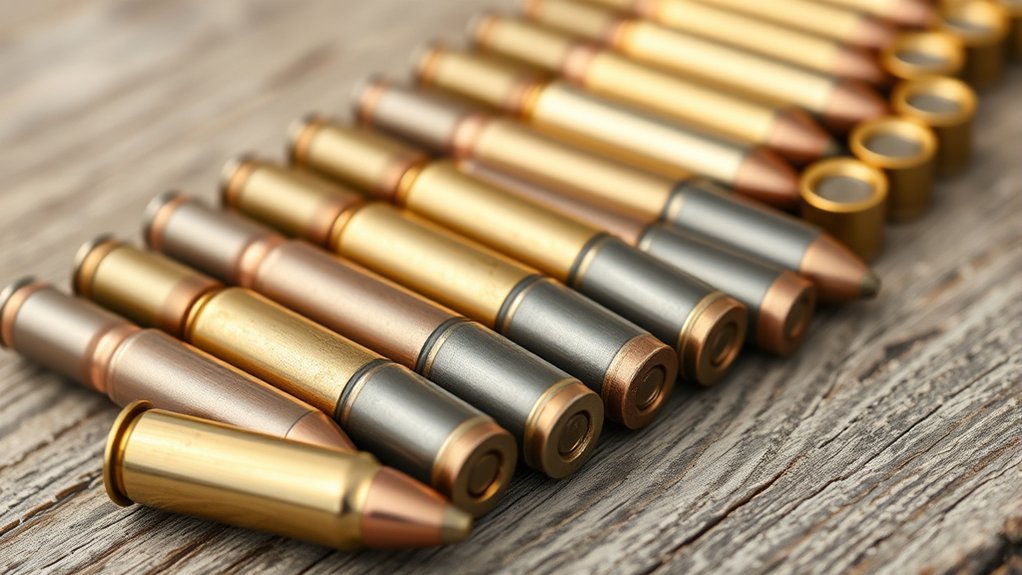
While steel case ammo looks similar to brass, it’s actually made from steel instead of brass for the cartridge cases.
Steel is a ferrous metal, which means it’s magnetic and more prone to rust. To protect against this, manufacturers often coat these cartridges with lacquer or polymer.
Brass, on the other hand, is non-magnetic and naturally resistant to corrosion, making it a more durable option for cartridge cases.
You’ll notice steel cases are harder and less malleable than brass, which can increase wear on your firearm and cause extraction problems.
Additionally, most steel case ammo uses Berdan primers, unlike brass cases that typically use Boxer primers, making reloading steel cartridges often difficult or impossible.
Despite these differences, steel case ammo is a popular choice for shooters due to its lower cost.
Understanding its distinct properties compared to brass helps you make an informed decision about what ammo to use.
Why Did Steel Case Ammo Become Popular? (Historical and Practical Reasons)
You might be surprised to learn that steel case ammo first gained popularity during World War I when brass shortages forced manufacturers to find alternatives.
Since then, its lower production cost—about 30-40% less than brass—has made it a go-to option for mass ammunition needs.
Understanding these historical and practical reasons helps explain why steel case ammo remains widely used today.
Brass Shortages During Wars
Because brass was in short supply during World War I, steel-case ammunition quickly became a practical alternative.
You should know that brass shortages were a major problem due to the massive demand for military gear, making traditional brass ammo production unsustainable.
Steel Case Ammo emerged as a solution because it was cheaper and faster to produce, especially in countries like Germany and Russia.
Coated with lacquer or polymer, steel cases resisted corrosion and handled wartime scarcity effectively.
This shift allowed armies to manufacture more rounds without relying on limited brass supplies, ensuring sustained combat readiness.
Even after the war, steel-case ammo remained popular in Eastern Europe, where high-quality brass was still scarce.
Cost Efficiency Benefits
Three main reasons steel-case ammo gained popularity are cost, production speed, and practicality.
During World War I, brass shortages pushed manufacturers to switch to steel cases, which are 30-40% cheaper to produce.
This cost efficiency allowed both militaries and civilians to buy more ammo without breaking the bank.
Steel cases could be mass-produced quickly, meeting the high demand during wartime and making them ideal for high-volume shooting.
Although steel isn’t as corrosion-resistant as brass, coatings like lacquer or polymer help prevent rust and improve feeding reliability.
For you, this means steel-case ammo offers a budget-friendly option for training and practice, especially when you need to shoot large quantities without worrying about the higher cost of brass.
What Are the Pros and Cons of Steel Case Ammo Compared to Brass?
When choosing between steel and brass case ammo, you’ll want to weigh cost and availability since steel is cheaper but less common in some areas.
You should also consider how the materials affect your firearm’s performance, as steel can cause more wear and fouling.
Finally, think about reliability—brass offers better sealing and extraction, while steel might lead to feeding issues if not coated properly.
Cost and Availability
How much you save with steel case ammo compared to brass can be significant, often 20-40% less expensive.
This cost advantage is mainly due to cheaper materials and manufacturing processes, especially with Eastern European imports.
If you shoot frequently or need large quantities, steel-cased ammo offers a budget-friendly solution.
Availability is also generally better for steel ammo in budget brands, making it easier to find in many stores.
However, keep in mind that steel cases may not be compatible with all firearms or suitable for reloading, which can limit your options.
Material Properties Impact
What makes steel case ammo so different from brass? Steel casings are harder and less malleable, which can lead to extraction issues and more wear and tear on your firearm over time.
Unlike brass, steel doesn’t naturally resist corrosion, so manufacturers coat them with lacquer or polymer to prevent rust. This rigidity means your gun’s chamber and extractor parts might experience increased stress, especially if you shoot a lot.
Additionally, steel cases usually can’t be reloaded, unlike brass, limiting their reuse. While steel is cheaper initially, these material properties may require you to clean your firearm more frequently and eventually replace worn parts sooner.
Performance and Reliability
Beyond the material differences, steel case ammo affects your gun’s performance and reliability in noticeable ways.
Steel ammo often leads to increased fouling and inconsistent extraction, especially in semi-automatic firearms, which can challenge your shooting experience.
It also provides a weaker chamber seal than brass, causing more gas leakage and accelerating firearm wear.
On the upside, steel cases cost 20-40% less but usually require more cleaning to maintain reliability.
Remember, steel ammo is typically non-reloadable and can shorten your firearm’s lifespan.
| Pros | Cons |
|---|---|
| Lower cost | Less reliable |
| More ammo for your money | Increased firearm wear |
| Good for range practice | Requires frequent cleaning |
| Widely available | Non-reloadable |
Is Steel Case Ammo Safe for Semi-Automatic and AR-15 Rifles?
While steel case ammo is generally safe for semi-automatic rifles like the AR-15, you should make certain your firearm is well-maintained and designed to handle it.
Modern semi-automatic rifles, including most AR-15s, are built to withstand steel cases. However, using low-quality or excessive amounts of steel ammo can increase wear.
Steel cases can cause more fouling and potential extraction issues, especially if the ammo has a lacquer coating or uses Berdan primers. These factors can be harder to reload and may impact firearm reliability.
To keep your semi-automatic rifle running smoothly, regular cleaning and maintenance are essential when shooting steel case ammo. This upkeep helps prevent fouling buildup that might otherwise cause malfunctions.
Ultimately, if you keep your firearm clean and pay attention to the type of steel case ammo you use, you can safely enjoy shooting your AR-15 or other semi-automatic rifles without compromising reliability or longevity.
How Does Steel Case Ammo Affect Fouling and Reliability?
Since steel case ammo tends to cause more fouling, it’s important to understand how this affects your firearm’s reliability. The cheaper powders and primers in steel ammo generate increased fouling, which can build up in the chamber and action.
Steel case ammo often increases fouling due to cheaper powders and primers, impacting firearm reliability.
This buildup may lead to extraction difficulties, failure to chamber rounds, and even impact the smooth operation of your firearm components. If fouling isn’t addressed promptly, it can compromise reliability, especially during extended shooting sessions.
However, you can maintain reliability by cleaning your firearm thoroughly after using steel case ammo. Regular maintenance removes fouling and prevents malfunctions.
While steel case ammo generally causes more fouling than brass, high-quality steel ammo can still feed and function reliably if you commit to proper care.
How Does Steel Ammo Wear Out Your Gun Over Time?
Although steel case ammo is often more affordable, using it regularly can cause increased wear on your gun over time.
Steel cases are much harder than brass, which means your firearm’s extractors and chambers take a bigger hit with every shot.
The lack of malleability in steel forces extractors to work harder, accelerating wear and erosion on critical parts.
Plus, steel ammo tends to burn dirtier, leaving behind fouling that adds friction and speeds up component degradation.
Here’s what you can expect when using steel ammo frequently:
- Increased stress on extractors due to harder steel cases
- Faster erosion and wear of chamber surfaces
- More fouling buildup causing friction and wear
Over time, this cumulative wear can shorten the lifespan of barrels and extractors.
This makes steel ammo a less gentle choice for your firearm’s longevity.
Why Is Steel Case Ammo Generally Not Reloadable?
When you handle steel case ammo, you’ll notice its rigidity makes resizing tough compared to brass.
The primer type used is often permanent, so you can’t just swap it out like with reloadable brass cases.
Plus, coatings on steel cases can cause issues during firing, making cleaning and reloading more complicated.
Material Rigidity Challenges
If you’ve ever wondered why steel case ammo isn’t reloadable like brass, the answer lies in the material’s rigidity and construction.
Steel cases have much lower malleability compared to brass, making resizing—a vital step in reloading—extremely difficult.
Their material rigidity causes a higher risk of splitting or cracking when you try to reform them.
Unlike brass, steel doesn’t expand and contract well within the chamber, leading to poor sealing and impractical reloading attempts.
Here’s why steel’s rigidity challenges reloading:
- Steel cases resist deformation, preventing proper resizing.
- Rigidity increases the chance of case damage during reloading.
- Differences in expansion cause poor chamber sealing.
Because of these factors, steel cases are generally designed for single use only.
Primer Type Limitations
Beyond the challenges posed by steel’s rigidity, another major hurdle comes from the type of primer used in steel case ammo.
Most steel cases use Berdan primers, which have a small, non-removable anvil sealed inside. This design makes reloading difficult because you can’t easily remove or replace the primer like you can with Boxer primers found in brass cases.
Berdan primers have multiple small flash holes rather than a central pocket, complicating the primer removal process. Since steel case primers tend to be lower quality and less consistent, reliable reloading becomes even more challenging.
Because of these factors, steel cases with Berdan primers are generally intended for single use, limiting your ability to reload and reuse them effectively compared to traditional brass cases.
Case Coating Issues
A key reason steel case ammo isn’t reloadable is its case coating. Steel cases are usually coated with lacquer or polymer to prevent corrosion. However, this coating melts or burns off during firing.
This leads to residue buildup, which can damage your reloading dies and equipment. Unlike brass, steel cases don’t reform well, making resizing nearly impossible. When you try reloading, the case coating issues combined with steel’s hardness and primer type create serious challenges.
Here’s what you need to know about steel case ammo and case coating:
- Lacquer or polymer coatings melt during firing, leaving harmful residue.
- Residue buildup can foul and damage reloading dies.
- Steel cases lack flexibility for resizing due to their coating and material.
These factors make steel case ammo generally unsuitable for reloading.
How Should You Maintain Your Gun When Using Steel Ammo?
Since steel case ammo can cause more fouling and wear than brass, you’ll need to clean your firearm thoroughly after shooting.
Unlike brass cases, steel tends to leave more carbon buildup and residue, which can affect your gun’s performance if neglected.
Always use solvent, brushes, and patches to remove fouling, paying close attention to the chamber and barrel.
Regular cleaning after every 50-100 rounds of steel ammo helps maintain reliable cycling and prevents malfunctions.
Don’t forget to inspect and lubricate moving parts, such as the bolt and chamber area, since fouling from steel cases can increase wear.
Keeping cleaning supplies like patches, brushes, and gun oil handy at the range makes it easier to perform immediate maintenance.
Monitor your firearm closely for signs of fouling or unusual wear, and increase cleaning frequency as needed to ensure safety and reliability when using steel case ammo.
When Is Steel Case Ammo a Good Choice for Shooters?
Understanding how to maintain your firearm after using steel case ammo is important, but knowing when it makes sense to choose this type of ammunition can help you decide if it fits your shooting needs.
Steel-cased ammunition is a smart pick when you’re focused on cost efficiency, especially for high-volume shooting sessions.
It’s ideal if you don’t plan to reload, as most steel cases are Berdan-primed and aren’t reloadable.
When used in firearms designed for it, steel ammo delivers reliable performance with proper upkeep.
You might consider steel case ammo if:
- You’re practicing or training frequently and want to save money.
- Budget constraints outweigh concerns about extra cleaning.
- Your firearm is compatible with steel ammo and can handle the increased fouling.
In these scenarios, steel-cased ammunition offers an economical, dependable option without sacrificing reliability during your shooting activities.
How to Decide Between Steel and Brass Ammo for Your Needs?
When choosing between steel and brass ammo, you’ll want to weigh factors like cost, firearm compatibility, and maintenance needs.
If you value reliability and long-term firearm health, brass ammo is generally the better pick because it offers a superior chamber seal and causes less wear.
Steel cases can be a good option if you’re on a budget and shooting high volumes, but keep in mind they require more frequent cleaning to prevent fouling and rust, especially in humid environments.
Also, consider your firearm type; semi-automatic rifles may struggle with steel cases, potentially leading to malfunctions, while revolvers usually handle steel ammo without issue.
Your shooting goals matter too—choose brass if precision and durability matter most.
In contrast, steel cases can serve as a practical choice for cost-effective practice, provided you’re ready to invest time in maintenance.
Ultimately, balancing these factors will help you decide which ammo suits your needs best.
What Are the Cost Implications of Using Steel vs. Brass Ammo?
Cost is often a deciding factor when choosing between steel and brass ammo.
Steel case ammo typically costs about 20% less than brass-cased ammo because steel is cheaper and easier to manufacture.
This makes steel ammo an attractive option if you’re on a tight budget or plan to shoot a lot.
However, the cost implications don’t stop at the purchase price.
Steel cases often have lacquer or polymer coatings to prevent rust, which can increase cleaning time and costs.
Plus, steel ammo tends to cause more fouling and firearm wear, potentially leading to higher maintenance or repair expenses down the line.
Here’s what you should consider:
- Lower upfront cost with steel ammo but possible higher cleaning and maintenance costs.
- Brass-cased ammo is pricier but gentler on your firearm.
- Long-term firearm wear could outweigh initial savings with steel cases.
Balancing these factors will help you decide what’s best for your budget and firearm longevity.
Frequently Asked Questions
Why Do People Not Like Steel Case Ammo?
People don’t like steel case ammo because it fouls your firearm faster, meaning you’ll need to clean it more often.
It’s usually non-reloadable, so you can’t reuse the cases like brass.
Steel’s hardness can wear down your gun parts quicker, and coatings might melt, causing feeding problems.
Plus, steel cases tend to be less accurate, which can frustrate you if you’re aiming for precision.
What Is the Advantage of Steel Case Ammo?
Steel case ammo offers a pleasantly surprising budget-friendly edge. You’ll appreciate how it lets you stretch your shooting sessions without tightening your wallet.
While it might not be the darling of reloaders, its lower price means you can practice more often, making every trip to the range count.
Plus, with corrosion-resistant coatings, it stays reliable in storage, giving you peace of mind when you’re ready to shoot again.
Are Steel Bullet Casings Good?
Steel bullet casings aren’t bad, but they’re not always the best choice either.
You’ll find them cheaper and great for practicing, but they’re less malleable and can cause more wear on your firearm.
Plus, their coatings might cause feeding issues in some guns.
If you don’t plan to reload and want to save money, they’re fine.
But for longevity and reliability, brass casings often work better.
Why Is Steel-Cased Ammo Not Allowed?
Steel-cased ammo isn’t allowed because it can really throw a wrench in the works at indoor ranges.
You’ll find that the harder steel cases wear down bullet traps faster, and the extra residue messes up equipment, causing malfunctions.
Plus, it can create ricochets and spalling, which is dangerous.
If you use it, you might even void your firearm’s warranty, so ranges often ban it to keep everything running smoothly and safely.
Conclusion
Choosing between steel and brass case ammo is a bit like deciding whether to sail with a sturdy, no-nonsense vessel or a classic, polished schooner.
Steel case ammo might not shine as bright as brass, but it’s cost-effective and gets the job done, especially for practice or tough conditions.
Just remember, like any good captain, you’ll need to keep your rifle clean and well-maintained to avoid rough waters.
Ultimately, it’s about what fits your shooting voyage best.
In conclusion, while steel case ammo has its benefits, it’s important to weigh the pros and cons to determine if it’s the right choice for your needs.