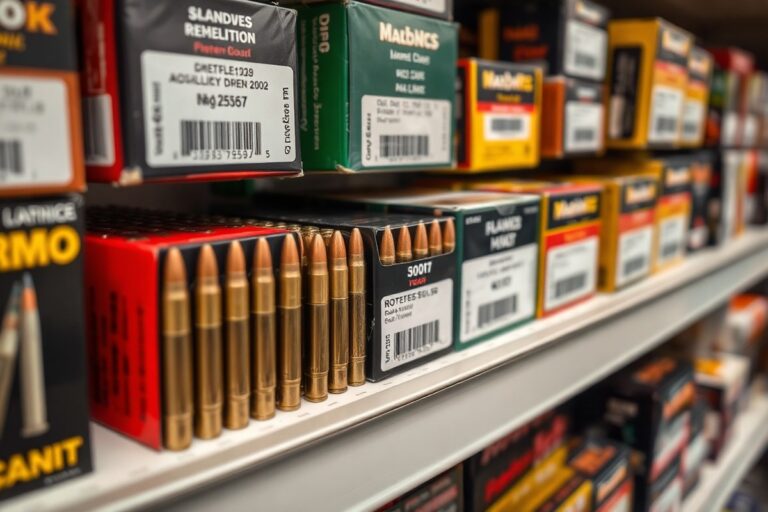
Who Owns AMMO Inc and What It Means for Its Future Business
The question of who owns AMMO Inc. Currently is answered by the recent sale of its ammunition manufacturing assets. Olin Winchester, a subsidiary of Olin Corporation, acquired these assets for $75 million in cash with full approval from AMMO’s board. This transfer means AMMO Inc. No longer owns its ammunition manufacturing operations but retains its ownership of GunBroker.com. Understanding this ownership shift helps clarify AMMO Inc.’s new business focus on growing its e-commerce platform instead of manufacturing ammunition.
Key Takeaways
- Olin Winchester acquired AMMO Inc.’s small caliber ammunition manufacturing assets for $75 million in cash.
- Following the sale, AMMO Inc. Now concentrates on developing GunBroker.com, its online firearms marketplace.
- The acquisition includes a 185,000 square foot manufacturing facility located in Manitowoc, Wisconsin.
- Olin Corporation expects the acquisition to generate $40 million annually in adjusted EBITDA with full integration.
- The ownership change shifts AMMO’s business away from ammunition production toward digital commerce in firearms sales.
- GunBroker.com remains under AMMO Inc.’s control, continuing as a core business asset.
Who Owns AMMO, Inc. Currently?

AMMO, Inc. Continues to trade publicly on NASDAQ under the ticker POWW, with ownership held by its shareholders. The company sold its ammunition manufacturing operations for $75 million to Olin Winchester, LLC, a division of Olin Corporation (NYSE: OLN). Now, Olin Winchester owns the manufacturing assets, including the production plant in Manitowoc, Wisconsin, along with the brass shellcase equipment. Olin Corporation serves as the parent company for this part of the business.
Following the sale, AMMO, Inc. Has shifted its corporate focus exclusively to GunBroker.com, its e-commerce platform specializing in firearms and outdoor gear sales. The company has initiated a rebranding effort as Outdoor Holding Company to better reflect this new direction centered on online retail and outdoor sporting goods. The proceeds from the sale, approximately $60 million in net cash after loan retirements and expenses, provide AMMO with significant financial resources to invest in expanding and scaling GunBroker.com’s market presence.
The corporate structure now clearly separates manufacturing from retail operations. Olin Winchester manages ammunition production as part of Olin Corporation’s Winchester Ammunition business. AMMO, Inc., meanwhile, retains ownership of GunBroker.com and operates independently as a tech-enabled ecommerce firm headquartered in Scottsdale, Arizona. This streamlined structure simplifies management and financial focus, allowing AMMO to prioritize high-margin online sales rather than the more capital-intensive, lower-margin ammo manufacturing industry.
In practical terms, you as an investor or customer interact with AMMO, Inc. Primarily through GunBroker.com, which represents the core business under the rebranded Outdoor Holding Company. The sale of manufacturing assets means AMMO no longer produces ammunition but benefits from a stronger balance sheet and dedicated leadership for the e-commerce segment. Olin Winchester oversees all ammo production, including the recently acquired 185,000 square-foot facility in Manitowoc equipped for advanced ammunition manufacturing.
This ownership transition matters because it clarifies each company’s role and growth potential. AMMO no longer bears the operational risks and capital demands of ammunition manufacturing, which historically produced revenue declines. Instead, AMMO is poised to capture growth in online firearms sales, a segment with higher margins and improved operational efficiency. Meanwhile, Olin retains the manufacturing legacy and expands its Winchester Ammunition footprint through the newly acquired assets. This division helps investors understand where value and risk now reside within the former AMMO, Inc. Business.
What Did Olin Winchester Acquire from AMMO, Inc.?

Olin Winchester acquired AMMO, Inc.’s entire ammunition manufacturing and ballistic testing complex, including a state-of-the-art 185,000-square-foot production facility located in Manitowoc, Wisconsin. The deal covers physical assets like production equipment and brass shellcase manufacturing capabilities essential to ammunition production.
Physical Assets Included in the Acquisition
The transaction transferred ownership of AMMO’s critical manufacturing infrastructure to Olin Winchester. This includes machinery for assembling ammunition components, automated production lines, quality control systems, and the brass shellcase manufacturing operations, a key aspect of cartridge production. These assets enable Olin Winchester to produce a wide range of ammunition at high volumes.
The ballistic testing range is also part of the sale, allowing for in-house performance evaluation and safety testing, which maintains compliance with industry standards and supports ongoing product development. Adding these assets provides Olin with full control over both manufacturing and quality assurance processes.
Details of the Manitowoc Facility
The manufacturing facility covers 185,000 square feet, making it one of the larger ammunition production sites. Completed in 2022, this modern facility incorporates advanced manufacturing technologies designed to increase operational efficiency and production scale. It features dedicated areas for case manufacturing, ammunition assembly, packaging, and ballistic testing.
Located in Manitowoc, Wisconsin, the site’s size and recent construction date contribute to its value and capacity for expansion. The facility supports significant annual output potential, allowing Olin Winchester to meet rising market demand and improve supply chain responsiveness.
Manufacturing Capabilities Acquired
Olin Winchester gains the ability to manufacture a broad spectrum of ammunition calibers, using AMMO’s existing know-how in precision components and shellcase production. The brass shellcase manufacturing capability is especially important since it reduces reliance on suppliers and improves quality control over a critical ammunition component.
By incorporating these capabilities, Olin can optimize production processes through improve automation and streamlined workflows. Ownership of the ballistic testing range further allows for real-time product validation, accelerating time-to-market for new ammunition lines and improving customer trust.
Key Assets and Functional Areas
The asset package includes:
- 185,000-square-foot production and ballistic testing facility
- Automated ammunition assembly lines
- Brass shellcase manufacturing equipment and processes
- Ballistic testing and quality assurance range
- Supporting infrastructure such as storage, packaging, and distribution areas
- Skilled workforce trained in ammunition manufacturing integrated into operations
These components combined provide Olin Winchester with a turnkey solution to scale ammunition production rapidly and maintain high standards.
Maintaining the advanced facility’s equipment and adhering to ballistic testing protocols are essential to ensuring consistent ammunition quality and regulatory compliance post-acquisition.
How Did the Acquisition Process Unfold?
The asset purchase agreement marking the acquisition of Olin Winchester by AMMO, Inc. Was signed on January 20, 2025. AMMO’s board unanimously endorsed the deal after conducting a strategic review that lasted for a year. The transaction awaits regulatory approval and is scheduled to finalize in the second quarter of 2025, provided all standard closing requirements are fulfilled.
Timeline of the Transaction
The transaction timeline started with the signing of the asset purchase agreement on January 20, 2025. After signing, both companies entered the regulatory review phase, which includes obtaining required approvals and satisfying customary conditions. The transaction is anticipated to close in the second quarter of 2025, with the official completion date set for April 18, 2025.
This timeline allows for thorough due diligence, regulator scrutiny, and preparation for integration and rebranding efforts post-closing. The second quarter target reflects typical transaction timing for deals of this nature in the firearms and ammunition industry.
Board Approval and Strategic Review
AMMO’s Board of Directors played a central role in guiding and approving the sale. Board members conducted a complete, year-long strategic review with assistance from independent advisors. This process included evaluating multiple prospective buyers, assessing the offer’s value, and measuring it against the company’s long-term shareholder interests.
The Board’s unanimous approval indicates strong internal consensus that the sale aligns with AMMO’s strategy and positions the company for future success. Board member Christos Tsentas emphasized that the decision came after careful consideration of all options. Steps the board typically follows when approving a transaction like this include
- Engage independent financial and legal advisors to evaluate offers.
- Conduct a strategic review of all potential buyers and offers.
- Analyze financial, operational, and legal implications of the sale.
- Discuss findings and negotiate preliminary deal terms with management.
- Hold board meetings to review the proposed agreement and supporting analysis.
- Vote on the sale to ensure unanimous or majority approval.
- Announce the decision to shareholders, stakeholders, and the public.
Regulatory and Closing Conditions
Regulatory approvals constitute a critical step before closing. The firearm and ammunition industry faces strict oversight from federal agencies such as the Bureau of Alcohol, Tobacco, Firearms and Explosives (ATF). The companies must comply with all applicable regulations, including those that govern asset transfers and antitrust considerations.
Customary closing conditions typically include satisfactory completion of due diligence, no material adverse changes, and receipt of all necessary governmental approvals. Until these conditions are met, the transaction remains contingent. The parties expect these approvals to be in place in time for the scheduled closing date in the second quarter of 2025.
Following closing, AMMO will begin a rebranding process and a corporate name change, while still retaining full ownership of GunBroker.com. Monitoring regulatory developments during the interim is essential to ensure a smooth transition without delays.
What Are the Financial Details Behind Olin’s Acquisition?
Olin purchased the assets of AMMO, Inc. For $75 million in cash, using funds from its available liquidity. This acquisition includes AMMO’s ammunition production facilities, workforce, and essential operational resources. The deal received full endorsement from AMMO’s Board of Directors, with Baird serving as the exclusive financial advisor. Olin plans for this purchase to immediately raise adjusted EBITDA and deliver notable cost reductions over time.
Olin projects an increase in adjusted EBITDA ranging from $15 million to $20 million during the first year after acquiring AMMO’s Manitowoc operations. This financial gain represents earnings from these assets before they are fully merged with Olin Winchester’s current business. The acquisition aims to strengthen Olin’s financial standing and streamline its operations going forward.
By the third year, Olin forecasts that the purchase price paid will amount to less than two times adjusted EBITDA, indicating a strong earnings multiple and value creation. Most notably, Olin projects realized synergies of approximately $40 million once AMMO is fully integrated with Winchester’s supply chain, manufacturing, and commercial ammunition expertise. These synergies arise from economies of scale across raw materials sourcing, projectiles, primers, and loading capabilities, enabling cost efficiencies and improved margin profiles. The table below summarizes the key financial details of Olin’s acquisition of AMMO, Inc.’s Manitowoc assets:
| Financial Metric | Value | Timeline |
|---|---|---|
| Purchase Price | $75 million (cash) | At closing |
| Incremental Adjusted EBITDA | $15 million to $20 million | First year |
| EBITDA Multiple Paid | Less than 2x adjusted EBITDA | By year three |
| Expected Synergies | $40 million | Upon full integration |
Achieving these financial benefits depends on successfully integrating AMMO’s operations with Olin Winchester’s existing infrastructure. The expected synergy realization highlights opportunities for reduced procurement costs and operational efficiencies in ammunition production. This integration will reinforce Olin’s foothold in the ammunition manufacturing market, strengthening its competitive position while supporting further expansion and disciplined capital allocation.
How Will This Sale Affect AMMO’s Business Focus?
AMMO, Inc. Intends to exit ammunition manufacturing to concentrate fully on developing GunBroker.com. The firm plans to sell its ammo production division and dedicate resources to expanding the leading U.S. Online firearms marketplace. The shift aims to use the increased profitability and scalability of digital sales, steering clear of the substantial expenses and challenges involved in making ammunition.
Before the sale, AMMO’s business included manufacturing various innovative ammunition types, focusing on bullet design and packaging improvements. Now, the company will exit manufacturing and dedicate all its resources to GunBroker.com. This shift simplifies the company’s operations, allowing for greater efficiency by focusing on digital platform enhancement rather than product manufacturing.
| Aspect | Pre-Sale AMMO Business | Post-Sale AMMO Business |
|---|---|---|
| Primary Business | Ammunition Manufacturing and E-commerce (GunBroker.com) | Exclusively GunBroker.com E-commerce Platform |
| Revenue Focus | Mixed; Ammunition sales plus online marketplace revenues | High-margin online firearm marketplace sales |
| Operational Complexity | Manufacturing facilities, inventory, supply chain management | Digital platform development, user experience improvement |
| Strategic Priorities | Product innovation in ammunition, manufacturing growth | Platform scaling, improving user experience, shareholder value |
| Branding | AMMO brand associated with ammunition products and GunBroker.com | AMMO brand focused on GunBroker.com marketplace; no current plans to change |
Post-sale, the company is investing in scaling GunBroker.com by improving web functionality, increasing marketplace traffic, and offering more value to buyers and sellers. The plan includes allocating resources to improve the user experience, unlock additional revenue streams such as advertising and subscription fees, and increase profitability through operational efficiencies. GunBroker.com will serve as AMMO’s core revenue driver and strategic focal point moving forward.
The branding under the AMMO name will remain consistent, preserving its ties to GunBroker.com, while the ammunition identity gradually phases out. This continuity supports customer recognition and investor confidence during the transition.
To ensure successful digital growth, track user engagement metrics regularly and prioritize platform updates that directly improve customer buying and selling experiences.
What Role Will GunBroker.com Play Going Forward?
AMMO, Inc. Will retain full ownership of GunBroker.com, solidifying its role as a primary e-commerce platform within its streamlined business model. As the largest online marketplace dedicated to firearms, hunting, and related products, GunBroker.com remains central to AMMO’s growth strategy. The company plans significant investments aimed at scaling the platform and improving the user experience to accommodate a broader range of outdoor gear and services.
Prioritizing GunBroker.com aligns with AMMO, Inc.’s intent to focus on profitable operations and expand beyond traditional ammunition markets. This platform acts as a direct channel to customers and enthusiasts, supporting AMMO’s transition toward becoming a more diverse outdoor lifestyle brand. Investments will focus on innovations that improve functionality, attract more users, and increase sales efficiency. The planned development areas for GunBroker.com include:
- Upgrading the website interface for easier navigation and faster search capabilities
- Improving mobile compatibility to serve the growing number of users shopping on smartphones
- Expanding the product categories to include more outdoor gear and experiential offerings
- Integrating advanced payment solutions and secure checkout processes
- Implementing data analytics to personalize the shopping experience
- Increasing seller tools and support to boost inventory and competitive listings
- Strengthening compliance systems for regulatory adherence and safety
Funding for these developments comes from AMMO’s strategic decision to streamline operations and redirect resources previously allocated to longer-term energetics projects. By reallocating capital to GunBroker.com, AMMO aims to shorten the timeline for achieving scale, targeting improve user engagement and improved revenue growth within the next several years.
The expected results include a more smooth e-commerce experience that attracts both new and repeat customers while supporting sellers with better tools. AMMO anticipates increased transaction volumes, expanded market share in firearms and outdoor equipment sales, and a stronger competitive position overall. Risks involve managing regulatory challenges carefully and ensuring technology upgrades do not disrupt service or security.
What Capabilities and Synergies Does Olin Winchester Gain?
Olin Winchester gains significant production and operational capabilities by integrating AMMO Inc.’s Manitowoc facility and workforce. The addition of this modern facility expands manufacturing capacity, particularly in specialty calibers, while unlocking efficiencies through economies of scale within Olin’s existing commercial ammunition operations. Synergy estimates reflect improve profitability and improved production flexibility across Olin’s ammunition portfolio.
Manitowoc Facility Overview
The acquisition includes an 185,000-square-foot manufacturing plant in Manitowoc, Wisconsin, built in 2022. This state-of-the-art facility houses advanced brass shellcase production and a ballistic range, which directly complement Winchester’s current manufacturing footprint. The site supports broader caliber offerings and higher volume production, strengthening Olin Winchester’s position in the commercial ammunition market.
The facility’s skilled workforce, experienced in specialty caliber production, adds important human capital to Winchester’s operations. This complements Winchester’s existing teams by enabling specialization and cross-training in high-margin, niche ammunition types that require precision and consistency. The Manitowoc plant’s modern equipment supports streamlined workflows and reduced downtime, increasing output quality and reliability.
Synergy and EBITDA Projections
Synergies are expected primarily through shared raw material sourcing, consolidated logistics, and integrated production planning. Using Winchester’s scale, Olin anticipates cost savings in procurement of projectiles, primers, and casings. The addition of Manitowoc operations also drives improve utilization rates of production assets, leading to improved margins.
Although exact EBITDA improvements are proprietary, typical industry benchmarks for such integrations indicate potential mid-to-high single-digit percentage increases within 12 to 18 months post-acquisition. These gains come from reduced per-unit costs, improved supply chain coordination, and increased operational flexibility in responding to specialty caliber demand shifts. Properly executed, the synergy benefits allow Olin to offer a wider range of products with consistent quality and quicker turnaround times, strengthening its competitive edge.
Integration with Existing Operations
Integration begins with aligning production protocols and quality standards between the Manitowoc facility and Winchester’s current plants. Cross-functional teams from both sides will conduct joint process audits within the first 90 days to identify overlap and optimization opportunities. This includes coordinating raw material deliveries and standardizing testing and quality control procedures.
Another key step is blending workforce expertise through targeted training programs. This facilitates knowledge transfer, especially in specialty caliber manufacturing, and supports a unified company culture aligned with Olin’s operational goals. IT systems and manufacturing execution software will be synchronized within six months to enable real-time data sharing and production scheduling across facilities.
Post-integration, production capacity will increase significantly due to the additional plant’s high automation and skilled labor. This expansion improves Olin Winchester’s ability to meet rising commercial ammunition demand without compromising quality or lead times. Delays or gaps in integration typically occur when communication between teams breaks down or when cultural differences impede collaboration, but proactive management plans aim to mitigate these risks.
What Impact Will This Ownership Change Have on Customers and Investors?
AMMO Inc.’s stock showed noticeable volatility following the announcement of the acquisition by Olin Winchester. Shares initially dipped as investors assessed potential risks tied to the transition but stabilized quickly once details about synergies and future strategies became clearer. This pattern reflects common market reactions when significant ownership changes occur in specialized sectors like ammunition manufacturing, where regulatory concerns and supply chain continuity weigh heavily on investor confidence.
Customers may see varying impacts in product availability during the integration phase. AMMO Inc. Has a strong track record of valuing customer feedback and maintaining detailed product comparisons to help purchasers select reliable ammunition that meets compliance standards. However, strategic changes can introduce short-term disruptions in customer service or inventory management. It is prudent to expect occasional delays or shifts in product lines as the new ownership aligns operational goals. Long-term product availability should benefit from the expanded capabilities Olin brings, particularly if manufacturing efficiencies and distribution networks improve.
The investor community appears cautiously optimistic yet attentive to potential upsides and risks. Investors expect that Olin’s acquisition could improve AMMO’s market reach and operational scale, creating opportunities to drive revenue and reduce costs. This expectation stems from Olin’s past performance in managing ammunition brands and their ability to use synergies in manufacturing and sales channels. Still, investors remain mindful of risks such as integration hiccups, shifts in firearms market demand, and regulatory changes. Monitoring quarterly reports and management commentary will be essential for assessing whether the anticipated value materializes.
The change in ownership demands careful attention to communication channels. Investors can contact the investor relations team at CoreIR via IR@ammo-inc.com or by phone at (212) 655-0924 for updates and clarifications, while media inquiries should be directed to Rebecca Kral at Longacre Square Partners. Maintaining transparent dialogue will help mitigate uncertainty and preserve confidence during the transitional period.
Watch for announcements about supply chain status and customer service changes during the next 60 to 90 days, as these often reveal how well the integration is progressing and may signal adjustments in product availability.
Your Next Steps After AMMO, Inc.’s Acquisition by Olin Winchester
Understanding the ownership change and its impact allows you to act confidently, whether you’re an investor, customer, or industry analyst. Use this plan to stay informed and make smart decisions.
- Immediately: Review official statements from AMMO, Inc. And Olin Winchester to confirm the ownership structure and any changes to business operations.
- Within one week: Monitor announcements about product availability and shipping policies to spot any shifts in customer service or inventory management.
- Within two weeks: Evaluate how GunBroker.com’s ongoing role might affect your buying or selling experience if you use their platform.
- Within one month: Analyze financial reports from Olin Winchester to understand the broader impact on market dynamics and potential investment opportunities.
- Every quarter: Track any new product introductions or strategic shifts that use Olin’s expanded ammunition capabilities and synergies.
- Ongoing: Stay connected with industry news channels for early warnings on regulatory or supply chain changes resulting from this acquisition.
Frequently Asked Questions
Who Owns AMMO, Inc. After the Sale?
Olin Winchester owns AMMO, Inc.’s ammunition manufacturing assets following the $75 million acquisition. AMMO, Inc. Now focuses on GunBroker.com, its e-commerce platform.
Who Led the Negotiations for the Sale?
AMMO, Inc.’s board approved the sale after thorough negotiations with Olin Winchester. This ensured alignment with shareholder interests and strategic goals.
What Will Happen to AMMO, Inc.’s Manufacturing Facilities?
Olin Winchester will operate AMMO’s ammunition manufacturing facilities after the acquisition. This transfer aims to improve production and improve operational efficiencies.
Is AMMO, Inc. Still Involved in Ammo Production?
No, AMMO, Inc. Sold its ammunition manufacturing business and now concentrates on expanding GunBroker.com.
How Does Olin Plan to Integrate AMMO’s Assets?
Olin will integrate the acquired assets into its Winchester brand to expand its small caliber ammunition market share.
What Are the Expected Benefits for AMMO, Inc. Post-Sale?
AMMO, Inc. Expects to increase financial focus and efficiency by concentrating on e-commerce and technology platforms.
The Bottom Line
Olin Winchester now controls key ammunition assets from AMMO, Inc., positioning itself to expand its market reach and product offerings. Customers and investors should watch for evolving product lines and strategic moves that could affect prices and availability. Begin by reviewing the latest updates from both companies to understand what this means for your interests moving forward.