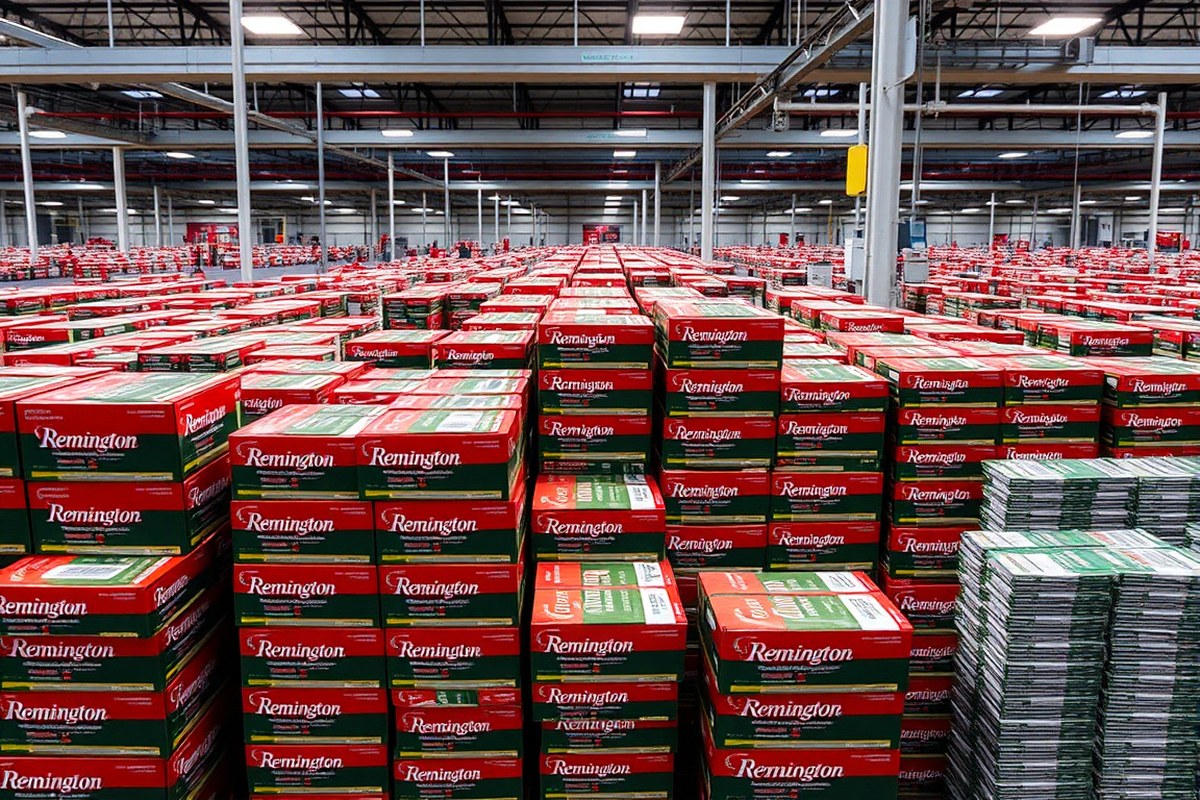
Who Owns Remington Ammo? Comprehensive Ownership and Production Guide
Many shooters wonder who currently owns Remington ammo after changes in ownership. Vista Outdoor took charge of Remington ammunition following the 2020 bankruptcy. They now plan to sell Remington and other ammo brands to Czechoslovak Group A.S. For $1.91 billion, with the deal expected to close in 2024. Monitoring this sale is important since it could impact production and availability.
Key Takeaways
- Vista Outdoor acquired Remington’s ammunition assets after the 2020 bankruptcy, securing Remington ammo production rights.
- Vista Outdoor currently owns Remington ammo but plans to sell it to Czechoslovak Group A.S. By 2024.
- The $1.91 billion sale to Czechoslovak Group includes other major ammo brands like Federal, CCI, Speer, and Hevi-Shot.
- Czechoslovak Group employs over 10,000 people and operates both defense and civilian industry companies worldwide.
- Remington ammo production remains primarily in Lonoke, Arkansas, a major historic manufacturing center.
- Tracking this ownership change helps gauge future Remington ammo availability and potential quality shifts.
Who Owns Remington Ammunition Today?

Remington ammunition is currently owned by Vista Outdoor, which acquired the ammunition business after Remington filed for bankruptcy in 2020. Vista Outdoor took control of Remington’s ammunition manufacturing rights in October 2020, securing a strong position in the U.S. Ammo market by adding Remington to its existing portfolio that includes Federal, CCI, Speer, and Hevi-Shot. This acquisition helped stabilize production and maintain the availability of Remington ammo during a turbulent period for the brand.
Since that acquisition, Vista Outdoor announced plans to sell its entire ammunition segment, including Remington ammunition, to the Czechoslovak Group (CSG), a transaction valued at $1.91 billion. This sale is expected to close in 2024 and represents a significant shift in ownership. The Czechoslovak Group has committed to continuing production of Remington ammunition at U.S.-based facilities, combining advanced manufacturing technologies with the brand’s traditional craftsmanship. This transition aims to ensure consistent quality and operational continuity despite the changes in ownership.
The timeline of ownership goes as follows: Remington declared Chapter 11 bankruptcy in July 2020, after which Vista Outdoor quickly acquired the ammunition business by October 2020. Vista Outdoor held ownership while continuing Remington ammo production and distribution. Subsequently, the planned sale to the Czechoslovak Group was announced, with the transaction scheduled to close during 2024.
Until the sale to CSG is finalized, Vista Outdoor continues to manage Remington ammunition production. During this transition, buying from authorized retailers ensures you get genuine, high-quality ammunition made to Vista Outdoor’s standards. Stores like Cabela’s, Bass Pro Shops, and Academy Sports + Outdoors stock authentic Remington ammo, including popular lines such as AccuTip-V and Nitro Steel.
This shift in ownership matters because it affects production consistency, product availability, and potentially the future direction of the Remington ammunition line. Vista Outdoor’s acquisition right after Remington’s bankruptcy helped keep manufacturing stable. With the upcoming ownership transfer to the Czechoslovak Group, there is an emphasis on maintaining U.S.-based production and integrating modern technology, which can influence quality and innovation in the long term.
For you as a firearm owner or ammo buyer, understanding the ownership helps in choosing reliable sources and anticipating possible changes in supply or product line-ups. Keeping an eye on official announcements tied to Vista Outdoor and the Czechoslovak Group will provide clarity on availability and authenticity as the industry continues to evolve.
How Vista Outdoor Acquired Remington Ammo After Bankruptcy

Vista Outdoor acquired Remington ammunition assets in July 2020 after Remington’s bankruptcy, incorporating them into its portfolio while keeping production in the United States. This deal included Remington’s ammunition division but excluded the firearms segment. The acquisition helped maintain domestic ammo manufacturing and bolstered Vista Outdoor’s presence in the ammunition market.
Timeline of Vista Outdoor’s Remington Ammo Acquisition
In July 2020, following Remington’s Chapter 11 bankruptcy filing, Vista Outdoor purchased the ammunition assets. The process involved acquiring equipment, intellectual property, and existing inventory tied to Remington’s ammo lines. Soon after, Vista restarted production at facilities that Remington had closed during bankruptcy, including the Long Island plant, to resume steady output rapidly. This quick turnaround minimized supply disruptions and helped reassure retailers and consumers about product availability.
Vista Outdoor operated Remington ammo assets until selling its ammunition division to the Czechoslovak Group in a later transaction, valued at approximately $1.91 billion. Nonetheless, throughout its ownership, Vista emphasized keeping manufacturing within the United States to support domestic market demand and preserve Remington’s historic manufacturing heritage.
Scope of Acquisition: What Assets Were Included
The acquisition focused exclusively on Remington’s ammunition division, covering production rights, brands, and physical manufacturing assets. It did not extend to Remington’s firearms division, which followed a separate ownership and management path. This distinction meant Vista Outdoor took control of creating and distributing a broad portfolio of Remington ammo calibers and lines while leaving firearms manufacturing to other entities.
By integrating Remington ammo with its existing brands like Federal and CCI, Vista Outdoor expanded its ammunition portfolio substantially. This consolidation aimed to use established U.S. Production sites with advanced manufacturing capabilities, including the Lonoke plant, ensuring continuous supply for both commercial and hunting markets. Vista’s control included responsibility for quality assurance and product consistency within Remington’s ammo offerings.
Impact on Production and Quality Control
Vista Outdoor’s takeover marked a strategic shift toward reinforcing U.S.-based manufacturing of Remington ammunition. Production resumed quickly after the acquisition, mostly at formerly closed plants, preserving domestic industry jobs and supporting supply chain stability. However, some experienced shooters reported variability in ammunition quality compared to legacy Remington batches from before bankruptcy.
Vista worked to improve product consistency and reliability, addressing early concerns by investing in quality control processes. Recent batches have seen better user feedback, though some variability remains. Vista also introduced environmentally friendly ammunition options under the Remington name, employing lead alternatives to reduce environmental impact, reflecting ongoing innovation during its ownership.
What Vista Outdoor Did Not Acquire
Vista Outdoor’s deal explicitly excluded Remington’s firearms division. That part of Remington was sold or transferred to other companies outside of Vista’s ammunition-focused transaction. This separation means the iconic name’s guns and their ammunition production are currently under separate ownerships and management structures, which complicates brand alignment but allows Vista to specialize on ammo manufacturing.
The exclusion of firearms ensured that Vista’s acquisition centered on ammunition operations, including production facilities, inventories, and brand rights for ammo products only. Customers interested in Remington firearms should seek updates from other owners or distributors since Vista’s acquisition did not affect those product lines.
When buying Remington ammo, verify package date codes since quality can vary across batches produced before and after Vista Outdoor’s acquisition.
Czechoslovak Group’s Role in Remington Ammo Ownership
The Czechoslovak Group A.S. (CSG) is a major European industrial company with a workforce exceeding 10,000 employees worldwide. It owns a broad portfolio of businesses spanning defense and civilian sectors, focusing heavily on manufacturing and trade. In 2024, CSG is set to complete a $1.91 billion acquisition of Vista Outdoor’s Sporting Products business, which includes the Remington ammunition brand.
This acquisition deal was announced in October and is expected to close within the year. The transaction transfers ownership of Remington ammo from a primarily U.S.-based company to CSG, a foreign entity. This change brings both opportunities and concerns for Remington ammo’s future. CSG’s extensive industrial background and technical expertise suggest a commitment to maintaining high manufacturing standards and production stability. The company aims to continue producing Remington ammunition on U.S. Soil to ensure domestic supply continuity.
CSG’s role as the new owner influences Remington ammo in several ways. Their management style and global resources could modernize manufacturing processes and improve product quality to meet stringent specifications used by both civilian and professional shooters. However, foreign ownership introduces risks such as potential supply chain disruptions and price fluctuations stemming from political tensions, especially given CSG’s alleged connections to Russia and China. These geopolitical factors have prompted increased scrutiny from U.S. Lawmakers regarding national security and regulatory compliance.
Remington ammunition continues to be produced in established U.S. Facilities, a factor that helps maintain supply even under foreign ownership. Legislative actions and regulatory reviews could affect how the company operates moving forward. The separation of Remington’s firearms division, sold to Roundhill Group, means ammunition production and firearms manufacturing now have different owners, which can impact brand strategy and product availability.
| Factor | Impact on Access | Notes |
|---|---|---|
| Foreign Ownership | Possible supply constraints | Political and economic risks linked to CSG’s affiliations |
| U.S. Production | Maintains domestic supply | Guarantees continuity for consumers despite ownership change |
| Legislative Actions | Potential regulatory hurdles | May affect future ownership and operational decisions |
| Market Consolidation | Reduced competition | Could influence pricing and product variety |
To understand the timeline, Vista Outdoor announced the sale to CSG in October 2023, with the deal expected to finalize by the end of 2024. After the sale closes, CSG will oversee all Remington ammo production, guiding product development and distribution strategies. You should monitor changes in availability and pricing as these transitions often create short-term market fluctuations. Also, legislative developments may impose new restrictions or require compliance adjustments from CSG moving forward.
CSG’s acquisition signifies a substantial shift in Remington ammo’s ownership and future market dynamics. Their technical prowess and industrial resources promise continued production excellence, but foreign ownership introduces complexities that may affect supply reliability and regulatory scrutiny. Staying informed about these factors helps you anticipate changes in access and market conditions for Remington ammunition products.
Ownership Transitions Timeline from Remington to Vista and Beyond
Ownership of Remington ammunition has experienced significant changes since 2020, shaped by bankruptcy, corporate acquisitions, and ongoing sales plans. These shifts affect production, branding, and the future availability of Remington ammo for shooters and hunters. Understanding the timeline provides clarity on who controlled Remington ammo at different times and what to expect regarding manufacturing and distribution.
In 2020, Remington Outdoor Company filed for Chapter 11 bankruptcy protection. This move was driven by financial challenges and marked a major turning point. Following the bankruptcy, Vista Outdoor stepped in to acquire Remington’s ammunition segment. The acquisition allowed Vista to incorporate Remington ammo into its portfolio, a key player already managing several notable outdoor brands.
Vista Outdoor held Remington ammunition ownership from the acquisition closing in mid-2021 until plans emerged to sell this ammo business to the Czech-based Czechoslovak Group (CSG). Throughout this period, Vista committed to keeping Remington’s ammunition manufacturing firmly in the United States. This was an important reassurance in the firearms community because it meant operational continuity and preserved jobs domestically despite the foreign interest expressed by CSG.
Vista Outdoor’s acquisition gave them control over brand management, production, and distribution of Remington ammunition, enabling improvements and retaining product lines familiar to hunters and shooters. Announcements about the CSG sale surfaced in early 2023, with Vista maintaining that manufacturing would remain U.S.-based during the transition to protect supply chain stability. Below is a table summarizing the key ownership events related to Remington ammunition since 2020:
| Date | Event | Details |
|---|---|---|
| 2020 | Remington Outdoor Company Bankruptcy | Filed Chapter 11, initiating ownership transition processes |
| Mid-2021 | Vista Outdoor Acquisition | Purchased Remington ammo assets post-bankruptcy, continued U.S. Manufacturing |
| Early 2023 | Planned Sale to Czechoslovak Group (CSG) | Announcement of pending sale; Vista ensures manufacturing remains U.S.-based while sale completes |
Understanding these dates helps you track who was responsible for Remington ammo during recent years. Vista Outdoor’s stewardship lasted roughly two years, covering 2021 through 2023, during which manufacturing stayed on American soil. The planned sale to CSG marks a potential future shift in ownership but with continued U.S. Operations promised during the transition.
Tracking ownership transitions matters because changes can influence product availability, quality control, and pricing. For example, foreign ownership concerns commonly arise in regulated industries like firearms ammo production, making Vista’s assurances about domestic manufacturing critical. As the transaction completes, consumers and retailers should monitor announcements confirming manufacturing sites and product lines remain stable to avoid disruptions.
Where Is Remington Ammunition Manufactured Today?
Remington ammunition is currently manufactured primarily in Lonoke, Arkansas, where the company operates a large factory dedicated to producing a wide range of ammo types. This facility remains the heart of Remington’s production operations and is part of a broader network supporting the brand under its current ownership. The Lonoke plant is a substantial complex capable of producing hundreds of thousands of rounds daily, a scale necessary to meet both commercial demand and existing contracts.
The factory at Lonoke employs a significant portion of the company’s roughly 4,000 employees distributed across four key manufacturing sites linked to brands like CCI, Federal, HEVI-Shot, and Speer, alongside Remington. These employees work in multiple shifts to maintain steady production output, ensuring the facility operates near full capacity most days. This labor structure supports quality control processes and continuous workflow to meet market needs.
| Manufacturing Location | Approximate Factory Size | Number of Employees | Production Capacity |
|---|---|---|---|
| Lonoke, Arkansas | Large (Hundreds of thousands sq. Ft.) | Thousands (Part of 4,000 total across brands) | Hundreds of thousands of rounds/day |
| Other Vista Outdoor U.S. Facilities | Varies (Medium to large) | Included in 4,000 total workforce | Supports diversified ammo production |
The consolidation of Remington ammunition manufacturing into Vista Outdoor’s existing U.S. Facilities, including the Lonoke plant, is a strategic move to preserve domestic production while improving supply chain efficiency and quality controls. Maintaining manufacturing within the United States not only supports local economies but also allows for tighter oversight over production variables that directly affect product performance and consistency.
Factory size impacts production flexibility and capacity. For example, a large facility like Lonoke can run multiple production lines simultaneously, each capable of specialized tasks such as loading different calibers or bullet types. Running multiple shifts, often two to three per day, means the plant can sustain continuous operation, providing steady supply to distributors and retailers nationwide. Having a strong workforce trained on precise manufacturing protocols helps counter quality concerns that some users have reported in recent years due to previous ownership transitions.
Remington’s emphasis on keeping production domestic also means investments in modern machinery and employee training are more feasible. These investments help maintain production standards in a competitive market where precision and uniformity are critical. However, occasional reports of inconsistent performance suggest the challenge of balancing high volume with quality control still exists.
Regularly inspect Remington ammo batches before use and buy from trusted dealers to minimize exposure to inconsistent production runs.
Which Remington Ammo Lines and Calibers Are Still in Production?
Remington currently offers a broad range of ammunition calibers designed to serve both hunting and self-defense purposes. Popular centerfire rifle calibers include .223 Remington, .308 Winchester, .30-06 Springfield, and the high-powered .300 Winchester Magnum. These are complemented by rimfire options such as .22 Long Rifle, .22 WMR, and .17 HMR, which cater to varmint hunting and target shooting. This selection balances versatility, reliability, and ballistic consistency, appealing to a wide range of users from recreational shooters to serious hunters.
For shotgun users, Remington continues to produce 12 and 20 gauge loads, providing options suitable for upland bird hunting and waterfowl. The inclusion of these gauges underlines their commitment to supplying specialized hunting ammunition that meets the demands of various game species and hunting environments. To address home defense and personal security, the company offers self-defense rounds in popular handgun calibers from 9mm to .45 ACP, engineered for reliable expansion and terminal performance.
Remington has revived several key ammunition lines that were once popular before the company faced financial difficulties. These revitalized lines combine traditional cartridge designs with improvements in manufacturing processes to improve accuracy and powder consistency. This approach supports sustained product quality and gives users access to trusted ammunition types with modern reliability.
- .22 Long Rifle and .17 HMR rimfire rounds for varmint hunting and target practice
- .223 Remington, .308 Winchester, and .30-06 Springfield for general hunting and tactical use
- .300 Winchester Magnum tailored to big-game hunting needs
- 12 and 20 gauge shotgun shells designed for bird hunting varieties
- Popular handgun calibers including 9mm and .45 ACP for self-defense
- Legacy ammo lines updated with modern production methods for improve reliability
The company’s adoption of turret-style loading machines in their new “Eli” manufacturing section allows for high-volume cartridge production shifts, with thousands of rounds per 12-hour period. This efficiency contributes to increased availability and more consistent product supply, an important factor given market demand and regulatory hurdles. The hybrid design approach combining proven cartridge designs with advanced manufacturing ensures Remington’s ammo lines deliver dependable performance across different shooting applications.
Choosing the right Remington ammo depends on your intended use. For reliable hunting rounds, opt for their specialized big-game calibers or rimfire varmint loads. Self-defense shooters should select the manufacturer’s pistol rounds designed for expansion and stopping power. Retail prices vary depending on caliber and load type, but Remington often competes well in both cost and availability due to scaling production capabilities. Proper storage and usage according to factory specifications will maximize the life and effectiveness of these ammunition lines.
How Does Remington Ammo Quality Compare to Other Brands?
Remington ammunition offers a wide range of calibers and specialized loadings designed for hunting, target shooting, and tactical use. Its broad portfolio focuses on tailor-made performance to different shooting needs, often highlighted by precision engineering. Shooters seeking diversified options find value in Remington’s targeted designs, which aim to perform well across big game and upland hunting scenarios. However, recent user feedback points to some inconsistency in reliability and accuracy with newer Remington ammo runs, with reports of misfires and variable grouping sizes compared to older stock. This contrasts with Federal and CCI, which are praised for more consistent manufacturing quality and dependable ballistic results.
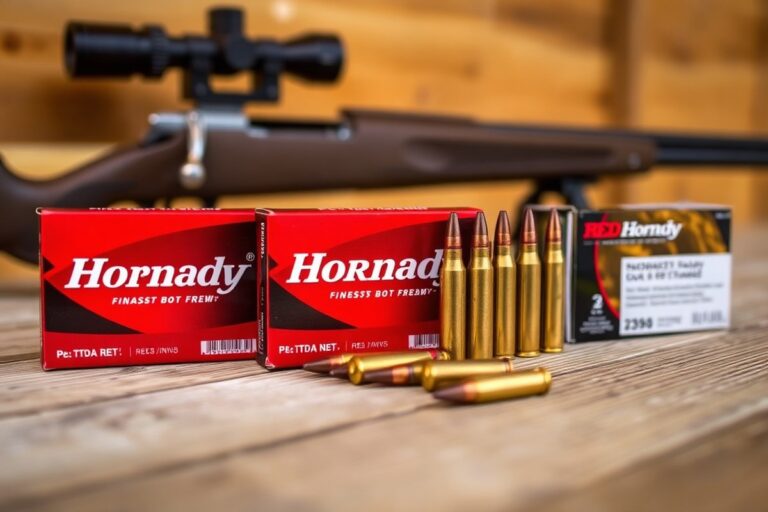
Federal and CCI ammunition maintain a reputation for rigorous quality control that translates into steadier accuracy and reliability, especially important for critical hunting or defensive situations. Shooters often notice less variance in Federal and CCI groupings at 100 yards and fewer functional issues in semi-automatic firearms. Hornady stands out by prioritizing premium performance with high-tech cartridge design, favored by competitive shooters and hunters who demand top precision. Its ammo commonly achieves smaller shot groups and higher velocity consistency than Remington, justifying a higher price point for users focused on match-grade or specialized hunting loads.
Comparing these brands involves matching ammo to your shooting scenario. For casual plinking or general hunting, Remington ammo offers competitive pricing and acceptable precision, though you should test each lot in your firearm to spot any fluctuations. For demanding hunting or target competition where tight groups and flawless cycling matter, Federal or CCI provide a safer bet in consistency. Hornady is your pick if you want premium expansion and terminal performance coupled with exact shot placement in specialized calibers.
Typical price ranges reflect these differences. Remington ammo commonly costs around $0.30 to $0.50 per round for popular calibers like .308 Winchester or .223 Remington. Federal and CCI bullets may add $0.05 to $0.10 more per shell in similar calibers, while Hornady’s top lines can reach $1.00 or more due to advanced bullet technology. For accuracy testing, expect Federal and CCI to deliver group sizes around 1 to 1.5 inches at 100 yards in standard rifle calibers, while Remington’s newer batches might show groups closer to 2 inches or more. Hornady often posts sub-inch groups under the same conditions.
Try shooting five-round groups at your preferred hunting distances and note grouping size and any malfunctions. If you experience inconsistent pressure signs, such as flattened primers or misfires with Remington ammo, switching to Federal or CCI is advisable. Also, in semi-automatic firearms, verify compatibility explicitly, as Remington loads sometimes vary enough to cause cycling issues. Always follow your firearm manufacturer’s guidance to prevent damage or unsafe operation.
The ongoing consolidation of Remington, Federal, and CCI under Czechoslovak Group ownership could lead to more standardized quality across these brands. Still, historical differences in manufacturing practices persist. Watching lot numbers and sourcing ammo from trusted retailers like Brownells or MidwayUSA helps ensure you get genuine, reliably performing Remington ammo. For hunters and shooters who prioritize consistency and dependability under pressure, Federal and CCI remain strong choices, while Hornady offers a precision-oriented option. Testing live ammo in your firearm before critical use remains the best approach to assess performance and accuracy.
How Foreign Ownership Might Affect Remington Ammo Access
Foreign ownership of Remington Ammunition by the Czechoslovak Group (CSG) introduces both opportunities and challenges for supply, regulation, and U.S. Consumer access. CSG’s control strengthens U.S. Ammunition supply chains by expanding production and diversifying the portfolio within the country. This expansion helps maintain a strong manufacturing line, reducing the risk of shortages even amid shifting market demands. As a buyer or retailer, stay alert to announcements about production changes tied to this ownership because such updates often signal shifts in availability or pricing.
Regulatory concerns arise because foreign ownership can trigger closer scrutiny of supply chains and ownership structures by U.S. Agencies. This is particularly important given the strategic nature of ammunition manufacturing for national security and commerce. U.S. Legislative efforts currently focus on protecting domestic ammunition supplies, so laws or restrictions could limit exports or require increased reporting. Regularly monitoring these developments through industry news or government releases ensures you can anticipate potential impacts on access or costs.
The market implications are that foreign ownership may complicate direct consumer access in some cases, depending on geopolitical conditions or trade policies. However, CSG’s strategy includes maintaining and growing Remington’s American manufacturing footprint, which helps mitigate these risks. Consumers might notice changes in product availability or brand direction, but supply continuity has been a priority. The key to managing your own risk is keeping diversified sources for ammunition rather than relying solely on Remington, especially for specific calibers or specialty loads.
A practical decision rule for you is to track both production capacity announcements from Remington and regulatory updates on foreign asset management. When significant policy changes or trade tensions arise, consider adjusting purchase quantities to buffer against potential delays or shortages. Costs for this approach mainly involve storage and capital outlay for extra stock but can prevent critical supply gaps for hunting or shooting events. Good results look like steady access to preferred Remington ammo and avoiding sudden price spikes. Problems generally occur when sudden regulatory restrictions or supply chain bottlenecks emerge without enough lead time to adapt.
Regularly check official announcements about foreign ownership regulations and plan stock levels accordingly to prevent running out during periods of increased export controls or supply shifts.
Where to Buy Authentic Remington Ammunition Now
To buy genuine Remington ammunition, focus on authorized Vista Outdoor retailers and distributors. These sources guarantee authentic products and reduce the risk of counterfeit ammo. You should also learn how to detect fake Remington ammo and use caution when purchasing online to ensure safety and quality.
Authorized Retailers and Distributors
Look for sellers officially authorized by Vista Outdoor, the current owner of Remington ammo. Authorized retailers include major sporting goods stores, licensed firearms dealers, and well-known online platforms that list their distributor credentials. Buying from these sellers confirms the ammo’s authenticity and compliance with safety standards.
The latest Remington centerfire ammo, including Premier Match rounds in calibers like .224 Valkyrie, 6.5 PRC, and 6.5 Grendel, is usually available through authorized dealers. These genuine products are typically distributed only through official channels, lowering the chance of receiving counterfeit ammo.
Signs of Counterfeit Remington Ammo
Counterfeit ammunition can be dangerous and compromise firearm performance. Watch for these indicators when inspecting Remington ammo packaging and rounds:
- Packaging with poor print quality, blurry logos, or misspelled words
- Box weights that differ significantly from standard Remington packaging
- Primer markings inconsistent with official Remington ammo
- Unusual or inconsistent cartridge headstamps
- Ammo boxes missing lot numbers or manufacturing dates
- Price far below market rates without a reasonable explanation
- Packaging that lacks proper safety seals or tamper-evident features
Always compare your purchase with an authentic box from a trusted retailer and consult official product images if available.
Tips for Safe Online Purchases
Online ammo shopping requires extra vigilance because counterfeit products are more common. Select websites that verify their status as Vista Outdoor authorized dealers. Look for clear return policies, customer reviews, and contact information to ensure accountability.
When buying online, pay attention to shipping details and packaging on delivery. Inspect the ammo closely upon arrival for any signs of damage or inconsistency. Avoid deals that pressure immediate purchase or require unconventional payment methods, as these may signal scams.
Remington Ammo Manufacturing Technology and Processes
Remington ammo uses a blend of advanced automated systems and traditional manufacturing methods inherited from Fiocchi Munizioni through Czechoslovak Group’s acquisition. The production involves precise case and bullet forming followed by automated loading and rigorous quality checks to ensure consistency and reliability in every round.
Case and Bullet Formation
The manufacturing of Remington centerfire ammo begins with the creation of cartridge cases and bullets, two separate processes that demand precision. Cases typically start from brass or steel strips, which are cleaned, annealed, and then drawn through a series of dies to shape the cylinder. This process requires exact control of temperatures, usually around 600°C during annealing, to soften the metal and prevent cracking. Good case formation results in uniform wall thickness and proper dimensions to avoid feeding issues or pressure inconsistencies during firing.
Bullets are formed via precision machining or swaging, depending on the type of projectile. Lead cores are often encased in a copper jacket for higher velocity rounds, shaped in multiple steps to maintain aerodynamic profile and weight consistency. The exact weight tolerance is typically within ±0.2 grains for match-grade rounds. Deviations here can affect ballistic performance and point of impact. Remington’s processes reflect Fiocchi’s traditional emphasis on exacting standards, complemented by modern CNC machines for consistent bullet shaping.
Loading and Assembly Machines
Once cases and bullets are ready, they move to the loading stage, which uses automated assembly lines equipped with high-speed presses and robotic feeders. Primers are inserted first, followed by measured powder charges dispensed with electronic precision to maintain velocity consistency. For centerfire rounds, the powder is carefully metered to avoid pressure spikes, often using load cells with an accuracy of ±0.01 grains. The bullet is then seated and crimped with machines that control depth within tight tolerances to ensure proper chambering and ignition.
Packaging involves automated counting and boxing systems designed to minimize manual handling and reduce contamination or damage. Innovations in loading have reduced cycle times to under 1.5 seconds per cartridge in some key lines, increasing throughput without sacrificing quality. The automated lines also enable quick product changeovers for different calibers, maintaining flexibility in production while adhering to strict quality standards.
Quality Control Procedures
Remington employs multiple quality control steps to monitor each phase of production. Dimensional measurements of cases and bullets are taken using laser micrometers and vision systems to detect deviations under 0.01 mm. Weight checks on bullets and powder charges happen every few hundred units via automated sampling, ensuring batch uniformity. The integrated systems flag anomalies in real-time, allowing operators to halt production for inspection.
Performance testing includes velocity and accuracy trials conducted periodically using test barrels under controlled conditions. Rimfire rounds benefit from proprietary technologies aimed at improving consistency and muzzle velocity, a feature that requires ongoing monitoring post-manufacture. Given some recent concerns over quality fluctuations, maintaining stringent quality oversight is critical for preserving Remington’s reputation for reliable ammunition. Overall, the blending of modern machine intelligence with traditional craftsmanship helps maintain the expected standards in Remington ammo production.
Impact of Ownership Changes on Remington Ammo Quality and Availability
Ownership changes at Remington Ammunition have affected production stability and product consistency in noticeable ways. After Remington’s bankruptcy, the company’s focus on quality control faced challenges due to restructuring and scaled-back operations. This led to reported quality dips in the immediate post-bankruptcy period, particularly issues with inconsistent primer seating and occasional misfires. Such problems raised concern among hunters and shooters who depend on reliable ammunition performance in critical situations.
Production volume also fluctuated during the ownership transitions. Before bankruptcy, Remington maintained substantial manufacturing output to supply a broad market. Following acquisition by Vista Outdoor, production volume initially decreased as the company evaluated manufacturing processes and supply chain efficiency. However, Vista’s investment in updating equipment and streamlining operations eventually led to a gradual recovery and moderate increase in output. Availability of Remington ammo suffered during the early transition phase due to these production slowdowns and supply chain disruptions. Stock shortages sporadically impacted retail outlets and shooting ranges, especially during peak hunting seasons.
Product consistency improved as new quality assurance protocols were implemented post-acquisition. Remington focused on tighter tolerance controls and improve testing standards to restore consumer confidence. The switch from legacy machinery to more automated production lines helped maintain consistent bullet weight, powder charge, and cartridge assembly, which are important for accuracy and safety. Hunters notice better performance uniformity now compared to the immediate bankruptcy aftermath. However, some longtime users remain cautious and compare recent Remington ammo batches with those from before the ownership change, noting subtle differences in ballistic behaviour.
Cost factors played a role in production decisions too. Investment in new manufacturing technology required capital expenditure estimated in the tens of millions, partially funded through Vista Outdoor’s resources. Balancing production costs and retail pricing posed challenges, but improving availability helped stabilize market prices. Distribution channels expanded to reach wider retail networks, improving shelf presence nationwide. Comparing pre- and post-ownership change quality and availability clarifies the impact on end users:
| Aspect | Pre-Bankruptcy Remington | Post-Bankruptcy/Vista Outdoor Ownership |
|---|---|---|
| Quality Consistency | Generally high; some variability in legacy lines | Initial decline; improved with new QA protocols; slightly different ballistic profiles |
| Production Volume | Steady high-volume output | Lower immediately after bankruptcy; gradual increase with modernization |
| Ammo Availability | Widely available nationwide | Limited in early transition; improved with expanded distribution |
| Consumer Perception | Trusted and reliable by hunters and shooters | Mild skepticism persists; ongoing quality improvements restoring trust |
Check lot numbers and batch reviews before purchasing to ensure you get consistent performance, especially with recently produced Remington ammunition.
Future Outlook for Remington Ammunition Production and Market Position
The strategic outlook for Remington ammunition under the Czechoslovak Group (CSG) ownership involves careful balancing of market demand, innovation, and regulatory compliance. CSG has a history of managing firearm and ammunition brands with strong European and global distribution channels. They are likely to use these networks to maintain and possibly expand Remington’s presence in both established and emerging markets.
New product introductions are plausible, especially in calibers that reflect current market trends. There is growing demand for calibers suited for tactical, hunting, and personal defense purposes, like 6.5mm Creedmoor and .300 Blackout. CSG might focus on widening Remington’s portfolio here, but innovations will need to align with manufacturing capabilities and cost efficiency. Bringing out new calibers involves tooling and testing costs that can reach several hundred thousand dollars, plus time frames spanning 12 to 18 months from concept to market launch.
Regulatory trends represent one of the biggest challenges ahead. With increasing scrutiny on ammo components, especially lead content and environmental impact, Remington will need to innovate in non-toxic or frangible ammunition. This transformation may increase production expenses by 10 to 20 percent, depending on raw material sourcing and manufacturing adjustments. Firearms enthusiasts and hunters concerned about compliance should watch for Remington’s announcements on lead-free lines or specialized hunting rounds suited to strict state or federal laws.
Market competition remains fierce, with many brands offering premium and budget options. Remington’s established reputation for reliability works in its favor, but price sensitivity and quality expectations require constant monitoring. For shooters looking to stock up or upgrade ammo, securing Remington rounds during periods of high demand might mean planning purchases earlier in the season due to inventory fluctuations tied to production scale-up or regulatory delays.
Experts also note that expanding into international markets via CSG’s European base could offer growth opportunities. This would involve navigating import/export rules, tariffs, and certification processes, which vary widely by country. For example, meeting the EU’s strict CE certification for ammunition can add several months and approximately $30,000 to $50,000 in compliance costs per product line. Importers and distributors should stay informed about these changes to ensure steady supply.
The shift towards digital marketing and e-commerce platforms is another area where Remington’s ammunition presence may grow. CSG may invest in online sales channels and direct-to-consumer models, which can lower distribution costs and improve access, especially for specialty calibers or limited runs. Firearm retailers can benefit from aligning procurement strategies with these trends by cultivating strong vendor relationships and tracking online inventory alerts.
In scenarios where you want to try new Remington calibers once released, watch for announcements through official Remington and CSG communications channels. Evaluating new offerings may involve comparing ballistic performance data, pricing, and user reviews to existing options. When regulatory or market uncertainty is high, consider stocking up on trusted calibers to avoid shortages or price spikes.
Your First Steps to Buying and Using Authentic Remington Ammunition
Follow this plan to find and use genuine Remington ammo while understanding its current market status and quality.
- Day 1: Check the latest ownership status of Remington ammo by visiting Vista Outdoor’s official site and trusted firearm news outlets to confirm current brand control.
- Day 3: Identify which Remington ammo lines and calibers are actively produced; compare this list with your firearm’s requirements to ensure compatibility.
- Week 1: Find reputable dealers or online stores authorized by Vista Outdoor for authentic Remington ammunition to avoid counterfeit products.
- Week 2: Purchase a small quantity of Remington ammo to test in your firearm, evaluating performance and quality compared to your previous ammo.
- Week 4: Monitor supply trends and any news regarding production changes, especially if there are updates related to Czechoslovak Group’s involvement or foreign ownership affecting availability.
- Ongoing: Stay informed on ammunition technology advances and quality shifts through firearm forums and official statements to adapt your purchasing decisions as needed.
Frequently Asked Questions
Who Makes Remington Ammo Now?
Vista Outdoor currently manufactures Remington ammo, having acquired the ammunition business after Remington’s 2020 bankruptcy, maintaining production in Lonoke. This keeps Remington ammo’s quality consistent with its historical standards.
Who Bought CCI and Remington?
Vista Outdoor acquired both CCI and Remington’s ammunition business as part of a $1.91 billion transaction, consolidating several top ammo brands under one company. This purchase strengthened Vista’s position in the ammunition market.
Who Bought Out Remington Ammo?
Vista Outdoor bought out Remington’s ammunition business during Remington’s 2020 bankruptcy proceedings but plans to sell the ammo portfolio to the Czechoslovak Group in 2024. This transition aims to continue the brand’s legacy with new investment.
Who Currently Owns Remington?
Vista Outdoor owns the Remington ammunition brand but intends to complete a sale to the Czechoslovak Group by 2024. This foreign ownership may influence manufacturing and distribution strategies.
Who Owns Remington Ammo?
Vista Outdoor owns Remington ammo now after purchasing it from Remington’s bankruptcy estate, with a planned sale to Czechoslovak Group pending completion. This affects how and where the ammo is produced and sold.
Is Remington Ammo Made in the USA?
Yes, Remington ammo is primarily manufactured in the United States at Vista Outdoor’s Lonoke, Arkansas facility, preserving its American production heritage.
Wrapping Up
Remington ammunition remains a prominent choice despite ownership shifts, with Vista Outdoor currently managing production and distribution. Keep your purchases aligned with authorized sources to ensure quality and authenticity. Begin by checking the latest product availability from official sellers to secure reliable ammo for your needs.