Can You Carry a Concealed Weapon in Florida? A Complete Guide That Covers Legalities and Benefits
Florida allows anyone 21 or older who meets legal requirements to carry a concealed weapon without a permit starting in 2023. You don’t need a state-issued permit, but you should fully understand the laws and limits before carrying concealed.
Key Takeaways
- You must be 21 or older to carry a concealed weapon without a permit in Florida.
- Florida permits concealed carry without a license for eligible residents and non-residents alike.
- Possessing a valid Florida concealed weapon license offers added legal protections in certain restricted areas.
- Concealed carry inside a vehicle has specific legal requirements to follow under Florida law.
- Carrying concealed weapons in prohibited locations may lead to misdemeanors or felony charges.
- Federal laws, like the Gun-Free School Zone Act, still apply despite Florida’s permitless carry.
Is Concealed Carry Legal in Florida Without a Permit?

Yes, you can carry a concealed weapon in Florida without a permit if you meet specific eligibility criteria. Since July 1, 2023, Florida law allows any person 21 years or older to carry a concealed firearm without a license, provided they qualify under the same standards required to obtain a concealed carry license under Section 790.06 of the Florida Statutes. This change means permitless concealed carry is legal for most law-abiding adults who can legally possess a firearm.
To qualify for permitless concealed carry, you must not be prohibited from owning a firearm under federal or state laws. Common disqualifications include felony convictions, certain restraining orders, mental health adjudications, and drug or alcohol abuse issues. You also must be 21 or older if you want to carry concealed without a license. Florida law specifies these eligibility factors as the baseline for lawful concealed carry, whether you hold a permit or not.
Even though the permitless carry law lets eligible adults carry concealed firearms without applying for a license, some people still choose to get a Florida Concealed Weapon License (CWL). Having a CWL can be helpful for carrying concealed in other states that recognize Florida’s permits or to skip background checks when purchasing firearms from licensed dealers. The Florida Department of Agriculture and Consumer Services issues these licenses to applicants 18 or older who meet requirements like firearms training, background checks, and fingerprinting. So, while a license is not required for legal concealed carry in Florida, it serves practical benefits for many gun owners.
A quick checklist to decide if you can carry concealed without a Florida permit is: (1) Are you at least 21 years old? (2) Are you legally allowed to own a firearm under state and federal law? (3) Are you not barred by criminal history, mental health rulings, or other restrictions listed in Section 790.06? If you answered yes to all three, Florida law permits you to carry concealed in public without a license.
People who do not meet these requirements must still obtain a valid Florida CWL to carry concealed legally. Those under 21 generally cannot take advantage of permitless carry but may qualify for a license under separate rules if 18 or older. Also, individuals barred from possessing firearms entirely cannot legally carry concealed regardless of the law changes. Following these eligibility rules closely is important, because carrying concealed illegally risks criminal charges, including misdemeanors or felonies depending on the situation.
Where and When Can You Legally Carry Concealed in Florida?
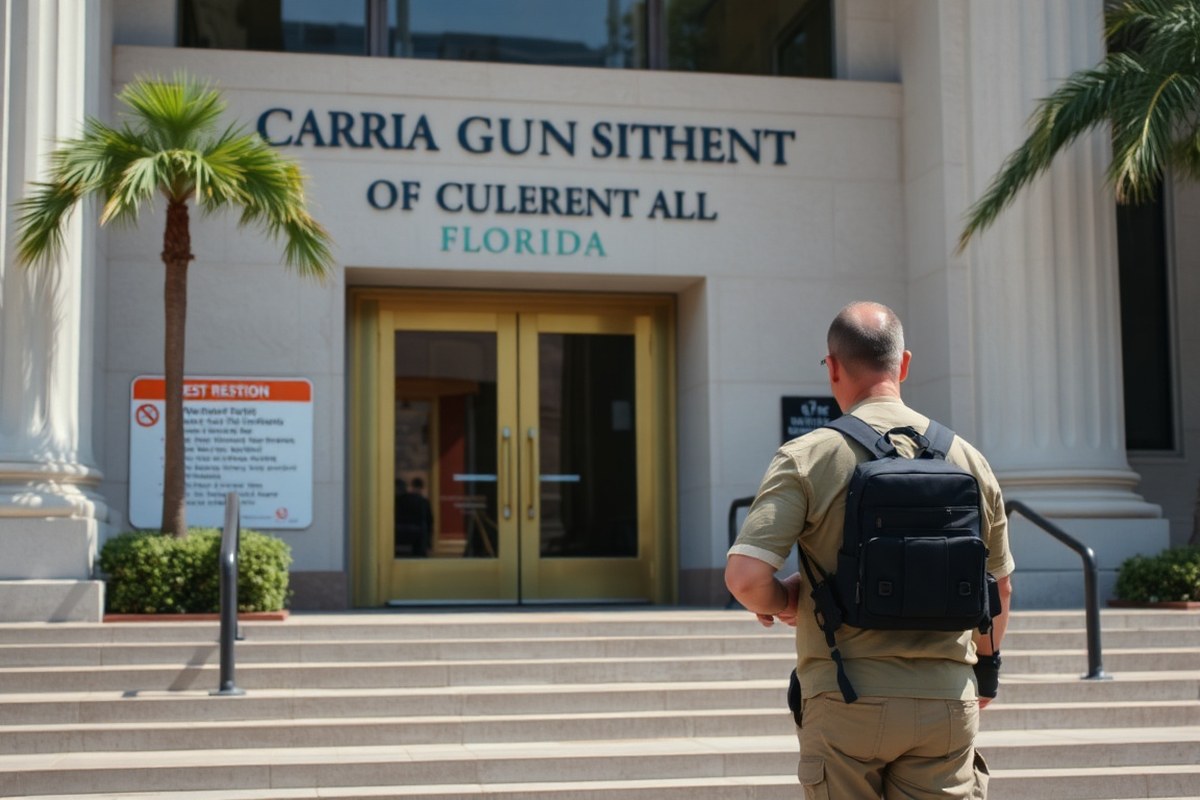
In Florida, you can legally carry a concealed weapon in most public spaces, private property where the owner allows it, and your vehicle if you meet the age and legal requirements. You must be 21 or older and not disqualified by law, such as having a felony conviction. As of 2023, Florida permits concealed carry without a license for eligible adults, but certain locations remain off-limits.
Carrying concealed in your vehicle is explicitly permitted throughout Florida, including when the firearm is on your person or stored inside the vehicle. This means you can carry a concealed weapon while driving or parked, even if you are entering places like stores or restaurants, unless those specific locations prohibit firearms. However, carrying inside stores or restaurants depends on the venue’s policy and any applicable firearm restrictions.
Certain places forbid concealed carry, even with a license. The law clearly lists these prohibited areas to improve public safety. Not following these restrictions can lead to misdemeanor or felony charges, so understanding where you cannot carry concealed is important.
- Courtrooms, except judges and designated personnel
- Airport passenger terminals and sterile areas
- Elementary and secondary school facilities and administration buildings
- Establishments primarily devoted to alcohol consumption
- Law enforcement and correctional facilities
- Polling places and meeting areas for government or school boards
- Any place legally declared a nuisance under Florida statute 823
Always check for posted signs or local rules before carrying concealed into any location, as signage and policies can vary and may carry legal consequences.
Applying these rules means you can carry concealed in many everyday places but must be careful not to enter restricted zones, like schools and airports. When in doubt, avoid carrying in any location that appears off-limits or ask the property owner. Your ability to carry concealed safely relies on following these state regulations strictly to prevent legal trouble and ensure responsible gun ownership.
How to Obtain a Florida Concealed Weapon License (CWL)
To get a Florida Concealed Weapon License (CWL), you must complete an application, meet eligibility criteria, submit required documents and fees, then wait for approval. The process typically takes a few weeks but can be expedited for active military members and veterans. Below are the detailed steps and requirements for obtaining your CWL.
Application Eligibility Requirements
Applicants must be at least 21 years old and legally allowed to own a firearm under Florida and federal law. You cannot have certain felony convictions, or be subject to domestic violence injunctions or mental health disqualifications. Florida is a “Shall Issue” state, so meeting these criteria means the state must issue the license. Active military members and veterans qualify for expedited processing if they include valid identification with their application.
Document and Fee Submission Process
Your application must include a completed Florida Concealed Weapon or Firearm License Application form and proof of eligibility. This includes government-issued photo ID and, for military applicants, a Common Access Card or official military ID. You must also submit fingerprints through an approved Livescan provider if applying for the first time. Fees total $97: a $55 initial license fee plus a $42 fingerprint processing fee. Applications are accepted in person at Florida Department of Agriculture and Consumer Services (FDACS) regional offices or authorized county tax collector offices. The application process can be summarized in these steps:
- Download and complete the Florida Concealed Weapon or Firearm License Application.
- Gather required documents such as a photo ID and, if applicable, military ID.
- Schedule and complete fingerprinting at an FDACS-approved Livescan vendor.
- Submit your application, supporting documents, and fees in person at an FDACS regional office or authorized tax collector’s office.
- Confirm your application has been received and payment processed.
- Wait for approval or denial notification from FDACS.
Expected Processing Time and How to Check Status
Florida statutes mandate FDACS to grant or reject the Concealed Weapons License within 90 days after a full application is submitted. Typically, applicants hear back in 2 to 4 weeks. Military service members and veterans usually see quicker decisions because their applications get priority. You can view your application progress on the FDACS website or by phone. Monitoring your status ensures you know if anything else is required and when your license has been approved.
Renewal and Expiration Details
The Florida Concealed Weapon License is valid for seven years. Renewal applications should be submitted before your license expires to avoid any lapse in carry privileges. Renewal requires a new application form and fee, but fingerprinting is not typically needed unless your information has changed. FDACS provides renewal notifications by mail or email, but you should also track your own expiration date to stay compliant. Late renewals may require reapplication and meeting current eligibility requirements again.
Differences Between Permitless and Licensed Concealed Carry
Carrying concealed with a Florida license offers broader legal protections and access to certain restricted areas that permitless carriers cannot enter. License holders face fewer risks of criminal charges and generally benefit from clearer rules. Permitless carriers must strictly follow identification and conduct requirements to avoid penalties.
Eligibility and Age Differences
Permitless concealed carry in Florida is allowed for anyone 21 years or older who is not a prohibited possessor, such as those with felony convictions. This means you don’t need to apply for or carry a specific permit to carry concealed legally under the law effective July 1, 2023.
Having a Florida Concealed Weapon or Firearm License (CWL), however, requires you to complete a background check, fingerprinting, and a training course. You must also be at least 21 years old to apply. The licensing process may take several weeks and can cost around $100 to $140 depending on fees and fingerprints.
Legal Protections and Exceptions
License holders enjoy important legal protections, including the ability to carry concealed in some locations where permitless carriers cannot legally go. For example, licensed carriers are generally permitted to carry in places like certain bars and some secure areas that specifically allow licensed individuals.
Carrying brass knuckles concealed is legal to own in Florida, but carrying them concealed without a permit is illegal. Licensed carriers have additional legal cover, helping prevent first-degree misdemeanor or third-degree felony charges that unlicensed carriers risk if caught unlawfully carrying concealed.
Travel and Reciprocity Considerations
Florida’s CWL offers recognition in many other states due to reciprocity agreements. This means when you travel outside Florida, your licensed status often allows you to carry concealed legally in those states that honor Florida’s permit. Permitless carry laws, however, are state-specific. The constitutional carry right in Florida does not extend outside its borders, so you could face legal issues carrying without a license in other states.
Response to Law Enforcement Requirements
Permitholders benefit from clearer rules when interacting with law enforcement. They must present their license and identification upon request, which generally reduces suspicion and potential detention. Without a license, you must carry valid ID and immediately show it to officers when asked. Failing to do so or hiding a weapon from a law enforcement officer can lead to charges and arrests.
Law enforcement can petition to suspend or revoke a CWL after a hearing within 14 days based on a clear-and-convincing standard. During suspension, firearms and ammunition must be surrendered, along with the license itself, for up to 12 months or longer if extended. The following table compares permitless concealed carry and Florida CWL in key areas:
| Feature | Permitless Concealed Carry | Florida Concealed Weapon License (CWL) |
|---|---|---|
| Minimum Age | 21 years | 21 years |
| Training Required | No | Yes, firearms safety & laws |
| Background Check | No | Yes |
| Legal Carry Locations | Restricted from some areas allowed for licensees | Includes some restricted areas like bars (where allowed) |
| Identification Requirement | Must carry and show valid ID on demand by officers | Must carry and show license plus valid ID on demand |
| Reciprocity (Out-of-State Carry) | None | Yes, recognized by many states |
| Potential Penalties for Illegal Carry | First-degree misdemeanor or third-degree felony with firearms | Possible revocation and legal penalties if breached |
Those who plan to carry concealed regularly should consider obtaining a Florida CWL for greater legal security and expanded rights. Permitless carry is useful for occasional or last-minute protection but carries higher risks if you miss key restrictions or legal requirements. Always carry valid identification and comply with law enforcement requests to reduce risk.
Understanding Prohibited Locations for Concealed Carry in Florida
Carrying a concealed weapon in Florida does not grant unrestricted access everywhere. Certain locations remain off-limits for concealed carry, even if you hold a valid Florida Concealed Weapon License (CWL). Knowing these prohibited places is essential to avoid legal trouble and keep your permit in good standing. Key locations where concealed firearms are banned include:
- Courthouses and courtrooms
- State and federal government meetings and offices
- Elementary, middle, and high schools, as well as college facilities
- Polls and polling places during elections
- Establishments licensed to sell alcoholic beverages, such as bars
- Airports beyond security checkpoints
- Any private property where the owner explicitly prohibits firearms
Florida law makes no exceptions for permit holders in these places. Carrying a concealed weapon in a prohibited area can result in criminal charges, including misdemeanors or felonies depending on the location and context. Penalties might include fines, imprisonment, and suspension or revocation of your concealed weapons license. For example, possessing a firearm in a school zone can lead to felony charges. Always check for posted signs and ask property owners about firearm policies to avoid violations.
Some exceptions exist for certain officials. Law enforcement officers and judges generally may carry concealed weapons in these areas as part of their official duties. Their legal status exempts them under specific Florida statutes, reflecting the need for security in the judicial system and law enforcement functions. This exception does not extend to private citizens or permit holders without official law enforcement status.
Double-check signage and ask property managers about firearm policies before entering any location with a concealed weapon, even if you have a permit.
Understanding these limitations helps you carry responsibly and legally. Avoid places where firearms are banned and keep your license in compliance by respecting the rules. Enforcement officers have access to license databases and can verify your status, but prohibited location violations often lead to immediate confiscation or arrest. Planning your routes and knowing these restricted sites reduces the risk of accidental violations and legal consequences.
What Are the Legal Requirements to Carry Concealed in a Vehicle?
In Florida, adults 21 and older may carry a loaded, concealed handgun in their vehicle without a permit. This changed with the law effective July 1, 2023, allowing permitless concealed carry in vehicles for qualifying individuals. Carrying a concealed weapon in a vehicle no longer requires a concealed weapons license, but you must still follow state laws to avoid penalties.
The key difference between carrying concealed on your person versus in a vehicle is where the weapon is stored and how accessibility factors into legal standards. Florida courts have ruled that to be charged with carrying a concealed firearm, authorities must show you knowingly possessed the weapon “on or about” your person. While permitless carry lets you keep the handgun accessible while driving, storing it out of your immediate reach inside the vehicle may impact how the law is applied if questions arise.
Special rules apply for firearm storage in vehicles. Florida’s “Parking Lot Law” protects employees from employer restrictions by allowing legally owned firearms to be secured in locked private vehicles on the job. To comply, keep your handgun in a locked glove box, center console, or a locked container when leaving the vehicle, especially if on private or workplace property. This secure storage reduces risk of theft and legal complications.
Here’s a practical checklist for carrying concealed in a Florida vehicle without a permit: First, confirm you meet the age requirement (21+). Second, keep the handgun loaded and either on your person or secured within reach while driving. Third, secure the firearm in a locked box or compartment if you leave the vehicle, especially on employer property. Fourth, avoid carrying in locations where firearms are prohibited, such as certain government buildings or secured areas. Following these steps helps ensure legal compliance and personal safety.
Carrying a concealed weapon in your vehicle does not mean ignoring safety. Keep your handgun unloaded and stored securely when not in use, except when justified under self-defense scenarios. Locking the firearm away when parked prevents unauthorized access, an important consideration if you have children or others in the vehicle. Also, check for local or private property rules that could restrict firearms in vehicles despite state law protections.
Costs or licensing fees do not apply for permitless carry, but obtaining a Florida Concealed Weapon License can offer advantages such as reciprocity in other states, access to firearm range training, and simplified background checks. However, since permitless carry covers vehicle carry, you may choose to carry without a license if you meet the qualifications and understand the rules.
Situations that matter include parking on employer property, where the “Parking Lot Law” lets you lock your gun in your car without violating employer policies. Leaving your firearm unsecured on public streets or in unlocked vehicles can increase theft risk and lead to legal issues. Always carry responsibly, keep yourself informed on changing laws, and consider consulting a legal expert if unsure about specific circumstances.
Florida Concealed Carry Penalties and What to Avoid
Carrying a concealed weapon illegally in Florida is a serious offense. Violations of Florida Statutes Section 790.01(2) or (3) are classified as third-degree felonies. This means you could face up to five years in prison and a $5,000 fine. The state requires prosecutors to prove that you did not have a legal means to carry a concealed weapon when charged, which presents a defense opportunity in many cases, especially following legal updates in 2023 and 2025.
Common legal mistakes often lead to arrests, even by individuals who believe they are compliant. These include carrying in prohibited places like schools or government buildings, failing to keep the weapon concealed where laws require it, or not properly understanding the difference between permitless carry and licensed carry rules. Other errors involve transporting firearms improperly in vehicles or carrying with a revoked or expired license.
- Not verifying your concealed weapon license status before carrying
- Carrying in locations where firearms are legally forbidden
- Concealing a weapon without proper permit or outside the scope of permitless carry
- Failing to follow correct vehicle storage laws for firearms
- Misunderstanding new legal changes and deadlines
- Ignoring signage that explicitly prohibits firearms
If charged with a concealed carry offense, it’s important to respond calmly and legally. First, remain silent beyond providing identification and your carry license if requested by law enforcement. Consult a licensed attorney familiar with Florida’s firearms laws promptly, as many defenses can be technical and hinge on recent statute changes. Do not try to argue legal defenses during the encounter; leave that to your attorney.
Proving lawful intent and compliance with permit requirements can significantly affect the outcome. Detailed knowledge of when and where you were carrying, how you stored your weapon, and possession of a valid license will be critical. Being proactive about understanding and following all legal requirements is the best way to avoid penalties and ensure you can carry safely and legally.
Best Practices for Safe and Legal Concealed Carry in Florida
Carrying a concealed weapon in Florida requires more than meeting legal criteria. You must prioritize safety and understand the proper way to interact with law enforcement and maintain compliance to avoid legal problems. Taking responsible steps helps ensure your rights and safety are protected.
Recommended Firearm Safety and Training Courses
Although Florida does not mandate formal training to carry concealed without a permit, completing a firearm safety course is strongly advised. These classes teach essential skills like safe handling, proper storage, and situational awareness. A basic course usually lasts 4 to 8 hours and can cost between $50 and $150. Certified classes by organizations such as the NRA or local gun ranges often cover Florida laws that directly affect concealed carry.
Training helps you react appropriately under stress and reduces the risk of accidental discharge or unsafe practices. You should refresh your knowledge annually or whenever updates to laws occur. For permit holders, completing a firearms training course is a prerequisite, which confirms your familiarity with legal and practical aspects before carrying concealed.
How to Legally Respond During Police Stops
Stay calm and cooperate when stopped by law enforcement while carrying concealed. Immediately inform the officer that you have a concealed weapon and show your Florida Concealed Weapon License if you have one. Keep your hands visible, preferably on the steering wheel if you’re in a vehicle, and avoid sudden movements. State your location and how the weapon is carried, for example: “Officer, I have a concealed handgun on my right hip. May I reach for my license to show you?”
Cooperating respectfully while clearly communicating your lawful carry status helps de-escalate any tension. Avoid arguing or concealing information. Comply with an officer’s request to secure or temporarily remove your firearm, following the law. Knowing your rights and duties beforehand reduces confusion and legal risk during these high-pressure encounters.
Regular Compliance Checks and Record Keeping
Staying up to date with Florida concealed carry laws is important because rules can change. Review statutes annually, especially relating to prohibited locations, renewed license requirements, and secure transport in vehicles. Keeping a personal log of your concealed carry activities, training certificates, and any law enforcement interactions can provide evidence of responsible behavior if questioned.
Securely storing your firearm when not carried prevents accidents and helps ensure compliance with laws like Florida Statute Section 790.25(5), which requires weapons in vehicles to be securely encased unless you are carrying lawfully. Regularly inspect and maintain all your equipment, including holsters and safes, to avoid malfunctions or unintentional exposures.
Always announce your concealed carry status to a police officer immediately during a stop to avoid misunderstanding and possible legal trouble.
Your Step-by-Step Plan to Carry Concealed Legally in Florida
Follow these steps to start carrying concealed legally and responsibly in Florida.
- Before You Start: Review Florida’s permitless carry laws and prohibited locations to confirm where you can legally carry without a license.
- Day 1: Decide if you want to apply for a Florida Concealed Weapon License for wider legal protections and identification benefits.
- Week 1: If applying, gather required documents such as your Florida driver’s license or ID, proof of firearms training, and fingerprints.
- Week 2: Submit your application online or at a local tax collector’s office and pay the applicable fees; watch for confirmation of receipt.
- Weeks 3-8: Complete background checks and await approval; check your application status online to ensure no delays.
- Upon Approval: Receive your Concealed Weapon License and familiarize yourself with updated laws on carrying in vehicles and prohibited zones.
- Immediately After: Practice responsible firearm handling and carry habits daily for your safety and legal compliance.
Frequently Asked Questions
Can I Still Conceal Carry in Florida Without a Permit?
Yes, you can carry concealed without a permit if you meet eligibility criteria like age and legal status. You must carry valid ID and show it to law enforcement upon request.
Can I Carry a Loaded Gun in My Car Without a Permit in Florida?
Yes, you can carry a loaded firearm in your vehicle without a permit if you meet eligibility requirements. Be aware of restrictions on where you can store or display the weapon inside the car.
Can I Conceal Carry in Walmart in Florida?
Walmart stores usually prohibit firearms, even with a permit. Always check posted signs or store policies before carrying concealed into any private business like Walmart.
What Is the New Law for Concealed Carry in Florida?
The 2023 law allows permitless concealed carry for eligible individuals 21 and older. This change keeps some prohibited locations and rules, so follow all current restrictions carefully.
Are Non-Residents Allowed to Carry Concealed Weapons in Florida?
Yes, non-residents 21 or older can carry if they’re legally allowed to possess firearms under Florida law and meet eligibility criteria for concealed carry.
Can I Carry Pepper Spray Without a Permit in Florida?
Yes, Florida allows up to 2 ounces of pepper spray without a permit. Larger containers or other self-defense weapons may require a permit or have additional restrictions.
Before You Go
Carrying a concealed weapon in Florida is legal without a permit for many adults, but securing a Concealed Weapon License expands your legal rights and ease of travel. Start by understanding your rights and restrictions, then consider applying for a license to improve your protections. Taking one concrete step today, such as reviewing prohibited locations or beginning your application, puts you on the path to carrying with confidence and staying within the law.