Which Glock MOS Plate for DeltaPoint Pro: A Complete Guide with Key Comparisons
Which Glock MOS plate for DeltaPoint Pro offers the best fit and durability? The C&H Precision V4 LEO/MIL plate is a top choice. It fits a wide range of Glock MOS models securely and is made from rugged steel for long-lasting use. Start by matching your Glock model to the exact plate version to ensure a perfect fit without gaps or bending.
Key Takeaways
- The C&H Precision V4 plate is CNC-machined for precise fit with Glock MOS pistols and the DeltaPoint Pro optic.
- Use M3 0.5mm x 6mm screws for proper mounting without screw protrusion risks.
- Check your Glock slide generation; Gen4 and Gen5 models require a plastic spacer plate for correct alignment.
- Glock 40 10mm models need a slightly wider Set 02 plate for better MOS cut coverage.
- Steel adapter plates provide the most rugged and durable mounting platform for the DeltaPoint Pro.
- Improper screw length or thickness can bend the plate during installation, so verify screw specs carefully.
Which Glock MOS Plate Is Best for Leupold DeltaPoint Pro?
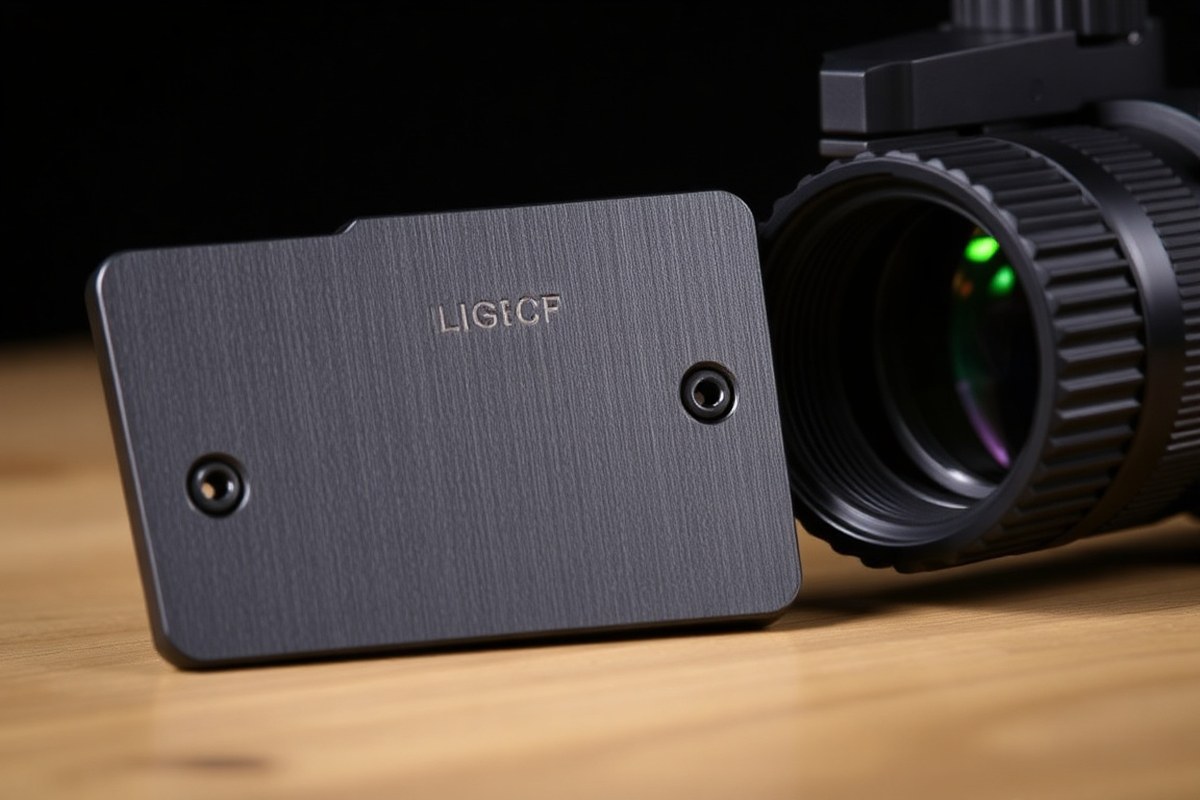
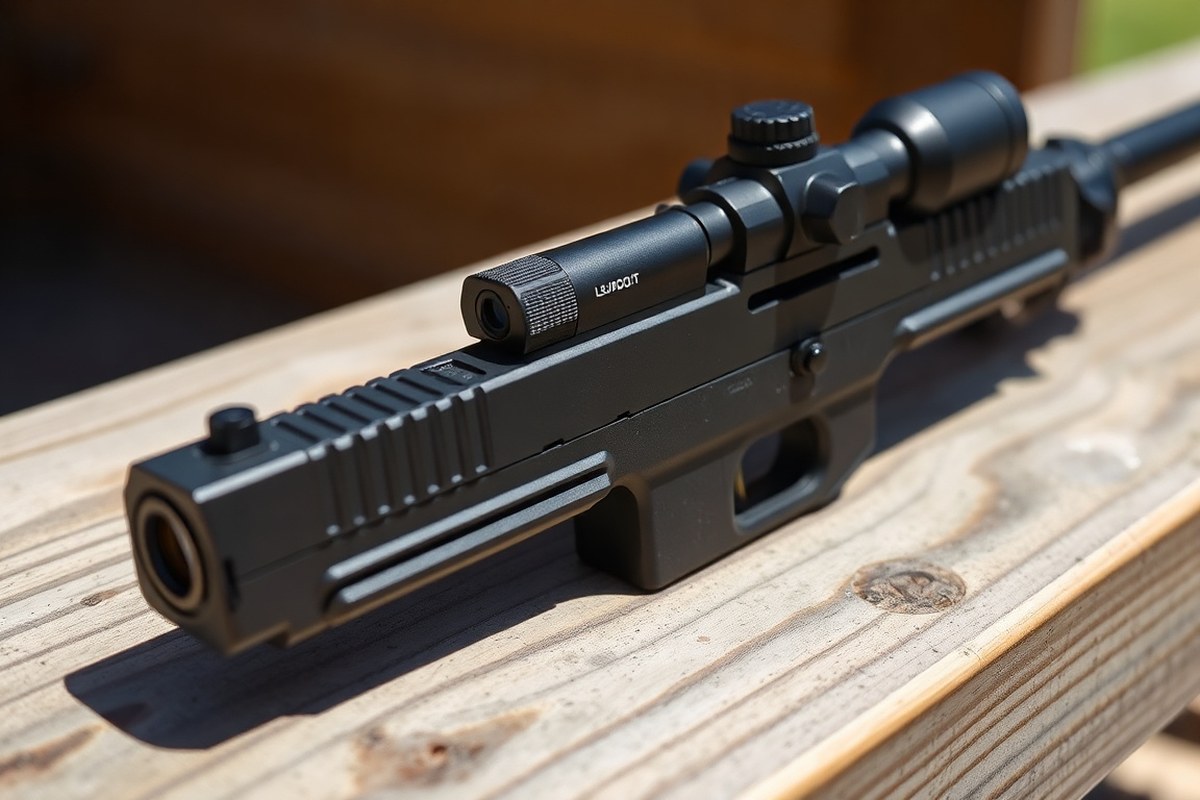
The best Glock MOS adapter plate for mounting the Leupold DeltaPoint Pro optic is the C&H Precision V4 plate, also known as the Glock MOS Adapter Plate 04 Mount Set. This steel plate fits a variety of full-size Glock MOS models and enables secure, stable installation of the DeltaPoint Pro and other optics sharing the same footprint. Alternatives exist but may differ in material and included hardware, which can affect durability and ease of installation.
Compatible Glock Models and Plate Sets
The C&H Precision V4 adapter plate is compatible with several full-size Glock MOS models including the Gen4 and Gen5 variants. Key models that accept this plate include the Glock 17, 19, 20, 21, 22, 23, 34, and 33. The plate directly fits the MOS cutout on these slides, allowing you to mount the Leupold DeltaPoint Pro without modification. Below is a table summarizing popular Glock MOS pistols and their compatible adapter plates for the DeltaPoint Pro footprint:
| Glock Model | Generation | Compatible Plate Set | Optic Compatibility |
|---|---|---|---|
| Glock 17 | Gen4 / Gen5 | C&H Precision V4 | Leupold DeltaPoint Pro, Vortex Defender ST/XL |
| Glock 19 | Gen4 / Gen5 | C&H Precision V4 | Leupold DeltaPoint Pro |
| Glock 20 | Gen4 | C&H Precision V4 | Leupold DeltaPoint Pro |
| Glock 21 | Gen4 | C&H Precision V4 | Leupold DeltaPoint Pro |
| Glock 34 | Gen4 / Gen5 | C&H Precision V4 | Leupold DeltaPoint Pro |
For other MOS models and calibers, check the specific plate sets designed to match their slide dimensions and optics compatibility. This ensures the mounting interface aligns exactly with the optic footprint and slide cutout.
Material and Finish Differences
The C&H Precision V4 plate is made from hardened heat-treated 4140 alloy steel, a durable material designed to withstand the heavy use and recoil forces from pistol firing. Steel plates like this one are thicker and more rigid than aluminum alternatives, reducing flex and improving optic retention.
Steel plates usually feature a black copper phosphate coating that adds corrosion resistance and a low-glare matte finish suitable for tactical applications. Aluminum plates, such as the C&H Precision V4 EPS plate, offer lighter weight but sacrifice some rigidity and may not last as long under high-stress use. The choice of material affects the feel of your mounted optic and the longevity of the mounting solution.
Included Mounting Hardware Overview
The Glock MOS Adapter Plate 04 Mount Set comes with three Torx screws sized M3 x 0.5 x 6mm. These screws are designed to securely fasten the plate and optic to the Glock MOS slide with proper torque. Also included are 4-40 screws (either 1/2″ or 5/16″ length) to ensure compatibility with various optic mounting holes.
Including the correct hardware is critical for proper installation and preventing loosening after recoil. Using screws that match the thread pitch and length avoids damage to the slide and optic base. The supplied Torx screws eliminate the need for sourcing additional mounting hardware separately, streamlining the installation process.
| Feature | Specification |
|---|---|
| Material | Hardened Heat Treated 4140 Alloy Steel |
| Finish | Black Copper Phosphate Coating |
| Screws Included | M3 x 0.5 x 6mm Torx (3 pcs), 4-40 x 1/2 or 5/16 (varies) |
| Plate Thickness | 0.075″ |
| Made In | Salt Lake City, UT, USA |
This combination of quality materials and included hardware makes the C&H Precision V4 plate one of the most reliable choices for mounting the DeltaPoint Pro on Glock MOS pistols. Other manufacturers may supply different hardware or use alternative materials such as aluminum, which may impact installation and durability.
How to Properly Install a Glock MOS Adapter Plate for DeltaPoint Pro
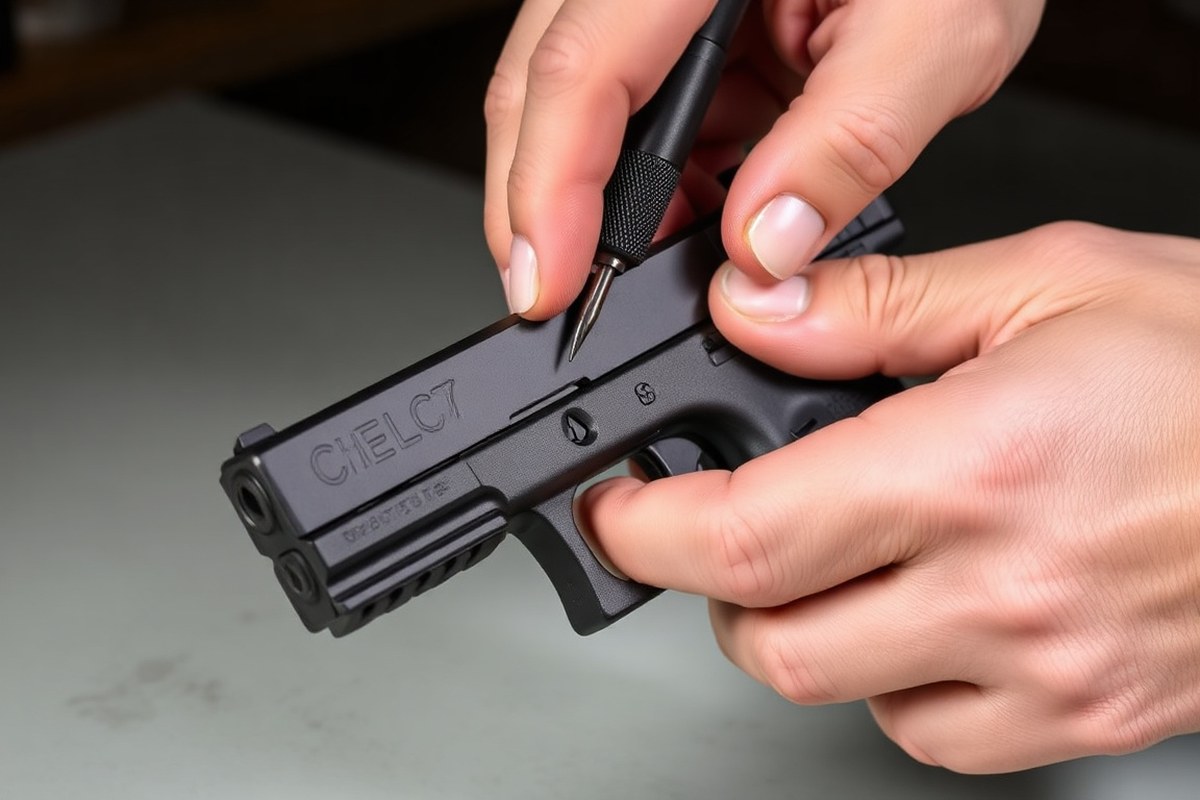
Installing a Glock MOS adapter plate for the Leupold DeltaPoint Pro requires specific tools, correct torque settings, and care during assembly. Following a step-by-step process ensures the plate and optic mount securely without damage or misalignment.
Gathering Required Tools and Hardware
You will need a torque wrench with Torx bits, specifically designed for pistol sights and plates, and the correct screws. For the DeltaPoint Pro mount, use the 3x 4-40 x .560 FH screws that come with the optic or plate set. Applying a medium-strength thread locker like Loctite on screws prevents loosening under recoil.
- Select Torx drivers compatible with the screws, typically T10 or T15 for Glock MOS plates and DeltaPoint Pro screws.
- Prepare a torque wrench capable of precise low-range torque measurements (in/lbs or Nm).
- Acquire the adapter plate designed for the Glock MOS platform and the DeltaPoint Pro optic.
- Organize the mounting screws: three short screws for plate to slide, and three 4-40 x .560 FH screws for optic to plate.
- Keep a small bottle of medium-strength Loctite ready to secure threaded screws.
Using the wrong size Torx bit can strip screws; always test fit the driver before starting work.
Mounting the Adapter Plate to the Slide
Secure the adapter plate carefully to the Glock MOS slide cutout, ensuring correct alignment to avoid bending. Tighten the screws evenly, using a torque wrench to reach the recommended setting without over-tightening. Over-torquing risks damaging the slide or causing the plate to warp.
- Place the adapter plate into the MOS cutout on the slide, aligning all screw holes precisely.
- Insert the three mounting screws finger-tight initially to keep the plate in place.
- Apply medium-strength Loctite to the threads of each plate screw.
- Use a torque wrench and Torx driver to tighten screws gradually in a crisscross pattern.
- Set torque to Glock’s typical recommendation, usually around 12-15 in/lbs (1.4-1.7 Nm), checking each screw in sequence.
Do not exceed recommended torque; screws protruding under the plate or loose tolerances can bend the plate or loosen the mount.
Attaching the DeltaPoint Pro to the Plate
Once the plate is secure, mount the DeltaPoint Pro optic using the supplied screws and follow a slow, even torque sequence. Use the 4-40 x .560 FH screws precisely to avoid distortion. Correct torque ensures the optic stays fixed through recoil without damaging mounting surfaces.
- Align the DeltaPoint Pro optic with the adapter plate holes carefully.
- Insert the three 4-40 x .560 FH screws into the optic and plate threads.
- Apply medium-strength Loctite to the screws before tightening.
- Place the torque wrench with the appropriate Torx bit on each screw in a star pattern.
- Tighten screws to approximately 15 in/lbs (1.7 Nm), the recommended torque for pistol optics.
- Confirm all screws are equally torqued to prevent uneven mounting pressure.
Uneven torque can create gaps under the optic body, leading to recoil stress on the screws and potential failure.
Final Checks and Adjustments
After mounting, check the optic and plate for movement by gently trying to wiggle each component. Verify sight alignment, then dry-fire the pistol in a safe direction to confirm the optic holds zero. Recheck screw torque after the initial rounds, as recoil can settle mounts slightly.
- Visually inspect the plate and optic for any misalignment or gaps.
- Manually test each screw’s tightness without over-torquing.
- Perform a dry-fire test to verify the stability of the mounted optic.
- Fire a small number of rounds then re-torque the screws as a part of break-in procedure.
- Adjust optic sight settings after confirming mechanical stability.
Regular maintenance checks after firing reduce the risk of optic loosening and maintain accuracy over time.
What Material Differences Affect Glock MOS Adapter Plates?
Choosing the right material for your Glock MOS adapter plate affects durability, weight, and recoil management when mounting the Leupold DeltaPoint Pro optic. Steel provides superior strength and recoil resistance but adds weight, aluminum offers a balance of lightness and durability, and polymer saves cost and weight at the expense of long-term toughness and recoil handling. Your shooting style and budget will guide the best choice.
Steel Plates: Strength and Recoil Resistance
Steel adapter plates deliver high strength and minimal flex, which keeps the DeltaPoint Pro firmly seated under heavy recoil. This strength is critical for 10mm and other calibers with strong recoil impulses. Steel plates resist movement and fatigue that can develop through repeated firing. They can weigh slightly more, adding heft to your Glock, but the added recoil resistance often justifies this for serious shooters.
Among Glock MOS plates, steel options often come at a higher price point. Their weight is not excessive, but you can expect ounces added compared to aluminum or polymer plates. The dense steel also helps reduce microscopic shifts in the optic alignment, contributing to sustained accuracy in rapid shooting sequences.
Aluminum Plates: Lightweight and Affordable
Aluminum adapter plates, typically made from 6061 aluminum with MIL-SPEC Type III anodizing, offer a good compromise between weight and durability. They are lighter than steel, keeping your Glock more agile for extended carry or competition use. The anodized finish also provides corrosion resistance, extending plate longevity under regular use.
Aluminum plates may flex very slightly under intense recoil compared to steel, but this difference is usually negligible for most users and calibers under 10mm. They tend to be more affordable than steel plates, making them attractive for shooters who want solid performance without the higher cost and weight.
Polymer Plates: Cost and Limitations
Polymer plates represent the most budget-friendly option for mounting the DeltaPoint Pro but sacrifice much in durability and recoil management. While polymer can reduce weight still further, it lacks the stiffness required to prevent flex or movement under heavy recoil. This can lead to faster wear or loss of zero over time.
Polymer plates might work for target shooting or low-recoil calibers but are not recommended for frequent, high-powered firing. Their price advantage is offset by needing replacement sooner or dealing with optic shift, making them less practical for serious Glock MOS owners aiming for consistent performance.
| Material | Durability | Weight (relative) | Price Range | Recoil Performance |
|---|---|---|---|---|
| Steel | Highest; resists flex and fatigue | Heaviest | Higher | Best recoil resistance; maintains zero under strong recoil |
| Aluminum (6061 anodized) | Medium to High; good corrosion resistance | Medium; lighter than steel | Moderate | Good recoil performance; slight flex possible |
| Polymer | Lowest; prone to flex and wear | Lightest | Lowest | Weak recoil management; prone to loss of zero |
Choosing steel suits pistols used under heavy recoil conditions or competitive environments where reliability reigns. Aluminum strikes a balance for daily carry or range use with a good combination of weight and strength. Polymer fits budget builds and low-recoil applications but requires careful consideration to avoid future performance issues.
Common Mounting Issues and How to Fix Them
You might face several common fitment issues when mounting a Leupold DeltaPoint Pro on a Glock MOS plate. Screws that are too long or have the wrong thread risk damaging the optic or failing to secure the plate properly. For example, using screws longer than the recommended M3 x 6mm or 4-40 x .345 can bottom out in the optic’s receiver and cause cracks or uneven pressure. Always choose screws specified for your particular optic and plate combination to avoid this problem.
A bent plate during installation usually means uneven pressure or forcing the plate into a slide that’s not perfectly compatible. The Glock MOS system demands the plate sit flat against both the slide and the optic base. A bent plate compromises the mounting surface and can misalign the optic’s sight picture. Loosen all screws before aligning the plate, then tighten them incrementally and evenly. This approach helps distribute pressure and prevents warping.
Gaps between the optic and adapter plate are a sign of poor seating or dirt and debris on the surfaces. Gaps reduce the stability of the mounting and affect zero retention. Clean both mating surfaces thoroughly with isopropyl alcohol before mounting. Small gaps that persist suggest you should check that your plate model matches your Glock slide and DeltaPoint Pro variant. Avoid forcing components to fit as this can damage both parts.
- Use only the proper screw size and thread: M3 x 6 mm for the Leupold DeltaPoint Pro plate or 4-40 x .345 for some mounting options
- Hand-tighten screws first, then torque evenly in a star pattern to avoid uneven pressure
- Check plates for visible warping before installation and avoid bent or improperly manufactured plates
- Clean all mounting surfaces to prevent dirt causing fitment gaps
- Confirm compatibility between your Glock slide model and the MOS adapter plate
- Replace any stripped screws immediately to maintain secure attachment
Correct screw choice and careful installation eliminate most mounting problems. When changing optic plates or slides, always re-confirm your screw lengths and threads. Using the exact specification reduces risks of damaging the optic or slide and ensures a secure, lasting mount. Expect your DeltaPoint Pro to sit flush and stable without bending the adapter plate or leaving gaps if you follow these steps carefully.
Which Screws and Torque Settings Ensure Secure Mounting?
To mount the Leupold DeltaPoint Pro to your Glock MOS plate securely, precise screw sizes and torque settings are essential to avoid damaging either the plate or optic. The plate itself attaches to the slide with two M3 screws sized 0.5mm x 6mm. Securing these plate-to-slide screws at 13 inch-pounds of torque tightens them enough to hold firmly without stripping threads or warping the plate.
The screws that attach the DeltaPoint Pro optic to the adapter plate vary slightly in size depending on the specific plate model. The most common mounts use screws tailored to the optic’s base but always check your DeltaPoint Pro manual for the exact sizes. Applying the proper torque here is critical because overtightening could crack the optic housing, while under-tightening can cause the optic to shift under recoil.
| Connection Point | Screw Size | Torque Value | Additional Notes |
|---|---|---|---|
| Plate to Slide | M3 (0.5mm x 6mm) | 13 in/lb | Use supplied VC3 Vibra-tite thread locker if available |
| DeltaPoint Pro to Plate | Varies by plate model | Consult optic manual (typically 12-15 in/lb) | Apply thread locker unless otherwise specified |
When installing, start each screw by hand to avoid cross-threading. Tighten screws gradually in a crisscross pattern on the plates with two or more screws to distribute pressure. Using a calibrated torque wrench ensures you meet but do not exceed the recommended values.
Tip: Use a medium-strength thread locker like the VC3 Vibra-tite included with many plates to maintain screw tension over shooting cycles but still allow future removal.
Applying thread locker also helps prevent screws from loosening due to recoil vibrations. Avoid using excessive amounts; a small drop on the threads is sufficient. Check screws regularly after initial installation and after heavy use to confirm they remain tight which avoids optic shifting or plate loosening that affects accuracy.
How Do Glock Slide Variations Affect Plate Compatibility?
The compatibility of Glock MOS plates with the Leupold DeltaPoint Pro depends heavily on the Glock slide model and generation. Glock’s Modular Optic System (MOS) cut is designed for versatility, but minor differences exist between Gen3, Gen4, and Gen5 slides. Plates are not always interchangeable across these generations primarily because of slight variations in dimensions, mounting hole patterns, and slide thickness that affect the fit and sight alignment.
Plastic interface spacers play an important role in ensuring a secure, wobble-free mounting of the optic. These spacers fill gaps between the plate and the slide to compensate for tolerance differences. Without the correct spacer, you risk improper alignment, which can reduce accuracy and may cause loosening during recoil.
Aftermarket plates can offer tighter tolerances and may include additional or adjustable spacers to better match slides that are slightly out of spec. This helps compensate for factory variation or wear over time. Choosing the right plate for your specific Glock model and generation, along with the right spacer thickness, is key for optimal function.
Below is a table summarizing common Glock slide generations, models, and their general plate compatibility with the Leupold DeltaPoint Pro mounting system. Note the inclusion of compatible spacers where needed to ensure a solid fit.
| Glock Slide Gen | Common Models in Gen | Plate Compatibility | Spacer Usage |
|---|---|---|---|
| Gen3 | G17, G19 | Standard Glock MOS plate fits but may require thicker spacer | Plastic spacer recommended to fill gap and reduce play |
| Gen4 | G17, G19, G34 | Standard MOS plate compatible, spacer usually thinner | Thin plastic spacer or sometimes none depending on slide wear |
| Gen5 | G17, G19, G45, G47 | Plates designed for Gen5 fit accurately with minimal spacer needed | Minimal or no spacer to ensure tight optic fit |
To check the best plate fit for your Glock slide, start by identifying your Glock’s generation and model. Measure the MOS cut area and compare it with the plate dimension specifications from the manufacturer. Test fitting with the recommended plastic spacer thickness helps verify alignment and tightness. Signs of a good fit include no lateral movement of the plate, a flush optic seating, and consistent sight alignment during use.
A common installation mistake is using no spacer when one is needed or using an improper thickness spacer that can cause the optic to sit raised or tilted. Paying close attention to these details prevents optic damage, accuracy loss, and the need for re-tightening.
Are There Plates Compatible with Other Red Dot Optics?
You can use adapter plates designed for Glock MOS pistols to mount a variety of popular red dot optics, not just the Leupold DeltaPoint Pro. For example, there are plates compatible with the Vortex Defender ST and XL as well as the EOTech EFLX. Knowing which plate matches which optic footprint is essential for a secure, reliable installation and to maintain your optic’s warranty.
The DeltaPoint Pro plate will not fit the Vortex Defender ST or XL because these optics use different mounting footprints. Instead, look for adapter plates explicitly labeled as compatible with the Vortex Defender ccw or ccw-style footprints, designed for concealed carry and law enforcement use. Plates marked as V4 MIL/LEO adapters tend to support the Defender optics and provide a solid mounting platform suited to the demands of professional users.
For shooters who want flexibility, plates that support multiple optic footprints save the hassle of swapping plates when changing optics. Some manufacturers offer multi-footprint adapter plates that fit the Glock MOS slide and three or more popular optics footprints such as Leupold DeltaPoint Pro, EOTech EFLX, and Holosun. These plates simplify optic interchangeability but may involve a higher upfront cost, typically ranging between $30 and $50 depending on material and brand. It’s important to confirm the plate’s exact footprint compatibility and check any manufacturer warnings regarding warranty impact or fitment to avoid damage to the slide or optic.
| Optic | Compatible Glock MOS Adapter Plate | Notes |
|---|---|---|
| Leupold DeltaPoint Pro | DeltaPoint Pro-specific plate | Optimized for precise fit, maintains warranty |
| Vortex Defender ST/XL | Defender CCW compatible plate (V4 MIL/LEO adapter) | Professional-grade fit, CCW oriented |
| EOTech EFLX | Multi-footprint plate including EOTech | Supports multiple optics, check manufacturer fit notes |
| Holosun (select models) | Multi-footprint plate with Holosun compatibility | Verify exact Holosun model before purchase |
To identify the right plate for Holosun or EOTech optics, check product descriptions or contact manufacturers directly for their official compatibility information. Some plates will have cutouts or screw hole patterns specifically machined for popular optic models, reflecting the manufacturers’ design tolerances. Avoid using unauthorized adapter plates, as improper fit can lead to damage or void the optic’s warranty. Always follow the optic and plate manufacturer’s notes on installation steps and torque settings for the mounting screws to avoid issues.
Maintenance and Longevity of Glock MOS Adapter Plates
Regular inspection and cleaning of your Glock MOS adapter plate for the Leupold DeltaPoint Pro ensures reliable performance and extends its life. Check the plate and screws every 500 rounds or every three months, whichever comes first. This schedule helps catch early signs of wear or loose mounting before they cause issues during shooting.
Use a CLP (Cleaner, Lubricant, Preservative) soaked cloth to wipe the adapter plate clean. Avoid harsh solvents or abrasive tools that might damage the finish. Cleaning removes powder residue, sweat, and dirt that can degrade the metal or screws over time. After cleaning, inspect the screws for tightness using a torque wrench, applying the recommended torque from your plate’s instructions, usually between 10 and 15 inch-pounds.
Recoil wear affects adapter plates but is usually minimal if properly maintained. Over time, you might notice slight loosening or wear marks around screw holes. Replacing screws frequently preserves the mounting integrity without needing a full plate swap. Some plates come with replaceable hardware, so you can change out worn screws for under $10 in parts. Use this checklist to maintain your plate:
- Inspect screws for tightness and wear every 500 rounds or quarterly
- Clean plate with a CLP-soaked cloth, avoiding abrasive materials
- Check for metal wear or cracking near mounting points
- Replace screws if stripped or showing corrosion signs
- Lubricate threads lightly before reinstalling screws
- Store firearm in a dry environment to prevent corrosion
Never overtighten screws, as this damages threads and reduces mounting security over time.
Signs that your plate or screws need replacement include difficulty achieving torque, visible cracks, or screws that turn without tightening. Minor surface wear is normal, but cracks or deep gouges require immediate replacement to avoid optic misalignment. Tools needed include a quality torque wrench matched to the screw specs and a clean lint-free cloth. Replacement screws cost about $5 to $10 and can be ordered from the manufacturer or trusted suppliers.
Handling these maintenance steps routinely takes just a few minutes yet significantly boosts the longevity and reliability of your Glock MOS adapter plate for the Leupold DeltaPoint Pro. This care ensures your optic stays securely mounted, especially during heavy use or competition.
Step-by-Step Action Plan for Mounting Your Leupold DeltaPoint Pro on a Glock MOS
Follow this plan to select and install the right Glock MOS plate for your DeltaPoint Pro, ensuring a secure fit and reliable sight performance.
- Before you begin: Identify your Glock model to ensure compatibility with MOS plates designed for that slide type.
- Day 1: Choose a Glock MOS adapter plate specifically listed for the DeltaPoint Pro or that supports the DeltaPoint Pro footprint.
- Day 1: Gather the correct screws (usually provided with the plate) and a torque driver. Verify screw length and thread type match manufacturer specs.
- Day 2: Remove the existing MOS plate from your Glock slide and clean the surface to remove oil, debris, or residue.
- Day 2: Align the chosen adapter plate on the slide’s MOS mounting points and hand-tighten screws evenly.
- Day 2: Use a torque driver to tighten screws to the recommended torque settings, typically between 12 and 15 inch-pounds, to prevent over- or under-tightening.
- Day 3: Mount your Leupold DeltaPoint Pro onto the plate, then secure it according to the optic’s instructions. Verify zero and sight stability through dry fire and range time.
- After the first range session: Check screw tightness and plate integrity, re-torque if necessary, to maintain secure mounting over time.
Frequently Asked Questions
Which Material Is Best for Durability in a Glock MOS Plate for DeltaPoint Pro?
Hardened heat-treated 4140 alloy steel is best for durability and wear resistance. This material withstands recoil and harsh conditions better than aluminum or plastic options.
What Is the Thickness of the C&H Precision V4 Adapter Plate?
The thickness measures 0.075 inches from the bottom to the mounting surface, offering stable optic positioning without excessive height.
Does the Glock MOS Adapter Plate 04 Mount Set Include Mounting Screws?
Yes, it includes the plate plus three Torx screws for a secure attachment, providing everything for a quick and proper installation.
Can a Glock MOS Plate for DeltaPoint Pro Fit Other Optics?
Some plates, like the steel adapter, fit optics sharing the DeltaPoint Pro footprint, including Vortex Defender and EOTech EFLX models.
Is Installation of a Glock MOS Plate Reversible Without Damaging the Slide?
Installing the MOS plate is reversible if screws are properly torqued and the plastic interface spacer remains intact, preventing slide damage.
Does the Finish of the Adapter Plate Affect Corrosion Resistance?
Yes, black copper phosphate coatings provide moderate corrosion protection, suitable for most conditions but requiring regular maintenance for longevity.
Wrapping Up
Choosing the correct Glock MOS plate designed for the Leupold DeltaPoint Pro ensures your optic mounts securely and functions reliably. Start by confirming your Glock model and selecting a plate that matches both the slide and your optic. Once installed with the right screws and torque, you’ll have a durable setup ready for consistent accuracy. Your next step is to double-check compatibility before purchasing your adapter plate to avoid fitment issues later on.