How Secure Are Gun Safes? What Really Works to Protect Your Firearms
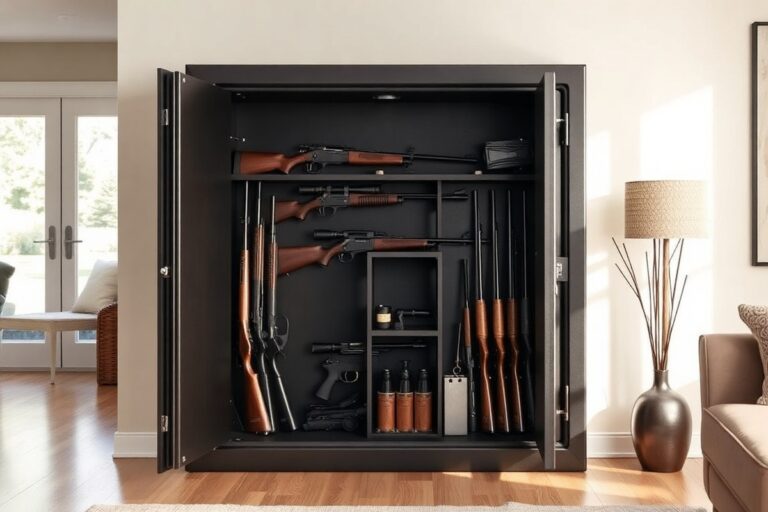
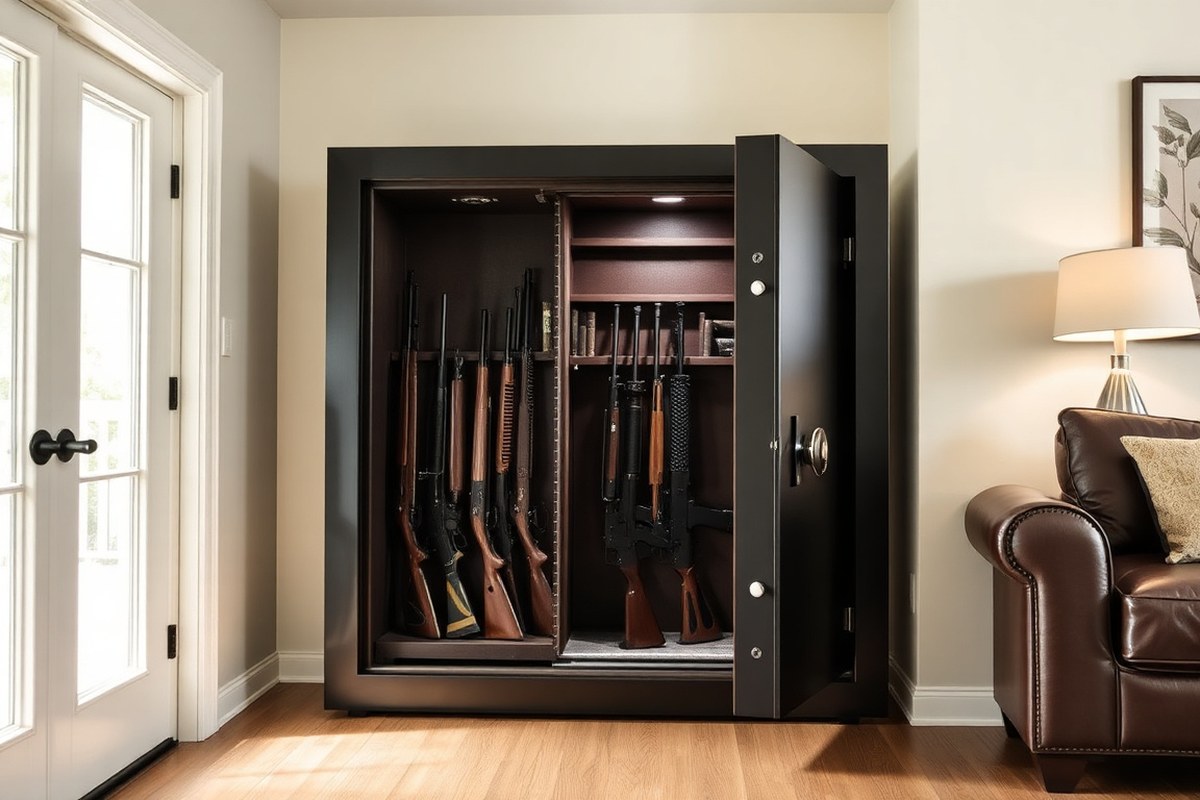
How secure are gun safes depends largely on their build quality, locking mechanism, and installation. Most gun safes rated RSC-I provide basic security against quick break-in attempts lasting about five minutes using common hand tools. Prioritize a safe with a reputable independent rating and proper anchoring to maximize protection.
Key Takeaways
- An RSC-I rating means a safe can resist five minutes of attack using basic tools under test conditions.
- Gun safes weighing at least 750 pounds discourage thieves from easily moving them with dollies.
- Choosing a safe with UL 72 Class 125 fire protection keeps internal temperatures below 125°F, protecting firearms.
- Digitally locked safes with biometric access balance quick entry and secure locking effectively.
- Proper installation anchored to floors or walls is important to prevent safes being carried away.
- Most burglaries last less than 10 minutes, so a safe that delays entry beyond this time reduces theft risk.
How Secure Are Gun Safes Against Different Break-In Methods?

Common break-in methods for gun safes include prying, torque attacks, peeling, and cutting. Each method targets different weak points in a safe’s construction. Prying attacks rely on using gaps or thin steel at door edges, while torque attacks twist locking bolts or the safe body to force entry. Peeling involves bending the steel sheets away from the safe frame, exploiting thin materials. Cutting uses power tools like angle grinders or saws to breach steel walls or locking mechanisms.
Gun safes resist these attacks through reinforced steel construction, anti-pry features such as steel plates and overlapping door seams, and relockers that activate if bolts are tampered with. Thicker steel and good-quality locks help reduce the effectiveness of torque and cutting attacks. For example, military-grade steel combined with anti-pry reinforcements can hold off pry attacks for longer, deterring burglars who rely on speed. Still, no safe is completely burglar-proof. Skilled attackers with powerful tools may break in with enough time.
Below is a comparison table showing common break-in methods and how gun safes typically resist each, along with typical attack times with basic hand tools. This helps set expectations for security and where you might want to invest more protection depending on your situation.
| Attack Method | How It Works | Resistant Features | Typical Break-in Time (With Basic Tools) |
|---|---|---|---|
| Prying | Levering door gaps or thin steel edges | Anti-pry steel plates, overlapping door seams, reinforced hinges | Several minutes to 5+ minutes |
| Torque | Twisting locking bolts or body to disengage | Strong locking bolts, relockers, thick steel body | 5 minutes or more, varies by bolt strength |
| Peeling | Bending thin steel sheets away from frame | Thicker steel, reinforced door frames | Minutes depending on steel gauge |
| Cutting | Using power tools to cut steel or locks | Hardened steel plates, thicker walls, internal locking bars | Can be quick (under 5 minutes) with power tools |
A UL residential security rating (RSC-I) requires that one person with basic hand tools takes at least 5 minutes to open the safe. Models like AMSEC’s BFX gun safes meet this standard, giving you a benchmark for minimal resistance time. Better models may offer longer delay against these common attacks.
Good results mean the safe withstands attacks long enough to discourage thieves, who tend to move on from safes that require too much effort or time. Problems arise when safes have thin steel, weak bolts, or lack anti-pry features, allowing quick access in under a minute. Installation also matters. A poorly anchored safe can be carried away for later, bypassing resistance features altogether.
In some cases, multiple safes with varying security levels might serve different needs. For example, a high-traffic home might use a high-security safe for firearms while storing valuables in a less expensive model. Understanding these attack types and reinforcing specific weaknesses helps you make smarter choices for protecting firearms and valuables at home.
What Locking Mechanisms and Features Make Gun Safes More Secure?

Gun safes gain major security from the type and quality of their locks, relockers, and anti-pry features. Locks that resist tampering and relockers that engage upon forced entry attempts make unauthorized access much more difficult. Biometric locks offer quick access but need extra layers of protection to maintain security. Additional features like slip-clutch gears and anti-pry designs reinforce the safe’s resistance to brute force and use attacks.
Types of Locking Mechanisms
The lock is the first line of defense for a gun safe. Mechanical dial locks are traditional and durable but slower to open. Electronic keypad locks strike a balance, offering quicker entry with programmable codes. High-security safes often use UL-listed locks, which have passed strict tests for resistance to picking and drilling. Keyed locks are usually secondary or backup options, as they can be vulnerable without additional protection.
Single-piece steel locking bars combined with UL-listed locks improve resistance to forced entry. The steel gauge thickness also matters; for example, Sturdy Safes use 7 gauge (0.1793″) steel shells, which offer stronger resistance than a common 11 gauge (0.1196″) shell. Choosing the right lock depends on your priorities for speed, security, and budget.
Reloockers and Anti-Pry Features Explained
Reloockers act as secondary locks that trigger if the primary lock is tampered with. When someone attempts to jam or pick the main lock, relockers engage and lock the safe’s bolts tightly to block any forced entry. They essentially add a backup layer that slows down or stops attempts to break in.
Anti-pry features make prying open the safe much harder. This includes reinforced steel around the door edges, wider door gaps sealed with anti-pry strips, and single-piece locking bars that can’t be easily cut or levered. Pin placement and hand-fitted components further deter pry bars and other use tools.
- UL-listed locks with proven pick and drill resistance
- Reloockers that activate under tampering pressure
- Single-piece steel locking bars for strong bolt engagement
- Reinforced door edges to prevent prying
- Hand-fitted locking pins to resist picking and use
- Anti-pry strips sealing door gaps
- Heavy gauge steel shells to complement lock strength
Combining these features significantly raises the time and effort needed for unauthorized entry, deterring most break-in attempts.
Never rely on only one security feature; relockers and anti-pry designs must complement the main lock to offer effective protection.
Biometric Locks Reliability and Use Cases
Biometric locks use fingerprints for quick access, making them popular for users who want speed without compromising security. These locks typically include PIN or key overrides as backups. Though convenient, their security depends on the quality of the sensor and software.
Top rated biometric safes, such as the BILLCONCH Biometric Gun Safe, have faster authentication times and low false rejections. Still, biometric systems can sometimes fail in cold or dirty conditions and may degrade over time without maintenance. Pairing biometrics with strong relockers and anti-pry mechanisms is essential to prevent bypass from physical attacks or hacking. Use biometric locks if quick access is critical, like home defense scenarios, but expect occasional maintenance and never rely solely on the fingerprint sensor for ultimate security.
Additional Lock Enhancements
Slip-clutch gears help prevent lock damage during tampering. If a burglar tries to force the dial or keypad, the slip-clutch mechanism disengages to avoid breaking the lock, buying you extra time before a full breach.
Lockout mechanisms temporarily shut down the safe’s electronics after multiple incorrect code attempts, preventing brute-force attacks on keypads or biometric controls. This feature is especially useful with electronic locks to deter code guessing. Consider the following enhancements when choosing or upgrading your gun safe:
- Slip-clutch gears to protect lock integrity under force
- Lockout timers to block rapid code attempts
- Multiple locking methods (biometric, keypad, key) for flexibility
- App or remote monitoring for security alerts
- Backup power systems to ensure lock function during outages
These enhancements improve your gun safe’s resilience by adding layers that respond intelligently to forced entry attempts.
How Fire Protection Ratings Affect Gun Safe Security?
Fire protection ratings on gun safes show the duration and maximum temperature the safe can withstand while shielding its contents from fire harm. For example, a UL 72 Class 125 rating indicates the safe can maintain an interior temperature under 125°F, which helps prevent damage to firearms and ammunition in typical fire situations with low humidity. These ratings confirm that your firearms stay secure and protected during a fire.
Gun safes achieve fire resistance through insulation materials inside the walls and doors. Ceramic wool is often used in UL 72 Class 125 rated safes because it provides excellent heat resistance while maintaining a lower temperature inside the safe. Some safes use a specialized concrete mixture that absorbs and disperses heat via the phase change of water turning into steam, adding thermal mass to slow temperature rise. Higher fire protection, like UL 72 Class 350, demands thicker insulation, often more than 2-3/8 inches, to maintain safe internal temperatures during intense fires.
Fire ratings express how long a safe can withstand specific temperatures while keeping the inside safe. For instance, a 60-minute rating at 1,400°F means the safe was tested and proven to protect its contents from fire for at least one hour at that temperature. Most gun safes with fire ratings aim to protect firearms for 1 to 2 hours at temperatures between 1,200 and 1,400°F, which covers common residential fire scenarios.
| Fire Rating | Test Temperature | Duration | Insulation Material | Protection Details |
|---|---|---|---|---|
| UL 72 Class 125 | Below 1,200°F (varies) | Typically 30-60 minutes | Ceramic wool | Keeps internal temp under 125°F at low humidity to protect firearms |
| UL 72 Class 350 | Up to 1,400°F | 60 minutes or more | Thick concrete insulation, phase change materials | Protects contents from severe heat for extended time; requires thicker insulation |
| Higher fire ratings (90 minutes+) | Up to 1,400°F or more | 90 minutes or more | Advanced fireproofing, may include silicone seals | Extended protection with moisture control (e.g., AMSEC BFX with silicone seal) |
To choose a gun safe with adequate fire protection, look closely at the fire rating label, typically certified by UL 72 tests. Verify the duration and temperature rating align with your specific risk profile. A safe with a 1+ hour rating at 1,400°F provides solid protection for most home fires. Check whether the safe uses ceramic wool or a phase-change concrete mixture inside to confirm quality insulation.
Note that a fire rating doesn’t guarantee complete protection from all fire aspects, such as smoke or flames penetrating seals over time. Also, thicker insulation increases safe size and cost. Good fireproof gun safes balance weight, price, and protection, so selecting one depends on how much you prioritize fire safety relative to cost and size. Adding a high-temperature silicone seal can improve moisture control inside the safe, reducing risks of rust or corrosion after high-heat exposure.
Why Proper Installation and Placement Are important for Security
Bolting your gun safe down is essential to prevent theft through easy removal or tipping. Secure anchoring to a solid floor or wall acts as your first line of defense against burglars who might try to grab the safe and run. Without proper installation, even a high-quality safe can be vulnerable, as many attempts start by simply removing the entire safe for later forced entry elsewhere.
Placement matters just as much as bolting down. Position your safe in a concealed or less obvious location where it is hard to access quickly. Avoid high-traffic or visible spots like front entryways or large open rooms. Instead, install it in a closet, basement corner, or behind furniture that hides it from immediate view. Proper placement reduces the risk of quick smash-and-grab thefts and buys time for you or law enforcement to respond during a break-in.
Good installation requires using strong hardware made for safe anchoring. Use bolts with at least 3/8-inch diameter, and if mounting to concrete, use concrete wedge anchors or sleeve anchors drilled to the recommended depth. For wooden floors, secure the safe to floor joists with lag bolts for stable attachment. Some safes come with pre-drilled anchor holes, but adding extra bolts and mounting points increases burglary resistance.
Installation mistakes that weaken security include bolting only to a subfloor rather than a solid slab or joist, using insufficient fasteners, and placing the safe where it is easy to pry off the wall or floor. Installing on uneven surfaces can cause gaps around the base, making it easier to lever the safe free. Also, placing the safe near exterior walls or windows increases risk if burglars break through the outside first.
- Use at least 3/8-inch diameter bolts for anchoring
- Mount safe to solid concrete or floor joists, not just subfloor
- Choose hidden locations like closets or nooks for placement
- Avoid placing near windows, exterior walls, or high-traffic areas
- Check that the safe base sits flush without gaps to prevent prying
- Add extra anchor points beyond manufacturer holes if possible
Installation costs vary, but expect to spend around $50 to $150 on quality bolts, anchors, and hardware depending on the mounting surface. Professional installation may add labor costs but ensures secure mounting and correct placement. A properly installed and placed safe increases burglary resistance significantly and stops removal attempts before they even begin. This extra effort protects your firearms from theft and unauthorized access while maintaining quick access when needed.
What Factors Determine How Long a Gun Safe Withstands Attacks?
The length of time a gun safe withstands an attack largely depends on the steel thickness, lock quality, and the tools used by an intruder. Typical break-in attempts with simple pry bars or axes can breach standard gun safes in just a few minutes. Safes rated UL RSC-1 (Residential Security Container Level 1) are tested to resist attacks for at least 5 minutes under professional tools, such as crowbars and hammers. Attack Level 1 ratings generally indicate a resistance time of at least 5 minutes, while Attack Level 2 ratings raise the bar to around 10 minutes using more advanced attack methods.
A thicker steel gauge increases the time resistance significantly. For example, a gun safe with a 5/16″ (0.3125″) steel outer door, common in many sturdy models, offers better protection than ones with just 3/16″ (0.1875″) steel. The AMSEC BF series uses outer doors with steel thickness up to 1/2″ (0.5″), supplemented by additional layers including concrete amalgamate. This combination can delay entry far beyond the basic UL RSC-1 requirements. A bar 2 inches thick of DryLight concrete between steel layers adds substantial resistance to cutting and prying. The thicker the steel and the more layers of composite materials, the longer it takes for an attacker to penetrate, often turning a few minutes into 15 or 20.
Lock quality also plays a important role in security duration. Safes with UL-rated locks resist picking and forced rotational attacks for longer times. Torque attacks, which rotate the handle or lock mechanism, pose a known risk. Safes built to resist these tactics can withstand brute force attempts without failing quickly. Without these advanced locks, intruders might defeat the safe by applying excessive rotational force in under a few minutes, regardless of steel thickness.
Advanced safes delay or prevent force attacks by combining thickness, multi-layer materials, and superior locks. For example, the AMSEC BFII model meets UL 1037 Attack Level 2 standards, offering resistance twice as long as basic certified safes. These safes often have reinforced door edges, anti-pry bars, and fire linings that both protect contents and slow entry methods such as cutting and drilling. Still, such security comes at a cost, with prices typically higher than standard models. Less expensive safes may appear solid but can be breached quickly with common tools.
Consider a typical home break-in scenario. An intruder with a crowbar and hammer might attempt to pry open a safe with 3/16″ steel. The attack could succeed within 2 to 3 minutes. Increasing the steel thickness to 5/16″ and using a UL RSC-1 lock can extend this time to 5 minutes or longer, enough to deter most burglars seeking quick access. Adding composite materials and upgraded locks, like those featured on Attack Level 2 safes, can push resistance to around 10 to 15 minutes, requiring more time and effort than most intruders are willing to invest.
Always install your gun safe securely anchored to a solid floor or wall; no amount of steel thickness or lock quality can fully protect against a thief who simply hauls the entire safe away.
Balancing Quick Access and Security in Gun Safe Design
Gun safes designed for quick access often use biometric and electronic keypad locks to strike a balance between speed and security. These features allow rapid entry but require careful selection and backup options to avoid compromising protection. Quick access safes may sacrifice some interior space or ultimate toughness for faster openings, making it essential to match your safe’s design to your specific security and emergency needs.
Types of Quick Access Locks
Electronic keypad locks are among the most common quick entry options, providing fast code-based access that usually locks automatically after closing. Biometric fingerprint readers add convenience with near-instant recognition of authorized users, storing multiple fingerprints for family members or trusted individuals. Many models combine biometric readers with keypad entry and mechanical key backup to offer layered access methods.
RFID systems also provide fast unlocking by reading a programmed card or fob, but they typically require external power and may not suit all home environments. Mechanical push-button locks offer speed without electronics, though they often provide lower security against tampering. Choosing between these lock types depends on balancing reliability, access speed, and operational costs like battery replacement.
Risks and Benefits of Fast Entry
Quick access safes improve emergency response times, important for home defense scenarios or locked room situations where seconds matter. They generally include multiple entry methods to reduce lockout risk, such as biometrics supported by backup key or keypad options. However, faster entry features sometimes mean smaller safe size or thinner steel, which can lower resistance to physical attacks.
Biometric systems are less vulnerable to forgotten codes but may occasionally fail to read correctly due to wet or dirty fingers. Electronic locks depend on battery power and need periodic replacement to avoid lockouts. Some quick access safes include silent or mute modes to prevent alarm noise during nighttime access, adding to their usability in sensitive situations.
- Biometric locks enable nearly instantaneous firearm access.
- Keypad entry provides a reliable fallback with personalized codes.
- Multiple access methods reduce risk of lockout emergencies.
- Quick access safes may use thinner steel or compact designs.
- Battery-powered locks require regular maintenance.
- Backup mechanical keys offer last-resort entry.
- Silent modes help avoid noise during late-night use.
Users should weigh these pros and cons to ensure the safe meets both defensive urgency and security standards.
Choosing Based on Use Case
For apartment dwellers or closet storage, compact biometric safes like the Barska model combine space efficiency with rapid entry. They suit small gun collections and areas where concealment is critical but access speed cannot be sacrificed. Owners with larger collections or optics on their firearms might prefer roomy safes with quick electronic keypad access, such as the Karini, offering a broader interior and practical organization.
In households with family members needing access, biometric safes supporting multiple fingerprints and backup codes provide controlled sharing. If nightly readiness is a priority, safes featuring silent access modes are beneficial. Budget constraints favor reliable keypad or fingerprint models that don’t compromise basic security but might lack bells and whistles.
Choosing the right quick access safe involves defining your priorities: whether faster emergency reach, storage capacity, or multi-user convenience take precedence. Test biometric and keypad response to ensure smooth operation under stress and review backup key availability before purchase.
Security Measures for Quick Access Safes
Fast entry safes can still maintain strong security when built with certified locks, reinforced steel, and relocker mechanisms. UL-listed electronic and biometric locks provide proven resistance against forced entry and tampering. Integration of interior locking compartments and strong boltwork improve protection beyond just the lock type.
Look for safes with features like tamper alarms, automatic relocking after failed access attempts, and dual alarm or mute modes to deter unauthorized entry. Proper installation anchored to studs or concrete also strengthens overall security. Frequent battery replacements and routine lock tests keep your quick access system reliable over time. Secure quick access safes often blend these elements:
- UL-listed electronic or biometric locks for tested security
- Backup mechanical keys or keypad entry for reliability
- Strong 14- to 15-gauge steel construction
- Internal relockers and deadbolts for forced entry resistance
- Alarm systems to warn of break-in attempts
- Anchoring hardware to fix the safe in place
- Battery status indicators and easy maintenance access
Combining these safeguards minimizes risk while allowing rapid access when seconds count.
Common Security Mistakes and Myths About Gun Safes
Not all gun safes offer the same level of security. Many buyers assume that an expensive or heavy safe alone will prevent unauthorized access. However, safes lacking certified locks, relockers, and thick, heavy-duty steel doors can be pried open quickly by burglars. A high-quality safe with UL-certified locking mechanisms is key to effective protection. Merely placing a safe in an out-of-reach spot for children does not guarantee safety, as kids may still discover its location.
Leaving a gun safe unbolted is a common security mistake. No matter how strong the safe, an unanchored unit can be carried away and opened at a different location. Bolting the safe to a concrete floor or wall requires a drill and about 20 to 30 minutes of installation time. Heavy-duty lag bolts or expansion anchors typically cost between $10 and $30 for a set. This simple step drastically reduces the risk of theft.
Biometric locks carry a misconception that they frequently fail or are unreliable. In reality, top-rated safes, like the BILLCONCH Biometric Gun Safe, have demonstrated strong reliability through thousands of positive user reviews. Still, biometric systems should have backup access methods, such as backup keys or PIN pads, to ensure entry if the fingerprint sensor malfunctions. Proper maintenance includes cleaning the sensor regularly and avoiding moisture buildup.
- Not bolting down the safe, allowing easy removal
- Choosing safes without UL-certified locks or relockers
- Assuming kids won’t find or open the safe without additional childproofing
- Relying solely on biometric locks without backup entry options
- Storing firearms loaded inside the safe, increasing accidental risks
- Overestimating safe capacity, leading to cramped, inefficient storage
- Skipping regular maintenance of locking mechanisms
Storing guns loaded inside the safe does not increase security and raises safety risks. Loaded firearms in a safe accessible to unauthorized users, including children or visitors, can lead to accidents. It is better practice to store guns unloaded with ammunition locked separately. Safe capacity matters, too. A “40 gun” safe often fits only 16 to 24 rifles and shotguns after accounting for scopes and door organizers, so planning storage layout improves both security and quick access. Regular inspection and maintenance that keep locks and hinges in working order support long-term reliability.
Choosing the Right Gun Safe for Your Security Needs
Selecting the right gun safe involves balancing security ratings, size, fire protection, and budget to fit your specific needs. Understanding these factors helps you choose a safe that adequately protects your firearms without overspending or missing key features.
Security Ratings and What They Mean
Gun safes come with various security certifications and ratings that indicate their resistance to break-in attempts. Common ratings include Residential Security Container (RSC) and UL TL-15 or TL-30, reflecting the type of tools and time required to breach the safe. For example, an RSC-I rating means the safe can resist common break-in methods like prying and drilling for at least 5 minutes. UL TL-15 safes offer stronger protection, typically resisting attacks using tools for at least 15 minutes, while TL-30 safes withstand tools for 30 minutes or more.
These ratings guide you in assessing how much security you need. For most residential needs, an RSC-I or equivalent rating provides adequate deterrence. Higher ratings suit those with larger collections or valuables requiring more strong protection.
Safe Sizes and Capacity Considerations
Choosing the right size is important to ensure all firearms and valuables fit comfortably, with room to add items later. Measure your firearms, including long guns and handguns, and account for accessories such as scopes and ammunition. A common mistake is selecting a safe too small, which can lead to overcrowding and damage.
The safe’s volume can range from under 1 cubic foot for small pistol safes to over 20 cubic feet for large gun safes. Consider your current inventory and add 20-30% extra space for future purchases. Also, factor in shelf configurations and storage options like door racks to optimize space.
Comparing Budget vs Premium Safes
Budget safes like those from Browning, Dakota, and American Security (AMSEC) with RSC-I ratings offer reasonable security and value, typically costing between $500 and $1,500. These safes provide basic fire resistance and solid locking mechanisms but may fall short against prolonged or sophisticated attacks.
Premium safes command higher prices, often exceeding $3,000, and deliver stronger construction, better fire ratings (like UL 72 certified), and advanced locking systems. For instance, a premium safe may offer 60 minutes or more of fire protection at higher temperatures and reinforced walls that resist power tools longer.
| Safe Type | Typical Security Rating | Fire Protection | Approximate Price Range |
|---|---|---|---|
| Budget (e.g., Browning, Dakota, AMSEC RSC-I) | RSC-I (5 minutes resistance) | Limited fire rating | $500 to $1,500 |
| Mid-Range | UL TL-15 (15 minutes resistance) | Moderate fire rating (30-60 minutes) | $1,500 to $3,000 |
| Premium | UL TL-30 or higher (30+ minutes resistance) | High fire rating (60+ minutes UL 72) | $3,000 and up |
Expect better craftsmanship and stronger materials as you move up in price. Assess your risk level and budget to determine the best fit.
Key Features to Consider
Additional features can improve both security and convenience. Look for solid steel construction, bolt-down hardware, reinforced locking bolts, and quality locks like biometric or mechanical combination systems. Fire protection is measured by UL 72 ratings, showing how long a safe can maintain internal temperatures below damaging levels (typically below 350°F for guns and ammo).
Other valuable features include interior lighting, adjustable shelving, and quick-access compartments for emergency situations. These traits add utility but can increase cost. Prioritize features that align with your daily use and security needs.
Always bolt your safe to the floor or wall to prevent it from being carried away, no matter how strong its construction.
When to Consider an Upgrade
Upgrading your gun safe makes sense when your collection grows, your security needs increase, or your current safe no longer meets fire or break-in resistance standards. Signs include outdated locking mechanisms, insufficient space, or damage from attempted break-ins.
Moving to a higher-rated safe with improved fire protection preserves your firearms’ value and ensures safer storage. Upgrades can also improve access speed and usability, important for self-defense situations. Regularly reassess your safe every 5 to 10 years, especially if you build a larger collection or your home security environment changes.
Step-by-Step Action Plan for Securing Your Firearms with the Right Gun Safe
Follow these steps to select and set up a gun safe that fits your security needs and provides reliable protection for your firearms.
- Before you buy: Assess your firearm collection size, estimated budget, and local regulations to shortlist safes with adequate space, lock types, and fire ratings.
- Within the first week: Select a gun safe featuring high-quality locking mechanisms like biometric or mechanical dial locks to improve security against break-ins.
- Day 1 after delivery: Install the safe on a sturdy surface, preferably bolted to the floor or wall, in a concealed location away from windows or external walls to reduce tampering risk.
- Week 2: Test your safe’s lock multiple times, including quick-access functions if applicable, making sure it opens reliably and keeps firearms inaccessible without proper authentication.
- Week 3: Register your safe’s serial number with the manufacturer and store warranty information securely to ensure support for any issues or recalls.
- Month 2: Practice your quick-access methods periodically to balance fast retrieval and security without exposing combination or fingerprint data.
- Month 3 and ongoing: Inspect and maintain locking mechanisms, hinges, and fire seals. Tighten bolts and update codes or fingerprint readers as needed to preserve protection over time.
Frequently Asked Questions
Can a Gun Safe Prevent Unauthorized Access by Children at Home?
Yes, most quality gun safes with secure locking mechanisms prevent child access, reducing accidental use. Always test your safe’s lock with an untrained user to ensure it’s childproof.
Does the Size of a Gun Safe Affect Its Security?
Size can affect security; larger safes may be harder to move but easier to spot. Choosing a safe size to fit your space and concealment needs improves overall security.
How Often Should You Change or Upgrade Your Gun Safe’s Lock System?
You should consider changing or upgrading locks every few years or after a security breach. Newer lock technology can improve security and keep up with advancements in forced entry methods.
Are Biometric Locks More Secure Than Traditional Key or Combo Locks?
Biometric locks offer quick access but may have false rejections or failures. Combining biometric locks with backup keys or codes improve overall security and reliability.
Can Multiple Firearms Be Securely Stored Without Increasing Risk?
Yes, storing multiple firearms in a well-organized safe designed for your collection reduces handling risks. Use racks or foam inserts to separate guns and prevent damage inside the safe.
What Maintenance Steps Keep a Gun Safe Secure Long Term?
Regularly clean, lubricate locks, and inspect the safe for damage or wear. Tighten anchor bolts and test locking mechanisms to ensure continued reliable security.
Final Thoughts
Choosing and installing a gun safe properly makes a significant difference in securing your firearms from theft, fire, and unauthorized access. Taking time now to evaluate and maintain your safe helps protect what matters most. Start today by checking your safe’s installation and lock function so your firearms remain secure and ready when you need them.