How to Become a Certified Glock Armorer Complete Steps and Course Details
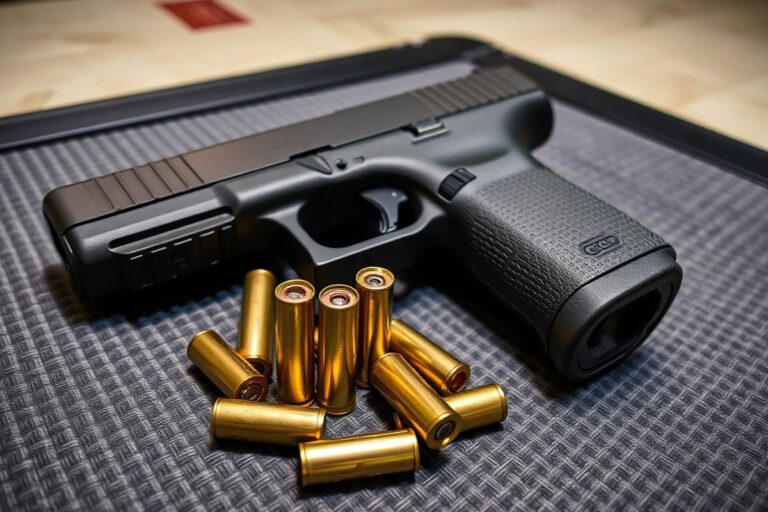
Becoming a certified Glock armorer means gaining expert skills in maintaining, diagnosing, and repairing Glock pistols, excluding the G18/C select-fire models. To become certified, you complete a two-day, 16-hour course that includes both classroom instruction and practical exercises with Glock pistols from all generations. This certification is essential for law enforcement, military personnel, and security professionals responsible for Glock firearm maintenance and support.
This article focuses on how to become a certified Glock armorer by outlining registration steps, course expectations, examination requirements, and tips for success. You’ll learn what the certification covers and how it empowers you to ensure Glock pistols operate reliably and safely within your agency or organization.
Key Takeaways
- Register for the Glock Armorer Course through authorized Glock training centers or professional firearms training providers.
- Prepare by reviewing Glock pistol models, focusing on disassembly, cleaning, and troubleshooting techniques.
- Attend the intensive two-day, 16-hour course that includes hands-on repair of scenario pistols from all Glock generations.
- Achieve a minimum score of 90% on practical exercises and written exams to earn certification.
- Use the certification to conduct authorized maintenance and service work on Glock pistols in your department or unit.
- Recertify regularly to stay updated on Glock’s latest maintenance standards and new pistol models like Gen 5.
What Is a Certified Glock Armorer and Their Role

A certified Glock armorer is a trained and authorized individual who manages the maintenance, repair, and inspection of Glock pistols for military, law enforcement, security professionals, or qualified civilian users. Their certification confirms they have completed specific training and demonstrated proficiency in service procedures designed by Glock Professional, Inc. This role is essential for ensuring firearms function reliably and safely, reducing downtime due to malfunctions or damage.
The certification covers all Glock pistol models except for the G18 and other select-fire variants. This includes popular models like the Glock 17, Glock 19, Glock 22, Glock 23, Glock 26, Glock 43 series, and all current generation versions up through Gen 5. Being certified means you are authorized to disassemble, clean, troubleshoot, repair, and reassemble these pistols. You are also trained to perform authorized maintenance tasks and parts replacement following Glock’s specific standards and safety protocols.
Responsibilities of a certified Glock armorer include detailed inspection of pistols to identify wear or damage, performing authorized repairs such as replacing springs, barrels, slides, and other components, and applying approved modifications that improve function or safety. You maintain accurate records of maintenance actions and parts used, which supports accountability and helps agencies track firearm condition and service history. The armorer also provides expertise and training to other personnel within the organization, sharing best practices and reducing reliance on external gunsmith services.
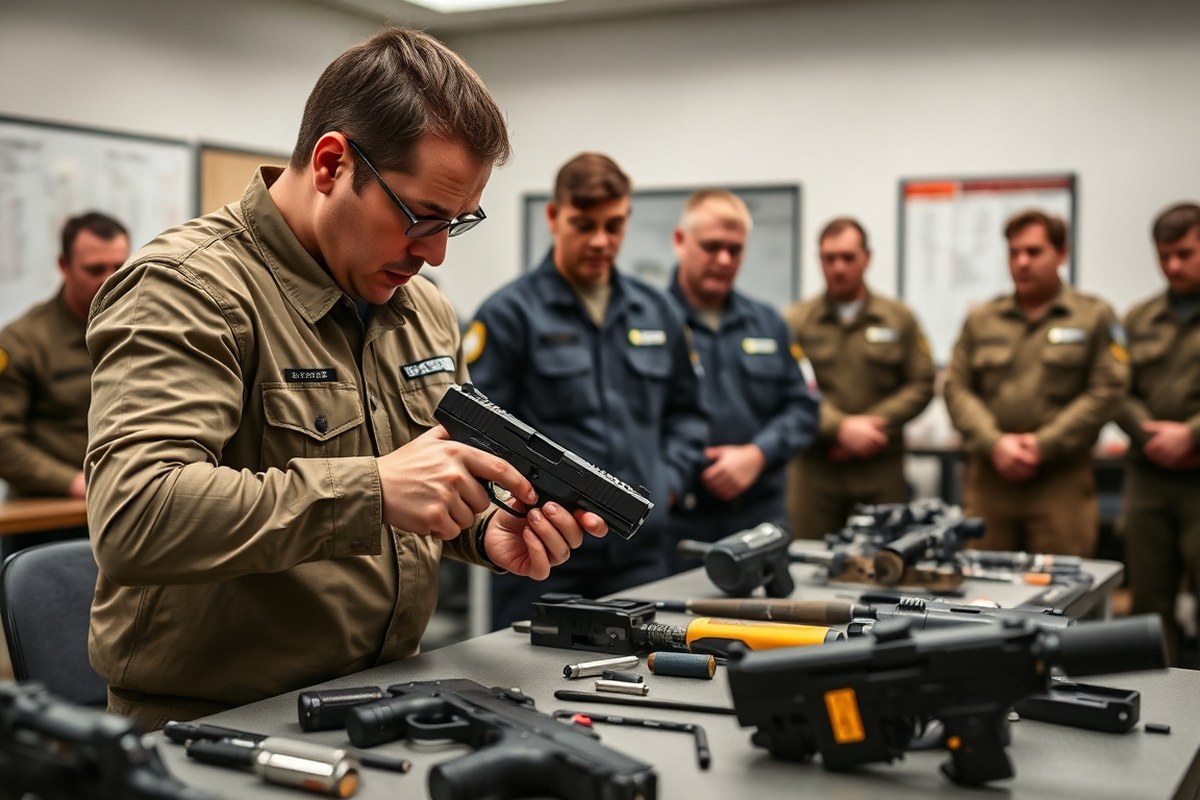
Achieving certification involves successfully completing a formal Glock Armorers Course, typically lasting 16 hours over two days. The course provides hands-on training covering field stripping, full disassembly, reassembly, safety measures, parts replacement, and authorized upgrades. Candidates learn to troubleshoot common issues to quickly resolve firearm malfunctions. Agencies benefit by minimizing weapon downtime and saving costs associated with sending pistols out for professional gunsmithing.
This role requires strict adherence to Glock’s maintenance protocols and safety guidelines to avoid compromising firearm performance. Certified armorers become valuable resources within departments, assisting with routine servicing and specialized repairs that do not require factory return. Maintaining certification through periodic recertification or refresher courses ensures skills stay current with new Glock model updates and technical service bulletins.
Who Can Become a Certified Glock Armorer?
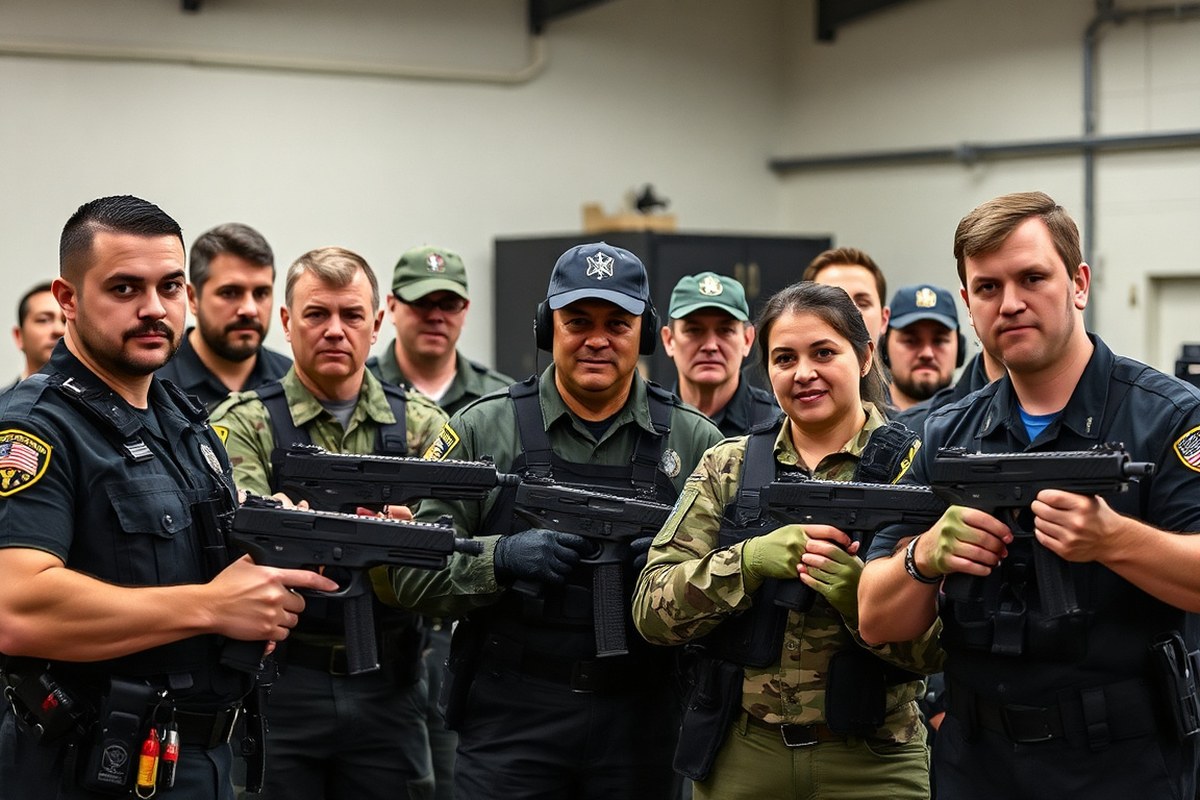
Becoming a certified Glock armorer requires meeting specific eligibility criteria to ensure you have the foundational knowledge needed for the course. Typically, candidates must possess a basic understanding of firearms and safety procedures before enrolling. This prerequisite matters because the course builds on these basics to teach maintenance, repair, and functionality testing for Glock pistols. Without this prior knowledge, trainees may struggle to keep pace with the technical content and hands-on practice.
The course is generally open to a range of professionals in law enforcement, military, and security roles. Civilians are usually eligible as long as they meet the firearm safety and handling prerequisites. This inclusivity supports a wider pool of proficient armorers critical for maintaining a high-quality weapons program in various settings. Before enrolling, you should confirm eligibility with the course provider at GLOCKtraining.com, as regional or institutional policies might affect access. Here’s a practical checklist to help you decide if you qualify to become a Glock armorer:
- Basic firearms knowledge and safety training completed
- Current employment or affiliation with law enforcement, military, security, or related fields (or equivalent civilian status)
- No disqualifying criminal record or security clearance issues
- Ability to attend the full duration of the course and complete hands-on training
- Physical capability to handle and operate firearms safely during practical exercises
Having prior firearms experience is strongly recommended, if not mandatory, given the course’s technical requirements. The training emphasizes more than just repair; you will learn critical testing procedures after maintenance to verify firearm functionality. Failing to meet these prerequisites can lead to difficulty passing the certification exam or mastering the skills needed to maintain Glock pistols reliably.
Confirm your eligibility and gather any required documentation well before course registration to avoid delays or disqualification.
Successful certification results from proper preparation, including understanding firearm functions and safety. Meeting these eligibility prerequisites ensures you can fully engage with the course content and apply skills effectively in your professional role. Checking all requirements and choosing a training date that fits your schedule will improve your chances of a smooth certification process.
How to Register and Prepare for the Glock Armorer Course
Registering for the Glock armorer course involves locating official training near you, completing the registration steps, and preparing the required tools and materials ahead of the class. The course is typically in-person, with few remote options, so planning early ensures you secure your spot and arrive fully prepared.
Finding Official Glock Armorer Courses
Official Glock armorer courses are offered through Glock’s authorized training partners and law enforcement channels. To find a course near you, start by visiting the Glock Training website or contacting local Glock law enforcement distributors. Courses are often held at firearm training centers, police academies, or authorized Glock armory facilities.
While online theory portions may be available from some providers, hands-on firearm disassembly, inspection, and repair require in-person attendance. Some regional tactical training schools and police departments also host Glock armorer classes for their personnel or contractors.
Pre-Course Preparation and Materials Checklist
Preparing thoroughly before your Glock armorer course helps you maximize your training investment. Confirm which materials and tools the course provider expects you to bring, as this can vary. Typically, basic personal protective equipment such as safety glasses and hearing protection is essential.
A common checklist includes a Glock pistol (ideally the model you work with), a cleaning kit, a set of armorer-specific tools, and the course materials provided by the instructor. Reviewing Glock’s maintenance manual and armorer’s notes before class is highly recommended for familiarization.
- Safety glasses and hearing protection
- A Glock handgun to disassemble and inspect
- Cleaning supplies: brush, cloths, lubricant
- Armorer’s tool kit: punches, screwdrivers, bench block
- Course manual or printed class materials
Steps to Secure Your Course Registration
Registering for the Glock armorer course involves contacting the right provider and completing their enrollment process. Some classes fill quickly, so act promptly once you find a suitable date and location.
- Visit the official Glock Training website or authorized distributor’s site to locate scheduled armorer courses.
- Contact the training provider directly to confirm course availability and verify registration requirements.
- Provide required documentation, which may include proof of law enforcement or military affiliation where applicable.
- Complete the registration form online or via email, including your full name, contact information, and firearm details if requested.
- Pay the course fee as outlined by the provider, typically ranging from $300 to $500, depending on location and course length.
- Receive confirmation via email with course date, location, itinerary, and any last-minute instructions.
- Prepare your equipment and review course materials as specified before attending.
What to Expect in the Glock Armorer Training Course
The Glock Armorer Training Course typically lasts two to three days, combining classroom instruction with hands-on exercises. The course structure begins with an introduction to Glock pistols, covering the design and function of key components. This foundational knowledge sets the stage for more detailed study of disassembly, inspection, and assembly processes. Throughout the course, you’ll engage in practical sessions using Glock pistols to develop and verify your skills.
The training covers essential skills such as proper field stripping, recognizing common wear and damage, and conducting preventative maintenance. You’ll also learn troubleshooting techniques for malfunctions and how to perform repairs within authorized limits. Understanding the specifications and tolerances of Glock parts ensures your work maintains firearm reliability and safety in the field. This expertise is critical for law enforcement and security professionals tasked with maintaining operational readiness.
- Day 1: Glock design overview and component functions
- Day 2: Detailed disassembly, cleaning, and reassembly techniques
- Day 3: Troubleshooting, inspection criteria, and authorized repair procedures
- Hands-on practice with live Glock pistols under instructor supervision
- Safety protocols for handling firearms and tools during training
- Review of manufacturer specifications and maintenance standards
Safety is a priority throughout the training. Candidates must follow strict protocols, including treating every firearm as if it is loaded, maintaining muzzle awareness, and using personal protective equipment such as eye protection. Instructors enforce weapon clearance before any disassembly or cleaning activity. This focus on safety reduces the risk of accidents and reflects the professional standards expected in law enforcement and military contexts.
The course uses manufacturer-approved materials and tools to emulate the conditions you’ll encounter in real-world armorer duties. Hands-on sessions let you handle various Glock models to recognize differences and key service points. Passing the course requires demonstrating competency in all practical and theoretical aspects, which ensures your certification signifies readiness to perform maintenance and minor repairs responsibly and safely.
Understanding the Glock Armorer Certification Exam and Requirements
The Glock Armorer certification exam combines written and practical elements to confirm your expertise in diagnosing, repairing, and maintaining Glock pistols. Passing requires a minimum score of 90% on hands-on practical exercises, plus a satisfactory result on the written test. If you don’t pass, retake options and additional training may be necessary.
Written and Practical Exam Components
The exam consists of two main parts: a written test and practical exercises. The written portion assesses your knowledge of Glock pistol components, troubleshooting procedures, and maintenance protocols. Questions typically cover all Glock generations and diagnostic techniques.
The practical section is scenario-based, using real pistols to evaluate your ability to perform repairs and adjustments across a range of models. You will diagnose faults, disassemble, clean, replace parts, and reassemble pistols properly under a timed setting. Practical exercises demand precision and speed with a minimum passing rate of 90% accuracy.
Minimum Passing Scores and Standards
Meeting the minimum score criteria ensures you have the competence required for safety and reliability in Glock repairs. The practical test’s 90% requirement reflects the high level of expertise expected from certified armorers, balancing technical skill and problem-solving under pressure. The table below details passing criteria and consequences of failing each section:
| Exam Section | Minimum Passing Score | Outcome if Failed |
|---|---|---|
| Written Test | 75% | Retake scheduled; additional study advised |
| Practical Exercises | 90% | Remedial practical training; retake required |
Failing the written test typically means reviewing Glock technical manuals and attending refresher lessons before a retake. Failing practical exercises calls for hands-on improvement sessions focused on weak areas such as fault diagnosis or part replacement.
Common Exam Challenges and How to Overcome Them
The time pressure and technical complexity can lead to errors in disassembly or improper diagnosis during practicals. Many find the scenario pistols challenging due to wear or unusual faults requiring flexible problem-solving skills. To improve your chances of passing, focus your preparation on the following checklist:
- Master Glock manual procedures for all generations.
- Practice timed disassembly and reassembly drills.
- Study common malfunctions and their solutions.
- Attend hands-on workshops or training courses if possible.
- Use practice pistols to simulate real repair scenarios.
- Review past exam materials or test tips from certified instructors.
Pro tip: Treat every practice pistol as a live scenario; rushing leads to mistakes that drop your score below 90% in the practical exam.
Addressing these topics thoroughly leads to increased confidence and reduces exam-day stress, critical factors for success in Glock armorer certification.
Costs and Logistics of Becoming a Glock Armorer
The tuition fee for becoming a certified Glock Armorer usually ranges between $300 and $500. Prices can vary depending on location and whether the course is offered through an authorized training center or a private instructor. Law enforcement and military personnel often get discounts or subsidized rates; some agencies cover the full cost as part of their professional development programs. It is recommended to inquire directly with the training provider or your department about special pricing options.
Besides the tuition, additional expenses can add up. Travel, lodging, and meals often represent the largest supplementary costs for those attending courses out of town. Bringing your own Glock pistol for hands-on training might be required, unless the course supplies them, and that could mean extra costs for rental or shipping. Purchasing the official Glock Armorer manual and other study materials may also factor into your budget. Planning ahead by listing these potential costs can help you avoid surprises.
| Cost Item | Typical Range | Notes |
|---|---|---|
| Tuition Fee | $300 – $500 | Varies by provider and location; discounts likely for military and law enforcement |
| Travel Expenses | $50 – $400 | Depends on distance; local courses might eliminate this cost |
| Accommodation | $80 – $150 per night | Needed if course is over multiple days and not local |
| Meals | $20 – $50 per day | Plan for breakfast, lunch, and sometimes dinner |
| Glock Pistol Use | Rental or shipping costs vary | Some courses provide pistols; others require you to bring your own |
| Study Materials | $20 – $50 | Official manuals and supplementary guides |
Organize your budget by first confirming the exact tuition cost with your chosen training provider. Next, calculate travel costs based on your mode of transportation and distance. Book accommodations early to secure lower rates near the training site. Pack meals or plan affordable dining to reduce daily expenses. Confirm whether you must bring a Glock pistol and factor in any rental or shipping fees. Ordering the official manual before the course lets you start studying early and spreads out your expenses.
Cost management matters because unexpected expenses can delay your certification timeline. For example, attending a weekend course close to home lowers travel and accommodation costs, but getting certified during a multi-day seminar further away could require more upfront spending. Many agencies encourage members to report and request reimbursements for these costs, so keep receipts organized. Weigh convenience versus cost and select a course location and dates that fit your work schedule and budget.
Maintaining Your Certification and Advanced Training Options
To maintain your status as a certified Glock armorer, you must recertify within the timeframe set by Glock and keep your skills current through ongoing training. Recertification ensures your knowledge stays aligned with the latest Glock models and maintenance standards. Additional training opportunities beyond the initial certification help you deepen your expertise and adapt to updates in firearm technology.
Recertification Procedures and Timeline
Glock generally requires armorers to recertify every two years to keep their certification valid. This recertification involves completing a refresher course or demonstrating continued competence through a practical exam. The refresher training reviews essential topics such as disassembly, inspection, maintenance, and troubleshooting of Glock pistols. If you delay recertification beyond the allowed timeframe, you may lose your armorer status and have to retake the full course.
To begin recertification, contact an authorized Glock training center or your department’s training coordinator well before your certification expires. The cost of recertification courses often runs between $150 and $300 depending on the location and course length. Planning ahead avoids lapses that could affect your ability to perform official armorer duties.
Available Advanced Glock Armorer Trainings
Beyond the basic armorer certification, Glock offers advanced training options designed for those demanding deeper technical knowledge. These courses cover specialized topics like armory management, advanced troubleshooting, upgrading firmware on Glock firearms with electronic components, and adapting armorers’ skills to new Glock models released since your initial training.
Some departments or training academies also provide courses focused on tactical maintenance and field-level repairs under operational conditions, which can be especially useful for military and law enforcement professionals. These advanced options often require prior certification or instructor approval and can cost $300 or more depending on the curriculum and duration.
Staying Current with Glock Maintenance Techniques
Maintaining your certification goes hand in hand with regularly practicing Glock maintenance and keeping pace with manufacturer updates. Glock releases technical bulletins and updated armorer manuals periodically, so subscribing to official Glock communications is critical. These documents inform you about new parts, recall notices, and recommended maintenance changes.
Regular hands-on work with Glock firearms in your department or personal collection helps retain your fine motor skills and diagnostic abilities. Consider setting periodic in-service refreshers or peer training sessions to review recent updates and exchange practical tips. Staying engaged also involves networking with other certified armorers to share lessons learned and troubleshoot uncommon issues effectively.
Common Challenges and Tips for Glock Armorers in Training
Many trainees face challenges during Glock armorer training that can affect their success and confidence. One common mistake is rushing through the disassembly and reassembly process. Precision and attention to detail matter, especially when handling small parts like the trigger mechanism or recoil spring assembly. Skipping steps or not following the sequence carefully can cause malfunctions when the firearm is reassembled.
Another frequent issue is misunderstanding the function of various parts. This leads to errors during troubleshooting or attempting repairs. Trainees often struggle with part identification, which slows down the learning process. Reading the Glock Armorer Manual thoroughly before the course and referring to it during practice helps solidify this knowledge.
Proper tool use often trips up newcomers. Using incorrect tools or improper techniques can damage the Glock’s components. Stick to the recommended armorer tools and learn the correct way to apply pressure or torque, especially when replacing pins or springs.
- Always follow the step-by-step disassembly and reassembly procedure without skipping.
- Use only Glock-approved armorer tools for maintenance tasks.
- Memorize part names and functions before hands-on training to speed up troubleshooting.
- Double-check spring orientation and pin placement to avoid malfunctions.
- Take your time with trigger assembly, it requires deliberate hand positioning.
- Conduct function checks after reassembly to confirm everything works properly.
- Ask for instructor feedback regularly and review your errors immediately.
Never force a part into place; if it doesn’t fit easily, stop and review the assembly steps carefully.
Practice builds muscle memory, which matters more than speed during certification. Start slow and focus on accuracy during each step. This approach helps prevent damage and ensures the Glock functions reliably. Practical troubleshooting also improves with hands-on experience, so try simulating common failures and diagnosing them under guided instruction.
Costs for replacing damaged parts during training may add up, so avoiding mistakes saves money too. A damaged firing pin or extractor can cost $10 to $25 to replace, not including shipping or restocking fees. Being patient and precise helps avoid these extra expenses.
Consistent practice outside the formal course encourages skill retention. Assign time each week to review the manual, inspect parts, and practice disassembly or function tests. Every correction made during practice improves your readiness for the certification exam and real-world armorer responsibilities.
Step-by-Step Action Plan to Become a Certified Glock Armorer
Follow these steps to start your journey toward Glock armorer certification and ensure you meet every requirement efficiently.
- Before You Register: Verify you meet the eligibility requirements, such as law enforcement or security credentials. Confirm this by preparing your documentation for course registration.
- Week 1: Register for the official Glock Armorer course through a licensed Glock distributor or training center. You’ll know it worked once you receive a confirmation email with course details.
- Two Weeks Before Training: Study the Glock Operator’s Manual and familiarize yourself with basic maintenance procedures. Test your readiness by identifying all Glock parts correctly.
- Training Day(s): Attend the Glock Armorer course, actively participate in hands-on sessions, and ask questions. Successfully completing practical exercises indicates you’re on track.
- Immediately After Training: Take the certification exam provided at the end of the course. Passing this exam confirms your certified status.
- Within One Month Post-Certification: Apply your new skills by performing routine maintenance or assisting with Glock repairs under supervision. Successful application means you understand your role as an armorer.
- Ongoing: Stay updated with Glock service bulletins and consider advanced training recommended by Glock. Regular updates ensure your skills remain current and certification valid.
Frequently Asked Questions
Can Anyone Become a Glock Armorer?
You must be an active or retired law enforcement, military officer, private security member, Glock dealer employee, or current GSSF member to qualify for Glock armorer training. The course is not open to the general public.
How Much Do Glock Armorers Make?
Earnings vary by role and location, typically ranging from $40,000 to $70,000 annually for law enforcement armorers. Additional income can come from civilian firearms maintenance or training roles.
How Much Is a Glock Armorer Course?
The course cost fluctuates but generally falls between $300 and $500, depending on location and provider. Some law enforcement agencies may cover this expense for their personnel.
What Qualifications Do You Need to Be an Armorer?
You need to be affiliated with law enforcement, military, private security, or authorized Glock organizations, plus possess basic firearms handling skills and attend the official Glock armorer course.
Is the Glock Armorer Certification Valid for All Glock Models?
The certification covers all Glock pistols except the select-fire G18 and G18C models. These require specialized training beyond the standard armorer course.
Can Civilians Take Advanced Glock Armorer Courses?
Civilians typically cannot attend advanced Glock armorer courses without qualifying affiliations, as these sessions target military, law enforcement, or security professionals.
Final Thoughts
Achieving Glock armorer certification sets you apart as a trusted technician qualified to maintain and repair Glock firearms. Taking concrete action today by registering for the official course gets you moving forward. Focus on preparation and active engagement during training to ensure success in certification and your professional role.