How to Dispose of Ammo Safely: 8 Expert Methods That Actually Work
Knowing how to dispose of ammo safely means keeping yourself, others, and the environment protected from harm. The best way is to use official disposal programs like local law enforcement or hazardous waste centers that handle ammunition properly. Avoid tossing ammo in the trash because it can cause accidents and pollute landfills.
Key Takeaways
- Contact your local police department’s non-emergency line to ask about ammunition disposal options.
- Use hazardous waste facilities or recycling centers that accept ammunition and its components.
- Do not throw live or unspent ammunition in household trash or landfill bins.
- Check expiry and storage conditions; ammo generally lasts 10 years if kept cool and dry.
- Gun ranges sometimes accept unwanted ammo for safe disposal or reuse.
- Never attempt to dismantle or destroy ammunition without proper knowledge and safety equipment.
1. Safe and Legal Ways to Dispose of Ammunition

Disposing of ammunition requires careful attention to both safety and legal rules. Ammunition contains hazardous metals and explosives that can harm people and the environment if handled or discarded improperly. Simply throwing cartridges in the trash is unsafe and often illegal. Laws vary by state, so always check local regulations before disposal. Many communities treat ammunition as hazardous waste, prohibiting landfill disposal to prevent contamination and accidental ignition.
To ensure safe and legal disposal, follow this clear set of steps. These steps prioritize contacting proper authorities and recycling programs equipped to handle ammunition safely. They also reduce risks like accidental discharge, environmental pollution, and legal penalties.
- Contact local law enforcement. Call the non-emergency number to ask if they accept unwanted ammunition for disposal. Many police departments and sheriff’s offices offer free, safe disposal services or can direct you to authorized locations.
- Check nearby gun ranges or firearms retailers. Some ranges and stores accept old or dud ammunition to dispose of it safely. They often have established procedures to handle ammo without risk.
- Locate a hazardous waste disposal facility. Contact your local waste management or public works department to find facilities that accept ammunition. Some recycling centers run ammunition recycling programs that safely disassemble and recycle components.
- Schedule a drop-off or pickup. Follow the instructions given by your local law enforcement or waste facility on when and how to deliver your ammunition. Avoid transporting large quantities alone and secure ammo in its original packaging or a sturdy container.
- Never attempt to disassemble or burn ammunition yourself. Handling primers, powder, and casings without expertise risks explosions or toxic fumes. Leave all break-down or destruction to trained professionals.
- Keep ammunition dry and cool while storing. Store ammo away from heat, sparks, and moisture until you can dispose of it. Proper storage reduces accidental ignition risk and preserves ammunition for safer disposal.
Adhering to these steps minimizes health and safety hazards and ensures compliance with legal standards. Law enforcement and certified recycling programs are equipped with specialized knowledge and equipment to handle ammunition safely, environmentally, and legally. Costs for disposal may vary; many police departments provide this service for free, while some hazardous waste programs might charge a modest fee. Following official guidance protects you, your family, and the wider community from the dangers associated with improper ammunition disposal.
2. How to Identify and Assess Your Ammunition
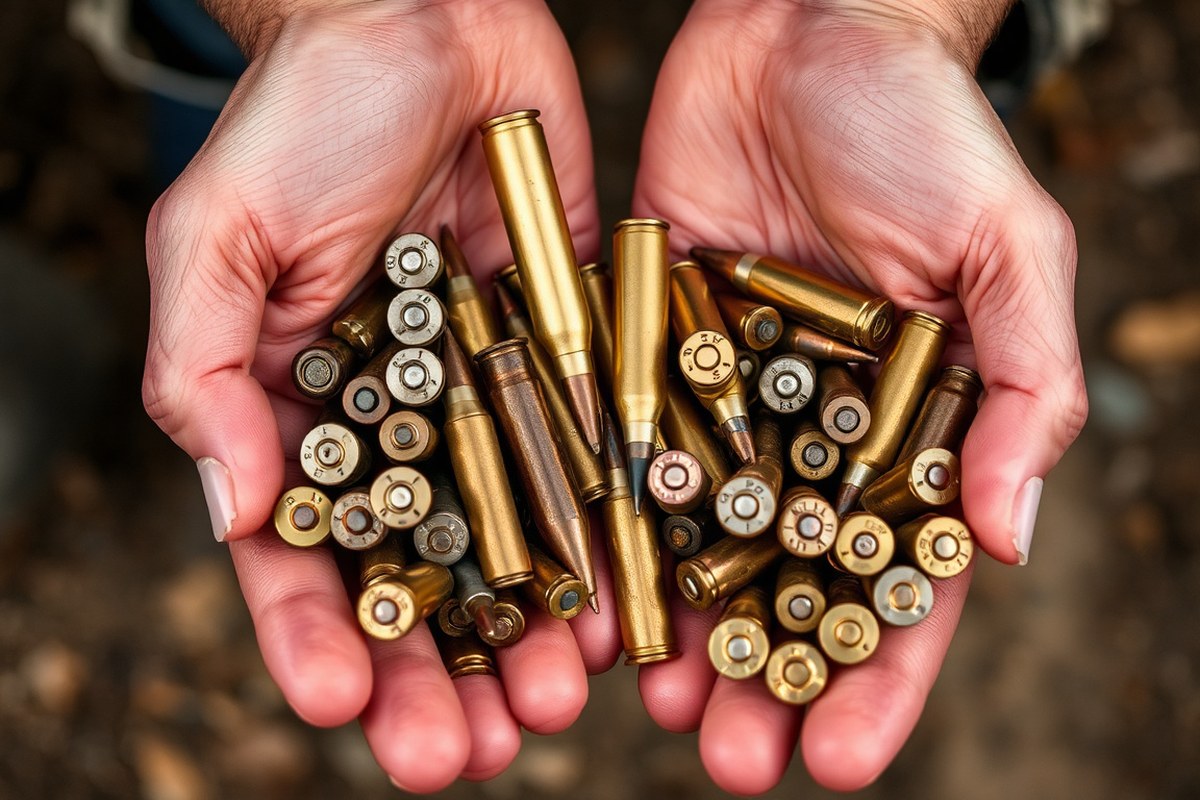
Start by closely examining each round to determine its type, common categories include rimfire, centerfire, shotgun shells, and specialty ammo. Check the headstamp on the cartridge base for caliber and manufacturer info. Confirming the type helps you understand how the ammo functions and what precautions apply. Next, assess the condition of your ammunition for any signs of damage or degradation.
Look specifically for corrosion, dents, cracks, or loose primers. Discoloration or powder leakage around the casing indicates instability. Ammo stored in high humidity or extreme temperatures may be unsafe regardless of visible damage. Most ammunition remains stable and safe to use for up to 10 years from manufacture if kept in a cool, dry place. Physical damage or storage in poor conditions can shorten this timeframe significantly. Use the following checklist to decide if your ammo is safe to keep or should be disposed of:
- Inspect for rust or corrosion on the casing or bullet tip
- Check for dents, cracks, or deformation on the cartridge body
- Verify the primer is intact and not loose or pierced
- Note any powder leakage or unusual smells
- Confirm manufacturing date; avoid ammo older than 10 years without exceptional storage
- Assess storage conditions: cool, dry, stable environments are best
- Determine if the ammo matches your firearm specifications exactly
Ammo that fails any of these checks should not be used and is a candidate for disposal. Keeping damaged or degraded ammunition increases the risk of firearm malfunction or dangerous misfires. If you cannot confirm the manufacture date or storage history, err on the side of caution and prepare to dispose safely.
Never attempt to disassemble damaged or deteriorated ammo yourself; improper handling can cause accidental ignition or injury.
Once you’ve identified ammo as unsafe, mark it clearly or separate it from your usable stock to avoid confusion. Proper assessment reduces hazards during storage and use. The effort to perform this inspection takes only a few minutes per box but greatly mitigates risks for you and those around you.
3. Using Local Law Enforcement and Hazardous Waste Programs
Local law enforcement agencies and community hazardous waste programs offer safe ways to dispose of unwanted ammunition. Police departments often accept ammunition through non-emergency contacts or special events. Hazardous waste collection days provide another option, with specific guidelines on preparing and delivering ammo for disposal.
Contacting Police or Fire Departments
Begin by contacting your local police department or fire station through their non-emergency number. Numerous departments have set rules for taking in ammunition, such as designated drop-off periods or pickup options. Do not arrive without arranging it first, since some agencies only handle ammo by appointment or at certain times.
Some police departments might dispatch an officer to collect your ammunition if you cannot transport it yourself. You’ll need to clearly explain the type and quantity of ammo you wish to dispose of. Confirm whether any forms or identification are required before turning in the ammunition.
- Find the non-emergency phone number of your local police or fire department.
- Call and ask if they accept ammunition for disposal and what their procedures are.
- Describe the type, quantity, and condition of the ammunition you have.
- Schedule a drop-off appointment or request a pick-up if available.
- Follow their instructions about what to bring and any necessary paperwork.
- Transport the ammunition safely, following packaging recommendations.
- Arrive on time and hand over the ammunition directly to authorized personnel.
Finding and Using Hazardous Waste Collection Days
Hazardous waste programs often hold community collection events allowing residents to dispose of items including ammunition. These events are typically free and hosted by local governments, police, or fire departments. Locations and dates can vary widely, so checking with your county or city officials is important.
At these events, trained volunteers or staff accept ammunition and handle its disposal safely. You’ll need to follow instructions on the spot for unloading your ammunition from your vehicle. Some events may limit the amount or type of ammunition they accept, such as excluding calibers above .50 or homemade rounds.
- Contact your county hazardous waste office or visit their website to find upcoming collection events.
- Confirm if ammunition is accepted and check any restrictions on types or quantities.
- Prepare your ammunition according to guidelines provided by the event organizers.
- Bring your ammo to the event site during designated hours.
- Follow posted safety rules and directions from volunteers when unloading.
- Submit your ammunition for disposal and receive any required documentation.
Packaging and Transport Guidelines
Proper packaging minimizes risks during transport and handover. Place ammunition in heavy plastic containers with secure lids or original boxes, ensuring cartridges do not rattle or impact one another. Tape or seal the containers to prevent accidental openings.
Label the package as containing ammunition if required by local authorities. Transport the package in your vehicle’s trunk or a similarly secure area. Never carry ammunition loose or in a passenger compartment where it might shift or be accessed accidentally.
- Gather ammunition into sturdy plastic containers or original packaging.
- Ensure cartridges do not strike each other to prevent accidental ignition.
- Seal each container securely with tape or clips.
- Label the containers as ammunition if requested by disposal authorities.
- Place the sealed containers in the trunk or a stable area of your vehicle.
- Drive safely to the disposal location without delays or detours.
- Keep firearms separate and unloaded if you transport both guns and ammo.
4. Returning or Donating Ammunition
Returning ammunition to the place of purchase depends on the retailer’s policies and the time since your purchase. Some stores accept returns only within a short window, typically up to 60 days, according to takethegun.com. This can help alert manufacturers to defective or unsafe rounds. Before attempting a return, call the retailer to confirm whether they accept ammo returns and what conditions apply. Some will only take back unopened, unused boxes.
Donating ammunition is an alternative for usable rounds. Many local shooting ranges and gun clubs accept donations of good-condition ammo, often to supply training or practice sessions. This option reduces waste and benefits the shooting community. Gun shops may also accept donations, especially if the ammo is still sellable under their standards. Be sure the ammo matches their requirements, such as caliber and storage condition.
Before donating, check that the receiving party complies with local, state, and federal regulations on ammo transfers. Some states have restrictions on privately transferring ammunition. Using authorized ranges or clubs ensures your donation is handled safely and legally.
- Contact the retailer first to learn their ammo return policy and time limits.
- Only return ammo that is unopened and in original packaging.
- Ask your shooting range or gun club if they accept ammo donations and what types they need.
- Verify transfer and possession laws in your state before donating.
- Use authorized facilities to avoid compliance issues and safety risks.
- Label any donations clearly with caliber and quantity information.
- Schedule drop-offs or deliveries during business hours to ensure staff availability.
Returning or donating ammunition can lower the risks related to unsafe storage or disposal. It also contributes to safer handling and helps avoid environmental harm. Problems can occur if you attempt to return very old or damaged ammo, which retailers usually refuse due to liability. Donated ammo that has deteriorated may also be rejected and must then be disposed of through hazardous waste programs or law enforcement offerings.
5. Recycling Ammunition Components Responsibly
Many ammunition parts like brass casings and bullets can be recycled or reused if handled carefully. Separating these components properly reduces environmental impact and keeps hazardous materials like lead and gunpowder out of landfills.
Separating Ammo Components
Disassembling ammunition begins with using a kinetic bullet puller, which safely separates the bullet from the casing without triggering the primer. Once separated, gently remove all gunpowder residues by washing the brass casing thoroughly to ensure no lingering explosive material remains.
After removing the bullet and shell casing, store the gunpowder in a cool, dry place if you plan to reuse it or dispose of it according to local hazardous waste guidelines. Always inspect the brass casing for cracks or damage before deciding to recycle or reload it.
Where and How to Recycle Materials
Brass casings are the most commonly recycled ammo component. Locate a scrap metal recycling center that accepts firearm shell casings specifically. Recycling these reduces landfill waste and recovers valuable metal.
Bullets containing lead require special handling to avoid environmental contamination. Some centers accept spent bullets for lead reclamation or safe disposal. Gunpowder should never be recycled through metal centers but handled as hazardous waste or sometimes repurposed as fertilizer under strict controls.
| Component | Reuse Method | Safety Tip |
|---|---|---|
| Brass Casings | Melt down or reload | Inspect for cracks or damage |
| Bullets | Reload or donate | Handle carefully to avoid injury |
| Gunpowder | Use as fertilizer | Store in a cool, dry place |
Using authorized recycling channels ensures ammunition parts are processed responsibly without harming people or the environment. Proper sorting prior to recycling avoids mixing hazardous components with scrap metal.
Safety Tips During Recycling Preparation
Always wear safety goggles and gloves when dismantling ammunition to protect against accidental primer ignition, debris, or lead exposure. Work in a well-ventilated area free from open flames or sparks.
Never discard ammunition components in regular household trash. Unwashed brass casings with residual powder or primers pose fire and health risks. Take time to clean and store parts separately before transport to recycling facilities.
Use a kinetic puller to remove bullets safely, and never attempt to dismantle ammo with makeshift tools or by hand to avoid accidental discharge.
6. DIY Decommissioning: Safely Disabling Ammunition at Home
Disabling ammunition at home requires caution and the right tools to safely separate components before final disposal. This process, known as decommissioning, involves removing the bullet, powder, and primer so each can be handled or recycled properly. Not all ammo types are suited for DIY decommissioning, high-powered or corroded rounds may need professional handling.
Tools and Protective Gear Needed
Start with tools designed specifically for ammunition disassembly, like a bullet puller that detaches the bullet from the casing without firing it. Wear safety glasses and gloves to protect against accidental ignition or powder residue. Use a sturdy workbench with a non-slip mat to keep rounds stable, and have a metal container ready to catch discharged powder.
Other helpful tools include small punches, pliers, and a magnifying glass to inspect components. Avoid using makeshift tools or household equipment not intended for ammo handling, as this raises the risk of accidents.
Step-by-Step Disassembly Instructions
Follow these steps carefully to ensure safe removal of the bullet and internal elements:
- Place the round on a stable surface and secure it with a bullet puller according to the tool’s instructions.
- Twist or pull the bullet away from the casing slowly to separate it without striking the primer.
- Check the casing for powder residue and carefully pour it into a metal container designated for hazardous materials.
- Inspect the primer area; do not attempt to remove the primer yourself as it is sensitive and can ignite without proper tools.
- Repeat the process for each round, working in a well-ventilated space away from ignition sources.
This process works best for standard handgun and rifle cartridges. Corroded or dud rounds may require disposal via law enforcement or hazardous waste services instead of DIY methods.
Handling and Disposal of Components After Disassembly
Sort bullets, casings, and powder into separate containers for recycling or disposal. Spent casings are often accepted by metal recyclers, while bullets containing lead must go to specialized recycling facilities. Powder and primers are hazardous and must be handled by hazardous waste programs or law enforcement agencies.
Store all separated components in clearly marked, non-combustible containers until you can transfer them to a proper disposal site. Never dump powder or primers in household trash or down drains because of fire and toxicity risks. Always check local regulations, as some states have specific requirements for ammunition waste.
7. Common Mistakes and Unsafe Ammo Disposal Practices to Avoid
Throwing ammunition in the trash or burning it creates serious safety and environmental hazards. Ammo can accidentally discharge if crushed or heated, posing injury risks to waste handlers and you. Unsecured disposal also risks contamination of soil and water, threatening ecosystems around landfill sites.
Illegal disposal methods include tossing ammo in household garbage, burying it, or pouring it down drains. These actions violate laws in many states and municipalities because they endanger public safety and complicate waste management processes. Trash compactors can trigger unexploded rounds to fire, and buried ammo can corrode, leaking toxic residues.
Unsafe do-it-yourself (DIY) methods are equally dangerous. Some people try soaking old ammo in water or oil, hoping to render it inert. This does not guarantee safety because primers and powder can remain active and volatile. Heating or crushing rounds to destroy them may cause explosions or release hazardous materials. Transporting loose or unstable ammo without secure packaging also increases the chance of accidental ignition or discharge during travel. To avoid these risks and legal problems, follow these key precautions:
- Never throw ammunition in household trash or burn it.
- Avoid burying ammunition or disposing of it in drains or compost.
- Do not attempt to disable ammo by soaking, heating, crushing, or dismantling it at home unless fully trained.
- Always transport ammo in a locked, sturdy container designed for ammunition storage.
- Consult local law enforcement or hazardous waste programs for safe disposal options.
- Do not mix ammunition with regular household trash or recycling bins.
Following these guidelines helps protect you, your family, and waste management personnel from preventable accidents. Proper handling also preserves environmental quality by preventing toxic lead and chemicals from entering water supplies. Costs for professional disposal typically involve drop-off fees or scheduled hazardous waste events but are a small price for safety and compliance. Ignoring these cautions can result in serious injury, fines, or criminal charges.
8. Understanding Ammo Shelf Life and When to Dispose
Ammunition generally remains stable and safe to use for about 10 to 20 years if stored under ideal conditions. Stability depends on keeping ammo dry, cool, and away from direct sunlight or extreme temperature swings. Over time, primers and gunpowder degrade, which can cause misfires or dangerous malfunctions. You should consider this timeline a guideline rather than a strict expiration, because factors such as storage environment and ammunition type affect shelf life.
The key factors that influence ammo stability include humidity, temperature, and exposure to chemicals. Moisture accelerates corrosion and powder breakdown, making ammunition less reliable. High temperatures can cause the primer and gunpowder to deteriorate faster. Even sealed boxes can allow some air and moisture exchange over many years, so proper storage in airtight containers with desiccants can extend shelf life. Ammo stored in a cool basement or climate-controlled gun safe is likely to last longer than ammo kept in a hot garage.
Knowing when to dispose of ammunition is critical. Ammo older than 20 years or showing corrosion, rust, dents, or casing damage needs safe disposal. Even if it looks fine, old ammo may still present a risk due to chemical changes inside the cartridge. Using questionable ammo increases the chances of firearm damage, misfires, or injury. Test old ammo only at a safe shooting range built for that purpose, avoiding valuable or personal firearms. Any ammo beyond the typical shelf life or with compromised appearance should be disposed of rather than used.
Follow this simple rule: If your ammunition is more than 20 years old or in poor condition, dispose of it through a safe, legal method. Label the ammo boxes with the manufacture date or purchase year to track age. Regularly check your ammo condition to avoid surprises. Keeping less ammo on hand and rotating stock so you use older rounds first helps maintain safety.
Store your ammunition in a cool, dry place with controlled humidity to maximize shelf life and avoid early disposal.
Step-by-Step Action Plan for Safe Ammo Disposal
Follow these clear steps to dispose of your ammunition responsibly and legally. Each step helps ensure safety and compliance.
- Before you start: Identify all ammunition types and conditions in your possession. Confirm they are safe to handle and not damaged or leaking.
- Day 1: Contact your local law enforcement agency or hazardous waste program to learn about ammo collection events or drop-off locations. Confirm accepted types and hours.
- Within week 1: Sort ammunition by type and expiration date. Separate unusable or expired ammo for disposal and intact ammo you might donate or return.
- Week 2: Prepare ammunition for transport following agency guidelines, usually in original packaging or securely wrapped to prevent movement.
- Week 2, 3: Deliver ammunition to the identified facility or event. Verify safe transfer by obtaining any receipt or confirmation.
- After disposal: Check local recycling options for components like brass casings. Use only established recycling programs that accept these materials.
- Ongoing: Store any remaining ammunition properly, in cool, dry conditions away from heat, to extend safe shelf life and reduce future disposal needs.
Frequently Asked Questions
Can I Throw Ammunition in the Regular Trash?
No, throwing ammunition in the trash is unsafe and illegal in many places because it poses fire and environmental hazards. Always use approved disposal methods to protect yourself and the environment.
How Do Gun Ranges Handle Unwanted Ammunition?
Many gun ranges accept unwanted ammo for disposal or use. It’s a good idea to call your local ranges to check if they offer this service before trying other methods.
Is It Legal to Destroy Ammunition at Home?
Yes, but only if you have the knowledge and tools to do it safely. DIY decommissioning requires careful handling and following safety guidelines to avoid accidents.
Can Hazardous Waste Facilities Accept Ammunition?
Most hazardous waste facilities safely accept ammo during special collection events or year-round. Contact your local facility to confirm their ammo disposal policies and any required preparation.
What Should I Do If My Ammunition Is Past Its Shelf Life?
If ammo is older than 10 years or shows damage, consider disposing of it safely because its reliability can degrade, increasing risks during use or storage.
Are Gun Stores Willing to Accept Old Ammunition for Disposal?
Some gun stores accept old or unused ammunition to sell, recycle, or dispose of properly. Call ahead to find stores that might help with ammo disposal near you.
Key Points to Remember
Disposing of ammunition safely requires care, knowledge, and following local laws. Start by reaching out to your local authorities about their disposal options. Taking this step ensures you keep yourself, others, and the environment safe while staying within legal boundaries.