How to Get into a Gun Safe: 8 Effective Methods and Expert Tips
Knowing how to get into a gun safe typically means using the correct method based on the lock type, key, combination, electronic keypad, or biometric. Start by identifying your safe’s lock type to apply the right access technique quickly and safely. Keeping backup keys or regularly updated codes can prevent lockouts before they happen.
Key Takeaways
- Replace batteries in electronic or biometric safes every 6 to 12 months to avoid lockouts.
- Use the physical key method first if your safe includes a key lock for straightforward access.
- Dial combination locks do not require batteries, offering reliable access without electronic failure risks.
- Limit incorrect code entries to avoid a lockout period ranging from 30 seconds to 15 minutes.
- Heavy gauge steel safes (gauge 12 or thicker) provide better physical security against forced entry.
- Professional locksmith services typically cost between $50 and $150 and should be considered if DIY attempts fail.
1. How to Open a Gun Safe Without a Key
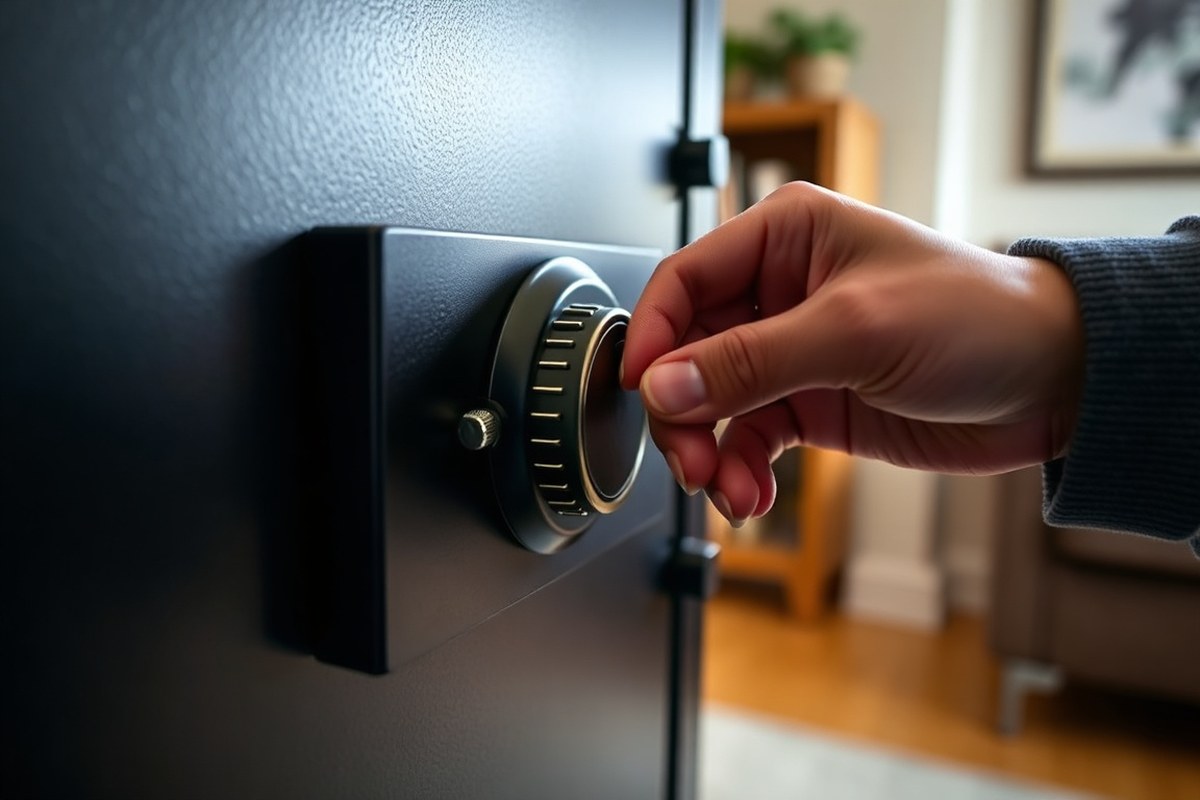
Opening a gun safe without a key typically requires using backup keys, override features, or battery-assisted methods rather than improvised tools like paperclips or batteries alone, which generally do not work and risk damage. Most safes come with factory-provided override keys or master codes meant precisely for situations where the primary key is lost.
Backup keys are often stored in a secure but accessible location. Insert the override key into the safe’s keyhole, turn it to disengage the lock bolts manually, and open the safe. If your safe is electronic and the batteries have died, some models allow a battery override where fresh batteries are applied externally to power the lock temporarily. This method avoids disassembly or drilling and preserves the safe’s integrity.
Trying simple household items like paperclips to manipulate the lock or batteries as a power source usually won’t open the safe and could cause permanent lock damage or void warranties. Attempt such techniques only if you have detailed instructions for your specific lock model or are prepared to accept the risk and cost of potential repair or replacement. Keep in mind that more destructive methods, such as forcing, drilling, or prying, should come only after all non-destructive options have failed and ideally involve a licensed locksmith to avoid unsafe or illegal outcomes. Steps to regain access to a gun safe without a key:
- Locate the backup or override key: Check the manufacturer’s recommended storage location or wherever you keep spare keys.
- Insert the override key carefully into the keyhole: Turn it slowly to unlock, avoiding excessive force which can break the key or lock.
- Replace batteries if the safe uses an electronic lock and they are dead: Remove the battery cover, note the polarity, insert fresh batteries, and test the keypad for response.
- Use the master code or factory reset option: Enter the code exactly as provided by the manufacturer, following any prompt to clear lock errors or reset access.
- Consult the user manual for the battery override feature: Apply external battery power to the safe’s override contacts as instructed to power the lock temporarily.
- Attempt to open the safe with the powered keypad or key: Verify that the locking mechanism disengages smoothly.
- Call a professional locksmith if none of the above work: Avoid drilling or forcing the safe, as this may cause costly damage and security failure.
Following these steps respects the safe’s design, minimizes damage risk, and ensures responsible firearm security while resolving access issues without the original key.
2. Understanding Gun Safe Lock Types and How They Work
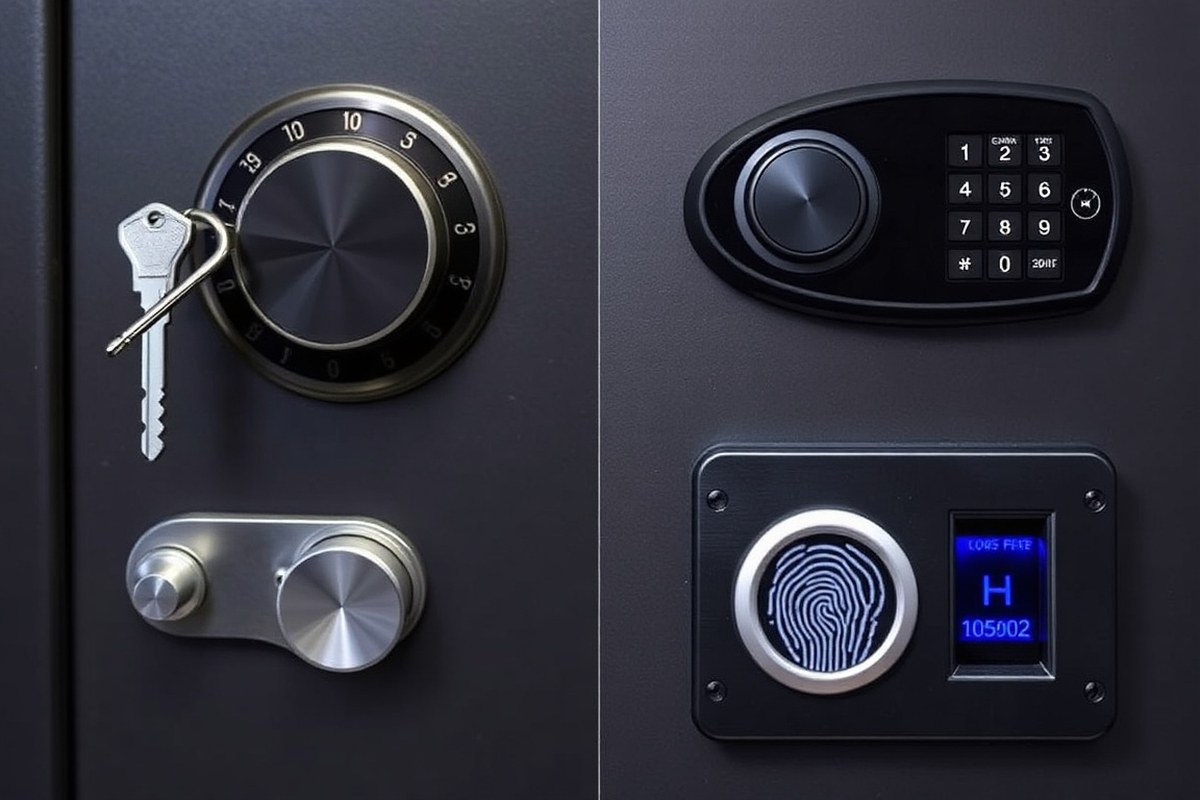
Gun safes commonly have mechanical dial, electronic keypad, or biometric locks. Each type differs in its access method, security features, and maintenance needs. Choosing the right lock depends on your preferences for reliability, speed, and ease of use.
Mechanical Dial Locks Explained
Mechanical dial locks operate by rotating a dial to align internal pins or wheels in a precise sequence. This alignment releases the locking bolt and grants access. They do not require batteries, making them highly reliable and durable over time. Dial locks can be slower to open since you must carefully turn the dial to the correct combination.
Many gun owners choose mechanical locks for their proven longevity and low upkeep. However, these locks can be vulnerable to manipulation by skilled thieves through lock picking. Still, high-quality mechanical dial locks provide a strong security level without the need for electronic components.
Electronic Keypad Basics
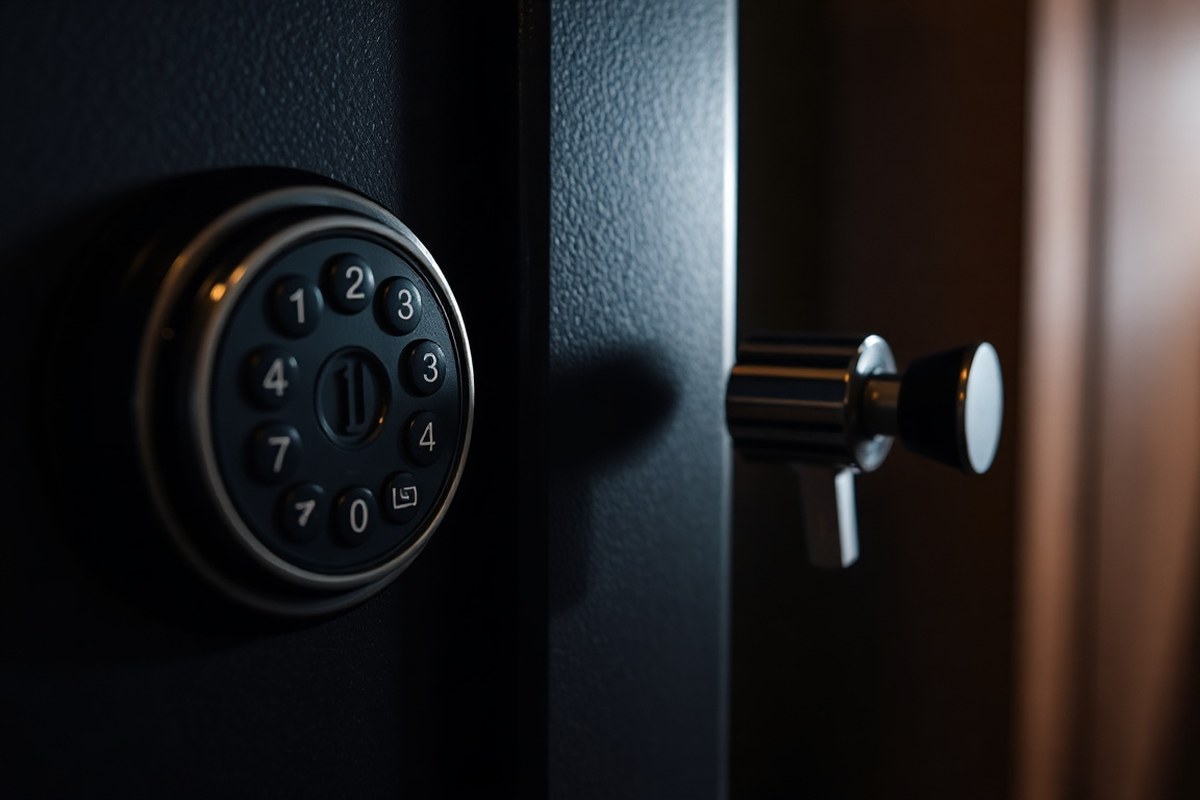
Electronic keypad locks operate with a numeric code you enter to open your safe. A keypad links to an electronic system that manages the locking bolts. Compared to mechanical dials, these locks usually allow quicker access and offer simple code changes if you think someone else may know your code. Batteries power these locks, commonly AA or 9V, and they should be replaced every 6 to 12 months to prevent lockouts caused by battery failure.
Many electronic gun safes include a backup physical key for emergency access if the keypad fails or batteries die. Some models might trigger a lockout period after repeated incorrect code attempts, adding an extra security layer. Electronic keypad locks usually cost a bit more upfront than mechanical locks and require periodic maintenance but offer convenience for quick access.
Biometric Lock Functionality and Security
Biometric locks use fingerprint scanning to verify your identity before unlocking the safe. These locks provide fast access without the need to remember a code or carry a key. Biometric systems require electricity, so they also depend on battery power that should be changed every 6 to 12 months to ensure consistent operation.
Biometric safes offer a high level of security since fingerprints are unique, reducing the risk of unauthorized access. However, these locks can sometimes fail to recognize a fingerprint due to dirt, wear, or injury. It is common for biometric safes to have an alternative entry method, such as a keypad or backup key.
The following table compares the main gun safe lock types by access method, advantages, and disadvantages. This summary can help you identify the best option for your needs.
| Lock Type | Access Method | Pros | Cons |
|---|---|---|---|
| Mechanical Dial | Dial combination | Highly reliable, no batteries required, durable | Slower access, requires practice, vulnerable to picking |
| Electronic Keypad | Numeric code | Quick access, easy to change codes, backup key available | Battery dependent, needs regular maintenance, moderate reliability |
| Biometric | Fingerprint scan | Fast access, high security, unique identification | Battery dependent, sensor can fail, more expensive |
| Physical Key | Key | Simple operation, no code to remember | Key can be lost or broken, easy to copy |
Choose high-quality locks regardless of the type to improve your safe’s security. Mechanical locks suit those prioritizing durability and no battery dependence. Electronic and biometric locks work well for users valuing speed and ease of use but require more upkeep to avoid lockouts.
Regularly replace batteries in electronic and biometric locks every 6 to 12 months to prevent lockouts due to power failure.
3. Opening a Gun Safe When You Forget the Combination or Code
Forgetting your gun safe’s combination or code is stressful, but there are practical steps you can take to regain access. Confirm any backup options like override keys or default codes, try careful lock manipulation, or reset electronic locks using manufacturer protocols. Avoid forcing the safe open to prevent damage and maintain safe functionality.
Mechanical Combination Reset and Manipulation
Begin by checking for any recorded combination in your purchase documents or password managers when your gun safe uses a mechanical combination dial. Carefully manipulating the dial can sometimes let you determine the combination without damage. This method requires patience, steady hands, and attention to subtle feedback from the lock. To attempt safe dial manipulation:
- Ensure the safe is firmly secured to prevent movement during manipulation.
- Turn the dial to the right (clockwise) at least three full rotations to clear previous attempts.
- Slowly rotate the dial to the left, feeling for slight resistance or a subtle “click.”
- Mark any points where feel changes occur; these are potential numbers in the combination.
- Alternate turning directions as recommended by your lock’s model manual, noting where the dial stops or feels different.
- Once you identify possible numbers, try the combination cautiously.
- Repeat the process if the safe remains locked, adjusting for any model-specific procedures.
Avoid forcing the dial or using excessive pressure to prevent damage. When the lock resists severely, stop and consider alternative options.
Using Master or Override Codes on Keypads
Many electronic gun safes feature master or override codes that let you reset the lock or bypass a forgotten primary code. These codes are often provided in the user manual or sealed with your original purchase paperwork. To use an override code or reset method, follow these steps carefully:
- Locate the battery terminals near or inside the keypad door.
- Connect a fresh 9V battery to the terminals to power the lock if the keypad shows no response.
- Enter the default factory code or your previously set override code as instructed in the manual.
- Access the safe once the lock disengages.
- Follow on-screen or manual instructions to reset the primary code to a new number you can remember.
- Replace the battery with fresh ones to prevent future lockouts.
Do not guess codes excessively, as many electronic locks have built-in lockout periods after multiple failed attempts, which can delay access.
Contacting the Manufacturer for Reset Procedures
Unable to find backup keys or override codes? Contact your firearm safe’s manufacturer next. They can provide specific reset instructions or direct you to authorized professionals. Be prepared to verify your safe’s model, serial number, and proof of ownership to prevent unauthorized access. Contacting the manufacturer generally involves:
- Identifying your safe’s model number and serial number.
- Preparing your purchase documents and identification.
- Calling or emailing the manufacturer’s customer support contact.
- Requesting reset instructions or a master code specific to your safe.
- Following their step-by-step guide carefully, which may include entering a master reset code or using special tools.
- When reset attempts fail, arrange for an authorized locksmith or technician to help.
Manufacturers may charge a fee for reset assistance, usually ranging from $50 to $150 depending on service complexity and whether professional help is required. Following their guidance helps avoid damaging the safe or voiding warranties.
4. Dealing with Malfunctioning Electronic and Biometric Locks
Malfunctions in electronic or biometric gun safe locks often stem from power issues. Checking and replacing the batteries is the first step to restore access safely. Temporary power solutions like a 9V battery can also help bypass lock failures without causing damage.
Replacing Batteries in Electronic and Biometric Safes
Dead or weak batteries are the most common cause of malfunctioning electronic and biometric locks. Replacing these batteries promptly can restore normal operation and avoid lockouts. Most electronic safes have an accessible battery compartment on the inside of the door or nearby the keypad for easy replacement. Follow these steps to replace your safe’s batteries safely and correctly:
- Open the safe door using the existing code or key if possible.
- Locate the battery compartment, usually inside the door or behind the keypad.
- Remove the old batteries carefully to avoid corrosion or damage.
- Insert fresh, high-quality batteries, typically AA or AAA alkaline batteries for electronic locks, or confirm the battery type recommended by the manufacturer.
- Check for any signs of corrosion or dirt in the battery contacts and clean gently if needed.
- Close the battery compartment and test the keypad or biometric sensor response.
- If the safe does not open electronically, attempt manual override options provided by the manufacturer, like backup keys.
Battery replacement usually costs under $10 for a pack of quality batteries. Changing batteries every 6 to 12 months reduces the risk of unexpected lock failure. Biometric safes may also use sealed battery packs inside; consult your manual for replacement instructions without damaging sensor components.
Using a 9V Battery to Power the Lock Mechanism
Many electronic gun safes include an external battery terminal or a hidden battery contact near the keypad to allow temporary power supply with a 9V battery. This jump-start method helps open the safe if the internal batteries are dead without damaging the lock. To apply this method:
- Locate the external battery terminal or contacts, usually found near or beneath the keypad.
- Connect a fresh 9V battery by touching the terminals to the contacts carefully, matching the correct polarity.
- While the 9V battery is connected, enter your lock code or use the biometric reader.
- Once the lock activates, open the safe door immediately to replace internal batteries.
- Disconnect the 9V battery after successful entry to avoid draining it.
This technique is a reliable way to restore power temporarily without forcing entry. Do not attempt to force a connection or pry the battery contacts. Using a 9V battery usually costs less than $5 and can save time and damage risks during emergencies.
Regular Maintenance to Prevent Failures
Maintaining your electronic or biometric gun safe prevents most malfunctions from occurring. Regularly replacing batteries and keeping lock components clean ensures consistent performance. Good maintenance practices include:
- Changing batteries every 6 to 12 months, even if the safe operates normally.
- Wiping the keypad and biometric sensor with a soft, dry cloth to remove dirt, oils, and moisture.
- Avoiding battery leakage by inspecting batteries periodically and replacing any that show corrosion.
- Keeping the locking mechanism lubricated as recommended by the safe manufacturer to prevent mechanical jams.
- Testing backup unlock features, such as physical keys, annually to verify they work.
Failing to maintain your safe might lead to lockouts and costly repairs. Periodic care helps keep both electronic and biometric locks functioning smoothly, prolonging the safe’s lifespan and securing your firearms reliably.
5. Risks and Legal Considerations When Forcing a Gun Safe Open
Drilling into a gun safe is generally not recommended due to legal and safety concerns. Attempting to forcibly open a safe without the owner’s explicit permission can be illegal, potentially classified as breaking and entering or tampering with secured property. Even when you own the safe, destructive methods like drilling can damage the locking mechanism or internal components, making professional repair more difficult and expensive. Also, drilling often voids the manufacturer’s warranty, leaving you responsible for replacement costs or repairs that might exceed several hundred dollars.
Forcing a gun safe open carries several risks beyond legal liabilities. Damages commonly include broken locking bolts, a damaged door frame, or compromised hinges. In some cases, drilling can cause metal fragments or sparks, which pose safety hazards in the presence of ammunition. You may also inadvertently damage fireproof insulation or electronic components inside the safe, reducing its protective features. The damage often leads to a weakened safe that no longer provides adequate security or fire protection.
One key factor in deciding whether to use destructive force is the age and condition of the safe. Brand new safes rarely require drilling because electronic or mechanical failures are less common, and warranty support is usually available. In contrast, older safes with inaccessible or worn locks may leave destructive entry as a last resort, but only after exhausting every non-destructive option such as retrieving backup keys, resetting combinations, or consulting the manufacturer. If the safe contains highly valuable, irreplaceable firearms or documents, damaging the safe might cause unacceptable loss beyond access issues.
Consider the potential legal consequences before proceeding. Laws vary by state, but unauthorized attempts to force open a gun safe, even your own, can trigger civil liabilities or invalidate insurance claims related to theft or damage. The safest legal approach is to verify ownership and contact a licensed professional locksmith who is experienced with gun safes. Such experts can often open a safe with minimal damage or advise on the safest drilling points if destruction is unavoidable.
Drilling should be avoided if you rely on the safe’s full security and warranty protection or if you are unsure of local laws regarding self-entry. Use destructive methods only after confirming no other options are viable, and be prepared for expensive repairs or the need to replace the safe entirely. Always wear proper eye protection and follow safe drilling procedures to minimize injury risks. Damage to your gun safe is often permanent, so thoughtful consideration before forcing a safe open is essential to avoid unnecessary consequences.
Only attempt drilling as a last resort after exhausting non-destructive methods, and consult local laws and professionals to avoid legal and safety problems.
6. When to Call a Professional Locksmith or Manufacturer for Help
Seek professional help when you’ve exhausted basic troubleshooting steps or when the safe lock is damaged or highly complex. Persistent failure to open the safe after trying standard procedures, visible signs of lock damage, or electronic lock errors that you cannot reset are strong indicators you should call a professional locksmith or the safe manufacturer. Professionals have the tools and expertise to manipulate or open the safe without causing unnecessary damage.
Before contacting help, gather key information: the safe’s model, serial number, and lock type. This data helps locksmiths determine the safest and most efficient opening method while verifying ownership. Also, locate any manufacturer-recommended drill points on your safe’s manual or website to guide professionals if drilling becomes necessary.
- Failure to open the safe after several attempts using known codes or keys
- Visible mechanical damage or electronic malfunctions that you can’t fix
- Lost or forgotten combination, with no backup access method available
- Safe contains firearms or valuables that require immediate access for safety reasons
- No risk tolerance for damaging the safe or its contents
- Concerns about legal ownership proof or tampering accountability
Locksmith service costs vary widely based on several factors. Typical pricing for a gun safe lockout ranges from $100 to $300 for standard opening attempts. However, more complex cases involving drilling or extensive manipulation can raise costs to $400 or more. Pricing depends on:
| Cost Factor | Details |
|---|---|
| Lock Type | Mechanical dial locks typically cost less to open than sophisticated electronic or biometric locks. |
| Safe Size and Weight | Larger safes take more time and equipment, increasing labor fees. |
| Location | Emergency or after-hours service, or remote locations, often incur extra charges. |
| Opening Method Required | Non-destructive manipulation costs less than drilling or forced entry. |
Contacting your safe’s manufacturer can provide guidance and support options beyond locksmith services. Manufacturers may offer master codes for verification, recommend authorized service providers, or provide precise drill templates to avoid internal damage. When you reach out, have your serial number and proof of ownership ready to confirm your rights for assistance. Follow these guidelines when working with manufacturers:
- Use the official customer support channels found on the manufacturer’s website.
- Prepare to verify ownership with purchase receipts or registration details.
- Request specific instructions regarding safe models and recommended opening techniques.
- Inquire about authorized locksmiths or repair centers affiliated with the manufacturer.
Always weigh the urgency of access against the risk of damage. Professionals ensure safe, legal access while maintaining your safe’s integrity. Avoid forcing the safe open yourself if unsure, as this can result in costly repairs or void warranties. Calling an expert early typically saves time, money, and stress.
7. Common Mistakes That Cause Gun Safe Lockouts and How to Avoid Them
Lockouts from gun safes often happen due to simple mistakes like misplacing keys, forgetting combinations, or guessing wrong codes too many times. These errors not only delay access but can also trigger permanent lockouts or cause lock damage. Preventing these issues requires good habits and a bit of routine maintenance to keep your safe functioning smoothly.
| Common Mistake | Consequence | Preventive Tip |
|---|---|---|
| Misplacing backup keys | Unexpected lockouts when primary access fails | Store backup keys in a secure, separate location known to a trusted person |
| Forgetting or mixing up codes | Multiple incorrect attempts can lock the safe temporarily or permanently | Double-check your code before entering; keep a written copy in a locked, private place |
| Repeated wrong code entries | Lockout triggers and possible damage to electronic or biometric locks | Limit incorrect attempts; wait recommended time periods before retrying |
| Attempting forced entry with improper tools | Damage to the safe’s exterior or locking mechanism; voids warranty | Use plastic pry tools or shims if gentle manipulation is necessary; avoid metal pry bars |
| Neglecting regular maintenance | Locks wear out or malfunction, increasing risk of lockout | Schedule a locksmith to inspect and clean lock mechanisms periodically |
Developing good access habits reduces lockouts dramatically. Always take a moment to verify the combination or code before entering it. Limit your entry attempts to avoid triggering lockout protections built into many electronic and biometric safes. Keep backup keys tested and stored safely, but separate from your primary location to avoid losing both forms of access at once.
Routine maintenance includes checking batteries in electronic lock safes every six to twelve months or as recommended by the manufacturer. Mechanical locks benefit from occasional cleaning and lubrication by a licensed locksmith to catch wear before it causes failure. Avoid trying to force open your safe with cutting or prying tools, as these often cause costly damage and may void warranties. Instead, wrap thick moving blankets around the safe if you need to move it, preventing dents and scratches. Following this maintenance checklist helps ensure smooth operation:
- Test backup keys every 3 to 6 months to confirm they work.
- Replace electronic lock batteries yearly or when low battery warnings start.
- Schedule a professional inspection for mechanical lock safes every 1 to 2 years.
- Keep moving blankets on hand for safe relocation without damage.
- Avoid forced entry attempts; call a licensed locksmith if you cannot access your safe after troubleshooting.
8. Tips to Prevent Losing Access to Your Gun Safe in the Future
Keeping reliable access to your gun safe requires careful planning and regular upkeep. Start by securely storing backup keys and override codes in locations only trusted individuals know about. Consider hidden compartments such as fake electrical outlets or locked boxes separate from the safe to prevent easy discovery by unauthorized persons. Having these backups accessible will help you regain entry without forcing the safe and risking damage.
Maintaining your gun safe improve its reliability and reduces the chance of lock or battery failure. Check electronic safe batteries every six months and replace them promptly with fresh, sealed alkaline batteries to avoid corrosion and power issues. For mechanical locks, lubricate the locking bolts and hinges with a dry graphite-based lubricant once a year. Clean the keypad and biometric scanner gently to ensure accurate operation.
Store backup keys and override codes separately from the safe to ensure you can access them even if the safe is inaccessible.
- Keep a written record of the combination or access codes in a locked file or safe deposit box away from the gun safe.
- Test electronic locks monthly to confirm batteries and electronics function correctly.
- Schedule mechanical lock maintenance annually to prevent sticking or jamming.
- Develop a plan with trusted individuals for who holds backup keys or codes and how to access them in emergencies.
- Consider safes with remote monitoring or reset capabilities, especially those with Wi-Fi or Bluetooth connectivity for convenient management.
- Secure any remote access systems with strong passwords and two-factor authentication to prevent unauthorized entry.
- Keep contact information for your safe’s manufacturer or a licensed locksmith handy for professional help if needed.
Gun safes equipped with remote monitoring can alert you if the lock battery is low or if unauthorized access attempts occur. Some models allow you to reset the combination via a mobile app after verifying your identity. These systems usually cost between $200 and $500 extra but offer peace of mind, especially in homes with multiple authorized users. Follow manufacturer instructions carefully to set up and secure these features.
Step-by-Step Action Plan to Regain Access to Your Gun Safe
Follow these steps carefully to open your gun safe without causing damage while ensuring safety and legality.
- Immediately: Check for any backup keys or codes stored securely in your home or with a trusted family member. Confirm access by testing the backup key or code on the safe.
- Within an hour: Inspect the lock type on your safe to determine if it’s mechanical, electronic, or biometric. Use the appropriate troubleshooting methods for that lock type as described in your manual.
- After troubleshooting: If the lock or battery seems malfunctioning, replace the batteries with fresh ones and retry opening the safe. Success means the safe opens without force.
- If still locked: Avoid forcing the safe, as this can damage your firearm or the safe itself. Gather documentation such as your safe’s serial number and proof of ownership.
- Next business day: Contact the manufacturer’s customer support for guidance specific to your safe model, or reach out to a licensed locksmith who specializes in gun safes. Make sure to verify credentials before service.
- After professional help: Test the safe’s lock multiple times once opened to ensure reliable access. Discuss any recommended maintenance or upgrades with the professional.
- Ongoing: Develop a secure backup plan for your access codes or keys to prevent future lockouts. Store backups in a different secure location and review your safe’s maintenance schedule regularly.
Frequently Asked Questions
What Should I Do If My Gun Safe Keypad Stops Responding?
Start by inspecting the batteries since dead ones can prevent the keypad from working. Most electronic safe keypads require new AA or 9V batteries about every 6 to 12 months for reliable operation.
Can I Reset the Combination on My Gun Safe Myself?
Yes, many safes allow a reset if you know the current combination. Consult your manual for the exact procedure, as it varies by model and lock type.
Is Drilling a Gun Safe Safe or Recommended?
Drilling should be a last resort as it damages the safe and voids warranties, plus it’s illegal if you don’t own the safe. Always try non-destructive methods or call a locksmith first.
How Long Does It Usually Take a Locksmith to Open a Gun Safe?
Locksmiths typically take 30 minutes to a few hours, depending on the safe’s complexity. Electronic or biometric locks usually require more time and may cost more than $150.
Can I Use the Manufacturer’s Master Code to Open My Gun Safe?
Some manufacturers offer master codes but usually only after verifying your ownership. Contact the safe’s manufacturer and have proof of purchase ready.
What Maintenance Should I Perform to Avoid Gun Safe Lockouts?
Regularly clean the lock’s keyhole and keypad and replace batteries in electronic models every 6 to 12 months. Proper maintenance prevents mechanical failures and lock malfunctions.
Before You Go
Getting locked out of your gun safe can be frustrating, but following a careful and methodical approach helps avoid damage and legal trouble. Start by verifying any backups and troubleshooting your specific lock type before considering force. Your next move should be to contact the safe manufacturer or a licensed locksmith for expert assistance that keeps your firearms secure and accessible.