How to Prevent Moisture in Gun Safe: 8 Proven Strategies That Work
How to prevent moisture in gun safe starts with controlling humidity and temperature inside it. Keep humidity between 30% and 50% and maintain temperature around 60-70°F to stop rust and condensation. Using a dehumidifier or silica gel packs effectively absorbs excess moisture and keeps your firearms dry.
Key Takeaways
- Maintain steady temperature between 60-70°F inside your gun safe to avoid condensation.
- Keep relative humidity between 30% and 50% to prevent rust and corrosion on firearms.
- Use a compact dehumidifier designed for gun safes to regulate moisture continuously.
- Place silica gel packs inside the safe as a simple, chemical-free moisture absorber.
- Ensure the gun safe is properly ventilated to reduce trapped humidity.
- Monitor humidity levels regularly with a reliable hygrometer for early moisture detection.
1. Effective Methods to Keep Moisture Out of Your Gun Safe
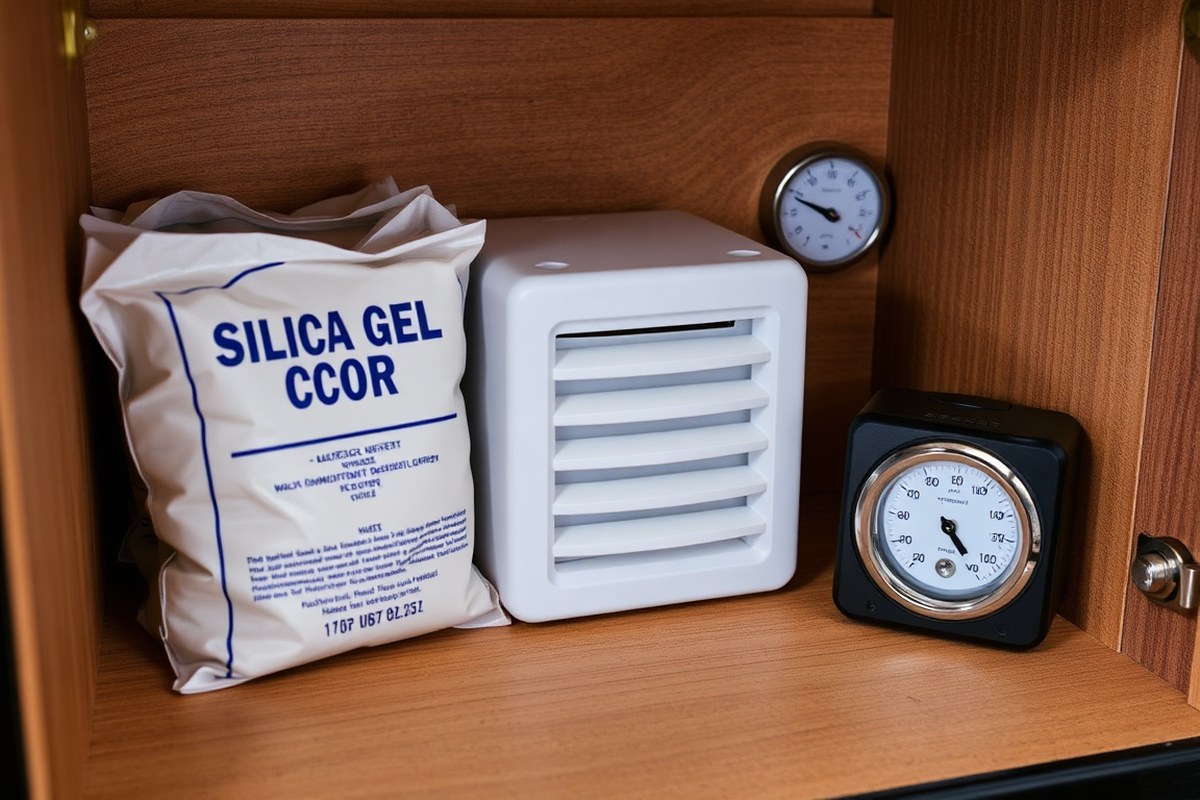
Preventing moisture buildup inside your gun safe requires a combination of practical steps focused on controlling humidity, temperature, and airflow. Moisture causes rust and corrosion, which can damage your firearms and decrease their reliability. The goal is to keep the environment inside the safe dry and stable. Combining several methods provides the best defense against moisture.
- Dry the inside of the safe thoroughly before use. Wipe down the interior surfaces with a dry cloth and let air circulate for a few hours. This removes any residual moisture before storing your firearms.
- Place commercial desiccant packs like silica gel inside the safe. Silica gel absorbs moisture efficiently and is more reliable than household options like dry rice. Replace packs every 1-3 months or when they become saturated, as indicated by color-changing packets.
- Install a small electric dehumidifier designed for gun safes. Devices like Goldenrod dehumidifiers provide continuous moisture control by gently heating and drying the air. These cost around $30, $60 and are ideal if you store many firearms or live in a humid climate.
- Keep the gun safe in a cool, dry room with stable temperatures between 60°F and 70°F. Avoid placing the safe near heat sources or in damp basements. Temperature fluctuations can cause condensation inside the safe, encouraging rust.
- Vent the safe periodically by opening its door for a few minutes weekly. This allows fresh air circulation, which helps prevent moisture buildup from stagnant air. Avoid leaving doors open too long to reduce risk of dust or pests.
- Avoid fabric or non-breathable covers inside the safe. Breathable materials trap moisture against guns, accelerating corrosion. Use proper gun socks made from moisture-wicking material if covering firearms.
- Use a small, low-wattage light bulb inside the safe for additional drying. The gentle heat can reduce humidity slightly. Ensure the bulb does not raise the internal temperature above recommended levels to avoid damaging your guns or safe.
Combining desiccants with a dehumidifier and careful placement produces effective moisture control. Replace or recharge desiccants on a schedule and watch for signs of condensation or rust. These methods keep your firearms in good condition and extend their life without significant expense.
2. Ideal Humidity and Temperature Levels to Protect Your Firearms
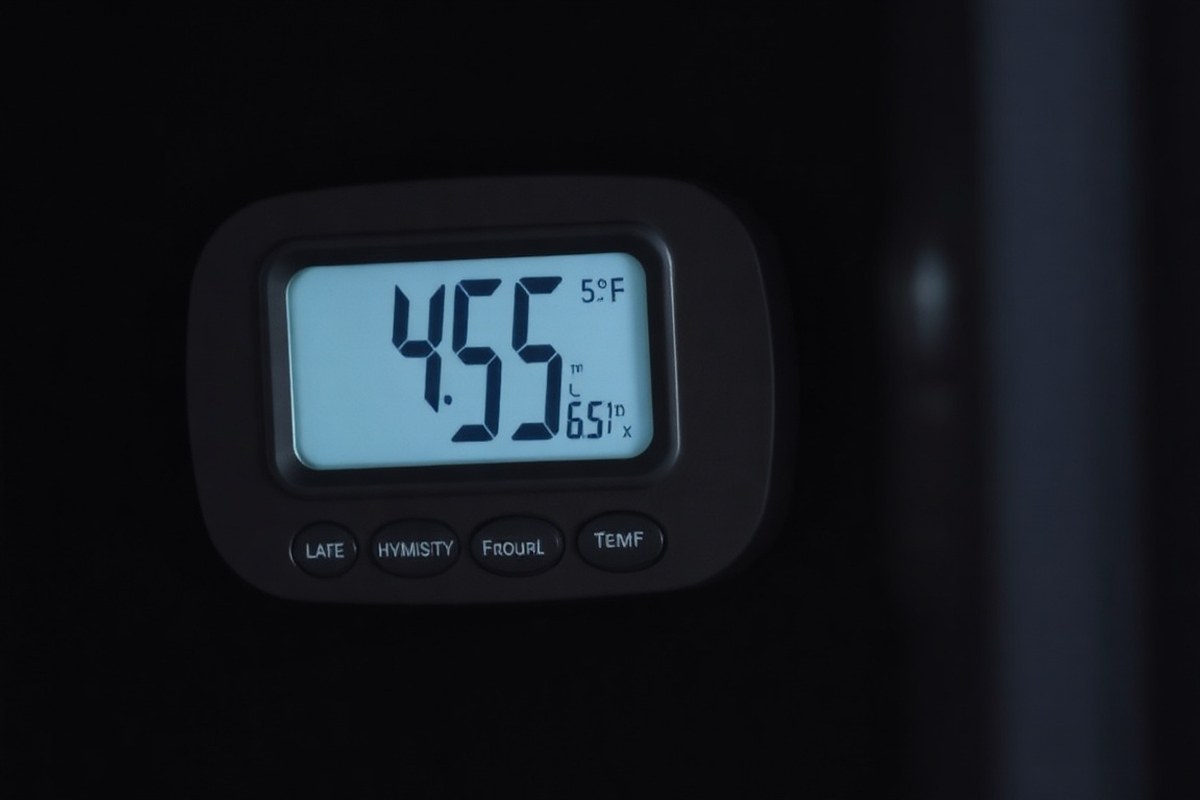
Maintaining the right humidity and temperature inside your gun safe is essential to protect your firearms from rust and corrosion. Aim to keep the relative humidity between 30% and 50%. This range limits the moisture that causes rust but still allows enough humidity to prevent your gun stocks and other sensitive materials from drying out or cracking.
Temperature control plays a significant role since fluctuations can lead to condensation, which accelerates moisture damage. Ideally, keep the temperature steady between 60 and 70 degrees Fahrenheit. When temperature swings happen, the air inside your safe changes its capacity to hold moisture, leading to increased condensation risk on your firearms. Here is a table summarizing how different humidity and temperature combinations affect corrosion risk and what actions you might consider:
| Relative Humidity | Temperature (°F) | Corrosion Risk | Recommended Action |
|---|---|---|---|
| Below 30% | 60-70 | Low risk of rust but possible drying of wood | Use humidifier or avoid excessive desiccants |
| 30-50% | 60-70 | Optimal balance, minimal rust and condensation | Maintain with dehumidifiers or silica gel packs |
| Above 50% | 60-70 | High risk of rust and corrosion | Increase dehumidification, fix leaks, improve ventilation |
| 30-50% | Below 60 or above 70 | Moderate risk, condensation from temperature swings | Stabilize temperature, use climate control if possible |
| Above 50% | Below 60 or above 70 | Very high risk of rust due to condensation | Urgent moisture control and temperature regulation needed |
Use a hygrometer to monitor these levels consistently inside your gun safe. The device helps you track changes, especially after opening the safe or during seasonal temperature shifts. Maintaining a stable environment at these target levels reduces condensation buildup that leads to rust and pitting on metal firearm parts, as well as deterioration of wood stocks and finishes.
When the temperature inside your gun safe rises above or falls below 60 to 70 °F, moisture in the air condenses more easily, even at the same relative humidity. This condensation forms water droplets on your firearms, increasing corrosion risk. Keeping your safe at the recommended temperature limits helps the moisture remain in vapor form rather than liquid, minimizing damage.
Set your gun safe thermometer and hygrometer where you can easily check them every week and adjust your moisture control devices accordingly to prevent damage before it starts.
3. Types of Dehumidifiers and How to Choose the Best One
Choosing the right dehumidifier for your gun safe depends on your safe’s size, power access, and how much effort you want to put into upkeep. Electric dehumidifiers use power to actively control moisture, making them ideal for larger safes or those with an available outlet nearby. Non-electric moisture absorbers, like silica gel packs, work passively without power but require monitoring and regular replacement or recharging.
Electric dehumidifiers often come as heating rods that maintain a warm internal environment. The heat reduces condensation, which is the main cause of moisture damage inside the safe. They generally need low maintenance but require clearance around the unit for proper airflow and safe mounting. Power cords must run safely out of the safe without compromising security. These devices tend to cover larger safes effectively and keep moisture consistently low.
Non-electric options rely on desiccant materials that absorb moisture from the air. Smaller safes or those without power access benefit from these. Silica gel packs change color or show saturation levels to indicate when replacement or drying is necessary. These absorbers demand moderate maintenance since they need to be replaced or recharged on a schedule, typically every few months depending on humidity levels and safe conditions. They work well as a backup or for safes in locations without electrical power. The table below compares these common gun safe dehumidifier types to highlight which suits your situation.
| Feature | Electric Dehumidifier | Non-Electric Moisture Absorbers |
|---|---|---|
| Power Needed | Yes | No |
| Maintenance | Low | Moderate (replace or recharge periodically) |
| Coverage | Large Safes | Small Safes or Backup |
| How it Works | Heats interior to reduce condensation | Absorbs moisture from air |
| What to Check | Clearance for airflow, safe mounting, power cord | Saturation indicator, replacement or recharging schedule |
For a large safe that has reliable power, an electric heating rod dehumidifier is typically the best choice to keep humidity stable in the 30% to 50% range recommended by safe manufacturers. This setup requires less frequent intervention and maintains a steady internal temperature to prevent rust and mold.
If your safe is small or located where power is limited, a silica gel canister or pack can work well. Keep an eye on saturation indicators to swap out absorbers as needed to avoid moisture build-up. Using a combination of both types can also be effective: an electric dehumidifier for primary moisture control supported by silica gel packs as an extra precaution.
4. Using Silica Gel Packs and Other Desiccants Safely
Silica gel packs effectively absorb moisture inside a gun safe by trapping humidity within their porous beads. They help prevent rust and corrosion on firearms, provided you maintain and recharge them properly. Using DIY absorbers like dry rice is less reliable and not recommended as a primary moisture control method.
How Silica Gel Absorbs Moisture
Silica gel is a granular, porous form of silicon dioxide that draws moisture from the air through adsorption, not absorption. Its beads hold water vapor in tiny pockets, reducing the humidity inside your gun safe. This process helps prevent condensation that causes rust on metal parts of firearms. Since silica gel works naturally and without electricity, it offers a quiet, eco-friendly option for moisture control.
For an average gun safe, placing about three silica gel packs evenly inside helps control humidity well. The amount they can absorb varies with their size, but a regular small pack holds moisture equal to about 40% of its own weight. These gel packs lose their effectiveness when fully saturated, so you need to check and refresh them regularly to maintain their moisture-absorbing ability.
Recharging and Reusing Silica Gel Packs
Rechargeable silica gel packs regain their moisture-absorbing ability through a simple heating process. This makes them a cost-effective solution compared to single-use desiccants, as you can reuse each pack multiple times. Follow these steps to recharge your silica gel packs safely and efficiently:
- Remove the silica gel packs from your gun safe and check for color indicators or signs of saturation.
- Preheat your oven to 250°F (121°C), adjusting as needed for your specific silica gel type.
- Place the packs on a baking sheet in a single layer, ensuring even heat exposure.
- Bake the packs for approximately 1 to 2 hours; exact time depends on size and manufacturer instructions.
- Turn off the oven and let the packs cool completely before handling.
- Return the recharged silica gel packs to your gun safe, spreading them evenly inside to maintain dryness.
- Repeat this process as soon as the indicator shows saturation or every 1 to 3 months based on your local humidity levels.
Keep in mind that temperatures above 300°F can damage the silica gel beads or their packaging, so avoid overheating. Some packs come with color-changing beads to signal when recharging is needed, improving maintenance ease.
Risks of DIY Absorbers and What to Avoid
Using dry rice or other DIY moisture absorbers inside a gun safe is less effective than silica gel and carries some risks. Rice has limited adsorption capacity and does not remove moisture efficiently in a closed, humid environment. It also risks attracting pests or developing mold if it becomes damp.
Activated charcoal is another desiccant sometimes used, but it requires regular replacement and does not signal saturation like rechargeable silica gel packs do. Avoid using salts or other chemicals that can corrode metal or release harmful residues. For safe use of any moisture absorber, follow this checklist:
- Ensure the product is labeled for moisture absorption and safe around metal.
- Avoid direct contact with firearms to prevent staining or corrosion.
- Do not rely solely on DIY absorbers for moisture control in humid environments.
- Replace or recharge desiccants as recommended to maintain effectiveness.
- Store packs in breathable, non-plastic containers or bags designed for this purpose.
5. How to Monitor and Maintain Moisture Levels Regularly
Checking and maintaining moisture levels in your gun safe at least once a month helps keep your firearms in good condition. Use a reliable hygrometer to monitor humidity, aiming to stay between 30% and 50%. Regular maintenance of your moisture control devices ensures they continue to work effectively over time.
Using Hygrometers for Accurate Readings
A hygrometer is essential for measuring humidity inside your gun safe accurately. Digital hygrometers often provide quicker and more precise readings than analog models. Place the hygrometer near your firearms but away from walls or direct contact with any dehumidifying device to avoid skewed results.
Regularly calibrate your hygrometer by following the manufacturer’s instructions or using a salt test to ensure its accuracy. Accurate humidity readings let you know when to adjust moisture control measures before rust or corrosion can start.
Routine Dehumidifier Maintenance Steps
Dehumidifiers need consistent attention to function properly. Clean your dehumidifier every 3 to 6 months, depending on use and climate. Dust and dirt can block airflow, reducing effectiveness. If you use an electric rod dehumidifier, check that it’s firmly mounted and operating at the recommended temperature range, usually around 140°F.
Recharge or replace desiccant materials like silica gel packs as needed. Some silica gel beads change color when saturated, signaling it’s time to dry or replace them. Running your dehumidifier continuously in high-humidity areas helps maintain the target 40% to 50% relative humidity (RH) range.
- Inspect and clean dehumidifier surfaces and vents.
- Check power cords and replace any worn parts.
- Recharge or replace silica gel or other desiccants when saturated.
- Verify the dehumidifier placement away from firearms and valuables.
- Monitor temperature inside the safe and maintain between 60°F and 70°F.
- Ensure mounting brackets are secure to prevent device movement.
Maintaining the appropriate temperature also supports your humidity control devices. Temperature extremes can cause condensation even if humidity levels appear good.
Setting Reminders for Moisture Checks
Consistency is key for preventing moisture damage. Set a monthly reminder to check your hygrometer and device condition. Use a calendar app, alarm, or physical checklist inside your safe to track maintenance tasks systematically.
During each check, confirm the humidity level remains within the ideal 30% to 50% range and inspect for any signs of moisture buildup. Early detection helps you adjust your dehumidifier settings or replace desiccants before damage occurs.
Keep your monthly checks simple: read the hygrometer, inspect your moisture devices, and log any adjustments or replacements needed.
In very humid climates, you might need to check more often, especially after weather changes or seasonal shifts. Proper records help you spot trends and improve your moisture control strategy over time.
6. Early Signs and Effects of Moisture Damage on Firearms
Moisture damage inside a gun safe shows up before rust fully develops, so spotting early signs is key to saving your firearms. Look for small water droplets or condensation on metal surfaces, a musty or moldy smell, and dark spots or discoloration on the firearm’s finish. You might also notice rust stains starting as tiny orange or brown specks, especially in tight corners or where the finish is worn. The presence of mold or mildew on soft gun case linings or inside the safe signals high humidity. If your safe leaks or is not sealed properly, moisture can seep in, speeding up corrosion and damaging ammunition, optics, and accessories.
- Visible condensation or droplets on gun surfaces or safe walls
- Small rust spots or discoloration near metal edges or worn areas
- Musty or moldy odor inside the safe or on storage materials
- Mold or mildew growth on soft linings or stored cloth items
- Ammo casings with discoloration or powder clumping
- Sticky or pitted finishes on firearms
- Damaged or warped wood stock or grips
Corrosion affects firearms by breaking down metal, causing pitting, weakening parts, and ruining the gun’s performance and appearance. Ammunition can also suffer; primers and powder react badly to moisture, leading to misfires or dangerous malfunctions. Without proper moisture control, noticeable corrosion can appear within days to a few weeks if humidity is high, especially over 60% relative humidity. High temperatures combined with moisture speed up this process. Over months, rust and corrosion deepen, potentially rendering firearms unsafe to use.
Regularly inspecting your firearms and ammunition for these early signs takes just a few minutes and can prevent costly damage or the need for professional restoration. Pay close attention after rainy seasons, in damp climates, or in safes placed in basements or garages where humidity tends to be higher. Prompt action at the first sign, drying, cleaning, or improving moisture control, can stop corrosion before it eats into metal or degrades ammo reliability.
7. Steps to Take If You Discover Moisture Inside Your Gun Safe
Finding moisture inside your gun safe means taking swift action to prevent rust and damage to your firearms. Start by thoroughly drying and cleaning the safe and your guns to remove any standing moisture. Follow steps to replace moisture absorbers and improve air circulation before sealing the safe again.
Identifying the Source of Moisture
Moisture can enter a gun safe due to high indoor humidity, leaks, or storing firearms wet or dirty. Look for visible condensation on the safe’s interior walls or around door seals, and inspect the area for water stains or rust spots. Understanding where the moisture is coming from helps stop it at the source. Pay special attention to weather conditions and any plumbing or HVAC issues near the safe that could increase humidity.
Check your safe’s door gasket for damage or poor sealing, which can let humid air inside. Also, examine how you store your firearms; carrying them in damp conditions or storing firearms without wiping them dry raises moisture risks. Proper storage practices combined with a dry environment are important to stopping moisture buildup.
Safe Drying and Cleaning Practices
Begin by emptying your safe completely, removing all firearms and accessories. Use a clean, dry cloth to wipe down every surface inside the safe. Avoid harsh chemicals; a mild soap solution or gun-safe cleaner can help remove dirt without harming finishes. After cleaning, leave the safe door open in a well-ventilated room or place a fan nearby to help air out any lingering dampness. Allow at least 24 to 48 hours for complete drying. Use a small, portable dehumidifier inside the open safe to speed this process when you have access to one.
Next, inspect each firearm carefully. Use a dry microfiber cloth to remove visible moisture. Clean and oil rust spots using proper gun maintenance products once they have formed. Apply a thin layer of gun oil to all metal parts after cleaning to restore protective coatings and prevent further rust.
Clean the safe in this order:
- Remove all items from the safe.
- Wipe down internal surfaces with a damp cloth followed by a dry cloth.
- Air dry the safe fully with the door open and a fan or dehumidifier running for 24, 48 hours.
- Inspect, clean, and oil firearms before returning them to the safe.
- Ensure no moisture pockets remain before sealing the safe.
Replacing Desiccants and Preventing Recurrence
Once the safe and guns are fully dry, replace any desiccant packs or moisture absorbers. Silica gel packs typically last 1 to 3 months depending on storage conditions and must be recharged or replaced regularly to remain effective. Consider investing in a compact electric dehumidifier designed for gun safes, which provides continuous moisture control for $50 to $200 depending on capacity.
Improve your safe’s environment by placing a hygrometer inside to monitor humidity levels, ideally keeping them between 30% and 50%. Store all firearms clean and dry, and check the safe periodically to catch any moisture early. Moisture returning after this process means it’s time to reevaluate the safe’s location, seal integrity, and your gun care routine to troubleshoot persistent issues.
8. Common Moisture Control Mistakes and How to Avoid Them
One common mistake gun owners make is relying solely on a single method for moisture control, such as just using silica gel packs without monitoring humidity levels. This can leave your firearms vulnerable if the packs become saturated or fail to keep up with high humidity. A combination of methods tailored to your environment works best. Investing in a reliable hygrometer helps you track humidity, aiming to keep it between 30% and 50%. For example, if you live in a humid area, using an electric dehumidifier with wattage control and proper insulated wiring in your safe can prevent condensation more effectively than passive desiccants alone.
Another error is improper placement or overloading of moisture control devices. Silica packs or dehumidifiers need space and airflow to work well. Crowding these devices or placing them where air circulation is poor reduces their efficiency. Regular replacement or recharging of desiccants is also necessary, silica gel packs should be recharged every one to three months depending on conditions. Without this, moisture accumulates, increasing the risk of rust and mildew.
Power safety is often overlooked with electric devices used inside gun safes. Installing a light bulb heater without insulated wiring or using bulbs with incorrect wattage can cause overheating or even start fires. Use bulbs rated for enclosed spaces, typically 15 to 25 watts, and ensure wiring is properly insulated to avoid hazards and maintain consistent moisture control.
- Failing to measure humidity regularly, use a hygrometer to track levels.
- Relying on just one moisture control method instead of a combination.
- Improper placement of desiccants or dehumidifiers, leading to poor air circulation.
- Not recharging or replacing silica gel packs on schedule.
- Using unsafe electrical setups with bulbs or heaters inside the safe.
- Ignoring room temperature fluctuations that affect moisture buildup.
A simple decision matrix can help select the right moisture control for your situation. For example, if you live in a dry climate, silica gel packs might be sufficient and low cost. In humid regions, an electric dehumidifier with a built-in humidistat is more effective but costs $50 to $100 or more upfront. Assess your safe size, local climate, and budget to choose the best option. Following safe installation guidelines reduces risks and improves results.
Always double-check electrical installations inside a gun safe to prevent fire hazards and ensure safe, continuous moisture control.
Addressing these mistakes promptly protects firearms from corrosion and preserves safe investment value. Regular maintenance and proper equipment selection tailored to your environment are key to keeping moisture out.
Step-by-Step Action Plan to Prevent Moisture in Your Gun Safe
Follow these steps to reduce moisture and protect your firearms effectively. Each phase builds on the last to help you see clear improvements quickly.
- Before you start: Remove all firearms and contents from the safe. Clean and dry every item thoroughly. This prevents trapping existing moisture inside.
- Day 1: Place an appropriate dehumidifier or silica gel packs inside the safe. Check that it fits well and covers the entire space.
- Week 1: Monitor the safe’s humidity with a reliable hygrometer. Aim for 40%-50% relative humidity. Adjust or add desiccants if readings are higher.
- Week 2: Inspect your firearms and safe interior for early signs of moisture damage like rust or condensation. Address any issues immediately by drying and cleaning affected areas.
- Week 3: Verify sealing and door alignment on the safe. Replace worn door gaskets or weather stripping to block moisture entry.
- Month 1 and ongoing: Empty and recharge or replace desiccants per manufacturer instructions. Continue daily or weekly humidity checks for stability.
Frequently Asked Questions
Can Placing a Towel Inside the Gun Safe Help Absorb Moisture?
Using a towel inside a gun safe can absorb some moisture temporarily, but it can retain dampness and promote mold. Instead, use silica gel packs or a dehumidifier designed specifically for gun safes to control humidity safely and effectively.
Is It Okay to Store Oily Guns in a Safe to Prevent Rust?
Storing guns with a light coat of protective oil helps prevent rust, but excess oil can attract dust and moisture. Clean and lightly oil your firearms before storage to reduce the chance of corrosion inside your gun safe.
Should I Leave My Gun Safe Door Open Occasionally to Reduce Humidity?
Leaving the gun safe door open may reduce humidity briefly, but it can draw in humid air from the room, increasing moisture risk. Maintain a sealed environment with controlled humidity for better long-term moisture protection.
Can Gun Safe Heaters Prevent Moisture Buildup Effectively?
Gun safe heaters can reduce condensation and moisture by maintaining stable temperatures. They are especially useful in cold or damp climates but should be used carefully to avoid overheating or fire risks.
Do I Need a Separate Humidity Monitor If My Gun Safe Has a Built-In One?
A separate digital humidity monitor often provides more accurate and real-time readings than built-in analog gauges. Using a trusted external monitor helps you better track and maintain ideal humidity levels inside your gun safe.
Is It Necessary to Service My Gun Safe’s Humidity Control System Regularly?
Regularly checking and servicing your gun safe’s humidity control system ensures it works effectively. Replace silica gel packs and clean or repair dehumidifiers to keep moisture at bay and protect your firearms over time.
Final Thoughts
Moisture control depends on consistent monitoring and maintenance inside your gun safe. Starting with thorough cleaning and using the right moisture-absorbing materials helps create a safe environment. Check humidity readings regularly to keep conditions steady. Your next step should be to install a dependable hygrometer and desiccant system today to guard your firearms from moisture damage.