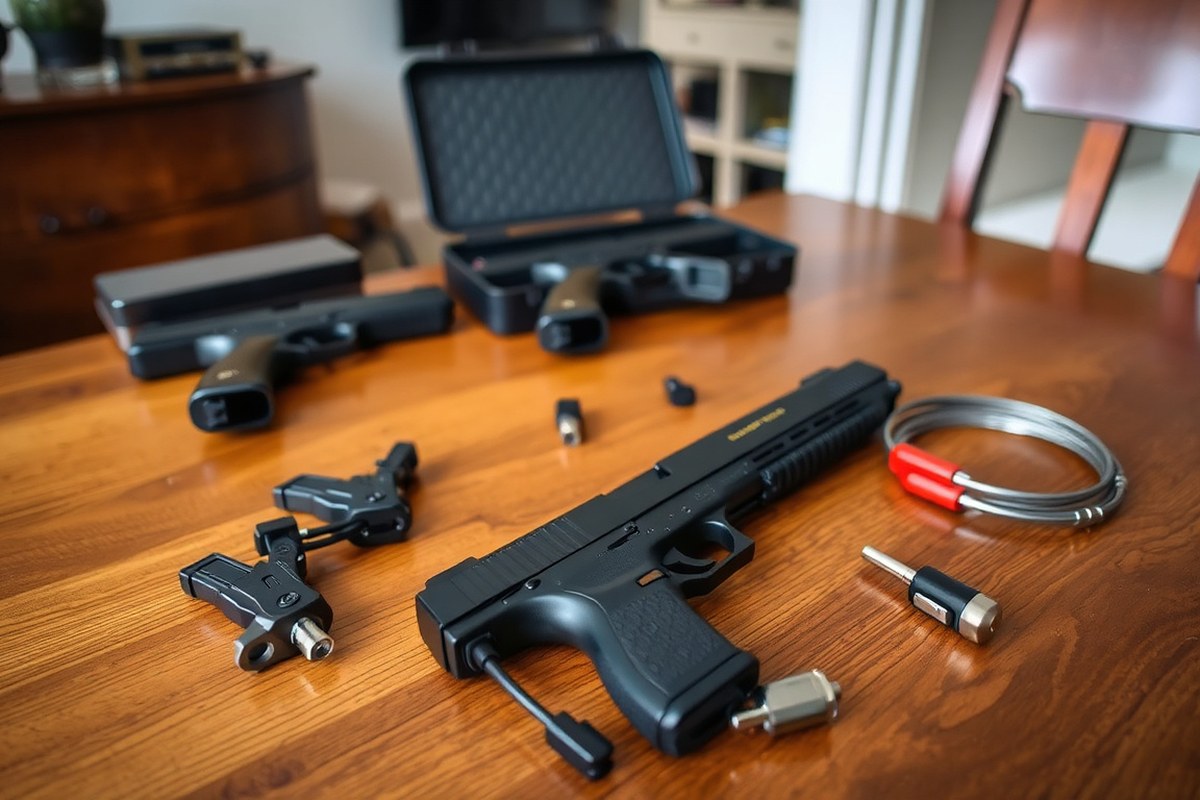
How to Secure Guns Without a Safe: 8 Practical Methods That Work
To secure guns without a safe, use alternatives like trigger locks, lock boxes, cable locks, and secure storage locations that reduce unauthorized access. These methods offer affordable, portable, and effective protection while balancing quick access and safety. This approach suits gun owners seeking practical solutions without the bulk or expense of traditional safes.
You’ll find tailored options based on your firearm type and home layout. The following sections break down installation, maintenance, legal considerations, and how to store ammunition securely alongside your guns without relying on a standard safe.
Key Takeaways
- Trigger locks and cable locks provide low-cost, portable security protecting against accidental or unauthorized firearm use.
- Lock boxes offer fast access while keeping guns away from children and unauthorized household members.
- Choose storage methods that fit your firearm size to prevent damage and ensure ease of use during emergencies.
- Install locks according to manufacturers’ instructions and regularly check for wear or tampering.
- Store ammunition separately from firearms to increase overall household safety.
- Educate family and housemates on firearm safety and storage protocols to reduce misuse risks.
1. Effective Alternatives to Gun Safes for Securing Firearms
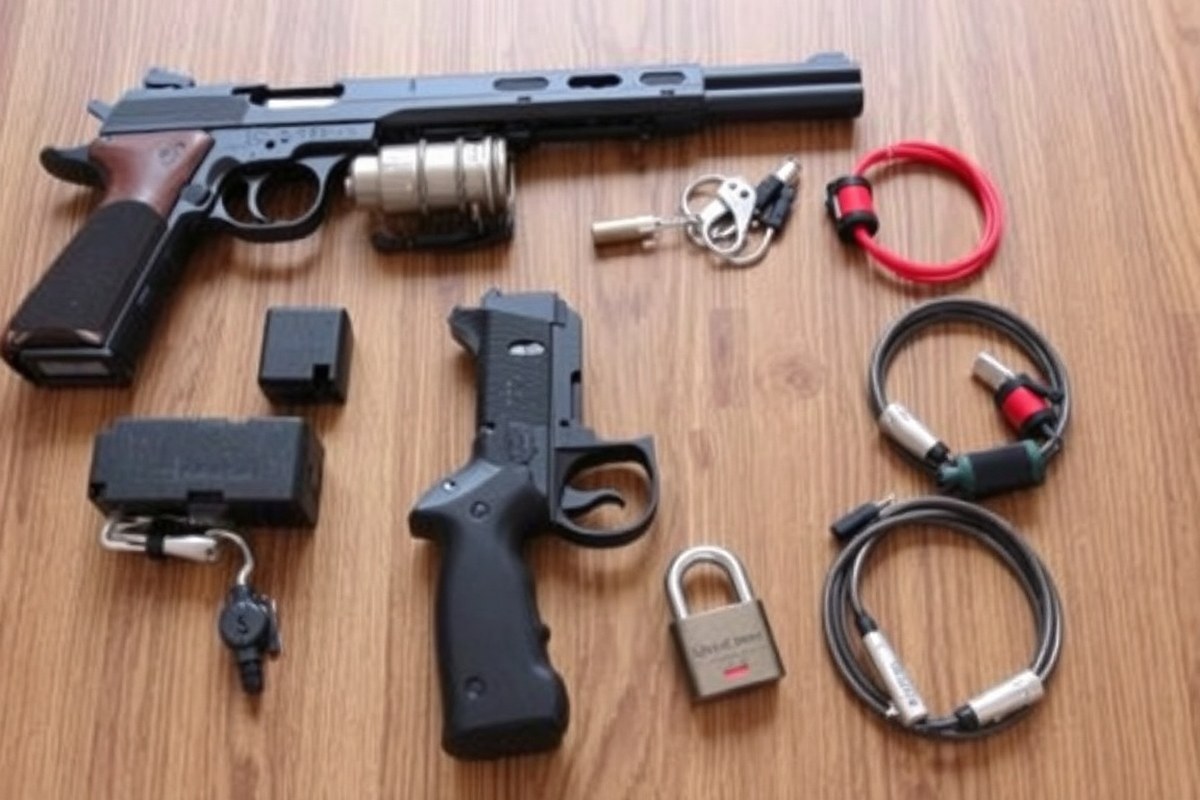
You can secure firearms without a traditional gun safe by using trigger locks, cable locks, lock boxes, gun cabinets, or carefully designed DIY and furniture-based storage options. Each alternative varies in cost, accessibility, and security level, so choosing the right one depends on your specific needs, such as how quickly you need access and how many firearms you own.
Trigger and Cable Locks
Trigger locks and cable locks provide affordable ways to prevent unauthorized use of firearms. Trigger locks fit over the trigger guard, blocking the trigger from being pulled. Cable locks thread through the action or barrel and lock, rendering the firearm inoperable. They’re cheap, typically costing between $10 and $25, which makes them an attractive option for securing individual guns.
Effectiveness largely depends on consistent use. Studies show some firearm owners avoid using trigger locks because they find them difficult to remove quickly. Ease of removal can be a barrier when quick access is necessary, so balance security with your access needs. Cable locks should be considered a supplement rather than a replacement for other storage methods because they only disable the firearm but do not physically restrict access to it.
Lock Boxes and Gun Cabinets
Lock boxes and gun cabinets are popular alternatives that combine security with accessibility. Lock boxes usually have integrated key or combination locks and vary in price from about $25 to $350. They provide reliable protection and can legally transport firearms outside your home when locked. Gun cabinets are larger, lockable storage units that may cost more but allow storage of multiple firearms.
These options work well if you want quick access and a moderate level of security. Compared to traditional gun safes, lock boxes are more affordable and often easier to install or move. Gun cabinets offer more storage space but generally do not provide the same burglary or fire resistance as safes.
| Storage Option | Price Range | Security Level | Access Speed | Capacity |
|---|---|---|---|---|
| Trigger Lock | $10, $25 | Low (disables trigger) | Moderate (may be tricky to remove) | Single firearm |
| Cable Lock | $10, $25 | Low (disables action) | Moderate | Single firearm |
| Lock Box | $25, $350 | Medium (lockable container) | Fast (key or combo) | One to a few firearms |
| Gun Cabinet | $100, $500+ | Medium (lockable storage) | Fast to moderate | Multiple firearms |
| Gun Safe | $200, $2,500+ | High (secure, fireproof) | Varies (biometric/combination) | Multiple firearms |
Compared to gun safes, lock boxes and cabinets generally cost less and provide quicker access but offer less protection from theft or fire. They qualify as secure storage depending on state laws and your individual security needs.
DIY and Furniture-Based Storage Options
You can use everyday furniture items modified for secure gun storage, such as lockable drawers, hidden compartments, or repurposed filing cabinets with high-quality padlocks. These options require careful planning to ensure they prevent unauthorized access. A wooden lockable box inside a desk drawer or a custom-built compartment in a nightstand can keep firearms out of sight but secure.
DIY solutions can be affordable, but their security depends on the strength of locks and how well the firearm is concealed. Avoid methods that are easy to break or open without special tools. Ensure any lock you add is strong, and consider using a secondary device like a trigger lock for added safety. Keep in mind that ease of access for authorized users must not come at the cost of leaving firearms vulnerable to theft or misuse.
2. Choosing the Right Non-Safe Storage by Gun Type and Home Setup
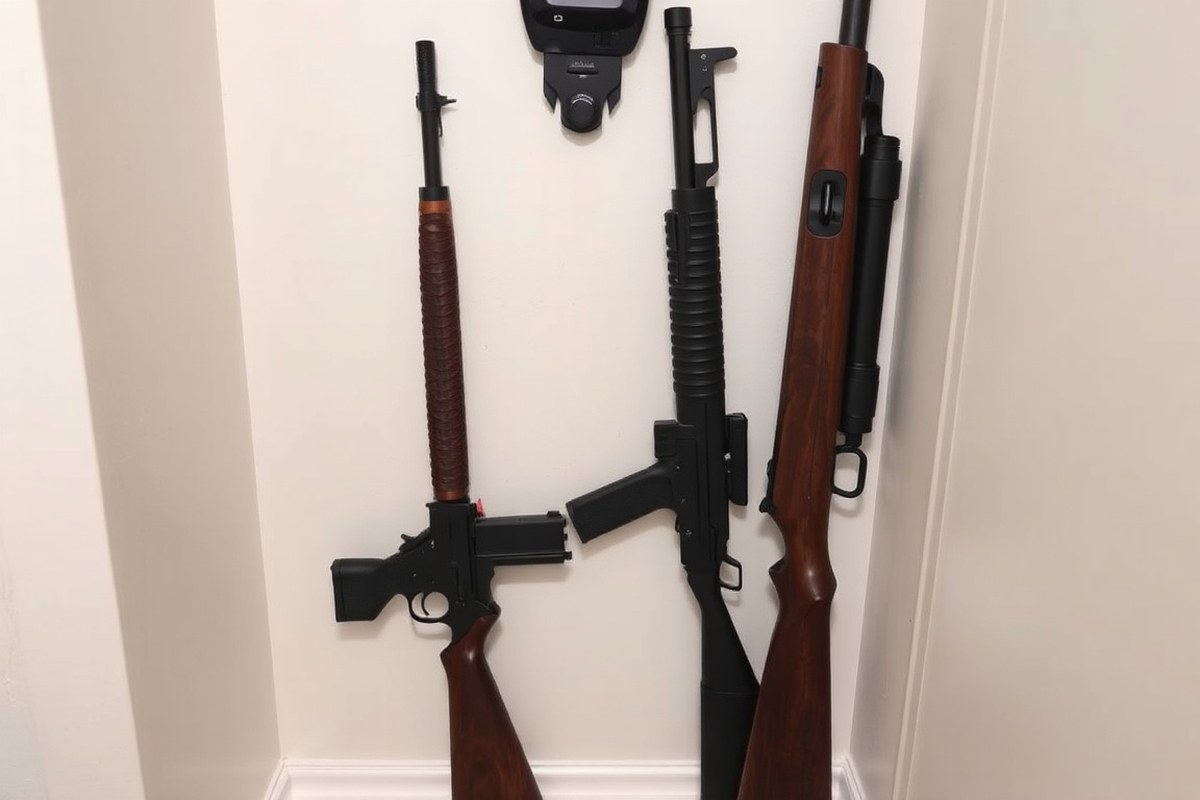
You can choose secure gun storage solutions tailored to your firearms and living situation without using a heavy safe. Different types of guns, from handguns to rifles, need specific storage methods that balance safety, space, and quick access. Your home setup, especially if it’s a small or rented space, also influences the best non-safe storage options.
Handgun vs Long Gun Storage Options
Handguns require more compact and often more discreet storage solutions compared to rifles or shotguns. For handguns, a quality handgun vault or lock box works well. These devices are designed to prevent unauthorized access while allowing relatively fast retrieval during emergencies. These vaults often fit easily in drawers, closets, or mounted in concealed areas.
Long guns such as rifles and shotguns need secure, space-efficient storage solutions that protect from damage and theft. Wall-mounted gun racks, like those made by Gallow Technologies, allow you to safely store long guns without using floor space. These racks are easy to install and can fit many gun types, including larger hunting rifles.
- Handgun vaults fit in small spaces and offer quick access
- Wall-mounted racks save floor space for rifles and shotguns
- Lock boxes can secure handguns inside furniture or closets
- Trigger or cable locks add a layer of security for any firearm type
- Use padded racks or holders for long guns to prevent scratches
- Choose tamper-resistant options to prevent unauthorized handling
Storage in Apartments and Rented Spaces
Small or rented living spaces often lack extra rooms like garages or basements, limiting where you can securely store firearms. Wall-mounted storage solutions and concealment furniture provide effective, space-conscious options. Focus on products that don’t require permanent installation or damage to walls, such as over-the-door racks or lock boxes stored in closets.
It’s important to keep firearms out of reach of children and visitors, so choosing a lockable container or concealed rack is essential. Renting also means avoiding permanent modifications, so smaller lock boxes or portable vaults work well. For long guns, vertical wall racks installed with removable fixtures protect your security deposit and keep your weapons safe.
Always verify your rental agreement and local laws before installing wall mounts or other fixtures to avoid penalties.
Theft Prevention Strategies Without Safes
Theft risk increases without a traditional heavy safe, so your storage solution must focus on restricting access and concealment. Lockable gun cases, cable locks, or trigger locks prevent quick use or removal of your firearms. Concealing guns inside furniture designed to blend with your home’s décor also lowers the chance of theft by visitors or burglars who might look for visible safes. Additional strategies include:
- Use tamper-proof locks or combination locks on lock boxes
- Store firearms unloaded with ammunition stored separately
- Keep firearms in less obvious locations, not near entrance points
- Rotate storage locations occasionally if possible
- Consider firearm storage outside the home with trusted parties when appropriate
Successful theft prevention relies on combining physical security measures and thoughtful placement tailored to your firearm types and living environment.
3. How to Install and Maintain Trigger Locks, Cable Locks, and Lock Boxes
Using non-safe locking devices like trigger locks, cable locks, and lock boxes demands careful setup and upkeep to keep firearms secure and away from unauthorized hands. You should install these devices correctly, perform regular inspections, and steer clear of frequent errors to maintain secure gun storage without the size or cost of a traditional safe.
Installing a Trigger Lock Safely
Trigger locks prevent the trigger from being pulled, rendering the firearm temporarily inoperable. Choose a lock that fits your gun model and is designed to close tightly without forcing parts. Avoid locking a loaded gun or attaching the lock to a fixed object, as this can damage your firearm and create unsafe conditions. Follow these steps to install a trigger lock correctly:
- Unload your firearm completely and double-check to confirm it is unloaded.
- Open the trigger guard area carefully to prepare for lock placement.
- Position the trigger lock to surround the trigger and trigger guard without compressing any components.
- Close the lock securely, ensuring the key or combination mechanism works smoothly.
- Test the lock by pulling the trigger gently. The trigger should not move.
- Store the firearm in a separate locked location if possible, and separate from ammunition.
Maintaining the trigger lock involves checking the locking mechanism monthly for rust or wear and lubricating with a dry lubricant if needed. Replace worn locks immediately to ensure continuous security.
Setting Up a Cable Lock Correctly
Cable locks thread through the open action of a firearm, blocking it from closing and firing. This is a flexible option for temporary storage and transporting firearms. Choose a cable lock made of braided steel with at least 3/8-inch thickness for strong resistance to cutting. Use these steps to install a cable lock effectively:
- Unload and verify the firearm is empty.
- Open the action fully so the chamber and magazine are exposed.
- Insert the end of the cable through the barrel or action opening, following the manufacturer’s recommendation for your firearm type.
- Pull the cable tight to prevent the firearm from closing.
- Lock the cable using the integrated key or combination lock.
- Keep the key or combination code separate and secure from unauthorized users.
Inspect the cable regularly for signs of fraying or corrosion. Clean it with a mild solvent and dry thoroughly to prevent rust. Replace the cable lock if any part looks damaged to maintain reliable performance.
Maintaining and Testing Lock Box Security
Lock boxes provide a compact secure storage option, often using keyed or electronic locks. Proper installation involves fixing the lock box firmly to a solid surface to prevent theft. Lay out the installation site carefully, ensuring it is dry, hidden, and anchored. For secure installation, follow these instructions:
- Choose a location out of plain sight, such as inside a closet or under a heavy piece of furniture.
- Mark anchor holes on the mounting surface and drill pilot holes matching the box’s mounting bracket specifications.
- Secure the lock box using heavy-duty screws, bolts, or lag anchors suitable for the mounting surface.
- Test the sturdiness of the lock box by trying to move or shake it firmly.
- Program or secure the lock mechanism; for electronic locks, set a personal code only you know.
- Store unloaded guns inside the box with the lock engaged and ammunition separately.
Regularly test your lock box’s locking function and mounting security every three to six months. Clean the locking mechanism with a dry cloth and avoid lubricants unless specified by the manufacturer. Replace batteries in electronic locks annually or as soon as signs of weakening appear.
4. Balancing Fast Access and Safety Without a Gun Safe
You can secure firearms while maintaining fast access by choosing quick-access storage solutions designed for both safety and speed. Biometric lock boxes are reliable alternatives for many gun owners because they allow access via fingerprint scans, which typically unlock within seconds. These devices cost between $50 and $350 and provide an effective barrier against unauthorized users while meeting many local firearm storage regulations.
Balancing safety and accessibility matters because quick access during emergencies often conflicts with keeping firearms securely locked away from children, visitors, or potential thieves. To achieve this balance, you must select a device or method that physically secures the firearm while enabling rapid entry by an authorized user. Without a safe, some users find that electronic lock boxes or cable locks paired with strategic placement offer a workable compromise. Consider the following tips based on your typical scenarios to maintain this balance:
- Use a biometric lock box near your usual location (bedside or entryway) for fast emergency access.
- Store firearms unloaded, with ammunition locked separately to reduce accidental or unauthorized use.
- Choose a lock box that allows override keys or backup codes to prevent lockouts.
- For large-caliber or long guns, use quick-release cable locks combined with wall or floor anchors.
- Practice unlocking your device under timed conditions to build muscle memory and speed.
- Keep your storage device out of children’s reach but easily accessible to adults in the household.
- If you carry firearms regularly, consider a quick-access holster or locked drawer for rapid retrieval.
Electronic lock boxes with biometric or keypad entry usually unlock within 1 to 3 seconds, making them faster than traditional combination locks. Cable locks provide security but may slow down access if not paired with a convenient anchor or mounting system. Always test your chosen method regularly to ensure it balances your speed needs with preventing unauthorized access.
Problems can occur if storage devices are too complicated, unfamiliar, or vulnerable to battery failure in electronic models. Biometric sensors can sometimes fail due to dirt, moisture, or damaged fingerprints, so backup access methods are essential. Cost and space also influence your choice; lower-cost cable locks ($10 to $50) offer less quick access but might be suitable in low-risk environments, while pricier lock boxes provide convenience and protection for high-risk households.
5. Legal and Safety Considerations for Storing Guns Without Safes
Gun owners who choose to store firearms without a safe must still follow legal requirements, which vary widely by state and local jurisdictions. Many places require firearms to be unloaded and stored in a way that prevents unauthorized access, especially by children. For example, some California cities like Davis and Oakland have strict local laws mandating secure storage that goes beyond the state baseline. Penalties for failing to comply can include fines, criminal charges, or civil liability if an unsecured firearm is accessed by unauthorized users or causes injury.
To meet these requirements, always unload your firearm and use a locking device such as a trigger lock, cable lock, or lock box. Keep ammunition stored separately from the firearm. This setup reduces risk and typically aligns with legal obligations designed to prevent accidents and unauthorized use. Avoid leaving guns loaded or unlocked, even when at home, since most unintentional shootings involving children happen when firearms are quickly accessible.
Preventing unauthorized access without a safe involves several practical steps. First, educate everyone in the home about firearm risks and safe handling to raise awareness. Second, store firearms in a locked container designed for guns, such as a lock box or secured drawer, if a full safe is not an option. Combine this with trigger or cable locks for double security. Third, restrict access to keys or lock combinations only to trusted adults. For homes with children or visitors, remove firearms entirely from common living areas and consider a dedicated lockable storage room or cabinet.
Accidental shootings can often be prevented by maintaining strict safety rules. Always treat every gun as if it is loaded, never point it at anything you do not intend to shoot, and keep your finger off the trigger until ready to fire. Periodically inspect locking devices to confirm they are functioning properly. Train family members on what to do if they find a firearm. Quick access for self-defense is possible with lock boxes that use electronic or biometric locks, which open in seconds for someone authorized but block access to others.
A checklist for legally and safely storing guns without a safe includes: firearms unloaded, secured with a lock device, stored in a lockable container or area, ammunition kept in a separate locked location, keys or combinations strictly controlled, and all household members aware of firearm dangers. Remember that stricter local laws may require specific storage methods or prohibit leaving firearms unattended in vehicles. Penalties may include fines up to several thousand dollars, loss of firearm privileges, or criminal prosecution depending on the severity of the breach and resulting harm.
Never leave a loaded firearm unattended or in an unlocked location, even for a short time, to prevent accidental or unauthorized use.
6. How to Store Ammunition Securely Without Using a Gun Safe
Storing ammunition securely without using a gun safe requires separate, controlled conditions to prevent unauthorized access and maintain its quality. Ammunition kept apart from firearms reduces the risk of accidental injury and misuse. It also helps comply with best practices recommended by safety experts to ensure both firearm and ammo storage minimize hazards in your home.
Start by choosing a sturdy lockable container designed for ammo storage. Metal ammo boxes with airtight seals and durable locks cost between $20 and $50 and protect against moisture and tampering. Clear labels can help you keep track of the type and quantity stored inside without opening the container often.
Keep the ammo container in a cool, dry place away from direct sunlight to prevent corrosion and degradation of the powder and primers. Ideal temperature ranges are between 55°F and 80°F with humidity below 50 percent. A dehumidifier or silica gel packs inside the container can help control moisture.
Another critical step is to keep ammunition out of reach of children and unauthorized individuals, such as guests or contractors. Position the container in a high cabinet, closet, or locked drawer dedicated to ammo or other hazardous materials. Avoid hiding ammo in unsecured drawers or under furniture, as these common mistakes reduce storage security.
- Use a lockable metal ammo box with an airtight seal
- Store ammo separately from firearms, ideally in a different room
- Keep ammo in a cool, dry area with humidity under 50%
- Use silica gel packets to prevent moisture buildup inside containers
- Secure the ammo container in a locked cabinet, closet, or drawer
- Label containers clearly for easy identification without opening
- Regularly inspect stored ammunition for corrosion or damage
Avoid common errors such as storing ammo in places with temperature swings or high humidity, which degrade reliability and can cause misfires. Do not store ammunition loose in bags or boxes, as it may spill, get damaged, or be accessed by children. Also avoid mixing different calibers together to reduce confusion and potential safety risks.
Secure ammo storage without a safe takes attention to container choice, environmental control, and physical security. Budget for a quality lockable container and monitor conditions periodically to ensure your ammunition stays safe and functional over time. This approach supports safer firearm use and lowers the risk of accidental injuries in your home.
7. Teaching Family and Housemates About Gun Safety Without a Safe
Communicating clear rules about firearm safety and access is essential when you secure guns without a safe. Family members and housemates must understand that securing firearms is everyone’s responsibility, especially when you cannot rely on a traditional storage method. Begin by explaining why the guns are secured in a certain way, focusing on preventing accidental access, particularly by children or visitors who might not be familiar with the firearms. Use straightforward language that fits your household’s culture and habits.
Start conversations by acknowledging trust but emphasizing shared responsibility. You can say, “I trust everyone here, but because accidents happen, I want us to have clear rules about when and how guns can be handled. Our priority is to keep everyone safe, including kids and guests.” This frames the rules as safety measures, not restrictions on trust or freedom.
Use a script like this to set ground rules: “Our firearms stay locked or secured with [describe your method], and only adults who know the safety procedures can handle them. You should never touch a gun left out in the open and must inform me right away. When someone is upset or dealing with a difficult situation, we agree to restrict their access temporarily to ensure safety.”
It’s important to repeat these rules periodically, especially when new people join the household or during visits from family or friends. Offer to demonstrate how to properly use any locks or storage methods you employ. Provide a simple step-by-step walk-through, like showing how to engage a trigger lock or where the keys are stored. This reduces confusion and helps build comfort with the system.
Conversations about gun safety might feel uncomfortable at times, but keeping calm and factual helps. Avoid assigning blame or focusing on what could go wrong. Instead, talk about the benefits of secured firearms, such as peace of mind and preventing tragedies. For example, mention that 82% of adolescent firearm suicides involve guns from the home, reinforcing the importance of careful communication and storage.
Costs of this approach focus mainly on time and consistency rather than money. Regularly updating housemates and family reinforces habits. Variations in your message may be necessary when talking with children, using simpler language and focusing on “guns are tools for adults that can be dangerous if not handled carefully.” For adults or teens, include more detailed explanations of the risks and legal consequences of unsafe storage.
Good results show family members confidently respecting access rules and knowing exactly what to do if a firearm is found unsecured. Problems arise if anyone feels left out of the loop or unclear about the rules, which can lead to unauthorized handling or confusion during emergencies. Keep the dialogue open and ask for feedback to improve understanding and compliance over time.
8. When to Call a Professional for Non-Safe Gun Security Solutions
Consider calling a professional when your non-safe gun security solutions require precise mounting, customization, or improve protection beyond basic methods. For instance, mounting a DIY gun locker securely to wall studs might need expert tools and knowledge of local building codes to prevent damage or weak installation. When your setup includes integrated alarm systems, biometric locks, or complex wiring, a licensed installer makes sure everything works correctly and meets safety standards. Professionals can also advise on the best hardware for your specific firearm type, number of guns, and home layout, balancing quick access with strong security.
Determine if you need expert help by evaluating the complexity and risk involved. Simple trigger locks or cable locks usually don’t require professionals. However, if your storage solution exceeds 30 pounds or needs to bear sudden force, such as in child-resistant lockers or portable gun safes disguised as furniture, professional anchoring is important to avoid tipping or easy removal. Encountering legal rules that require certain locking or mounting methods calls for advice from a professional to prevent costly errors and legal issues.
Installing a DIY gun locker securely often means anchoring it into sturdy wall studs or concrete. Use heavy-duty lag bolts or expansion anchors rated for the weight of your locker plus firearms. Ideal bolt diameter is between 3/8 and 1/2 inch, and fasteners should penetrate studs by at least 1.5 inches for stability. Locate studs with a detector; spaced typically 16 inches apart behind drywall. Professionals use torque tools to drive fasteners to specification, ensuring the locker won’t loosen over time.
Costs for professional installation vary widely, starting around $100 and increasing with complexity or the addition of electronic systems. Some firearm retailers or locksmiths bundle installation with purchase for less. Good results show no wobble or looseness, lock operations with a single smooth motion, and clear documentation of compliance with any legal requirements. Mistakes to avoid include using drywall anchors alone, overloading thin shelving inside the locker, or poor placement near moisture sources that cause rust.
For security upgrades, professionals can customize mounting plates, reinforce weak surfaces, and install kill switches or tamper alarms. They also recommend appropriate clearance for your specific gun types, preventing damage or accidental discharge during access. In homes with children or frequent visitors, experts suggest additional barriers or dual locks to balance safety and convenience.
Properly securing a gun locker to wall studs with heavy-duty bolts significantly reduces risk of theft or accidental tipping, which simple drywall anchors alone cannot provide.
Step-by-Step Action Plan for Securing Your Guns Without a Safe
Follow these steps to secure your firearms effectively without a traditional gun safe. Each step builds on the last and helps ensure your guns stay out of unauthorized hands.
- Day 1: Select the appropriate locking device such as a trigger lock or cable lock based on your firearm type. Confirm compatibility by fitting the lock securely without forcing it.
- Day 2: Choose a secure location in your home that is out of sight and difficult for children or intruders to reach. Test that no one else can easily access the area.
- Week 1: Install your chosen lock or lock box according to the manufacturer’s instructions. Verify the lock engages properly and cannot be removed without the key or code.
- Week 2: Store ammunition separately in a locked container in a different secure location. Confirm the container is locked and inaccessible to unauthorized users.
- Week 3: Educate everyone in your household about gun rules and safety measures. Observe that instructions are followed and questions are answered clearly.
- Month 1: Conduct a safety check to ensure all locks are intact, and firearms remain inaccessible to unauthorized persons. Adjust storage if security concerns arise.
- Ongoing: Maintain locking devices by checking for wear and damage every month. Replace or repair any compromised locks immediately.
Frequently Asked Questions
How Can I Secure Guns Without Using a Safe?
You can use lock boxes, trigger locks, or cable locks to secure guns. These alternatives help prevent unauthorized access and can be combined for added security.
What Are Some Effective Alternatives to Traditional Gun Safes?
Locking gun cabinets, wall-mounted lock boxes, and firearm-specific trigger locks are common alternatives. They offer secure storage tailored to your home layout and gun type.
How Can I Keep Guns Secure at Home While Ensuring Quick Access?
Use lock boxes with quick-access features or strong trigger locks that you can remove swiftly. This balances safety with readiness in critical situations.
Is Owning a Gun Safe Legally Required?
Gun safes are not federally required, though some states have specific rules. Other locked storage methods may comply with laws depending on your location.
What’s a Good Way to Keep a Firearm Safe When It’s Not Locked Away?
Always store firearms unloaded with ammunition stored separately, and use trigger or cable locks to add security without a safe.
Are Biometric Gun Locks a Reliable Alternative to Safes?
Yes, biometric locks offer secure, fast access but should be combined with other safety measures for best protection.
Wrapping Up
Securing your firearms without a traditional safe is achievable with careful selection, proper installation, and consistent maintenance of alternative locking devices. Prioritize both safety and quick access by regularly reviewing your setup. Begin today by choosing the right lock for your firearm and installing it in a secure, controlled location in your home.

