Is Massage Gun Safe? Essential Safety Tips and Expert Usage Guide
Is massage gun safe? Yes, when used correctly, massage guns can safely reduce muscle soreness and improve recovery for most people. Limiting each session to 6, 10 minutes and allowing at least 48 hours between treatments on the same muscle group helps prevent injury.
Key Takeaways
- Limit massage gun use to 6, 10 minutes total per session to avoid overworking muscles.
- Use percussion therapy on a tight or focused spot for a maximum of 30 to 60 seconds only.
- Wait 48 hours before using a massage gun again on the same muscle to allow recovery.
- Avoid using a massage gun on fresh fractures, recent surgeries, or injuries less than 48-72 hours old.
- Pregnant individuals, especially after 16 weeks, should avoid deep leg massage to reduce VTE risk.
- Stop using the massage gun if you feel sharp pain, numbness, tingling, or unusual soreness.
Is Using a Massage Gun Safe for Most People?

Massage guns can be safe for healthy adults when used properly. To use one correctly, keep it moving over the muscle, limit the treatment to 30 to 90 seconds per area, and avoid applying it directly over bones or major blood vessels. Following these steps reduces the risk of bruises or tissue injury while boosting blood circulation and easing muscle soreness. Treating large muscle groups like the thighs, calves, or back using this method generally does not cause problems.
People who should be cautious or avoid massage guns include pregnant individuals, especially after 16 weeks, due to an increased risk of venous thromboembolism (VTE), which is 4 to 5 times higher than average during pregnancy and postpartum. Deep massage on the legs or abdomen in these cases may disturb existing clots. Those with untreated high blood pressure, a history of aneurysms, blood clotting disorders, osteoporosis, or who are taking blood thinners should consult a healthcare professional before use. The device can also be unsafe for anyone with fractures, varicose veins, or implanted medical devices without medical advice.
While permanent injury from normal, correct use is rare, it is not impossible. Serious complications have been reported when massage guns were misused, such as applying intense percussion to sensitive areas like the neck, which can risk artery damage or stroke. Overusing the device on one area or pressing too hard can cause bruising, muscle damage, or, in extreme cases, severe rhabdomyolysis, a dangerous breakdown of muscle tissue. Following instructions for duration and pressure greatly reduces this danger.
Basic safety rules include always moving the massage gun across the muscle rather than holding it in one spot, never using it near joints or the spine, and starting at the lowest speed setting to gauge your tolerance. Avoid using the device right before heavy lifting or explosive workouts, as this might reduce your muscle’s ability to perform. Stop using the device right away if you feel pain, numbness, or any unusual discomfort, and seek advice from a healthcare provider. Using the device for 2 to 5 minutes on large muscle groups with low to moderate settings typically offers safe and effective relief.
How Does a Massage Gun Work on Muscles and Tissue?

A massage gun works by delivering rapid, repeated pulses of pressure to your muscles and soft tissues. This percussive therapy stimulates muscle fibers through a motor-powered mechanism, providing fast bursts of pressure and vibration. The quick pulses cause your muscle tissue to lengthen and contract repeatedly, which helps ease tension and break up knots. By applying this mechanical force, the device encourages a slight increase in blood flow to the targeted area, bringing more oxygen and nutrients to aid recovery and reduce stiffness.
This improved circulation can temporarily increase inflammation, which may feel like mild soreness or warmth right after use, but it also helps flush out metabolic waste products like lactic acid that build up during exercise. The removal of lactic acid lessens the aching you might feel after a workout. Using a massage gun at a low intensity for a few minutes on tight muscles, such as in your neck, shoulders, or lower back, can relax the tissues and boost flexibility.
The response of your muscles and connective tissues to the massage gun depends largely on how you apply it. Proper pressure is essential, a gentle touch combined with slow, sweeping motions prevents irritation and bruising. Pressing too hard or holding the gun on one spot for too long might damage small blood vessels, causing bruises or increased pain. Moving the massage head steadily over the muscle helps evenly distribute the pulses, ensuring better blood flow and a more comfortable experience. The texture and thickness of your muscle and fat layers also influence how deep the vibration penetrates and how effective the therapy is.
Use the massage gun on large, well-muscled areas rather than bony or sensitive spots, avoiding regions near arteries or delicate tissues. Applying it incorrectly, such as over the carotid artery in the neck, risks serious injury by potentially disrupting blood flow. This is why knowing how to position and move the device is as important as controlling pressure. Your goal is to stimulate without causing damage, typically with short sessions of 30 to 90 seconds per muscle group. Longer or aggressive sessions don’t speed up results and may worsen soreness or increase injury risk.
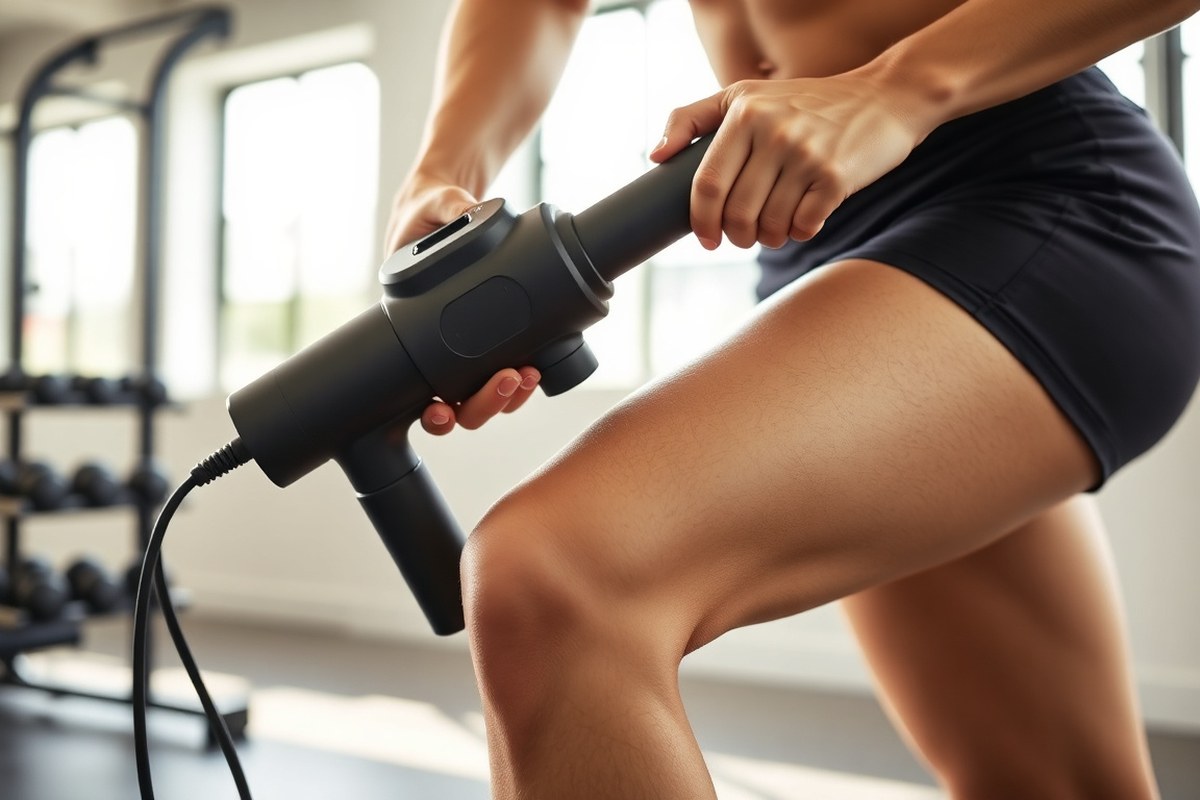
Apply light pressure and keep the massage gun moving smoothly across the muscle to prevent bruising and discomfort.
Safe Duration and Frequency for Massage Gun Use
Using a massage gun safely means limiting each session to no more than two minutes per muscle group and allowing at least 48 hours of recovery before targeting the same area again. You can use the device daily by alternating muscle groups throughout the body.
Recommended Time Limits per Muscle Group
For each muscle group, keep your massage gun session between 30 seconds and two minutes. Most physical therapists suggest spending closer to 30 to 90 seconds per muscle. Overly long sessions offer diminishing returns and increase the risk of tissue damage. Move the device slowly over the muscle to avoid focusing too long on one spot, which can cause soreness or bruising. A total session time of 6 to 10 minutes spread across multiple muscle groups is a practical safety limit for home use. Here is a quick checklist for safe duration:
- Start with a low setting and adjust as comfortable
- Keep the device moving steadily over the muscle
- Limit treatment on each muscle to 30 seconds to 2 minutes
- Stop if you develop sharp pain, numbness, or bruising
- Do not apply direct percussion to bone or joints
Following these steps helps stimulate muscle tissue without overworking it or causing injury.
Frequency Guidelines for Daily Use
Using a massage gun daily is fine if you switch muscle groups each time. Each muscle needs about 48 hours to recover fully between sessions. This recovery time prevents overstressing muscle fibers and allows any minor inflammation to subside. When you experience mild soreness or stiffness, lower the intensity or shorten the session duration rather than increasing frequency. This approach supports muscle repair and avoids worsening symptoms.
You can also use a massage gun multiple times a day on different muscle groups, as long as you avoid targeting the same muscles repeatedly. For example, treat your calves in the morning and glutes in the evening rather than hitting the calves twice in one day.
Signs You’ve Used It Too Long or Too Often
Overusing a massage gun can cause bruising, numbness, increased pain, or a feeling of persistent soreness that lasts longer than a day. Notice any of these signs? Stop treatment on the affected muscle and give it time to recover. Prolonged use on acutely inflamed muscles can worsen injuries. Important warning signs include:
- Sharp or radiating pain during or after use
- Numbness or tingling sensations
- Visible bruising or swelling
- Muscle weakness or decreased range of motion
- Persistent soreness that worsens after treatment
Pay attention to your body’s signals to adjust duration, pressure, or frequency accordingly. Discomfort or pain are cues to reduce or stop use, and consulting a healthcare professional is wise when symptoms persist.
Medical Conditions and Body Areas to Avoid
Massage guns can pose serious risks if used on certain medical conditions or sensitive body areas. Some health issues increase the chance of injury or complications, while particular body parts require careful attention or complete avoidance to prevent harm. Understanding these limitations helps you use massage guns safely.
High-Risk Medical Conditions
Several medical conditions make using a massage gun unsafe without prior consultation with a healthcare professional. Deep-vein thrombosis (DVT) is particularly dangerous because the strong vibrations can dislodge blood clots, which might travel to the lungs and cause a pulmonary embolism. People on blood thinners or with bleeding disorders can experience severe bruising or internal bleeding from the percussion action. Those with osteoporosis or low bone density risk fracturing fragile bones if they apply too much force. Pacemakers or implanted electronic hardware users should avoid using massage guns near those devices, as vibrations may interfere with their function. Diabetics with neuropathy should be cautious since they might not feel pain signals properly, increasing the risk of unintentional injury.
| Condition | Why It’s Unsafe |
|---|---|
| Deep-vein thrombosis (DVT) | Percussion can dislodge blood clots, causing pulmonary embolism |
| Osteoporosis or low bone density | Force can fracture fragile bones |
| Blood clotting disorders or blood thinner use | Risk of severe bruising or internal bleeding |
| Pacemakers or implanted hardware | Vibration near these devices can interfere with function |
| Pregnancy | Safety data is insufficient; doctor consultation is required |
| Diabetes with neuropathy | Numbness may mask pain and increase injury risk |
Always seek medical advice if you have any of these conditions before using a massage gun. The risk of serious injury is too high to use the device without professional guidance.
Body Areas to Avoid or Treat Gently
Certain body parts require extra caution or should be completely avoided when using a massage gun. Avoid areas with major blood vessels, like the neck’s front, due to the risk of damaging arteries or veins. Varicose veins and areas suspected of blood clots must not be treated with a massage gun because vibration could worsen the condition or dislodge a clot. Joints and bony areas like the spine, kneecaps, and collarbones are sensitive to trauma, so avoid percussion there to prevent bruising or fractures. Never apply the massage gun on open wounds, fresh injuries, or surgical sites, as it can delay healing or cause further damage. Also, steer clear of the head, throat, and kidney regions, where sensitive tissues and organs could be injured.
Keeping the massage gun moving over large, healthy muscle groups is the safest practice. Avoid pressing hard or holding the device in one spot on vulnerable areas to reduce discomfort or injury. Monitoring your response during use is important, stop immediately if you feel pain or abnormal sensations.
Pregnancy and Special Considerations
Pregnancy requires special attention because there is limited safety data about using massage guns during this time. Vibrations close to the abdomen or lower back could pose risks to both the mother and the baby. Pregnant individuals should talk with their healthcare provider before using a massage gun and avoid applying it near the belly or pelvic areas. Certain stages of pregnancy may be more sensitive to vibration and compression, increasing the likelihood of complications.
People with conditions like lipedema, characterized by fragile fat and connective tissue, should use only gentle massage settings, even if they are not taking blood thinners. This approach minimizes bruising and pain. Anyone on blood thinners or with bleeding disorders must consult a doctor to weigh risks versus benefits. Avoiding self-treatment in these cases is best until cleared by a professional.
Recognizing and Preventing Common Massage Gun Injuries
Using a massage gun improperly can lead to several injuries including bruising, nerve irritation, and in severe cases, rhabdomyolysis. Bruising happens when strong or repeated pressure damages blood vessels under the skin. This often feels tender and swollen. Nerve irritation may cause numbness, tingling, or sharp pain, especially if the device is placed near sensitive nerves or bony areas. Rhabdomyolysis, though rare, is a serious condition where muscle tissue breaks down rapidly, releasing harmful substances into the bloodstream. This can happen if you overuse a massage gun on large muscle groups or injured muscles, stressing the tissue beyond repair.
Knowing the signs of injury can help you stop before things get worse. Stop using the massage gun if you notice tenderness, bruising, numbness, or sharp pain. Seek medical advice if pain persists or if symptoms like swelling and weakness develop. People taking blood-thinning medications need extra caution, as bruising or bleeding can happen more easily under massage gun use. Avoid using the device to numb pain or press through an injury, as this can delay healing or worsen damage.
| Symptom | Appropriate Action |
|---|---|
| Mild tenderness | Stop treatment and allow the area to recover |
| Bruising or swelling | Avoid further use on that spot |
| Numbness or tingling | Stop immediately |
| Severe or lasting pain | Seek medical advice |
To reduce injury risk, avoid pressing the massage gun directly over joints, bones, or fragile areas. Only use moderate pressure, and limit sessions to recommended durations. If you have an acute injury or healing fracture near the treatment site, get approval from your healthcare provider before use. People on anticoagulants or with nerve damage should consult a doctor first. Watch for any new pain or unusual sensations during treatment as these could signal developing issues.
Always stop using the massage gun at the first sign of numbness or sharp pain and consult a healthcare professional before continuing.
Step-by-Step Guide to Using a Massage Gun Safely
Using a massage gun safely requires choosing the right attachment and speed, applying gentle pressure with slow movements, and focusing on large muscle groups while avoiding sensitive areas. Following a clear sequence helps maximize results and prevent injury while keeping sessions brief, typically 15, 30 seconds per muscle group.
Selecting the Right Attachment and Speed
Start by picking the attachment that matches the muscle you want to treat. Larger, round-headed attachments work best for broad muscles like the quads, glutes, and back. Smaller or bullet-shaped attachments target specific areas or knots. Begin at the lowest speed setting to avoid overstimulation.
Gradually increase speed if needed, but keep it moderate to prevent muscle strain. Most massage guns offer 3 to 5 speeds. Use the lowest setting for sensitive or small muscles and the mid-range for larger muscle groups. Avoid the highest speeds unless you have experience and no sensitivity issues.
Applying Proper Pressure and Movement
Light pressure is key. Hold the massage gun gently against your muscle and let it do the work. Pressing too hard can bruise tissue or worsen inflammation. Move the gun slowly, about 1 inch per second, allowing the percussive action to penetrate muscle fibers without causing pain.
Use smooth, sweeping motions rather than stationary pressure. This encourages better blood flow and avoids overstressing one area. Keep each area engaged for 15, 30 seconds, then switch muscles. Avoid using the massage gun continuously for more than 2 minutes on a single spot.
Treating Muscle Groups Safely
Focus on large muscle groups such as calves, hamstrings, quadriceps, glutes, and the upper back. Start each session with a light warm-up by gently running the massage gun over the muscle at the lowest speed. This helps improve range of motion and prepares muscles for activity.
A gradual approach works best: target one muscle group at a time with steady, controlled movement. Avoid lingering on sore spots too long. Stop right away and reassess the pressure or speed when sharp or intense pain occurs. After the session, stretch or move the muscle gently to extend benefits.
Avoiding Sensitive Areas
Keep the massage gun away from bones, joints, the spine, and any areas with open wounds, bruises, or swelling. Avoid use directly on bony prominences like the kneecap or collarbone. Steer clear of sensitive spots such as the neck’s front or throat area to prevent vascular or nerve injury.
Never apply the massage gun over areas with recent injuries, bleeding, or skin conditions. Consult a healthcare provider before use when you have underlying health conditions or unusual symptoms. Watch for discomfort, numbness, or unusual sensations during treatment, and stop immediately if these occur. Follow these steps for safe and effective massage gun use:
- Choose an attachment sized for the muscle area you want to treat.
- Start at the lowest speed and test the sensation on your muscle.
- Hold the gun lightly, applying only gentle pressure.
- Move the gun slowly over the muscle at about 1 inch per second.
- Limit use on one muscle group to 15, 30 seconds.
- Avoid bones, joints, bruised, or injured skin areas.
- Stop if you experience sharp pain, numbness, or discomfort.
When to Stop Using a Massage Gun and See a Doctor
Stop using a massage gun immediately if you experience sharp, worsening, or unusual pain during or after treatment. Pain that shifts from a general muscle ache to sharp, stabbing sensations can signal nerve irritation or injury. Swelling that gets worse or does not improve within a day or two after use also requires stopping the massage gun and consulting a healthcare professional. These symptoms could indicate tissue damage or aggravation of an existing condition that the massage gun should not be used on.
Blood clots, especially deep vein thrombosis (DVT) in the legs, pose a serious risk. Using a massage gun on an area with a suspected clot can dislodge it, potentially causing a life-threatening pulmonary embolism. Symptoms suggesting a blood clot include persistent leg swelling, redness, warmth, and pain that does not improve with rest. Do not use a massage gun in these cases and seek urgent medical evaluation. Medical advice is necessary whenever you notice the following warning signs linked to massage gun use:
- Sudden numbness or tingling during or after treatment
- Increased or new muscle weakness
- Skin discoloration like redness, bruising, or blistering near the treated area
- Ongoing or aggravated swelling after massage gun use
- Sharp or radiating pain instead of dull muscle soreness
- Pain or symptoms near a recent surgery site, fracture, or tendon injury
- Open wounds or skin infections near the treatment area
Before using a massage gun on areas affected by recent injuries, surgery, or unexplained pain, get clearance from a doctor or physical therapist. They can rule out contraindications and suggest safer recovery approaches. When you see your healthcare provider, clearly report your massage gun use. Explain the exact areas treated, the frequency and duration, the strength settings used, and any new or worsening symptoms related to its use. This helps them properly assess possible complications and guide your care.
Using a simple decision rule can help. Stop if any pain is sharp, increases, or is accompanied by swelling or numbness. Avoid areas with skin changes or recent trauma without professional approval. Prioritize safety by considering your full medical history and recent injuries. Prompt medical consultation prevents serious complications and ensures massage remains a helpful part of your recovery and wellness routine.
Choosing the Right Massage Gun for Safety and Comfort
Selecting a massage gun that promotes safe and comfortable use means focusing on features like weight, design, pressure sensors, battery life, and noise levels. A massage gun that is too heavy or bulky may cause user fatigue, making it hard to apply consistent pressure for effective muscle recovery. Aim for a device weighing between 1.5 to 3 pounds, as this range balances ease of use with sufficient power for various muscle groups.
Design factors such as grip and size matter because a comfortable hold lets you control the device better, reducing the risk of applying excessive force. Look for ergonomic handles with a non-slip texture. Some massage guns include pressure sensors that alert you or automatically reduce power when too much pressure is detected. This feature helps prevent bruising or muscle damage, especially for beginners or those unfamiliar with safe pressure levels.
Battery life should allow for multiple sessions without frequent recharging. Choose models with a minimum of 2 to 3 hours of continuous use to avoid interruptions during recovery routines. Lower noise levels under 50 decibels make it easier to use the device in shared or quiet environments without disturbance. Those sensitive to noise should prioritize quieter units, even if it means paying a bit more.
Price often correlates with build quality and available safety features. Entry-level massage guns cost around $50 to $100 and may lack advanced sensors or ergonomic design, increasing safety risks if not used carefully. Mid-range models ($100 to $250) usually include pressure sensors, multiple speed settings, and a variety of attachments for targeting specific muscle groups. High-end massage guns ($250 and above) can offer superior battery life, quieter motors, and professional-grade safety features beneficial for frequent or intensive users.
| Feature | Recommended Range | Why It Matters |
|---|---|---|
| Weight | 1.5 to 3 lbs | Balances ease of handling and muscle coverage |
| Pressure Sensor | Included in mid to high-end models | Prevents excessive force and injury |
| Battery Life | 2 to 3+ hours | Supports multiple sessions without recharge |
| Noise Level | Under 50 dB for quiet environments | Reduces disturbance during use |
| Price Range | $50 to $100 (entry), $100 to $250 (mid), $250+ (high) | Higher cost usually means better features and safety |
Consider your main use cases when choosing features. For instance, athletes needing frequent, targeted recovery may benefit from a durable, ergonomic massage gun with pressure sensors and long battery life. Recreational users with occasional soreness might prioritize noise level and a lightweight design for casual use. Always review product specifications and customer feedback to identify which features align with your priorities.
Tip: Avoid buying the lightest gun if it sacrifices power, and don’t choose the heaviest if you plan on daily use, comfort and control matter most for safety.
Step-by-Step Action Plan for Safe Massage Gun Use
Follow this plan to start using a massage gun safely and effectively. Each step helps you build confidence and reduce risk.
- Before you start: Read the massage gun’s manual carefully and check for any personal health risks. Knowing your limits prevents injury.
- Day 1: Use the lowest speed setting on a small muscle area for 30 seconds. Stop if you feel any sharp pain or extreme discomfort.
- Week 1: Increase use to 1, 2 minutes per muscle group, not exceeding 10 minutes total. Notice improved muscle relaxation or reduced soreness.
- Week 2: Experiment with medium speed and different massage heads on safe areas like calves or shoulders. Avoid bony areas and bruised skin.
- After 2 weeks: Adjust duration and intensity based on how your muscles respond. Use daily only if no negative symptoms appear.
- Ongoing: Avoid using the massage gun on areas with medical conditions like varicose veins or recent injuries. Notice any unusual swelling or redness and stop.
- Every use: Maintain good posture and move the device slowly over muscles. This promotes even treatment and lowers injury risk.
Frequently Asked Questions
Can Massage Guns Cause Blood Clots?
Massage guns cannot create clots in healthy tissue but may disturb existing, undiagnosed clots. Consult your doctor if you have clotting risks before use.
Are Massage Guns Safe During Pregnancy?
Pregnant people, especially after 16 weeks, should avoid deep leg massage and consult guides or healthcare providers for safe zones.
Can Massage Guns Be Used on Joints?
Applying massage guns directly on joints is not recommended; focus on surrounding muscles instead to prevent injury.
Is It Safe to Use a Massage Gun on an Injury?
Avoid using a massage gun on acute injuries like sprains or bruises until cleared by a healthcare professional.
Can Children Use Massage Guns Safely?
Massage guns are not generally recommended for children due to thinner tissue and sensitivity; seek medical advice first.
Do Massage Guns Help with Chronic Pain?
They may ease muscle stiffness and improve blood flow but consult a healthcare provider for chronic pain management.
Wrapping Up
Massage guns can be a safe and helpful tool when used carefully and with attention to your body’s signals. Start slow, follow the manufacturer’s guidance, and pay close attention to any discomfort. If you experience persistent pain or unclear symptoms, consult a healthcare professional before continuing. Taking these steps makes your muscle recovery routine safer and more effective.