Is Oklahoma a Concealed Carry State? A Complete Guide for Legal Carry
Oklahoma permits concealed carry for people 21 and older who are legally allowed to own a firearm. This law took effect on November 1, 2019. You don’t need a permit to carry concealed once you meet these age and legal conditions.
Key Takeaways
- Oklahoma residents 21+ can carry concealed firearms without a permit.
- Open carry of loaded handguns is legal without a permit for those 21 or older.
- Military members aged 18 to 20 may also carry openly and concealed legally.
- Obtaining a permit is useful for carrying in states that require or recognize it.
- Handgun licenses must be renewed every 5 or 10 years, with fees of $85 or $170.
- Carrying firearms is prohibited in places banned by federal or state law.
Does Oklahoma Allow Concealed Carry Without a Permit?
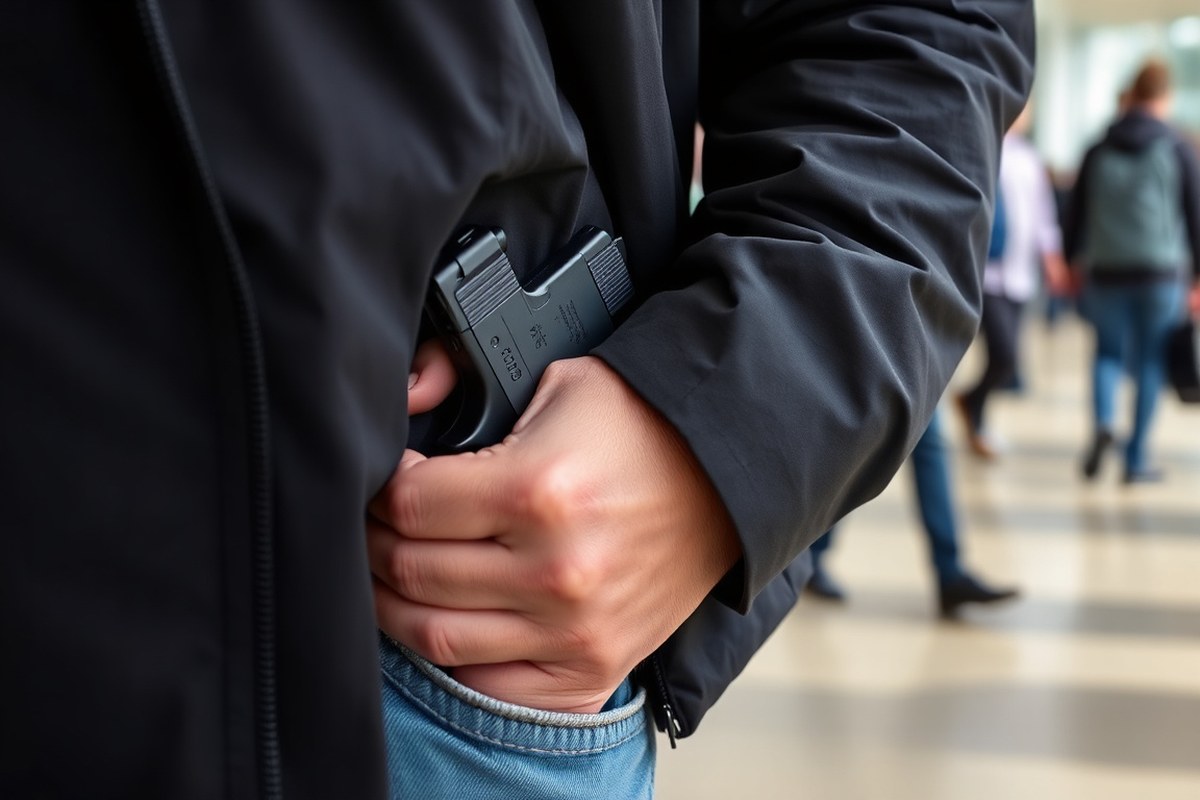
Oklahoma permits carrying a concealed firearm without a license for those 21 or older who are legally allowed to own a gun. Starting November 1, 2019, the state’s law lets you carry a concealed handgun without needing a state-issued permit, as long as you meet age and legal possession criteria. This rule applies to both residents and visitors, classifying Oklahoma as a permitless concealed carry state.
You do not need a permit to carry concealed in public if you are at least 21 and not prohibited from owning a gun due to felony convictions, restraining orders, or similar legal restrictions. Military members and veterans can carry concealed at 18 or older under the same rules. This law removed the obligation to get a state handgun license just to carry concealed inside Oklahoma. However, holding an Oklahoma Self-Defense Act License remains an option for those who want to carry concealed in other states that recognize Oklahoma permits.
To qualify for permitless concealed carry in Oklahoma, you should first confirm you legally possess a firearm. This means you are not barred by law from owning or carrying a gun. Age is the second key factor: you must be either 21 or older, or between 18 and 20 with honorable military service. No training or background check is required to carry concealed without a permit in Oklahoma, but you must abide by all other gun laws, including restrictions on carrying in certain places.
The legal standard is straightforward: if you meet the age requirement and are not disqualified from possession by state or federal law, then you may carry concealed without a permit. Carrying concealed for unlawful purposes remains illegal. The lack of a training requirement for permitless carry cuts costs and administrative steps, but it also means you should take personal responsibility for safe handling and knowing where you cannot carry concealed.
Since the law’s implementation, Oklahoma also recognizes valid out-of-state concealed carry permits. This allows holders from other states to carry concealed in Oklahoma even if they do not qualify for permitless carry under Oklahoma’s age or eligibility rules. Conversely, without an Oklahoma permit, your concealed carry rights might be limited when traveling outside the state to places that require a permit.
In practice, this means you can decide to carry concealed immediately if you are eligible, without waiting or paying a fee. To speak aloud a simple checklist: confirm you are 21 or older (or 18 with military service), ensure you have no prohibitions against firearm possession, carry lawfully for self-defense or other legal purposes, and avoid restricted areas. Carry outside of these boundaries carries legal risks, including potential arrest or fines.
Choosing to carry concealed without a permit in Oklahoma lets you exercise your gun rights with less red tape, but you should know the limits before doing so. For example, carrying in schools, government buildings, or private properties that prohibit firearms may still lead to legal consequences. Obtaining a state handgun license remains advisable if you want reciprocity in other states or formal training. Otherwise, as long as you comply with the age and legal possession rules, you can carry concealed in Oklahoma without a permit.
What Are the Differences Between Open Carry and Concealed Carry in Oklahoma?
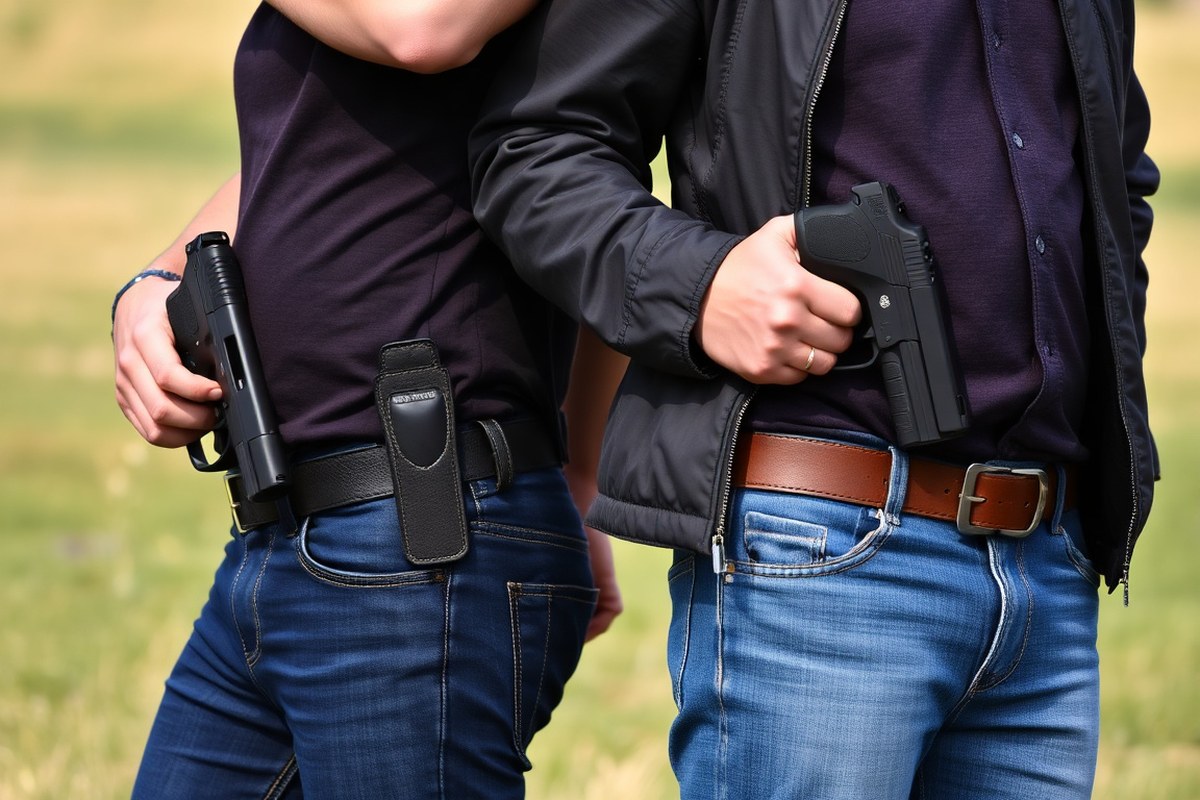
Oklahoma allows both open carry and concealed carry without a permit for most adults. Open carry and concealed carry share similar legal requirements, but open carry visibly displays the firearm while concealed carry involves keeping the firearm hidden. Both forms of carry must follow Oklahoma’s restrictions on who can carry and where firearms are prohibited.
Open Carry Rules in Oklahoma
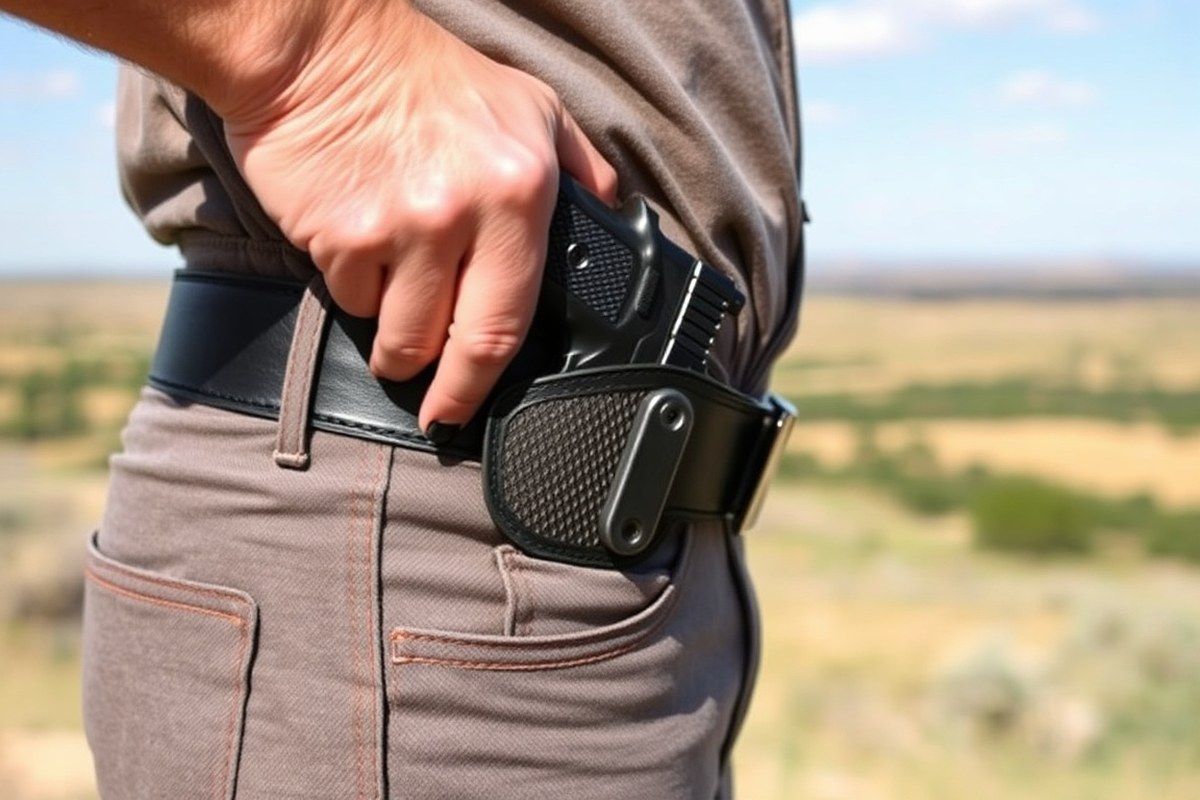
Anyone 21 years or older can openly carry a firearm in Oklahoma without a permit. Adults aged 18 to 20 with qualifying military service are also allowed to open carry. The firearm must be in plain sight and readily accessible, typically worn on a belt or shoulder holster. Open carry is not permitted in locations where firearms are restricted by state or federal law, such as schools, certain government buildings, or private properties that post no-carry signs.
Even though no permit is required to open carry, Oklahoma law mandates that individuals must not be prohibited persons, such as convicted felons or those adjudicated mentally incompetent. Churches and private establishments can ban open carry and must display clear signage to enforce the prohibition.
Concealed Carry vs. Open Carry in Oklahoma
| Aspect | Open Carry | Concealed Carry |
|---|---|---|
| Permit Requirement | None for adults 21+ and eligible 18-20 military | None for same groups; license optional for extended rights |
| Visibility | Firearm is visible to others | Firearm is hidden from view |
| Locations Permitted | Same as concealed carry restrictions | Similar restrictions, with some differences |
| Travel Benefits | No travel-related advantages | License offers wider reciprocity in other states |
Both open carry and concealed carry follow the same rules on prohibited locations, but concealed carry permits provide added benefits, such as carrying in states that recognize Oklahoma’s license. People who carry concealed without a permit enjoy the same basic permissions as those open carrying but gain greater flexibility with a license, especially outside Oklahoma.
Legal Restrictions and Prohibited Locations
Both open and concealed carry are banned in certain sensitive places like federal buildings, K-12 school grounds, and areas where federal law applies, such as national parks or wildlife refuges. State statutes allow churches to ban carry on their property with posted signs, applying equally to open and concealed firearms. A recent legislative effort aims to restrict open carry in some parks and zoos, although concealed carry would remain permitted.
The same list of restricted locations applies to both carry methods, meaning carrying a firearm openly in a banned location carries the same legal risk as concealed carry. Violations could lead to penalties or criminal charges, so understanding and respecting location rules is essential.
Who Can Carry Without a Permit?
Carry privileges without a permit include adults 21 and older living in Oklahoma or visiting, and those aged 18 to 20 who have qualifying military service. Non-residents are also allowed to carry under Oklahoma law if they come from states that do not require permits, or if they hold a valid carry license recognized by Oklahoma. Prohibited individuals include those convicted of certain felonies, those adjudicated mentally incompetent, or those involuntarily committed for mental illness.
Permitless carry simplifies firearm possession for law-abiding residents, but it requires compliance with all other restrictions. Seeking a handgun license remains an option for greater protection, especially for those who travel across state lines and want expanded legal recognition.
Always check for posted no-carry signs on private properties or churches before carrying openly or concealed, as Oklahoma law enforces these bans with clear signage requirements.
Applying for an Oklahoma Handgun License: Process and Timeline
To apply for an Oklahoma handgun license, you must submit a completed application to the Oklahoma State Bureau of Investigation (OSBI) along with required documents and fees. Eligible applicants undergo a background check including fingerprint submission, and OSBI processes applications generally within 60 to 90 days.
Eligibility Requirements and Disqualifiers
Applicants must be at least 21 years old to qualify for an Oklahoma handgun license. This includes residents and those who have recently established residency who possess a valid handgun license from another state. Individuals with licenses suspended or revoked can reapply five years after the suspension or revocation date, but must follow the full licensing application process.
Disqualifying factors include criminal convictions or any other legal reasons that prohibit firearm possession under state or federal law. OSBI conducts a thorough investigation, including a national criminal history records check via the FBI, to confirm eligibility. The issuing of a license is prohibited if the background check or investigation reveals disqualifying information.
Completing and Submitting Your Application
To apply, you will need to fill out the official handgun license application form, provide a full set of fingerprints, and submit payment of the application fee.
- Obtain the handgun license application from OSBI’s official website or office.
- Complete the application fully, providing personal information, residency details, and any prior handgun licenses held.
- Prepare a full set of fingerprints, which OSBI will use to conduct background checks through the FBI.
- Gather any required supporting documents, such as proof of residency or prior handgun license if applicable.
- Pay the application fee as specified by OSBI, typically around $100 but subject to change.
- Submit the completed application, fingerprints, documentation, and fee to OSBI either by mail or through a designated local sheriff’s office.
- Ensure the county sheriff sends required information to OSBI as part of the application packet.
- Wait for OSBI to complete their review and issue or deny the license within the statutory timeframe.
Submitting all information accurately and promptly helps avoid delays and improves chances of approval.
OSBI Processing Times and Waiting Periods
OSBI is required to issue or deny a handgun license application within 60 days of receiving the completed application and necessary sheriff’s information. In practice, processing times typically range from 60 to 90 days, depending on workload and background check complexities.
OSBI begins the process once it has your application alongside verification from the sheriff. They send fingerprints to the FBI to check for any national criminal records and carry out extra checks if necessary. Processing times may be longer if the information provided is not complete or if more detailed investigation is needed.
Keeping all records up to date and responding quickly to any OSBI requests during the process helps maintain expected processing times. After approval, the license will be mailed to the applicant’s address on record.
Where Can’t You Carry a Concealed Firearm in Oklahoma?
Carrying a concealed firearm in Oklahoma comes with specific location restrictions, even with permitless carry laws in place. State law prohibits carrying firearms, concealed or openly, in certain key places regardless of a permit. For example, K-12 schools, vocational-technical schools, and school buses strictly forbid any firearms. Violating this can lead to misdemeanor charges. This rule holds even if you otherwise meet all legal carry requirements.
Government buildings also generally ban firearms unless explicit permission is granted. However, parking areas adjacent to these buildings typically allow firearms, provided you do not enter the restricted buildings themselves with a weapon. Public parks and fairgrounds allow carry except when special events include separate prohibitions.
Private property owners, including businesses, employers, places of worship, and liquor stores, can lawfully forbid concealed or open carry on their premises. This is often indicated by clear signage. You must not carry a concealed firearm where a “no firearms” sign is posted by the property owner. Ignoring these signs can result in legal consequences or trespassing charges.
- Schools, vocational-technical schools, and school buses: firearms prohibited
- Government buildings: firearms not allowed unless specifically permitted
- Government parking areas and adjacent property: carry generally allowed
- Public parks and fairgrounds: carry allowed outside restricted buildings and events
- Private property with “no firearms” signage: must comply with the restriction
- Liquor stores and places of worship: firearms prohibited based on property rules
- National Parks: carry allowed under state law; federal buildings within parks prohibited
Explicit signage by private property owners plays a central role in regulating concealed carry. The law accepts posted signs as lawful notification to disallow firearms. When on private property, look for clear “no firearms” signs. When no sign is posted, state law generally allows carrying, though you should always follow any rules or requests from the owner or operator.
Restrictions also reflect safety concerns and the need to balance rights with protection of vulnerable populations and federal regulations. Schools prohibit firearms to prevent accidents or violence involving minors. Local and federal buildings maintain restrictions to safeguard public officials and public safety. By understanding and following these rules carefully, you avoid legal trouble and help maintain responsible carry practices.
Why Get an Oklahoma Concealed Carry Permit If Permitless Carry Is Allowed?
Carrying a firearm without a permit in Oklahoma is legal for residents 21 and older, but obtaining an Oklahoma concealed carry permit offers key benefits, especially if you travel to other states. The main advantage lies in reciprocity, many states recognize Oklahoma’s permit, allowing you to carry concealed there legally. Without a permit, your carry rights stop at Oklahoma’s borders. Carrying concealed in states that require a permit means having Oklahoma’s handgun license is essential when you visit.
The process for securing an Oklahoma concealed carry permit involves submitting an application, attending an approved training course, and passing a background check. The license lasts for five years and costs around $25, which is a relatively low price for expanded legal protection. Besides reciprocity, carrying with a license can simplify interactions with law enforcement, as you can display the permit promptly upon request. It also provides peace of mind knowing you meet an official standard of training and background clearance. Below is a comparison of carry options in Oklahoma and beyond:
| Feature | Permitless Carry | Licensed Concealed Carry |
|---|---|---|
| Legal in Oklahoma | Yes (21+ years old) | Yes |
| Reciprocity outside Oklahoma | No | Yes (in 37+ states depending on agreements) |
| Training requirements | No | Yes, must complete |
| Background check | No | Yes |
| License validity | N/A | 5 years |
| Carry in restricted locations | Same rules apply | Same rules apply, with permit to show |
Deciding whether to get the permit depends on your typical travel and carry habits. Staying mostly in Oklahoma and wanting to avoid training or fees means permitless carry will suffice. However, if you frequently visit neighboring or other states with carry restrictions, applying for a permit offers legal flexibility and can avoid costly fines or arrest. Apply online through the Oklahoma State Bureau of Investigation and schedule your training at an approved provider to start the process. Keep proof of your permit on hand when traveling.
Always check the current laws in each state you visit to confirm whether they recognize Oklahoma’s concealed carry permit before carrying firearms there.
Training and Renewal Requirements for Oklahoma Concealed Carry Licenses
Oklahoma requires a firearms safety and training course to obtain a concealed carry license, designed to be completed within eight hours. Renewal involves fees and must be completed within specific timelines to keep your license valid. Staying current with training and renewal ensures you carry legally and responsibly.
Required Firearms Safety Training Courses
The mandatory training for an Oklahoma concealed carry license covers firearm safety, responsible carrying, and demonstration of safe handling skills. The course must be designed so all requirements are completed within eight hours. It typically includes classroom instruction on gun laws and self-defense, plus a live-fire qualification or skills demonstration. Completing this training ensures you understand safe use and storage, which helps prevent accidents and legal issues.
Some courses offer an online component, such as a short instructional video on firearm safety, followed by a quiz you must pass to receive a certificate of completion. The in-person part may involve practical exercises or target shooting to demonstrate competency. Choose a state-approved training provider recognized by the Oklahoma State Bureau of Investigation to ensure your course meets the legal standard.
License Renewal Process and Fees
Oklahoma handgun licenses must be renewed periodically; renewal requires payment of a fee and submission of an application. Renewal timelines typically allow you to start the process before your current license expires to avoid lapses. The exact fee depends on your age and license type but expect it to be around the original application cost. Renewal can often be done online, by mail, or in person through authorized state agencies.
To renew, you’ll need to provide updated personal identification, a current address, and proof of completion of any continuing education or refresher training if required. Delaware does not mandate additional training for renewal, but staying updated on firearm laws helps maintain compliance. Keep in mind the Oklahoma Self-Defense Act License (SDA) also has separate requirements for those who carry across state lines.
Consequences of Lapsed or Expired Licenses
Failing to renew your Oklahoma concealed carry license before it expires results in loss of the legal right to carry concealed. Carrying with an expired permit can lead to criminal penalties and fines. To regain licensure, you typically must complete the application process anew, including updated training and background checks.
Allowing your license to lapse also removes you from the OSBI’s automated listing of valid license holders, which law enforcement uses to verify licensure status. Act promptly to renew and maintain your license to avoid forfeiting the legal protections it offers while carrying concealed.
Understanding Oklahoma’s Self-Defense and Stand Your Ground Laws
Oklahoma’s Stand Your Ground law permits using force, including deadly force, without retreating when you reasonably believe it is necessary to prevent death, serious injury, or a forcible felony. This law means you don’t have to try to run away from danger before defending yourself, whether on your property or in public. Knowing this rule is essential for anyone carrying a concealed weapon, as it affects when using force is lawful.
The castle doctrine extends these protections to your home, workplace, or vehicle, allowing you to use force to defend yourself against unlawful entry or attack without a duty to retreat. When someone breaks into your home by force, the law allows you to assume they mean harm and use appropriate force to stop the threat. This doctrine supports concealed carriers by clarifying that defensive actions within these spaces carry legal backing, provided you act reasonably and without excessive force.
Under Oklahoma statute 21 O.S. § 1289.25, the use of force must be justified by an immediate threat. You must believe that your actions are necessary to protect yourself or others from harm. When carrying concealed, always assess the situation carefully. Use force proportionate to the threat; for example, deadly force should only be used against a threat of death or serious injury. Showing an intent to avoid conflict or retreat when safe can also support your claim of reasonable use of force if questioned later.
The law provides important legal immunities for self-defense actions. According to Oklahoma’s Self-Defense Act, if you use force justified under the law, you are immune from civil liability for injuries or death to the attacker. This immunity protects you from lawsuits seeking damages connected to the defensive act. However, immunity hinges on the use of force being justified under the law, which means your decision must align with the criteria set by the Stand Your Ground and castle doctrine rules.
Before using force, confirm the threat is current and not based on past events or speculation. An example script to keep in mind: “I believed my life (or the life of another) was in immediate danger. I used only the force necessary to stop the threat.” Keeping this mindset helps you stay within legal boundaries.
Remember, carrying concealed in Oklahoma requires you to avoid escalating situations unnecessarily. Use verbal warnings if possible. Encountering danger inside your home or vehicle allows you to use the castle doctrine as a legal defense for your actions. Outside of these settings, Stand Your Ground applies but requires a genuine, reasonable fear of harm. The law does not protect acts of aggression or escalation initiated by you.
Cost-wise, no fees apply directly to these defensive rights, but legal defense after a self-defense incident can be expensive. It’s advisable to consider self-defense legal insurance or consult an attorney experienced in Oklahoma firearms law. Proper training on force options and understanding when to apply them is critical. Good outcomes often depend on clear evidence of necessity and proportional force, while poor outcomes come from overreaction or using force without a real threat.
Penalties for Illegal Carry and Important Restrictions in Oklahoma
Carrying a concealed firearm illegally in Oklahoma can lead to serious penalties, including fines and potential jail time, depending on the violation and prior offenses. Individuals convicted of certain crimes, such as felony offenses or, starting November 1, 2026, misdemeanor domestic violence, are prohibited from carrying firearms. This restriction aims to improve public safety by preventing those with violent backgrounds from having legal access to guns.
Oklahoma does not impose state-level limits on magazine capacity or restrict the types of firearms that can be carried concealed, meaning you can carry standard or extended magazines without concern for state law caps. However, always check local ordinances as they sometimes have additional restrictions. When carrying a firearm in a vehicle, Oklahoma allows both permit holders and others to transport firearms, loaded or unloaded. For individuals aged 18 to 20 who legally possess firearms, transporting them unloaded in a vehicle is legal, whether the firearm is concealed or openly displayed.
There are some important vehicle carry rules you must follow. Firearms can be carried in school parking areas inside vehicles, but if you step out of the vehicle, the gun must be securely hidden, and the vehicle must be locked. Failure to secure your firearm properly around schools can lead to serious legal consequences.
The risks of carrying illegally include arrest, fines, and losing your right to possess a firearm. The exact penalty varies by offense severity and the presence of any aggravating factors. For example, carrying a firearm when prohibited due to a felony conviction often results in felony charges, while unlicensed carry might lead to misdemeanor charges. Knowing who cannot carry and following all rules about concealed carry and transportation in vehicles helps avoid these consequences.
Checklist for legal carry in Oklahoma: 1) Confirm you are not a prohibited person under state law (including recent updates as of 2026). 2) Ensure your firearm complies with state laws, no magazine capacity limits required. 3) When transporting firearms in a vehicle, if outside school parking lots, normal carry rules apply. 4) In school parking lots, keep the firearm hidden and the vehicle locked if you leave it. 5) If under 21 but over 18, transport unloaded firearms only. Following these steps reduces legal risks significantly.
Always lock your vehicle and conceal your firearm when leaving it in a school parking lot; failure to do so is a criminal offense in Oklahoma.
How to Start Carrying Concealed in Oklahoma Today
Follow these steps to carry concealed legally and confidently in Oklahoma, whether you choose permitless carry or get a handgun license.
- Before You Carry: Review Oklahoma’s laws on concealed and open carry restrictions, including locations where firearms are prohibited. Use state resources to confirm any updates.
- Day 1: Decide if you want to carry without a permit or apply for the Oklahoma Handgun License for added benefits. Choose based on your travel plans and personal safety goals.
- Week 1 (If Applying for a Permit): Complete an approved firearms safety training course and gather required documents like ID and proof of residency. Confirm the course meets state standards.
- Week 2: Submit your handgun license application to the Oklahoma Attorney General’s office online or by mail. Make sure your application is complete to avoid delays.
- Within 60 Days: Wait for your permit approval and keep copies of any correspondence. Check your application status online if needed.
- Upon Receipt of Permit: Carry your license with your firearm when concealed to access national reciprocity and other legal protections.
- Ongoing: Stay informed about law updates and renew your license every five years if you have one. Attend refresher training as needed for confidence and compliance.
Frequently Asked Questions
Is Oklahoma a Constitutional Carry State?
Yes, Oklahoma is a constitutional carry state allowing eligible adults 21 and older to carry concealed firearms without a permit. This means both residents and visitors can carry concealed if they meet legal requirements without needing state licensing.
Does Oklahoma Recognize Out-Of-State Concealed Carry Permits?
Oklahoma recognizes any valid concealed or unconcealed carry permit issued by another state. This reciprocity benefit helps visitors carry legally while attending events like the Oklahoma and Tulsa State Fairs.
Can Minors Carry Concealed in Oklahoma If Military?
Yes, individuals 18 years or older who are military personnel or veterans may carry concealed legally in Oklahoma. The minimum age for non-military adults to carry concealed is 21.
Are Nonprofits Allowed to Permit Open Carry on Their Property in Oklahoma?
Nonprofit entities in Oklahoma have greater autonomy to allow open carry on their property. This authority is separate from state carry laws and helps organizations set their own firearm policies during events.
Does Oklahoma Require Safety Training for Concealed Carry Licenses?
No, Oklahoma does not require safety training to carry concealed since permitless carry is legal statewide for adults 21 and older. Licensed permits can be obtained but training is not mandatory.
Can Visitors Carry Concealed During Oklahoma or Tulsa State Fairs?
Yes, licensed individuals can carry concealed during the Oklahoma and Tulsa State Fairs, as state laws specifically authorize this. Visitors with valid permits from other states may carry concealed at these events.
Final Thoughts
Oklahoma allows you to carry concealed without a permit, but having a handgun license offers legal advantages and peace of mind. Start by learning restricted locations and decide if you want the added protections a permit provides. Taking proper training and submitting your application will keep you prepared and within the law as you carry responsibly in Oklahoma.