What Is the Cheapest Ammo? Complete Guide to Best Ammo Prices & Savings
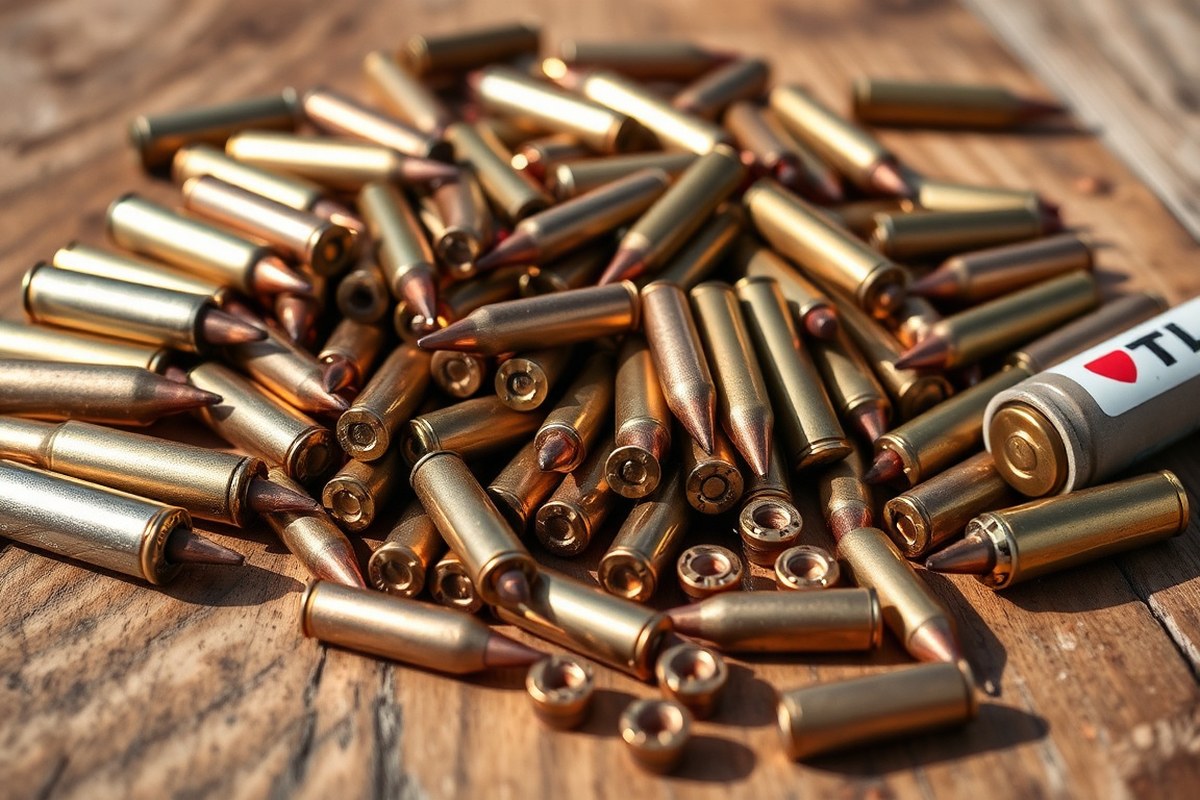
What is the cheapest ammo depends mainly on the caliber and type you choose. The cheapest ammo you can buy is the .22 Long Rifle (22 LR), followed by 9mm for pistols. Buying these calibers lets you save money while shooting or hunting, especially if you focus on bulk purchases and sales from reliable sources.
Stick with .22 LR for the lowest cost per round, as it’s widely used and manufactured in large volumes. This makes it the go-to choice for budget-conscious shooters who want effective ammo at the lowest price.
Key Takeaways
- The .22 Long Rifle caliber offers the best value and cheapest ammo per round for rifles and handguns.
- 9mm pistol ammo ranks second in affordability, often available at competitive prices in bulk packaging.
- Buying ammo in bulk packs cuts cost significantly versus purchasing smaller packages or singles.
- Steel-cased ammo tends to be cheaper than brass-cased but may not cycle well in all firearms.
- Reloadable brass ammo costs more upfront but enables long-term savings for those who reload.
- Price fluctuations in components like lead shot can raise shotgun ammo costs over time.
Which Ammo Types and Calibers Are Generally Cheapest?
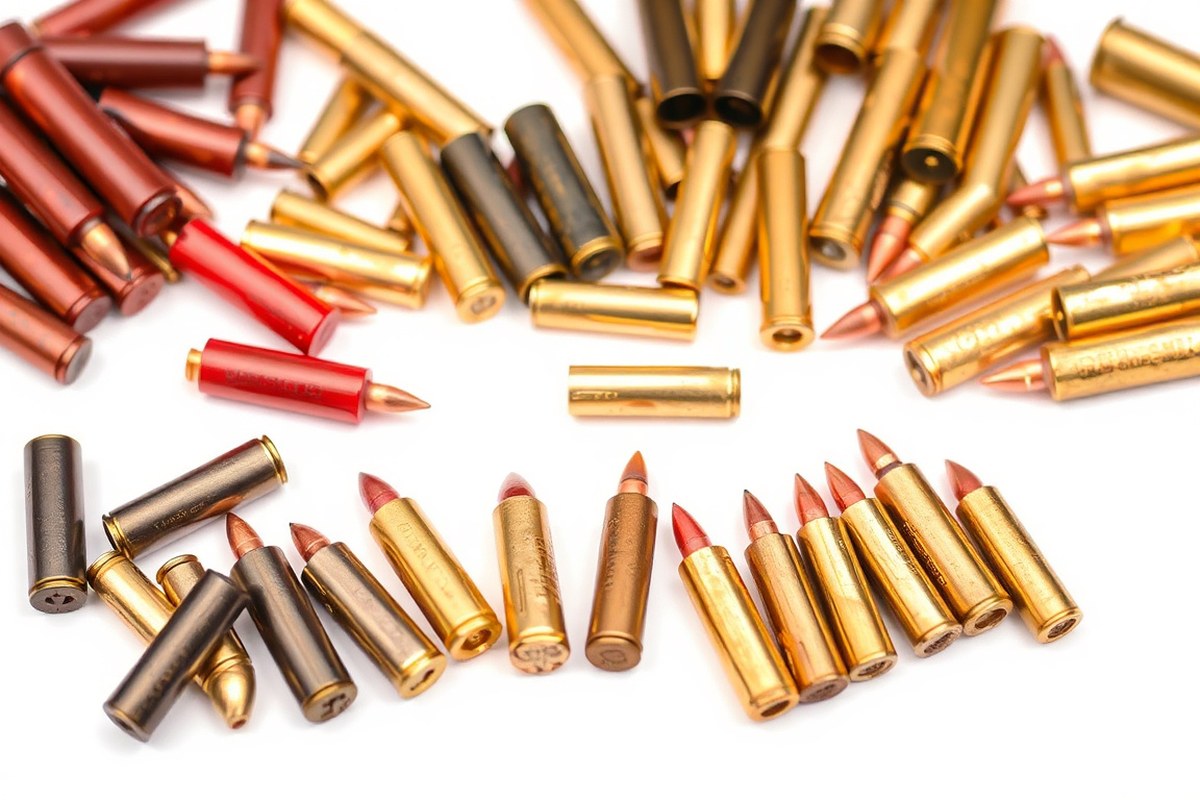
The cheapest ammo caliber across all types is the .22 Long Rifle (22 LR). This caliber remains the most affordable due to its widespread production and popularity, making it easy to find and buy at low prices. For rifle, pistol, and shotgun ammo, the cost generally increases with caliber size because larger calibers use more material and produce higher pressure, requiring stronger cases and primers. Shotguns using 12 or 20-gauge birdshot shells are typically the least expensive shotgun ammo options because of their volume production and lower operating pressures. Here’s a comparison of some common calibers and ammo types by their average price per round and typical uses:
| Caliber / Ammo Type | Average Price per Round (USD) | Typical Use |
|---|---|---|
| .22 Long Rifle (22 LR) | $0.07 to $0.15 | Rimfire rifles, pistols; target shooting, plinking, small game hunting |
| 9mm Luger | $0.15 to $0.25 | Handguns, submachine guns; self-defense, training |
| 7.62 x 39 mm | $0.30 to $0.50 | Rifles; hunting, tactical shooting |
| .223 Remington / 5.56 NATO | $0.25 to $0.45 | Rifles; varmint hunting, target shooting, tactical use |
| 12 Gauge Birdshot | $0.20 to $0.40 | Shotguns; bird hunting, target shooting |
| 20 Gauge Birdshot | $0.18 to $0.35 | Shotguns; small game hunting, less recoil than 12 gauge |
.22 LR is your most affordable option because it uses less powder and smaller cases, resulting in lower manufacturing costs. It’s widely made and stocked, keeping prices stable even during shortages. For pistols, 9mm ammunition offers a low-cost balance with widespread availability and good performance. For rifles, 7.62 x 39 mm and .223 Remington are common mid-range cheap options, but they typically cost more than .22 LR because of case size and powder. Shotgun ammo in 12 or 20 gauge birdshot loads is inexpensive due to lower pressure and simpler manufacturing requirements compared to slugs or buckshot rounds.
Choosing ammo based on caliber size and type matters if you want to keep shooting affordable. Smaller calibers generally mean cheaper ammo, but consider your firearm’s purpose and availability. Also, some calibers like .22 LR are ideal for training and plinking without spending much, while others serve better for hunting or defense despite higher costs. To buy cheap ammo, always check prices from various sellers and compare unit cost per round. You can find the right balance between price, availability, and use by focusing on these common calibers.
How Bulk Buying and Packaging Affect Ammo Cost

Buying ammo in bulk usually lowers the cost per round significantly, but the final price you pay depends on factors like shipping fees, taxes, and packaging size. Calculating the landed cost per round, including these extra expenses, gives you a clearer picture of the true value of a deal and helps you compare offers more effectively.
How Bulk Quantities Lower Cost per Round
Ammo prices typically drop when purchased in larger quantities, such as 500, 1,000, or more rounds. For example, 9mm ammo can cost around 30 cents per round when bought in bulk, compared to 50 cents or more for smaller packs. Bulk buying reduces packaging costs and distribution overhead per round, which retailers pass on as savings to you.
However, there’s usually a minimum bulk size, often 1,000 rounds, to get the lowest price. Buying bulk also works better for common calibers like 22 LR, 9mm, 5.45×39, and 12 gauge, which have stable supply and demand. Rare or specialty calibers won’t always see as sharp discounts on bigger quantities.
Packaging: Impact on Price and Convenience
Ammunition packaging affects cost per round beyond just quantity. Larger boxes or ammo cans are often cheaper per round than smaller boxes since they require less packaging material and handling per unit. For instance, buying 500-round boxes instead of 50-round boxes usually lowers the individual round cost.
Packaging also influences shipping efficiency. Bulk packaging that bundles rounds tightly can reduce overall package size and weight, which often lowers shipping charges. On the flip side, huge bulk orders might trigger handling fees or require freight shipping, increasing total cost.
Step-by-Step Guide to Calculating Landed Cost per Round
To know how much you’re really paying per round, it’s key to factor in shipping, taxes, and any extra fees. Here’s a straightforward way to calculate the landed cost per round:
- Identify Base Price: Note the total price for the package of ammo, excluding shipping and taxes.
- Check Shipping Charges: Find the exact or estimated shipping fee for your order.
- Add Taxes and Fees: Include any local sales tax or handling fees applicable to your location or seller.
- Calculate Total Cost: Add base price, shipping, and taxes to get the complete price you’ll pay.
- Count Total Rounds: Note the number of rounds in the package(s) you are buying.
- Divide for Per Round Cost: Divide the total cost by the number of rounds to find the landed cost per round.
This method clarifies which deal truly offers the cheapest ammo when shipping and taxes vary between sellers or order sizes.
Tips for Spotting Good Bulk Ammo Deals
- Compare landed cost per round, not just sticker price, especially for heavy or large orders.
- Be aware that the cheapest per round price usually applies to orders of 1,000 rounds or more.
- Look for free or discounted shipping offers on bulk purchases to improve deal value.
- Consider retailer location since tax rates and shipping distance can add significantly to cost.
- Avoid very low-priced ammo from unknown sellers where shipping and fees might negate savings.
Factors That Can Raise Actual Ammo Cost
Some bulk purchases carry hidden costs that increase price per round. High shipping rates for international orders or oversized packages can wipe out bulk discounts. State or local taxes differ dramatically and might add several cents to each round.
Packaging quality can also matter, cheap-packed ammo might have higher risk of damage or moisture exposure, possibly costing more in the long run. Always weigh upfront savings against potential downsides.
Calculate total cost including shipping and taxes before deciding; a low sticker price doesn’t always mean a better deal once extra fees are included.
Differences Between Steel-Cased, Brass, and Reloadable Ammo
The material of an ammo casing directly impacts its price, performance, and whether it can be reloaded. Steel-cased ammo usually costs less than brass but tends to be less reliable and is not reloadable. Brass casings are more expensive yet offer better performance and are commonly reloadable. Reloadable ammo provides cost savings over time but requires proper equipment and safety precautions to avoid malfunctions.
Steel-Cased Ammo Benefits and Drawbacks
Steel-cased ammo is typically the cheapest option available, largely due to the lower material and manufacturing costs of steel compared to brass. Many surplus and budget ammo brands use steel casings, which can be found at prices notably below comparable brass-cased rounds. This makes steel-cased ammo attractive for high-volume practice or low-cost plinking.
On the downside, steel casings are harder and less ductile than brass, which can cause increased wear on firearm extractors and feeds. Steel is more prone to corrosion unless coated, and steel cases do not stretch or seal the chamber as well, potentially reducing reliability. Steel-cased ammunition is generally not reloadable because the cases deform and become less safe to reuse after firing.
Brass-Cased Ammo Pros and Cons
Brass casings are a standard in quality ammunition due to their excellent performance and reliability. Brass is softer and more flexible than steel, allowing it to expand and seal the chamber during firing, which improves pressure containment and accuracy. The material also resists corrosion well and tends to feed smoothly in most firearms.
The higher cost of brass ammo reflects the cost of the brass material and its machining process. Prices for brass ammo might be several cents more per round, but the improved reliability often justifies the cost for serious shooters. Also, brass casings can be reloaded multiple times, which saves money in the long run for those who invest in reloading equipment and components.
Reloadable Ammo and Safety Considerations
Reloadable ammo refers mainly to brass-cased rounds, since brass cases can withstand repeated resizing and annealing processes. Reloading can significantly reduce the cost per round because bulk powder, primers, and bullets are often cheaper than factory-loaded ammo. However, quality control is critical; poorly loaded rounds can cause malfunctions or safety hazards like chamber pressure spikes.
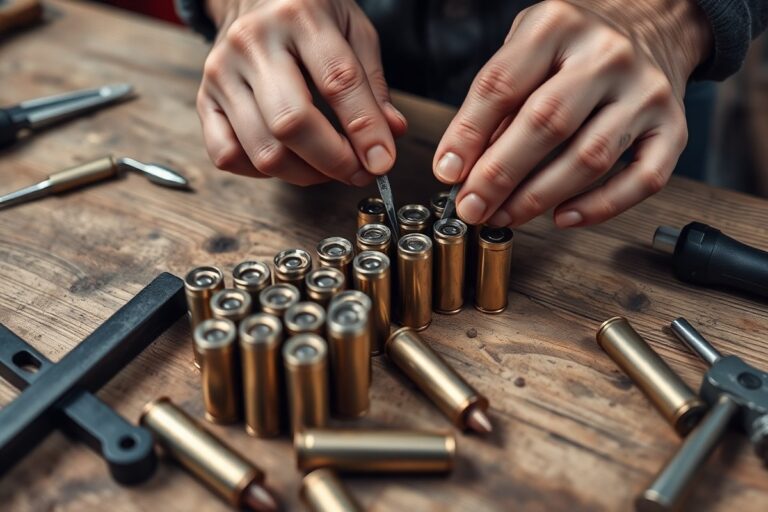
Reloading requires equipment such as presses, dies, scales, and primers, plus knowledge about powder charges and bullet seating depths. Safe reloading practices include using published load data, inspecting cases for cracks or over-expansion, and annealing necks at about 660°F (350°C) to maintain case integrity. Shotshell reloading is more specialized, often requiring different presses and wad replacements. Brass shotshell reloading is less common but can be done with proper dies and techniques. The following table summarizes how steel-cased, brass-cased, and reloadable ammo compare in average cost, reloading potential, and reliability notes.
| Casing Type | Average Cost (per round) | Reloading Potential | Reliability Notes |
|---|---|---|---|
| Steel-Cased | Lowest; often budget surplus ammo | None; cases not suitable for reload | Less reliable feeding and extraction; prone to corrosion if uncoated |
| Brass-Cased | Moderate to high; standard in quality ammo | Yes; commonly reloaded multiple times | High reliability and corrosion resistance; superior chamber seal |
| Reloadable Ammo (Brass) | Lowest cost per shot over time with initial investment | Yes; requires press, dies, and safe practices | Safe and reliable if reloading done correctly; improper loads risk malfunctions |
Choosing between steel and brass casings depends on your shooting needs and budget. For cheap practice, steel is economical but expect higher wear on your firearm and no chance to reuse cases. Brass offers better performance and can be reloaded, which saves money after buying reloading gear. Reloading demands care and time but can reduce ammo costs substantially and give control over load specifics.
Best Places and Strategies to Find Cheapest Ammo Deals
Finding the cheapest ammo deals requires knowing where to look and how to tell a good offer from a bad one. Online retailers like Palmetto State Armory often feature competitive prices and occasional sales on popular calibers such as 9mm or 7.62×39. Checking comparison platforms like Bulk Cheap Ammo can help you spot the best current prices and save on shipping costs by buying in bulk or smaller cases depending on your immediate needs.
Local gun stores and shooting ranges sometimes offer discount days or clearance sales, especially if they stock overstock or discontinued lines. Shooting clubs and online communities can also be valuable sources for secondhand or bulk ammo sales, often at below-retail prices. Participating in forums or social media groups dedicated to firearm enthusiasts increases your chances to find friend-recommended sellers and trustworthy deals.
When evaluating ammo deals, it’s important to run through a quick checklist. This keeps you from falling for misleading advertisements or poor-quality ammo that can damage your firearm or degrade shooting performance. Use this simple decision rule checklist before purchasing:
- Verify the seller’s reputation through reviews or community feedback.
- Check if the price includes shipping and return options.
- Confirm ammo specifications like caliber, casing type, and quantity.
- Beware of prices significantly lower than major retailers without explanation.
- Ensure the ammo is within production date and not old or surplus unless labeled clearly.
- Look for guarantees or warranties on product quality.
- Compare total costs per round rather than just base price.
Legitimate deals often come with transparent pricing and detailed product information. Avoid sellers who omit important details or pressure you to buy quickly. Checking for free shipping thresholds or discount codes can lower the overall cost, while split orders between multiple trusted retailers can maximize savings. Staying patient and monitoring prices daily or weekly is key since promotions and stock levels change frequently in the ammo market.
Offline, you might pay slightly more per box but gain the advantage of inspecting packaging and confirming ammo type directly. Online, shopping during specific sales events like Black Friday or manufacturer promotions can yield deep discounts if you plan your purchases ahead. Balancing convenience, price, and safety will help you source cheap ammo without risking your firearm’s performance or your shooting experience.
Is Reloading Ammo Worth It for Saving Money?
Reloading ammo can save you money if you shoot regularly and are willing to invest in some basic equipment. For shooting fewer than 100 rounds a month, reloading often isn’t cost-effective due to initial gear costs and required time. However, active reloaders who shoot several hundred rounds monthly can reduce expenses significantly.
Basic Equipment Needed to Start Reloading
To reload ammo safely and economically, a single-stage press is recommended for beginners, especially if you shoot less than 500 rounds monthly. This press typically reloads about 100 hulls per hour, allowing control over each step with precision but slower pace compared to progressive presses.
Besides the press, you’ll need resized brass or hull cases, appropriate powder, primers, bullets, and basic tools like a powder scale, calipers, and a case cleaner. Starting equipment costs vary, but a decent single-stage press kit can range from $150 to $250, with separate component costs adding up as well.
Calculating Cost Savings from Reloading Ammo
Figuring out when reloading becomes cost-effective depends on comparing component costs versus buying factory ammo. Follow these steps to estimate your break-even point:
- Gather prices for components: primer, powder, bullets, and brass cases.
- Calculate the total cost to reload one round using these components.
- Find the price for factory ammo of the same caliber and quality, preferably per round.
- Calculate your monthly ammo consumption in rounds.
- Estimate initial equipment investment including press, tools, and dies.
- Determine total cost of reloading monthly ammo consumption.
- Divide initial equipment costs by monthly savings per round to find how many months it takes to break even.
For example, if factory ammo costs 50 cents per round and your component cost per reload is 25 cents, your savings are 25 cents per round. If your equipment investment is $200 and you shoot 100 rounds per month, your monthly savings are $25. It will take about eight months of steady reloading to offset your initial investment.
Safety Tips for Reloading Beginners
Safety is important when reloading ammo. Always use reliable reloading manuals that match your components and firearm specifications. Avoid mixing powders or primers, and never exceed recommended loads to minimize risk of accidents or firearm damage.
Clean your work area and store components in a cool, dry place to prevent degradation. Wear safety glasses to protect against accidental primer ignition or powder exposure. Take your time with each step, especially while measuring powder, to ensure consistent quality and performance.
Practical tip: Double-check powder charges with a reliable scale every time you reload to avoid dangerous overcharging.
Factors That Affect Ammo Pricing Beyond Sticker Price
Ammo pricing goes beyond the sticker price you see online or in stores. Factors like shipping fees, taxes, and local availability can raise the total cost, sometimes more than doubling what you pay per round. Shipping costs vary significantly with weight and distance; for example, heavy bulk ammo orders may add $10 to $30 or more, depending on carrier policies and hazardous materials fees. Also, some states impose special taxes or restrictions on ammo sales, which can increase the final price at checkout.
The quality of ammo influences price as well. Higher-quality rounds tend to use better materials, tighter manufacturing tolerances, or additional testing to ensure reliability and accuracy, which raises costs. Velocity plays a role too. Faster bullets, like the .223 WSSM, require more powder or advanced propellants, increasing manufacturing expenses. This extra speed improves performance, such as greater lethality beyond 100 yards, but it comes at a premium compared to slower rounds like the .22 Long Rifle.
Bullet types also affect pricing. Hollow points or specialty frangible bullets are more complex to produce and typically cost more than standard full metal jacket (FMJ) rounds. Armor-piercing or lead-free types generally carry higher prices due to material costs and legal restrictions impacting production and distribution.
Availability matters a lot. Scarce calibers or specific brands may command higher prices, especially during supply shortages. For example, some high-velocity 7.62×25mm ammo made in the former Czechoslovakia commands a premium because it is designed for small arms that can handle the higher speeds. Conversely, common calibers with wide production tend to stay cheaper.
- Shipping fees depend on package weight, destination, and carrier, adding $10 to $30+ for bulk orders
- State and local taxes vary, so final prices differ by location
- Higher velocity ammo uses more propellant, increasing production costs
- Special bullet types, hollow points, frangible rounds, cost more than FMJ
- Rare or imported ammo can be pricier due to limited availability
- Smaller packaging (e.g., 20-round boxes) often raises price per round
- Quality control and manufacturing standards impact the price significantly
Always check the total price including shipping and taxes before buying, as initial sticker prices can be misleading. Confirm the bullet velocity and type to make sure you pay for performance features you actually need. For example, choosing a slower, conventional FMJ load will cost less per round than premium hollow points or high-velocity specialty ammo.
Cheapest Ammo Calibers for Rifles, Pistols, and Shotguns
You’ll find the cheapest ammo calibers vary noticeably between rifles, pistols, and shotguns due to factors like operating pressure, materials, and production volume. Focusing on economical calibers helps you shoot more often without overspending, but balancing cost with performance and availability matters.
For pistols, 9mm is generally the most affordable choice. It offers a good balance of stopping power and recoil while benefiting from wide production, making it cheaper than calibers like .45 ACP or .40 S&W. Plated bullets work well in 9mm rounds at velocities up to 1250 ft/s, which keeps costs down without sacrificing reliability for practice sessions.
In rifles, .223 Remington/5.56 NATO rounds tend to be the most economical for regular shooting. This caliber is popular among shooters and law enforcement, encouraging mass production and better pricing. Compared to larger calibers like .308 Winchester, .223 ammo typically costs less while still performing well for target shooting and small to medium game hunting.
Shotgun ammo pricing depends on gauge more than on shell length and shot type. The 12 gauge remains standard and often the cheapest 2-3/4 inch shells available. It operates at SAAMI maximum pressures of about 11,500 psi, which suits most hunting and sporting needs. The 20 gauge offers similar affordability and lighter recoil, making it a good choice for shooters wanting a smaller but still cheap option.
| Firearm Type | Caliber/Gauge | Average Price per Round | Typical Use | Notes on Cost or Performance |
|---|---|---|---|---|
| Pistol | 9mm | $0.20, $0.30 | Target practice, self-defense | Widely produced; plated bullets effective up to 1250 ft/s for cheaper loads |
| Rifle | .223 Remington / 5.56 NATO | $0.30, $0.50 | Target shooting, varmint hunting | Common military and civilian round; bulk availability lowers price |
| Shotgun | 12 Gauge (2-3/4 inch shells) | $0.25, $0.40 | Hunting, sport shooting | Lower pressure (~11,500 psi max); widely used, drives economies of scale |
| Shotgun | 20 Gauge | $0.30, $0.45 | Small game hunting, sport shooting | Similar cost to 12 gauge; lighter recoil but effective for many uses |
The price ranges reflect common market conditions but can fluctuate based on regional demand, brand, and whether you buy bulk or retail. In pistols and rifles, production volume and bullet type keep the 9mm and .223 rounds cheapest. For shotguns, the common 12 and 20 gauges give you the best tradeoff between cost, availability, and performance.
Common Mistakes and Risks with Cheap Ammo Purchases
Buying cheap ammo can save you money upfront but comes with risks that may end up costing more in repairs, time, or safety. Low-cost ammunition often includes quality control issues like inconsistent powder loads, case defects, or poor primer quality. These flaws can cause misfires, jams, or erratic bullet velocities, which reduce reliability and accuracy. Using subpar ammo repeatedly can accelerate wear on your firearm, damaging parts such as extractors or barrels.
Fake deals and mislabeled ammo further complicate low-cost purchases. Sellers may advertise popular calibers but deliver reloaded, corroded, or surplus ammo not fit for firing without cleaning or inspection. Some cheap ammo might be old or stored improperly, degrading the powder and primers. This lowers the ammo’s shelf life and can cause hang fires or squib loads, increasing the risk of firearm damage or injury.
Longevity and reliability vary between brands and batches, even within the same price range. Known manufacturers usually offer consistent performance but at a higher cost. Bulk purchases from unknown or surplus sources often have more variability, with some rounds failing to fire or producing inconsistent trajectories. Testing a small batch before significant investment or critical use helps avoid surprises.
- Check the packaging date and storage conditions; avoid ammo stored outdoors or in humid places.
- Inspect rounds visually for corrosion, dents, or mismatched primers and bullets.
- Purchase from reputable dealers or established brands with positive user reviews.
- Test-fire a small quantity before buying large amounts to assess reliability and accuracy.
- Be cautious of ammo priced significantly below market rates; it might be reloaded or defective.
- Keep your firearm clean and maintained to handle cheaper ammo better, but do not rely on poor ammo for practice or self-defense.
Avoid impulse buys of “cheap” ammo without verifying its origin, storage, and condition; Doing so minimizes risks to your firearm and safety.
Following these steps prevents wasting money on unusable ammo and protects your firearm from damage caused by inconsistent or unsafe rounds. While cheap ammo can serve well for casual target practice when chosen carefully, avoid using unknown or questionable ammo for hunting or personal defense. The upfront savings aren’t worth potential gun malfunctions or accidents. Prioritize safety and reliability over the absolute lowest price per round, especially for critical uses.
Your Quick-Start Plan for Finding the Cheapest Ammo
Use this step-by-step plan to start saving on ammo without sacrificing safety or reliability. Follow each phase and check your results before moving on.
- Before You Start: Identify the calibers you use most frequently and check their current market prices online. Knowing this helps you spot real deals later.
- Week 1: Sign up for mailing lists or apps from reputable ammo retailers and set alerts for sales on your chosen calibers. You’ll know it worked when you receive deal notifications.
- Week 2: Experiment with buying bulk packs of steel-cased ammo to compare cost per round against brass-cased options. Success means your per-round cost decreases noticeably and the ammo cycles safely in your firearm.
- Week 3: Research if reloading supplies for your calibers are affordable and consider investing in a basic reloading kit if you shoot often. You’ll see savings after loading and shooting several hundred rounds yourself.
- After 1 Month: Visit local shooting ranges or clubs to network and learn about any local ammo discounts or trading opportunities. Check your ammo costs to confirm you’re spending less than retail prices.
- After 6 Weeks: Test the cheap ammo in your firearms for reliability and accuracy before buying in larger quantities. If your firearm works well without jams or feeding issues, you can confidently buy more.
- Ongoing: Monitor price trends and keep an eye on new bulk offers or reloadable component sales. Keep adjusting your purchase strategy as prices and your shooting habits change.
Frequently Asked Questions
What Is the Absolute Cheapest Ammo Available for New Shooters?
The cheapest ammo is .22 Long Rifle (22 LR). It’s widely available and great for beginners learning shooting basics.
Can I Use Any Type of Cheap Ammo in My Gun Safely?
Use the ammo designed for your specific firearm caliber to avoid malfunctions or damage. Check your gun’s manual.
Does Buying Surplus Ammo Save More Money Than New Ammo?
Surplus ammo often costs less but may vary in reliability and condition, making it a tradeoff between price and performance.
How Does Subsonic Ammo Compare Price-Wise to Standard Ammo?
Subsonic ammo, like some 9mm loads, usually costs slightly more due to specialized manufacturing for quieter shooting.
Is It Cheaper to Buy Ammo Online or in a Local Store?
Online stores often have better prices and bulk deals, but factor in shipping costs and local laws when comparing.
Can Bulk Buying Ammo Create Storage or Safety Issues?
Buying ammo in bulk saves money but requires safe, dry storage to prevent deterioration and ensure safety over time.
Key Points to Remember
Cheapest ammo isn’t just about low sticker prices; it requires balancing cost, quality, and your firearm’s needs. Start tracking prices and testing budget options early to find your best value. Next, buy small quantities to ensure your chosen cheap ammo runs reliably before investing in larger purchases or reloading gear.