Why Is My Gun Safe Beeping? 8 Clear Causes and Simple Fixes
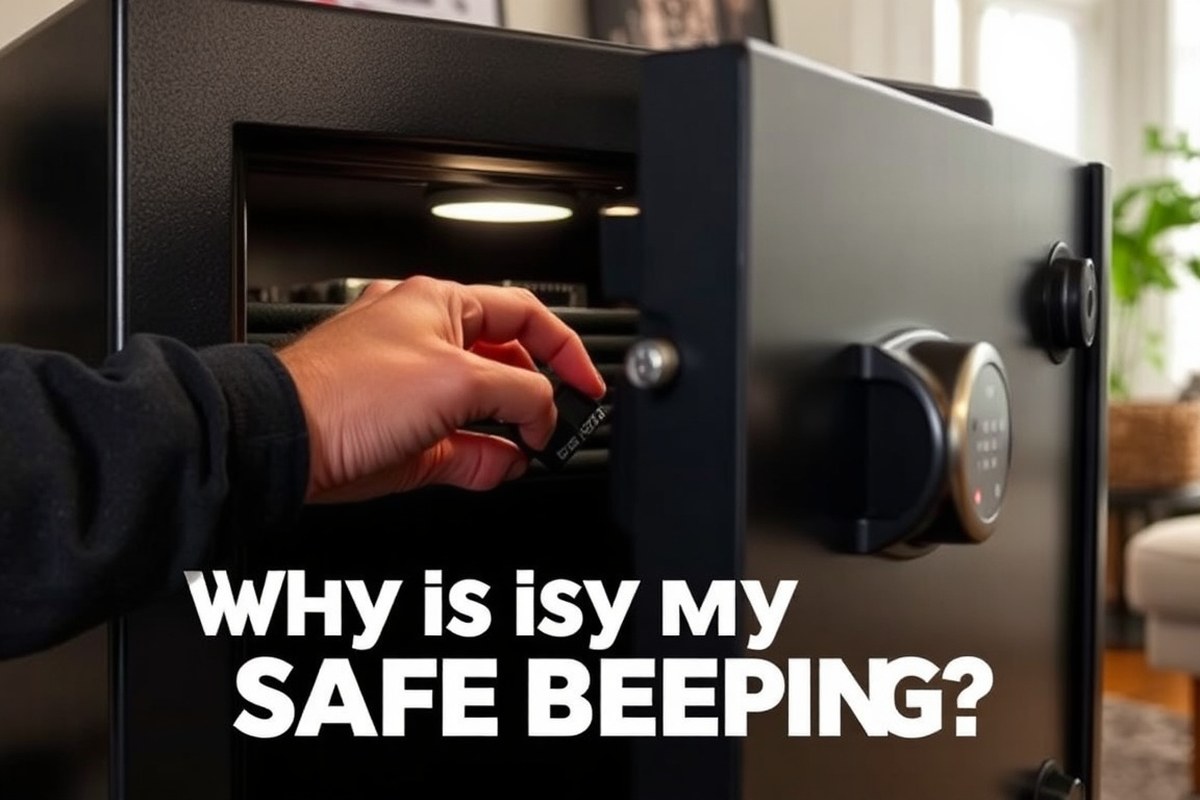
Why is my gun safe beeping? Most often, it happens because the batteries are low or dead. Replacing them with fresh alkaline 9V or 2027 batteries usually stops the beeping quickly. Start by opening the safe and checking the battery compartment to fix the problem fast.
Key Takeaways
- Replace gun safe batteries every 6 to 12 months to prevent beeping issues.
- Multiple wrong code entries trigger lockout mode with beeping for 15 to 20 minutes.
- During lockout, the keypad disables input and emits warning beeps for a set time.
- If beeping persists, disconnect power for 10 minutes, then reconnect and reset the safe.
- Mechanical jams can cause beeping; inspect and clear any stuck bolts.
- Environmental factors like humidity or power surges may lead to false alarms.
1. Reasons Your Gun Safe Is Beeping
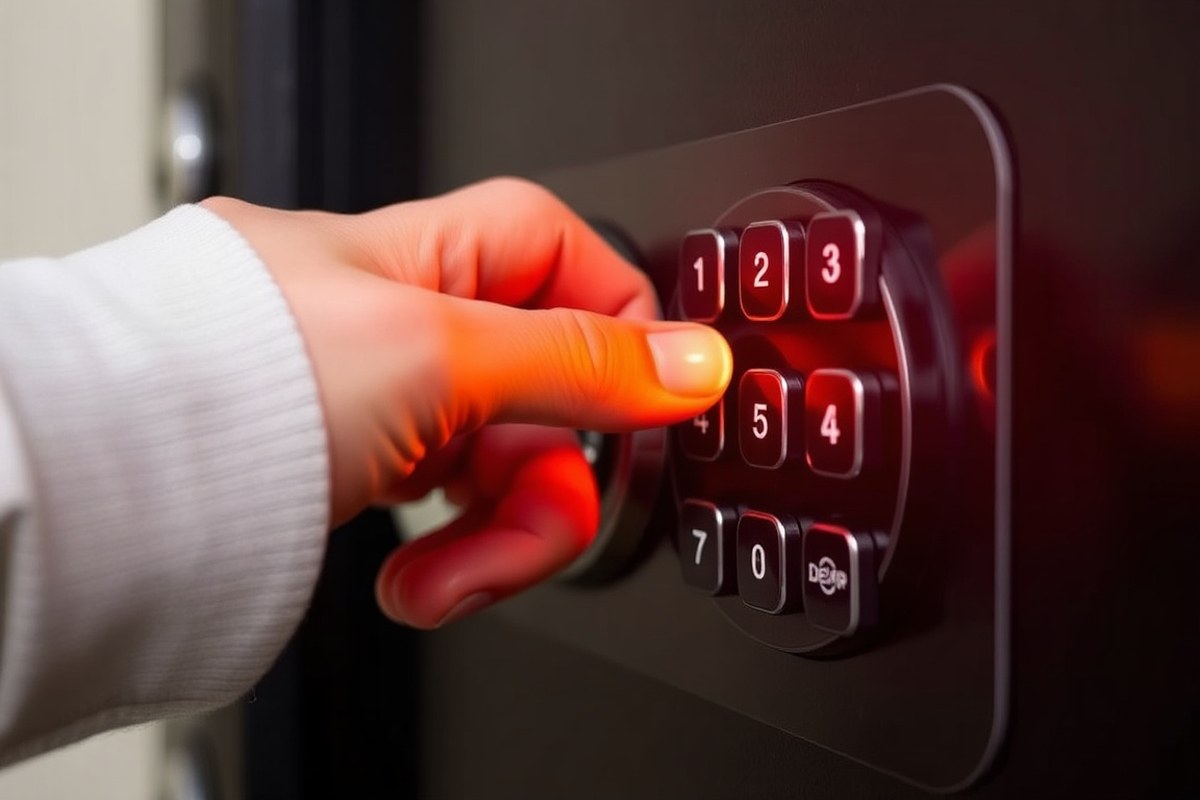
Gun safes beep mainly to warn you about issues that need immediate attention. The most common cause is low battery power. Since your safe relies on batteries to operate its locking mechanism, weak or dying batteries will cause periodic or continuous beeping. Promptly replacing old alkaline 9V or 2027 batteries usually stops the beeping and prevents lockout failures. Beeping might also signal an incorrect code entry, such as multiple failed attempts, which triggers a lockout mode designed to protect against unauthorized access. In this case, the safe often emits a distinct beep pattern before temporarily disabling the keypad.
Another reason can be sensor alerts inside the safe. Many gun safes have pressure or motion sensors that trigger alarms if tampering is detected or if the safe is unexpectedly moved. These sensors activate continuous alarms or specific beep patterns to notify you of a possible security breach. Technical glitches or jammed locking parts may also cause beeping as the electronic lock struggles to function properly. Each type of beep pattern is designed to give you immediate feedback about what problem your safe is experiencing so you can act accordingly.
Below is a decision table mapping common beep patterns to their probable causes and what you should do right away. This can help you identify the issue quickly and decide the next steps, whether it’s changing batteries, waiting out a lockout, or checking your safe for movement or damage.
| Beep Pattern | Possible Cause | Immediate Action |
|---|---|---|
| Single Beep after Failed Entry | Incorrect code entry or timing issue | Re-enter the correct code carefully. Wait a few seconds between attempts. |
| Five Beeps in a Row | Lockout mode engaged due to multiple incorrect attempts | Wait 15-20 minutes for lockout to reset before trying again. |
| Periodic Beeping | Low or dwindling battery power | Replace batteries immediately with fresh alkaline 9V or 2027 batteries. |
| Continuous Alarm Beeping | Potential security breach or internal sensor malfunction | Check for movement or tampering. Inspect for mechanical jams or damage. |
Some gun safes may beep if moved or bumped because their internal sensors detect unexpected motion. This feature prevents stealth tampering but can cause false alarms during routine relocation. Disable motion sensors only if your user manual confirms how and if it’s safe to do so. Be cautious about ignoring beeping, as it often protects both your firearms and your safe’s mechanical integrity.
Understanding the type of beep your safe produces gives you a clear idea of what problem needs fixing. Quickly replacing batteries, waiting through lockouts, or inspecting the safe for physical or technical issues will restore normal operation. Regular battery checks and proper code entry can reduce most unwanted beeping and keep your safe secure and reliable.
2. How to Check and Replace Gun Safe Batteries Safely
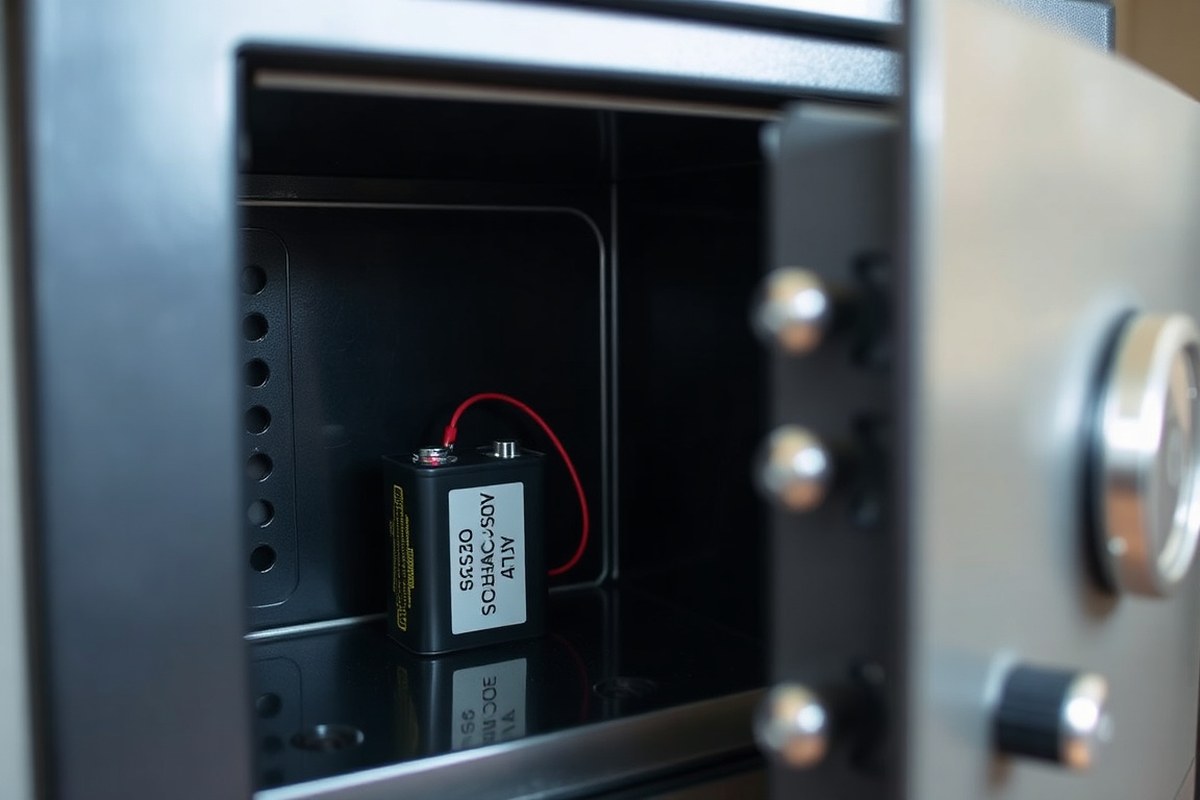
Check your gun safe’s batteries as soon as beeping starts, because low power is the top cause of this problem. Replacing them with fresh batteries and resetting the system will most often stop the beeping and restore normal function. Regular battery checks and timely replacement help prevent interruptions and keep your safe secure and functional.
Locating the Battery Compartment
Your safe’s batteries are usually located near the keypad or inside the door panel. Look for a small compartment or cover that can be easily opened without tools. Some models have the battery pack mounted on the back of the keypad, while others may place it inside the door, behind a plastic or metal cover.
Start by opening the safe with the current code or override key to access the inside of the door. Carefully inspect the back side of the keypad panel or door edge for the battery compartment, which is typically secured with a latch or a clip. Refer to your safe’s user manual for exact details, as battery location and access methods differ by model.
Choosing the Right Battery Type
Check your user manual to identify the exact battery type your safe requires; common options include AA alkaline batteries, 9-volt batteries, or rechargeable lithium-ion packs. Alkaline batteries typically last longer than inexpensive zinc-carbon batteries and are widely recommended due to their reliability.
Choose fresh alkaline batteries for the best balance of cost, availability, and lifespan. Using rechargeable batteries may save money but single-use alkaline batteries usually provide more stable power delivery, reducing the chance of low-voltage warnings and beeping. Avoid mixing old and new batteries or different types, as this can cause inconsistent voltage and trigger warning sounds.
Replacing the Battery Safely
Replace the batteries by following these steps to avoid damage and ensure proper installation:
- Open the safe door with your access code or override key.
- Locate the battery compartment by unlocking or unlatching the cover.
- Remove old batteries carefully, noting their orientation (positive and negative ends).
- Insert fresh batteries of the recommended type, matching the polarity exactly.
- Secure the battery compartment cover back in place.
- Close the safe door firmly, ensuring it is properly latched.
- Press the reset button inside the safe if your model includes one to clear error codes.
- Test the keypad to confirm the safe is operating normally and the beeping has stopped.
Use fresh batteries from a trusted brand to avoid premature power loss and prevent corrosion inside the battery compartment.
Testing Battery Health
Use a multimeter to test battery voltage before replacement if you want to verify if the batteries are causing the beeping. Fresh alkaline AA cells typically read about 1.5 volts, while a 9-volt battery should show close to 9 volts. Reduce readings below 1.3 volts (AA) or 7.5 volts (9V) indicate the battery should be replaced.
If you don’t have a multimeter, swap your current batteries with new ones as a quick test. Observe whether the beeping stops and the safe responds correctly to keypad input. Persistent beeping after replacing batteries usually points to mechanical lock issues or system errors requiring further troubleshooting or professional help.
Battery Replacement Frequency Tips
Replace your gun safe’s batteries at least once a year to prevent low power alerts and maintain reliable function, even if the safe is not currently beeping. Some users prefer changing batteries every 6 to 9 months in higher humidity or extreme temperatures to avoid leaks and corrosion.
Consider the environment your safe is in. High temperature or heavy use can shorten battery life. Also, keep fresh backup batteries nearby in case your safe starts to beep unexpectedly. Timely replacement is a low-cost precaution against lockouts or alarm malfunctions.
3. What Does Lockout Mode Mean and How Long Does It Last?
Your gun safe enters lockout mode and starts beeping continuously after multiple incorrect code entries to prevent unauthorized access. This lockout period usually lasts about 15 to 20 minutes. To regain access, you need to wait until the lockout timer ends, then carefully enter the correct code.
Causes of Lockout Mode Activation
Lockout mode activates primarily as a security measure when the wrong code is entered repeatedly. Most gun safes are programmed to detect a specific number of incorrect attempts, typically three to five, before triggering the lockout. This causes the safe to beep continuously or emit double tones and disables keypad inputs for a set penalty time. The system aims to deter guessing attempts and protect your firearms from unauthorized users.
Other triggers include accidental button mashing during cleaning or poor keypad wiring causing misreads. Heavy impacts or sudden movement might also cause the safe to beep and enter lockout in some models. However, the most common cause remains consecutive wrong passcodes without pause.
Typical Lockout Duration by Brand
Lockout durations vary depending on the safe manufacturer and model. Most popular brands set lockout timers between 15 and 20 minutes. Here is a typical timeline associated with some well-known brands:
| Brand | Lockout Period |
|---|---|
| Liberty Safe | Approximately 15 minutes |
| Stack-On | 15 to 20 minutes |
| SentrySafe | About 15 minutes |
| Browning | 15 minutes |
Exceeding wrong code attempts resets the timer, meaning each new incorrect input during lockout may extend the penalty time. Knowing your safe’s typical lockout duration helps avoid long waits and unnecessary frustration.
How to Wait Out and Reset the Lockout
The best approach after triggering lockout mode is to stop pressing any keys and patiently wait for the penalty timer to expire. Pressing buttons during lockout will not shorten the timer and may even cause the timer to restart. Once the timer ends, the safe will stop beeping, and the keypad becomes responsive again. After waiting, enter the correct code slowly and deliberately to avoid another lockout sequence. Use the following steps to reset your safe after lockout:
- Stop pressing keys immediately after notice of lockout; wait for the beeping to begin and continue without interruption.
- Set a timer for 15 to 20 minutes based on your safe’s brand or the longest known lockout period.
- Do not attempt to open or tamper with the safe during this time to avoid resetting the lockout timer.
- After the timer expires and the beeping stops, wake the keypad by pressing one button.
- Slowly and carefully enter your correct combination code.
- Listen for the confirmation beep or click indicating the safe has accepted the code.
- Open the door if the code is accepted.
- Entering the wrong code triggers a waiting period before you can try again.
Following these steps reduces the risk of extending lockout periods or triggering a permanent lock that needs professional servicing.
Using the External Battery for Emergency Access
Many electronic gun safes include an external battery terminal designed for emergency power supply. A dead or weak internal battery can cause the safe to beep nonstop or lock out even when you enter the correct code. Connecting a fresh 9-volt alkaline battery to the external terminal can supply the needed power for the keypad and motor to function properly.
To use this method, attach a new battery to the contact point, following the polarity markings outside the safe near the keypad. This often stops lockout beeping caused by low power and lets you open the safe. Always replace internal batteries as soon as possible after using the external battery to ensure reliable operation and avoid repeated lockouts due to weak power.
4. Mechanical Issues That Can Cause Beeping
Mechanical problems like jammed or misaligned bolts, frozen locks, and worn parts often cause your gun safe to beep. These issues disrupt proper locking, triggering the alarm system as a warning. For example, a misaligned bolt due to physical damage can cause continuous beeping, signaling the safe isn’t locking securely. Jammed bolts caused by debris or obstruction may lead to intermittent beeping. Recognizing these signs helps you address the root problem before it worsens or prevents access to your firearms.
To check if bolts or locking mechanisms are causing the beeping, perform a careful inspection. Start by opening the door, if possible, and visually examine all locking bolts. Look for signs of physical damage, bent bolts, or debris blocking the bolt pathways. Test each bolt by gently pushing or pulling it to feel if it moves freely or sticks. Frozen bolts may feel rigid and won’t slide smoothly. Also inspect the lock cylinder and handle for damage or binding.
- Make sure the safe door is fully open and supported to avoid injury or damage.
- Use a flashlight to check for dirt, rust, or foreign objects near bolt holes and latch areas.
- Try moving bolts manually; if they do not slide easily, apply a silicone-based lubricant sparingly.
- Inspect the handle and lock cylinder for cracks, looseness, or obstructions.
- Verify all bolts align with their corresponding holes when closing the door.
- Listen for unusual resistance or grinding noises when operating the locking mechanism.
If your safe beeps but won’t open, mechanical binding or jammed lock components might be the cause. Avoid forcing the handle or keypad, which could cause further damage. Lubricating the bolts with a non-oil-based lubricant can sometimes relieve binding; avoid grease or oil as they attract dirt. Allow the lubricant to penetrate for several minutes, then try gently operating the lock again. Clean any visible debris from the bolt paths with compressed air or a soft brush. Cold or sudden temperature changes can cause metal parts to contract, so warming the safe moderately (for example, with a safe heating pad designed for this use) can help release frozen bolts.
Persistent beeping despite these efforts indicates more serious mechanical failures such as a damaged gear assembly or worn locking parts. These usually require professional service to avoid damaging your safe or firearms. Acting promptly when you notice beeping prevents escalating issues and maintains your gun safe’s security and functionality.
5. Environmental and Power Supply Factors Affecting Beeping
Temperature, humidity, power interruptions, and loose wiring can all influence why your gun safe is beeping. Extreme temperatures above 110°F or below 40°F may affect battery performance and electronic components inside the safe. High humidity causes moisture buildup, which can lead to corrosion or short circuits, triggering beeping or malfunction. For example, placing your safe in a damp basement without proper ventilation increases the risk of humidity damage.
Power supply issues often cause beeping as a low-battery warning or electronic fault. When battery power drops below a critical level, the safe accepts your code but may fail to retract bolts, signaling a need for fresh batteries. Disconnecting the batteries for about 10 minutes before reconnecting can help power cycle the system and reset alerts. However, avoid disconnecting power during an active unlocking attempt to prevent lockout or data loss.
Loose wiring inside the safe can cause intermittent contacts, leading to erratic beeping sounds or complete malfunctions. Wires may loosen over time from vibration or improper installation. Inspect connections carefully, ensuring all plugs and terminals fit snugly, especially after moving the safe or servicing. If you notice corroded or frayed wires, replacement is essential to prevent electrical shorts or failure.
| Environmental Factor | Potential Safe Issue | Recommended Action |
|---|---|---|
| High Temperature (>110°F) | Battery degradation, circuit stress | Place safe in temperature-controlled area; use ventilation |
| Low Temperature (<40°F) | Slower battery chemical reaction, sluggish motor | Avoid unheated garages or sheds during cold months |
| High Humidity (>60%) | Moisture buildup, corrosion, shorts | Use dehumidifiers or silica gel packs; seal gaps |
| Power Interruptions | Battery drain, false alarms | Regular battery checks; avoid unplugging during use |
| Loose Wiring | Erratic beeping, failure to operate | Inspect and secure all connections periodically |
Maintaining proper placement and power for your gun safe includes ensuring it sits on a stable, dry surface away from water sources and direct sunlight. Keep the room temperature steady, ideally between 60°F to 80°F, and the relative humidity below 50 percent. Change batteries at least once every 1 to 2 years or sooner if you notice warning beeps. When replacing batteries, use the manufacturer-recommended type to avoid compatibility issues or damage.
Completely dead batteries mean your safe will lose electronic functionality, including motorized locks. Some models allow override keys to open the door, but continuing to operate with drained power risks locking yourself out or damaging internal parts. Maintain fresh batteries and inspect wiring regularly to reduce chances of beeping due to environmental or power issues.
Practical tip: Keep a small hygrometer near your safe to monitor humidity and use silica gel packets inside the safe to absorb excess moisture and prevent corrosion-related beeping.
6. How to Mute or Disable Persistent Safe Beeping Alarms
Yes, you can mute or disable the beeping alarm on your gun safe, but doing so requires caution to avoid compromising its security. The beeping often alerts you to important issues such as low batteries, incorrect code entries, or lockout status. Ignoring these warnings by simply muting the alarm without resolving the cause could leave your safe vulnerable or inoperable. Some models allow temporary muting while acknowledging an alert, but most will reactivate alarms if the underlying issue persists.
Common causes of beeping linked to user input include repeatedly entering the wrong code or partially pressing buttons. These errors trigger a security lockout or warning beep as a deterrent. The key is to enter the code carefully and pause between attempts to avoid escalating alarms. Different brands handle alarms differently; some may let you silence the beep with a quick code entry, while others require a reset procedure or battery replacement before silencing. Follow these steps to mute or disable a persistent beeping alarm without weakening your safe’s protection:
- Identify the reason for beeping. Check the safe’s display or indicator lights for alerts about battery level, lockout status, or mechanical errors. Consult your model’s manual for specific error codes or signals.
- Enter the correct access code carefully. Avoid hurried or repeated incorrect entries. Pause a few seconds between attempts to prevent the system from triggering a lockout or persistent beep.
- Perform a temporary mute if supported. Some safes allow you to press a ‘mute’ or ‘silence’ button after an alert. This stops the annoying sound but keep in mind the alert may resume if the issue isn’t fixed.
- Replace the batteries if low. Beeping often signals low power. Use fresh alkaline batteries (usually 9-volt or AA, depending on the safe). This step alone often stops the beeping and restores normal operation.
- Reset the safe’s alarm system by following the manufacturer’s reset procedure, often involving entering the master code or a sequence of button presses. This clears false alarms without disabling security.
- Do not disable the alarm permanently unless you understand the risks. Disabling alarms often requires technical modifications that can void warranties or reduce protection.
- Secure the safe after intervention. Close and lock it properly to activate the security systems. If the beeping continues after these steps, it may indicate a deeper mechanical or electrical fault.
Most safe brands include detailed instructions for alarm management in their manuals. For instance, models from popular manufacturers like Liberty or Fort Knox often include a mute function accessible through the keypad. Be cautious about following generic advice online; always refer to your specific model’s guidance. Ignoring persistent beeping or hastily disabling alarms can cause you to miss genuine security threats or safe malfunctions.
7. When to Call a Professional for Beeping Gun Safe Issues
Call a professional locksmith or safe technician when your gun safe beeps persistently and the lock won’t open despite trying all standard troubleshooting steps. This includes cases where lockout mode has passed but the safe remains unresponsive, or when sensors are clean but beeping continues. Avoid forcing the safe’s lock, as this can damage delicate mechanical or electronic components. Prompt expert intervention prevents further problems and can restore full safe functionality. Use the following checklist to decide if you need professional help:
- Safe remains locked after entering the correct code multiple times
- Persistent beeping continues despite battery replacement and reset attempts
- Lock or keypad shows physical signs of damage or malfunction
- Known mechanical or electronic failures suspected based on symptoms
- Manufacturer’s troubleshooting guide advises professional servicing
- Safe has a complex locking mechanism you are unfamiliar with
- Previous attempts to fix the issue may have caused worsening conditions
When contacting a locksmith, ask specific questions to confirm their expertise with gun safes. Verify they are certified and experienced with electronic and mechanical safe locks. Inquire about turnaround time, the diagnostic process, and warranty coverage on repairs. Request an estimate upfront, including any fees for service calls or parts replacement. A good locksmith should provide clear answers and follow industry best practices.
Professional safe service typically costs between $100 and $300 for basic diagnostics and minor repairs. More complex issues like motor or control board replacement can raise the price to $300, $600 or more. Prices vary by region and safe model complexity. Expect a standard service call fee around $75 to $150, which often applies toward repair costs if you proceed. Confirm these details before scheduling service to avoid surprises.
Finding a reputable professional involves looking for locksmiths or companies that specialize in safe servicing rather than generic locksmiths. Check for positive customer reviews online, certifications such as membership in the Associated Locksmiths of America (ALOA), and direct recommendations from your safe’s manufacturer if available. Avoid unlicensed or inexperienced technicians who may cause more harm than good.
8. Troubleshooting Steps to Stop Your Gun Safe Beeping Fast
Stopping your gun safe from beeping quickly involves tackling the most common and simplest issues first, mostly related to batteries and lockout modes. When those don’t work, systematically check the mechanical parts and environmental factors. Address each step carefully to avoid triggering more alarms or causing damage.
Starting with Battery Replacement
Low or dead batteries are the main cause of frequent beeping in gun safes. Replacing the batteries often stops the noise fast and ensures your safe can operate properly. Always use fresh batteries that meet the manufacturer’s specifications, usually alkaline AA or 9V, depending on your model.
- Open the battery compartment, usually located behind the lock panel or inside the door.
- Remove old batteries and inspect for corrosion or leakage.
- Insert new batteries with correct polarity.
- Close the compartment securely to maintain contact.
- Attempt to open the safe or perform a system check if possible.
- Once the beeping stops, test the safe multiple times over the next few days to confirm the issue is resolved.
- Should the beeping continue, proceed to the next troubleshooting step.
Replace the batteries every 6 to 12 months to avoid unexpected beeping alerts during critical moments.
Verifying Code Entry and Waiting for Lockout
Beeping can occur after multiple incorrect code attempts to protect your firearm. Confirm you are entering the correct code and allow the lockout timer to expire before retrying. Most digital gun safes have a lockout period ranging from 1 to 15 minutes depending on the brand and model.
- Double-check the code you are using matches your safe’s programming.
- Avoid pressing random keys to prevent extending the lockout period.
- Wait patiently; some safes flash beeps or lights during this time.
- After the lockout ends, enter the correct code slowly and deliberately.
- When the safe still beeps after entering the correct code, move on to a mechanical inspection.
Look for a user manual or model-specific instructions online to confirm lockout durations and reset procedures.
Inspecting Mechanical Components
A mechanical fault such as a stuck bolt or misaligned door can cause the safe to beep repeatedly. These issues often need hands-on inspection of the locking mechanism and door strikes. Keep in mind that forcing the door can damage internal parts and may increase beeping alerts.
- Check the door seal and hinges for visible damage or obstruction.
- Try gently moving the locking bolts with your hand if accessible.
- Listen for unusual noises when opening or closing the door fully.
- Look for dirt or debris that could block the lock’s movement and clean carefully.
- Test locking and unlocking the safe after inspection.
- When problems continue, avoid forcing the mechanism and consider getting professional repair.
Ensure the door closes firmly and latches completely to prevent false alarms triggered by incomplete locking.
Environmental and Power Checks
Fluctuations in room temperature or external power interruptions can also cause intermittent beeping. Digital safes reliant on external power adapters or integrated lighting might emit alerts when power is unstable. Place your safe in a stable environment and check power cords for wear and connections.
- Confirm the safe is away from direct sunlight, heaters, or humidity sources that could affect internal components.
- Inspect the power adapter and cables for damage if your safe uses external power.
- Unplug and replug the adapter to reset the power supply.
- Consider using a surge protector or uninterruptible power supply (UPS) to stabilize power.
- Let the safe rest for several minutes after power restoration before checking if beeping stops.
A consistent room temperature between 60°F and 80°F helps maintain reliable electronics inside your gun safe.
When to Reset or Call a Pro
After trying all the above steps, resetting the safe’s electronics may resolve persistent beeping due to software glitches or configuration errors. Use the manufacturer’s reset method, usually involving a pinhole button or a battery pull. When none of these steps stop the beeping, contact a licensed professional safe technician to prevent damage or security risks.
- Locate the reset button or follow the reset procedure outlined in your safe’s manual.
- Perform a factory reset which might erase user codes, so note all important codes beforehand.
- Reprogram the safe according to the instructions after reset.
- Test the safe operation and monitor for renewed beeping.
- Continuing beeping means it’s time to schedule professional service to check for internal faults.
- Keep proof of purchase and safe model information ready for the technician.
A professional visit may cost $100 to $300 depending on location and complexity, but prevents damage to your safe’s locking system.
Step-by-Step Action Plan to Stop Your Gun Safe Beeping
Follow these steps in order to identify and fix why your gun safe is beeping quickly and safely.
- Before you start: Locate your safe’s user manual or model number online to understand your specific safe’s alerts and diagnostics.
- Within the first 10 minutes: Open the safe to check for any obvious mechanical jams or misalignments that might trigger beeping; resolve small jams by gently repositioning the lock or bolt.
- Within the first 30 minutes: Remove and replace the batteries in your safe with fresh ones, noting whether the beeping stops or changes, confirming battery issues.
- Within the first hour: Check for lockout mode by testing the keypad; if in lockout, wait the specified time period until the keypad is active again and see if beeping stops.
- Within the first day: Inspect your safe’s placement; if it’s in a damp or low-temperature environment, move it or improve conditions to prevent false alarms caused by humidity or cold.
- After 24 hours: Attempt to mute or disable the alarm per your user manual’s instructions if the beeping persists without other obvious issues.
- After 2 days: If the safe continues beeping and you cannot identify the cause, contact a licensed safe technician to avoid damage or security risks.
Frequently Asked Questions
Why Does My Gun Safe Beep Even After Changing the Batteries?
Your gun safe may beep after battery replacement due to lingering error codes or sensor resets. Try removing and reinserting the batteries, or performing a factory reset if available. Check the user manual for instructions tailored to your model.
Can a Gun Safe Beep If the Door Isn’t Fully Closed?
Yes, many gun safes beep when the door is not fully closed to alert you. Make sure the door latch is properly engaged to stop the beeping.
Does Temperature Affect Gun Safe Beeping?
Extreme temperatures can cause sensors inside gun safes to malfunction, resulting in beeping. Keep your safe in a stable environment to avoid false alarms.
Can Faulty Wiring Cause My Gun Safe to Beep?
Faulty wiring or loose connections can trigger beeping by disrupting the electronic system. Inspect for damaged wires or corrosion near the battery compartment or control panel.
Is It Normal for a Gun Safe to Beep After Long Periods of Inactivity?
Some safes beep after long inactivity if the battery is low or internal sensors detect a fault. Check the batteries first to prevent lockout issues.
Can Humidity Cause My Gun Safe to Beep?
High humidity can cause internal sensor issues or rust, which may trigger beeping. Use a dehumidifier or moisture-absorbing packets inside the safe to reduce this risk.
Key Points to Remember
Beeping from your gun safe usually signals an issue like a low battery, a lockout, or a mechanical fault that needs your attention. Fixing it promptly helps keep your firearms secure and accessible. Start by checking your batteries and lock carefully, and if the problem persists, don’t hesitate to call a professional for help. Taking action now prevents frustration and keeps your safe working properly.