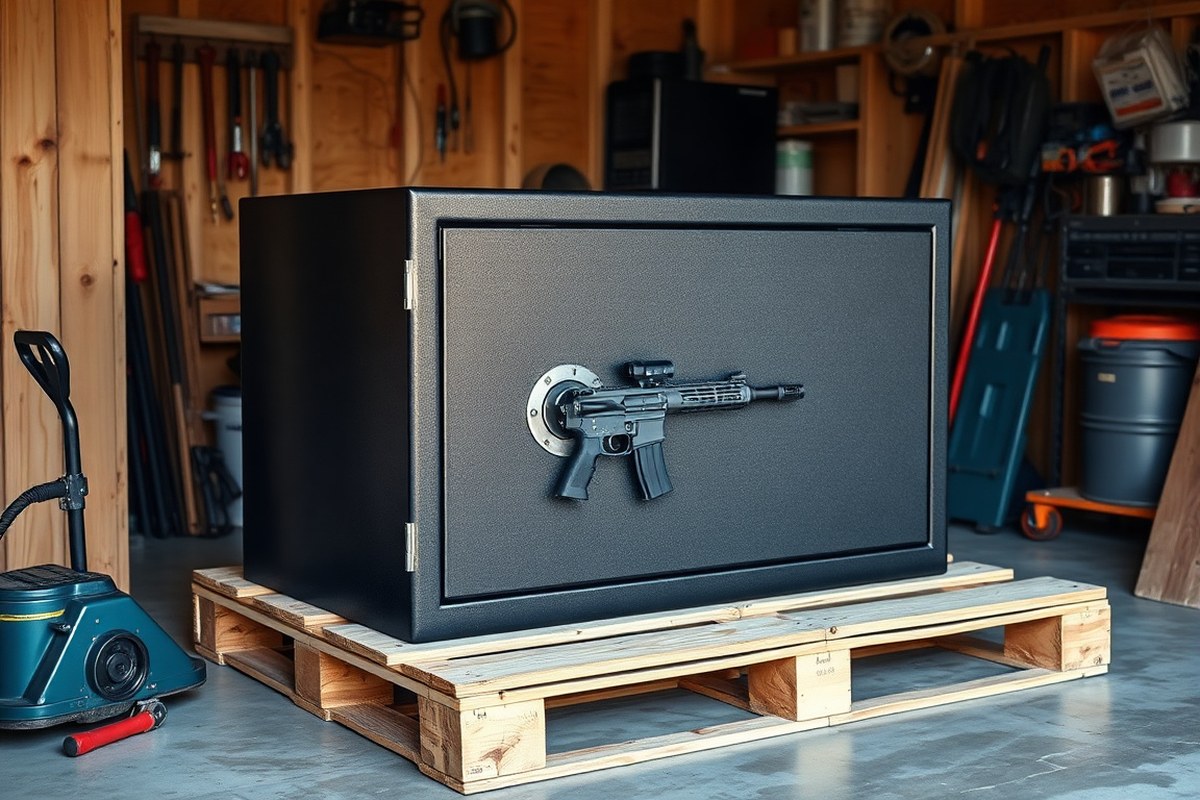
How to Get Gun Safe Off Pallet Safely: 8 Steps That Work
How to get gun safe off pallet requires careful handling to avoid injury or damage. Start by unbolting any fasteners securing the safe to the pallet and ensure the safe is empty. Use a properly rated pallet jack or dolly to lift and move the safe gently once it’s free of the pallet. Precise steps and the right tools make the process smoother and safer.
Key Takeaways
- Check if your gun safe is bolted to the pallet and remove all bolts or screws before attempting to lift.
- Empty the gun safe to reduce weight and balance risks during removal.
- Use a pallet jack rated for the gun safe’s weight, typically up to 800 pounds or more for a 6-foot safe.
- Place the pallet jack forks evenly under the pallet to keep the safe balanced while lifting.
- Lower the safe slowly by dropping it back around 5 to 6 inches, then gently set it down to avoid shock or damage.
- Wear protective gloves and steel-toed shoes to protect against injuries while handling heavy equipment.
1. How to Safely Remove a Gun Safe from Its Pallet

To get a gun safe off its pallet safely, detach the safe by removing all bolts while keeping it balanced. The safest approach is from the side, ensuring enough space around the area for smooth movement. Stability during removal prevents tipping or damage to the safe and injury to anyone helping.
Prepare the Surrounding Space for Removal
Clear a wide area around the gun safe and pallet. Remove any obstacles that could cause tripping or block the safe’s path once it’s free. Protect the floor by laying down plywood or felt pads to prevent scratches or dents during moving.
Make sure you have at least 3 to 4 feet of clear space on the easiest side to approach the safe. Good lighting helps you see bolts and attachment points clearly. Having a helper ready to assist will also improve safety and control.
Identify Bolt Locations and Attachment Points
Locate the black bolt covers on the back or sides of the safe. These covers hide the bolts that secure the safe to the pallet. Remove any interior components like gun racks and bolt covers first to access all attachment points fully.
Check carefully for all bolts holding the safe to the pallet. Missing even one can cause the safe to shift unexpectedly during removal. This step is critical to keep the safe stable and avoid damage.
Lift and Separate the Safe from the Pallet Carefully
Follow this step-by-step process to safely detach your gun safe from the pallet:
- Empty the safe completely, including all shelves and racks.
- Remove all black bolt covers on the sides and back to reveal the securing bolts.
- Use a socket wrench to unscrew every bolt attaching the safe to the pallet.
- Keep the safe balanced by attaching it to a pallet jack or dolly before movement.
- From the side with the most space, gently lift or slide the safe away from the pallet.
- Secure the safe with straps on the pallet jack to prevent tipping during transport.
- Lower the safe carefully onto a dolly or stable surface as soon as it clears the pallet.
Handle the safe steadily to avoid sudden shifts that could cause injury or damage. The safest side to remove the safe is the one with the least obstruction and plenty of room to manoeuvre. Keep firm control with at least two people when moving the safe off the pallet for added safety.
2. Essential Tools Needed for Removing a Gun Safe from a Pallet

Removing a gun safe from its pallet requires the right tools to loosen bolts and safely lift the heavy safe. A socket set with a ratchet is essential for removing bolts securely fastened to the wood. Include various socket sizes to match different bolt heads, typically ranging from ½ inch to ¾ inch. Vice grips work well for stubborn bolts that have rust or are difficult to turn, providing extra grip. Screwdrivers are useful for any smaller screws or to help pry loose gasket seals if needed.
Choosing the proper lifting equipment is just as important. A pallet jack rated to handle your safe’s weight is best, as most gun safes weigh between 300 and 800 pounds, while heavier models can approach 4,300 pounds. Make sure the pallet jack’s weight capacity matches or exceeds your safe’s weight to avoid damage or injury. Alternatively, a heavy-duty four-wheel dolly is a good option if you don’t have access to a pallet jack. A dolly allows you to tilt the safe and roll it carefully, but it requires at least two helpers due to stability concerns. Avoid smaller furniture dollies that can tip under the heavy load. Here’s a checklist of the essential and optional tools for the job:
- Socket set with ratchet, for loosening bolts
- Vice grips, to grip and turn stuck bolts
- Screwdrivers, flathead and Phillips for smaller screws or prying
- Penetrating lubricant, to loosen rusty or seized bolts
- Heavy-duty pallet jack rated for the safe’s weight
- Four-wheel dolly, as an alternative to a pallet jack
- Work gloves, to protect your hands during lifting and handling
| Tool | Purpose | Typical Cost | Why It Matters |
|---|---|---|---|
| Socket Set with Ratchet | Remove bolts securing the safe to pallet | $20, $50 | Speeds bolt removal and fits multiple bolt sizes |
| Vice Grips | Grip and turn stuck or rusted bolts | $15, $30 | Prevents stripping bolts during removal |
| Heavy-duty Pallet Jack | Lift and move the gun safe off the pallet | $150, $400 (rental or purchase) | Rated for heavy loads; safer than manual lifting |
| Four-wheel Dolly | Move safe after removing from pallet (alternative) | $50, $100 | Allows rolling movement when a pallet jack is unavailable |
Loosening seized or rusty bolts starts with spraying them generously with penetrating lubricant. Let it soak for 10 to 15 minutes before attempting removal. Use vice grips to hold the bolt firmly as you turn with the appropriate socket. Pull the pallet jack handle until the forks slide fully under the safe, then pump the handle to raise it just enough to clear the pallet wood. Carefully slide or tilt the safe onto the dolly if you choose that method, ensuring you have multiple helpers to maintain control and prevent injury.
Practical tip: Never attempt to lift or move the safe before fully removing all bolts; a partially secured safe can shift suddenly, causing injury or damage.
3. Preparing Your Gun Safe for Pallet Removal
Proper preparation of your gun safe before removing it from the pallet makes the process safer and prevents damage to the safe and its contents. Start by emptying the safe and securing it, then remove interior components like gun racks and shelves, followed by checking how the safe is attached to the pallet.
Empty the Safe and Lock It Securely
Clearing your gun safe of all firearms and valuables reduces weight and prevents damage when moving it. Remove every item, including guns, ammunition, and accessories. After emptying, lock the safe to keep the door closed during handling. This step prevents the door from swinging open, which could cause injury or damage.
Leave the safe locked once empty. Check that your digital or mechanical lock works correctly and is firmly set to the locked position. This ensures safety and stability while you work on detaching the safe from the pallet.
Remove Shelves, Racks, and Bolt Covers
Removing interior components reduces weight and provides better access to the bolts securing the safe. Use a Phillips or standard screwdriver to unscrew all mounting hardware holding shelves, gun racks, and other fittings. Set the screws and parts aside carefully.
Locate the black bolt covers hidden behind your safe’s outer layer. Those covers conceal the bolts that secure the safe to the pallet. Use a screwdriver or pliers to carefully remove or unscrew these covers, exposing the fasteners for detachment.
- Clear all guns, ammo, and contents from the safe.
- Lock the safe door to prevent accidental opening.
- Unscrew and remove shelves and gun racks using the correct screwdriver.
- Store screws and parts in a safe container.
- Locate black bolt covers on the back or base of the safe.
- Use a screwdriver or pliers to remove bolt covers carefully.
Locate and Inspect Bolts Fastening the Safe to the Pallet
Identifying how the safe is attached to the pallet helps you plan the removal process more efficiently. Look for bolts that secure the safe base to the pallet wood or metal frame. These bolts are often hidden beneath bolt covers or paint.
Check for additional fasteners like straps or screws that may be used for anchoring. Test the stability of the safe on the pallet by gently rocking it. The safe should feel secure and stable, without any wobbling, indicating the bolts are tight and holding it firmly.
Removing these bolts will require the appropriate wrench or socket set, depending on their size. Measuring bolt length and diameter can assist in choosing tools. Keeping bolts and washers organized after removal ensures easier reassembly or installation in a new location.
4. Techniques to Loosen and Remove Stubborn Bolts
Stubborn, rusted bolts can make removing a gun safe from its pallet much harder and risk stripping or damaging the hardware. The first step is applying a penetrating lubricant such as WD-40 directly onto the bolts. Spray enough to coat the threads thoroughly, then let it sit for at least 10 to 15 minutes. This time allows the lubricant to seep into rusted spots and loosen the bond, making the bolts easier to turn without forcing them.
Once the lubricant has had time to work, use a socket set that fits the bolt heads precisely. A good-fit socket provides proper torque and use, reducing the chance of rounding off the bolt corners. Avoid using a wrench or pliers if the socket fits; their uneven grip can cause slipping. Gently tap the bolt head with a hammer to break the rust seal if a bolt remains stuck, but avoid hitting too hard to prevent bending the bolt or damaging the safe.
For bolts that won’t budge, use locking pliers like vice grips. Clamp them firmly to the bolt head, giving you a stronger grip than standard tools. Apply steady, slow torque rather than quick, jerky motions to prevent stripping. When working with rusted bolts, patience is key. Reapply lubricant and wait additional 10-minute intervals if the bolts do not loosen right away.
In some cases, heat can help loosen stuck bolts. Applying heat using a propane torch can expand the metal and break rust bonds. Heat the bolt for about 30 seconds to a minute, then try to turn it again with the socket or vice grips. Use caution with heat around painted or nearby sensitive surfaces to avoid damage or fire hazards.
Avoid forcing bolts further when they show signs of damage like rounded heads or stripped threads. Damaging the bolts risks making removal impossible without drilling them out, which can also damage the safe or pallet. Having a bolt extractor set on hand offers a last-resort option to safely remove damaged bolts without excessive force.
Checklist for handling stuck or rusted bolts when removing your gun safe: apply penetrating lubricant and wait 10 to 15 minutes; use a correctly sized socket set; tap gently with a hammer if needed; try vice grips with steady torque; reapply lubricant if necessary; consider heat carefully; and avoid forcing bolts if there are visible signs of damage. This approach helps ensure bolts come free safely, preserving both your safe and mounting hardware.
5. Using Pallet Jacks and Dollies to Move the Gun Safe
You can move your gun safe after removing it from the pallet by using a pallet jack or a dolly, depending on the weight of the safe and the terrain. The choice between these tools depends on the safe’s weight and the surface you need to travel over. When the safe weighs more than the pallet jack can handle, you need a dolly or professional help.
Selecting the Right Moving Equipment
Choosing between a pallet jack and a dolly is based mainly on the gun safe’s weight and the moving environment. Pallet jacks typically handle weights up to 5,000 pounds and work best on level, stable floors like concrete or hardwood. A two-wheel refrigerator dolly is more flexible and easier to maneuver on stairs, carpet, or uneven surfaces but usually supports less weight. Heavy gun safes beyond your pallet jack’s limit require a strapped dolly or professional movers with proper gear.
Wrapping the gun safe in moving blankets before using either tool protects its finish from scratches or dents during the move. Damaging your safe can compromise its security or resale value.
How to Position the Pallet Jack or Dolly
Positioning the equipment properly is important for safety and control. For a pallet jack, slide the forks fully under the base of the gun safe or the pallet frame it was on. The forks should be centered and extend past at least half the length of the safe to distribute the weight evenly.
When using a dolly, tilt the safe carefully onto the dolly’s base plate, keeping it upright and balanced. Line up the dolly parallel to the safe’s side to keep it stable. Secure the safe with straps to prevent shifting while moving.
Moving and Lowering the Safe Safely
Taking your time and maintaining control are key steps to preventing injury and damage while moving the safe. Using slow, steady movements lowers the risk of tipping or dropping the safe. Avoid sharp turns and sudden stops. Plan your route in advance to avoid obstacles like uneven flooring or door thresholds that may cause the equipment to tip.
When lowering the safe to the floor in its new location, do so gradually by releasing the pallet jack’s hydraulic lever slowly or gently setting the dolly down and sliding the safe into position. Having at least one helper to guide and support the safe during lowering makes it safer and easier. Follow these steps for moving your gun safe with a pallet jack or dolly:
- Wrap the safe securely with moving blankets to protect its surface.
- Choose the appropriate equipment based on the safe’s weight and moving path.
- For a pallet jack, position the forks fully under the safe or pallet base; for a dolly, tilt and secure the safe upright with straps.
- Pump the pallet jack’s handle to lift the safe just a little off the ground before moving it.
- Move slowly and steadily, keeping the safe balanced and avoiding sudden movements.
- Navigate carefully through doorways and over any thresholds or uneven flooring.
- Lower the safe gradually using the pallet jack’s release lever or by easing the safe off the dolly with assistance.
- Ensure the safe is stable on its new surface before removing equipment and unwrapping.
Test the pallet jack’s weight capacity and the floor surface before starting to move the safe to prevent tipping or equipment failure.
6. Protecting Your Property and Yourself During Removal
Start by planning carefully and using the right tools to keep both your property and yourself safe when removing a gun safe from its pallet. Clear enough space around the safe to move it without risking damage to nearby walls, doors, or flooring. Protect floors by laying down thick moving blankets or plywood sheets, which help avoid scratches, dents, or holes caused by moving heavy items. Don’t drag the safe on the floor; lift it slightly and place it down gently onto protective materials or moving equipment.
Personal safety hinges on how you handle the heavy load. Gun safes can weigh several hundred pounds, so do not attempt to lift or move the safe alone unless it weighs under 100 pounds and you are physically capable. Always wear gloves that provide a secure grip to prevent hand injuries. Steel-toed shoes can protect your feet from accidental drops. Use lifting belts or braces if available to support your lower back. Keep your back straight and bend at the knees when lifting. Avoid twisting your body mid-lift; turn your whole body by pivoting your feet instead to reduce the risk of back strain or injury.
Gather at least one strong helper to share the weight and coordinate moves carefully. Communication is key. Agree on clear, simple commands like “lift,” “lower,” and “stop” to synchronize efforts and reduce surprises. When using pallet jacks or dollies, check that these tools have sufficient load ratings for your safe, typically around 700 to 1,000 pounds capacity, depending on your safe’s weight. Make sure wheels and lifting components operate smoothly to avoid sudden slips or drops.
When removing bolts holding the safe to the pallet, use the proper tools rather than makeshift options. This reduces damage to bolt heads and the safe’s surface. Once bolts are free, lift the safe just enough to clear the pallet before sliding a dolly underneath, never forcing the safe sideways as this risks floor damage and personal injury. Remove all fasteners like nails or screws attaching the pallet to the floor or framing with care to avoid causing splinters, gouges, or cracks in walls.
After the safe is moved from the pallet, secure it firmly in place to avoid tipping or shifting, especially on uneven floors. Use adjustable floor anchors or non-slip mats designed for heavy furniture to stabilize the safe. This not only protects your floors from further damage due to tipping but also keeps firearms secure. Moving without these precautions can lead to costly floor repairs, personal injuries, or loss of property.
7. Common Mistakes When Removing a Gun Safe from a Pallet
Removing a gun safe from its pallet requires care to avoid injury and damage to both the safe and your property. One frequent mistake is rushing through the process. Hastily trying to lift or move the safe can cause muscle strain, or even drop the safe, damaging the floor or the safe itself. Take your time, use proper lifting techniques, and ensure you have enough help or the right tools like pallet jacks or dollies.
Using improper or inadequate tools is another common error. For example, trying to pry the safe off the pallet without removing bolts or nails completely can cause the safe to tip or get stuck. Always use the correct wrenches or socket sets to fully remove all bolts. Bolts must be removed completely to prevent uneven weight distribution during lifting, which could cause injury or damage the safe’s exterior. Double-check that every bolt, nail, and fastener is out before attempting to lift.
Failing to plan the removal path can lead to accidents and damage during transport. Clear the area of obstacles and measure doorways to ensure the safe will fit through easily. Having obstructions in the way can cause you to bump the safe into walls, causing scratches or structural damage to both. Take a few minutes to plan and clear your route; it’s an easy step to prevent costly repairs.
- Not emptying the safe: Always unload all contents before removal to lighten the load and prevent items from shifting internally.
- Ignoring proper protective gear: Wear steel-toed boots and gloves to protect your hands and feet throughout the process.
- Leaving bolts partially loosened: Fully remove all fasteners to avoid tipping or jamming the safe during lifting.
- Using insufficient manpower: Have at least two strong people or use mechanical aids to handle the weight safely.
- Skipping surface protection: Use blankets or pads to prevent floor scratches and protect the safe’s finish.
- Neglecting to check pallet condition: Inspect the pallet to avoid unexpected breaks that could cause falls or injuries.
- Moving without a clear path: Ensure there is unobstructed space and wide enough access points before beginning the move.
Problems caused by these mistakes often require stopping the work to correct issues like stuck bolts or damage to floors and walls. Fixing stuck bolts can mean using penetrating oil and extra tools, which adds time and frustration. The safe might shift when bolts aren’t fully removed, requiring careful realignment or repositioning to prevent drops. Taking the time for a proper checklist and slow, steady handling reduces these risks and keeps your removal safe and efficient.
8. When to Call a Professional for Pallet Removal and Moving
Call a professional to remove and move your gun safe from its pallet if the safe weighs more than 500 pounds or if you lack the proper tools and help. Gun safes often weigh several hundred pounds, with some models surpassing 1,000 pounds. Handling such a heavy item without equipment designed for the task increases the risk of injury and property damage. Professionals have the right gear, such as heavy-duty pallet jacks and dollies rated for high weights, and know how to secure the safe properly for movement.
A damaged or unstable pallet also signals the need to hire an expert. If the pallet has visible cracks, missing boards, or wobbling spots, trying to remove the safe yourself can cause the pallet to break suddenly, potentially trapping your fingers or dropping the safe. Pros can assess pallet integrity and use alternative support methods to avoid accidents.
Lack of proper tools is another important reason to seek professional help. Even with simple bolt removal tools like crowbars and pry bars, professionals carry specialty equipment that makes loosening tight fasteners easier. They also have slings, straps, and reinforced gloves to stabilize the safe while detaching it from the pallet.
When deciding whether to DIY or call in movers, use a simple rule: if your safe weighs over 500 pounds, the pallet is damaged, or you cannot access proper tools and a helper, hire a professional. Attempting to move the safe alone or without correct gear can result in serious injury, damage to the floor, walls, or the safe itself, and wasted time.
Finding a reliable professional mover experienced in gun safes requires checking credentials and references. Look for companies specializing in heavy safe moving or secure asset transport. Ask for proof of insurance and confirm they use rated equipment for heavy loads. You can request an on-site estimate so they can assess the safe’s size, weight, and location, which affects the cost. Expect prices to range based on distance and difficulty but budget at least a few hundred dollars for local moves.
Good results include the safe being removed from the pallet without damage to the safe or surrounding property and placed accurately in its new location. Poor outcomes often show dents on the safe, scratched floors, or personal injuries, all signs professional help was needed. Trust your judgment and prioritize safety when tasks exceed your equipment and strength.
Do not attempt to move a gun safe alone or without the right tools; even a small misstep can cause serious injury or damage.
Step-by-Step Action Plan for Removing Your Gun Safe from the Pallet
Follow these steps in order to safely and efficiently remove your gun safe from its pallet without causing damage or risking injury.
- Before you start: Gather all essential tools such as a wrench set, pry bar, pallet jack, and protective gloves. Confirm your tools are in good condition to avoid delays or accidents.
- Preparation phase: Clear the area around the pallet to ensure enough space for maneuvering. Check that the floor is level and free of debris to stabilize the safe during removal.
- Loosening bolts: Use the correct size wrench to carefully loosen all bolts securing the safe to the pallet. Test each bolt’s movement to confirm it is free before proceeding.
- Safety check: Put on protective gloves and steel-toe shoes. Double-check that all bolts are fully removed and the safe is stable on the pallet, preventing unexpected shifts.
- Using equipment: Position the pallet jack or dolly under the pallet according to manufacturer instructions. Slowly lift the pallet to ensure balance; the safe should lift smoothly without tipping.
- Removal step: Carefully roll or slide the pallet jack, moving the safe away from its base. Keep the path clear and move at a controlled pace to avoid sudden movements.
- Final positioning: Once off the pallet, place the safe in its intended location. Verify the safe sits flat and stable to prevent future issues.
- After removal: Inspect the safe and floor for any damages. Address any issues immediately to maintain safe use of your gun safe.
Frequently Asked Questions
How Do I Know If My Gun Safe Is Securely Attached to the Pallet?
Check for bolts or screws holding the safe to the pallet and ensure they appear tight and intact before starting removal. Loose or missing fasteners mean the safe might shift during movement, so handle with extra caution.
Can I Remove the Pallet Nails Without Damaging the Gun Safe?
Yes, use a pry bar carefully to lift nails without scratching the safe’s surface. Working slowly prevents damage and helps keep the safe’s finish intact.
What Should I Do If My Gun Safe Is Too Heavy to Lift Off the Pallet Alone?
Use a pallet jack or a sturdy dolly rated for the safe’s weight to move it safely. Avoid lifting alone to prevent injury or dropping the safe.
Is It Safe to Remove the Gun Racks Before Detaching the Safe from the Pallet?
Removing interior components like racks first reduces weight and makes handling safer. It also gives better access to bolts securing the safe to the pallet.
How Do I Prevent the Gun Safe from Tipping While Removing It from the Pallet?
Keep the safe balanced on the pallet jack and move slowly to avoid tipping. Make sure it’s centered and secured before lifting or sliding it off.
What Floor Surface Works Best for Moving a Gun Safe Off Its Pallet?
A flat, smooth surface like concrete or hardwood floors allows easier rolling or sliding of dollies and pallet jacks. Avoid rough terrain to reduce tipping risk.
The Bottom Line
Handling a gun safe off its pallet demands proper planning and appropriate equipment to prevent injury or damage. Preparing carefully helps guarantee the safe is moved without problems. Start by gathering the right tools and setting up a clear, spacious area ready for the job. This method protects both you and your belongings during removal.