How to Open Combination Gun Safe: Complete Steps and Expert Tips
Knowing how to open combination gun safe correctly ensures quick and secure access to your firearms. The key is following the safe’s specific dialing sequence precisely, whether it has a 3-number or 4-number combination. Start by resetting the dial to clear any previous attempts, usually by turning it left several times before entering your combination.
Key Takeaways
- Turn the dial left three full times to reset before entering a 3-number combination sequence.
- Follow the exact turning direction and stopping points specified for your safe’s combination style.
- For 3-number locks, stop on the first number on your third turn to correctly set the combination.
- 4-number combinations require careful attention to additional dialing steps and sequences.
- Double-check your combination code and turning directions if the safe won’t open initially.
- If you lose or forget your combination, contact the manufacturer or a licensed locksmith for help.
How to Open a 3-Number Combination Gun Safe Correctly
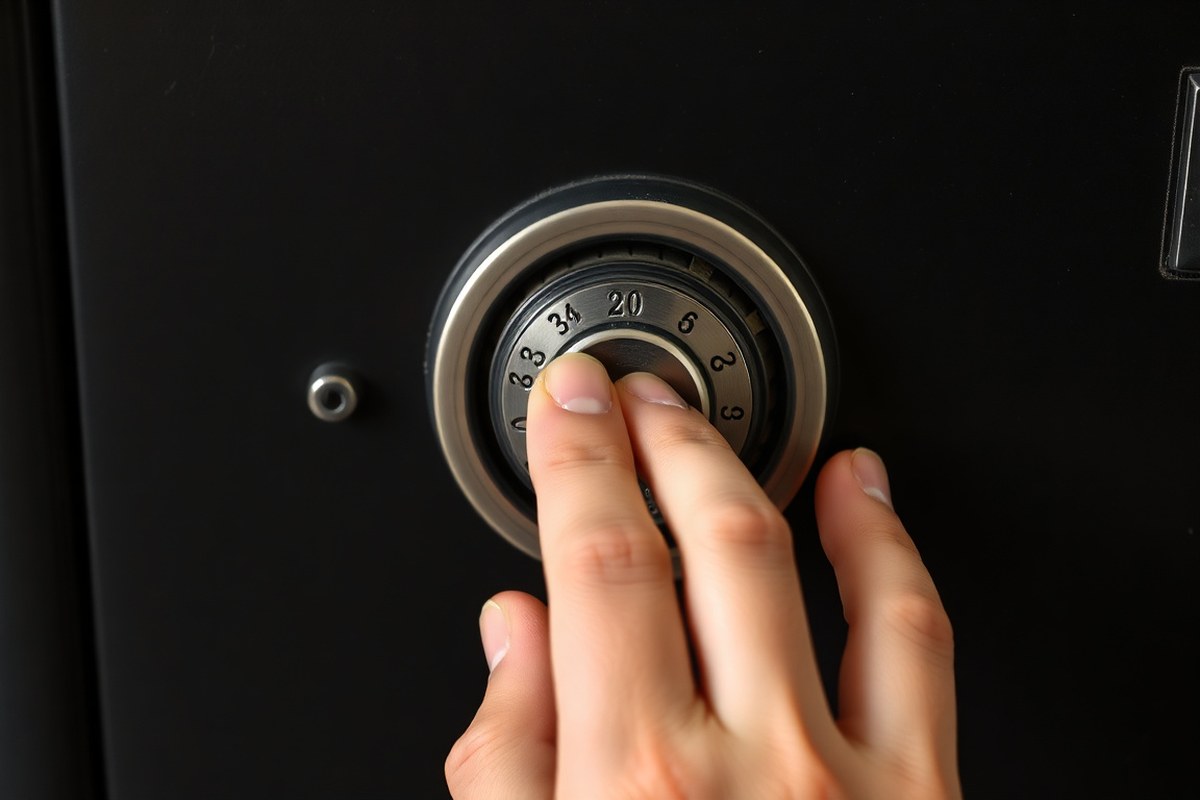
Opening a 3-number combination gun safe requires precise dial movements following a specific sequence. This sequence resets the lock’s internal wheels and aligns them to the proper position. Skipping steps or turning the dial incorrectly often causes the safe not to open, even with the right numbers. Practicing the exact turns before attempting is helpful.
Start by resetting the dial to clear any previous attempts. Then, follow the exact turn counts and directions for each number of your combination. The general rule is to turn the dial left three times passing the first number, stop on it the third time, turn right two times passing the second number, stop on it the second time, and finally turn left one time directly to the third number.
- Reset the dial by turning it several full rotations to the left (counterclockwise) at least three or four times. This resets the lock mechanism so it’s ready to accept your combination.
- Turn the dial left (counterclockwise) and pass the first number in your combination three full times, then stop exactly on the first number during the third pass. For example, if your first number is 40, turn the dial left past 40 three times and stop on it the third time.
- Turn the dial right (clockwise) two full times passing the second number in your combination, then stop exactly on the second number the second time you reach it. For instance, if your second number is 20, turn right past 20 twice and stop on it the second time.
- Turn the dial left (counterclockwise) one full time and stop directly on the third number of your combination. For example, if the third number is 60, turn left once and stop exactly on 60.
- Turn the dial to the right slowly until the safe’s bolt releases. You may hear a soft click or feel less resistance.
- Open the safe door carefully once the lock disengages.
Passing the numbers the indicated number of times is critical. The common 3-number example combination is 40-20-60, but use your safe’s specific numbers. Stopping too early, too late, or not passing the number the correct number of times causes the safe to remain locked. The dial turns should be smooth and deliberate, not rushed. If mistakes happen, reset by spinning left multiple times before trying again. This procedure usually takes about 20 to 30 seconds once familiar.
Opening a 4-Number Combination Gun Safe: Key Differences and Steps

Opening a 4-number combination gun safe requires a slightly different dialing sequence than a 3-number safe because it incorporates an additional step of passing certain numbers more times. The sequence includes passing the first number three times when turning right, passing the second number twice when turning left, stopping on the third number when turning right, and finally stopping on the fourth number when turning left. This careful method reduces mistakes that can cause the safe not to open.
Step 1: Reset the Dial by Turning Left
Before entering the combination, reset the dial to clear any previous attempts or partial inputs. This clears the locking mechanism’s internal gears and prepares the safe to accept the combination sequence fresh.
- Turn the dial counterclockwise (left) at least four full rotations.
- Make sure you turn smoothly and fully to ensure the dial resets completely.
- Stop turning only after the fourth full rotation.
Always reset the dial first to avoid false starts or misaligned internal parts that block unlocking.
Step 2: Dial the First Two Numbers
This step is the main difference from a 3-number combination. The first number in a 4-number combo is passed three times rather than twice, and the second number is passed twice rather than once. This extra precision ensures the lock’s tumblers align correctly for larger safes.
- Turn the dial clockwise (right) and pass the first number on your combination three times.
- Stop exactly on the first number on the fourth time passing it.
- Turn the dial counterclockwise (left), passing the second number twice.
- Stop exactly on the second number on the third time you reach it.
Do not stop too early or too late when passing numbers; stopping before the exact count will cause the safe to stay locked.
Step 3: Final Two Numbers and Opening
The last two steps require turning the dial to the right once, stopping on the third number, then turning left and stopping on the fourth number. After lining up the final number, you can turn the safe’s handle or pull its door open.
- Turn the dial clockwise (right) directly to the third number once.
- Then turn the dial counterclockwise (left) directly to the fourth number once.
- Stop precisely on the fourth number and do not overshoot.
- Turn the safe’s handle or pull the door toward you to open the safe.
Carefully stop at the last number without overshooting; turning past it requires restarting the process.
How to Identify Your Gun Safe Lock Type Before Opening
Before opening your gun safe, it’s essential to recognize the lock type used because the opening method varies accordingly. Most safes use one of three lock types: mechanical dial, digital keypad, or a manual key override. Identifying these correctly helps you follow the right steps and avoid damaging the lock.
Mechanical Dial Locks
Mechanical dial locks are the traditional lock type commonly found on many gun safes. You can identify them by a round, rotating dial on the safe’s door, which lacks any electronic components. This dial usually has numbers from 0 to 99 printed around its edge.
Opening this type requires turning the dial left and right in specific sequences corresponding to the combination. There is no keypad or light, just the physical dial. Mechanical dial locks are highly durable but require exact movements; rushing or incorrect turns can prevent the safe from opening.
Digital Keypad Locks
Digital keypad locks feature a numeric keypad where the user inputs a code to get the safe. The keypad typically shows numbers 0 through 9 and sometimes includes buttons like “Enter” or “Clear.” Many models have LED indicators that light up when pressed to confirm input.
The codes usually range from 4 to 10 digits. These locks often allow faster access compared to mechanical dials and may include added features such as time delay or multiple user codes. When the keypad does not respond or you forget the code, you might need to use alternate unlocking options.
Key Override and Change Keys
Some gun safes come with a key override feature to manually open the safe if the combination is forgotten or the electronic lock malfunctions. To check if your safe supports this, look closely for a small keyhole either on or near the lock mechanism.
Key override lockholes are often discreetly hidden under a removable plate or cover for security. The key override typically allows bypassing the combination lock by inserting and turning a special override key. In addition, some safes include a change key that enables resetting the combination. Always consult your owner’s manual or documentation to confirm the presence and use of these keys.
| Lock Type | Visual Features | Opening Method | Notes |
|---|---|---|---|
| Mechanical Dial | Round turning dial, no electronics | Turn dial in sequence to correct numbers | Requires precision; wrong direction/dial affects opening |
| Digital Keypad | Numeric keypad, LED indicators | Enter 4-10 digit code; pause briefly between digits | Code can be reset with change key if available |
| Key Override | Small hidden keyhole near lock | Insert override key and turn to bypass combination | Useful if code forgotten or lock malfunctions |
Identifying your safe’s lock type saves time and prevents common mistakes like forcing the dial or entering the wrong code repeatedly. Check the door and lock face carefully for dials, keypads, or keyholes before attempting to open your safe. Upon finding a keyhole, check whether your safe includes an override or change key, since not all models have this feature.
What to Do If You Forget Your Combination Code
Losing the combination to your gun safe can be frustrating, but there are safe and legal ways to regain access without damaging the safe or risking your valuables. Start by checking any documentation that came with your safe, such as the owner’s manual or combination card, as manufacturers often include recovery instructions. When those aren’t available, your best early step is usually to contact the manufacturer directly. Many manufacturers can provide your combination again after verifying your ownership, which speeds up safe access without compromising security.
Should the manufacturer be unable to provide the combination or if your safe is older or a custom model, a licensed locksmith with safe opening experience is your next best option. Locksmiths with specialized training can open your safe without forcing or drilling it, preserving the integrity of the locking mechanism and your gun safe’s structure. After opening, the locksmith can also reset your combination code, allowing you to secure your firearms again with a new code that you write down and keep in a secure place.
Trying to open your safe with brute force, such as drilling or prying, often damages the locking mechanism permanently and voids any warranties. These destructive methods may trigger security locks or fail, leaving the safe unusable. Avoid these tactics unless you have no other option and are prepared for costly repairs or replacement. Use this stepwise approach if you forget your gun safe’s combination:
- Locate your owner’s manual or combination card and review for recovery instructions.
- Contact the manufacturer’s customer service with proof of ownership to request the combination.
- Find a local licensed locksmith experienced with safe opening and request a quote for opening and reset services.
- Verify the locksmith uses non-destructive methods to avoid damage to your safe.
- Do not attempt to forcibly open, drill, or pry the safe yourself under any circumstances.
- After gaining entry, immediately reset the combination and store it securely.
Knowing when to call a locksmith depends on your comfort and skill. When contacting the manufacturer does not resolve the issue or you cannot locate documentation, a locksmith is the safest solution. Professional service fees typically depend on safe type and time required but expect to pay anywhere from $100 to $300 or more. This cost is reasonable compared to damaged safes that can cost thousands to repair or replace, as well as the risk of losing access to your firearms during suspected emergencies.
Common Mistakes When Opening Combination Gun Safes
Many safe owners struggle to open their combination gun safes even with the correct code because of common dialing errors. One key mistake is not “passing” numbers correctly. Passing means rotating the dial until the number aligns with the indicator, not just stopping at it once. For example, the first number must be passed 3 times to the right, which means you turn the dial right, passing that number thrice without stopping early.
Dial drift is another frequent issue. It occurs when the dial slips slightly during the turning process, causing you to miss the correct alignment of the combination number. This can happen if you turn too fast or if the dial is worn. Dial drift leads to failed attempts even when the entered code is right. You can prevent dial drift by turning the dial slowly and steadily. Avoid jerky or rushed movements to maintain proper alignment. Understanding the exact number of passes for each combination number is important. For example, in many 3-number safes, the instruction is to:
- Rotate the dial right and pass the first number 3 times, then stop on it
- Rotate the dial counterclockwise, going past the second number two full times, then halt precisely on that number
- Rotate right again and pass the third number once, then stop on it
- Never turn the dial in the wrong direction before completing the combination sequence
- Always move the dial slowly to avoid dial drift and misalignment
- After the combination is dialed, pull the handle gently; forcing the door can damage the locking mechanism
- Stand clear of the door when opening to prevent injury from the heavy safe door
Visual mistakes may include stopping the dial too soon or overshooting the number, or turning in the wrong direction. For example, stopping the dial on the second number after only one pass instead of two will prevent unlocking. Similarly, turning the dial left when the instructions call for a right turn leads to a locked safe.
Always count each time the dial number passes the indicator mark to avoid confusion between one pass and a full rotation.
Dialing with these precautions minimizes the risk of failed attempts caused by common errors. Pay close attention to the direction of rotation and the number of times you pass each number. Taking your time and carefully watching dial movement can save you from frustration or costly locksmith services.
Troubleshooting When Your Gun Safe Won’t Open
When your gun safe won’t open even after you dial the correct combination, resistance at the handle or failure of the lock mechanism are common causes. The handle may feel stiff or refuse to turn due to bolt binding inside the door, which can occur if the safe wasn’t fully closed or the locking bolts are stuck. Lock dial misalignment can also keep the bolts from retracting properly, preventing the door from releasing. Identifying whether these issues stem from user error or internal mechanical failure helps you decide when to try simple fixes or call a professional.
Check the dial carefully. When the lock doesn’t stop exactly on your combination numbers or feels loose and spins without resistance, the internal wheels may be misaligned or damaged. Misalignment means the wheels that line up to retract the bolts have slipped, and the safe won’t open until they’re corrected. Pay attention to unusual sounds too; grinding or scraping noises during dialing often signal internal wear or damage.
- Verify you are dialling the exact combination slowly, stopping precisely at each number without forcing the dial.
- Inspect the handle movement after dialing; do not force it if it resists, as this can worsen bolt binding.
- Check the safe door to ensure it is completely closed and latched, as partial closure can jam the locking bolts.
- Wipe the dial and handle with a dry soft cloth to remove dust and grime; avoid household oils or sprays that attract dirt.
- Listen for any grinding or unusual sounds; signs of internal lock failure call for professional service.
- Make a note if the dial suddenly spins freely, indicating potential internal breakage.
Routine maintenance keeps the lock functioning well. Avoid spraying WD-40 or other household lubricants into the lock. These products can gum up the locking wheels and attract grit, impairing smooth operation. Instead, have a qualified locksmith apply safe-specific lubricants during regular service visits. Handle the safe door gently: never slam it or force the handle when it won’t turn. Store your combination in a secure place outside the safe to avoid rushing mistakes under stress.
Continuous dialing mistakes are the most frequent reason safes don’t open, but repeated forcing when there is bolt binding or internal failure risks permanent damage. Feeling grinding, hearing unusual noises, or noticing the dial suddenly turning too freely means you should stop immediately. A licensed safe technician can verify ownership, relieve bolt pressure, and test your combination. Professionals use manipulation techniques, decoding the lock’s position by sound and feel, to open it without drilling. After opening, a locksmith can repair or replace the lock and reset your combination, saving you future trouble.
How to Open Digital and Key Override Gun Safes
You open digital combination gun safes by entering your security code precisely on the keypad. Many models include a key override feature for emergency access or if the electronics fail. Knowing how to use both methods ensures quick and safe access to your firearm collection.
Entering the Digital Code
Entering your code correctly is essential to get the safe without delay. Most digital keypads require pressing each digit with clarity, sometimes spacing the digits with short pauses depending on the manufacturer’s instructions. Follow these steps to operate the keypad effectively:
- Wake up the lock by pressing the keypad or a designated “clear” button.
- Enter your full numeric code slowly and deliberately.
- Pause briefly between digits if your model requires it, ensuring each number registers.
- Press the “Enter,” “Unlock,” or “#” button to confirm the code entry.
- Wait for an audible or visual signal (beeps or light) indicating success.
- Turn the handle or pull the door open once the safe is unlocked.
- When you enter an incorrect code, clear it and wait briefly before trying again to prevent lockout.
Deliberate button presses can prevent failed attempts locked out by security features. Confirm the correct code from your manual or manufacturer correspondence before unlocking.
Using the Key Override
A key override slot is often located near the keypad or hidden behind a removable panel. This feature allows you to open the safe manually when the digital lock malfunctions or you forget the code. Follow this step-by-step procedure to use the key override:
- Find the key override slot, which may require removing a small cover.
- Insert the override key fully into the key slot.
- Turn the key counterclockwise gently; avoid forcing it to prevent damage.
- While holding the key turned, turn the safe handle or pull the door open.
- To use the change key feature, insert the change key into the back of the safe.
- Follow any prompts to input reset or old combinations before it unlocks.
- Remove the key and replace any cover once done.
Using the override key properly avoids damage and provides immediate access. For safes that require the old code with the change key, ensure you know the combination beforehand as attempts to bypass this might fail.
Addressing Digital Lock Failures
When the keypad does not respond or displays error signals, begin by changing the batteries. Most digital safes use AA or 9V batteries inside the battery compartment accessible near the keypad or on the door edge. Here’s what to do if your digital lock malfunctions:
- Locate and replace the batteries with fresh ones of the recommended type.
- Perform a reset by pressing a reset button or following instructions in your safe’s manual.
- Attempt entering the code again after reset.
- If the keypad still won’t respond or appears jammed, inspect it for any physical damage or obstructions.
- Contact the manufacturer with proof of ownership for combination recovery or reset instructions.
- Consult a licensed locksmith if mechanical failure or lock jamming prevents opening safely.
Ignoring keypad issues can lead to permanent lockout or damage from forced entry attempts. Prompt attention to batteries and resets often restores function cheaply and quickly.
When and How to Call a Locksmith for Safe Opening
Call a professional locksmith when you have tried all known combinations, have no backup key, or the safe is physically stuck and won’t open. Avoid attempting forced entry, which can damage the safe and reduce its value. A locksmith specializes in opening safes without harming the lock or contents, saving you time and preserving your safe’s integrity. When you forget the combination and the usual reset methods fail or the safe’s mechanism appears jammed, calling a locksmith is the safest choice.
Before hiring a locksmith, verify their credentials to ensure reliability and security. Confirm that the locksmith is licensed if required in your state, and ask if they have specific experience with gun safes and combination locks. It’s important they request proof of ownership before opening the safe; reputable locksmiths will check this to prevent unauthorized access. Also inquire about their opening methods to avoid unnecessary drilling or damage.
Arrange an appointment but expect some locksmiths to offer same-day emergency service. This usually costs more but is helpful if you urgently need access. Expect the locksmith to bring specialized tools designed for non-destructive safe entry. When the safe is old and stuck, a locksmith may need to carefully cut into areas like the back to open it without damaging the safe’s main structure.
- Check if all personal combination attempts and override keys are exhausted
- Confirm the locksmith’s licensing and safe specialty
- Prepare proof of safe ownership such as purchase receipt or registration
- Ask about safe opening methods: non-destructive or cutting
- Request a clear estimate on timing and total costs
- Schedule the appointment, noting emergency or standard options
Always verify the locksmith’s credentials and demand proof of ownership to prevent unauthorized safe access and legal issues.
| Service | Estimated Cost Range | Typical Timing | Notes |
|---|---|---|---|
| Standard safe opening (non-destructive) | $100 to $250 | Several hours to same day | Depends on lock complexity and safe model |
| Emergency safe opening (same day) | $250 to $500+ | Within hours | Premium charge for quick response |
| Opening stuck or old safes (may require cutting) | $300 to $600+ | Varies; may take longer if cutting is needed | Potential damage mitigation discussed beforehand |
Costs vary by locksmith, your location, safe type, and urgency. Confirm the total price upfront and whether the quote includes travel, labor, and any necessary parts. Good locksmiths explain their process and help you understand what to expect, which reduces surprises and stress. Avoid locksmiths who won’t discuss costs or ask for full payment before service begins.
Step-by-Step Action Plan for Opening Your Combination Gun Safe
Follow these clear steps to open your combination gun safe correctly and avoid common issues.
- Before you start: Confirm the lock type on your safe (dial, digital keypad, or key override) so you can follow the right opening method. This ensures you use the proper technique and tools.
- Day 1: Practice the combination entry using your safe’s manual instructions. You’ll know it works if the lock moves freely and you hear a clear click or the handle turns smoothly.
- During initial use: Always spin the dial or keypad fully to reset the lock before entering your combination. A reset guarantees the safe accepts the code.
- When you forget the code: Refer to the manufacturer’s recovery options or prepare to contact a locksmith if no override method exists. Success means you regain access without damaging the safe.
- When the safe won’t open: Check for common issues like dial misalignment, battery failure (digital), or jammed bolts. Resolving these problems typically restores normal operation.
- When stuck after troubleshooting: Call a licensed locksmith experienced with gun safes to avoid damage and ensure safe entry. A professional opening protects both your safe and its contents.
Frequently Asked Questions
Can I Open a Combination Gun Safe Without Turning the Dial the Full Way Around?
No, you must turn the dial past the first number three full times to reset the mechanism before stopping on your combination number. This resets the safe’s internal gears to correctly read your code.
What Should I Do If My Safe’s Dial Feels Stuck When Opening?
Gently turn the dial back and forth without forcing it, then try the combination again. Sometimes dust or a misaligned dial wheel causes sticking, and forcing may damage the lock.
Does Temperature Affect How a Mechanical Combination Gun Safe Opens?
Yes, extreme cold or heat can cause metal parts to contract or expand, making the dial harder to turn. Keep your safe in a stable environment to prevent opening difficulties.
Can I Use a Lubricant on the Dial to Help It Turn Smoothly?
Avoid lubricating your dial unless the manufacturer recommends it, as some lubricants attract dust and dirt. If needed, use a dry graphite lubricant sparingly for smooth operation.
Is It Possible to Reset My Safe’s Combination Myself?
In most cases, changing your safe’s combination requires knowing the existing code and following the manufacturer’s reset procedure. Without the current code, resetting usually requires professional help.
How Long Should It Take to Open a Combination Gun Safe Once I Know the Combination?
Opening should only take 30 to 60 seconds if you follow the turning sequence correctly. Taking too long might mean you’re missing a step or not aligning the dial precisely.
Before You Go
Opening a combination gun safe takes careful attention to your lock type, step-by-step code entry, and troubleshooting if needed. Taking action promptly to learn your safe’s operation limits frustration and risk. Start by identifying your specific safe model and lock type today, so you’re ready to open it correctly whenever needed.