How to Program Gun Safe: Simple Steps and Expert Tips for Any Model
Learning how to program gun safe locks starts with opening the safe using the current code or override key. Then, locate the reset lever or program button inside the safe and follow the manufacturer’s instructions to set a new code or enroll fingerprints. Starting fresh with new batteries and a clear workspace helps ensure a smooth programming process.
Key Takeaways
- Always open the safe fully before attempting to program or reset the combination lock.
- Locate the reset lever near the safe’s hinge or behind an interior panel before programming.
- Use fresh batteries to prevent interruptions during electronic or biometric programming.
- Confirm new codes multiple times after setting to avoid lockouts.
- Change your safe’s access code at least every six months for security.
- Store your access codes or fingerprint enrollment records securely outside the safe.
How to Program Your Gun Safe Step-by-Step
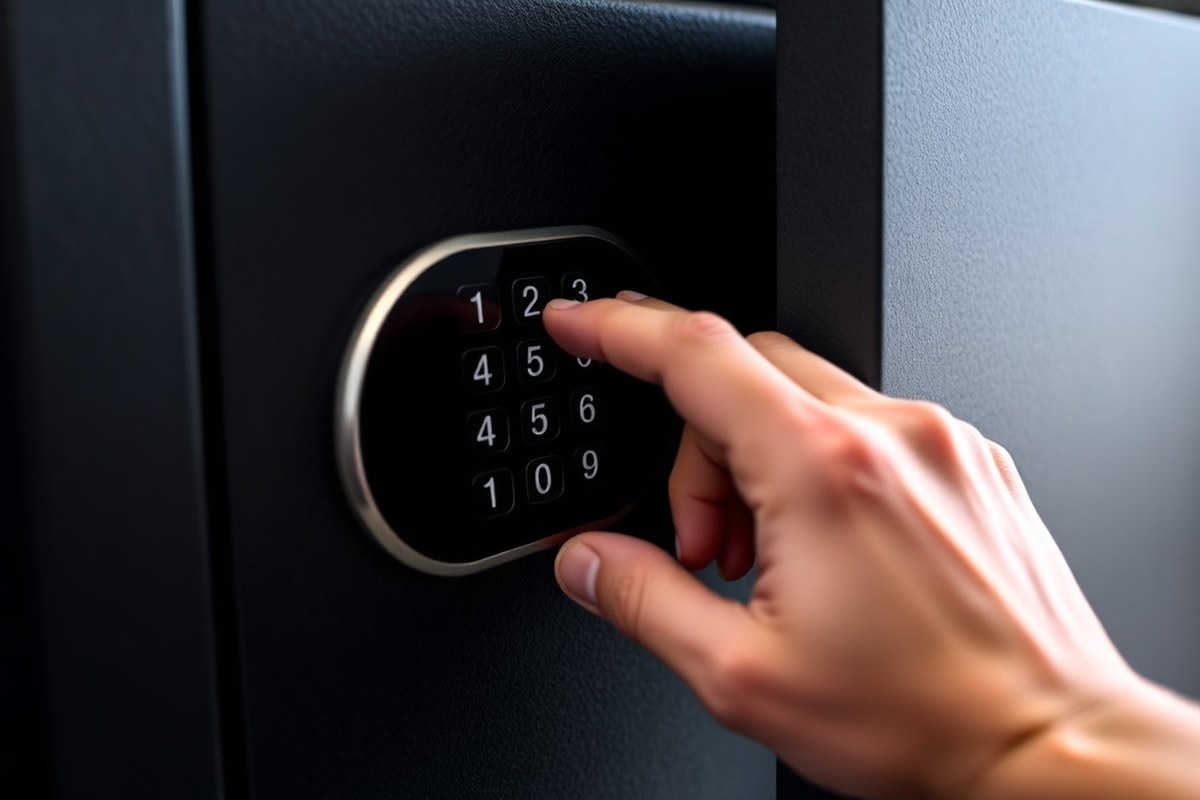
Programming your gun safe ensures you control who gains access to your firearms. Both digital keypad and biometric safes need you to first open the safe with the current code or an override key to reach the programming panel. This step is essential as it activates the safe’s internal programming mode where you can add or change access credentials. Confirming new codes or fingerprints properly is critical to avoid being locked out later.
For keypad safes, setting a strong master code protects against unauthorized entry while allowing you to program additional user codes. Biometric safes require enrolling fingerprints by pressing a hidden program button and scanning fingers multiple times until a confirmation signal is received. The specific location and method vary by manufacturer, so double-check your model’s instructions. Follow the steps below to program your safe correctly and verify successful programming.
- Open the Safe: Use your current access code or override key to get the door. This grants physical access and lets you reach the internal programming controls typically located on the inside of the door or near the battery compartment.
- Enter Programming Mode: Press the programming button, which might be labeled or concealed under a cover. On some models, you’ll press a sequence on the keypad such as the master code followed by a special key. Keep the door open during this stage to avoid the safe locking automatically.
- Set or Change the Master Code: Enter your new master code by typing it on the keypad according to the safe’s directions. For biometric safes, this step might involve pressing a setup button and creating a numeric backup code.
- Program User Codes (for Keypad Safes): After setting the master code, create user codes for trusted individuals by entering each code followed by pressing a confirm button. Repeat this for every additional user, noting that most safes allow multiple codes.
- Enroll Fingerprints (for Biometric Safes): Begin by pressing the program button located inside the safe, then repeatedly place the same finger on the scanner two or three times until you hear a beep or see a flash confirming the fingerprint has been saved. You can usually add more fingerprints without erasing those already stored, but keep in mind the safe’s memory capacity may limit how many can be stored.
- Test New Access Credentials: Close the safe door and test unlocking using your new master code, user codes, or fingerprints multiple times. Confirm consistent recognition and easy access before relying on the new settings.
- Secure Documentation: Record the new codes and enrollment details in a secure location away from the safe to prevent lockout. Changing codes every six months is recommended to maintain security but keep track of changes carefully.
Programming takes only a few minutes once you know the exact programming button location and follow your safe’s instructions precisely. Errors during this process can lock you out or compromise security, so patience and careful confirmation are key. Regularly updating codes and fingerprints keeps your safe access secure while meeting your immediate need for quick firearm retrieval in emergencies.
Preparing to Program: Tools, Safety, and Access

Before programming your gun safe, gather all necessary tools like the override key, your current code, a flashlight, and the manufacturer’s manual or instructions. Having these items on hand helps you avoid interruptions and ensures you can follow the exact steps for your model. The override key is particularly critical if you forget the code, as it allows you to open the safe without damaging it or calling a locksmith.
Opening the safe is essential to access the programming features. Use your current code or the override key to open the door fully. Most safes require the door to remain open during programming because the internal reset lever or programming button is located inside the door panel. Attempting to program with the door closed will usually fail.
- Gather override key, current code, flashlight, and safe manual
- Fully open safe door before programming
- Locate the reset lever or programming button inside door panel
- Keep the safe door open throughout the programming process
- Ensure you have a stable surface and enough light for visibility
- Test the safe’s lock mechanism before programming to confirm it opens smoothly
Safety is a priority when programming your safe. Keep the safe door fully open to avoid locking yourself out during setup. Confirm the safe’s locking bolts retract correctly before closing the door after programming. Keep your master code confidential and change it periodically to prevent unauthorized access. Losing both your code and the override key usually requires professional help to open your safe safely.
Test your new code several times with the door open to confirm it works reliably before closing the safe for the first time.
Forgetting your code but having the override key means you can insert the key and turn it gently to open the door. Without an override key, find your safe’s model and manufacturer, then reach out to their customer service for reset options or authorized locksmith contacts. Avoid forced entry attempts, as this can damage the safe and void warranties.
Locating Programming Buttons and Reset Levers on Different Safes
Programming buttons and reset levers vary depending on the gun safe brand and model, but they typically reside inside the door near the hinge or battery compartment. These controls are essential for changing or setting your safe’s access code and must be operated correctly to avoid programming errors.
Common Programming Button Locations by Brand
Most gun safes have a small button inside the door labeled PROGRAM, SET, Learn/Mute, or reset. Hornady safes usually feature a PROGRAM button near the battery compartment, while GunVault models commonly have a Learn/Mute button that serves a different function. Pressing the wrong button can cause programming failures, so knowing the label and location is important.
These buttons are found close to the lock mechanism or battery housing, sometimes under a small removable brass cap. After unlocking the safe with your existing code or override key, open the door panel and look carefully around the inner walls or hinge side. The button may require a firm press or to be held down until a beep or light indicator appears, signaling the safe is ready to accept a new code.
Using the Reset Lever: Step-by-Step
The reset lever is another common control found inside most gun safes. Usually located near the door hinge or behind a small cover inside the door panel, this lever must be moved to enter programming mode. Flipping or sliding it to the reset position prepares the safe to accept a new combination. After entering the new code, returning the lever to its original position saves the change and exits the reset mode. Here is a general outline of the reset lever process, which applies to many models:
| Step | Action |
|---|---|
| Locate | Find reset lever near hinge or behind small panel inside the door |
| Engage | Flip, press, or slide lever to the reset position to start programming mode |
| Finalize | Return lever to original position to save new code and exit reset mode |
Following these steps carefully is critical. If the lever is not returned properly to its original place, the safe may fail to register the new code, locking you out or creating a security risk.
Special Cases: Hidden or Protected Controls
Some safes hide their programming button under a brass security cap, which requires gentle removal using a small tool or fingernail to access. This design helps prevent accidental presses or tampering. Checking your safe’s manual is important since these controls might be concealed or differ in labeling.
Safes with biometric options may require pressing the program button multiple times or following specific prompts to enroll fingerprints. Others automatically accept new entries until memory is full. The exact procedure often depends on the brand and model, meaning there is no universal control location or method for every gun safe.
Troubleshooting Common Programming Mistakes
Programming a gun safe often gets stuck due to simple but important errors that stop enrollment or binding of new codes or fingerprints. Many times, the lock’s low battery triggers programming failure, so replace batteries or recharge it before starting. Also, if the safe is not opened and reset properly, its electronics may refuse new user code enrollment. Follow the manufacturer’s specific steps exactly to avoid these hang-ups.
Another common mistake is rushing through the code or fingerprint registration. Codes or biometrics that aren’t entered fully or correctly will not register, meaning your new access method won’t work. After programming, always test your new code or biometric input multiple times before locking the safe to confirm it’s saved and recognized consistently.
Locking yourself out after reprogramming happens when the new code is lost, typed incorrectly, or fails to save. Avoid this by securely storing your current and new combinations separate from the safe. For electronic locks, keep extra batteries handy. You can also program multiple user codes if your safe supports it, giving you backup access for emergencies.
- Replace or recharge batteries before programming.
- Open the safe fully and follow factory reset steps carefully.
- Enter codes or biometrics slowly, confirming each step.
- Test new codes several times before locking the safe.
- Store backup access codes separately from the safe.
- Use multiple user codes when supported for backup access.
- Keep detailed manufacturer instructions accessible for reference.
If your code or fingerprint does not register, clear the attempt and start over, pressing each button firmly and evenly or placing your finger carefully to cover the sensor fully. For biometric safes, clean the scanner with a soft cloth, as dirt or moisture may cause reading failures. Avoid programming near metal objects or strong magnetic fields, which can interfere with electronic signals.
Following these precautions avoids the risk of programming errors and increases the chance your gun safe will accept and remember your new access information immediately. Taking time, double-checking steps, and storing your codes outside the safe help prevent lockouts and ensure secure, repeated use without problems.
Programming Multiple Users and Managing Access Codes
Most gun safes allow programming multiple user codes or fingerprints to give trusted people access. Managing these correctly helps you control who opens the safe while keeping it secure. Knowing how to add, test, and delete codes or fingerprints ensures smooth access for authorized users without compromising safety.
Adding Extra User Codes on Keypad Safes
Many keypad safes let you program several user codes alongside the master code. This feature gives designated family members or trusted individuals their own unique code. To add these codes, the safe generally needs to be unlocked and you must enter the master code first. Follow these steps to add an extra user code:
- Get the safe using the master code.
- Locate the programming button inside the door or on the keypad panel.
- Press the programming button once; you may hear a beep indicating programming mode.
- Enter the master code again to confirm.
- Input the new user code you want to add, typically 4 to 8 digits long.
- Press the “Enter” or “#” key to save the new code.
- Test the new user code by locking and unlocking the safe using it.
Keep a written record of all user codes in a secure location to track who has access.
Enrolling Multiple Fingerprints on Biometric Safes
Biometric gun safes accept multiple fingerprint profiles, commonly allowing 10 or more users depending on the model. Each fingerprint is unique, which helps prevent unauthorized access. You don’t have to remove existing fingerprints to add new ones, but you must follow the programming steps precisely. Typically, enrollment works this way:
- Open the safe door with your master fingerprint or code.
- Press the enrollment button found inside the safe’s door panel.
- Scan the primary authorized fingerprint to verify master access.
- Place the new finger you want to enroll on the scanner multiple times as prompted.
- Wait for confirmation beeps indicating successful enrollment.
- Repeat the process to add more fingerprints as needed.
- Test each fingerprint by locking and unlocking the safe with them individually.
Enroll only trusted fingerprints to reduce the risk of accidental or unauthorized openings.
Deleting or Managing Old Codes/Fingerprints
Old user codes and fingerprints should be deleted promptly when access is no longer needed, such as when a user no longer requires entry or if a code is compromised. Removing outdated data maintains your safe’s security and prevents unauthorized use. Most safes use a master code or fingerprint to delete stored users:
- Open the safe door using the master code or authorized fingerprint.
- Press the programming or reset button inside the door.
- Enter the master code or scan the master fingerprint if requested.
- Select the option to delete user codes or fingerprints, this process varies by model, but usually involves entering the code or scanning the fingerprint to remove.
- Confirm deletion by pressing the “Enter” or “#” key, or scanning the fingerprint again.
- Repeat for each user code or fingerprint you want to remove.
- Test remaining codes or fingerprints to ensure only valid users can still access the safe.
Never share your master code or master fingerprint details; these control the ability to add or delete users.
When and How to Reset Your Gun Safe Combination
Resetting your gun safe combination becomes necessary if you forget your code or want to boost your safe’s security. Changing the combination prevents unauthorized access and ensures you are the only one who can open it. Different methods exist depending on whether your safe uses an electronic keypad or a mechanical dial lock.
For electronic locks, resetting the combination is usually straightforward. These locks offer at least 10,000 possible combinations made up of three or more numbers, letters, or symbols, offering good security when periodically changed. Mechanical locks require a slightly more involved process, often needing a special reset tool or specific dial sequences detailed in your safe’s manual. Follow these steps to reset your gun safe combination:
- Locate the reset button or lever inside the safe. Open the safe door with the existing code or key. Most electronic safes have a reset button on the inside edge of the door or near the lock mechanism. Mechanical safes may call for a reset tool or dial procedure.
- Press and hold the reset button (for electronic locks). Hold it until you hear a beep or see the keypad light flash, indicating programming mode is active. If your lock is mechanical, perform the dial turning steps as per your manual.
- Enter your new code carefully. Choose a combination that is easy for you to remember but hard to guess. For electronic locks, input your desired code (usually 3 to 6 digits). With mechanical locks, turn the dial to the new combination positions according to manufacturer instructions.
- Confirm the new code. Electronic locks often require re-entering the code to confirm. Mechanical locks may require turning the dial back to the home position.
- Test the new combination multiple times. Close the door and lock it. Then unlock it using your new code to ensure it operates smoothly before relying on it.
- Record and store your new combination securely. Never write it on the safe exterior. Instead, use a secure location or trusted digital password manager.
- Contact customer support if you cannot reset your master code. They can provide guidance or authorized reset options. Avoid forced entry methods that could damage your safe or void the warranty.
Resetting usually takes just a few minutes and no extra cost unless you lose the master code and need professional assistance. Regularly resetting your combination every six to twelve months, or immediately after suspected unauthorized access, keeps your safe more secure. Be cautious not to forget your new code, document it securely, to avoid lockout risks.
Differences Between Biometric and Keypad Gun Safe Programming
Biometric and keypad gun safes differ significantly in programming complexity, security features, and user experiences. Biometric safes use unique fingerprints for unlocking, making them harder to breach but sometimes trickier to program. Keypad safes rely on numeric codes, which are simpler to set but may be less secure against guessing or hacking.
Programming Steps for Keypad vs Biometric Safes
Programming a keypad safe usually involves entering a factory-set code, pressing a programming button inside the safe, then inputting a new 4 to 8-digit code. This process is straightforward and well-suited for most users. You typically need to open the safe first to access the programming button, which is often inside the door or near the locking mechanism.
Biometric safes require fingerprint enrollment, which involves scanning one or more fingerprints multiple times for accuracy. You start by opening the safe, pressing the program button, and placing your finger on the sensor repeatedly until the safe confirms enrollment. Most biometric models allow you to register several fingerprints for multiple authorized users. This process can take longer, around 1 to 3 minutes, and demands clean, dry fingers for the sensor to work correctly.
Security and Reliability Differences
Biometric safes offer higher security because fingerprints are unique and difficult to duplicate, making unauthorized access less likely. They eliminate the risk of someone guessing a numeric code. However, biometrics depend on sensor quality and environmental conditions such as dirt or moisture, which can affect recognition reliability.
Keypad safes depend entirely on the strength of the code chosen. Avoid obvious codes like birthdays or anniversaries to reduce the chance of hacking. Codes can sometimes be compromised if someone observes you entering them or if the keypad wears down on frequently used numbers. On the upside, keypad safes are less prone to errors caused by physical conditions affecting the user’s fingerprints.
| Feature | Keypad Safe | Biometric Safe |
|---|---|---|
| Programming Time | Under 1 minute | 1-3 minutes |
| User Inputs | Numeric code (4-8 digits) | Fingerprint scans |
| Security | Dependent on code strength | Unique biometric data |
| Access for Multiple Users | Multiple codes programmed | Multiple fingerprints registered |
| Fail-Safe Methods | Override key | Override key or backup code |
| Environmental Sensitivity | Low | Moderate (moisture, dirt) |
Choosing between biometric and keypad programming depends on the balance you want between ease and security. Biometric safes generally provide higher protection but require more patience and care during programming and use.
Common User Issues with Each Safe Type
Users often forget their keypad codes or choose predictable combinations, weakening security. Another issue is failing to change the factory-set code immediately. Some keypad safes also experience keypad wear that reveals common digits.
Biometric safe users face sensor recognition problems when fingers are wet, dirty, or injured. Poor fingerprint enrollment can also lead to access failures. Many users struggle with registering multiple fingerprints correctly, which takes practice and patience during programming.
Both safe types may require manual overrides when programming errors occur or batteries run out. Keeping backup keys and following manufacturer instructions closely avoids lockouts and protects your firearms effectively.
Best Practices to Maintain and Secure Your Gun Safe Codes
You should store your gun safe codes in a secure and discreet place, away from unauthorized eyes. Writing the code on a sticky note and leaving it on or near the safe defeats the purpose of the lock. Instead, use a secure password manager app on your phone or keep a physical copy in a locked drawer or a separate safe. This limits the risk of code exposure while ensuring you won’t lose access.
Test your new code soon after programming it and periodically afterward to confirm it works smoothly. This prevents lockouts caused by mistyped or partially saved combinations. Testing involves entering the code to open and close the safe door at least twice. If your safe uses batteries, check them before testing, since low power can cause failed attempts even with the correct code.
Battery maintenance is essential for keypad and electronic gun safes. Most safes use standard AA or 9V batteries, which should be replaced annually or after about 12 months of use. Keep spare batteries on hand to avoid lockout emergencies. Low batteries often trigger warning indicators such as blinking lights or beeps. Using quality alkaline batteries and avoiding rechargeable types unless specifically allowed by the manufacturer helps maintain consistent power.
Changing your safe’s code every six months helps protect against unauthorized access due to code leaks or forgotten shared users. Also, update codes after any event where someone else might have learned it, like lending the code temporarily or after a move. Set a reminder on your calendar or use a task app to avoid forgetting this important security step.
- Store codes in secure apps or locked physical locations, avoiding obvious places.
- Test new or changed codes by entering them twice before closing the safe.
- Replace batteries yearly or at the first sign of low power warnings.
- Keep spare batteries compatible with your safe model on hand.
- Change codes every six months or immediately after potential exposure.
- Record code changes and dates in your secure notes to track updates.
- Avoid shared or written copies accessible by multiple people unless trusted.
Never share your safe’s code over unsecured communication channels or write it where guests or visitors can find it.
Maintaining updated codes and reliable power sources minimizes the risk of lock failures and potential theft. Prioritize regular checks to stay confident in your safe’s effectiveness. Overlooking these steps often leads to delays opening the safe or weakened security protection. Taking these actions requires little time but improves your gun safe’s reliability and your peace of mind significantly.
Step-by-Step Action Plan for Programming Your Gun Safe
Follow this plan to program or reprogram your gun safe lock confidently and verify that your changes have taken effect.
- Before you start: Gather required tools like your safe’s manual, fresh batteries, and a flashlight. Confirm you have current access codes or keys to open the safe.
- Day 1: Open the safe and locate the programming button or reset lever inside. Test the existing code to ensure the lock operates.
- Day 1: Enter programming mode following the manufacturer’s instructions, usually by pressing and holding the programming button until a light or beep signals readiness.
- Day 1: Input your new code or register fingerprints as directed. Confirm success by testing the new code or biometric entry before closing the door.
- Day 2: Test the new access method multiple times throughout the day to ensure consistency and reliability in locking and unlocking.
- Week 1: Program additional user codes or fingerprints if needed. Verify each user’s access works without issues.
- After 2 weeks: Change your codes periodically and replace batteries to maintain security and prevent lockout.
Frequently Asked Questions
How Do I Reset My Gun Safe If I Lose the Override Key?
Contact the manufacturer or a licensed locksmith for safe key replacement or lock reset services. Avoid attempting forced entry as it risks damaging the safe and contents.
Can I Program Multiple User Codes on My Gun Safe?
Many electronic gun safes allow programming several user codes for multiple authorized users. Check your model’s manual for the maximum number and programming procedure.
What Is the Difference Between Programming a Biometric and Keypad Gun Safe?
Biometric safes require fingerprint enrollment via a program button, while keypad safes use code entry and reset buttons. Each method involves unique steps per manufacturer instructions.
How Often Should I Change My Gun Safe Code?
Change your gun safe code periodically to maintain security, especially after sharing access or suspecting compromise. There is no strict timeline, but yearly updates are common practice.
What Do I Do If My Gun Safe Keypad Stops Responding?
Replace the keypad batteries and check for loose internal connections. Consult the manual for troubleshooting tips or contact customer support if problems persist.
How Do I Find the Factory Default Code for My Gun Safe?
The initial code set by the manufacturer is often found on a sticker inside the safe door or printed in the user guide, typically “0000” or “1234” for Stack-On safes. Look at the manual or label specific to your model for this information.
Key Points to Remember
Programming your gun safe lock correctly strengthens your home security and ease of access. Take the time to carefully follow your model’s steps for code or fingerprint setup and verify each change immediately. Start by opening your safe and locating the programming button today to gain full control over your gun safe’s access. Safe handling of your firearms begins with secure and confident lock management.