What Is a Glock 17? A Complete Guide to Specs, Uses, and Models
What is a Glock 17? It is a full-sized, 9x19mm semi-automatic handgun known for its slim 1.26-inch grip and 4.49-inch barrel length. The Glock 17 combines ease of handling with reliable performance, making it a popular choice for law enforcement and civilian use worldwide. Start by focusing on its operational reliability and practical accuracy, which have set the standard in its category for decades.
Key Takeaways
- The Glock 17 features a 4.49-inch barrel and a slim grip measuring 1.26 inches for comfortable handling.
- Its parts share about 50% commonality with other Glock models, but major assemblies do not interchange.
- The overall slide length is 7.32 inches, and it weighs 22.05 ounces unloaded.
- Chambered exclusively in 9x19mm, the Glock 17 offers consistent performance and accuracy for practical use.
- Law enforcement agencies globally choose the Glock 17 for its high operational reliability under demanding conditions.
- After many years, the Glock 17 remains a benchmark full-sized pistol against which others are measured.
What Is a Glock 17 and Why Is It Popular?
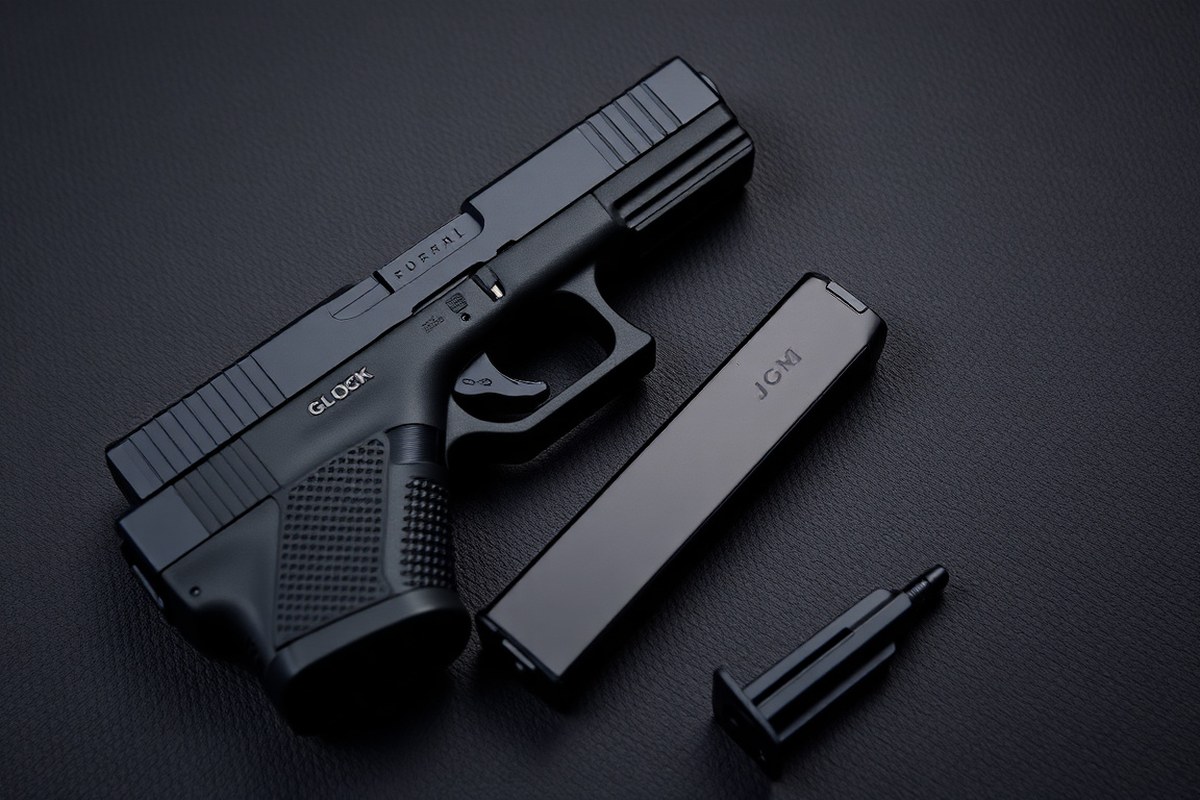
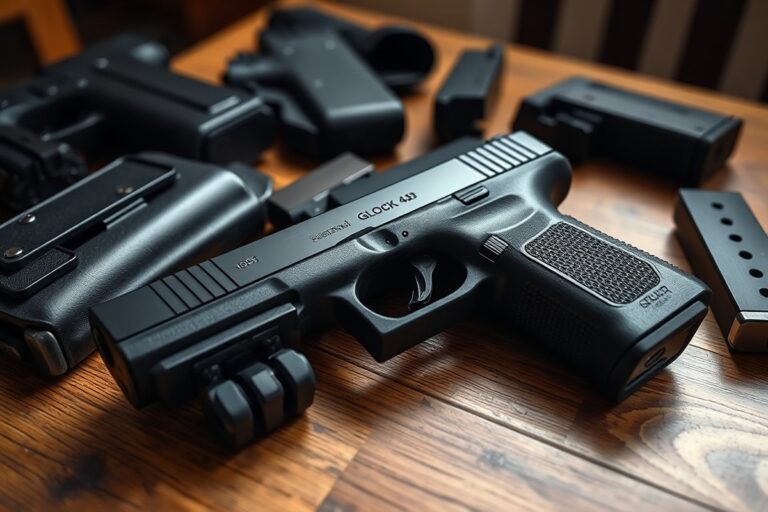
The Glock 17 is a full-sized, semi-automatic handgun designed primarily for military, law enforcement, and civilian use. Introduced in the early 1980s by Austrian manufacturer Gaston Glock, it was one of the first handguns to combine a polymer frame with a striker-fired mechanism. This design marked a significant departure from traditional steel-framed pistols.
This handgun is chambered in 9mm and features a double-stack magazine that holds 17 rounds as its standard capacity. Despite being full-sized, the Glock 17 offers a slim grip measuring about 1.26 inches, which improves handling compared to many other full-sized handguns. Its design is utilitarian and boxy, lacking manual safeties and unnecessary controls, which makes it simple and intuitive to operate.
The Glock 17’s popularity stems from its reputation for reliability, ease of maintenance, and adaptability. Law enforcement agencies around the world chose it because it rarely jams or malfunctions under rigorous use, qualities that are critical when lives depend on a firearm’s performance. Glock’s simple mechanism uses a short recoil operation system that has proven effective over decades, maintaining consistent performance without complicated parts that might fail.
This handgun also sets itself apart through its lightweight polymer frame, which reduces overall weight while retaining durability. The polymer construction contributes to the Glock 17’s resistance to corrosion and wear, which saves users time and money on maintenance. Its capacity to function reliably in adverse conditions, from extreme temperatures to wet environments, adds to its appeal.
Another factor in the Glock 17’s ongoing relevance is its modular design, which supports a wide range of aftermarket parts and accessories. This flexibility allows users to customize grips, sights, and triggers according to specific needs, whether for duty use, competitive shooting, or personal defense. The large availability of parts and accessories also helps keep long-term costs manageable.
Cost-wise, new Glock 17 pistols typically range between $500 and $650 depending on the seller and included features. For many buyers, this represents good value given the handgun’s track record for durability and performance. That said, because the Glock 17 lacks manual safeties, it requires responsible handling and training to minimize accidental discharges, especially for new users.
In summary, the Glock 17 remains widely recognized and used due to its innovative polymer design, high capacity, proven reliability, and straightforward operation. These qualities have made it a benchmark in modern handgun design, favored by professionals and enthusiasts who value function and dependability over flashy features.
Key Specifications and Physical Features of the Glock 17
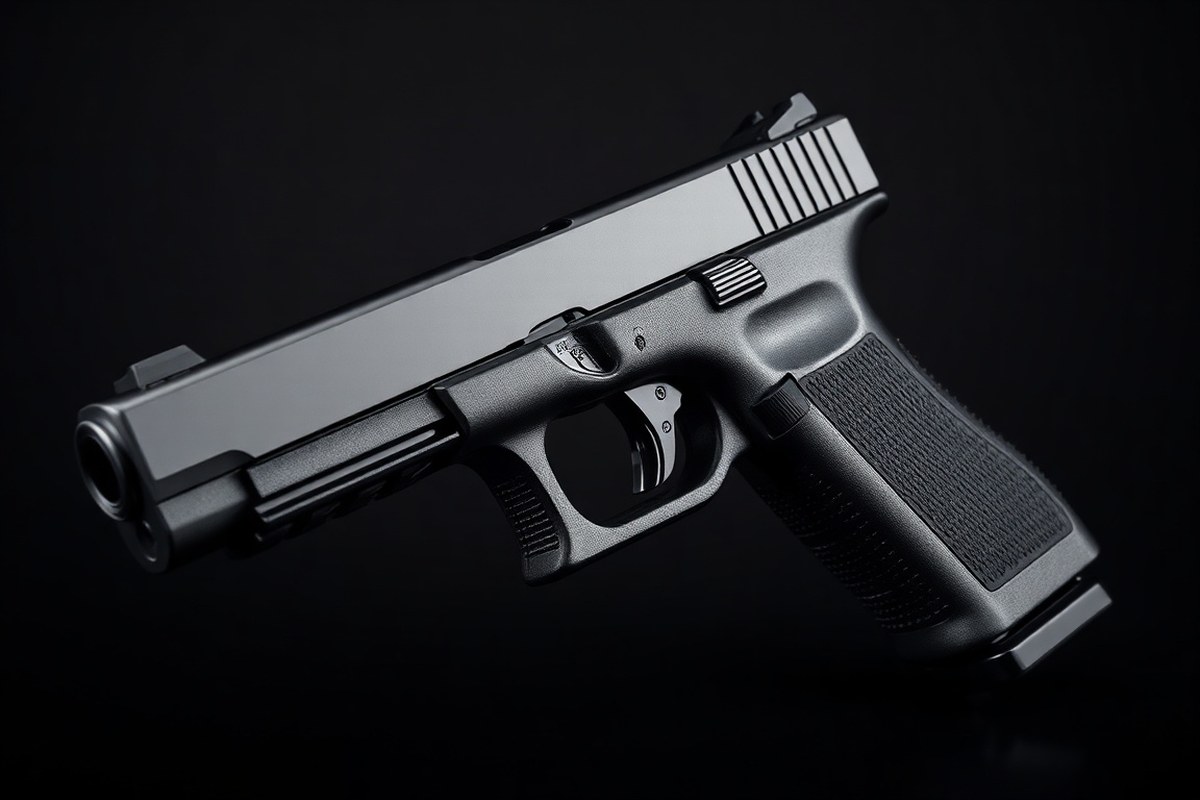
The Glock 17 is a full-size 9mm handgun well-known for balancing size, capacity, and weight. Its dimensions and weight support both comfortable handling and effective recoil management, making it a practical choice for duty use or personal defence.
This model fires the 9×19mm Parabellum cartridge with a standard magazine capacity of 17 rounds. The magazine capacity and caliber affect how long you can shoot before reloading and the potential stopping power, which is why 17-round capacity is valuable for law enforcement and enthusiasts who prioritize readiness and firepower.
| Specification | Detail |
|---|---|
| Caliber | 9mm Parabellum (9×19) |
| Magazine Capacity | 17 rounds (2 magazines included) |
| Action Type | Striker-fired |
| Trigger Pull Weight | 6.29 lbs |
| Overall Length | 8.03 inches |
| Height | 5.47 inches |
| Width | 1.26 inches |
| Barrel Length | 4.49 inches |
| Weight (empty magazine) | 22.05 ounces |
The Glock 17 frame is primarily made from durable polymer, with an alloy steel slide and rear serrations for better grip when racking the slide. Its ergonomic features include a textured grip and finger grooves that aid in controlling recoil and improving handling comfort. The trigger features Glock’s Safe Action System, combining trigger, firing pin, and drop safeties without an external manual safety, promoting rapid, secure firing.
Handling the Glock 17 involves training to adapt to its trigger pull weight of around 6.29 pounds, which prevents accidental discharges but requires consistent practice for accuracy. The pistol’s height and grip thickness suit a wide range of hand sizes, providing a firm hold that helps manage recoil effectively during rapid fire.
Practice with empty magazines to get used to the Glock 17’s trigger pull and grip feel before live shooting to improve accuracy and safety.
How Has the Glock 17 Evolved Across Generations?
The Glock 17 has evolved through five generations, each adding key features that improve ergonomics, recoil management, and customization options. These changes affect handling, accuracy, and user comfort, shaping which model suits a new buyer best. Understanding the generational differences helps you pick the right Glock 17 based on your preferences and shooting needs.
Generation 1 to 3: Early Design and Reliability
The first generation Glock 17, used from 1982 to 1988, featured a basic frame with no checkered grip pattern. It focused on reliability and simplicity, which established Glock’s reputation for durability. The Gen 2 introduced grip texturing but was not formally marked as such; it also upgraded the recoil spring to an integrated assembly in 1991, replacing the original two-piece design. Generation 3 continued these improvements and added accessory rails to support lights and lasers, meeting growing law enforcement demands.
These early generations prioritized ruggedness and straightforward function, making them highly reliable workhorses. However, grip comfort and recoil control remained basic compared to later versions, which matters if you plan long shooting sessions or need quick follow-up shots.
Generation 4: Grip Texture and Recoil Assembly
The fourth generation, officially announced in 2010, made significant ergonomic upgrades. Glock introduced a modular backstrap system, allowing users to adjust grip size based on hand dimensions. The grip texture was improve for better control, and the recoil spring assembly was updated to a dual-spring design, improving recoil absorption and durability.
This generation also introduced interchangeable backstraps, which help manage felt recoil and improve comfort. Gun owners with smaller hands benefited from a shorter frame option available since 2007, providing better grip reach without compromising capacity.
Generation 5: Modern Refinements and MOS Options
The Gen 5 Glock 17, presented in 2017, offered several refinements focused on performance and modularity. It removed finger grooves on the grip to allow easier aftermarket customization and introduced a flared magazine well to speed up reloads. The trigger pull weight was softened for smoother operation, improving accuracy and follow-up shots.
Also, the Gen 5 includes slide cuts compatible with the Modular Optic System (MOS), allowing users to mount red dot sights without gunsmithing. This caters to tactical shooters and law enforcement who want optics-ready pistols out of the box. This generation is generally best suited for new buyers because it combines modern features with proven reliability.
| Feature | Gen 1-3 | Gen 4 | Gen 5 |
|---|---|---|---|
| Grip texture | Smooth or basic; no checkering (Gen 1) | Improve with modular backstraps | No finger grooves; rough texture for customization |
| Recoil spring | Two-piece (Gen 1); integrated (Gen 2) | Dual recoil spring assembly | Similar to Gen 4 with minor refinements |
| Accessory rail | Added in Gen 3 | Standard rail continued | Not universal rail but MOS slide cuts available |
| Magazine well | Standard | Standard | Flared for faster reloads |
| Grip size adjustment | None | Interchangeable backstraps | Interchangeable backstraps, no finger grooves |
| Trigger pull | Standard factory pull | Standard factory pull | Softer pull for better control |
Choosing between generations depends on your priorities. The Gen 1-3 models deliver classic reliability, but lack ergonomic benefits. Gen 4 improves handling and recoil management with adjustable grips and dual springs, useful for shooters seeking comfort and lower recoil. Gen 5 is ideal for new buyers wanting modern features like MOS compatibility and smoother triggers without sacrificing durability. You can find Gen 5 models with factory options such as threaded barrels or optics-ready slides, expanding versatility for home defense or competition use.
Operating Mechanism and How the Glock 17 Works
The Glock 17 operates using a striker-fired mechanism known as the “Safe Action” system. This system does away with an external manual safety lever found on many traditional handguns, relying instead on a combination of internal safeties designed to prevent accidental discharge. The striker, or firing pin, is partially pre-cocked by the slide’s movement as the pistol cycles a round. When you pull the trigger, you complete the cocking of the striker and release it to hit the primer of the cartridge, firing the gun.
The trigger incorporates an integrated safety lever located within the trigger shoe itself. This small inner lever must be fully depressed simultaneously with the main trigger to allow the gun to fire. It prevents the trigger from moving rearward if it is accidentally bumped or snagged by clothing, improving user safety without adding complexity to the operation.
Inside the Glock 17, there are three independent internal safeties that disengage only when the trigger is pulled. The first is the trigger safety described above. The second, known as the firing pin safety, blocks the striker from moving forward unless the trigger is pulled back completely. The third is the drop safety, which prevents the striker from releasing if the pistol is dropped or jarred, ensuring that the weapon will not fire without deliberate trigger action.
This system provides a consistent trigger pull on every shot, typically weighing about 28 newtons or just over 6 pounds of force. This is a common trigger weight for striker-fired pistols, balancing between ease of use and safety. The absence of an external manual safety lever allows faster readiness under stress while reducing the risk of accidental discharges often associated with disengaging mechanical safeties.
The firing cycle begins with the slide moving backward as the gun recoils from firing. This action extracts and ejects the spent cartridge while simultaneously cocking the striker and chambering a new round as the slide returns forward under spring pressure. The striker is partially cocked by this process, so the trigger pull completes the cocking and releases the firing pin in a single smooth motion.
Some versions of the Glock 17, such as those requested by certain American law enforcement agencies, feature a modified trigger module with a two-stage pull that increases trigger weight. The NY1 (New York) trigger module includes a flat spring designed to replace the standard coil spring. This offers a different trigger feel for shooters seeking a heavier or more controlled pull without altering the proven safety system below.
Introduced in 2003, Glock provides an Internal Locking System as an optional feature, activated by hand at the rear of the pistol grip. This mechanism lets you lock the firearm manually, providing added security during storage or transport beyond the built-in Safe Action safeties.
Main Glock 17 Variants and Their Differences
The Glock 17 comes in several main variants, each offering different features to fit various shooting needs. The standard Glock 17 and its Gen 5 version provide a reliable baseline. The Glock 17L variant features a longer slide and barrel for improve accuracy, while the 17MB adds ambidextrous controls. The Modular Optic System (MOS) model allows for easy mounting of optics directly on the slide, making it ideal for tactical or competition applications.
Standard Glock 17 and Gen 5
The standard Glock 17 is a full-sized 9mm handgun widely used by law enforcement and civilians. It typically holds 17 rounds in the magazine and features a polymer frame with a simple, durable design. The Gen 5 version updates this classic by removing the finger grooves on the grip, adding an ambidextrous slide lock, and rounding the slide’s nose profile. It also introduces a flared magazine well for faster reloads and a tougher finish on metal parts.
The Gen 5’s reversible magazine catch makes it easier for left-handed shooters or those who prefer ambidextrous controls. These improvements aim to increase comfort and functionality without changing the pistol’s core reliability or ergonomics significantly.
Glock 17L, Long Slide Version
Introduced in 1988, the Glock 17L extends the slide and barrel compared to the standard model. The longer slide provides a longer sight radius, adding to aiming accuracy, an advantage for competition shooters or precision training. This model maintains compatibility with all standard Glock 17 magazines, ensuring consistent ammunition capacity.
The longer barrel also typically results in slightly higher muzzle velocity, benefiting accuracy and terminal performance. However, the increased length adds weight and reduces concealability, making the 17L less suitable for everyday carry or duty use where compactness matters.
Glock 17MB and MOS Models
The Glock 17MB variant includes an ambidextrous magazine catch, useful for shooters who need quick magazine changes using either hand. Though the MB models phased out with the introduction of the Gen 4 reversible magazine catch, they provided early ambidextrous features that are now standard on later models.
The Glock 17 MOS (Modular Optic System) is tailored for shooters wanting to add a reflex sight without modifying the slide. Standard MOS packages come with three 17-round magazines, a magazine loader, and tools to mount several types of optics plates. This setup helps you quickly attach or swap red dot sights specific to your shooting application.
| Model | Slide Length | Magazine Capacity | Unique Features | Intended Use |
|---|---|---|---|---|
| Standard Glock 17 | ~7.32 inches (standard) | 17 rounds | Durable, simple design | General duty, self-defense |
| Gen 5 Glock 17 | ~7.32 inches | 17 rounds | Ambidextrous slide lock, flared mag well, no finger grooves | Improved ergonomics and handling |
| Glock 17L | ~8.66 inches (long slide) | 17 rounds | Longer barrel and slide for precision | Competition, target shooting |
| Glock 17MB | ~7.32 inches | 17 rounds | Ambidextrous magazine catch | Ambidextrous handling |
| Glock 17 MOS | ~7.32 inches | 17 rounds | Optic mounting plate included | Tactical, competition optics |
All Glock 17 variants use the same 9mm ammunition and are compatible with standard Glock 17 magazines unless otherwise specified. Choosing the right model depends on your intended use, such as everyday carry, competition, or tactical deployment.
Tip: Replacing standard magazines with +2 baseplates can increase capacity by two rounds for 9mm Glock 17 models, improving your firepower without changing the pistol.
Ammunition, Magazine Capacity, and Performance Details
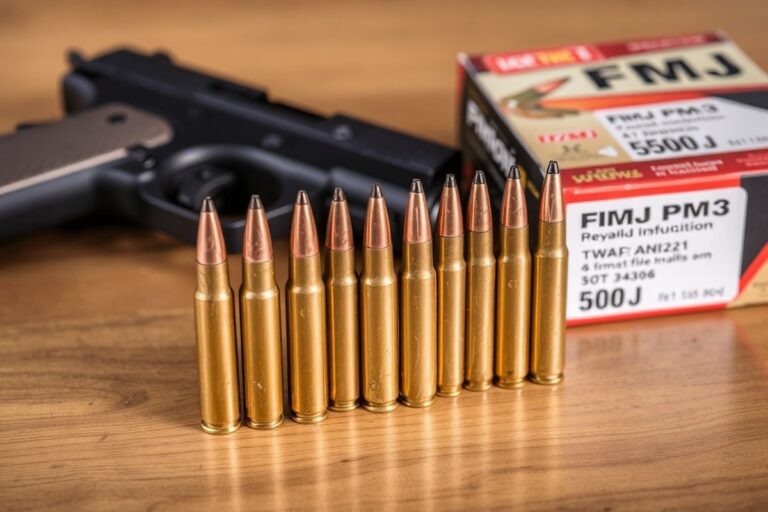
The Glock 17 uses the 9x19mm Parabellum cartridge, a widely trusted and effective caliber known for manageable recoil and reliable stopping power. This compatibility makes it suitable for self-defense, law enforcement, and competitive shooting. The pistol’s magazine capacity typically starts at 17 rounds, providing a strong balance between size and firepower. You can load 17 rounds in the factory standard magazine, plus one round in the chamber, giving you 18 rounds ready to fire without reloading.
For extended firepower, the Glock 17 accepts magazines ranging from 10 rounds up to 33 rounds. The 33-round magazine originally designed for the Glock 18 is compatible, providing additional ammunition without sacrificing grip ergonomics significantly. There are also factory 19- and 24-round extended magazines available, along with a 22-round option that fits flush with the pistol’s frame. Extended magazines with aftermarket base plates can add extra rounds beyond factory capacities, with some offering space for two additional rounds. This flexibility in magazine choice suits different situations, from concealed carry with lower-capacity magazines to competition shooting where capacity matters.
Performance-wise, the Glock 17 handles various brands and bullet types of 9mm ammunition well. Its reliable feeding system supports hollow points, full metal jackets, and even some +P rated rounds, though you should confirm ammunition compatibility with your specific Glock model and adhere to safety and maintenance recommendations. The consistent trigger pull and strong lock-up contribute to accurate shooting and quick follow-up shots. Recoil management is smooth enough to keep shots on target during rapid fire, which is important in both training and real-world applications.
Choosing the right magazine and ammunition should match your intended use. For everyday carry or duty use, a 17-round magazine loaded with quality hollow-point rounds may provide the best blend of reliability, concealability, and stopping power. For competitive shooting or extended range sessions, using higher capacity magazines and possibly lighter recoil ammunition can improve performance by reducing reload frequency and fatigue. Be mindful that extended magazines add bulk to the firearm, which might affect handling and concealability depending on your setup.
Choosing the Right Glock 17 Model for Your Needs
The best Glock 17 model depends on how you plan to use it. For concealed carry, a compact variant or specific modifications improve comfort and concealability. Law enforcement needs models with durability and capacity for duty use. Competition shooters look for custom features that boost accuracy and handling.
Considerations for Concealed Carry
The Glock 17 is a full-sized handgun with a barrel length around 4.49 inches and overall length about 8.03 inches. This size can print under clothing, so it may be less ideal for everyday concealment compared to smaller Glock models like the Glock 19 or Glock 26. However, some shooters prefer the Glock 17 for winter carry due to its higher magazine capacity and grip size that fits larger hands better.
If concealability is a priority but you still want a Glock 17, consider a slim holster and clothing designed for concealment. Installing night sights helps target acquisition in low light, a common condition during self-defense situations. Trigger upgrades and stippling on the grip can improve comfort and control for concealed carry users, but these require careful installation to maintain safety and reliability.
- Choose slim holsters with good retention
- Use night sights for low-light effectiveness
- Consider grip stippling or aftermarket grips for better hold
- Select lightweight carry belts to support the gun’s weight
- Wear clothing with looser fit or layering for concealment
- Practice draw speed regularly from your concealment setup
Concealed carriers should avoid oversized optics or accessories that increase the Glock 17’s profile. Careful gear choices and regular training with your specific setup lead to the best results balancing concealment with readiness.
Features Desirable for Duty Use
Law enforcement officers often prefer the Glock 17 or Glock 19 for their proven reliability, higher magazine capacity (17 rounds standard for G17), and rugged construction. The full-size Glock 17 offers a longer sight radius that can improve accuracy under stress. Strong polymer frames reduce weight over metal framed pistols, easing long wear times on duty.
Upgrades favored by professionals include tritium night sights, improve trigger components for a smoother pull, and extended magazines. Tactical lights mounted on accessory rails help with target identification in low-light situations. Some agencies specify specific generations or models, such as the Glock 17 Gen 4 or Gen 5, for their balance of ergonomic improvements and consistent performance.
- Equip with tritium night sights
- Use extended magazines for increased capacity
- Add tactical weapon lights for visibility
- Choose a Gen 4 or Gen 5 model for upgraded ergonomics
- Opt for durable holsters compatible with duty belts
- Maintain regular cleaning and inspections under department protocol
Glock 17 variants tailored for duty use blend reliability, ease of maintenance, and versatile ergonomics. Agencies and officers often balance these factors with budgets and training resources.
Options Favored by Recreational Shooters
Competitive shooters select Glock 17 variants with features improving precision and comfort during extended sessions. Modifications such as match-grade barrels, improved triggers, and slide cuts for reduced weight help improve shot grouping and reduce fatigue. Custom grips or stippling provide better control during rapid fire stages.
Aftermarket parts for the Glock 17 include carbine conversion kits, turning the pistol into a legal rifle-style firearm in some jurisdictions, improving stability and accuracy. Upgraded recoil springs and barrel bushing replacements can smooth cycling and reduce muzzle rise. Prices for these kits and parts typically range from $100 to $400 depending on features.
- Install match-grade barrel and trigger kits
- Use slide cuts to reduce weight and recoil
- Add stippling for improve grip texture
- Consider carbine conversion kits for stability
- Upgrade recoil springs to optimize cycling speed
- Practice frequent dry fire and live fire drills to improve handling
Choosing the right upgrades depends on specific competition rules and personal comfort preferences. Recreational shooters should balance cost with performance gains to get the most from their Glock 17.
Durability, Maintenance, and Reliability of the Glock 17
The Glock 17 is known for its outstanding durability and reliability, often firing more than 50,000 rounds with consistent performance when properly maintained. Its design simplicity, using only 34 component parts, contributes to fewer mechanical failures compared to more complex pistols. Regular and heavy use typically won’t cause major issues, provided you follow a routine cleaning and inspection schedule. Under normal conditions, the Glock 17 can last many years if you keep up with maintenance and replace worn parts in time.
To keep your Glock 17 reliable, clean the barrel, slide, and frame after every 300 to 500 rounds or at least every few months if you shoot less frequently. Use a quality gun solvent and lubricant recommended by Glock or similar gun care brands. Maintaining a clean recoil spring, extractor, and firing pin channel is important to avoid jams and misfires. Inspect parts visually and functionally each time you clean to spot cracks, excessive wear, or broken springs, especially the firing pin spring and trigger bar components.
Magazine care is equally important because the Glock 17 uses a double-stack design with magazines designed from a common platform, often interchangeable with other full-size models like the Glock 19 or Glock 34. Magazines usually hold up to 5,000 rounds if you avoid overloading them and clean the followers and springs regularly. Replacing magazines after signs of weakened springs or damaged feed lips will prevent feeding problems. A worn or bent magazine spring can cause failures to feed rounds correctly.
Common problems typically arise from neglecting maintenance or using improper cleaning materials. Avoid harsh solvents that damage polymer or metal finishes. Dry firing without snap caps or without following Glock’s guidelines risks damaging the firing pin and springs. One typical mistake is over-lubrication, which can attract dirt and cause malfunctions. Use only a light coat of lubricant on moving parts as instructed by Glock’s manual.
Parts lifespan varies with use and care. The recoil spring assembly often needs replacement after 5,000 to 7,000 rounds to maintain reliable cycling. Other parts, like the extractor and trigger components, can last longer but require regular inspection. Having spare parts handy, particularly recoil springs and magazines, allows you to maintain peak firearm performance and reduce downtime. For professional or law enforcement use, a tighter cleaning timeline of every few hundred rounds is advisable to ensure reliability under heavy-duty conditions.
Never dry fire your Glock 17 without using snap caps or following Glock’s guidelines, as this can damage the firing pin or springs, reducing reliability.
Getting Started with Your Glock 17: Quick-Start Action Plan
Follow this plan to confidently handle and maintain your Glock 17, ensuring it meets your personal or professional needs effectively.
- Day 1: Unbox and inspect your Glock 17 to confirm all parts are present and undamaged. You’ll know it worked if the pistol cycles smoothly without unusual resistance.
- Day 2: Practice the basic safety checks, including clearing the chamber and engaging the trigger safety. Confirm understanding by correctly demonstrating these steps.
- Week 1: Visit a shooting range to fire at least 50 rounds, focusing on grip, stance, and basic accuracy. You’ll see improvement if your groupings get tighter with each set.
- Week 2: Perform routine maintenance by cleaning the barrel and slide using the recommended products. Success is a clean, lubricated gun that functions without jamming.
- Week 3: Test reload speed and magazine changes under timed conditions. Improvement is shown by faster reloads while maintaining safety and control.
- Month 1: Evaluate which Glock 17 variant or accessory best suits your needs after practical shooting and handling experience. Your choice will feel natural and reliable in use.
- Ongoing: Schedule regular range sessions and cleaning every 200 to 500 rounds to maintain performance and reliability.
Frequently Asked Questions
What Year Was the Glock 17 First Introduced?
The Glock 17 was first introduced in 1982, marking the beginning of Glock’s rise in popular handgun models worldwide. It set the standard for many pistols that followed, especially in law enforcement and civilian use.
Does the Glock 17 Fit All Hand Sizes Comfortably?
The Glock 17’s slim grip, measuring 1.26 inches, generally fits most hand sizes comfortably despite being a full-sized handgun. This feature makes it easier to hold than many other pistols in the same category.
Are Glock 17 Magazines Interchangeable with Other Glock Models?
Glock 17 magazines interchange with several Glock models, but not all. While many small parts share close to 50% parts commonality across models, major assemblies and magazine compatibility vary by generation and model type.
Is the Glock 17 Used by Military Forces?
Yes, the Glock 17 is widely used by various military and law enforcement agencies worldwide due to its reliability, ease of maintenance, and performance in adverse conditions.
Can You Upgrade the Glock 17 Barrel?
Yes, you can upgrade the Glock 17 barrel with aftermarket options like Faxon’s fully machined barrels made from stress-relieved 4150 CMV steel or 416-R stainless steel. These are known for improved durability and accuracy.
How Heavy Is the Glock 17 Unloaded?
The unloaded weight of the Glock 17 is about 22 ounces, which balances well for a full-sized 9mm handgun, offering manageable recoil and control during shooting.
Before You Go
The Glock 17 remains a strong choice for many because of its balance of accuracy, durability, and ease of use. Once you’ve handled yours and practiced with it, you’ll better understand if it fits your requirements for duty, competition, or personal defense. Consider scheduling your first range visit soon to start building familiarity and confidence with your pistol.