What Is Caseless Ammo? A Complete Guide to Benefits, Challenges, and History
Caseless ammunition refers to a type of cartridge that integrates the bullet, primer, and propellant into a single unit, eliminating the traditional metal casing. This design reduces the weight of each round by up to 30%, making ammo lighter and simplifying the loading process in firearms. Guns that use caseless ammo need to be specifically engineered to handle its unique properties in a safe and effective manner.
Key Takeaways
- Caseless ammo cuts traditional cartridge weight by up to 30%, offering lighter gear and easier carry during extended use.
- It uses a solid propellant block that burns completely, freeing guns from ejecting spent cases after each shot.
- The nitrocellulose propellant ignites at around 170°C, making temperature control important to prevent accidental ignition.
- Because caseless rounds lack metal cases, they need protective coatings to resist moisture and weather damage.
- Firearms built for caseless ammo often feature electronic ignition systems, such as the Voere VEC-91 rifle.
- The German Heckler & Koch G11 rifle remains the most famous firearm designed specifically for caseless ammunition.
What Is Caseless Ammunition and How Does It Work?
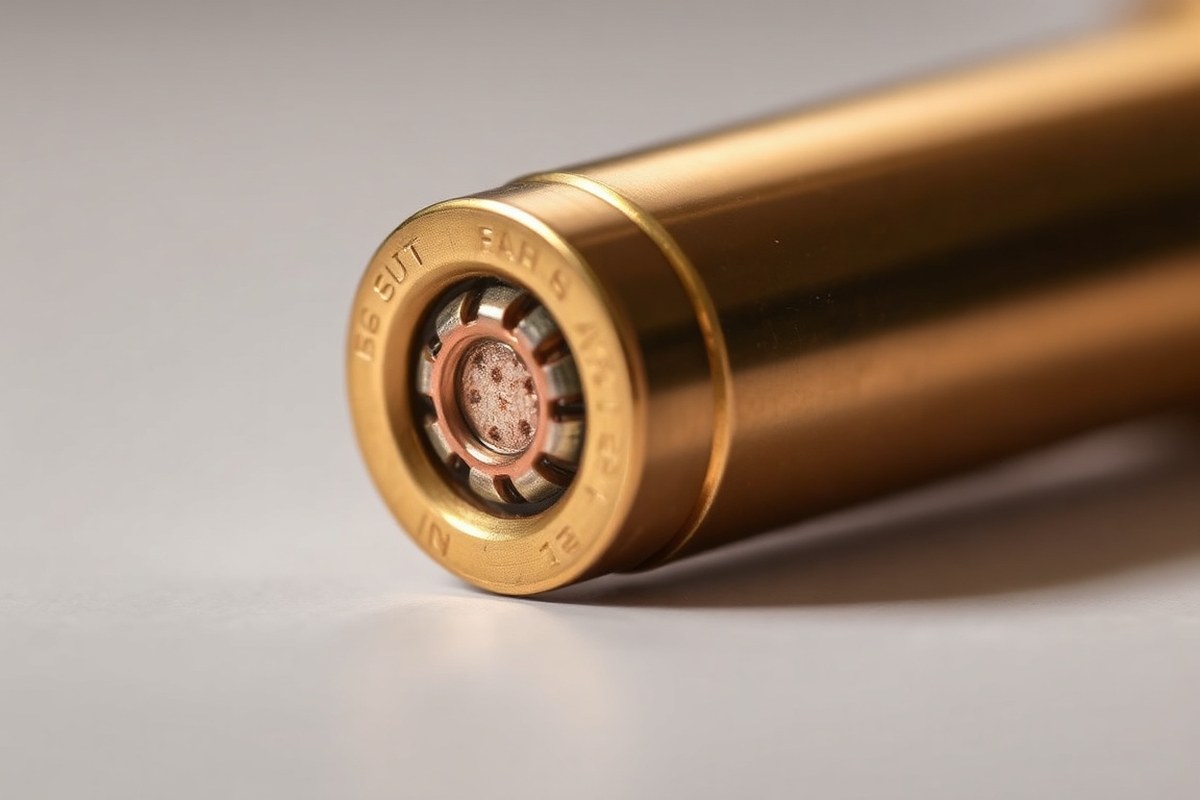
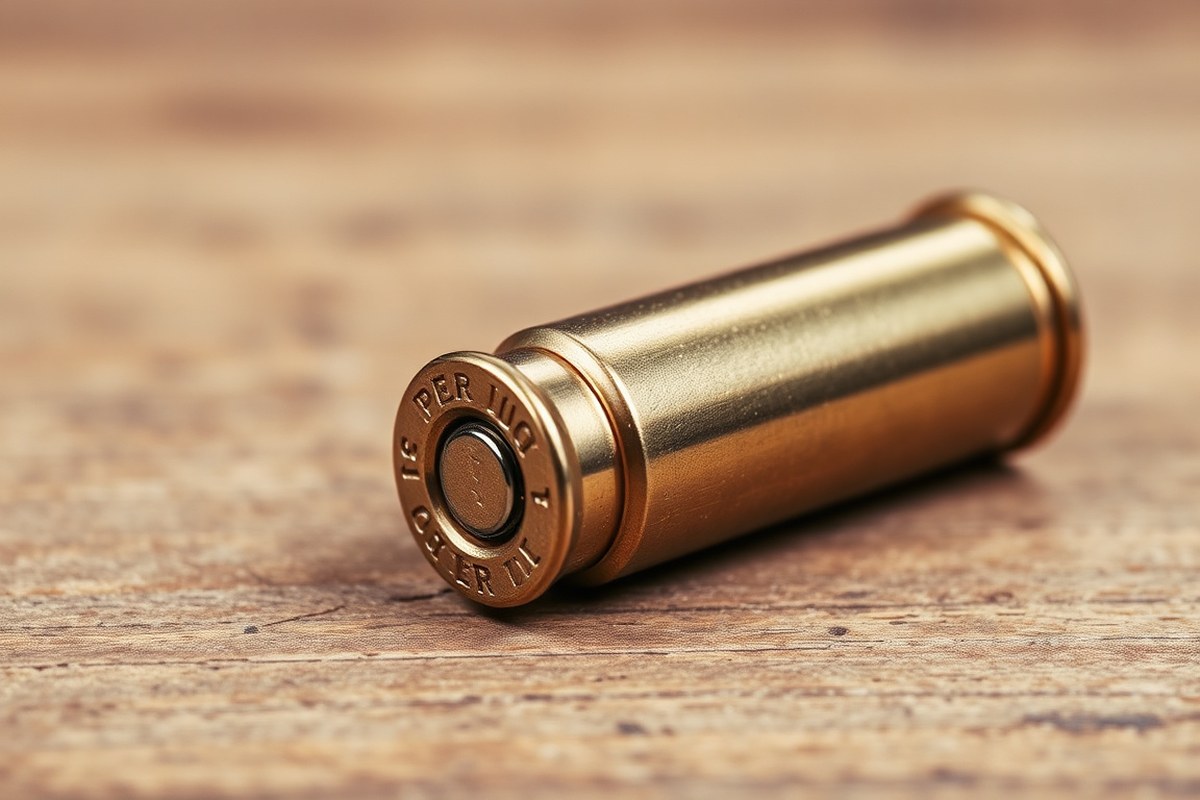
Caseless ammunition is a type of firearm cartridge that eliminates the traditional metal casing found in conventional rounds. Instead of housing the bullet, primer, and propellant inside a brass or steel shell, caseless ammo combines all these components into a single solid block. This design means the propellant itself acts as the structural part, holding the projectile and primer together in one compact unit.
The key difference from traditional cartridges is the absence of the metal case, which normally contains the primer and powder. In conventional ammo, the case must be ejected after each shot, adding time and mechanical complexity to the firearm’s operation. Caseless ammo requires no ejection mechanism because the entire round is consumed during firing. This speeds up the firing rate and simplifies the action, making the firearm lighter and faster to cycle.
To create a caseless round, the propellant is molded around the primer and bullet, forming a single block that combusts completely when fired. The burning of the propellant happens quickly, often in under 0.2 seconds, which ensures the projectile exits the barrel before the propellant is fully spent. This rapid burn is important to mimicking the performance of traditional ammo. Manufacturers sometimes treat the surface of the round with coatings to protect it from moisture and handling damage since caseless ammo is more fragile than metal-cased cartridges and can be prone to fragmentation.
One practical result of removing the cartridge case is a significant reduction in weight. Caseless rounds can weigh up to 30% less than their conventional counterparts, making carrying ammunition easier and potentially increasing soldier endurance or load capacity for hunters and law enforcement users. The compact design also allows for a smaller overall size while delivering similar ballistic performance.
However, without the metal case to absorb heat and seal the chamber, firearms using caseless ammunition must be specially designed to handle heat buildup and maintain safe operating pressures. The chamber must form a tight seal around the propellant block to prevent gas leakage and ensure consistent firing, which can complicate firearm design. Also, the propellant’s fragility and exposure mean caseless ammo requires more careful handling and environmental protection compared to conventional cased rounds.
Types of Caseless Ammunition: Internal vs External Propellant

Caseless ammunition comes in two main designs: internal propellant and external propellant types. Each design differs in how the propellant and primer are integrated with the projectile, impacting firearm interaction, reliability, and safety. Understanding these differences helps you choose or customize firearms and ammunition for specific uses while navigating their unique challenges.
Internal Propellant Caseless Ammunition Explained
Internal propellant caseless ammunition incorporates both the primer and propellant directly inside the projectile’s body, eliminating the need for an external cartridge case. Typically, the bullet has a hollowed-out cavity filled with a solid or semi-solid propellant material that ignites from an integrated primer. When the primer is struck, the propellant burns inside the projectile, generating gas pressure that propels the bullet out of the barrel.
This design removes traditional cartridge components, reducing weight and simplifying the firing mechanism. It requires specially designed firearms or significant modifications to safely feed, ignite, and handle the pressure because the ammunition lacks the structural support and heat insulation provided by a metal case. Internal propellant caseless ammo saw some use post-World War II and reemerged in specific applications such as the Soviet GP-25 40 mm under-barrel grenade launcher introduced in 1978, but remains rare in general small arms.
External Propellant Caseless Ammunition Basics
External propellant caseless rounds encase the primer and projectile in a solid mass of propellant forming the entire cartridge body. Modern versions often use telescoping technology, where the projectile is partially embedded within the propellant block to reduce overall cartridge length. The ignition involves a booster charge that ignites the main propellant mass surrounding the bullet.
This type exposes the propellant to external heat and impacts because it lacks a protective metal case. Nitrocellulose-based propellants ignite at around 170°C (338°F), so heat dissipation presents a significant technical challenge. Firearms using external propellant caseless ammo must incorporate innovative gas sealing methods to prevent gas leakage during firing, as the solid propellant body does not have the expansion and sealing capabilities of brass cases.
While this design cuts down weight and manufacturing complexity, it risks premature ignition and mechanical failure due to propellant fragility. The exposed propellant mass also complicates reliable feeding and extraction in semi-automatic or automatic firearms.
Advantages and Limitations of Each Type
Internal propellant caseless ammunition offers notable weight savings by integrating all components into a single projectile but requires complex firearm design to avoid premature ignition and safely channel firing pressure without a case to contain it. It typically carries fewer risks of propellant exposure because the charge is enclosed within the bullet itself, making it somewhat safer in enclosed spaces compared to external designs.
External propellant caseless ammo achieves even shorter cartridge lengths through telescoping designs and can reduce manufacturing costs by omitting metal cases entirely. However, its large exposed propellant surface presents difficulties with heat buildup, gas sealing, and mechanical durability. Firearms firing this type must rely on booster initiation systems and advanced sealing methods to function reliably and safely. The lack of a protective case means external propellant rounds are more vulnerable to damage and environmental factors, which can limit their service life and operational dependability.
| Feature | Internal Propellant Caseless Ammo | External Propellant Caseless Ammo |
|---|---|---|
| Propellant Location | Integrated inside bullet body | Surrounds bullet in solid mass |
| Primer Location | Within projectile | Embedded within external propellant |
| Cartridge Length | Standard to slightly reduced | Reduced by telescoping design |
| Heat Dissipation | Moderate, propellant enclosed | Challenging, exposed solid propellant |
| Gas Sealing | Dependent on firearm design | Requires innovative sealing systems |
| Vulnerability to Damage | Low, protected inside bullet | High, exposed propellant surface |
Handle caseless ammunition with care; exposure to heat above 170°C (338°F) can ignite the propellant prematurely, especially in external propellant designs.
Historical Development and Key Milestones of Caseless Ammo
Caseless ammunition’s development began in the mid-19th century and advanced through significant experiments and weapon designs, notably during World War II and the late 20th century. Key milestones include Walter Hunt’s Rocket Ball cartridge in the 1850s, Germany and Japan’s World War II era trials, and the sophisticated Heckler & Koch G11 rifle developed in the 1970s and 1980s. These efforts highlight the evolving attempts to eliminate traditional cartridge cases to reduce weight and improve firing rates.
Early Innovations and the Rocket Ball Cartridge
Walter Hunt first experimented with caseless ammunition in the 1850s with his Rocket Ball cartridge. This design embedded the propellant inside the bullet itself, eliminating the need for a separate brass case. Although it lacked power and was basic, the Rocket Ball introduced the idea of a single-unit cartridge. This innovation caught attention for attempting to cut down on weight and make loading easier. The Volcanic .41 Rocket Ball followed as a prominent early example, playing a role in the development of repeating guns despite issues like low speed and inconsistent ignition.
World War II and Mid-20th Century Experiments
World War II intensified the exploration of caseless ammunition, driven by resource shortages of brass and copper. Germany and Japan conducted notable experiments, such as Germany’s work on 7.92mm caseless rifle and machine gun rounds and Japan’s use of the Ho-301 caseless aircraft cannon. These designs focused on large-caliber and automatic weapon applications but often faced issues with heat dissipation, sealing, and structural integrity of the propellant blocks. Though some German and Japanese designs demonstrated potential, none entered widespread service due to reliability and manufacturing challenges, as well as logistical hurdles during wartime.
The Heckler & Koch G11 and Modern Developments
The most significant leap in caseless ammunition came with the Heckler & Koch G11 rifle, developed through the 1970s and 1980s. The G11 fired 4.73×33mm caseless rounds and incorporated advanced materials and manufacturing techniques to overcome many historical problems. Its sophisticated design allowed high rates of fire without the weight and extraction delays of traditional brass cases. Testing nearly led to adoption by the Bundeswehr in the early 1990s, but concerns about durability, cost, and changing military priorities prevented full production. The G11’s electronic firing system and unique feed mechanism influenced future concepts and remain a benchmark for modern caseless ammo technology. Later civilian production rifles, like the Voere VEC-91, further refined electronic ignition with 5.56mm caseless cartridges, showing ongoing interest in self-contained, lightweight ammunition.
Benefits of Caseless Ammunition Compared to Traditional Ammo
Caseless ammunition offers a significant weight reduction compared to traditional cartridges, primarily because it eliminates the brass or steel casing that typically surrounds the propellant and bullet. This design change can cut the weight of a cartridge by roughly 25% to 33%. For example, if a standard 5.56mm cartridge weighs about 12 grams, a caseless version might weigh only 8 to 9 grams. Carrying this lighter load over dozens or hundreds of rounds noticeably reduces the burden on soldiers or hunters, allowing them to carry more rounds or reduce overall gear weight.
The tactical advantages of caseless ammunition stem directly from this weight saving and related design improvements. Without a metal case cycling through the firearm, you can expect faster rates of fire since the ejection phase is eliminated. The German G11 rifle, one of the only operational weapons designed for caseless ammo, demonstrated firing rates higher than comparable rifles of its era, providing a clear edge in suppressive fire situations. Reduced recoil and muzzle rise also improve shot-to-shot accuracy and target reacquisition, which matters in both close-quarters and rapid engagement scenarios.
From a firearm design perspective, removing the cartridge case enables a more streamlined mechanism. Caseless ammo allows for simpler chambers, feeding systems, and extraction processes since there is no spent case to eject. This can translate to lighter, more compact weapons that are easier to handle and integrate into modern tactical setups. Innovations such as telescoped caseless rounds further improve space efficiency by nesting the projectile inside the propellant block, thus reducing overall firearm size and improving maneuverability. However, this design requires modification or new firearms since existing guns are incompatible with caseless rounds.
Though the advantages might seem compelling, caseless ammunition demands careful environmental and mechanical protection because it tends to be more fragile than cased rounds. It also lacks the metal case’s role as a heat sink, so heat management inside the firearm requires special attention to prevent cook-offs during rapid fire. Feeding reliability can be a challenge since the rounds are more prone to damage in magazines or during handling, which could impact operational effectiveness.
You’ll also find reduced waste generation due to the absence of spent casings, which simplifies cleanup after firing and reduces environmental impact during extended operations. This makes caseless ammo appealing not only for weight and tactical performance but also for logistical and ecological reasons. The tradeoff includes development costs and the need for specialized manufacturing techniques that can protect the propellant while maintaining reliability under field conditions.
Technical Challenges and Limitations of Caseless Ammo
Caseless ammunition faces significant technical challenges that have limited its widespread adoption. Heat sensitivity is among the most serious issues because caseless rounds lack the metal casing that typically absorbs and dissipates heat in traditional cartridges. Without that heat sink, the propellant can reach critical temperatures more quickly. Nitrocellulose, a common propellant in caseless ammo, may begin to “cook off” or ignite unintentionally from residual chamber heat after sustained firing. This risk escalates in automatic weapons or military applications where rapid, repeated shots generate high temperatures in the chamber.
Achieving a secure gas seal in the chamber is a major technical challenge. Metal cases expand when fired, creating a tight, gas-proof barrier. Caseless ammunition cannot use this natural case expansion, so it depends on other solutions like rubber seals or booster charges. These methods have to be carefully designed to provide reliable pressure control. Without effective sealing, velocity drops, performance varies, and the firearm endures more wear.
Fragility further complicates caseless ammo design. The rounds prioritize combustion efficiency over mechanical strength, making them more prone to breakage, chipping, and deformation. Compared to traditional cartridges with sturdy metal cases, caseless ammunition is vulnerable to rough handling, impacts, and environmental exposure such as moisture. This fragility can lead to feeding problems in magazines and chambers, affecting the firearm’s function and increasing the risk of jams or misfires. Manufacturers need to optimize the binder materials and propellant shape to balance durability with combustion characteristics, often raising production complexity and cost.
Manufacturing caseless ammo demands tight quality control to manage these issues. Controlling moisture resistance is essential since any degradation of the propellant can reduce shelf life and safety. Also, production processes must achieve uniformity in size and material properties to prevent misfeeds and ensure chamber sealing works consistently. Because of these technical demands, caseless ammunition often costs more to produce than traditional ammo, and retrofitting or designing firearms to work reliably with caseless rounds involves substantial engineering investment.
Handling caseless ammo gently and storing it in dry, stable conditions is important to prevent damage and maintain performance.
How Caseless Ammo Influences Firearm Design and Operation
Firearms must undergo significant design changes to use caseless ammunition effectively since they no longer rely on the metal case to seal the chamber and support extraction. The absence of a case means the firearm needs a specialized chamber that provides a gas-tight seal to contain the high-pressure gases generated during firing. Designers achieve this by incorporating mechanical systems such as rubber seals, expanding rings, or precisely machined locking surfaces inside the chamber, preventing gas leakage and maintaining pressure for consistent bullet propulsion.
The sealing challenge also affects the bolt design. For instance, the Benelli submachine gun tailored for caseless ammo uses the bolt itself to form the gas seal. This adaptation replaces the traditional role of the cartridge case, which normally expands upon firing to seal the chamber. As a result, the bolt and chamber must fit together with micrometer-level precision to avoid gas loss without impeding the firing cycle. This precision raises engineering complexity and production costs, especially compared to conventional firearms.
Another key difference in operation involves handling the rounds. Traditional cartridges have rims or extractor grooves, allowing the firearm to easily eject spent cases and extract unfired ones. Caseless rounds lack these features, so firearms require alternative extraction mechanisms to safely remove live or misfired rounds. This often means integrating specialized clips, chambers that can release rounds without damage, or mechanical extractors designed specifically for caseless designs. Without reliable extraction, a jammed or misfired caseless ammo can be difficult and unsafe to clear.
The change to caseless ammo also impacts thermal management. Caseless rounds tend to increase chamber temperatures, partly because there’s no metal case to absorb and dissipate heat after each shot. This can cause a “cook off,” where the round ignites prematurely due to residual heat. Designers counteract this by using heat-resistant propellant formulations or creating improve cooling features within the firearm. These adaptations demand careful balance, as excessive cooling can compromise cycling speed and reliability, while insufficient cooling risks dangerous overheating.
While caseless ammunition can simplify some aspects, such as eliminating spent case extraction and related cleaning from brass residue, the overall firearm design becomes more intricate. The sealing mechanics, precision tolerances, extraction innovations, and thermal controls all add complexity. This complexity often translates to higher manufacturing costs and specialized maintenance needs. For example, new weapons that use caseless ammo technology currently come with high civilian market prices, reflecting these engineering challenges.
In summary, firearms using caseless ammunition require specialized chamber seals, precise bolt and chamber tolerances for gas containment, unique extraction systems for unfired rounds, and advanced heat management. These adaptations make caseless firearms more complex in design and operation compared to conventional guns but enable the unique benefits of caseless technology once properly engineered.
Practical Use, Safety, and Maintenance Considerations
Store caseless ammunition in a cool, dry place away from direct sunlight and heat sources to prevent premature ignition or deterioration. Handle it gently, avoiding impacts or rough movements because the ammo’s propellant material is more fragile than traditional cartridges. Clean and maintain firearms designed for caseless rounds regularly, but expect different residue patterns and heat effects compared to conventional weapons.
Storage and Handling Best Practices
Store caseless ammo at temperatures below 80°F (27°C) to minimize the risk of degrading the propellant, which is typically more sensitive to heat than conventional cartridges with metal cases. Choose airtight containers with low humidity to prevent moisture damage, as caseless rounds lack the metal casing that offers protection. Keep ammo boxed and cushioned to avoid shocks that could crack or crumble the exposed propellant material. Avoid stacking heavy items on top of caseless ammo to maintain integrity.
When handling, always use clean, dry hands or gloves to prevent oil or dirt from compromising the propellant’s stability. Avoid dropping or striking rounds; unlike metal cases, the ammo can fracture or ignite due to impact. Transport caseless ammo separately from conventional rounds to prevent confusion and manage fire hazards more easily.
Safety Concerns Specific to Caseless Ammo
Caseless ammunition is more vulnerable to heat buildup, especially in select-fire weapons, where rapid firing causes the weapon to overheat quickly. The absence of a metal case means the heat from firing is not transferred away by ejecting brass, increasing the risk of cook-offs, unintended discharges caused by chamber heat igniting the propellant. To reduce this, adhere strictly to recommended firing rates and allow firearms to cool down between extended bursts.
The propellant in caseless ammo is often a solid block or coating without the protection of a brass shell, making it prone to physical damage and accidental ignition if mishandled. This fragility requires careful inspection of rounds before loading, discarding any with cracks, chips, or discoloration, which may indicate compromised stability or performance.
Differences in Cleaning and Maintenance
Unlike traditional firearms, weapons chambered for caseless ammunition generally require focused cleaning on the chamber and barrel areas where heat and residue concentrate. Without brass cases to remove fouling, propellant residue tends to accumulate in the chamber more readily. Expect more frequent cleaning cycles after firing to maintain reliable function.
Use brushes and solvents that target carbon and propellant buildup without damaging specially coated chambers designed for caseless ammo. Avoid abrasive tools that could harm heat-resistant materials or create rough surfaces, compromising the smooth cartridge seating necessary for caseless rounds. Regularly inspect for excessive wear or heat damage, since overheating can degrade both the weapon and ammo performance.
Current and Future Outlook for Caseless Ammunition
Research on caseless ammunition continues to push forward, with innovations focusing on overcoming past technical hurdles like heat sensitivity and reliable ignition. Developers are experimenting with new polymer binders and propellant formulations designed to withstand high temperatures without premature ignition. Some prototypes incorporate integrated cooling mechanisms or use shaped propellant charges to control combustion more precisely. These advances aim to address the main obstacle limiting widespread use: the cartridge’s vulnerability to cook-off during rapid firing, which traditional brass casings naturally prevent by removing heat. Despite these efforts, no fully reliable or mass-produced caseless ammo system has emerged yet, keeping the technology mostly in the experimental phase.
Cost and manufacturing complexity remain significant challenges. Caseless ammunition requires precise chemical and mechanical engineering, often resulting in production expenses that exceed those of conventional rounds. This affects firearm manufacturers who hesitate to design weapons specifically for a non-standard cartridge format with limited market demand. Also, user adoption is hindered by familiarity and trust in traditional brass-cased ammo; military and law enforcement agencies prefer proven reliability and ease of logistics. The absence of infrastructure to handle new caseless systems further slows their practical rollout.
The future of caseless ammo is more likely tied to specialized applications rather than broad commercial use. Lightweight, high-capacity portable weapons for military or law enforcement could benefit most from the weight savings and simplified ejection mechanisms. Experimental small arms using caseless rounds may gradually demonstrate performance benefits in select scenarios such as close-quarters combat or drone-mounted weaponry. Niche civilian markets, including competitive shooting or survival kits, could see limited adoption if safety and durability improve. Evaluating a transition to caseless ammo requires balancing factors like increased ammo cost against weight reduction and firearm maintenance complexity.
To decide whether caseless ammunition fits your needs, first consider the intended use environment. If you rely on quick, sustained fire in high-temperature settings, conventional ammo remains safer and more proven. Military units experimenting with caseless systems can proceed under controlled testing protocols to assess logistical implications and weapon reliability. Hunters or recreational shooters wanting lighter gear might explore emerging caseless options as R&D matures but should be ready for limited availability and higher replacement costs. Paying attention to manufacturer announcements and testing reviews can help determine when caseless ammo technology reaches practical, affordable performance.
Always verify compatible firearms before purchasing caseless ammo to avoid damage or malfunction, these rounds require weapons specifically designed to handle their unique combustion traits.
Getting Started with Caseless Ammunition: A Practical Approach
Begin by familiarizing yourself with the characteristics and handling of caseless ammo to ensure safe and efficient use. Follow these steps to integrate caseless ammunition into your shooting practice and firearm maintenance routine.
- Before you start: Read your firearm manufacturer’s guidelines to confirm compatibility with caseless ammo. Successful confirmation ensures no damage or reliability issues during use.
- Week 1: Acquire a small quantity of caseless ammunition for initial testing. Confirm it chambers and fires smoothly without jamming or misfires.
- Week 2: Conduct firing practice under controlled conditions, observing recoil, accuracy, and cycling behavior. Successful cycles and consistent accuracy indicate proper function.
- Week 3: Perform routine cleaning and maintenance as recommended, noting any residue differences compared to traditional ammo. Proper maintenance means no increased wear or corrosion.
- Month 1: Evaluate ammunition storage conditions, keeping caseless ammo in dry, temperature-stable environments to preserve powder integrity. Ammo that remains reliable after storage shows correct handling.
- Month 2: Explore different brands or types of caseless ammo to compare performance and reliability. Choose options that meet your needs for accuracy and durability.
- Ongoing: Stay informed on advancements in caseless ammunition technology and regulatory changes that may affect availability or use. Effective monitoring ensures compliance and access to improved products.
Frequently Asked Questions
How Much Lighter Is Caseless Ammo Compared to Traditional Cartridges?
Caseless ammo can be up to 30-40% lighter since it eliminates the metal cartridge case. This weight reduction improves carrying capacity and handling for users like hunters or soldiers.
Does Caseless Ammo Work with Existing Firearms or Need Custom Guns?
Caseless ammo requires specially designed firearms because they lack a cartridge case for extraction and need unique feeding and sealing systems. You can’t safely use caseless ammo in standard guns built for cased rounds.
Is Caseless Ammunition More Expensive to Produce Than Traditional Ammo?
Caseless ammo usually costs more due to complex manufacturing and proprietary designs. Its specialized materials and coatings that protect against moisture add to production expenses.
Can Caseless Ammo Handle Wet or Harsh Weather Conditions Well?
Caseless rounds need special coatings or sprays to resist moisture since they lack metal cases that naturally seal out water. Their durability depends heavily on these protective treatments for reliability.
Does Caseless Ammunition Improve Firearm Firing Rates?
Yes, removing the need to eject cases speeds up cycling, potentially increasing rate of fire. However, heat buildup and other mechanical factors can limit the practical firing speed advantages.
Are Any Commercial Firearms Currently Using Caseless Ammunition?
A few niche weapons like the Voere VEC-91 rifle and the VAG-73 pistol use caseless ammo commercially, but availability is limited and costs remain high compared to traditional firearms.
Final Thoughts
Caseless ammunition represents a significant shift from traditional cartridges by eliminating the metal case, which can reduce weight and simplify firearm operation. Trying it firsthand with compatible firearms helps you appreciate its advantages and understand practical limitations. Start by testing small batches under safe conditions to gain confidence and assess performance before wider use.