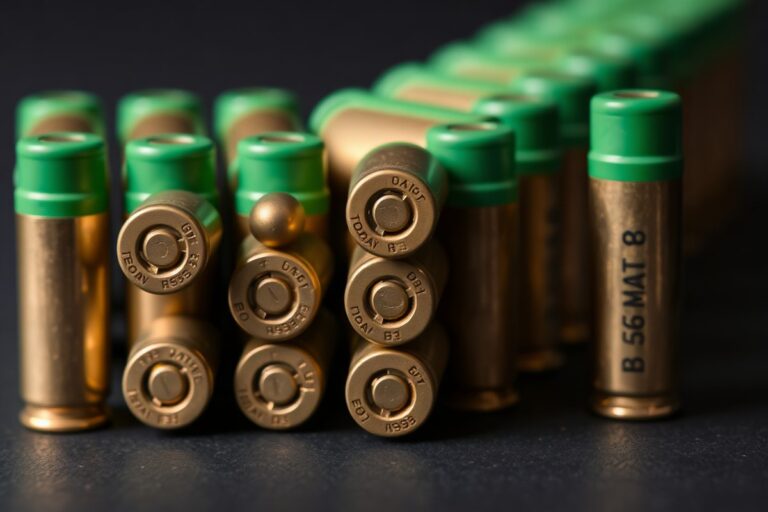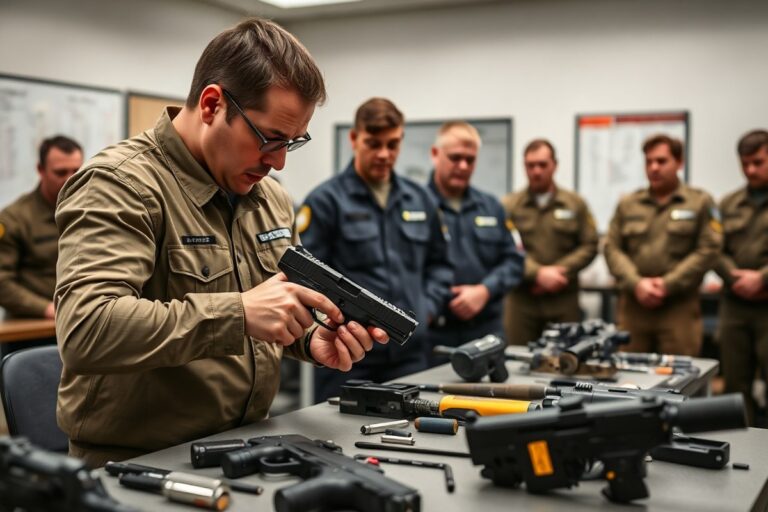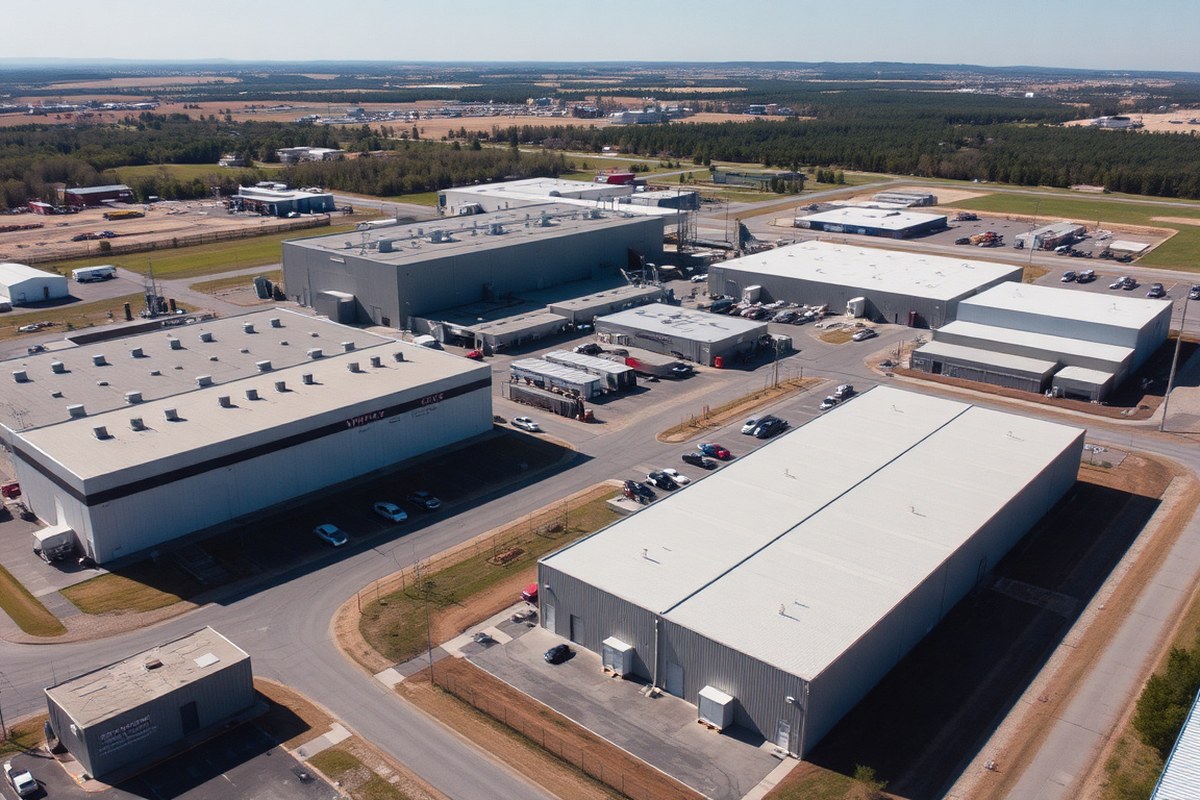
Where Is Winchester Ammo Made? A Complete Guide to Its U.S. Manufacturing
Where is Winchester ammo made? Winchester ammunition is manufactured across multiple U.S. Facilities, including Oxford, Mississippi, and East Alton, Illinois. These plants focus on different ammo types, with specialized production for small arms rounds in Mississippi and rimfire and centerfire cartridges in Illinois. Recent expansions in Wisconsin further support their manufacturing capacity.
Start by choosing Winchester ammo made in these U.S. Plants to ensure quality and domestic production standards.
Key Takeaways
- Winchester manufactures small arms ammo like 5.56mm and .50 caliber cartridges at its Oxford, Mississippi facility.
- Rimfire and centerfire handgun and rifle ammo is produced in East Alton, Illinois.
- Olin Corporation owns Winchester Ammo and has managed manufacturing since acquiring it in 1981.
- The 2025 Manitowoc, Wisconsin facility acquisition adds 185,000 square feet for manufacturing and ballistics testing.
- Keeping ammo manufacturing in the U.S. Supports tight quality control and reliable product standards.
- Winchester’s production has continuously operated for over 100 years, supplying billions of rounds globally.
Where Is Winchester Ammo Made Today?

Winchester ammunition is produced exclusively in the United States at two primary locations: Oxford, Mississippi, and East Alton, Illinois. Each plant focuses on different ammunition types to meet a range of shooting requirements. Oxford manufactures small arms cartridges including 5.56mm, 7.62mm, and .50 caliber precision rifle rounds. East Alton, which serves as Winchester’s global headquarters, produces rimfire and centerfire ammunition. This division of work allows Winchester to maintain rigorous quality control with specialized production techniques tailored to each ammo category.
Recently, Olin Corporation, which owns Winchester Ammunition, expanded manufacturing capabilities by acquiring a large 185,000 square foot production and ballistic testing facility in Manitowoc, Wisconsin. This addition supports brass shell case production and adds to the company’s capacity, though Oxford and East Alton remain the primary manufacturing sites for Winchester-branded ammo. The table below summarizes the key Winchester facilities, their manufacturing focus, and the benefits related to their location and capabilities:
| Facility | Manufactured Ammo Types | Key Capabilities | Benefits |
|---|---|---|---|
| Oxford, Mississippi | Small Arms: Centerfire rifle cartridges (5.56mm, 7.62mm, .50 cal) | Precision manufacturing, advanced production technology | Consistent quality, suitable for high-powered rifle rounds |
| East Alton, Illinois | Rimfire and centerfire ammunition | High-volume automated lines, historic expertise | Reliable output, wide product range |
| Manitowoc, Wisconsin | Brass shell cases, ballistic testing facility | State-of-the-art production space, quality control | Supports production capacity and quality assurance |
Winchester’s commitment to manufacturing its ammunition within the U.S. Reflects a strategic choice to use local expertise, enforce strict quality controls, and maintain efficient logistics. This setup allows rapid fulfillment of market demand and quick adaptation to production needs. By splitting the manufacturing focus, Winchester ensures world-class consistency across its product lineup, whether you need training rounds, hunting ammunition, or competitive shooting cartridges. Most shooters will experience this consistent performance no matter which facility produced their rounds.
How Winchester Ammunition Manufacturing Developed over Time
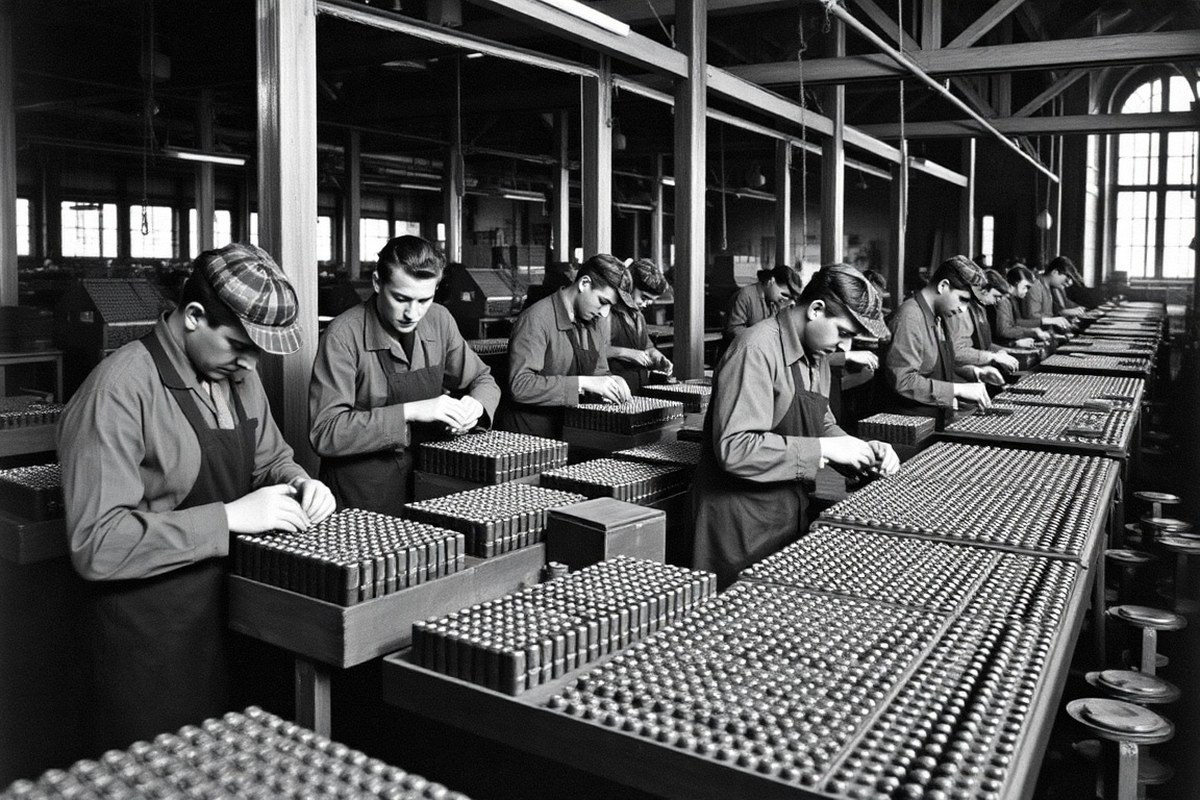
Winchester ammunition manufacturing began in 1866 in New Haven, Connecticut, marking the start of an enduring American legacy. Over time, substantial expansions and changes in ownership shaped the company into a leading ammunition producer with facilities now mainly in Illinois, Mississippi, and Wisconsin. Key historical events and ownership shifts deeply influenced Winchester’s manufacturing methods and capacity.
Founding and Early Years (1866-1930)
Winchester was founded in 1866, initially focusing on firearms before shifting emphasis toward ammunition manufacturing. The early production emphasized rimfire, shotshell, and centerfire cartridges, pioneering many standards still recognized today. Manufacturing began in New Haven, Connecticut, with a commitment to quality and innovation that helped establish Winchester as a dominant American brand.
Throughout this period, Winchester expanded its manufacturing footprint to meet growing demand. By the early 1900s, the East Alton, Illinois facility was established and became a central hub for ammunition production. This site would eventually produce billions of rounds, anchoring Winchester’s manufacturing capabilities for the next century.
Western Cartridge & Olin Corporation Era (1931-1980s)
Facing financial hardships during the Great Depression, Winchester went into receivership in 1931. Western Cartridge Company purchased the company and later merged with Olin Corporation, which remains Winchester’s parent company today. Olin’s acquisition stabilized Winchester and ensured continued domestic production, primarily in Illinois where manufacturing roots trace back over 100 years.
Under Olin Corporation, Winchester’s ammunition production benefited from ongoing investment in technology and efficiency. The merger formed Winchester-Western, enabling scaled and streamlined operations that and kept pace with modern ammunition demands. The company also maintained contracts, such as with the Lake City Army Ammunition Plant, linking Winchester production with military-grade standards.
Make sure to check for product recalls or manufacturing notices, especially for military contracts, to ensure the ammo meets your safety standards.
Modern Era and Recent Expansions (1990s-Present)
Since the 1990s, Winchester’s manufacturing has expanded with new facilities in Oxford, Mississippi, and Manitowoc, Wisconsin. These expansions reflect both growing consumer demand and ongoing government contracts. The modern network of plants uses advanced precision machining to maintain consistent cartridge dimensions and high-quality production standards.
Ownership under Olin Corporation guarantees continuous innovation and investment in manufacturing technology. Winchester’s commitment to producing ammunition in the U.S. Ensures tight control over quality and responsiveness to market and regulatory changes. This strategic growth over time demonstrates how Winchester evolved from its 19th-century origins into a modern ammunition leader with a broad but carefully integrated manufacturing footprint.
Who Owns Winchester Ammo and What Does That Mean for Production?
Winchester Ammunition is owned and controlled by Olin Corporation, a manufacturing company with a long history in chemicals and ammunition. This ownership has shaped how Winchester operates its ammo production, focusing on high-quality manufacturing in the United States and recent expansions. Winchester firearms, however, are owned separately under a licensing arrangement with the FN Browning Group, meaning the ammunition and firearms sides of the brand have different owners and manufacturing strategies.
Olin Corporation’s Role Since 1981
Olin Corporation took ownership of Winchester Ammunition in 1981 after the original Winchester Repeating Arms Company went bankrupt. Since that time, Olin has managed and owned the Winchester ammunition line. This move helped Olin preserve the Winchester brand’s history while implementing updated production methods and increasing manufacturing space. For instance, Olin added a 185,000-square-foot facility in Manitowoc, Wisconsin, in 2025 to boost their manufacturing capacity.
Olin’s influence means Winchester Ammunition emphasizes domestic manufacturing and quality control. By operating key facilities in Illinois and Mississippi, along with managing the Lake City Army Ammunition Plant under a U.S. Army contract, Olin ensures strategic capacity and government compliance. This setup keeps production tightly controlled and helps Winchester maintain competitive quality and reliability in its ammo lineup.
Separation of Winchester Firearms and Ammunition
The 1980s bankruptcy of the original Winchester company led to an important split: Winchester guns and Winchester ammo have been owned by different companies since then. Winchester firearms are no longer owned by Olin but instead fall under the FN Browning Group through a licensing deal. This split means the firearm and ammunition divisions operate independently, with separate owners making different manufacturing decisions.
This division affects brand identity, as Winchester ammunition remains a manufacturing-focused operation under Olin, while firearm production is licensed out and largely international. Olin prioritizes ammo manufacturing innovations and expansions, such as acquiring the Manitowoc facility, while the firearms side focuses on design and licensing agreements. The split also means Winchester firearm buyers get guns designed and built abroad, while ammo users get products made primarily in the U.S.
Licensing and International Manufacturing of Firearms
The FN Browning Group, based in Belgium, produces Winchester firearms under a licensing agreement. This includes Winchester-branded guns manufactured both in Belgium and Utah, which is separate from Olin’s U.S.-based ammunition business. Since the split of the original company, this licensing setup has stayed consistent, with no significant shifts in production sites or ownership of the brand.
This international manufacturing setup for firearms contrasts with Olin’s U.S.-focused ammunition operations. It allows the firearms division to use global resources and expertise, particularly through FN Herstal’s extensive production networks. This difference means that while Winchester is recognized as an American ammo maker, the firearms branded Winchester reflect a transatlantic partnership focused on design, branding, and manufacturing under license, not direct production by Olin.
What Types of Winchester Ammo Are Made at Each U.S. Facility?
Winchester Ammo’s production takes place at multiple U.S. Sites, with each facility dedicated to making specific ammunition types designed for different customer needs. The Oxford, Mississippi factory produces military-style centerfire cartridges such as 5.56mm, 7.62mm, and .50 caliber rounds. These rounds cater to military and law enforcement users, requiring exacting manufacturing processes to ensure dependable performance and high quality standards.
In contrast, the East Alton, Illinois facility serves as Winchester’s world headquarters and largest small arms ammunition plant. It excels at producing rimfire cartridges like the popular .22 Long Rifle (LR), as well as a broad range of centerfire rifle and handgun ammunition for civilian and military use. East Alton’s extensive portfolio supports various consumer and government needs, using decades of expertise and advanced production technology.
Located in Manitowoc, Wisconsin, this facility manufactures commercial and international military and law enforcement calibers, focusing on higher-value specialty rounds. By adding these production lines, Winchester improve its nearly complete control over the ammunition manufacturing process and expands its reach into worldwide markets with a more diverse product lineup.
| Ammunition Type | Facility Location |
|---|---|
| 5.56mm Cartridges (Centerfire Military) | Oxford, Mississippi |
| 7.62mm Cartridges (Centerfire Military) | Oxford, Mississippi |
| .50 Caliber Cartridges (Centerfire Military) | Oxford, Mississippi |
| Rimfire Ammunition (e.g., .22LR) | East Alton, Illinois |
| Centerfire Rifle and Handgun Ammunition (Civilian and Military) | East Alton, Illinois |
| Higher-Value Commercial and International Military/Law Enforcement Calibers | Manitowoc, Wisconsin |
This division of production aligns with Winchester’s strategy to optimize manufacturing capabilities based on ammunition type and customer demand. Rimfire rounds require precision equipment tailored for smaller cartridges, which East Alton provides with decades of experience producing billions of rounds. The Oxford plant’s dedicated focus on military centerfire calibers allows for specialized processes needed for durability and exact performance standards.
Winchester’s approach ensures quality and consistency across its lines by matching facility strengths with ammunition categories. Producing rimfire and centerfire rifles and handguns at East Alton supports a wide variety of shooting applications. At the same time, Oxford’s production of standard military rounds meets government contracts and training needs. The addition of Manitowoc expands Winchester’s capacity for premium and international calibers, adding further value.
Why Does Winchester Keep Ammo Manufacturing in the U.S.?
Winchester keeps ammunition manufacturing in the U.S. Primarily to ensure superior quality, uphold its heritage, streamline logistics, and maintain customer trust. Domestic production makes it easier to control every step, from raw materials to final inspection, so each round meets strict standards for safety and performance. This hands-on oversight helps Winchester maintain a reputation among firearm enthusiasts who rely on consistent, dependable ammunition, especially for hunting and target shooting.
Maintaining multiple specialized facilities within the U.S. Also allows Winchester to use advanced manufacturing techniques focused on specific ammo types. This specialization improves efficiency and enables the company to quickly implement quality improvements or production adjustments. As a result, you benefit from precision-made rounds engineered to perform in various firearms under diverse conditions.
Besides quality, keeping production stateside means Winchester supports American jobs and local economies. This commitment to national craftsmanship aligns with the values of many customers who prefer buying products made in the U.S. And contributes to community stability. For the company, having plants close to raw material suppliers and distribution centers reduces shipping delays and costs. It also allows for faster response to changes in ammo demand or supply chain disruptions, important factors in today’s market volatility.
From an economic and strategic standpoint, domestic ammo manufacturing guards against risks linked to overseas production, such as tariffs, regulatory differences, and geopolitical tensions. Winchester’s ability to control its production processes internally ensures fewer interruptions and more consistent availability for consumers. It also supports compliance with U.S. Government regulations and licensing requirements, which often involve detailed oversight of ammunition manufacture and distribution.
Altogether, Winchester’s ongoing investment in U.S. Manufacturing facilities shows how critical made-in-America status is for delivering quality ammo that shooters trust while supporting local economies and maintaining a resilient supply chain. For you, this means when you pick Winchester ammo, you get rounds crafted under strict standards with fewer logistical hurdles between factory and firing range.
Store your Winchester ammo in a location that stays cool and dry, avoiding high heat and humidity that could damage the casings and powder.
How Does Winchester Ensure Ammo Quality Across Its Facilities?
Winchester ensures ammo quality through a combination of rigorous testing, advanced technologies, and consistent standards applied across its facilities. The company follows strict performance criteria aligned with industry standards and employs precise manufacturing processes that minimize variability. This approach guarantees reliable and accurate ammunition, regardless of the production site.
Material Inspection and Component Testing
Every batch of Winchester ammunition starts with a thorough inspection of raw materials. Cases, primers, powder, and bullets undergo quality checks to confirm they meet exact specifications. This includes measuring components for dimensional accuracy and purity, ensuring that the metallic elements meet strict metallurgy standards. Powders are tested for burn rate consistency to maintain velocity and pressure within safe limits.
These inspections matter because any variation in components can affect pressure, velocity, and ultimately the bullet’s trajectory. Technicians use automated equipment and sample testing to detect defects early. For example, a case with improper thickness or a primer with inconsistent ignition characteristics can cause misfires or pressure spikes. Early detection reduces waste and improve safety during firing.
Automated Manufacturing and Assembly Controls
Both Winchester manufacturing plants implement mechanized assembly lines fitted with computerized control systems. These systems monitor every step, from cartridge case forming to bullet seating and crimping. Automated measurements ensure components fit together with tight tolerances, typically within thousandths of an inch, helping maintain consistency across thousands of rounds produced daily.
The facilities use real-time sensors and feedback loops to adjust machine settings immediately if any variation is detected. This precision manufacturing use technologies like laser measurement and digital torque control, preventing defects such as off-center bullets or improperly crimped cases. Maintaining uniformity between plants depends on adhering to identical process parameters and calibration routines. Operators follow scheduled maintenance and calibration protocols to preserve equipment accuracy.
Final Ballistic and Performance Testing
After assembly, Winchester subjects each batch of ammunition to ballistic testing under controlled conditions. This includes measuring muzzle velocity, pressure, and accuracy to confirm adherence to Sporting Arms and Ammunition Manufacturers’ Institute (SAAMI) standards. Samples from production runs undergo live-fire testing at range facilities, where trained technicians analyze groupings and performance consistency.
The results must show that each round performs within predefined velocity tolerances and pressure limits. If a batch falls outside these limits, it is withheld from shipment for further inspection or rework. This step verifies reliability and safety before the ammunition reaches consumers. Advanced instrumentation tracks performance data throughout testing, identifying even minor variances that could impact shooting results in hunting or competitive scenarios.
How Long Does Winchester Ammo Last and What Affects Its Shelf Life?
Winchester ammunition typically has a shelf life of 10 to 15 years when stored under ideal conditions. This longevity depends heavily on how you store the ammo, as heat, humidity, and exposure to air can degrade its components. Temperature fluctuations can cause the brass casing and primer seal to expand and contract, potentially allowing moisture to enter and reducing reliability. High humidity, especially above 50%, accelerates corrosion and powder deterioration, which increases the risk of misfires or inconsistent performance.
Proper storage is essential to keep Winchester ammo performing well over the years. Always store ammunition in a cool, dry place with stable temperatures ideally between 55°F and 75°F. Avoid places prone to heat spikes like attics or garages that experience wide temperature swings. Use airtight containers or ammo cans with silica gel packets to control humidity. Keeping ammo in its original Winchester packaging also helps protect it from damage and contamination.
For you as a consumer, following a simple checklist can maximize ammo shelf life: first, keep ammo dry by storing it with moisture absorbers inside a sealed container; second, hold ammo at moderate temperatures away from direct sunlight or heat sources; third, always use the original boxes when possible since they are designed to protect the rounds securely; fourth, label and rotate your stock so you use older ammo first, preventing decades-old rounds from sitting unused; and finally, periodically inspect stored ammo for signs of corrosion, discoloration, or powder leakage. If any of these issues appear, it is safer to dispose of the affected ammo properly rather than risk a malfunction.
The cost of maintaining proper storage is minimal compared to potential failures or having to replace spoiled ammunition. A basic metal ammo can costs around $20 to $30 and silica desiccants can be purchased cheaply in bulk. These investments can extend the life of your Winchester ammo beyond a decade, ensuring reliable performance whether for target practice or hunting.
In cases where ammo must be stored long-term in less controlled environments, such as a cabin or range box, consider using vacuum sealing or investing in climate-controlled storage solutions. Those who regularly rotate stock and manage storage well often find their Winchester rounds stay fresh and consistent for 15 years or more. However, no storage practice can protect from physical damage or factory defects in the ammo. Always perform function checks and follow manufacturer guidelines to maintain safety and effectiveness.
Where Are Winchester Firearms Made Compared to Its Ammunition?
Winchester firearms and ammunition differ significantly in their production locations. Most Winchester firearms are produced outside the United States, while the ammunition remains domestically manufactured. This distinction affects the supply chain, import regulations, and sometimes the cost and availability of each product category.
Winchester firearms typically have their country of manufacture marked directly on the barrel. Many Winchester rifles and shotguns come from countries like Japan, Turkey, or other foreign manufacturers contracted by Winchester’s parent company. This offshoring enables Winchester to use specialized firearm production expertise abroad and control costs. However, the decision to produce firearms overseas depends on factors like tariffs, labor costs, and manufacturing capacity.
On the other hand, Winchester ammunition is made primarily in American facilities. The company operates multiple plants across the U.S. Equipped to handle the strict safety and quality standards required for ammunition. U.S.-based ammo production supports quicker distribution within the domestic market and aligns with regulatory frameworks governing propellants and primers. It also allows Winchester to maintain tighter quality control and supply chain reliability. The table below provides a clear comparison of Winchester firearm and ammunition manufacturing locations, highlighting the contrast in production strategies.
| Product | Main Manufacturing Locations | Reason for Location | Impact on Quality and Supply |
|---|---|---|---|
| Winchester Firearms | Japan, Turkey, Other foreign countries | Cost control, specialized production facilities, international partnerships | Varies by contract manufacturer; marked on firearm barrel; import regulations apply |
| Winchester Ammunition | United States (multiple plants) | Tight quality control, compliance with U.S. Safety regulations, faster domestic distribution | Consistent quality, locally sourced components support supply chain stability |
Recognizing this difference can help buyers understand where their Winchester products originate and why there might be pricing or availability variations between firearms and ammo. While firearms manufacturing overseas often reduces production costs, it introduces factors like shipping delays or customs issues that do not typically affect Winchester ammunition distribution. Conversely, ammo made in the U.S. Benefits from established domestic supply chains and quality oversight but may have higher labor or material costs.
Practical tip: Always check the barrel of your Winchester firearm for the country of manufacture to confirm its origin and understand potential differences in warranty or service options.
In cases of firearm repair or replacement parts, knowing the manufacturing country can be critical because service networks sometimes vary by location. For ammunition, the consistent U.S.-based production ensures stable access and uniform quality, which is particularly important if you rely on Winchester ammo for hunting or competitive shooting. This manufacturing division supports the brand’s reputation by matching production strengths to each product category’s needs.
What Impact Does the Manitowoc Facility Acquisition Have on Winchester Ammo?
The 2025 acquisition of the Manitowoc facility significantly expands Winchester’s production capabilities, particularly in small caliber and specialized ammunition. This plant is known for its advanced manufacturing technology and large capacity, allowing Winchester to increase output without sacrificing quality. By adding Manitowoc to its network of facilities, Winchester improve its ability to produce a wider variety of high-margin, specialty rounds alongside its existing product lines.
Manitowoc’s strategic location in Wisconsin plays a key role in improving distribution efficiency across the U.S. Midwest. With faster shipping and reduced logistics costs, Winchester can supply retailers and consumers more reliably and at a lower cost. The facility’s focus on specialized calibers complements Winchester’s manufacturing base in Oxford, Mississippi, and supports the company’s ability to meet growing demand across different segments of the ammunition market.
From a production standpoint, Manitowoc adds value by increasing diversification and specialization. It employs skilled staff trained in handling intricate manufacturing processes for small caliber rounds, which require precise assembly and rigorous quality control. The plant use state-of-the-art equipment that automates key steps in production, such as casing fabrication, projectile seating, and powder loading. Automation improves consistency and reduces waste, which helps keep costs manageable while maintaining Winchester’s reputation for reliability.
The acquisition also enables more complete testing and quality assurance. The Manitowoc facility incorporates advanced inspection technologies that check every round for defects during various stages, including dimensional accuracy, primer sensitivity, and ballistic performance. Improve testing on-site reduces the risk of defective ammo reaching the market and supports Winchester in meeting stringent safety and performance standards. For the consumer, this translates to ammo you can depend on for hunting, competitive shooting, or self-defense.
On the business side, the integration of Manitowoc supports Winchester’s competitive positioning by expanding its product range and production volume. It allows the company to quickly scale specialty ammo production, which usually commands higher prices and margins. Increased capacity means better availability during peak seasons, such as hunting months and holiday sales, without disruptions from supply shortages. Winchester can also respond more swiftly to trends or new cartridge introductions by allocating production resources flexibly across facilities.
Costs related to operating this facility include maintaining high-tech machinery, ongoing employee training, and advanced quality control protocols. These investments are necessary to uphold the performance standards customers expect and to handle the complexities of specialty calibers. Economies of scale at Manitowoc can offset some expenses by increasing throughput and lowering per-unit production costs, benefiting both Winchester and consumers.
Potential challenges include balancing production across multiple sites and ensuring supply chain components, like raw brass and primers, keep pace with increased demand. The company must carefully coordinate logistics and inventory management to prevent bottlenecks. Proper integration of the Manitowoc workforce and technology with Winchester’s existing manufacturing culture also plays a important role in maximizing the acquisition’s benefits.
Ultimately, the Manitowoc facility acquisition improve Winchester’s ability to deliver a broad range of ammunition reliably and at competitive prices. This expansion helps meet diverse consumer needs and solidifies Winchester’s position in a crowded market by combining experienced craftsmanship with modern manufacturing innovation.
How to Choose and Store Your Winchester Ammo for Best Performance
Follow these steps to select the right Winchester ammunition and keep it in good condition for your shooting needs.
- Before purchase: Identify the caliber and type of Winchester ammo that matches your firearm model to ensure compatibility.
- At purchase: Check the manufacturing date on the box to pick fresher ammo, which typically performs more reliably.
- After purchase: Store ammo in a cool, dry place with stable temperature and low humidity to prolong shelf life and maintain quality.
- Monthly: Inspect your ammo for corrosion, dents, or any damage to avoid performance issues or safety risks.
- Before use: Test a small batch of Winchester ammo at the range to confirm expected accuracy and reliability.
- After use: Reassess storage conditions periodically and reorder supplies based on your shooting frequency and ammo consumption.
Frequently Asked Questions
Where Exactly Is Winchester Ammo Made in the U.S.?
Winchester ammo is made primarily at two U.S. Plants: Oxford, Mississippi, and East Alton, Illinois. This keeps production domestic and supports quality control under strict American standards.
Does Winchester Make All Types of Ammo in Both Facilities?
Each facility specializes; Oxford handles small arms like 5.56mm and .50 caliber, while East Alton focuses on other calibers. This division ensures specific quality and production efficiency for each ammo type.
How Does Winchester’s Acquisition of the Manitowoc Facility Affect Its Ammo Production?
The Manitowoc facility adds 185,000 square feet for manufacturing and ballistic testing, expanding Winchester’s capacity and innovation capabilities in the U.S. Market.
Why Has Winchester Kept Ammo Production Exclusively in the U.S.?
Keeping production in the U.S. Benefits quality assurance, supply chain control, and meets customer expectations for American-made products. It also supports local economies.
Who Owns Winchester Ammo and How Does Ownership Influence Production Quality?
Olin Corporation owns Winchester Ammo since 1981. As a major chemical and manufacturing company, Olin provides resources and standards that boost Winchester’s ammo quality and reliability.
How Does Winchester Guarantee the Quality of Its Ammunition?
Winchester performs rigorous testing on every batch to meet strict performance standards, ensuring reliable, accurate ammo for civilian, law enforcement, and military users.
Before You Go
Winchester ammunition is manufactured across several U.S. Facilities, each specializing in different product lines while maintaining rigorous quality controls to ensure performance and safety. Choosing Winchester means supporting American manufacturing and benefiting from a long heritage of reliable ammo. To get started, check your firearm’s manual and select the specific Winchester ammo designed for your model before heading to a dealer or online retailer.