Is Armscor Ammo Good? Reliable, Clean, and Affordable Options Compared
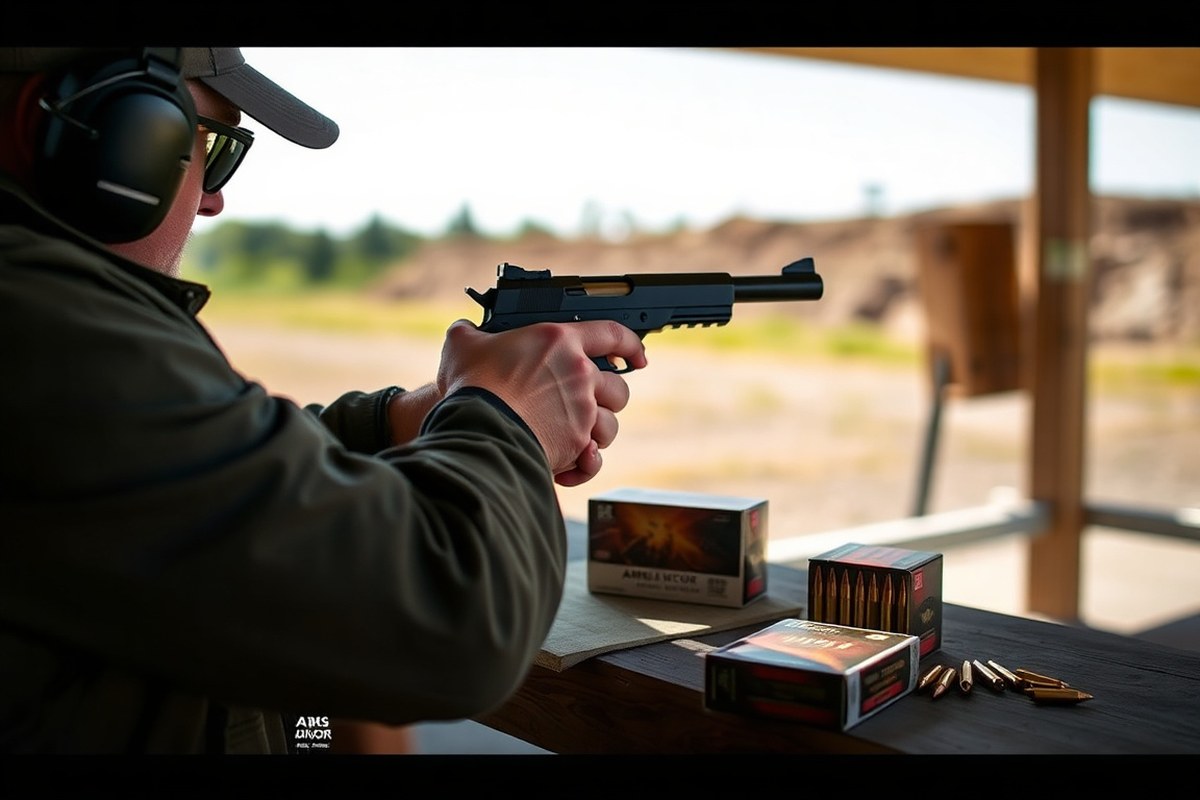
Is Armscor ammo good? Yes, it offers reliable performance with brass-cased, non-corrosive rounds that many shooters trust for range and casual use. Known for value, Armscor ammo often costs less than 30 cents a round while maintaining consistent function and reloadability. Start by trying their 9mm brass-cased ammo to experience dependable feeding and firing firsthand.
Key Takeaways
- Armscor’s 9mm ammo uses reloadable, brass cases and boxer primers for easier reloading and durability.
- Expect low failure rates for light strikes and feeding issues, even at affordable price points.
- Armscor supplies various calibers, including popular rounds like .22 LR, 9mm, .45 ACP, and 5.56 NATO.
- .22 LR ammo from Armscor tends to produce more fouling and smoke compared to premium brands.
- Many shooters successfully reload brass cases 1 to 3 times, reducing overall ammo costs.
- Armscor is a global exporter, selling 80% of its output in over 60 countries.
Is Armscor Ammo Reliable and Good Quality?
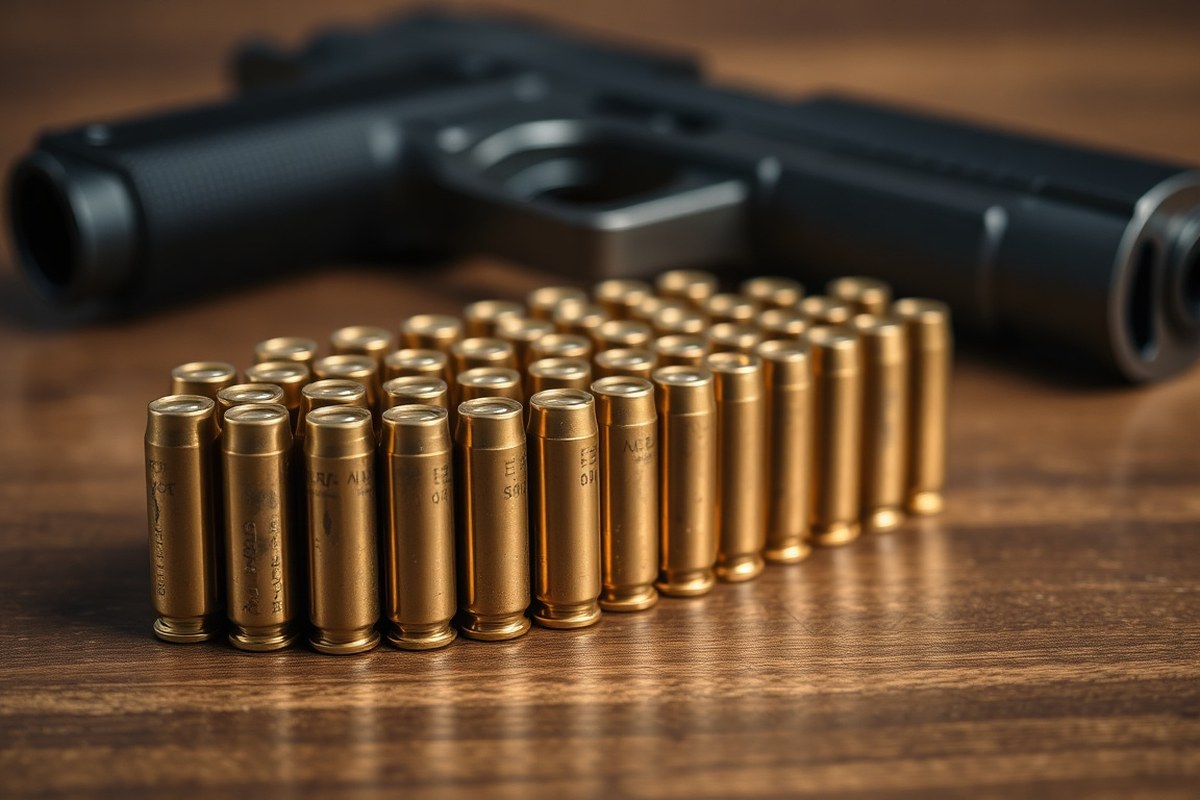
Armscor ammo generally performs reliably for everyday shooting needs, especially in popular calibers like 9mm and .22 LR. Multiple shooter reports confirm that misfires and jams are uncommon, with reliability described as strong in typical pistols and pistol-caliber carbines (PCCs). This makes Armscor ammo a solid choice for range practice, drills, and high-volume shooting, where consistent functioning matters most.
The 9mm lineup includes common bullet weights such as 115 grains for general training, 124 grains for a slightly different recoil feel popular among PCC shooters, and 147 grains optimized for subsonic, suppressor-friendly use. These options all exhibit dependable feeding and extraction in stock guns, with malfunctions happening rarely. Armscor’s brass casings are boxer-primed and non-corrosive, which supports consistent ignition and reliable cycling. For instance, you can expect smooth chambering and firing in pistols like the Glock 19, SIG Sauer P320, or CZ Shadow 2, where Armscor’s rounds have been tested with mostly trouble-free results.
In the case of Armscor .22 LR, the ammo offers excellent value and reliability for plinking and target work. While some shooters compare it as slightly smokier or dirtier than more premium options, it still functions well in common rimfire rifles and handguns. This is important for shooters who want a low-cost training round that cycles smoothly during extended sessions. The .22 LR rounds show consistent ignition and good groupings, making them suitable for both beginners and experienced shooters practicing marksmanship.
Some considerations apply when you use Armscor ammo for carry or self-defense firearms. While the company offers 124 and 147 grain JHP options for defensive practice, many shooters prefer to rely on established premium brands like Federal or Hornady for their primary defensive rounds. Armscor JHPs function well enough for training and cycling your defensive pistol’s action but may not meet the higher terminal performance or brand reputation typically sought in self-defense ammunition.
To maximize Armscor ammo’s reliability, stick to recommended magazines and keep your firearms properly maintained. Some specialized pistols or suppressed setups may benefit from the heavier 147 grain subsonic rounds, which are known for smoother recoil and quieter reports. For training purposes, the 115 grain 9mm FMJ is cost-effective and feeds reliably in most common guns. Using Armscor rounds for regular practice lets you save money on ammo without compromising reliability, unless your firearm has unique feeding quirks or you demand top-tier defensive rounds.
Where Is Armscor Ammo Made and Who Manufactures It?
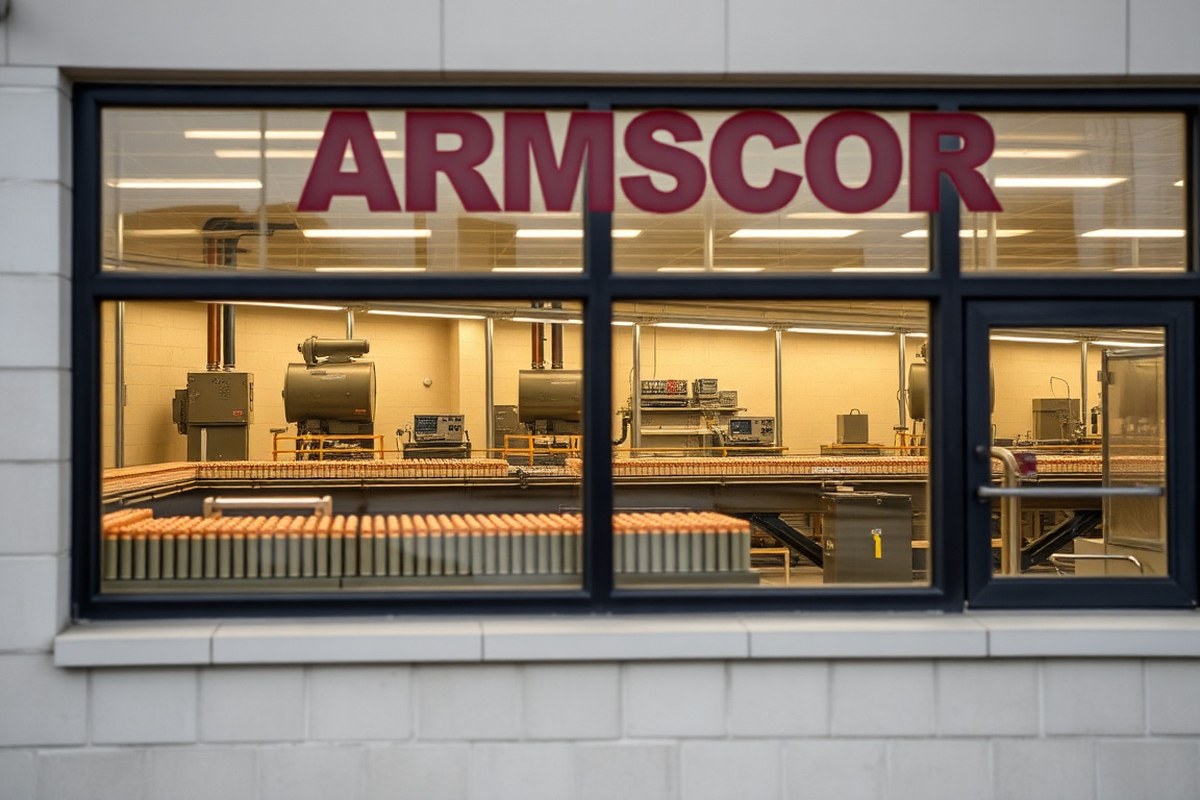
Armscor ammunition is primarily produced in Marikina City, Philippines, where the company maintains its main manufacturing facilities. As a Philippine-based business with over 100 years of history dating back to its origins in 1905, Armscor has developed a longstanding tradition in firearms and ammunition production. The firm rebranded as Arms Corporation of the Philippines in 1980, and later became Armscor Global Defense, Inc. In 2017. This history supports its well-established reputation for consistent quality and dedication to producing reliable ammo for shooters.
The company is led by Martin Tuason, the third-generation family member who became CEO and president in 2012 after Armscor USA expanded operations. Along with the main plants in the Philippines, Armscor has production and logistical facilities in Stevensville, Montana, and a U.S. Office in Pahrump, Nevada. These American locations help ensure compliance with U.S. Standards and allow closer coordination with the U.S. Market, where many shooters purchase Armscor ammunition.
Armscor owns and manufactures the Rock Island Armory (RIA) brand, which is known for producing firearms like the no-nonsense M1911 pistols. Rock Island Armory also serves as the key manufacturer and distributor of Armscor ammunition. This integration of firearms and ammo manufacturing within the same corporate structure supports quality control and creates a consistent product line trusted by users.
The fact that Armscor ammo is made in the Philippines does not mean it falls short of U.S. Quality standards. The company holds rigorous quality control processes across its facilities. Ammunition from both Marikina and Stevensville plants meets industry standards, with boxer-primed, reloadable brass cases suitable for shooters interested in reloading. This cross-continental manufacturing approach combines long-established Philippine craftsmanship with American oversight, resulting in ammo that many gun owners consider reliable and cost-effective.
Check your lot number and purchase from authorized dealers to ensure you get Armscor ammo produced under the latest quality control standards, especially if you reload brass cases.
How Dirty or Clean Is Armscor Ammo Compared to Others?
Armscor ammo generally sits in the middle range when it comes to cleanliness, neither exceptionally dirty nor notably clean compared to other brands. For most centerfire calibers, Armscor produces standard full metal jacket (FMJ) rounds that leave typical powder residue and minor carbon fouling, similar to many budget-friendly ammunition options. Users report it as slightly dirtier than premium ammo but not excessively so. This means you’ll see some build-up on the barrel and chamber after extended shooting sessions, but it does not usually cause any unusual corrosion or accelerated wear to your firearms.
The main exception is Armscor’s .22 LR rounds, which often come with complaints about producing more smoke and fouling. Several shooters note that Armscor .22 LR shoots smokier and leaves heavier residue than peers like CCI or Federal. Anecdotes from forums suggest this can lead to a dirtier bore faster, requiring more frequent cleaning to maintain reliable function. This is important for rimfire pistols and rifles since excess fouling in these smaller bores affects accuracy and cycling more noticeably than centerfire guns.
When shooting Armscor centerfire rounds, especially in calibers such as 9mm or .45 ACP, typical fouling issues you can expect include light carbon deposits on the slug and mild copper residue in the barrel. These deposits are similar to those produced by other budget ammo brands and usually do not necessitate cleaning more often than usual. Premium brands often generate slightly less fouling due to cleaner-burning powders and plated bullets but cost significantly more per round. Thus, Armscor offers a balance for shooters who want affordable practice ammo and are willing to clean their guns at moderate intervals.
Cleaning frequency after shooting Armscor ammo depends on your shooting volume and the firearm type. For centerfire pistols and rifles, cleaning after every 200 to 300 rounds is a reasonable approach to prevent fouling build-up. Shooting mostly Armscor ammo means you should expect consistent performance and manageable cleaning.22 LR, consider cleaning after every 100 to 150 rounds to avoid accuracy degradation and feeding issues caused by smoke and residue. Pay special attention to the barrel and action areas where powder and lead deposits tend to accumulate.
Proper cleaning techniques include using a bore brush rated for your caliber, followed by patches with solvent suited for lead and copper fouling. A nylon brush and lubricating oil will help remove carbon deposits and protect metal parts from rust. Regular maintenance ensures that no excess fouling hardens inside the barrel or action, which could otherwise increase wear or cause jams over time.
Comparing Armscor to premium brands like Winchester USA or Federal Gold Medal Match, you’ll sacrifice some cleanliness for cost savings. The average cleanliness rating on a 5-point scale for Armscor is about 3.3, meaning it runs a bit dirty, especially after shooting more than 200 rounds. In contrast, premium ammo often rates around 4 or higher, with noticeably less smoke and fouling. For many shooters focused on training and range time without breaking the bank, Armscor’s moderate fouling level is an acceptable trade-off.
None of the common fouling from Armscor ammo causes corrosion or damage as long as you clean regularly. The residue left behind is standard powder and lead byproducts, which pose no unusual risk when addressed properly. Cleaning after every range session with Armscor ammunition will keep your firearms functioning smoothly and extend their service life. This approach fits shooters who use Armscor for regular practice and maintenance without the premium cost of ultra-clean ammo.
What Types and Calibers of Ammo Does Armscor Offer?
Armscor offers a solid range of calibers geared toward training and lighter self-defense use, featuring both full metal jacket (FMJ) and some jacketed hollow point (JHP) options. Their ammo covers popular handgun rounds with practical bullet weights, plus a few specialized loads like the .22 TCM. You’ll find subsonic variants suitable for suppressor use, mainly in the 147-grain 9mm offerings.
Most Common Calibers Available
Armscor’s ammo lineup includes the calibers most shooters use regularly, focusing on affordability and reliability. The most common pistol calibers are 9mm, .380 ACP, .40 S&W, and .45 ACP. There are also rifle calibers like the .22 Long Rifle, .22 TCM, and 300 Blackout, though some rifle loads like the 300 Blackout 220-grain have mixed reputations among users.
Bullet weights generally align with typical usage for each caliber, with 115 and 124 grains popular in 9mm, while .45 ACP ammo usually comes in 185 and 230 grain bullets. This setup lets you choose weights that match your firearm’s expected use, from training to carry-style shooting.
| Caliber | Common Bullet Weights (grains) | Primary Use Cases |
|---|---|---|
| 9mm | 115, 124, 147 | Range training, carry practice, some subsonic loads for suppressors |
| .380 ACP | 90, 95 | Training and light self-defense |
| .40 S&W | 165, 180 | Range and practice rounds, occasional light defense use |
| .45 ACP | 185, 230 | Training and carry practice |
| .22 Long Rifle | 36, 40 | Plinking, training, low-cost shooting |
| .22 TCM | 40 | Specialized pistol and rifle rounds for higher velocity |
| 300 Blackout | 220 | Rifle training and specific tactical uses |
Bullet weight and caliber choices let you pick ammo that fits your firearm and shooting goals, whether just for the range or for informal carry practice.
Specialty and Self-Defense Loads
Armscor produces some JHP loads, especially in 9mm, but the majority of their ammo remains FMJ aimed at budget-conscious training. The JHP rounds function well for testing magazine cycling with carry-style bullets. Their 124- and 147-grain JHPs mimic carry ammo in weight and feel but at a more affordable price point.
Subsonic 9mm rounds loaded with 147 grains target suppressor owners looking to reduce noise and recoil. This adds a practical option to a lineup mainly designed for range use. However, Armscor JHP has not garnered wide law enforcement adoption or testing history, so many shooters use it as a supplement rather than primary defense ammo.
Training vs Carry Ammo Options
Most Armscor ammo is designed for range training with a focus on keeping costs low and shooters supplied. FMJ rounds make up the majority, ideal for high-volume shooting sessions but not recommended for self-defense due to limited expansion. The presence of reloadable brass cases also appeals to handloaders who want to stretch their budgets.
When it comes to carry or home defense ammo, choose Armscor’s JHP offerings only as practice rounds for cycling and feel rather than frontline self-defense. Low-cost FMJ remains practical for hammering the range and gaining experience without breaking the bank, especially since many 9mm rounds carry under 30 cents each. Subsonic loads also expand the training category to include suppressed shooting scenarios.
Can You Reload Brass-Cased Armscor Ammo?
Armscor ammo with brass casings is suitable for reloading because it uses boxer primers and non-corrosive powders, which reloaders prefer. Its brass cases can typically be reloaded multiple times, assuming they are inspected thoroughly and maintained well. Knowing the right steps and precautions helps avoid common issues and ensures safe reuse of the brass.
Identifying Reloadable Brass
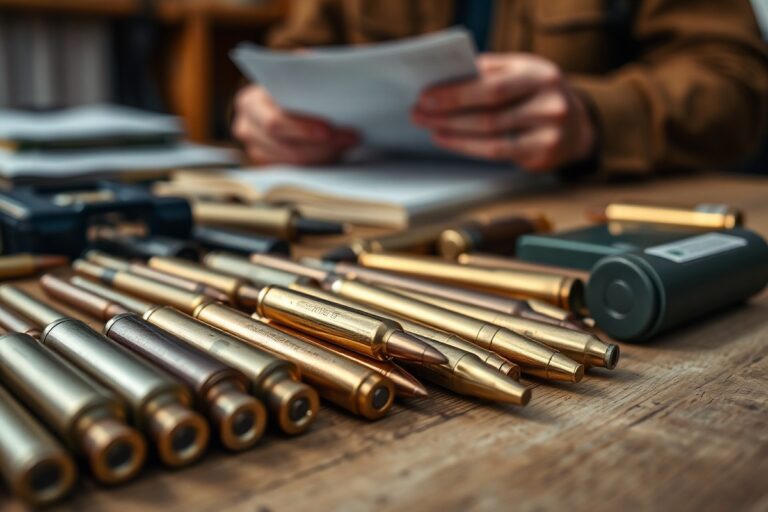
Armscor 9mm ammo casings are made of brass, which generally withstands multiple reload cycles better than steel or aluminum. Boxer-primed cases from Armscor feature a single central flash hole, making decapping and reprime straightforward with standard equipment. Check for corrosion, cracks, deep dents, or bulges, as these signs indicate the brass should be discarded.
Shiny, elastic brass with uniform thickness and no visible case mouth splits or excessive headstamp deformation is ideal for reloading. Keep in mind that frequent exposure to hot loads, improper resizing, or careless handling can shorten brass lifespan.
Recommended Reloading Process for Armscor Cases
When reloading Armscor brass, follow a careful, stepwise procedure to ensure each case is safe and functional. Start by cleaning and resizing the cases, then prime, charge powder, and seat bullets with attention to uniformity and specification compliance.
- Collect fired brass and clean it in a tumbler with media designed for brass to remove dirt and residue.
- Inspect each case for cracks, dents, or corrosion; discard any case with visible damage or excessive wear.
- Resize the cases using a full-length resizing die to restore dimensions, important for reliable chambering.
- Trim cases to recommended length if necessary; for 9mm, typical max case length is about 0.754 inches, maintain within tolerances.
- Deprime the spent primer and then seat a new boxer primer carefully, ensuring it fits flush with the case head.
- Charge with powder loads recommended for your specific bullet and caliber, avoiding exceeding factory or load data to prevent pressure issues.
- Seat the bullet to the correct overall length with a seating die, maintaining consistent bullet pull pressures.
- Perform a final inspection to confirm uniformity, proper primer seating, and cleanliness before loading into magazines.
Always keep your powder charges consistent and never exceed published load data to avoid dangerous pressure spikes.
Common Reloading Mistakes to Avoid
One frequent error is reusing brass too many times without checking for stress or damage, which risks case failure or extraction issues. Armscor brass can usually handle multiple reloads, but avoid cycling more than six reloads if you notice thinning or cracking.
Avoid over- or under-priming; improperly seated primers can cause misfires or pressure inconsistencies. Also, watch your powder charges carefully, low charges might cause squib loads, while high charges can create excessive pressure, damaging your firearm or brass. Use a reliable scale for measurement and always refer to verified reloading data.
Is Armscor Ammo Suitable for Self-Defense Use?
Armscor does offer some jacketed hollow point (JHP) ammunition designed with defensive use in mind, but it’s limited compared to specialized self-defense brands. Their JHP loads provide an affordable option to test how your carry gun cycles defensive rounds, yet they don’t carry the same extensive testing or reputation for reliable expansion and penetration as premium defensive ammo. For example, premium brands often undergo rigorous ballistic gelatin tests to confirm consistent expansion and weight retention, factors Armscor does not widely publicize or independently verify for most of their JHP offerings.
In practical terms, Armscor’s primarily bulk ammunition focuses on full metal jacket (FMJ) rounds suitable for target practice or training. This ammo is generally reliable for range use, feeding smoothly in most pistols, but it lacks the design features needed to reliably stop an attacker. Defense ammo usually incorporates specific bullet constructions to expand on impact, increasing stopping power and reducing the risk of over-penetration, which generally costs more and is less common in Armscor’s main product lines.
Choosing between Armscor’s defensive and training ammo depends on your needs and budget. Their FMJ rounds are fine for repeated practice, helping you keep skills sharp without investing heavily. On the other hand, if you carry for self-defense, it’s wise to use purpose-built JHP ammunition from well-tested brands that demonstrate consistent terminal performance. Armscor’s JHPs could work in a pinch or backup role, but many experts recommend using ammo with a proven track record verified through independent testing.
One advantage of Armscor’s defensive ammo is its affordability, which can lower the cost of practicing with the same type of bullet you carry. However, this comes with tradeoffs: less history of reliable expansion and penetration, and fewer customer reports confirming consistent performance under self-defense conditions. Expect less investment in features like bonded cores or premium jacket metals that improve bullet integrity upon impact.
For self-defense use, selecting the right caliber also matters. Armscor’s JHP rounds in popular calibers like 9mm or .45 ACP cover the basics but might not match higher-end defensive loads regarding expansion and weight retention. Testing these loads in your firearm to ensure reliable feeding and function is important, as is confirming that performance aligns with your self-defense priorities. Bulk FMJ ammo from Armscor is not recommended for carry or use as backup rounds due to lack of expansion and potential over-penetration.
Armscor ammunition works well for affordable practice and can help you check your gun’s reaction with JHP rounds, but stick with trusted defensive ammo for daily carry or emergencies. When you think about using Armscor for self-defense, make sure to test your gun thoroughly with their JHP loads to ensure reliability. For serious self-defense, prioritize well-established defensive ammo options that emphasize terminal performance and consistent expansion to improve stopping power in real-world scenarios.
How Consistent Is Armscor Ammo Between Lots and Boxes?
Armscor ammunition generally performs consistently within typical manufacturing tolerances, but some lot-to-lot variation can occur. Variation in bullet dimensions, powder charge, or primer quality might affect reliability and accuracy, especially for precision shooters or those competing in matches. Customers seeking exact repeatability in velocity and grouping may notice more variability compared to premium match-grade ammo brands.
To evaluate if a new batch of Armscor ammo meets your standards, start by visually inspecting the cartridges. Check overall case length, bullet seating depth, and primer alignment to spot obvious inconsistencies. Use a caliper if you have one available. A batch with inconsistent dimensions can lead to feeding or chambering issues in your firearm.
For functional testing, load a safe number of rounds (10 to 20) into your firearm and fire from a stable rest at a target to gauge accuracy and velocity variation. Use a chronograph to measure muzzle velocity and aim for a spread tighter than about ±75 feet per second in 9mm or other common pistol calibers. External signs of excessive pressure, like flattened primers or difficult extraction, indicate a potential quality problem and you should stop shooting that lot.
- Inspect case and bullet dimensions with calipers for uniformity
- Fire 10-20 rounds from a solid rest, noting any feeding or ejection issues
- Use a chronograph to measure muzzle velocity consistency within ±75 fps
- Look for signs of overpressure such as flattened primers or stuck cases
- Compare group sizes relative to your firearm’s baseline performance
- Keep records of lot numbers and test results for future reference
- Return or discard batches with persistent malfunctions or out-of-spec measurements
Armscor’s quality control process meets general consumer standards, but occasional reports mention “out of spec” rounds or inconsistent components, often linked to reseller issues rather than factory defects. Your own testing helps quickly identify any problematic batches before relying on them for critical use. Encounter feeding jams, misfires, or erratic performance? Stop shooting right away and set that ammo aside.
Decide whether to keep or return a batch based on this checklist: if your rounds cycle and fire cleanly with consistent velocities and group sizes matching your firearm’s typical training ammo, the lot is acceptable. Persistent feeding failures, velocity variations beyond ±75 fps, or signs of pressure call for contacting the seller to report and request a refund or replacement. Maintain safety first by avoiding questionable lots, especially for self-defense or duty use where reliability is essential.
What Are the Pros and Cons of Buying Armscor Ammo?
Armscor ammo offers solid value for shooters looking for reliable ammunition without a premium price tag. You get wide caliber options and decent overall quality, but there are some trade-offs in consistency and certain performance factors to consider. Understanding these can help you decide if it fits your shooting needs and budget.
Advantages of Armscor Ammo
Armscor is known for producing a broad range of ammunition types, from rimfire to magnum rifle rounds, giving you plenty of choices for different firearms. The cost tends to be lower than many major brands, making it a budget-friendly option for range practice and target shooting. Customers often note decent accuracy and reliability for the price, especially with the Precision line.
The fact that Armscor manages the entire production process supports better quality control than relying on third-party components. This can result in fewer headaches when feeding rounds through your gun at the range. Also, some shooters appreciate that the brass cases are reloadable, which can further save money in the long run if you’re into reloading.
Known Limitations and Challenges
Armscor ammo can show some inconsistency between lots and boxes, which might affect precision shooting or competitive use. Some users have reported occasional feeding issues or minor jams, particularly with semi-automatics, so it may require testing in your specific firearm before committing to bulk purchases.
Compared to premium brands, the ammunition is generally dirtier, so expect more residue buildup that means extra cleaning after sessions. Also, customer complaints sometimes arise about third-party-sourced components labeled as Armscor, which may not meet the factory’s standards. These issues typically do not reflect on official factory ammo but can confuse buyers relying on online listings.
Best Situations to Use Armscor Ammo
Armscor ammo is best suited for routine range shooting where you want to maximize rounds without breaking the bank. It works well for plinking, training new shooters, or when you don’t need ultra-tight groupings. Reloaders can benefit from its reloadable brass, trimming costs further over time.
For self-defense or competition, you should test your specific firearm with Armscor ammo first to ensure reliability and performance meet your standards. The ammo’s value shines most when lower cost outweighs top-tier performance, or when used in guns that function reliably with it.
When buying, look for factory-sealed boxes and buy from reputable dealers to avoid out-of-spec components. Testing a small quantity before large purchases helps identify any firearm-specific issues early on.
| Factor | Advantage | Disadvantage |
|---|---|---|
| Price | Lower cost than premium brands, good value for bulk range ammo | Not the absolute cheapest; some surplus brands may be cheaper |
| Quality Control | Complete in-house production helps maintain consistent standards | Some variation between lots, occasional reports of feeding issues |
| Ammo Types | Wide selection: rimfire through magnum rifle and shotgun | Some calibers less commonly stocked or sporadic availability |
| Cleanliness | Functional performance despite dirtier residue than some brands | Increased firearm fouling requiring more frequent cleaning |
| Reloading | Brass is often reloadable, saving money for handloaders | Reloaders should inspect brass for signs of excessive wear or deformation |
These trade-offs clarify when Armscor ammo gives you the most bang for your buck and when other options might serve better.
Always test Armscor ammo in your firearm before buying large amounts to avoid compatibility or feeding issues in critical situations.
Your Quick-Start Plan for Using Armscor Ammo
Follow these steps to determine if Armscor ammo fits your shooting needs and preferences.
- Day 1: Purchase a small quantity of Armscor ammo in your preferred caliber to test quality and reliability.
- Week 1: Shoot the ammo at your range, noting performance, accuracy, and cleanliness compared to your usual ammo.
- Week 2: Inspect spent casings for brass condition and signs if you plan to reload them, ensuring they meet your criteria.
- Week 3: Evaluate the ammo’s consistency across different boxes or lots by repeat shooting to spot any performance variations.
- Week 4: Assess cost-effectiveness by comparing Armscor pricing with other brands you use and factor in your results.
- Ongoing: If considering self-defense use, review your ammo’s terminal performance and select accordingly for your firearm and local laws.
Frequently Asked Questions
Is Armscor Ammo Safe to Use in All Firearms Chambered for That Caliber?
Yes, Armscor ammo is designed to meet standard chamber pressures, making it safe for all firearms chambered for that caliber. Always inspect your firearm for wear and follow manufacturer recommendations for any ammunition use.
Does Armscor Offer Any Special Types of Ammunition Like Armor-Piercing or Tracer Rounds?
No, Armscor does not produce armor-piercing or tracer rounds. Their product lineup focuses on standard ball, hollow point, and training ammo suitable for civilian shooting needs.
How Does Armscor Ammo Perform in Competition Shooting Scenarios?
Armscor ammo is generally reliable for casual competition but may lack the extreme consistency favored by top competitors. For serious matches, premium match-grade ammo may offer better performance.
What Is the Shelf Life of Armscor Ammunition When Stored Properly?
Armscor ammo typically has a shelf life of 10 to 20 years if stored in a cool, dry environment. Proper storage away from moisture and temperature extremes preserves its reliability.
Are There Environmental Concerns with Using Armscor Ammunition at Outdoor Ranges?
Armscor uses non-corrosive primers and lead bullets in most ammo, so users should follow range rules for lead handling and disposal to minimize environmental impacts.
How Does Armscor’s Customer Service Rate for Ammo-Related Issues?
Armscor has a reputation for responsive customer support on ammunition issues, with avenues for warranty claims and product questions through their distributor or official website.
Final Thoughts
Armscor ammunition offers a balance of affordability and acceptable performance for range shooting and reloading, though it may not meet every self-defense requirement. Trying it yourself in your firearms gives the clearest sense of reliability and value. Start with a small test batch, then decide on further purchases based on your personal shooting experiences and needs.